In 1940 the leader of the Surrealists in England told the group's members that they could belong to no other society. Ithell Colquhoun would not agree to that. Her other interests were magical ones, and she left. Ten years later a new London art journal commissioned her to design its cover, and she gave it a spiral drawn on the golden section.
Colquhoun was born in India in 1906, studied at the Slade, and showed her paintings beside Roland Penrose's in London in 1939. After the break she went on painting and writing, and she worked her way through magical orders, Druid orders and Co-Masonic lodges. She applied to a Golden Dawn order and was refused, and decades later she wrote the Golden Dawn's history anyway. She wrote an alchemical novel, Goose of Hermogenes, and travel books on Ireland and Cornwall. In 1949 she took a studio called Vow Cave in the Lamorna valley in Cornwall. In her seventies she painted a tarot of her own in poured enamel.
Automatic writing came to the Surrealists from the mediums, and they used it as a way into the unconscious. Colquhoun put the divination back. In 1949, the year before Eidos, she published an essay on the automatic methods of painting and called it The Mantic Stain. Mantic means divinatory. A blot of paint pressed between two sheets was, for her, something to be read as well as made. She had demonstrated the techniques on BBC television the year before.
The Eidos cover comes from the same habit of mind. Her spiral unwinds in the proportions of the golden section, the ratio that runs through the Fibonacci numbers, which turn up in the seed heads of sunflowers and the scales of pine cones. Her bibliographer, Richard Shillitoe, records that it was chosen to stand for "the eternally recurrent rhythm of life itself." You could argue, and we do, that this is where a good deal of the esoteric tradition went once science had taken over the explanation of nature: into the studios. An old doctrine, that number and proportion are the hidden order of the world, turns up in 1950 on the wrapper of a journal of painting, sculpture and design. Her graphite and ink design for the cover, with two test drawings, is in her archive at Tate.
The journal itself was a sober affair. Its editors included John Rothenstein, the director of the Tate, and Sir Leigh Ashton, the director of the Victoria and Albert Museum. Herbert Read contributed an essay on realism and abstraction to the first issue. The second included David Lewis on Barbara Hepworth, and the third ranged from Minoan gems to industrial design. It lasted three issues, all of them in 1950.
All three are here in Colquhoun's wrappers, the second still in its glassine. The first issue has a portion cut from one leaf. The issues can be bought together or one at a time.
EIDOS: A Journal of Painting, Sculpture and Design. Nos. 1–3 (May–June, September–October, November–December 1950). All published. Wrappers designed by Ithell Colquhoun. London: Newman Wolsey, 1950.
Physical Description: Three issues, quarto, black and white plates.
Binding: Original printed card wrappers designed by Ithell Colquhoun; the second issue in its original glassine.
Condition: Wrappers of the first issue rubbed. In the first issue a portion has been cut from one leaf. Otherwise good.

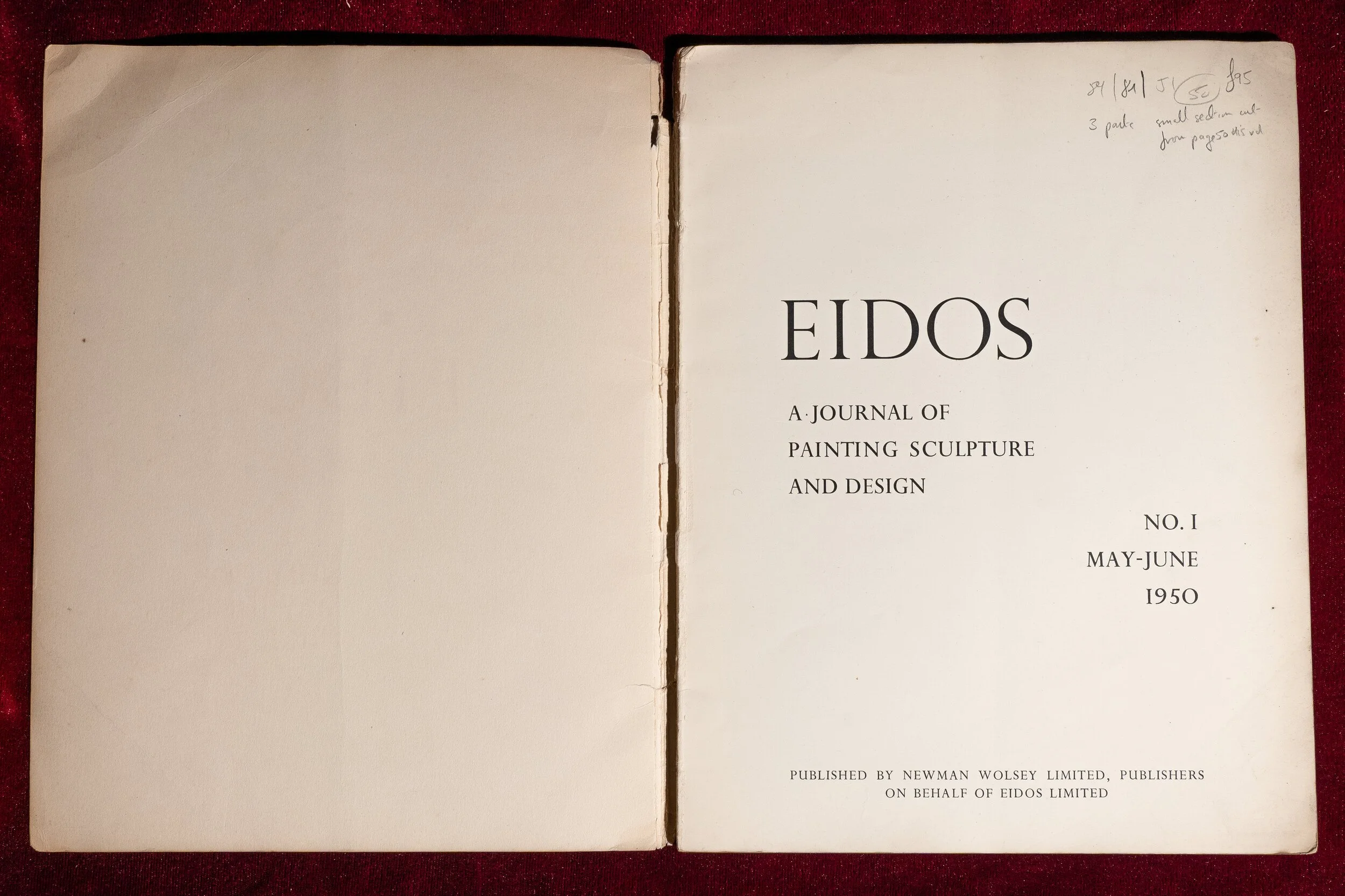 Image 1 of 23
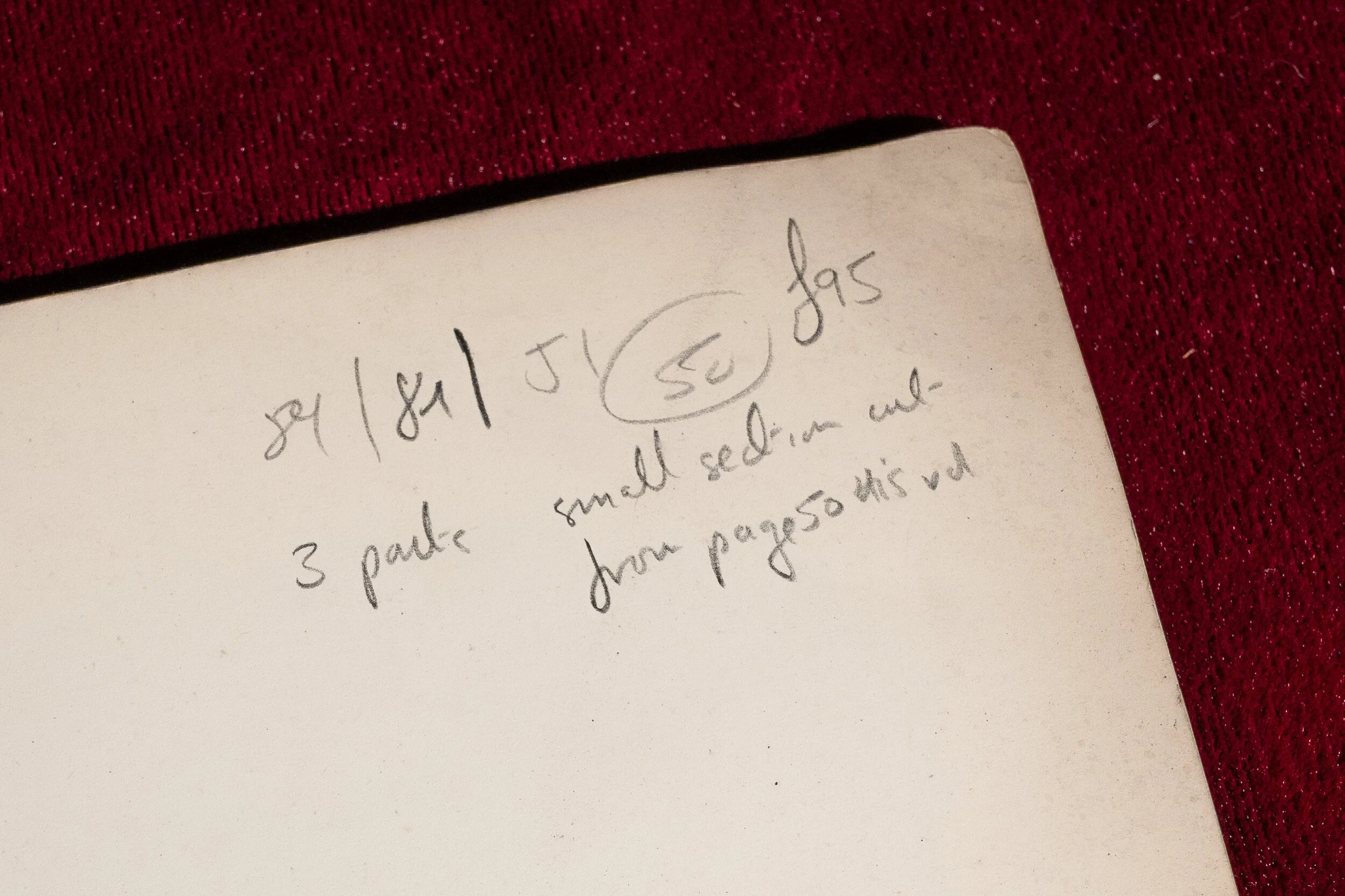 Image 2 of 23
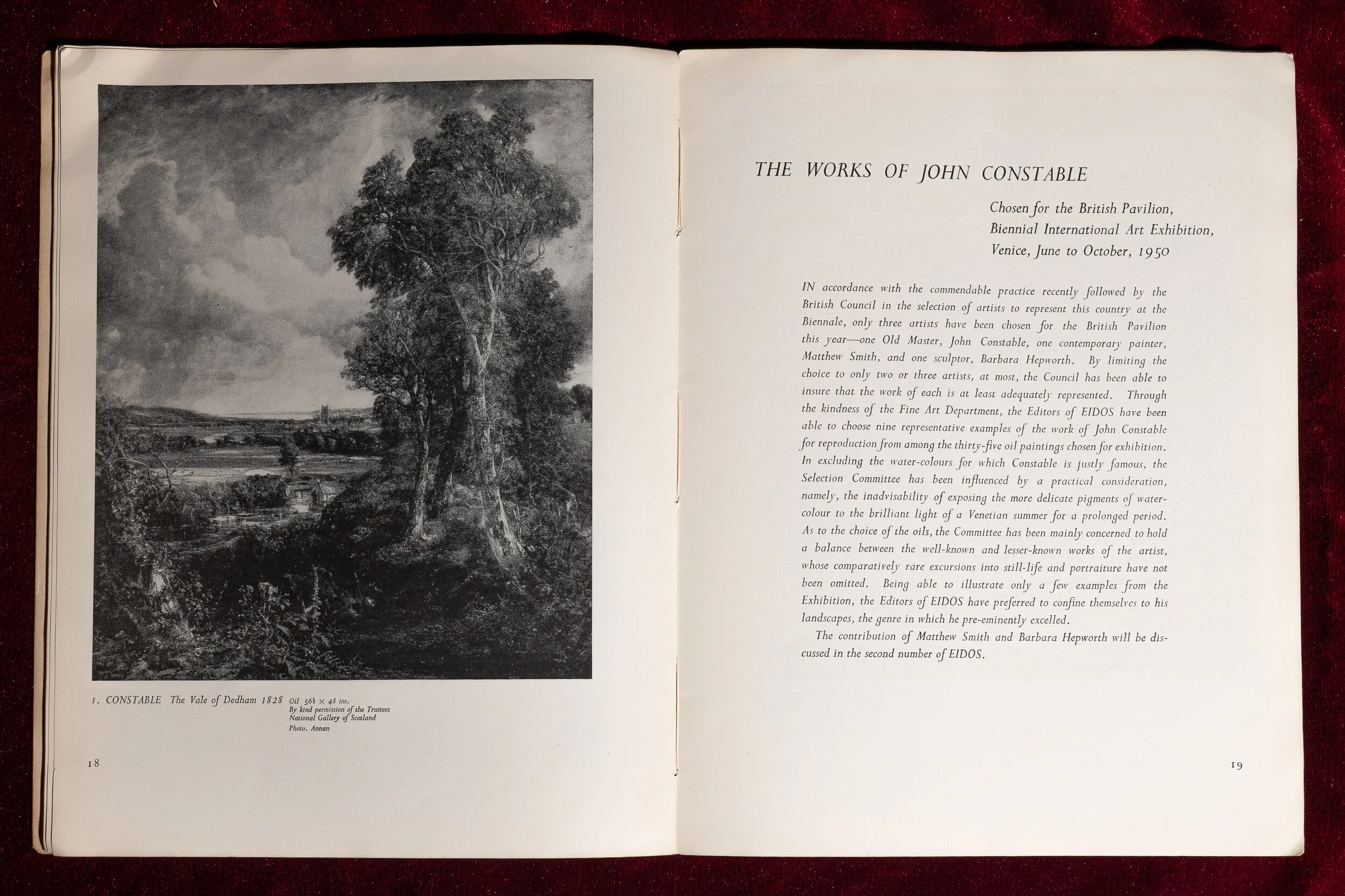 Image 3 of 23
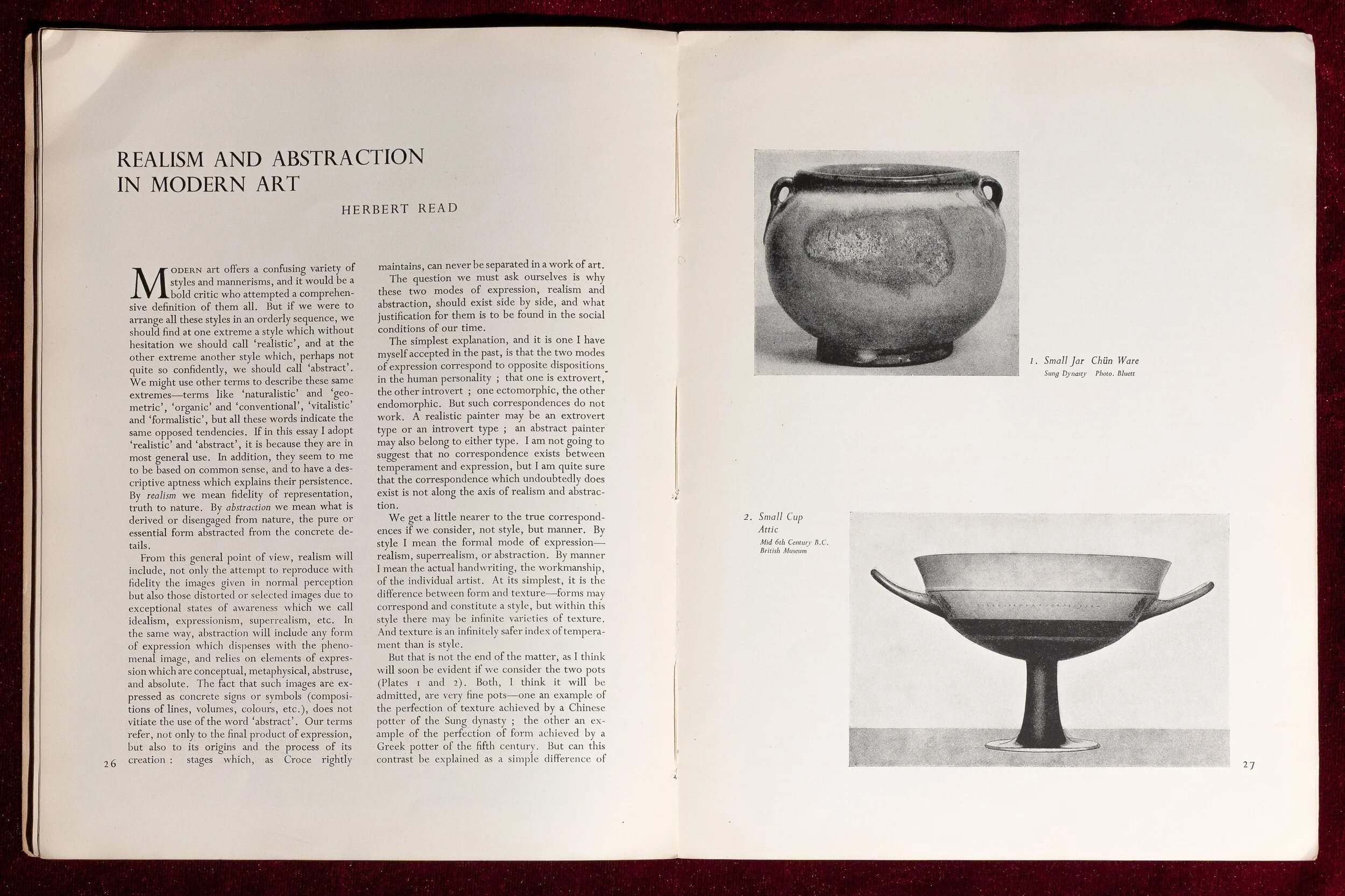 Image 4 of 23
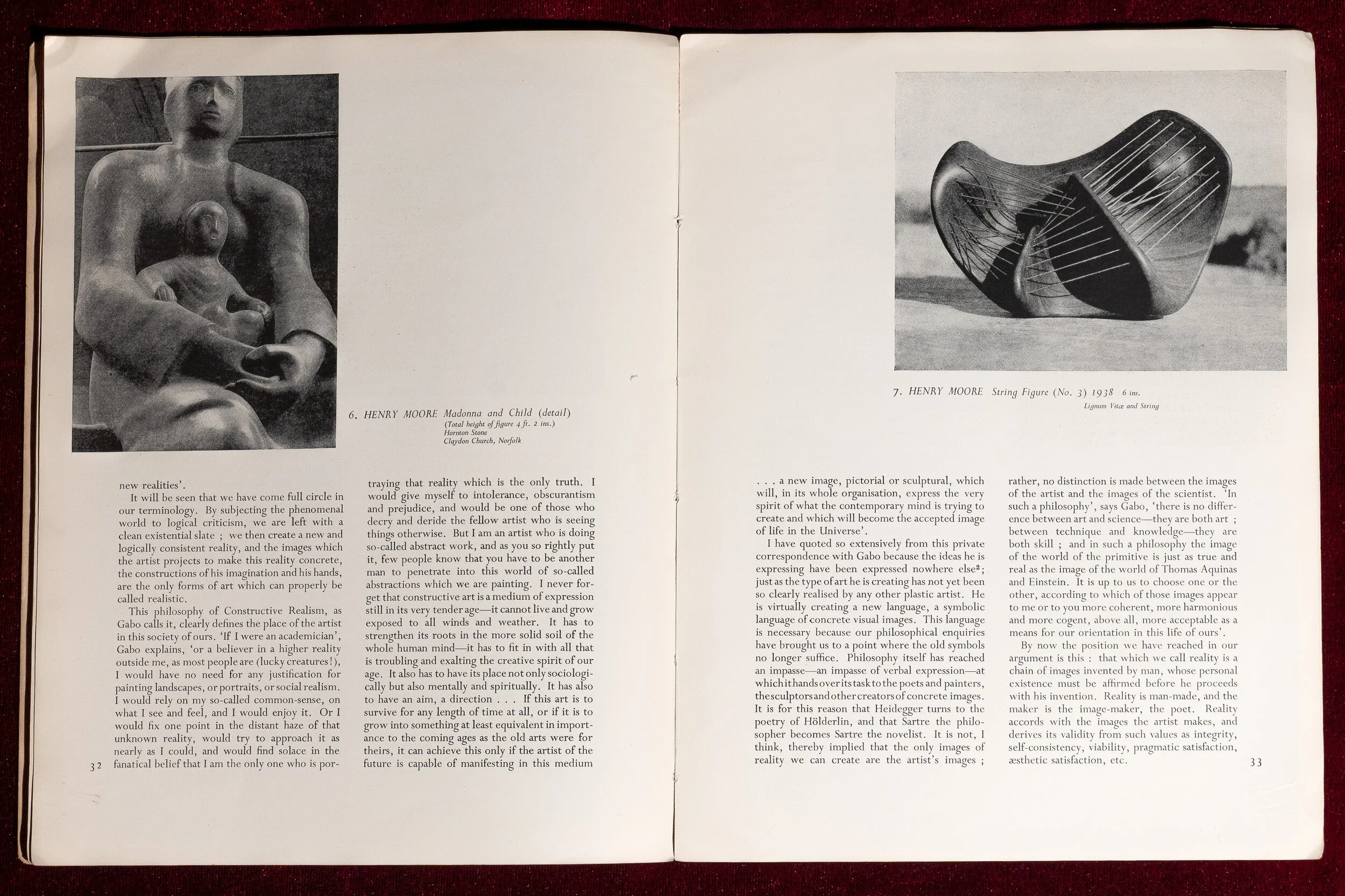 Image 5 of 23
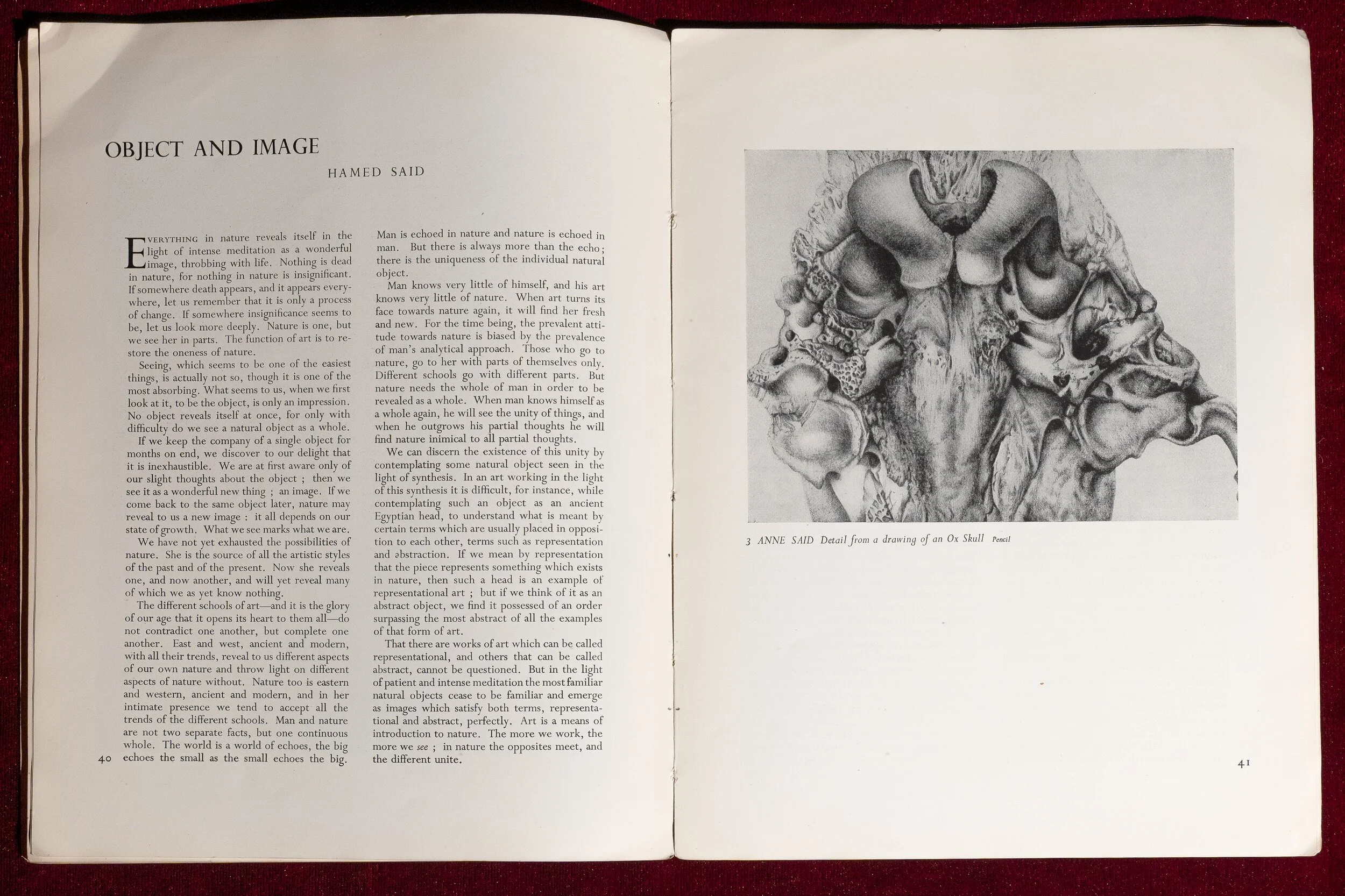 Image 6 of 23
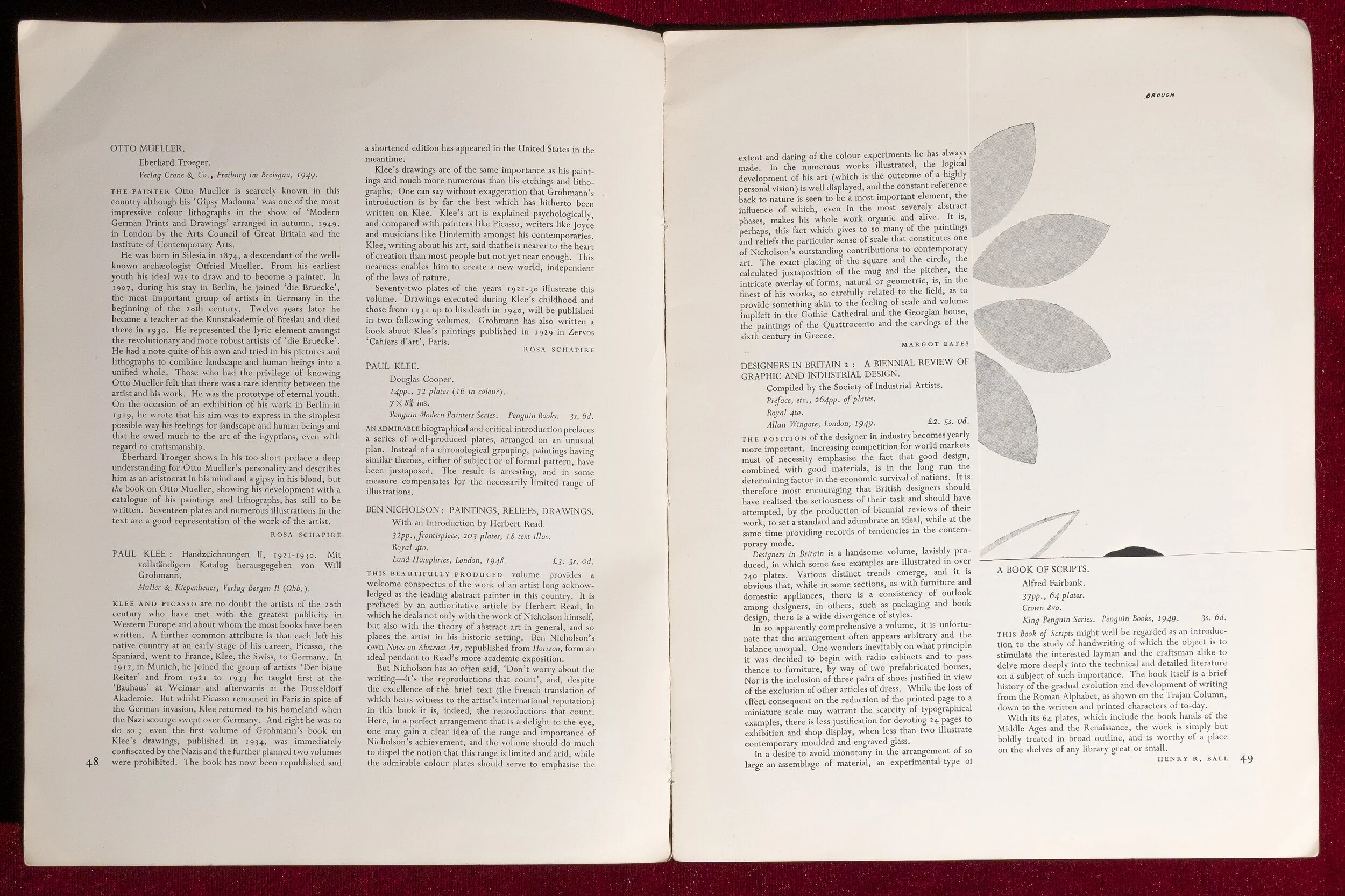 Image 7 of 23
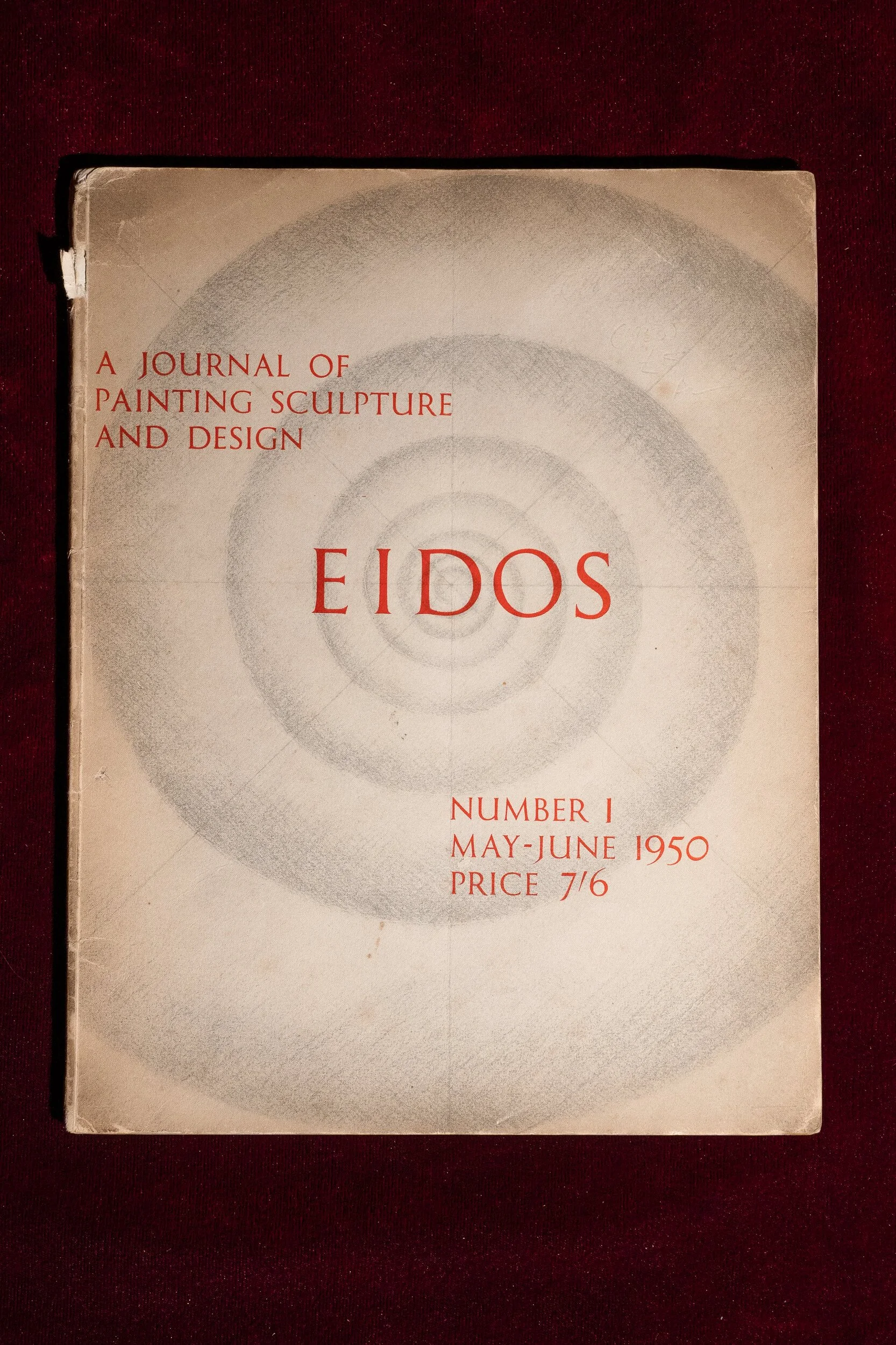 Image 8 of 23
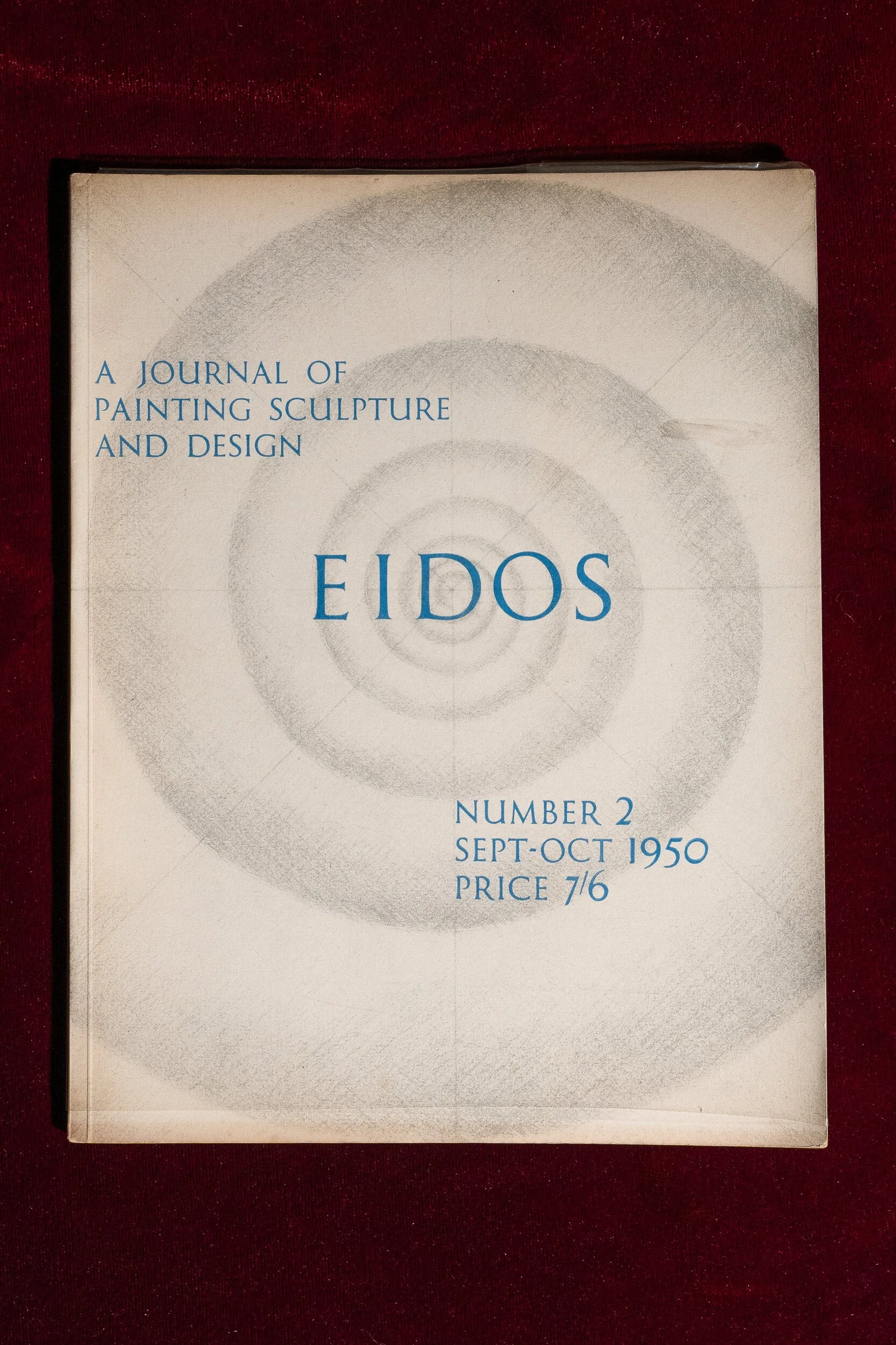 Image 9 of 23
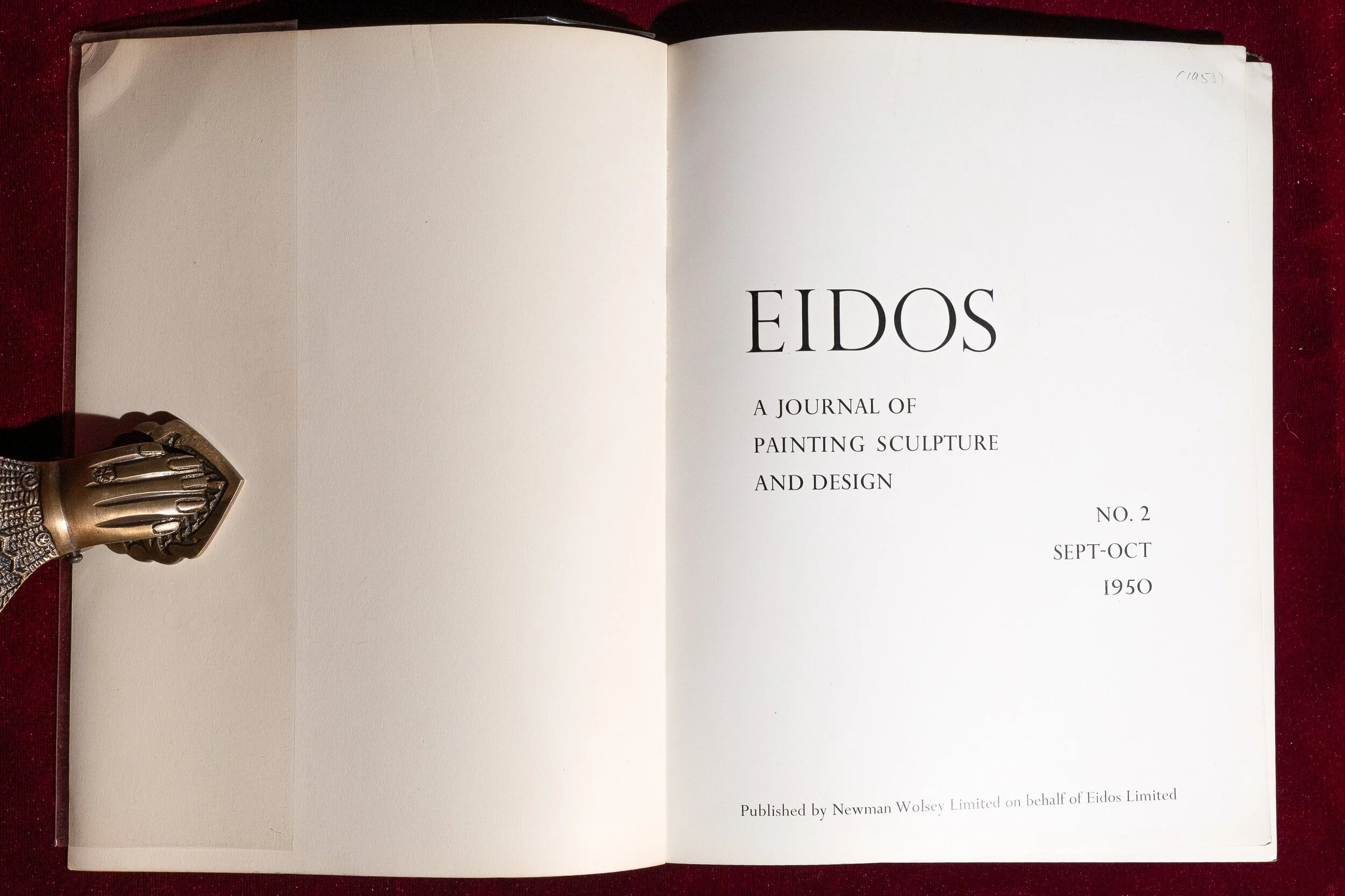 Image 10 of 23
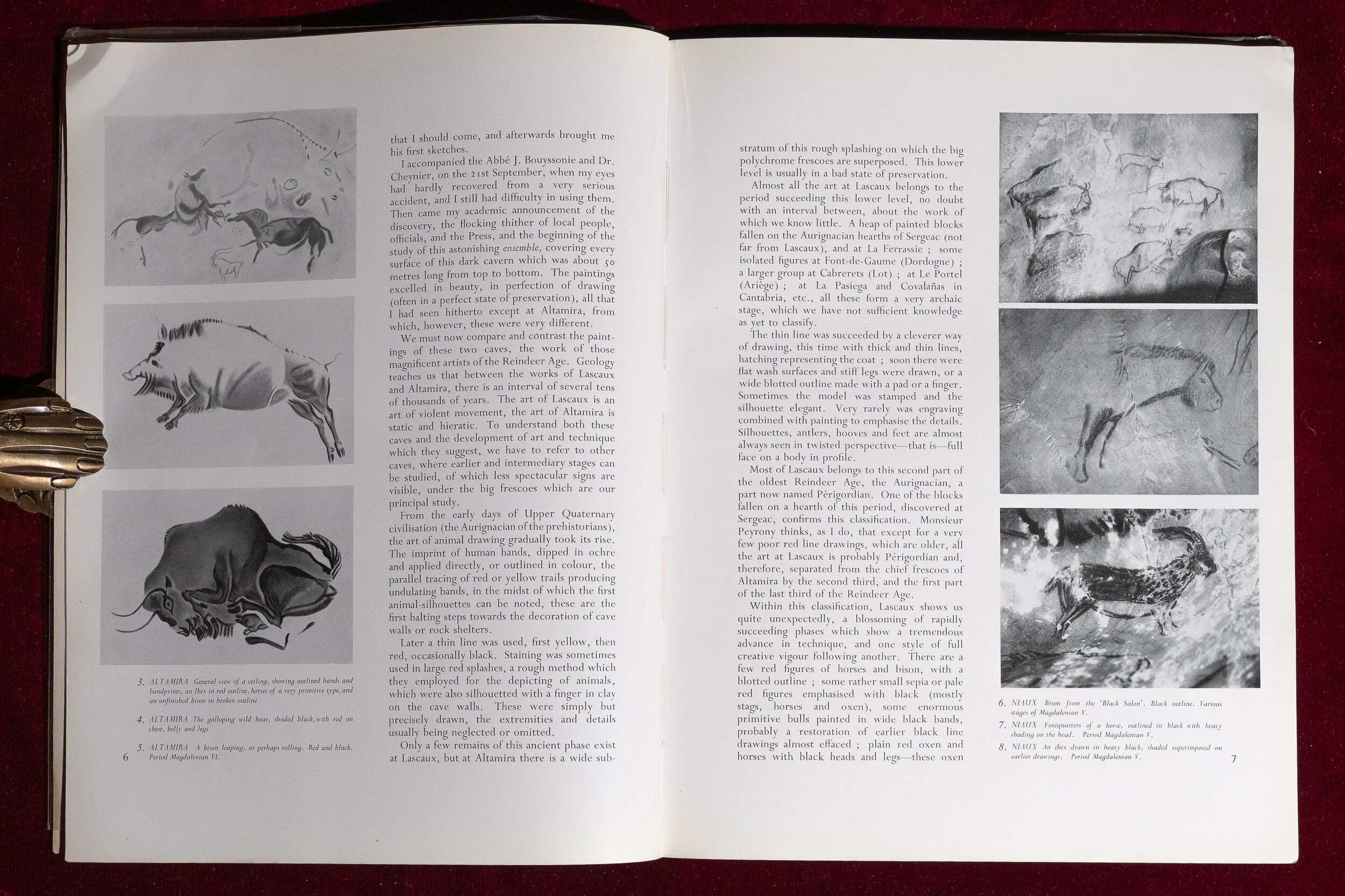 Image 11 of 23
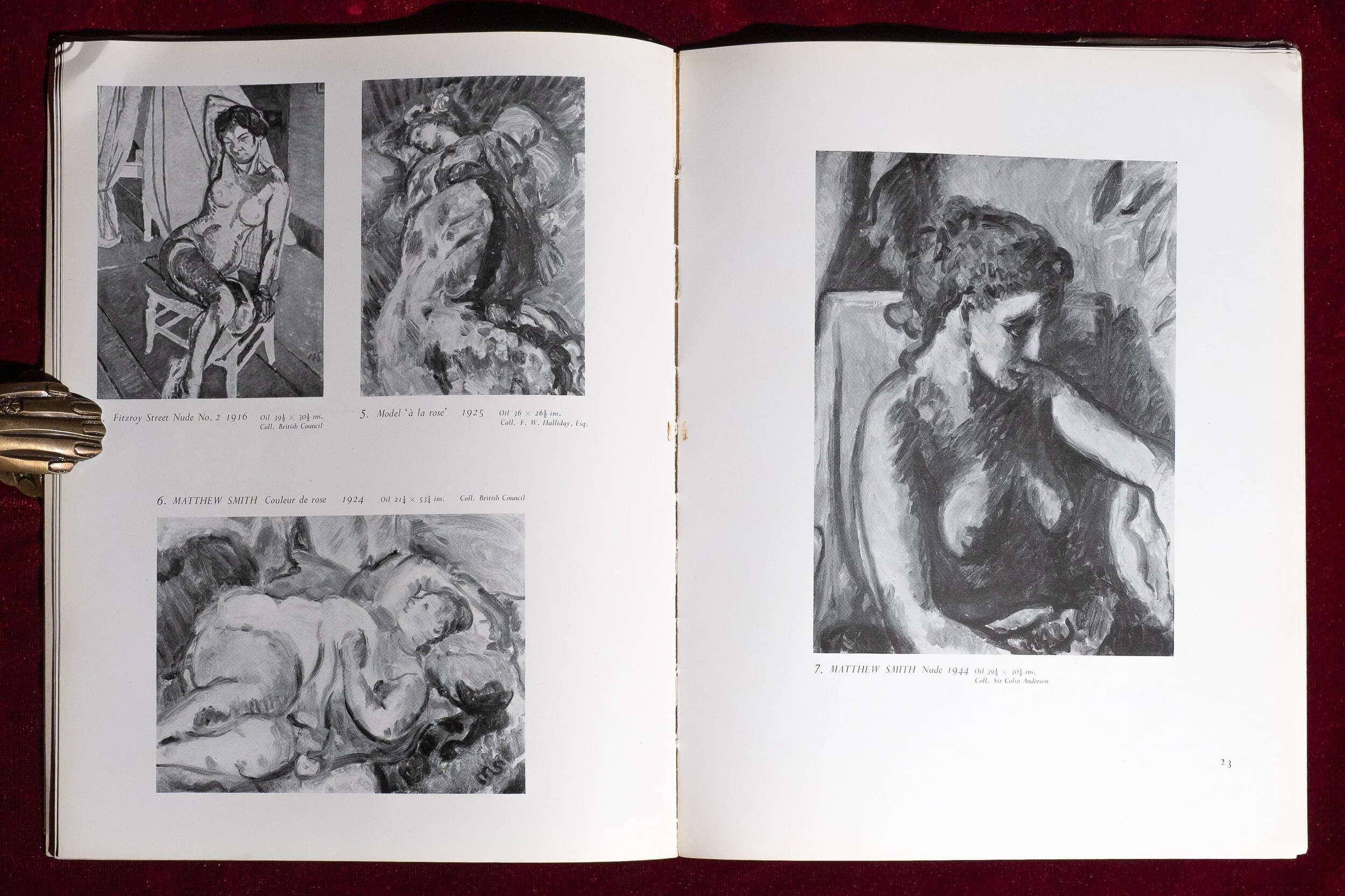 Image 12 of 23
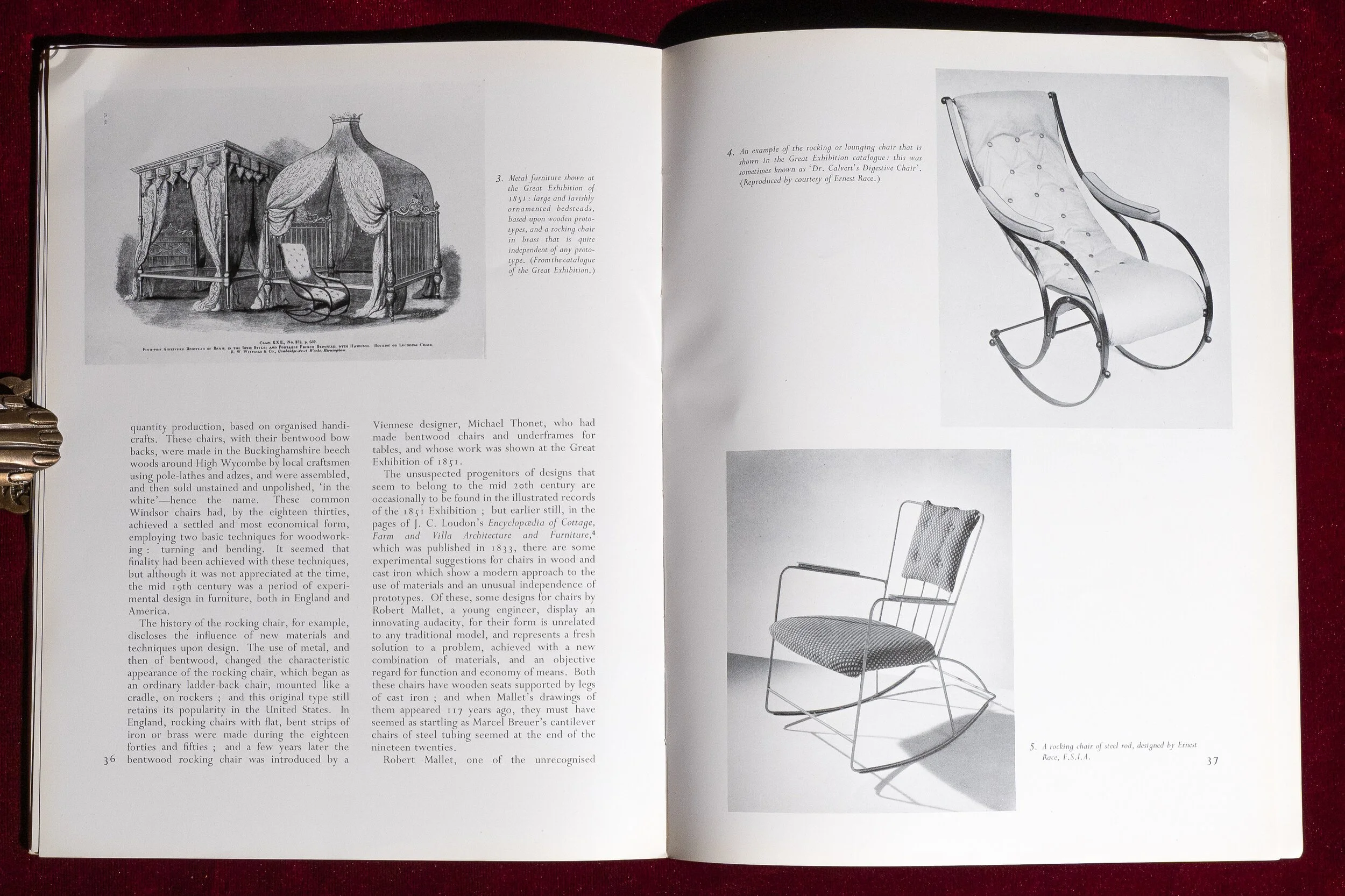 Image 13 of 23
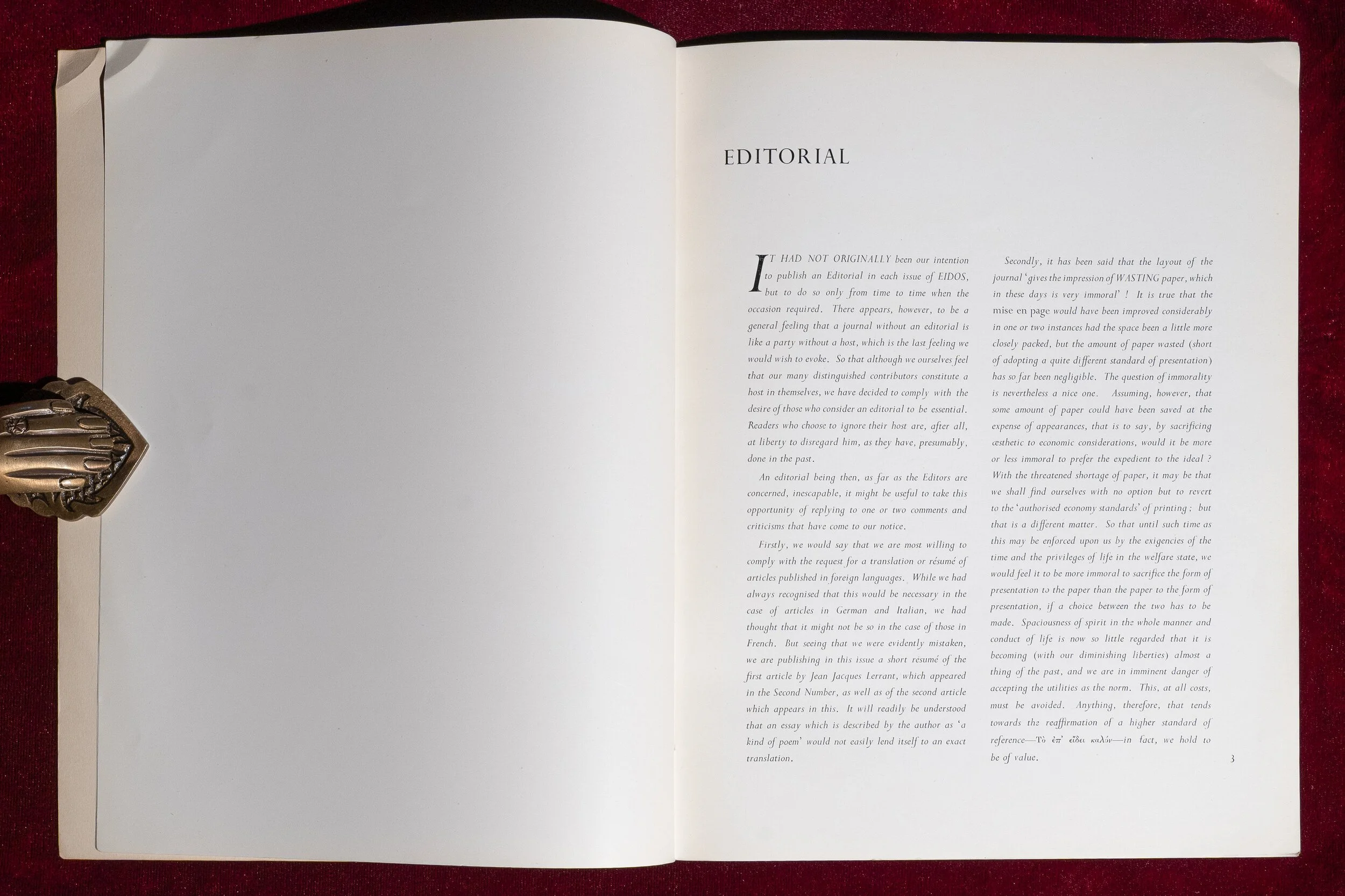 Image 14 of 23
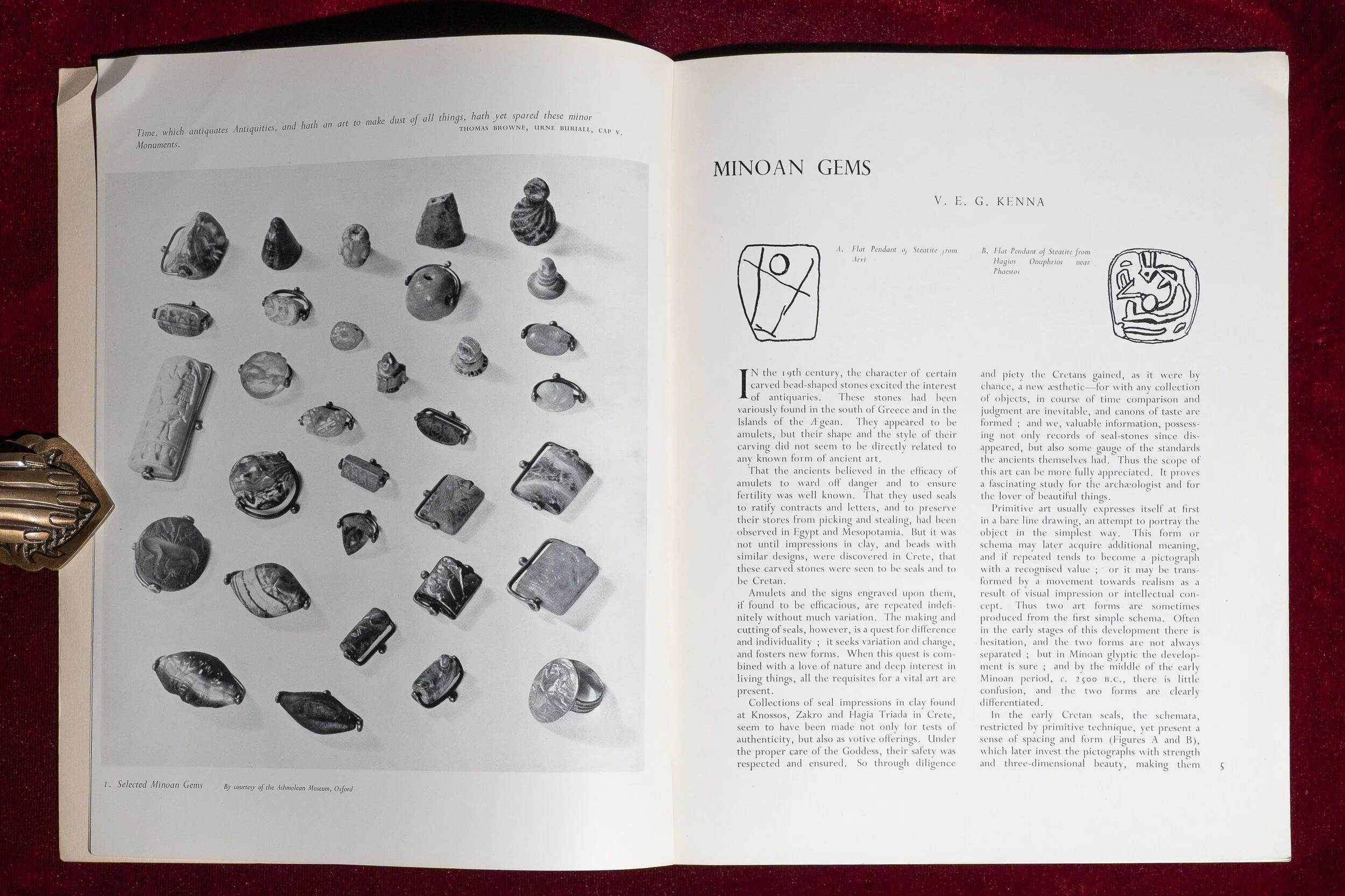 Image 15 of 23
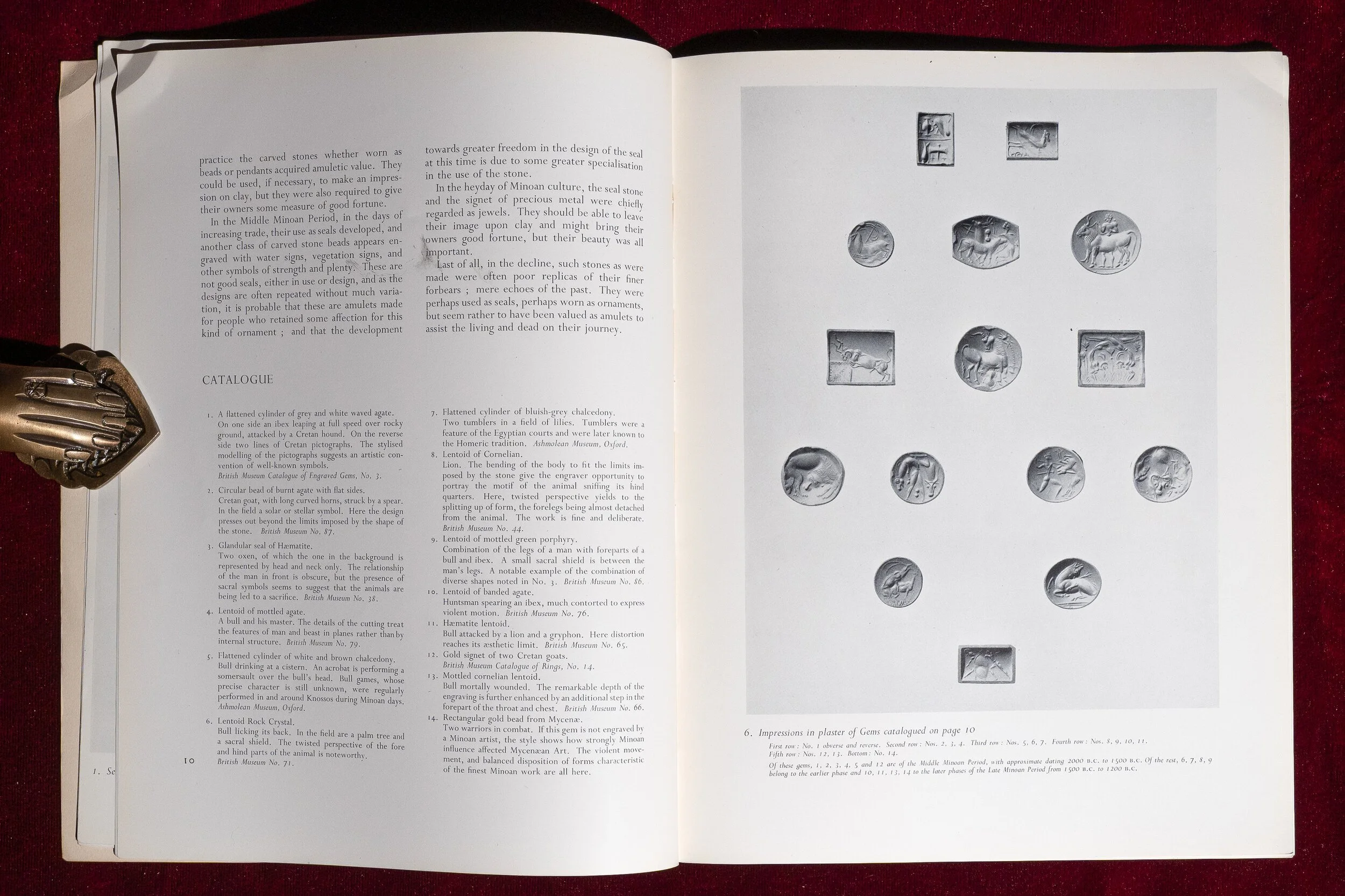 Image 16 of 23
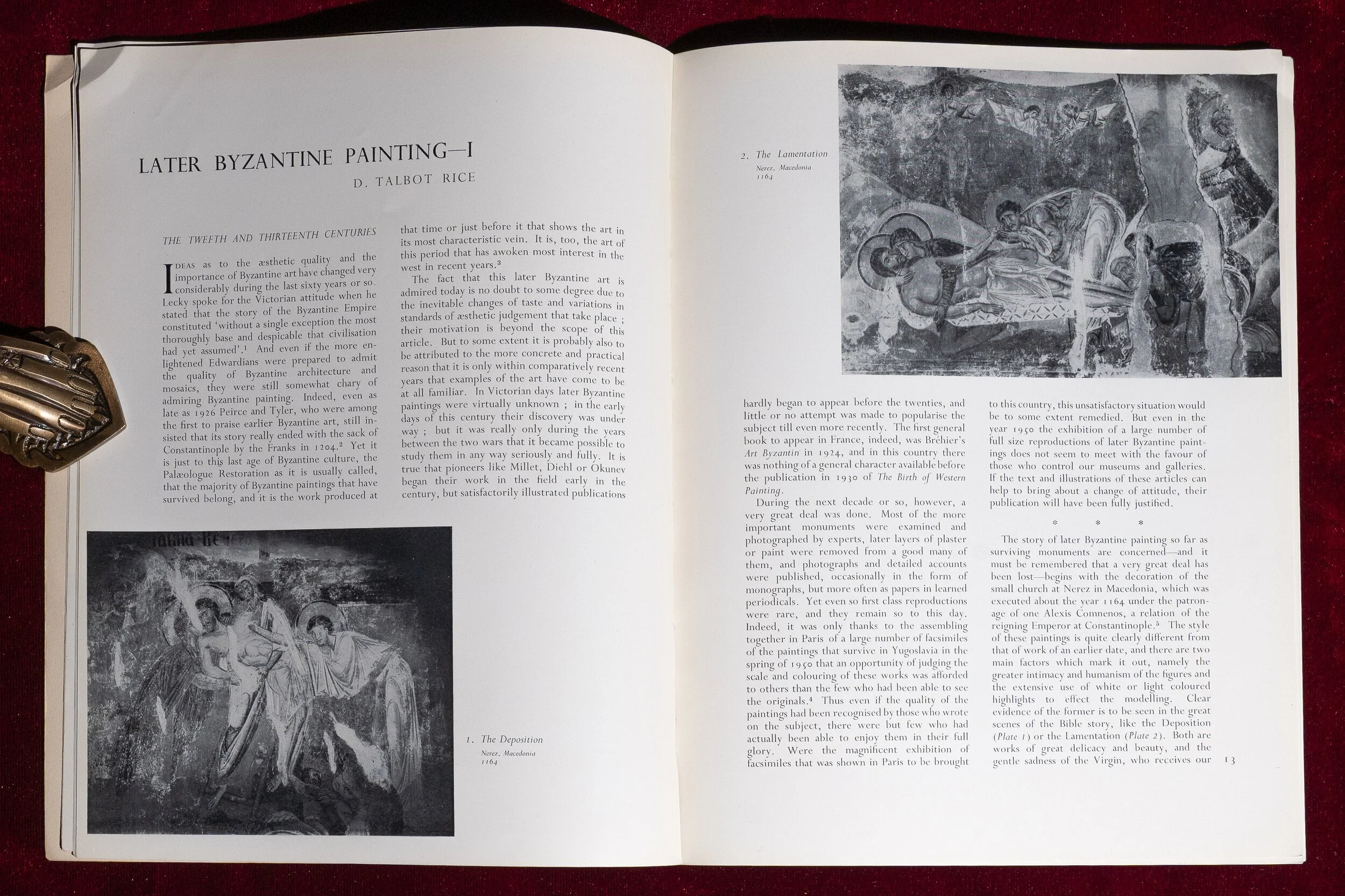 Image 17 of 23
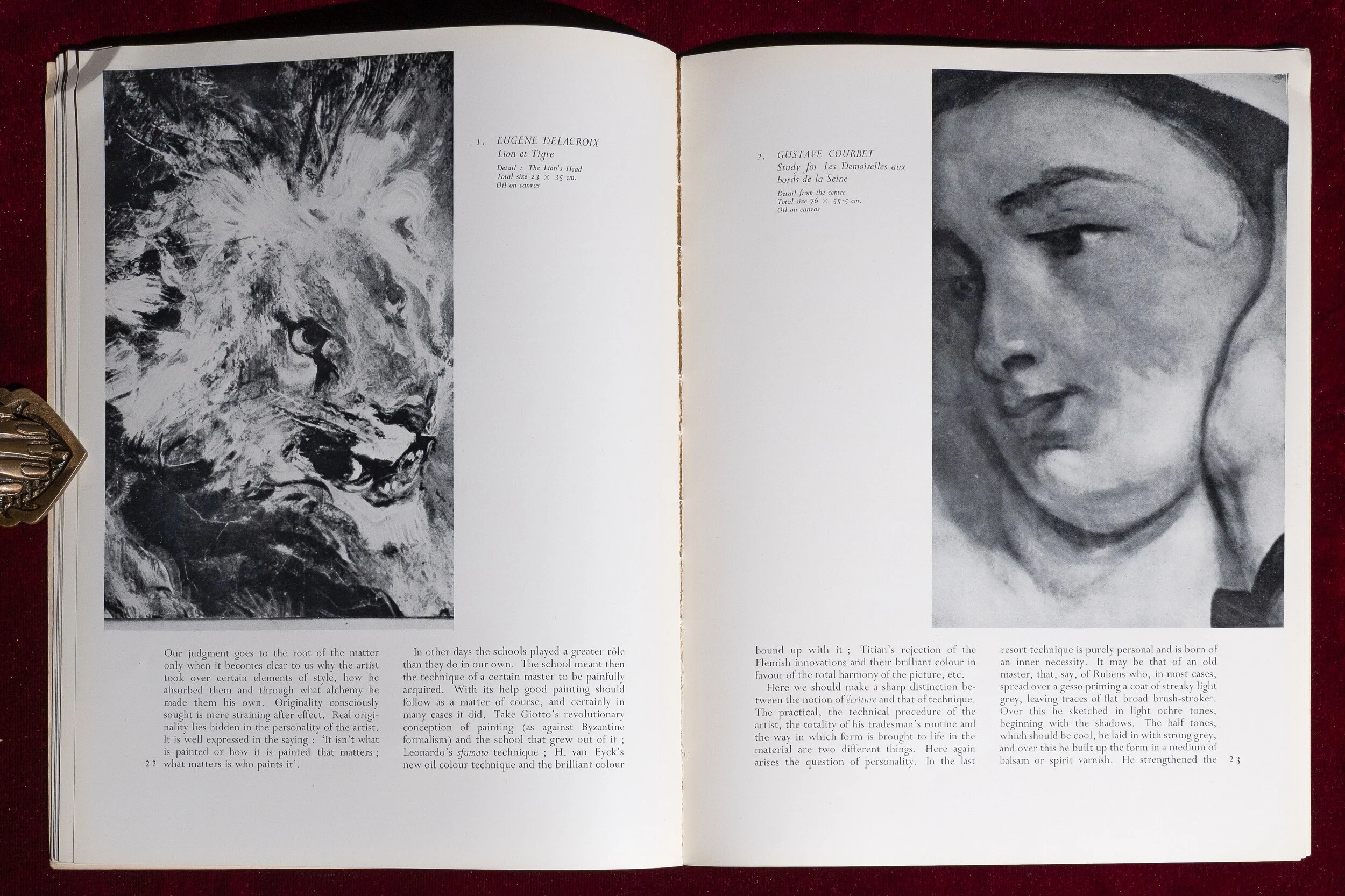 Image 18 of 23
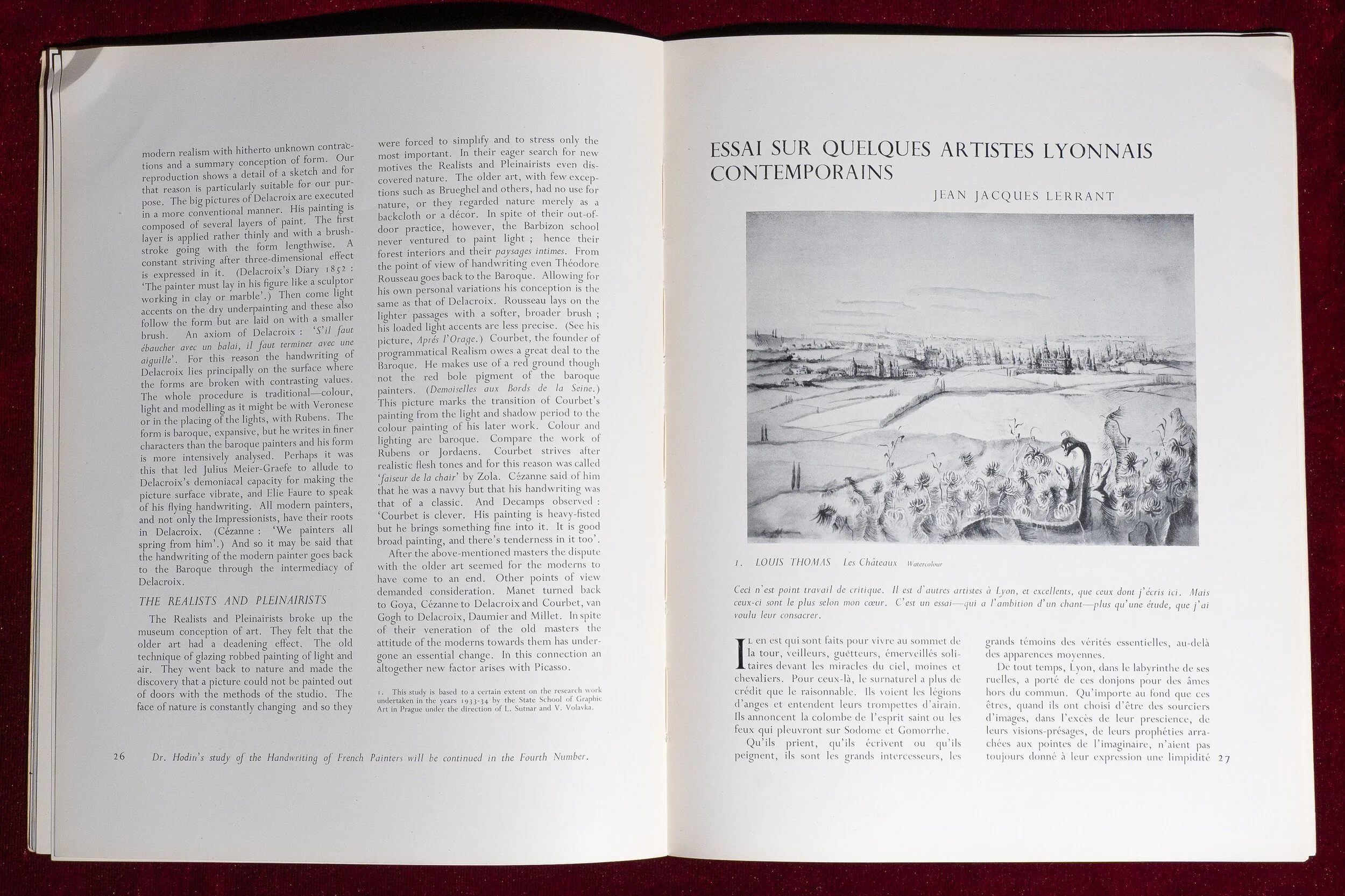 Image 19 of 23
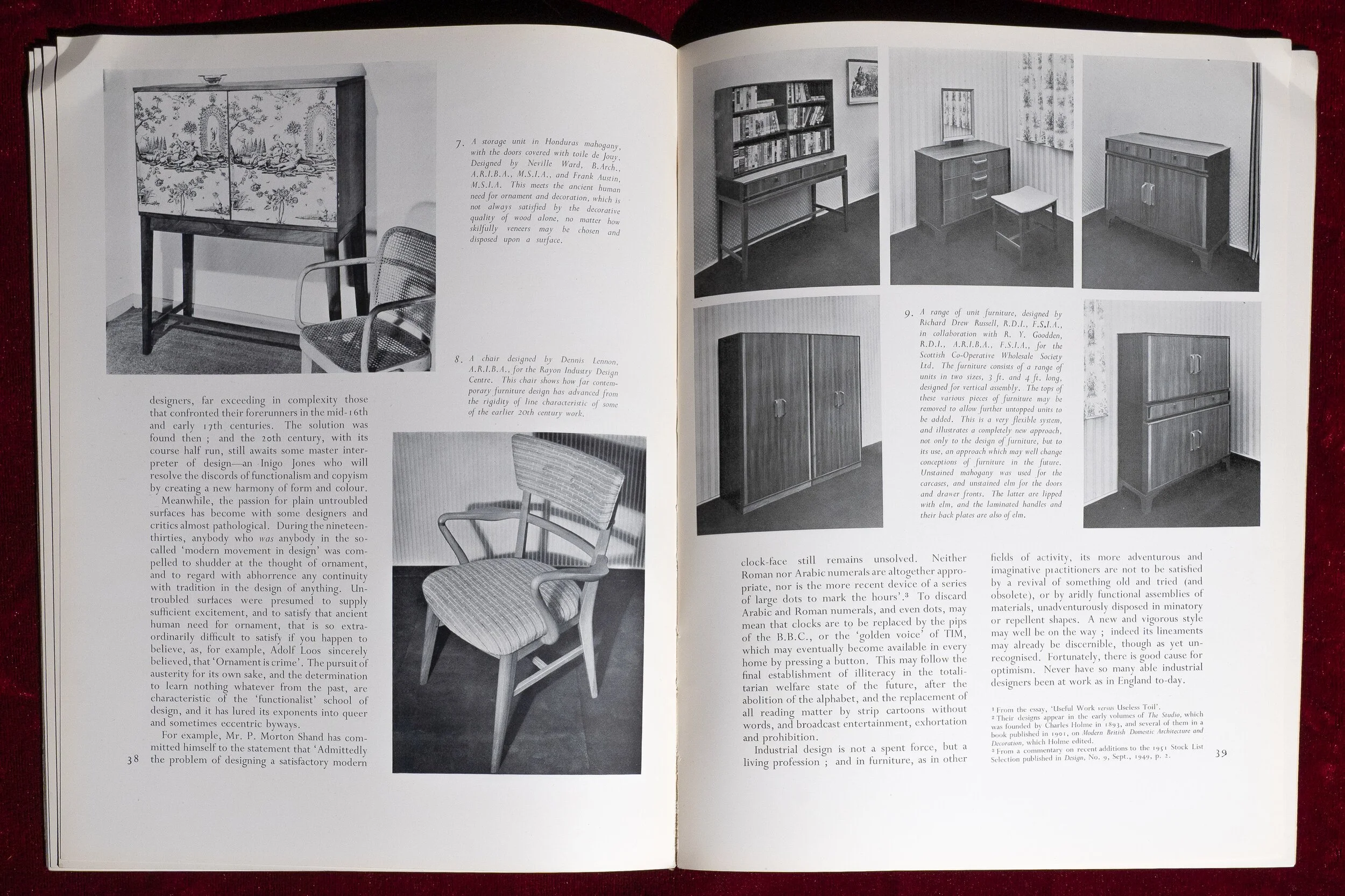 Image 20 of 23
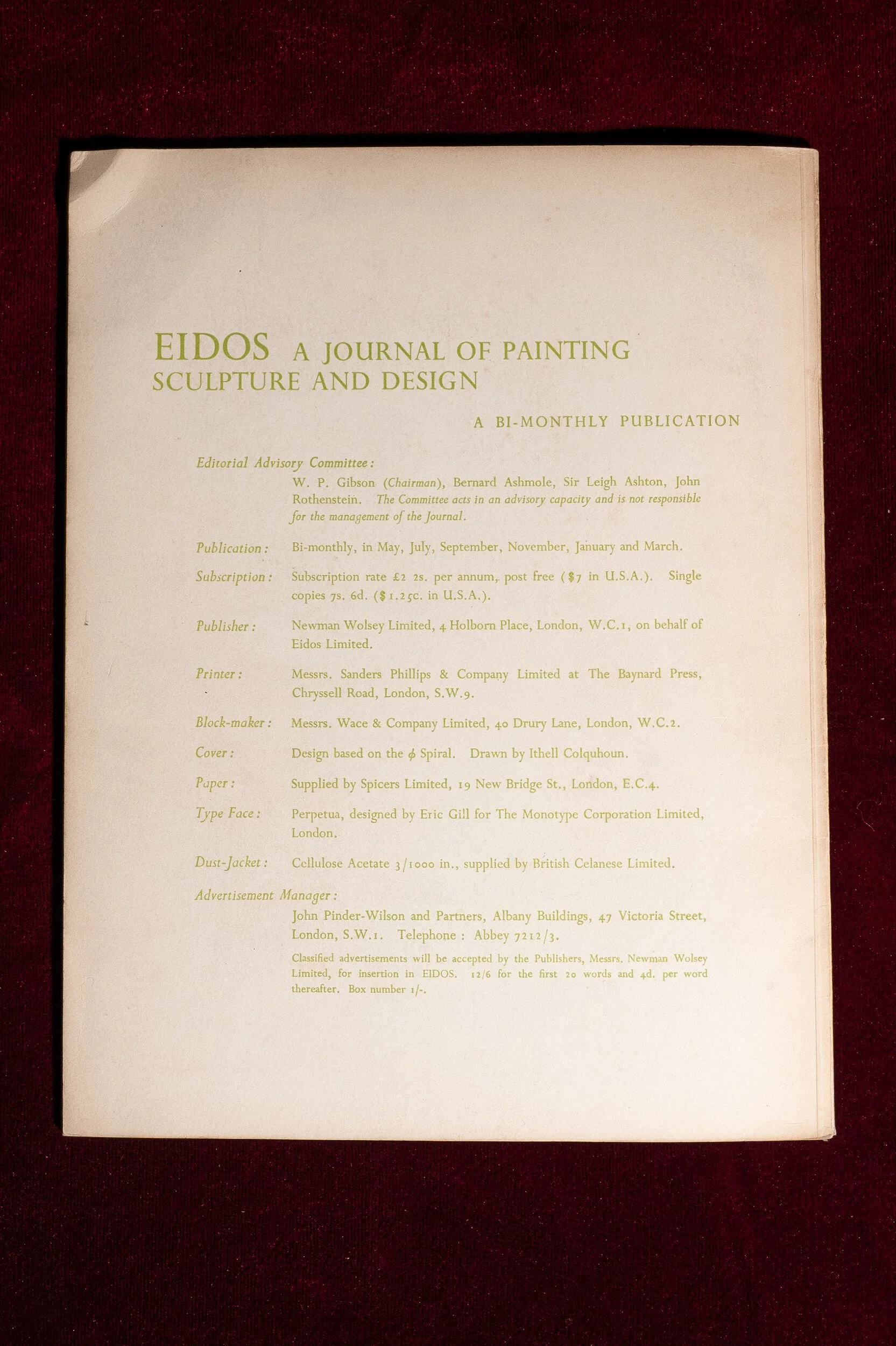 Image 21 of 23
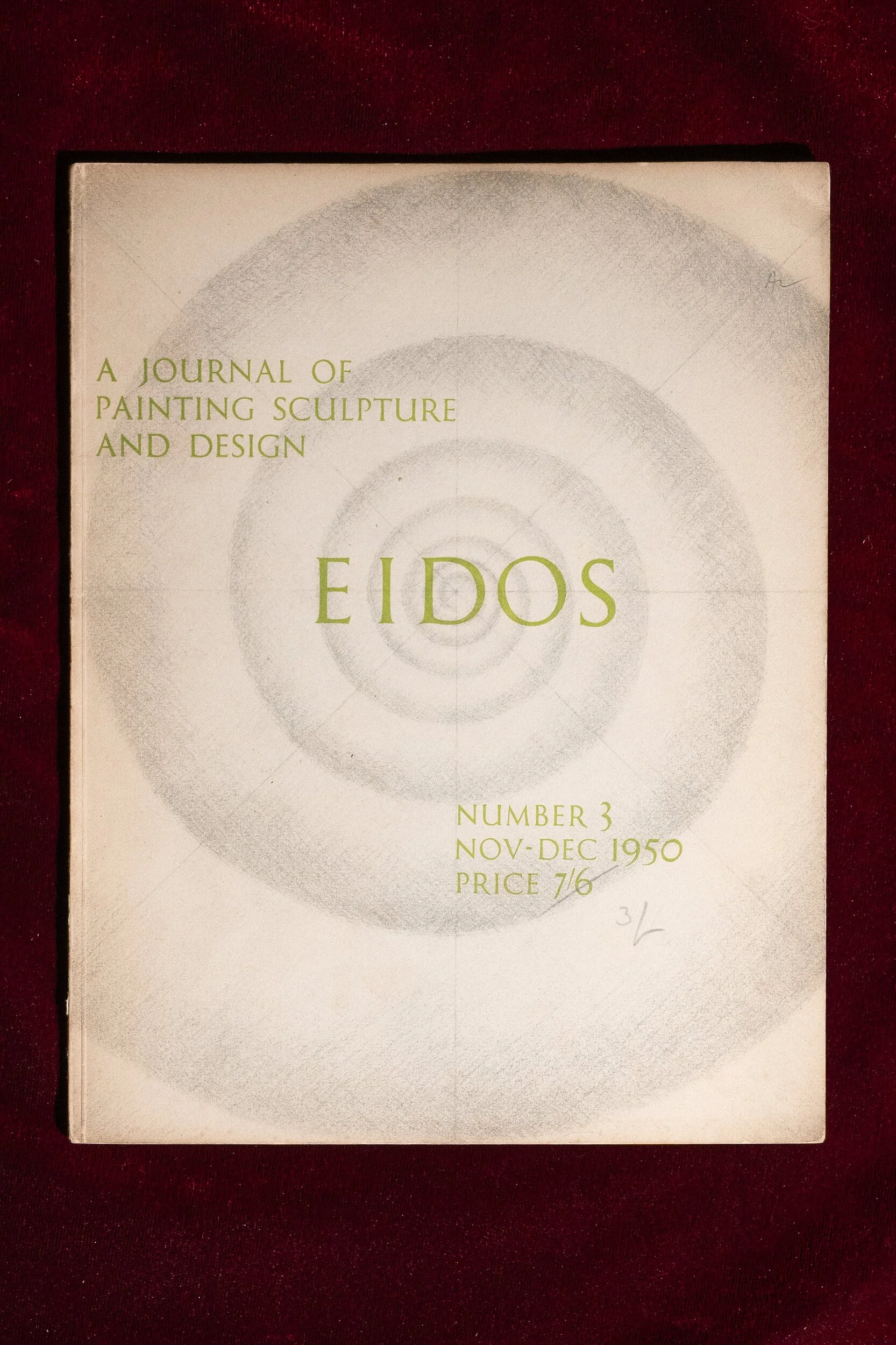 Image 22 of 23
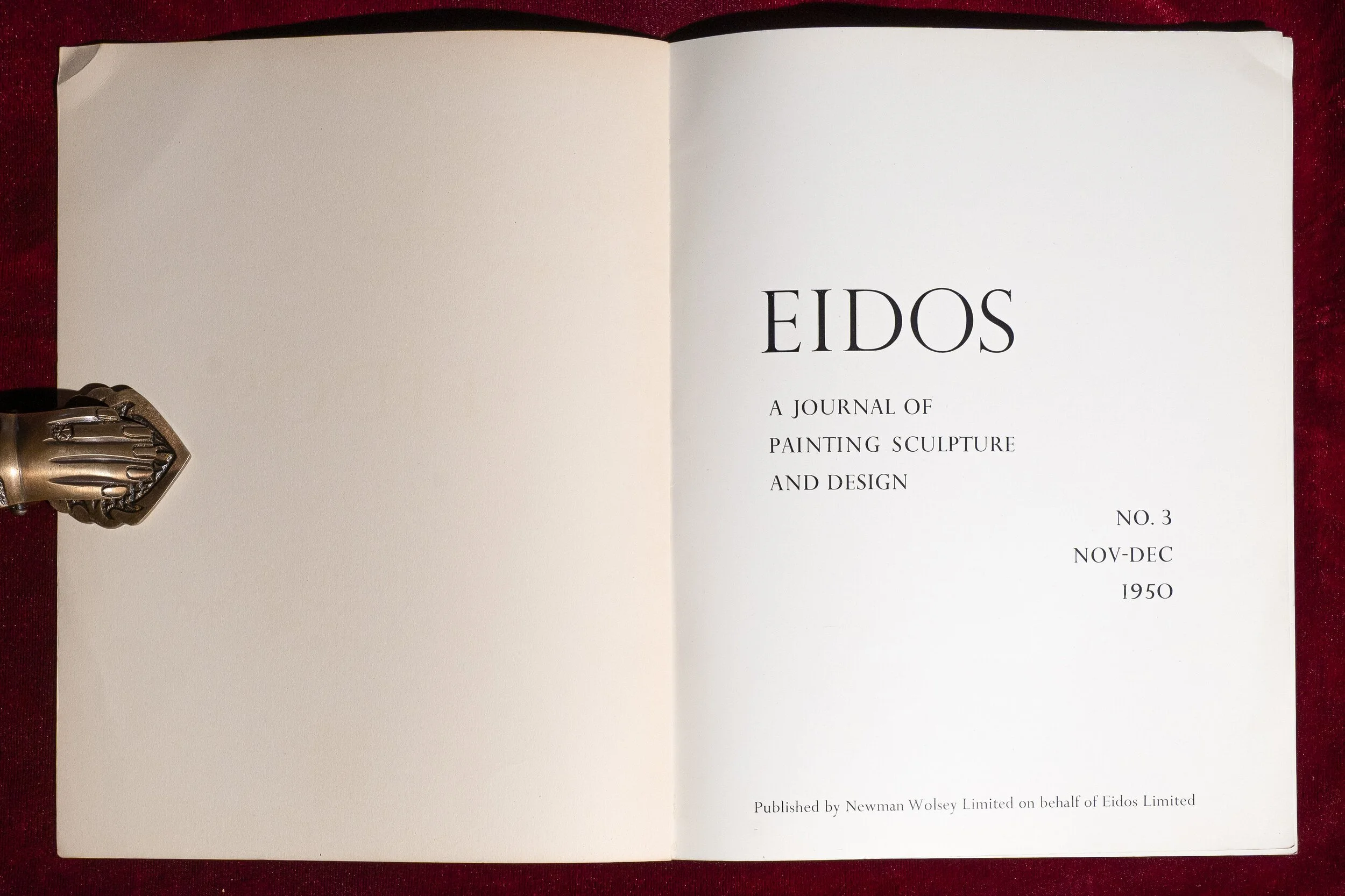 Image 23 of 23