Aleister Crowley would not write an autobiography like other men, so he invented a new genre for the occasion: the "autohagiography," the life of a saint as told by the saint himself. The Confessions is the Great Beast's own account of his life, told at full volume and with total commitment to the legend: the suffocating Plymouth Brethren childhood, the Golden Dawn and its wars, the Himalayan expeditions, the reception of The Book of the Law in Cairo, the Abbey of Thelema. It is one of the strangest and most entertaining autobiographies in the language, and this is how it first appeared in the world: two stately quarto volumes in white buckram, each front cover carrying Crowley's ink self-portrait and his notorious phallic "A" monogram, the spines lettered in gilt with the Mark of the Beast. Within, each stanza opens with a printed facsimile of Crowley's own manuscript hand, an epigraph chosen and set in script by the author himself, turning every chapter opening into a small performance in his own voice.
The story of the edition is itself a piece of occult publishing legend. The Mandrake Press was founded in 1929 by the bookseller Edward Goldston and the Australian writer P. R. Stephensen largely to publish Crowley, and it announced the Confessions on a grand scale: six volumes, with a seventh reserved for subscribers, at two guineas each, printed on Japanese vellum paper in an edition of 800 copies. Volumes One and Two duly appeared, carrying the life up to the eve of the Cairo revelation. Then the Depression arrived, the money ran out, and the Mandrake collapsed. The remaining volumes never appeared, and the full text would not be published for another forty years. These two volumes are all there ever was, and the prospectus leaf included here, promising that Volumes III to VI "will be issued next year," reads now as one of the great unkept promises in esoteric bibliography.
What makes this set a package rather than simply a fine copy is the archive that travels with it. There is a run of original Mandrake Press publicity: the October 1929 catalogue of the press, the charming "First List" booklet printed on yellow handmade paper for the booksellers John & Edward Bumpus, garlanded with mandrake lore from Shakespeare, Marvell, and Dekker and a comic "Poem for Nothing" warning the reader never to pull a mandrake up; the prospectus for the Confessions itself, with its contents and synopsis leaves and order form; and prospectuses for other Mandrake and allied ventures, including Chaucer's Wyf of Bathe, Rozanov's Fallen Leaves, and the London Aphrodite. Together they recreate the brief, doomed, glamorous moment when a London trade publisher staked its future on the Beast.
Better still are the letters. A handwritten letter from the playwright Clifford Bax, written from his rooms at the Albany, is addressed "Dear Crowley" and closes with a collector's thrill: "I thought Lady Harris's cards were very beautiful," an eyewitness compliment to the paintings Frieda Harris was making for Crowley's Thoth tarot. And from the other end of the legend come handwritten letters of Peter Quennell, editor of the Cornhill Magazine, to John Symonds, the man who would become Crowley's literary executor and most famous biographer, gently declining to rush Symonds's article on Crowley into print while admitting "I enjoyed reading it." Written in the years when Symonds was turning the dead magician into The Great Beast, they document the very beginning of Crowley's posthumous fame.
The set is in unusually fine state, the white buckram that almost always comes soiled here clean and bright, the gilt sharp, with the errata slip to Volume Two present. With the ephemera and letters housed together, this is not just the first edition of the Confessions but a small archive of the world that produced it, and of the one that remembered it.
CROWLEY, Aleister (1875-1947). The Spirit of Solitude: An Autohagiography: Subsequently re-Antichristened The Confessions of Aleister Crowley. London: The Mandrake Press, 1929. First edition, one of 800 copies printed on Japanese vellum paper. Two volumes, all published of six projected.
Physical Description: Two volumes, 4to (approx. 26 x 18.5 cm). Photogravure frontispiece portraits, plates from photographs, horoscope diagram, facsimile reproductions of Crowley's manuscript hand at each stanza opening. Printed errata note to Vol. II present. Colophon of the Botolph Printing Works, Kingsway, at the end of each volume.
Binding: Original white buckram, bevelled boards, upper covers with Crowley's self-portrait sketch and phallic "A" monogram reproduced in black, spines lettered in gilt with star and Mark of the Beast devices, top edges gilt. In removable protective covers.
Condition: An unusually clean, bright set of a book notorious for soiled and darkened bindings; gilt fresh, contents crisp. Light scattered foxing to a few leaves.
Accompanying material: A collection of original Mandrake Press ephemera and related letters, housed together in a portfolio case: The Mandrake Press catalogue, October 1929 (more than one copy present); The Mandrake Press "First List" booklet printed on yellow handmade paper for John & Edward Bumpus Ltd; the original prospectus for The Confessions of Aleister Crowley ("To be issued in six volumes at Two Guineas a Volume"), with the Contents of Vols. I and II and Synopsis of Vols. III to VI leaves and order form; prospectus for Chaucer's Wyf of Bathe; prospectus for V. V. Rozanov's Fallen Leaves; subscription leaflet for The London Aphrodite (Fanfrolico Press); autograph letter signed from Clifford Bax to Aleister Crowley, G2 Albany W.1, n.d. [1940s], mentioning Lady Harris's tarot cards; autograph letters signed from Peter Quennell, editor of The Cornhill Magazine, to John Symonds, on Cornhill letterhead, one dated May 18th [late 1940s], concerning Symonds's article on Crowley; together with a small group of facsimile reproductions of further Mandrake publicity material.
Aleister Crowley would not write an autobiography like other men, so he invented a new genre for the occasion: the "autohagiography," the life of a saint as told by the saint himself. The Confessions is the Great Beast's own account of his life, told at full volume and with total commitment to the legend: the suffocating Plymouth Brethren childhood, the Golden Dawn and its wars, the Himalayan expeditions, the reception of The Book of the Law in Cairo, the Abbey of Thelema. It is one of the strangest and most entertaining autobiographies in the language, and this is how it first appeared in the world: two stately quarto volumes in white buckram, each front cover carrying Crowley's ink self-portrait and his notorious phallic "A" monogram, the spines lettered in gilt with the Mark of the Beast. Within, each stanza opens with a printed facsimile of Crowley's own manuscript hand, an epigraph chosen and set in script by the author himself, turning every chapter opening into a small performance in his own voice.
The story of the edition is itself a piece of occult publishing legend. The Mandrake Press was founded in 1929 by the bookseller Edward Goldston and the Australian writer P. R. Stephensen largely to publish Crowley, and it announced the Confessions on a grand scale: six volumes, with a seventh reserved for subscribers, at two guineas each, printed on Japanese vellum paper in an edition of 800 copies. Volumes One and Two duly appeared, carrying the life up to the eve of the Cairo revelation. Then the Depression arrived, the money ran out, and the Mandrake collapsed. The remaining volumes never appeared, and the full text would not be published for another forty years. These two volumes are all there ever was, and the prospectus leaf included here, promising that Volumes III to VI "will be issued next year," reads now as one of the great unkept promises in esoteric bibliography.
What makes this set a package rather than simply a fine copy is the archive that travels with it. There is a run of original Mandrake Press publicity: the October 1929 catalogue of the press, the charming "First List" booklet printed on yellow handmade paper for the booksellers John & Edward Bumpus, garlanded with mandrake lore from Shakespeare, Marvell, and Dekker and a comic "Poem for Nothing" warning the reader never to pull a mandrake up; the prospectus for the Confessions itself, with its contents and synopsis leaves and order form; and prospectuses for other Mandrake and allied ventures, including Chaucer's Wyf of Bathe, Rozanov's Fallen Leaves, and the London Aphrodite. Together they recreate the brief, doomed, glamorous moment when a London trade publisher staked its future on the Beast.
Better still are the letters. A handwritten letter from the playwright Clifford Bax, written from his rooms at the Albany, is addressed "Dear Crowley" and closes with a collector's thrill: "I thought Lady Harris's cards were very beautiful," an eyewitness compliment to the paintings Frieda Harris was making for Crowley's Thoth tarot. And from the other end of the legend come handwritten letters of Peter Quennell, editor of the Cornhill Magazine, to John Symonds, the man who would become Crowley's literary executor and most famous biographer, gently declining to rush Symonds's article on Crowley into print while admitting "I enjoyed reading it." Written in the years when Symonds was turning the dead magician into The Great Beast, they document the very beginning of Crowley's posthumous fame.
The set is in unusually fine state, the white buckram that almost always comes soiled here clean and bright, the gilt sharp, with the errata slip to Volume Two present. With the ephemera and letters housed together, this is not just the first edition of the Confessions but a small archive of the world that produced it, and of the one that remembered it.
CROWLEY, Aleister (1875-1947). The Spirit of Solitude: An Autohagiography: Subsequently re-Antichristened The Confessions of Aleister Crowley. London: The Mandrake Press, 1929. First edition, one of 800 copies printed on Japanese vellum paper. Two volumes, all published of six projected.
Physical Description: Two volumes, 4to (approx. 26 x 18.5 cm). Photogravure frontispiece portraits, plates from photographs, horoscope diagram, facsimile reproductions of Crowley's manuscript hand at each stanza opening. Printed errata note to Vol. II present. Colophon of the Botolph Printing Works, Kingsway, at the end of each volume.
Binding: Original white buckram, bevelled boards, upper covers with Crowley's self-portrait sketch and phallic "A" monogram reproduced in black, spines lettered in gilt with star and Mark of the Beast devices, top edges gilt. In removable protective covers.
Condition: An unusually clean, bright set of a book notorious for soiled and darkened bindings; gilt fresh, contents crisp. Light scattered foxing to a few leaves.
Accompanying material: A collection of original Mandrake Press ephemera and related letters, housed together in a portfolio case: The Mandrake Press catalogue, October 1929 (more than one copy present); The Mandrake Press "First List" booklet printed on yellow handmade paper for John & Edward Bumpus Ltd; the original prospectus for The Confessions of Aleister Crowley ("To be issued in six volumes at Two Guineas a Volume"), with the Contents of Vols. I and II and Synopsis of Vols. III to VI leaves and order form; prospectus for Chaucer's Wyf of Bathe; prospectus for V. V. Rozanov's Fallen Leaves; subscription leaflet for The London Aphrodite (Fanfrolico Press); autograph letter signed from Clifford Bax to Aleister Crowley, G2 Albany W.1, n.d. [1940s], mentioning Lady Harris's tarot cards; autograph letters signed from Peter Quennell, editor of The Cornhill Magazine, to John Symonds, on Cornhill letterhead, one dated May 18th [late 1940s], concerning Symonds's article on Crowley; together with a small group of facsimile reproductions of further Mandrake publicity material.

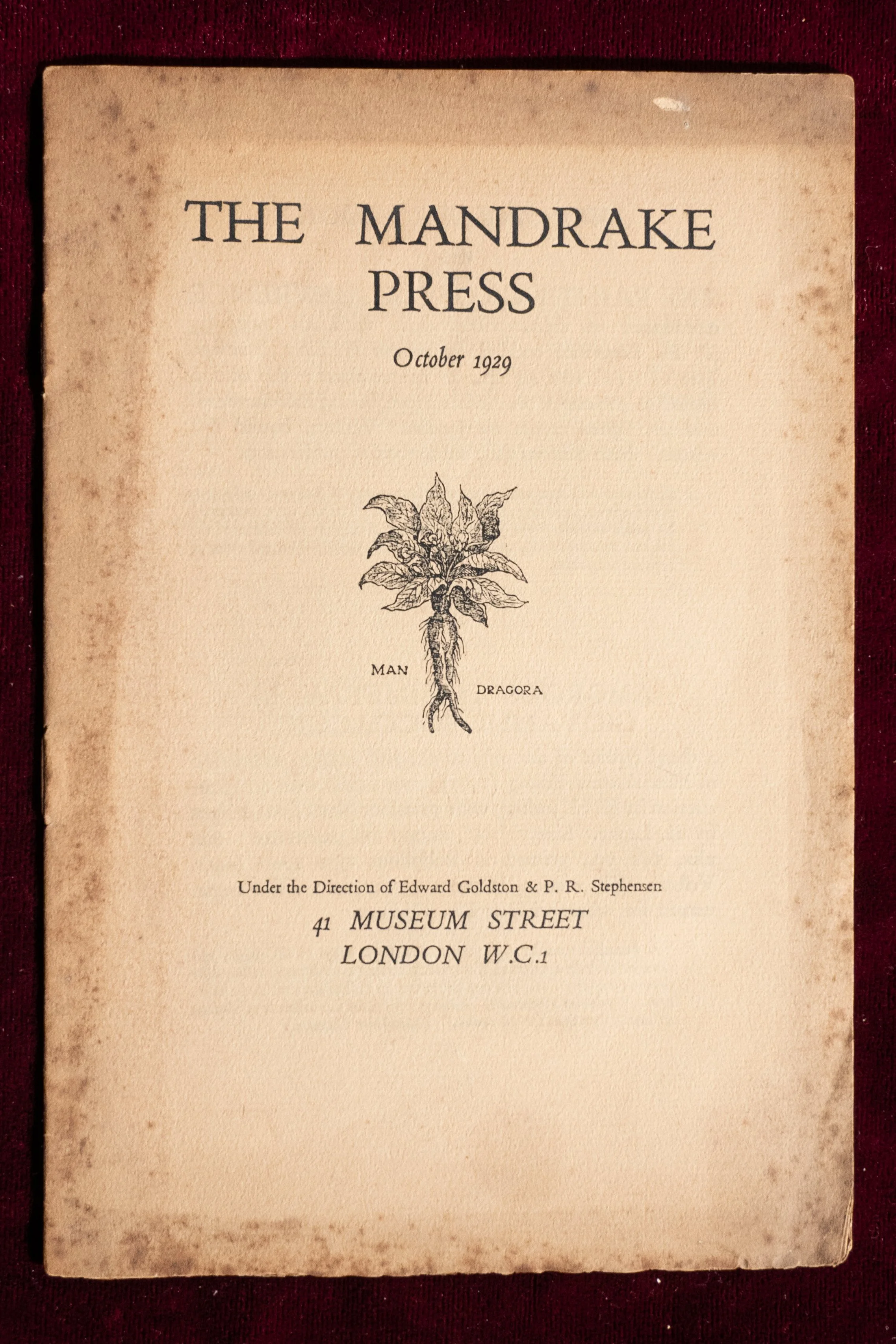 Image 1 of 48
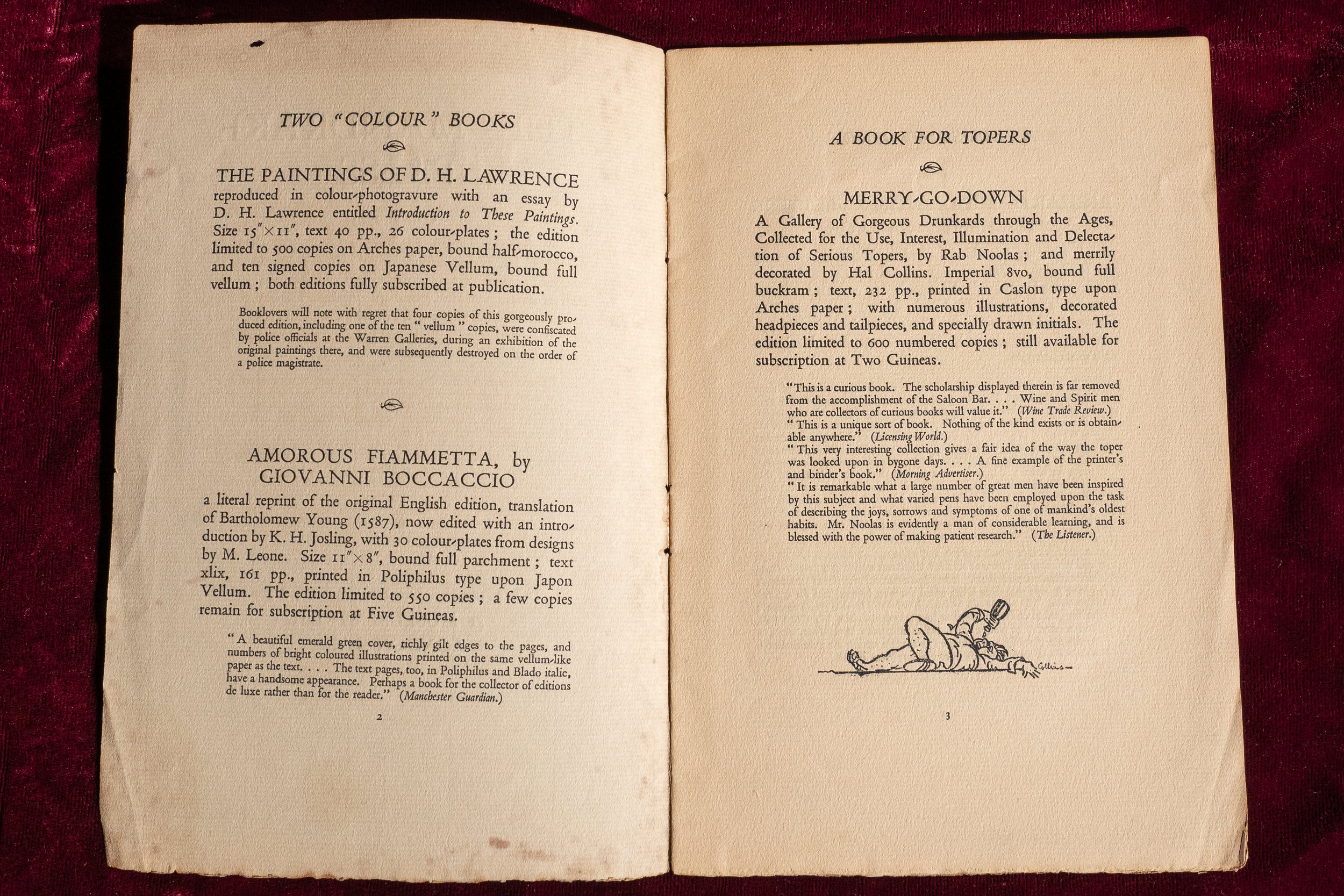 Image 2 of 48
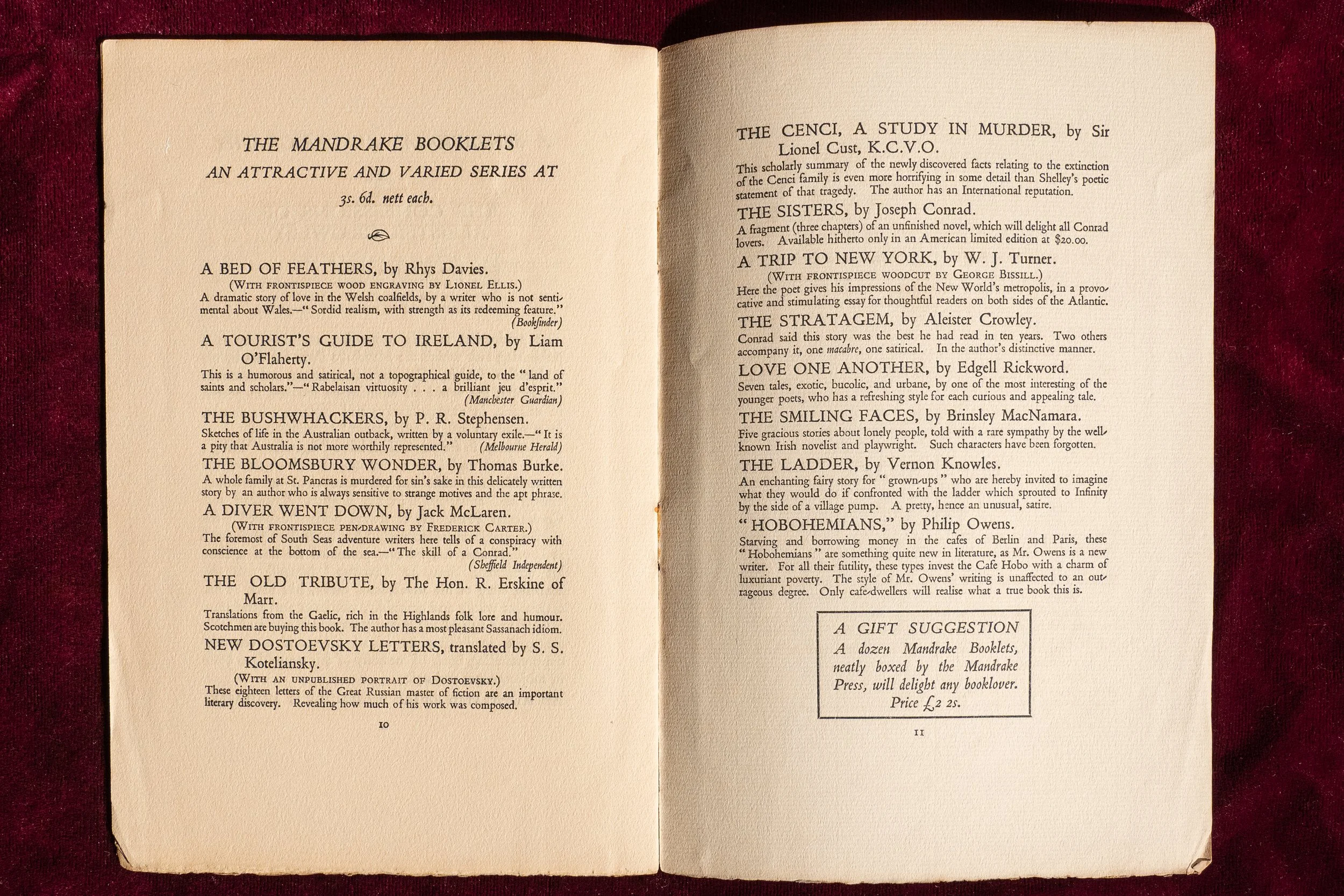 Image 3 of 48
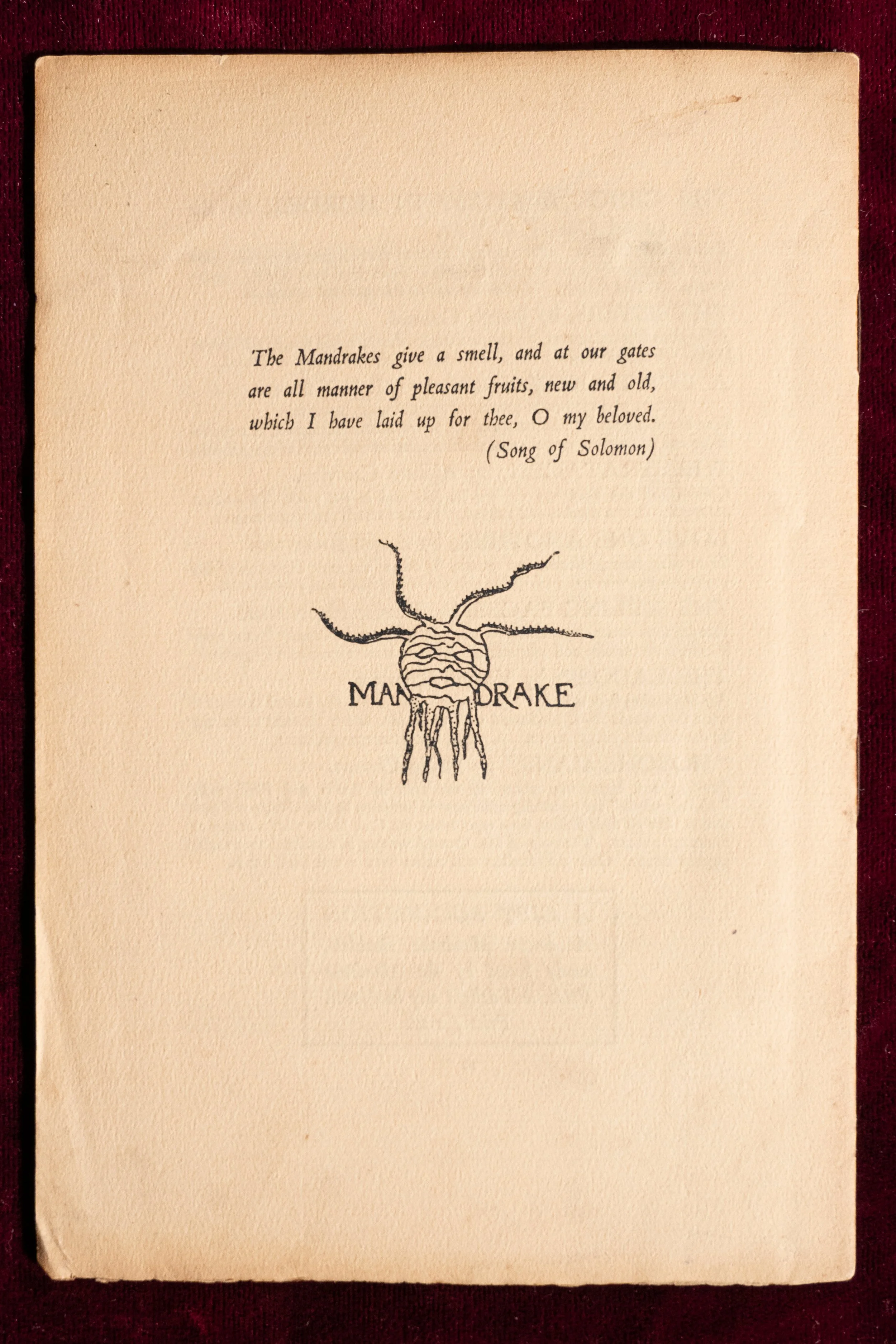 Image 4 of 48
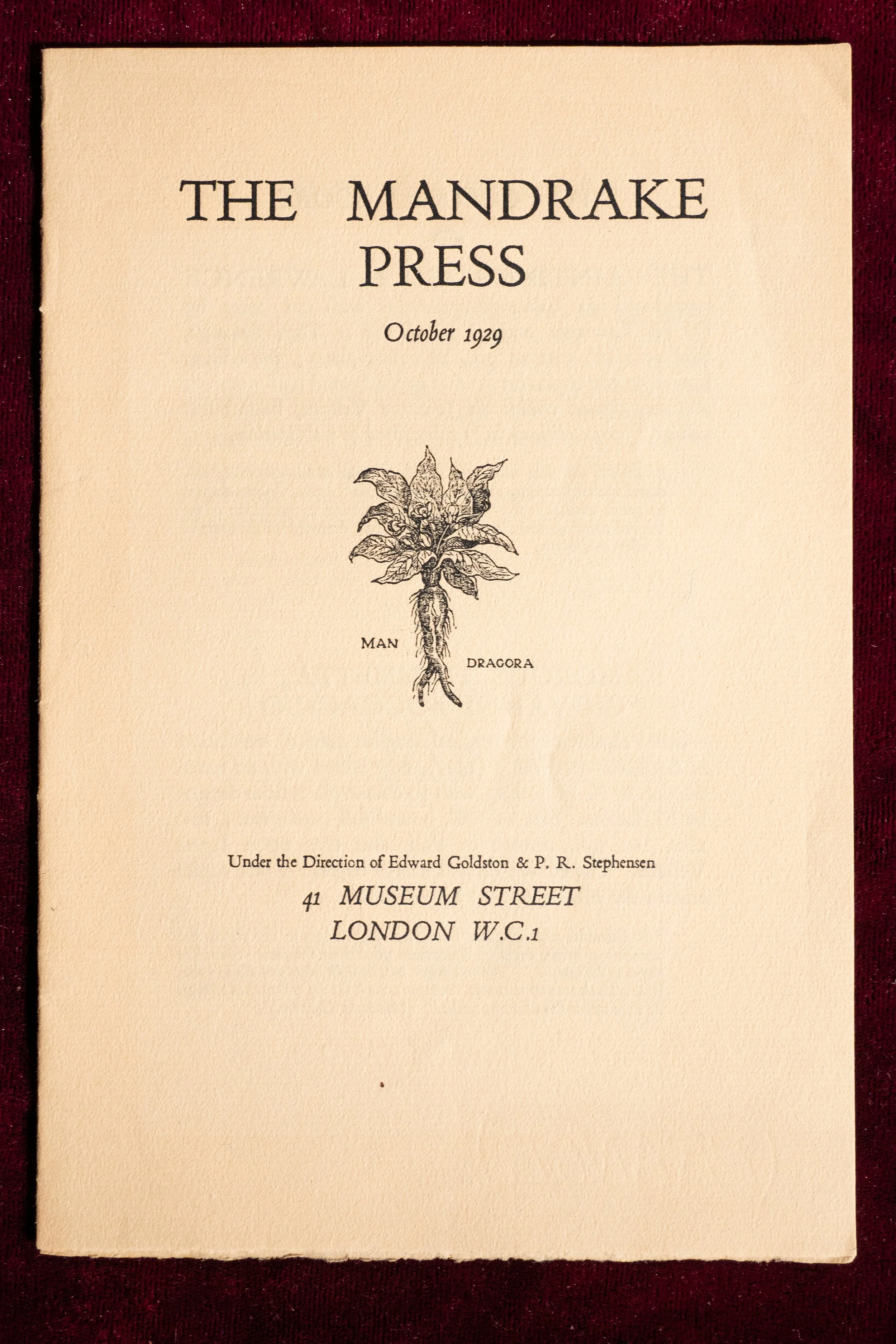 Image 5 of 48
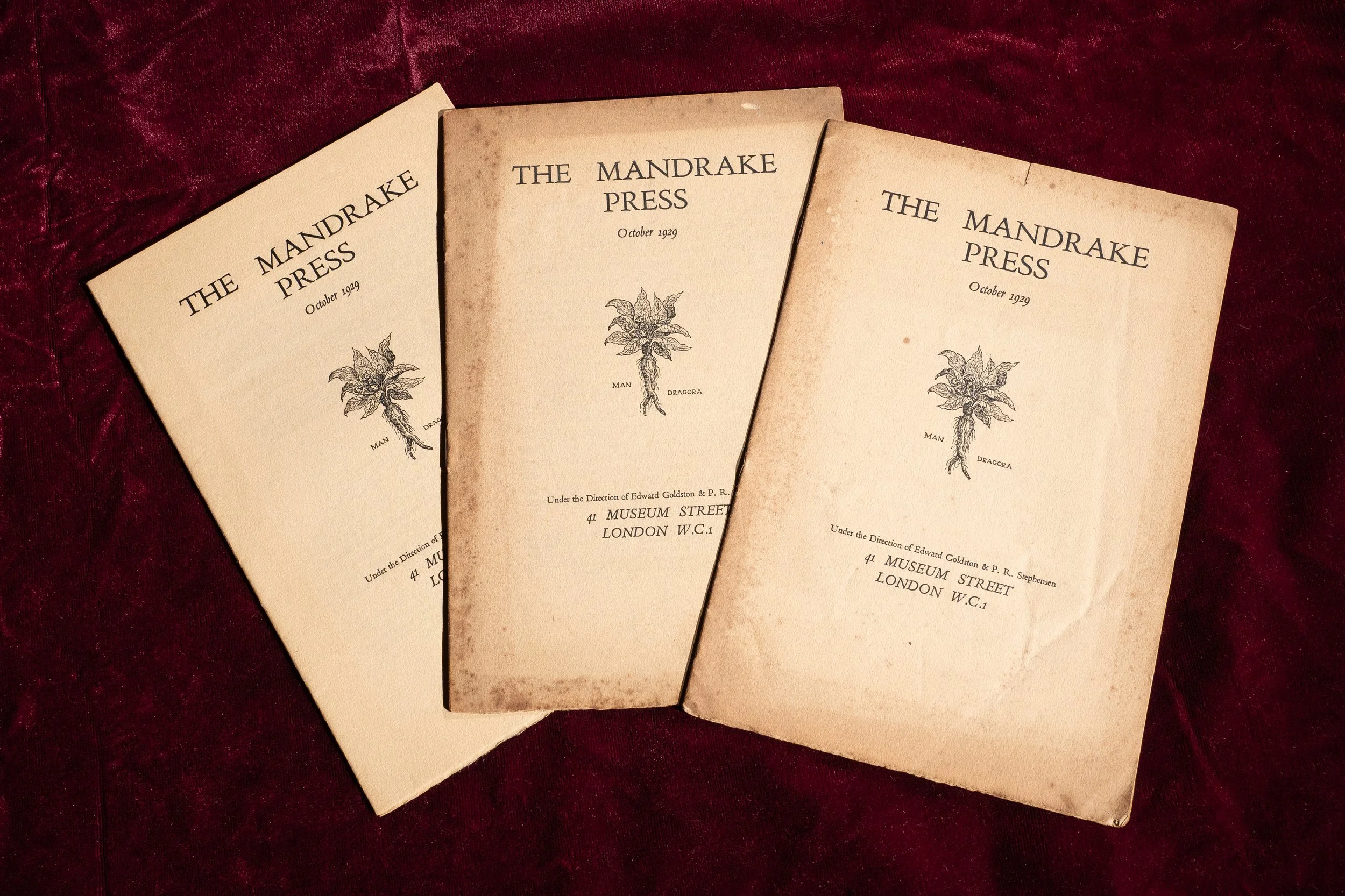 Image 6 of 48
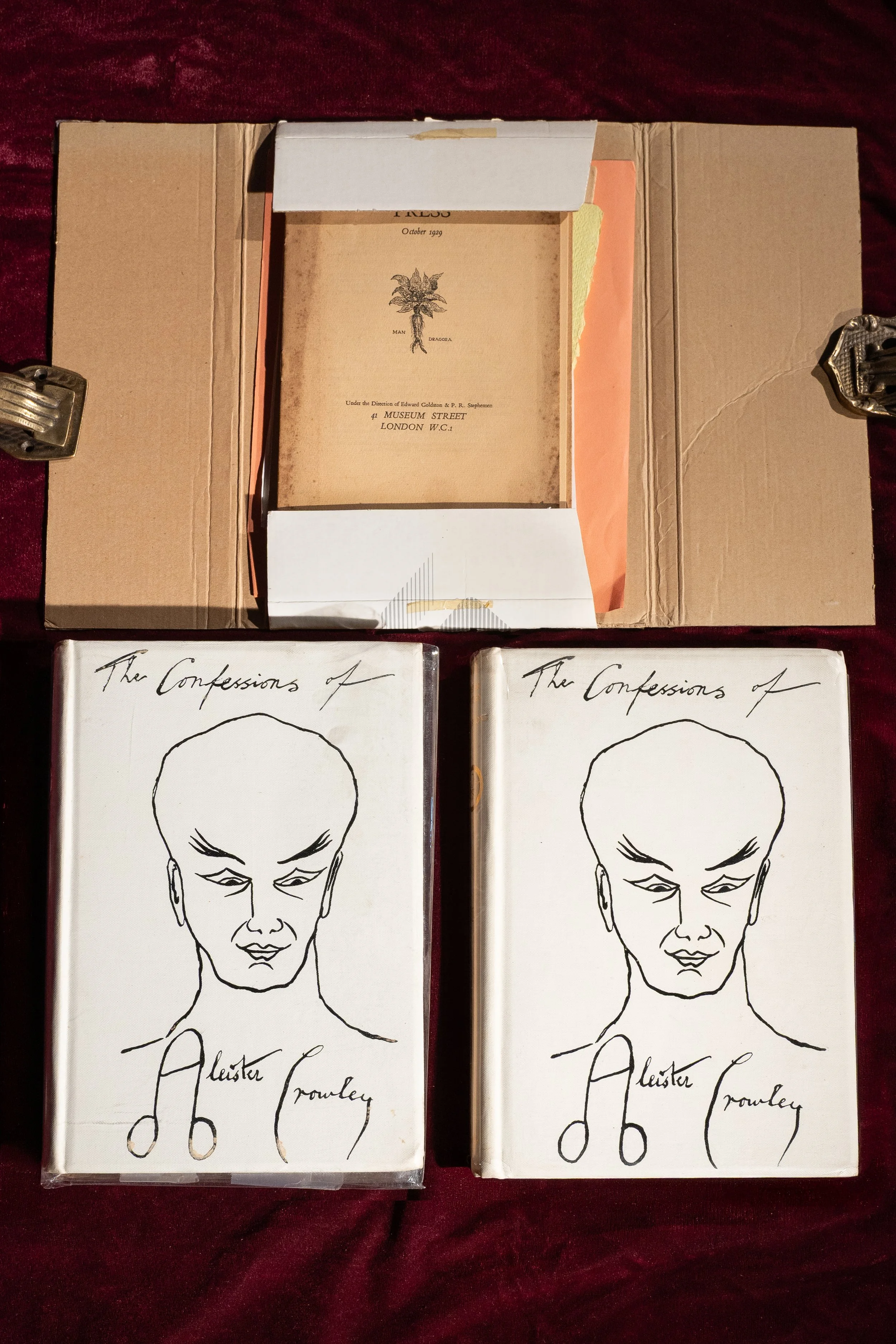 Image 7 of 48
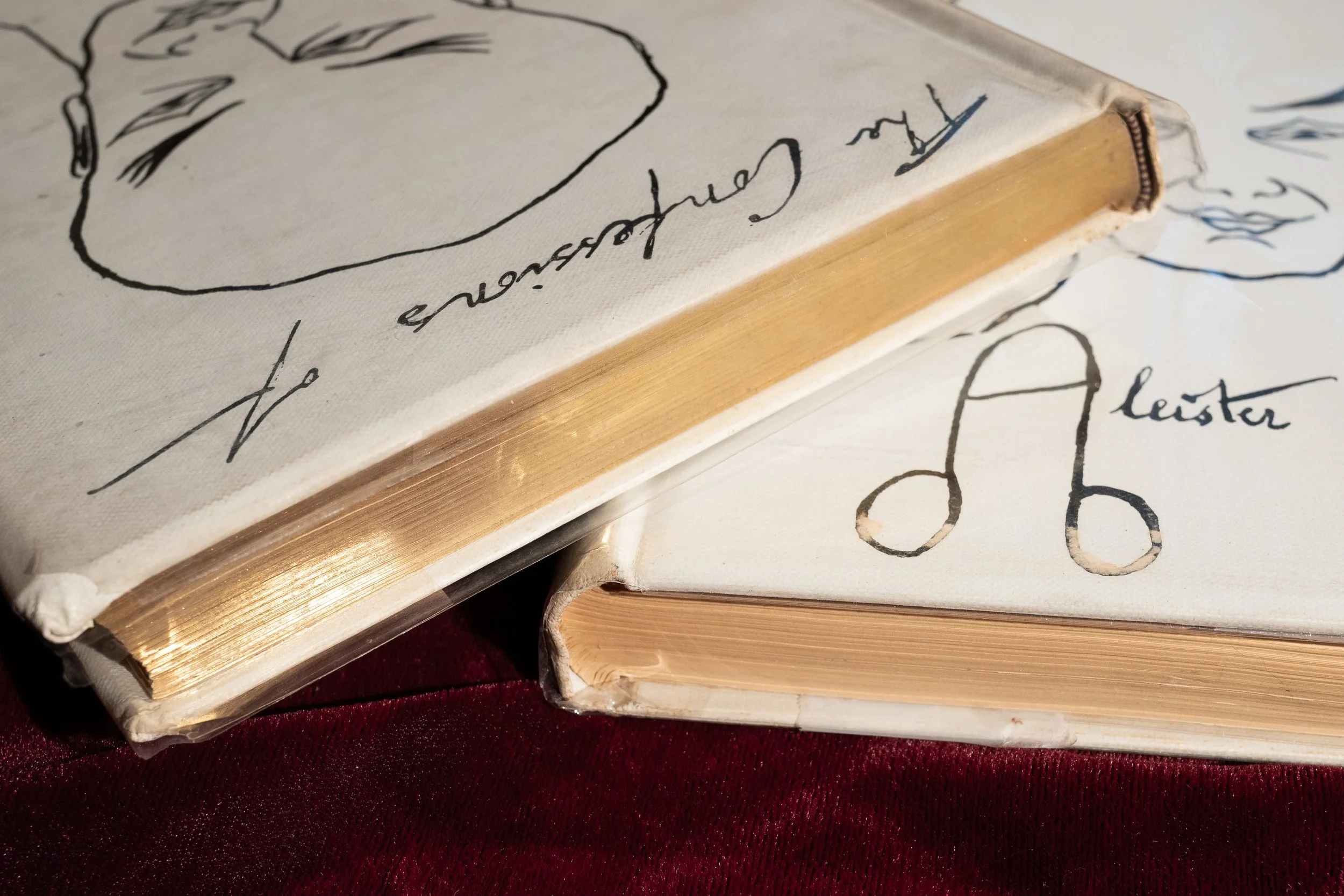 Image 8 of 48
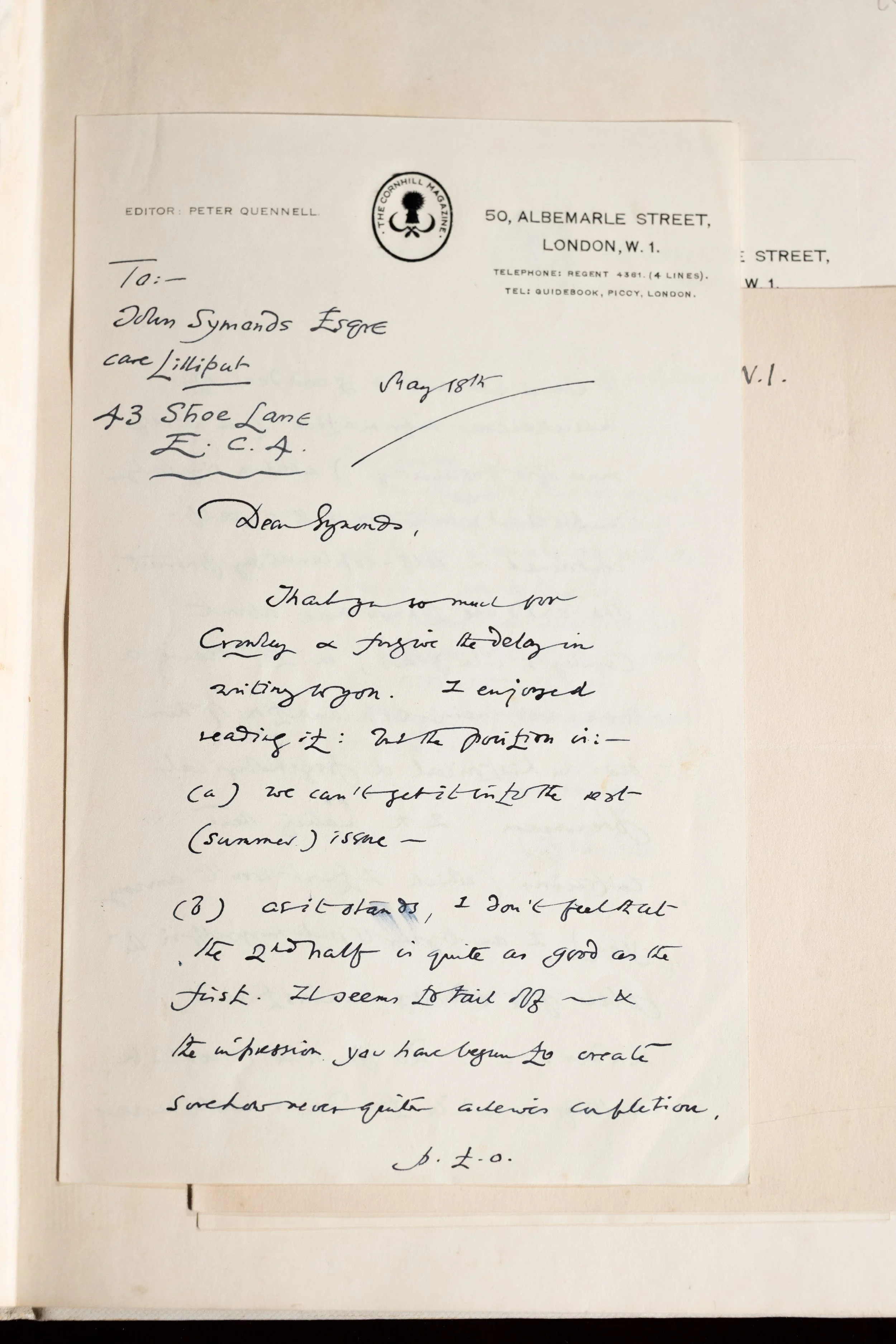 Image 9 of 48
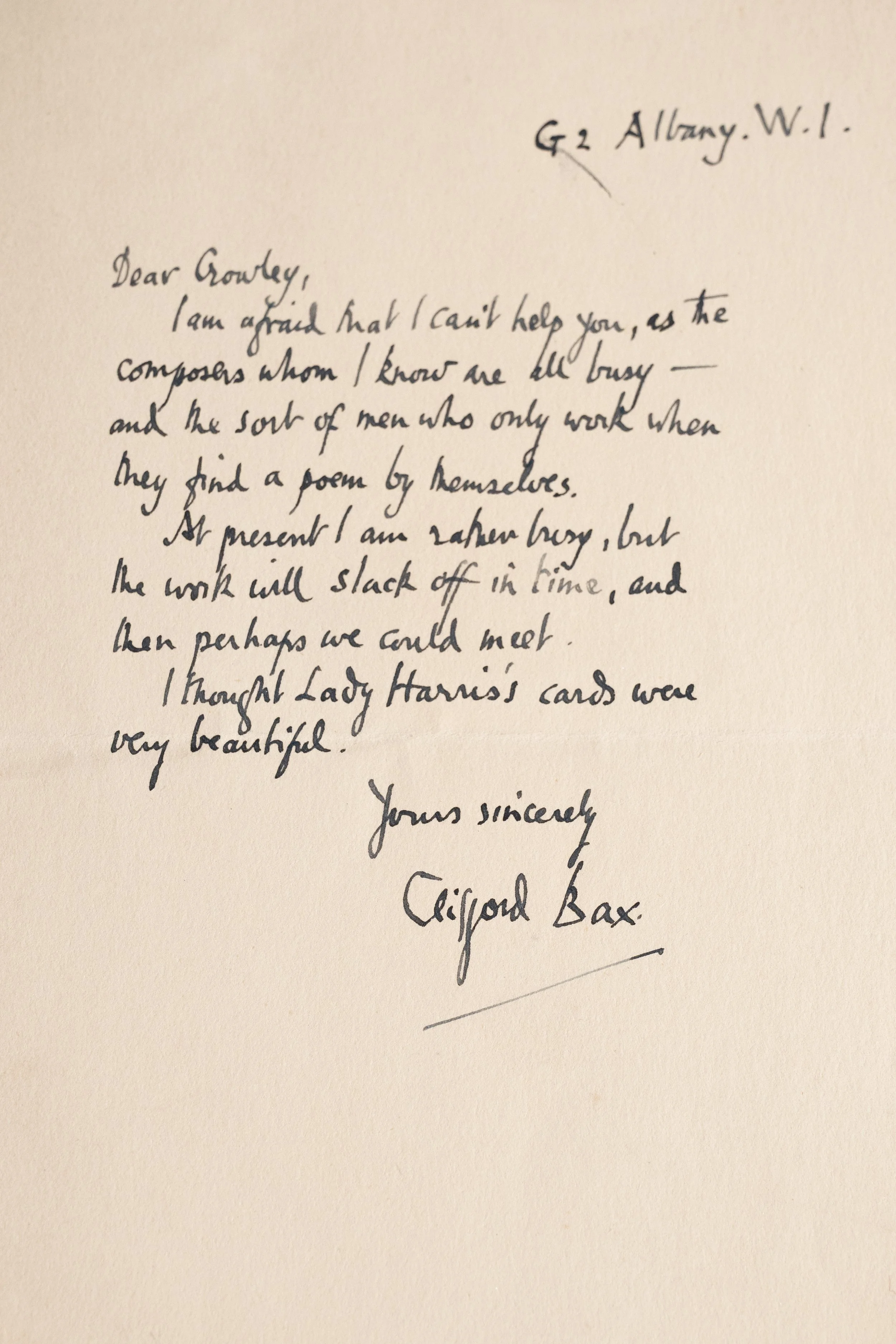 Image 10 of 48
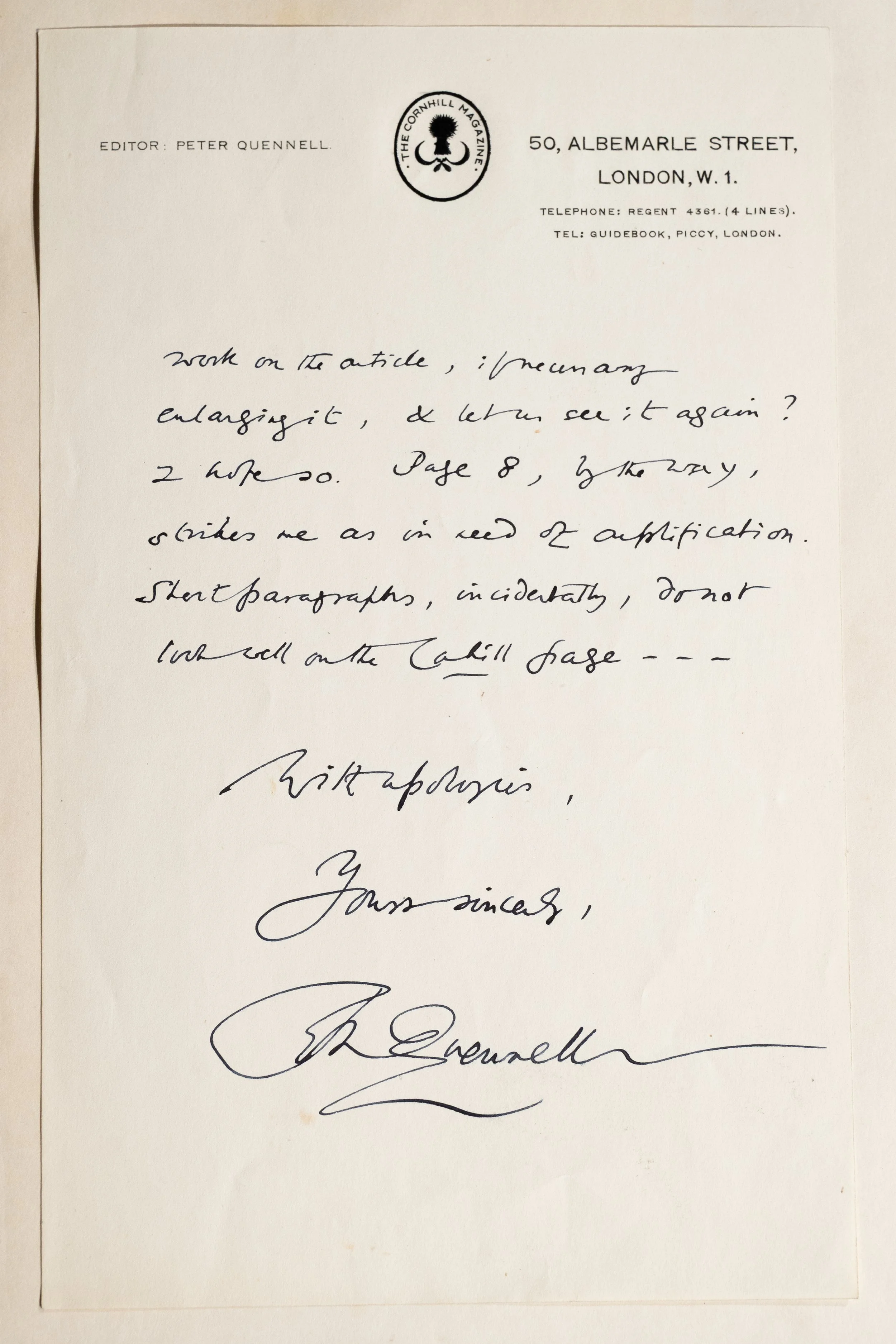 Image 11 of 48
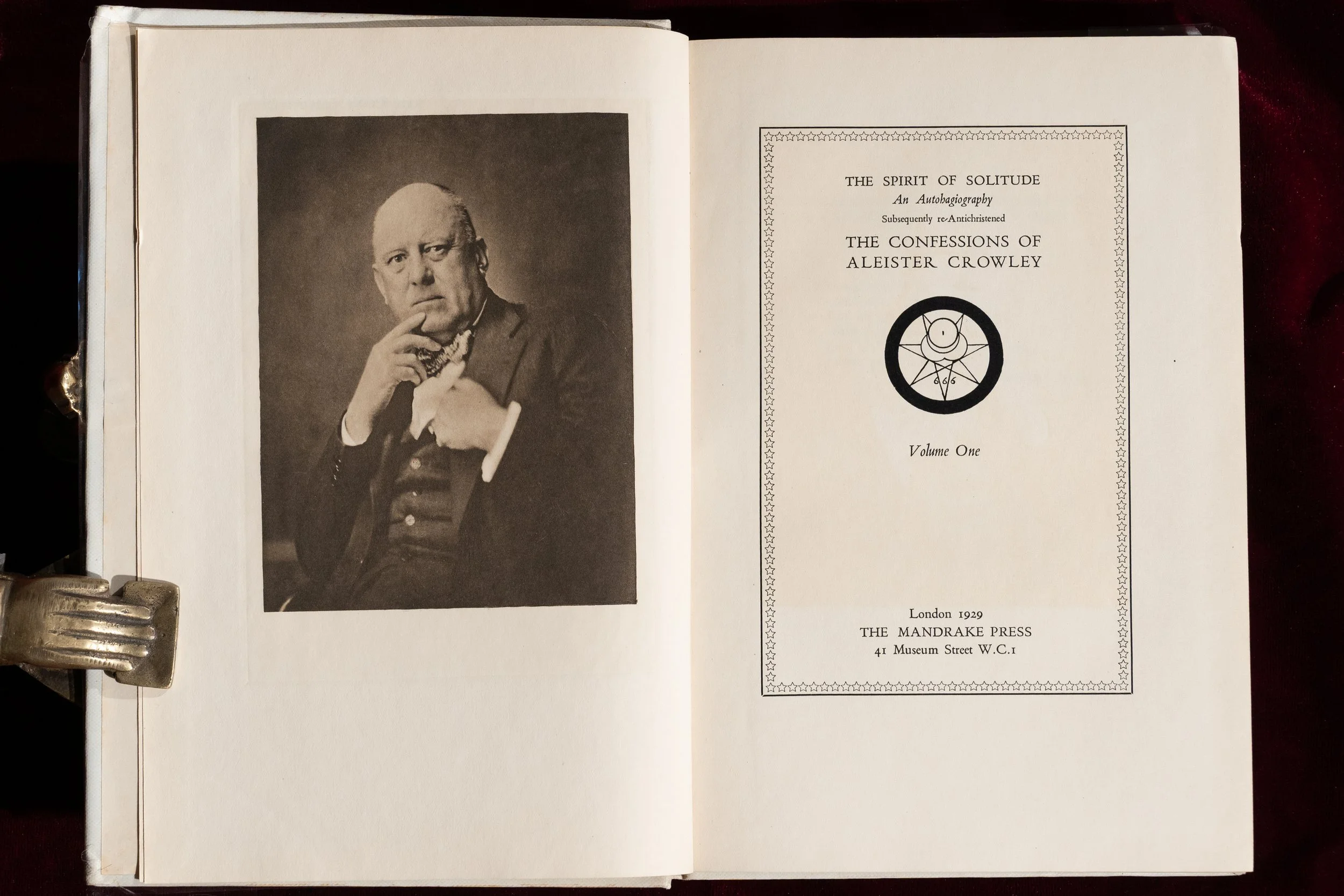 Image 12 of 48
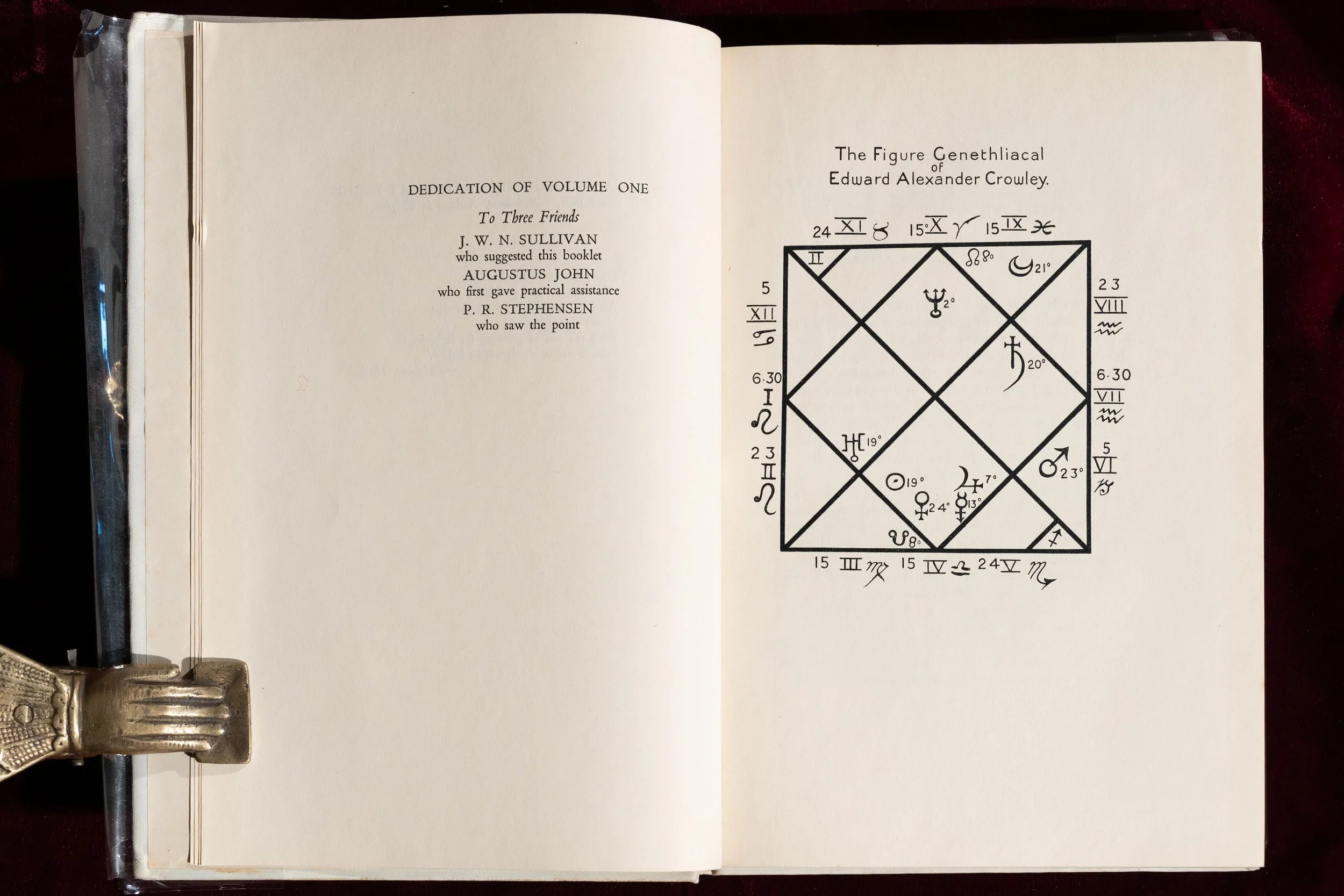 Image 13 of 48
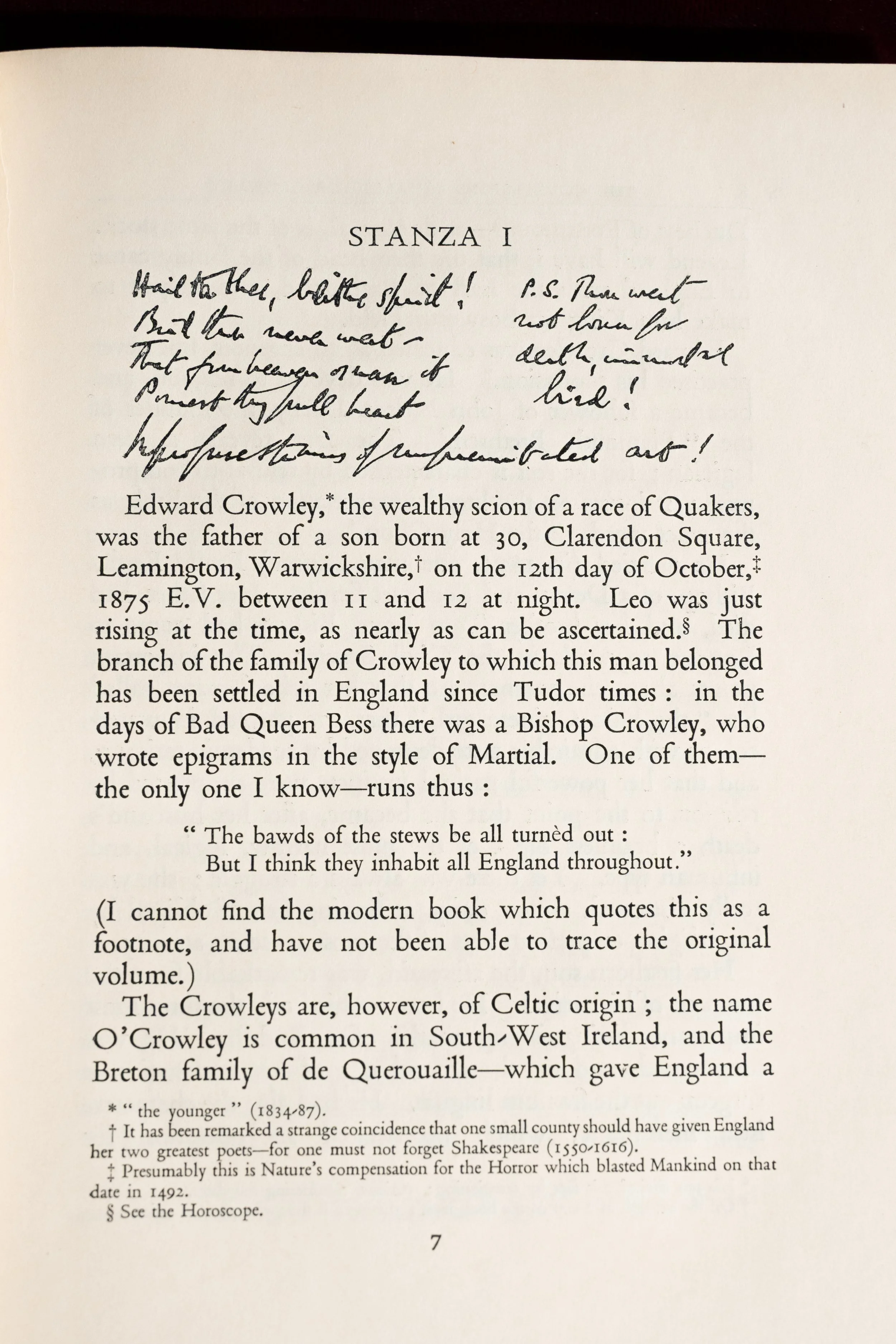 Image 14 of 48
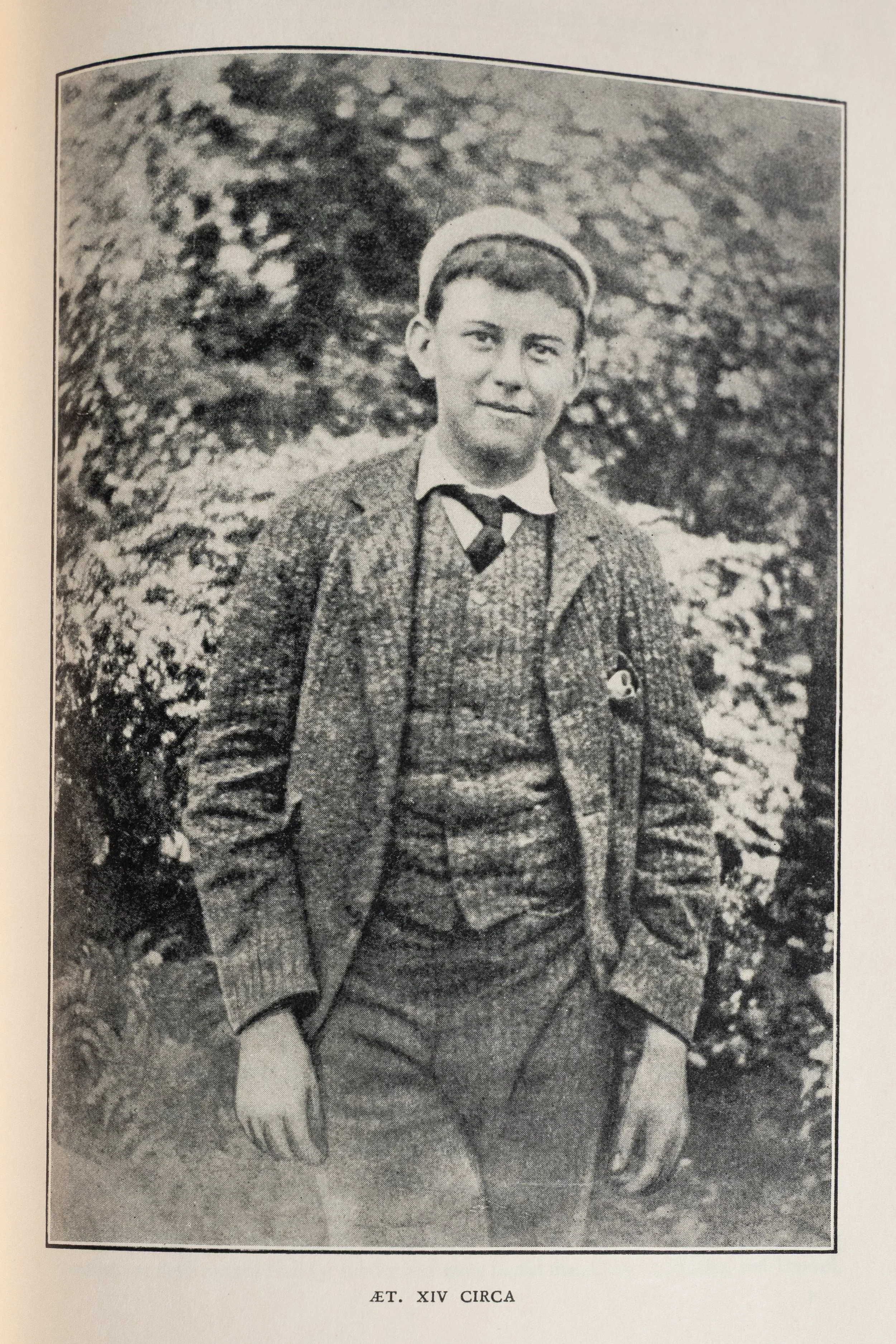 Image 15 of 48
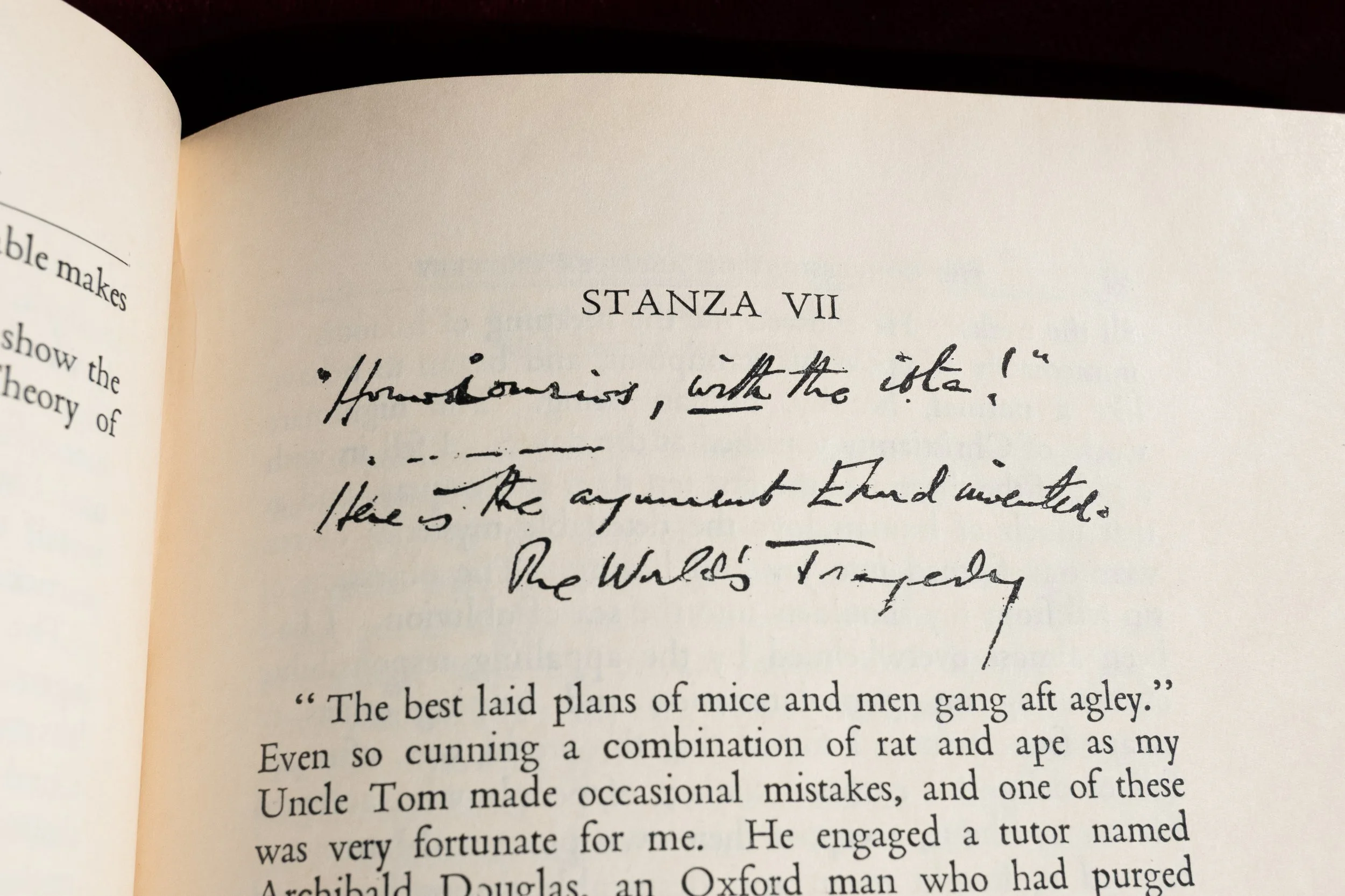 Image 16 of 48
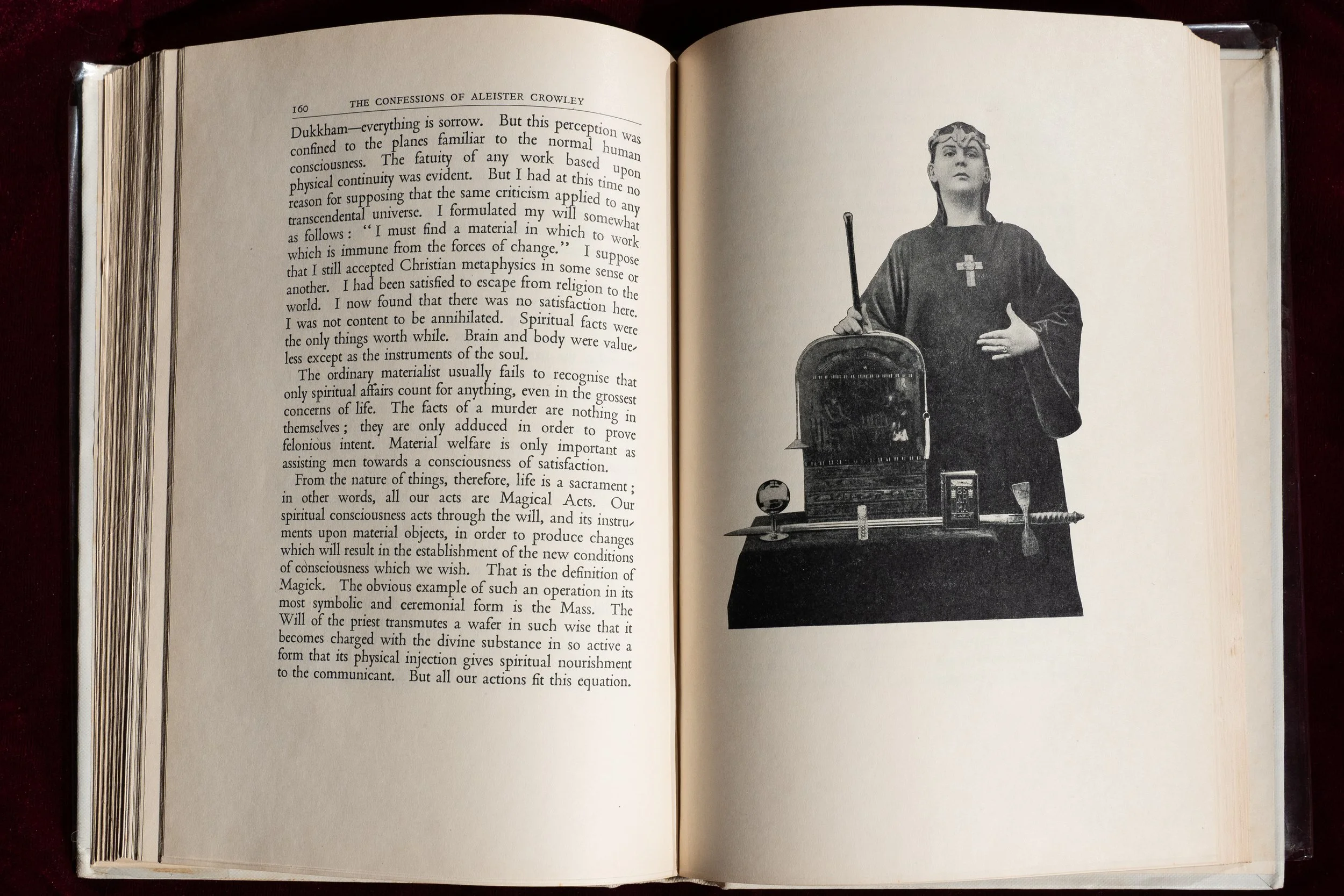 Image 17 of 48
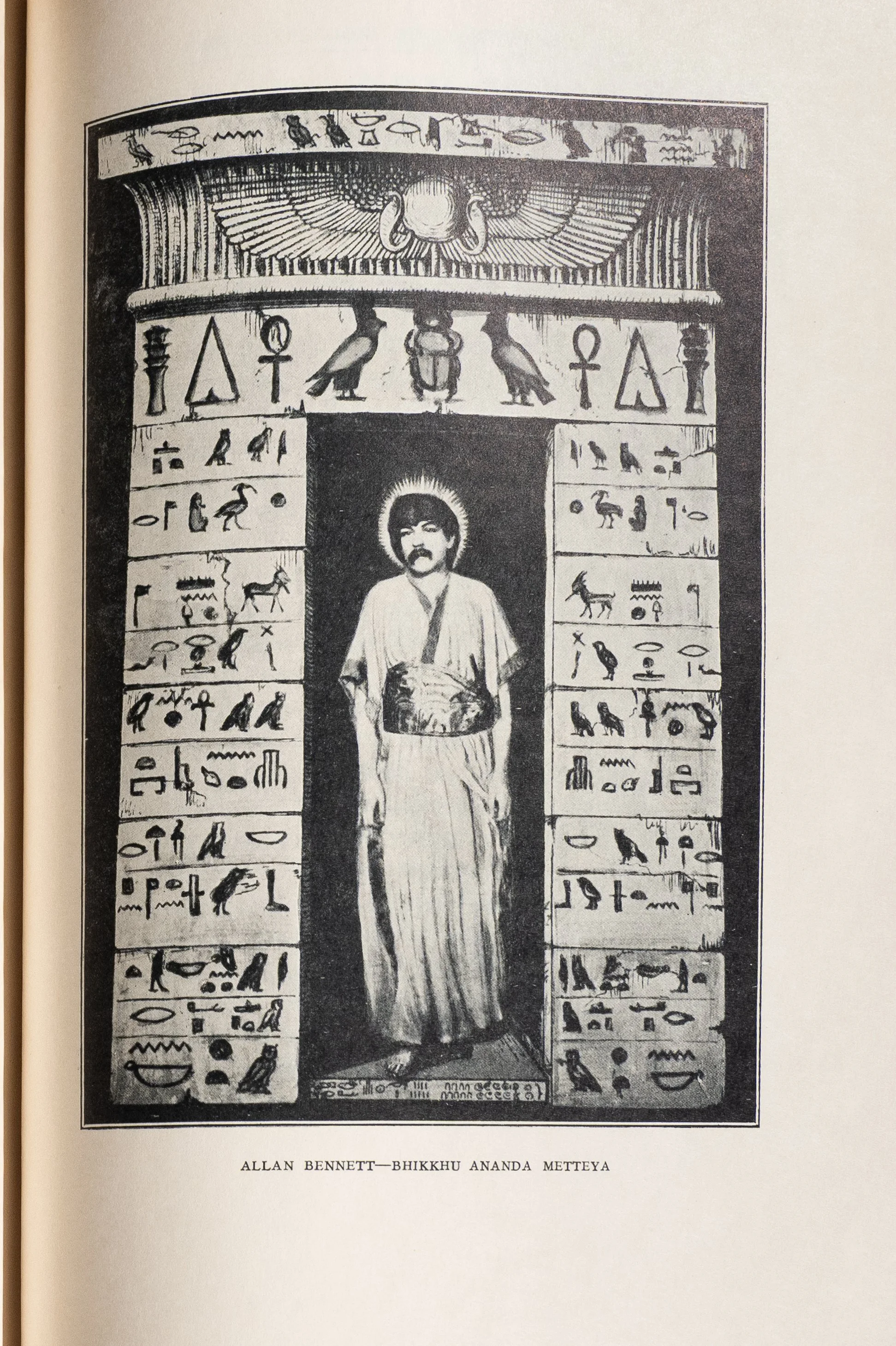 Image 18 of 48
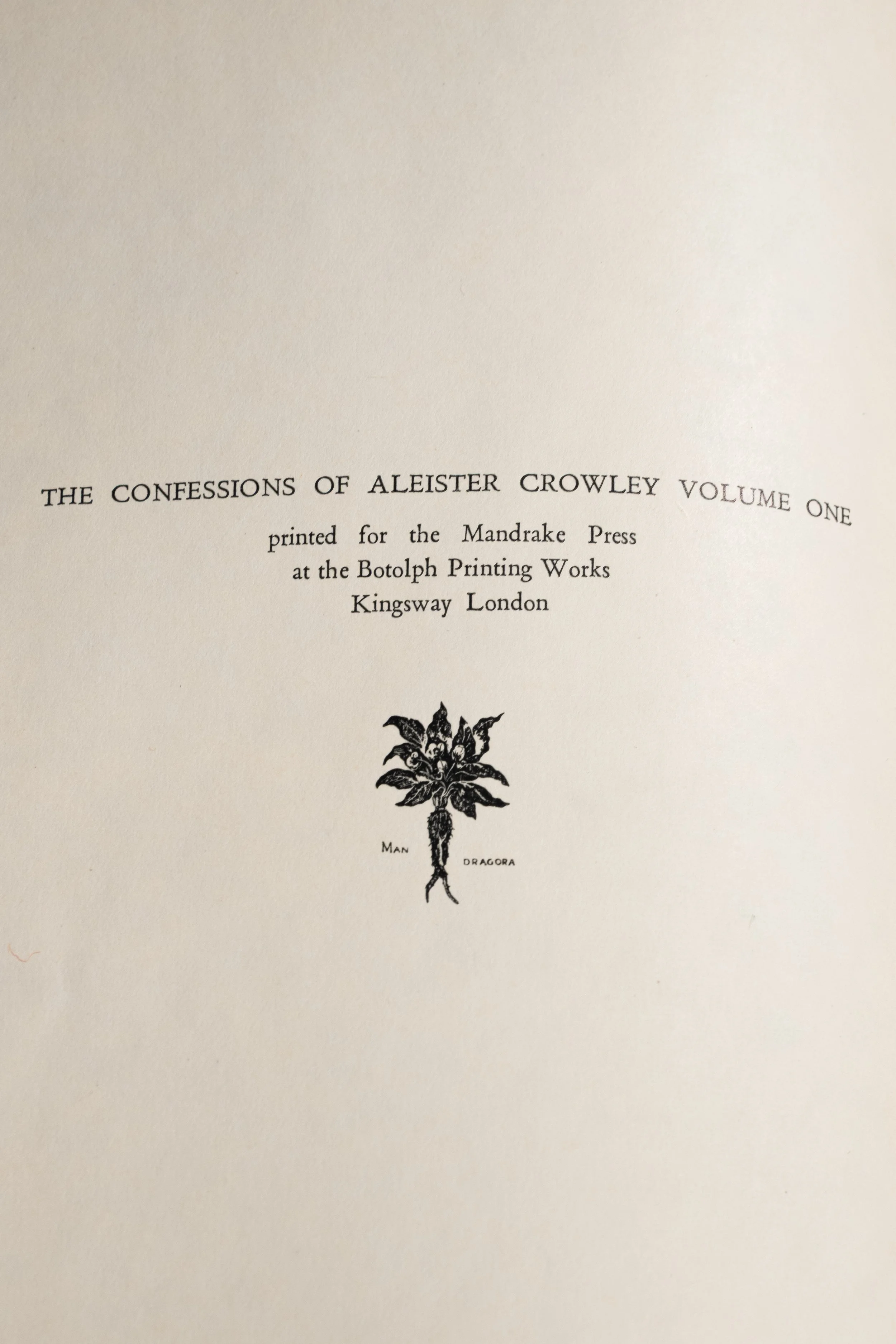 Image 19 of 48
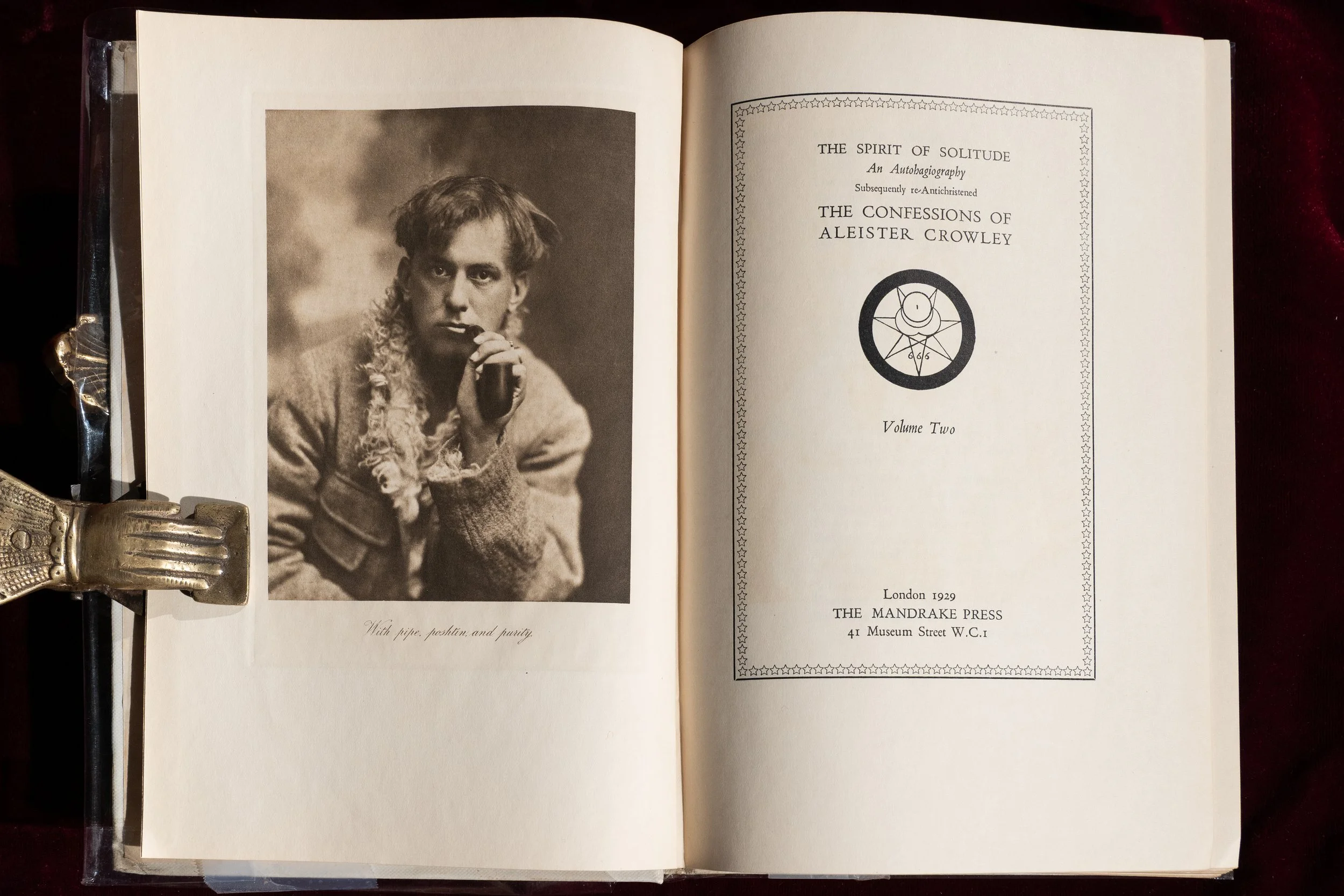 Image 20 of 48
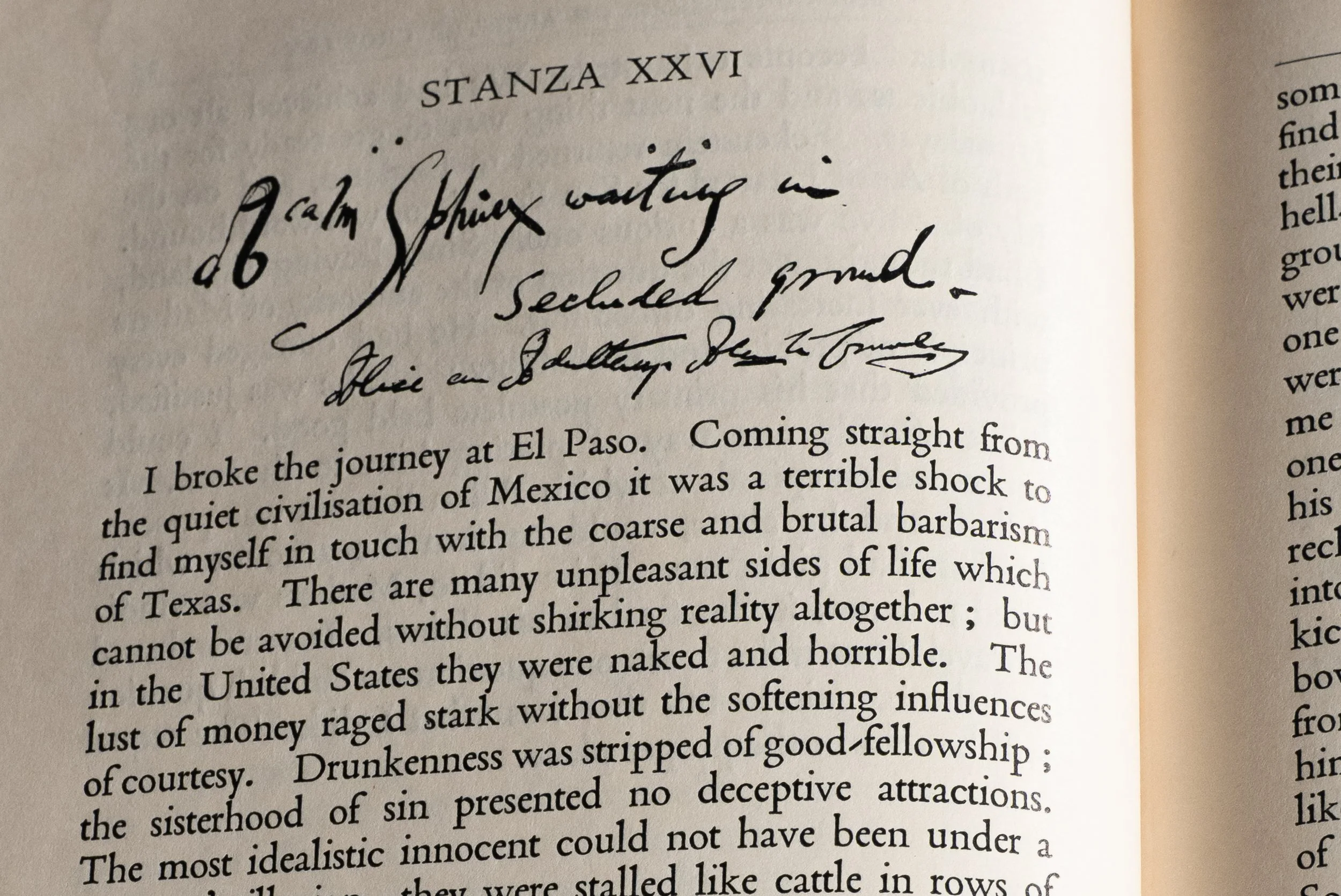 Image 21 of 48
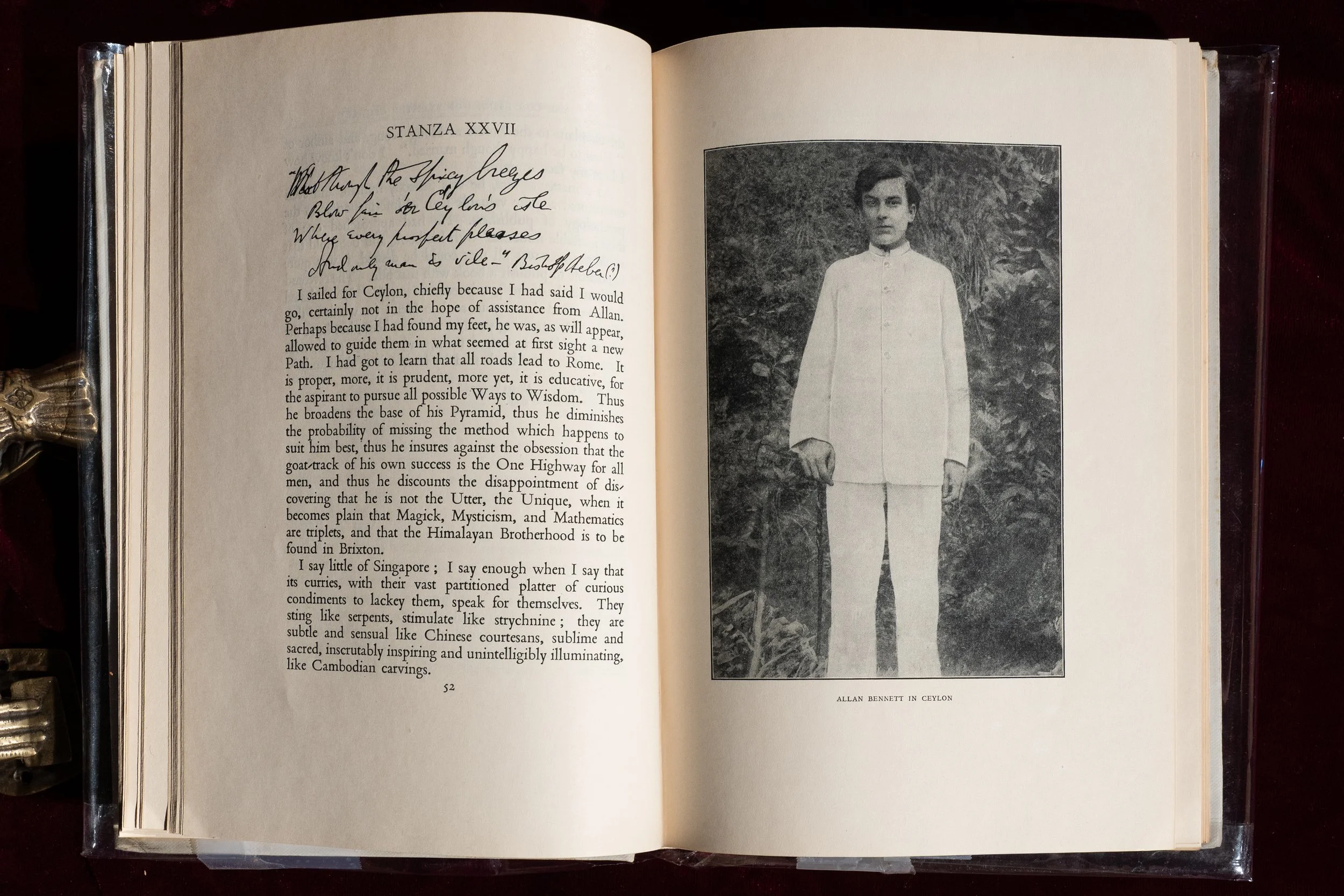 Image 22 of 48
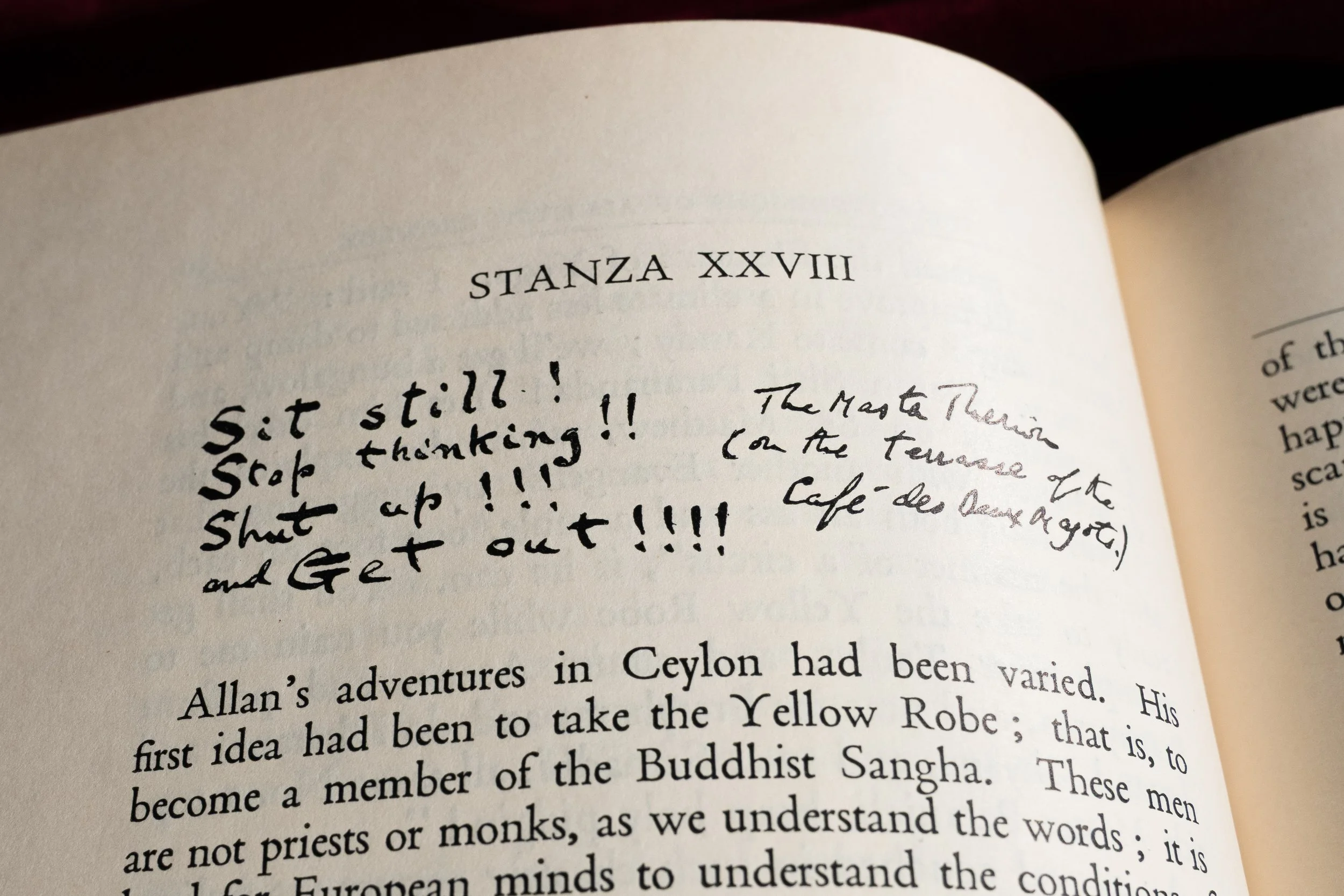 Image 23 of 48
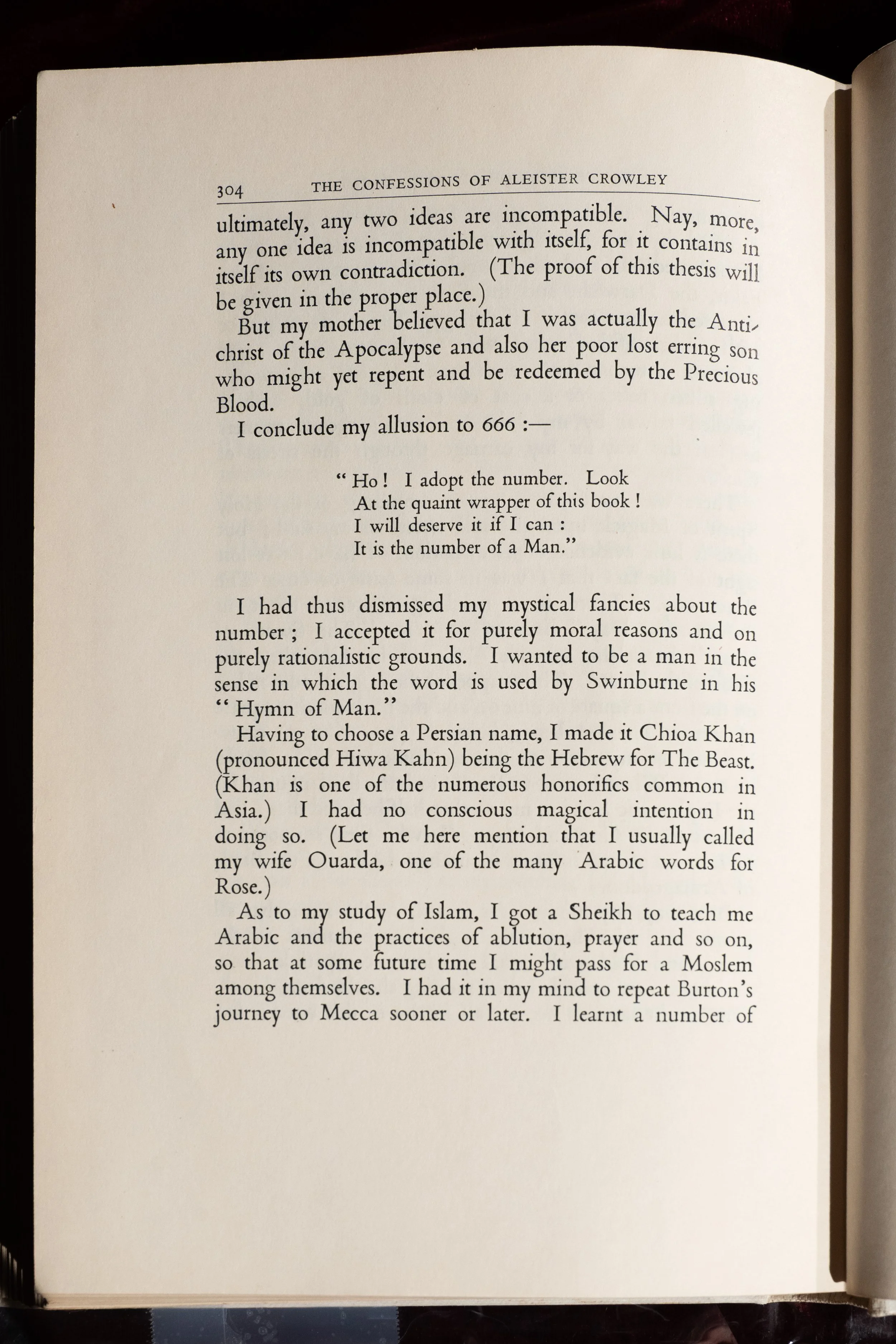 Image 24 of 48
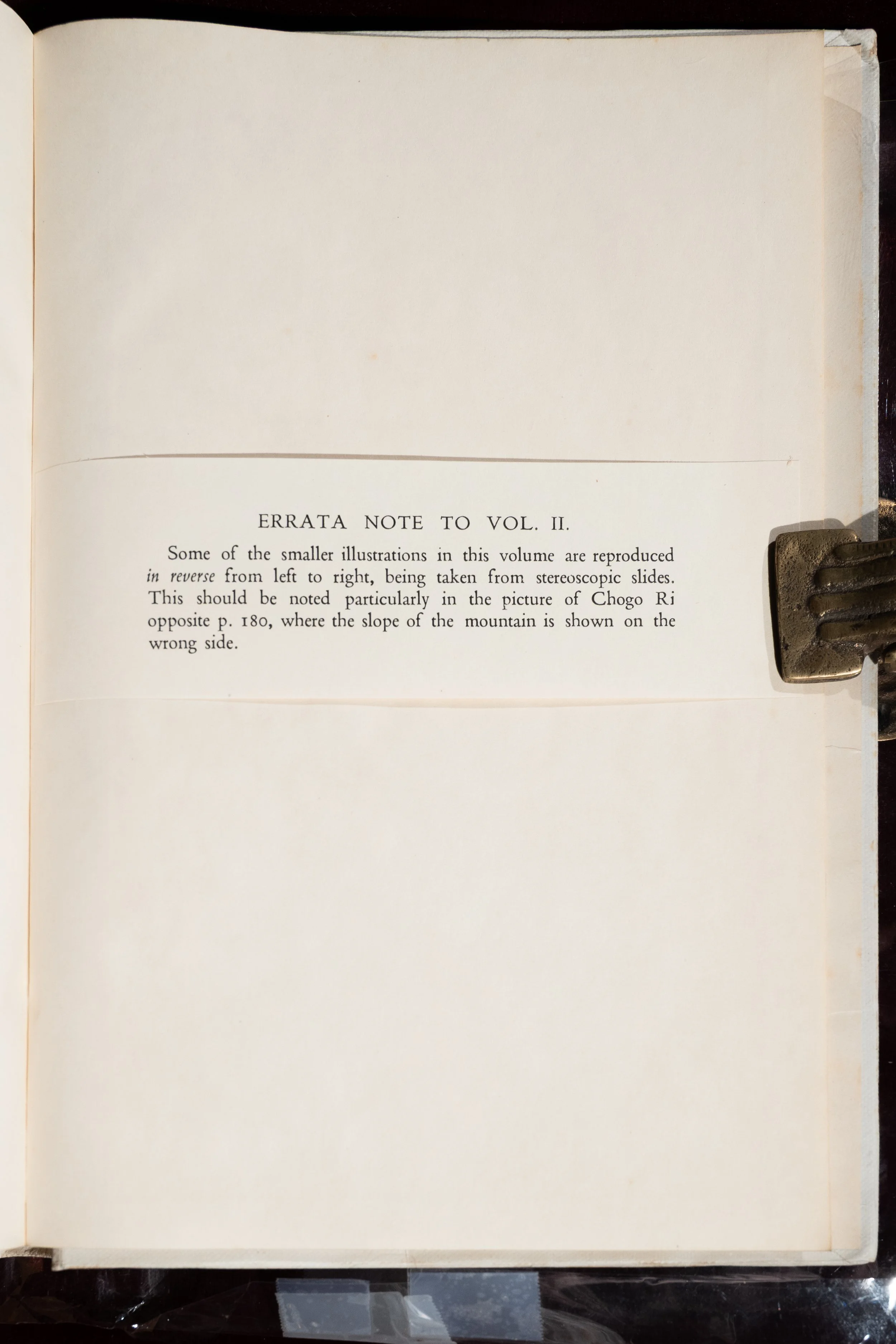 Image 25 of 48
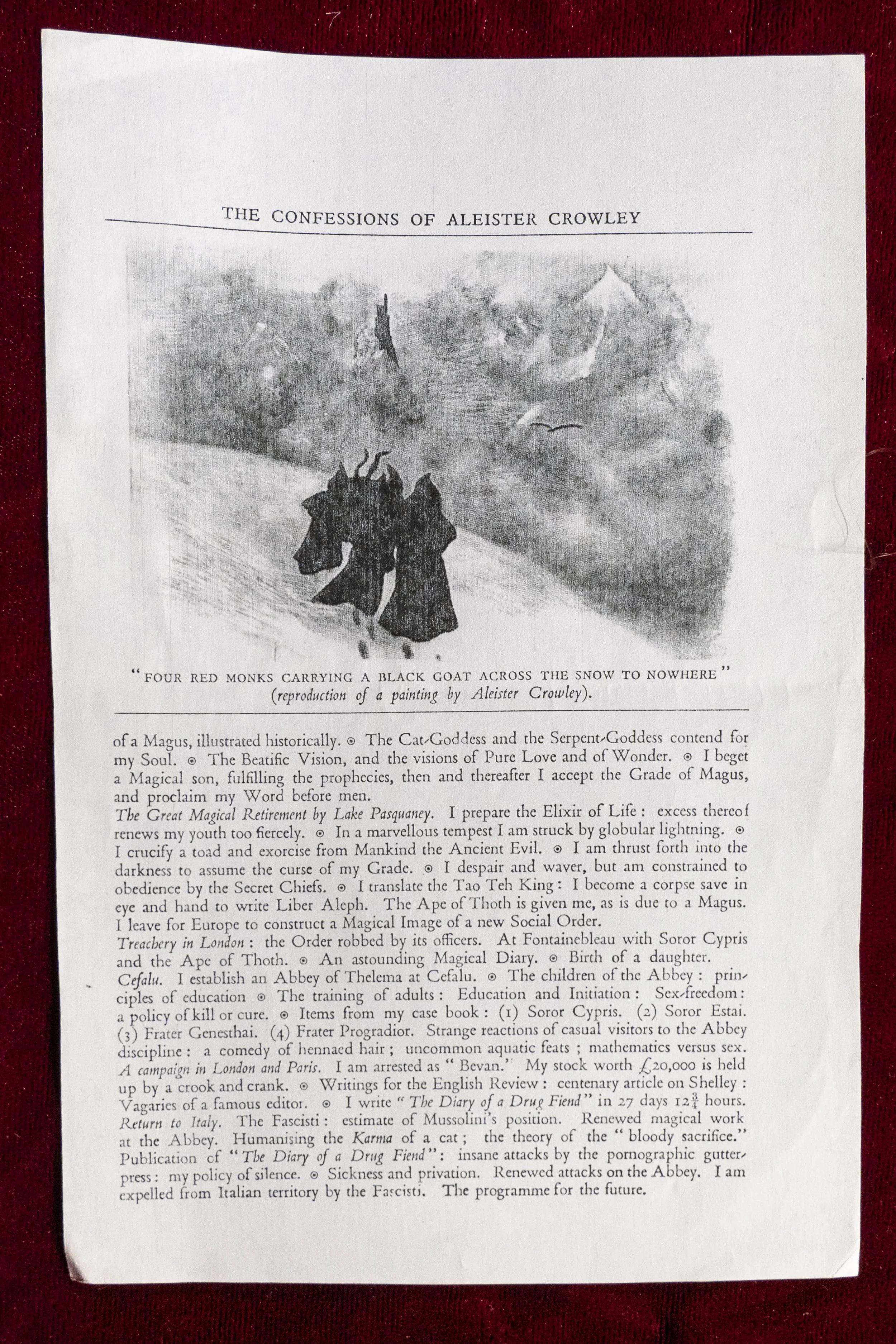 Image 26 of 48
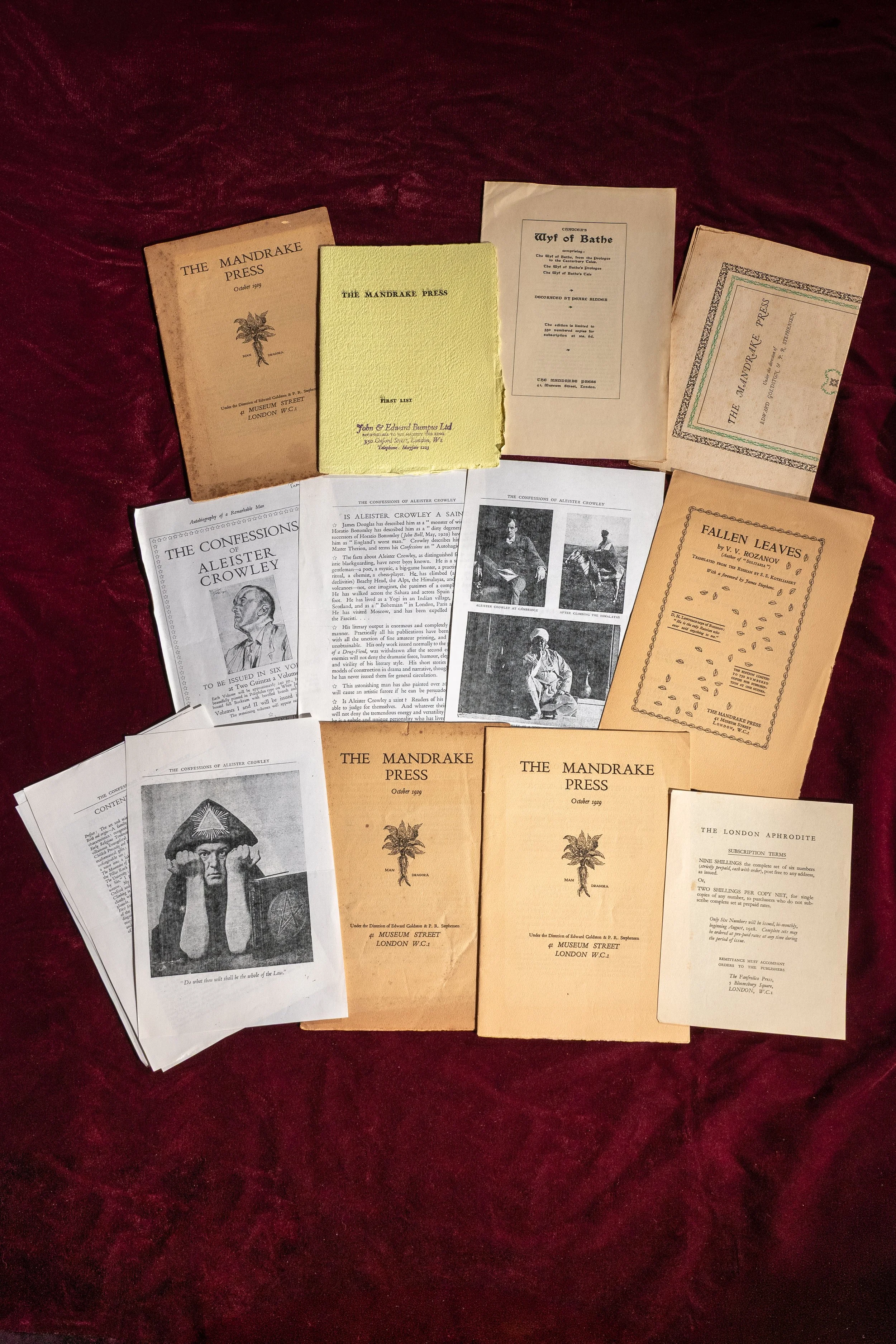 Image 27 of 48
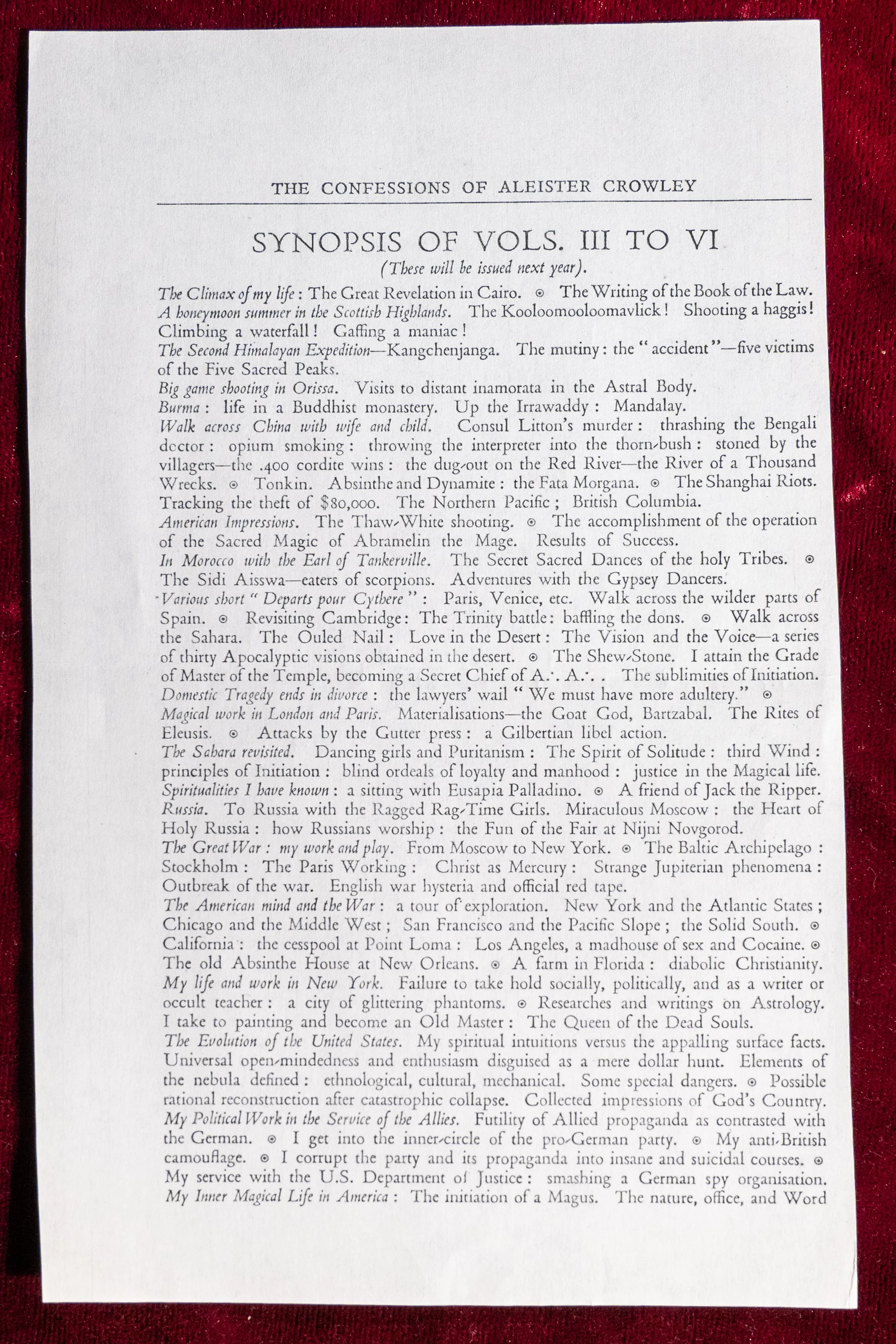 Image 28 of 48
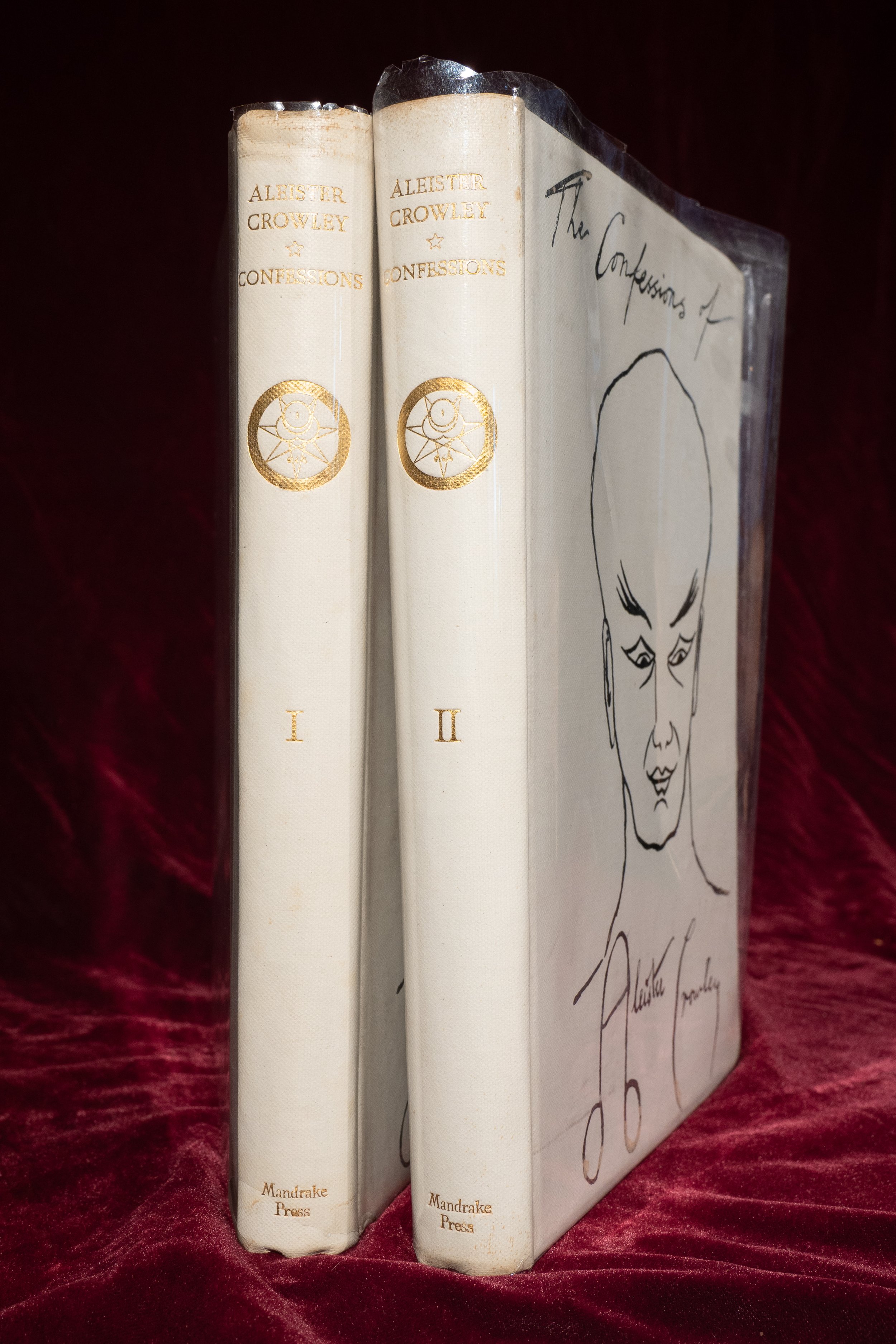 Image 29 of 48
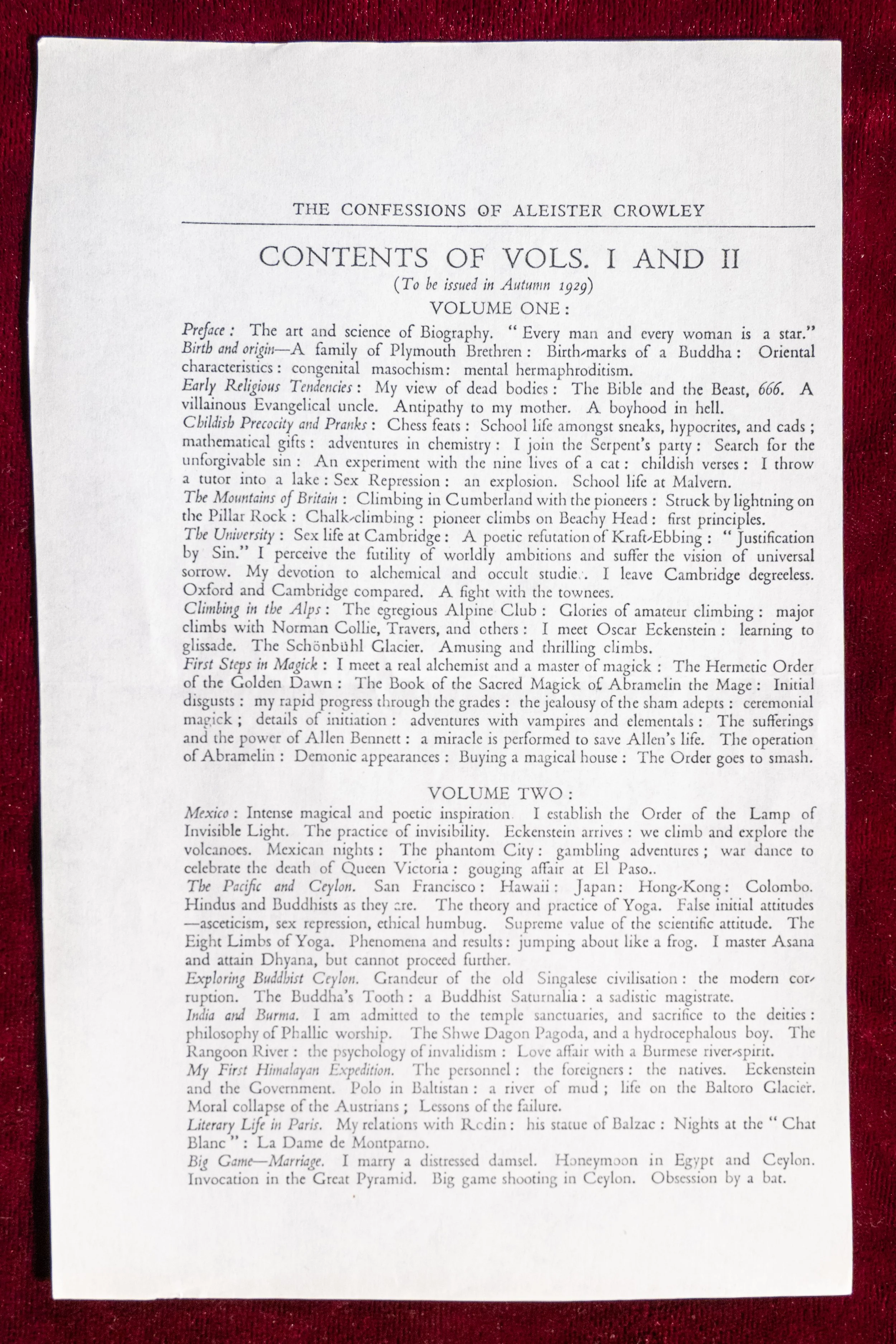 Image 30 of 48
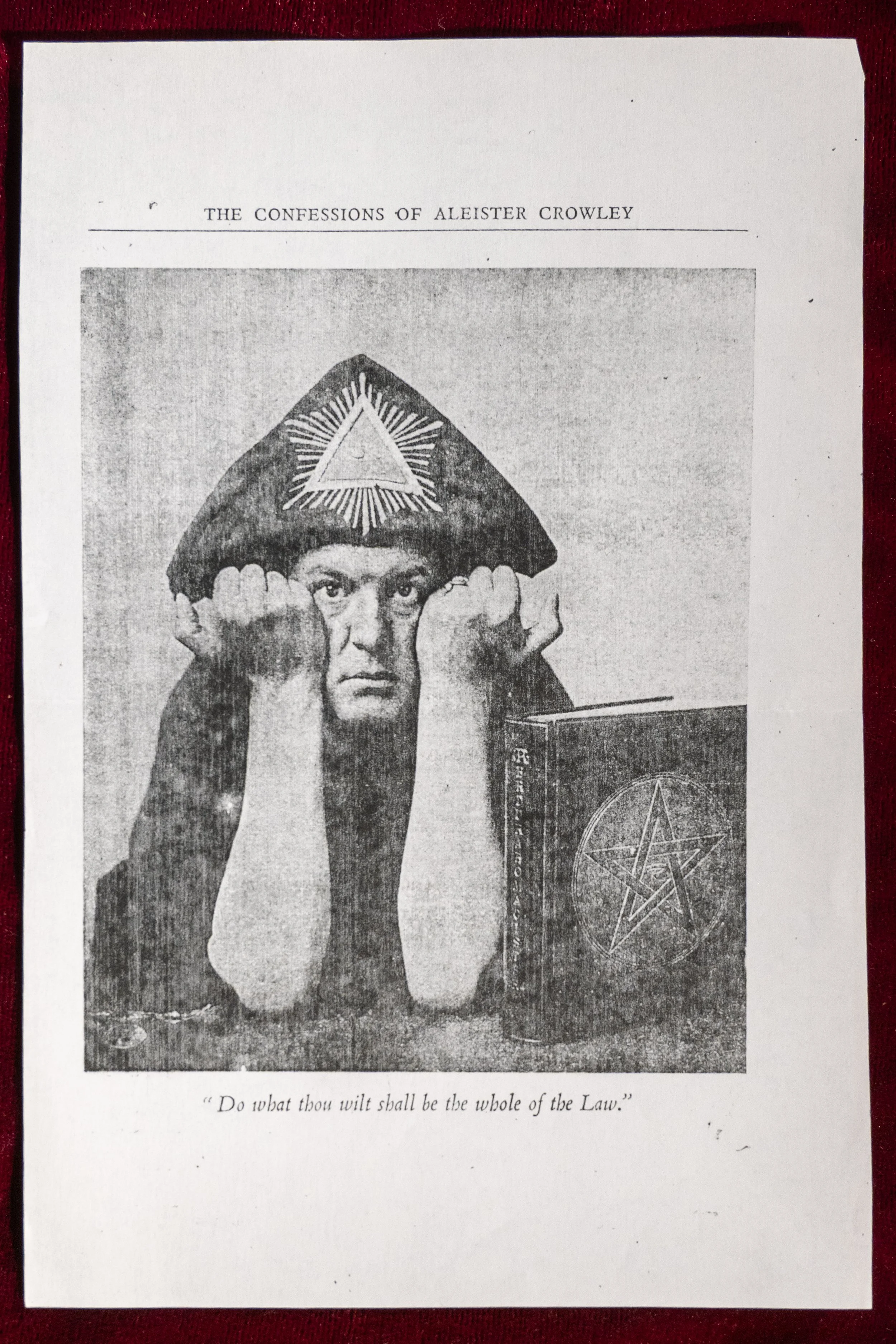 Image 31 of 48
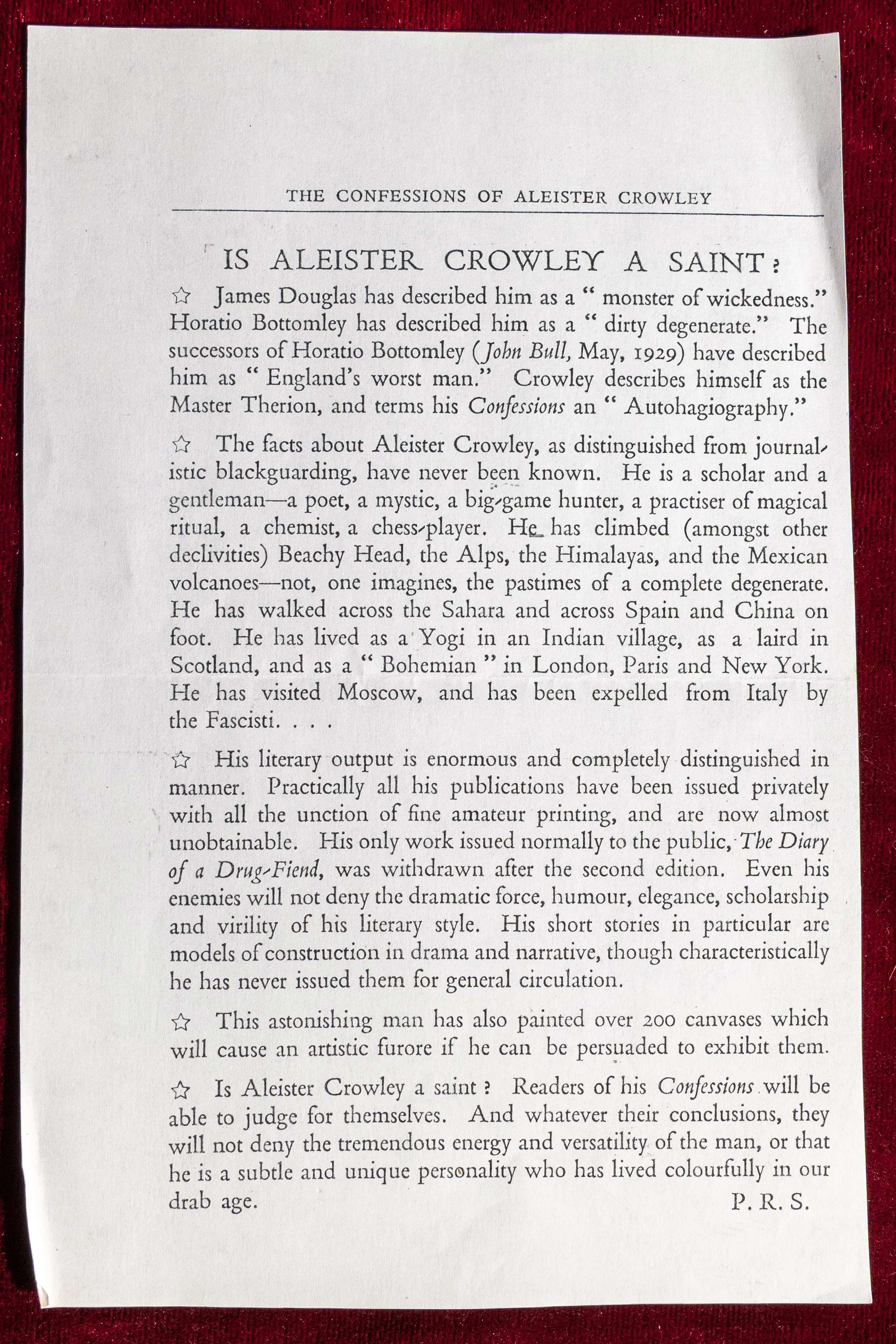 Image 32 of 48
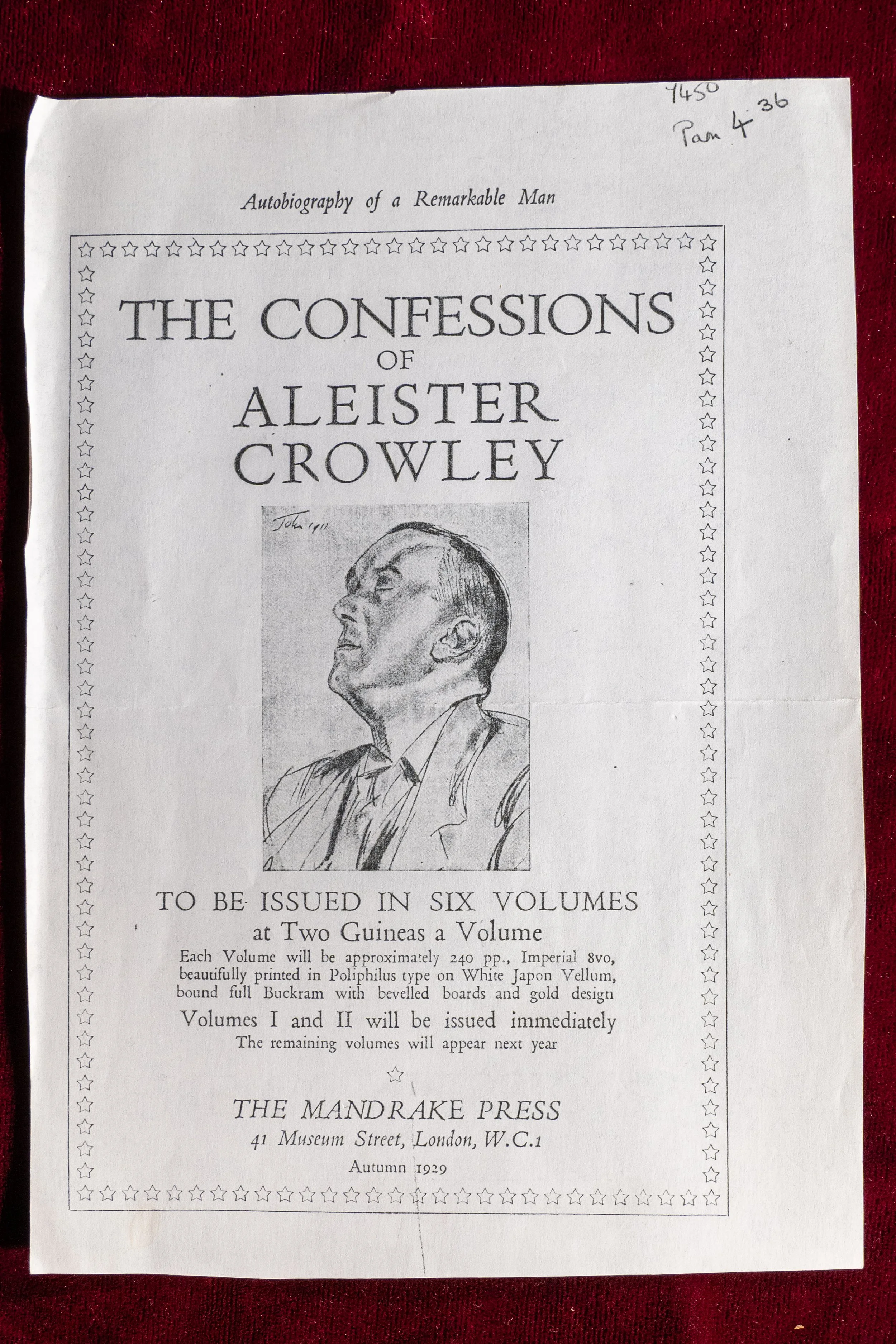 Image 33 of 48
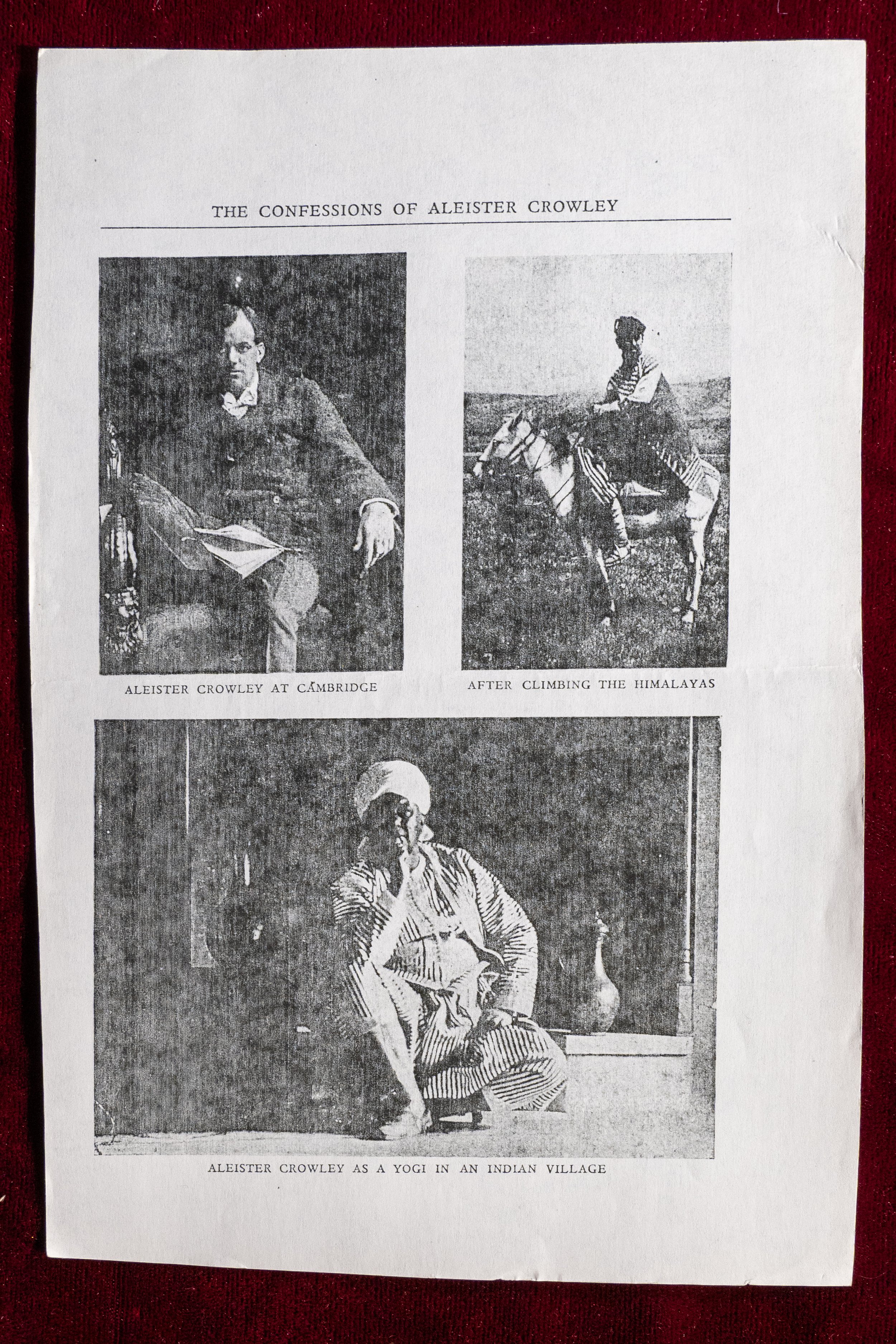 Image 34 of 48
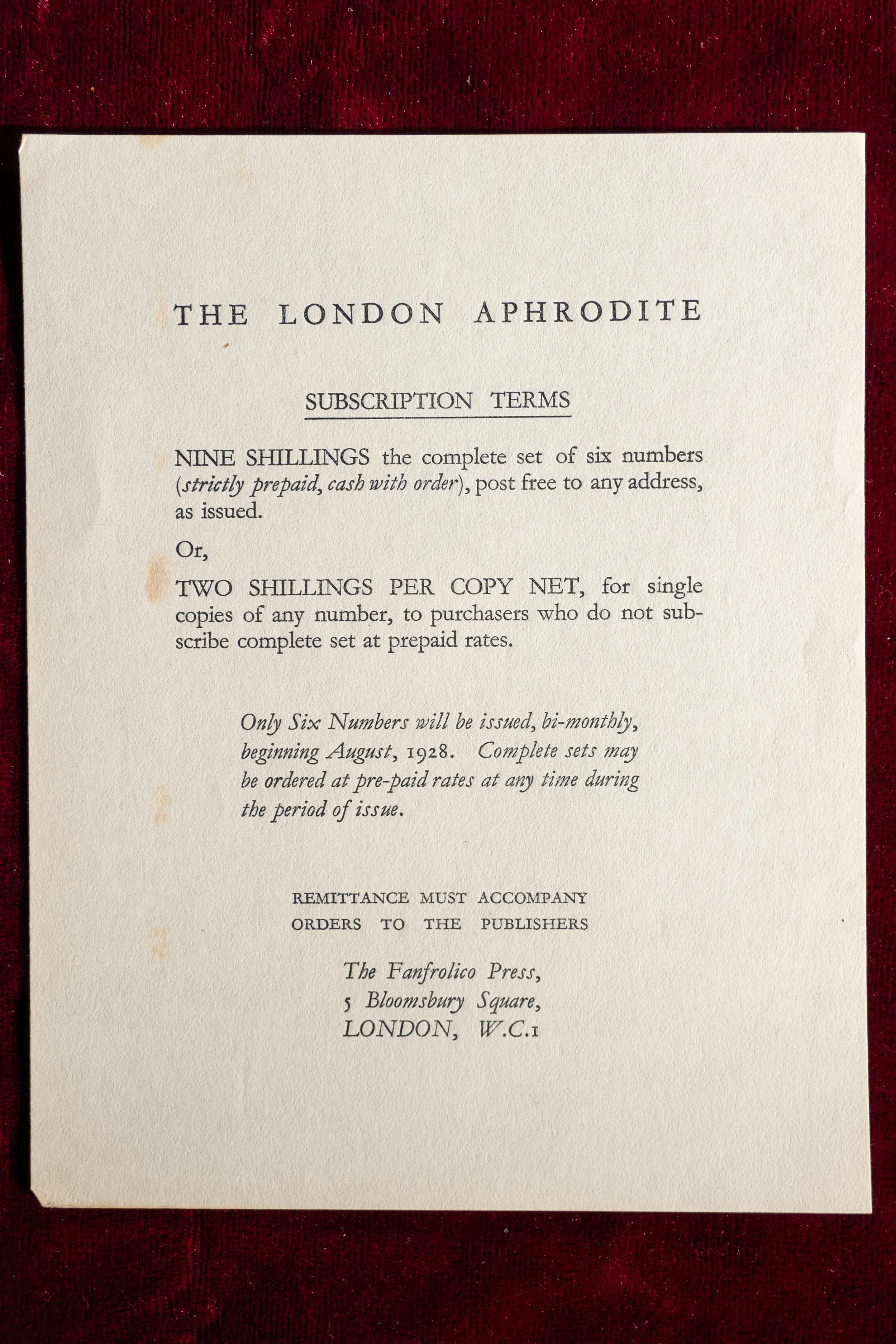 Image 35 of 48
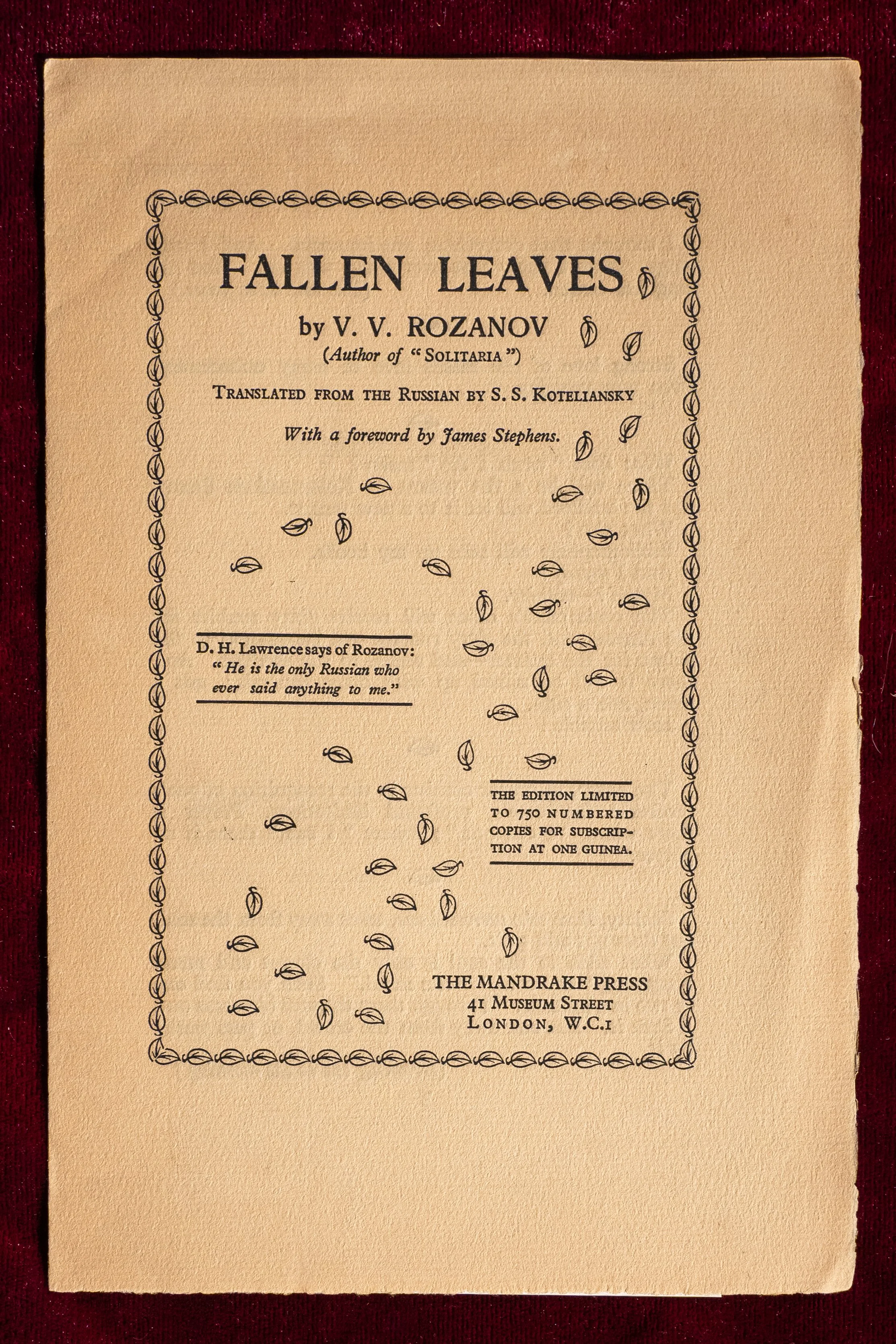 Image 36 of 48
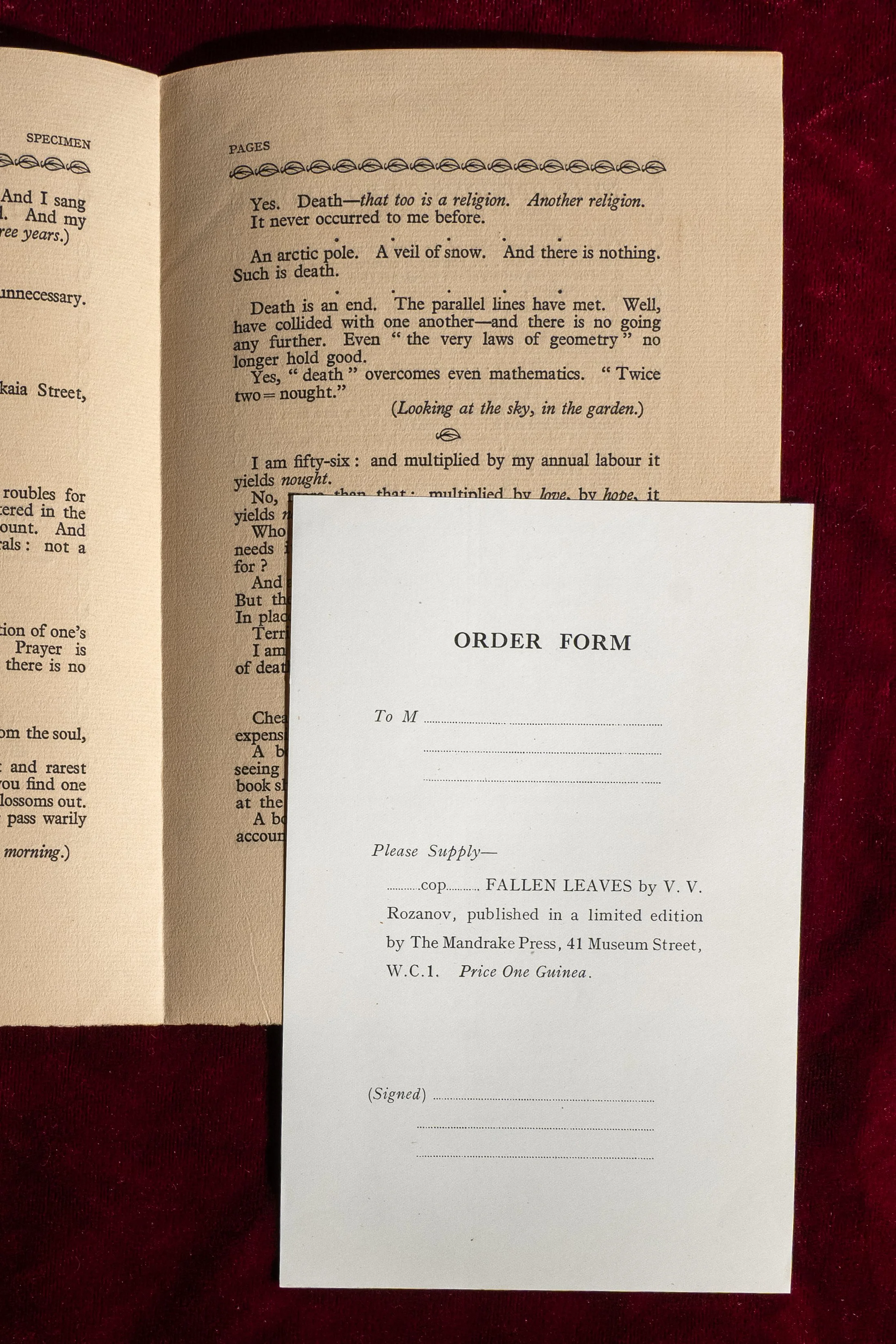 Image 37 of 48
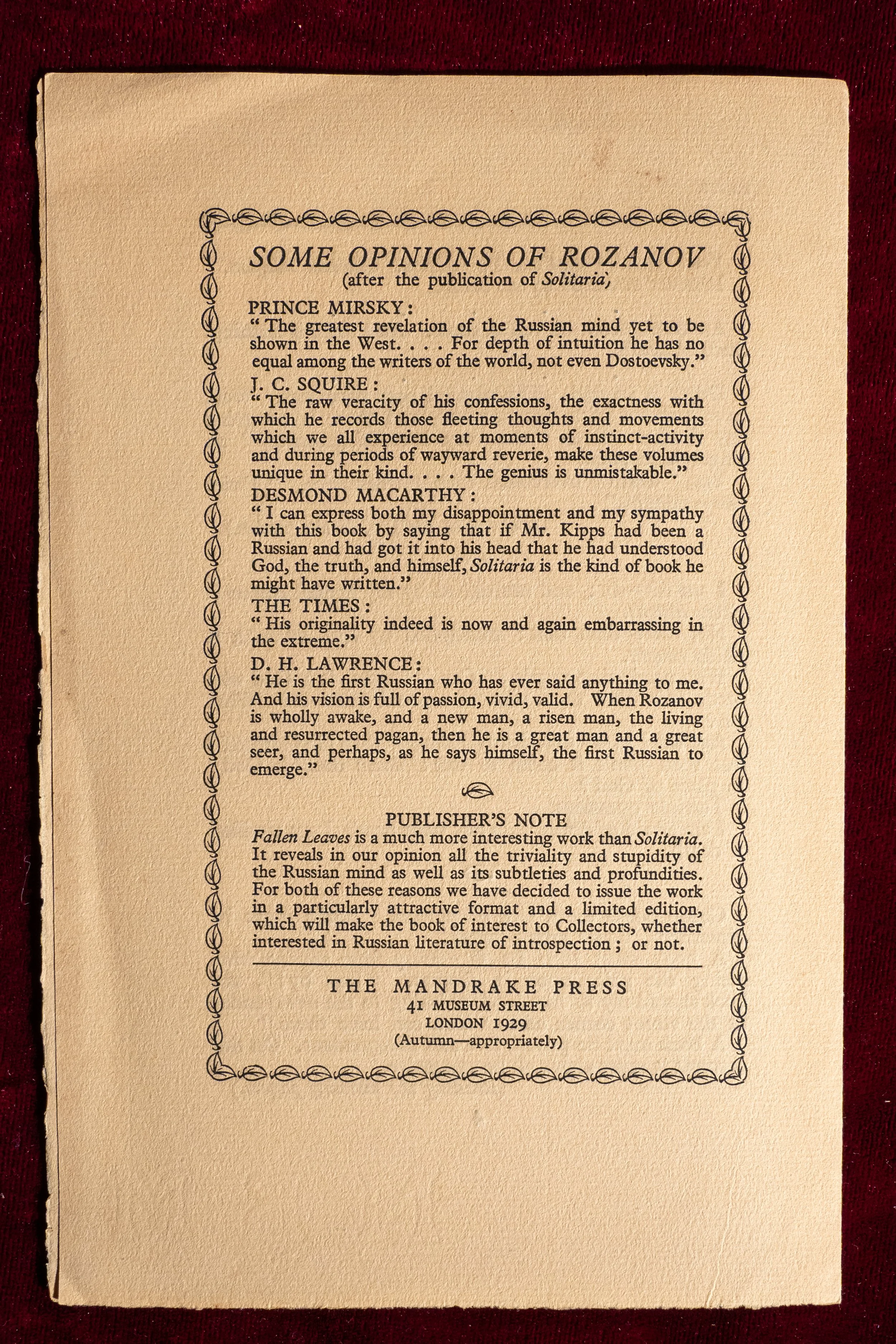 Image 38 of 48
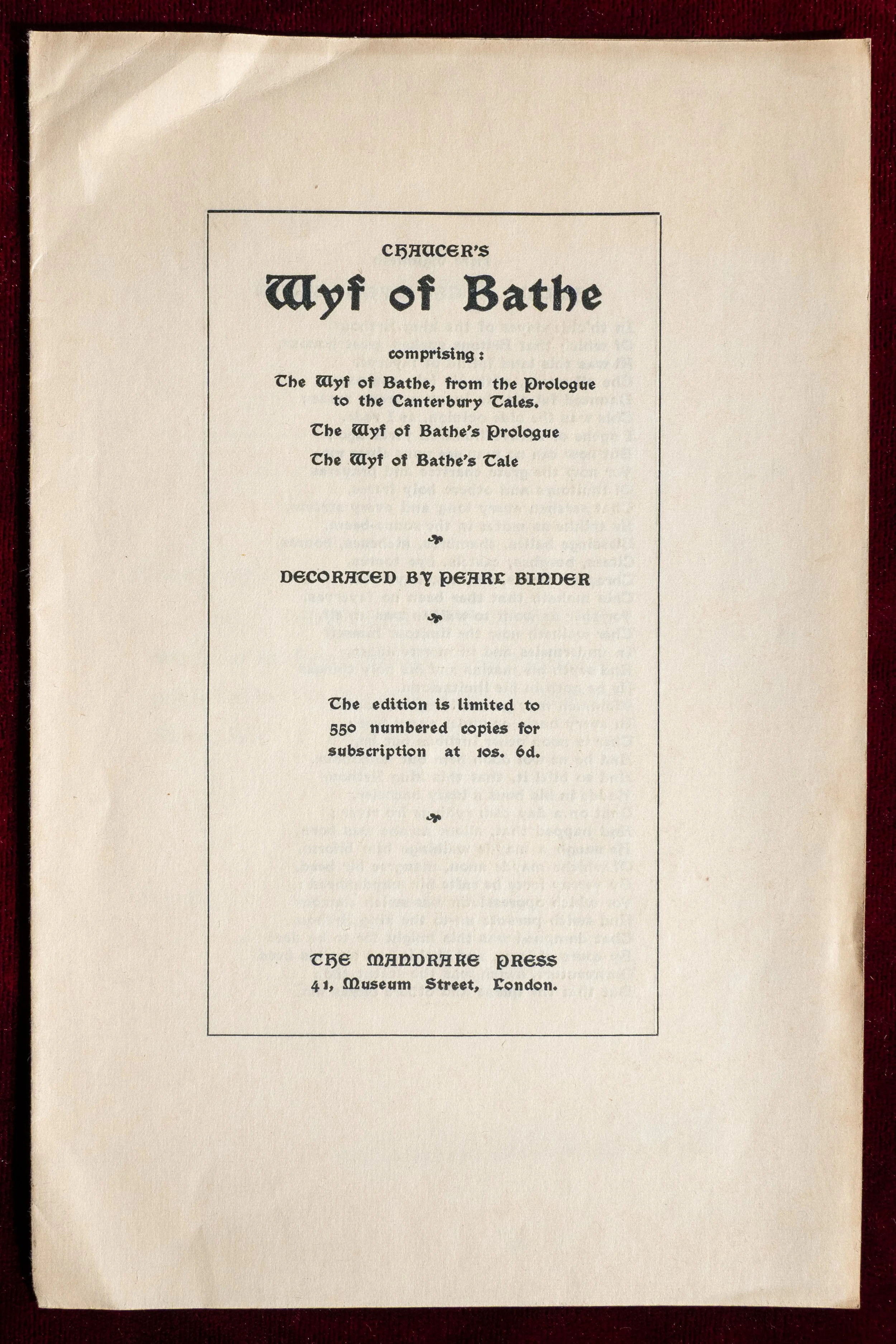 Image 39 of 48
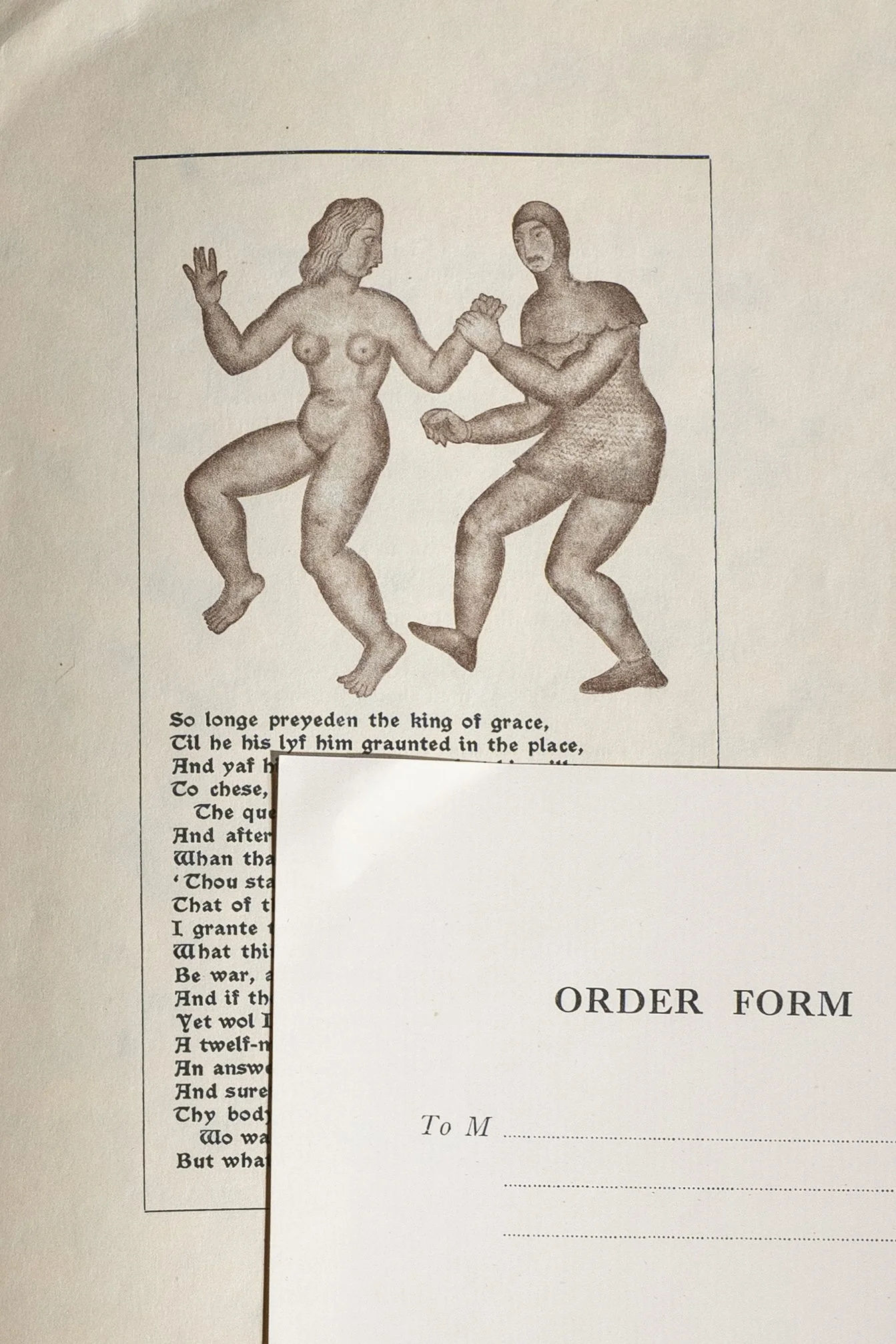 Image 40 of 48
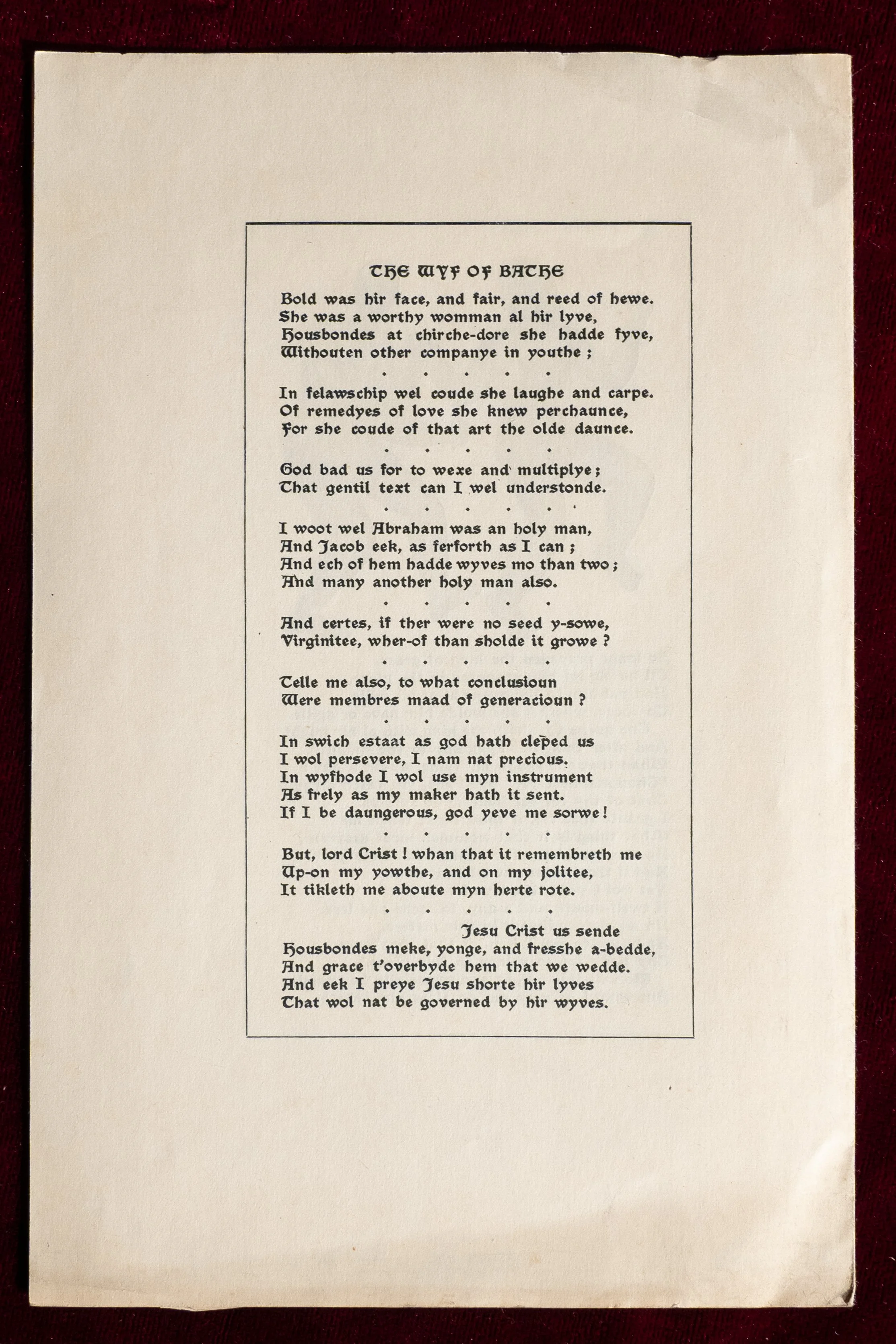 Image 41 of 48
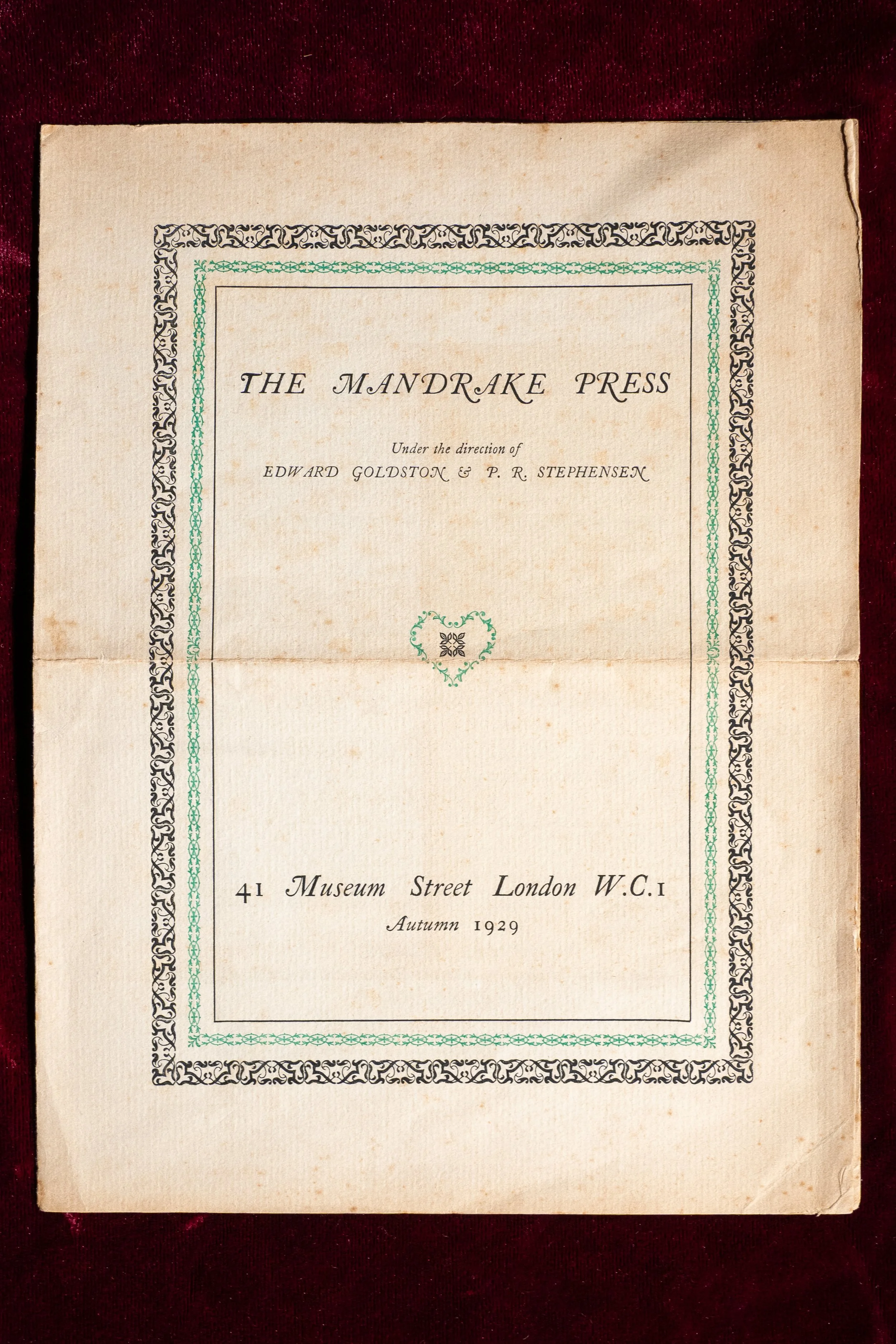 Image 42 of 48
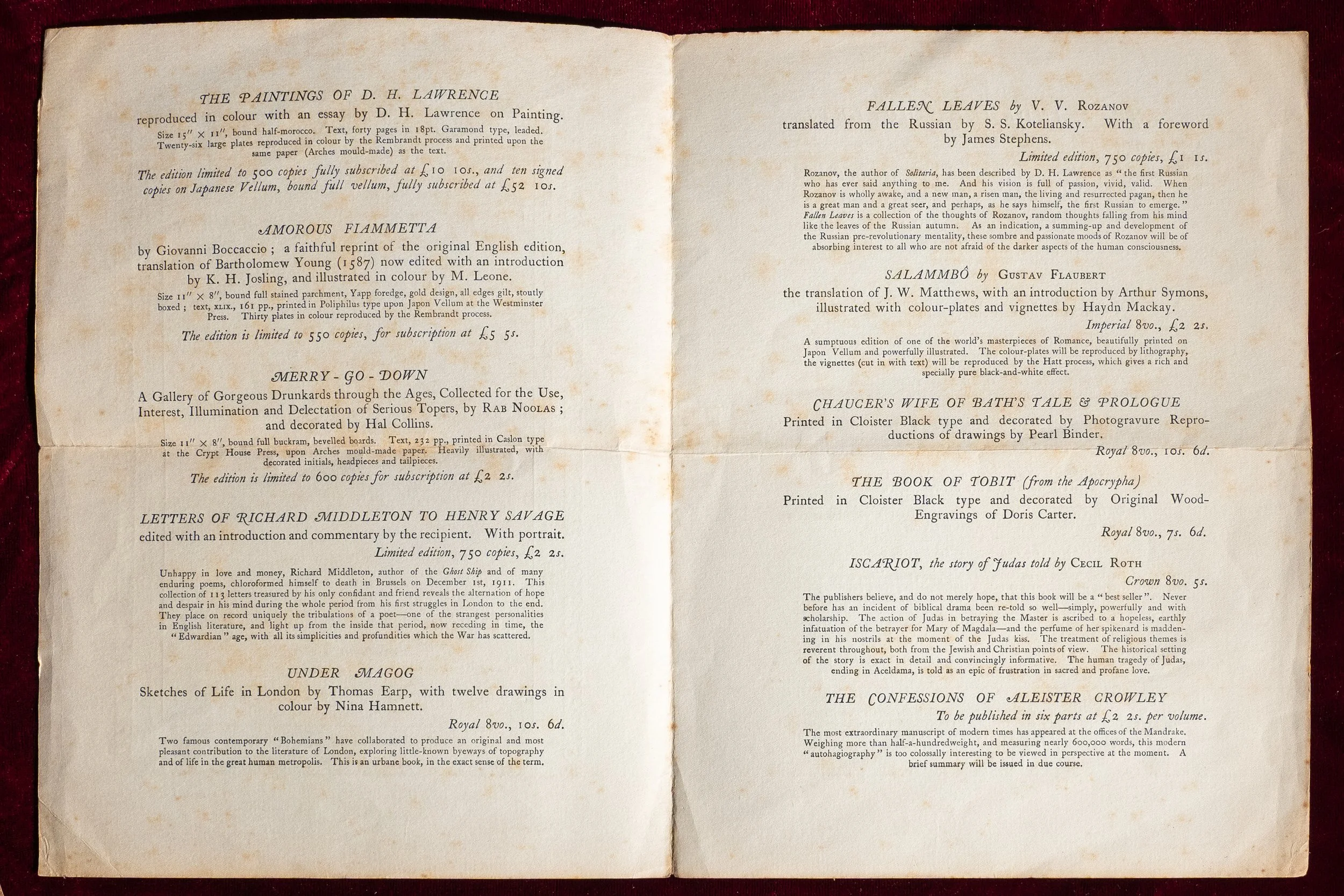 Image 43 of 48
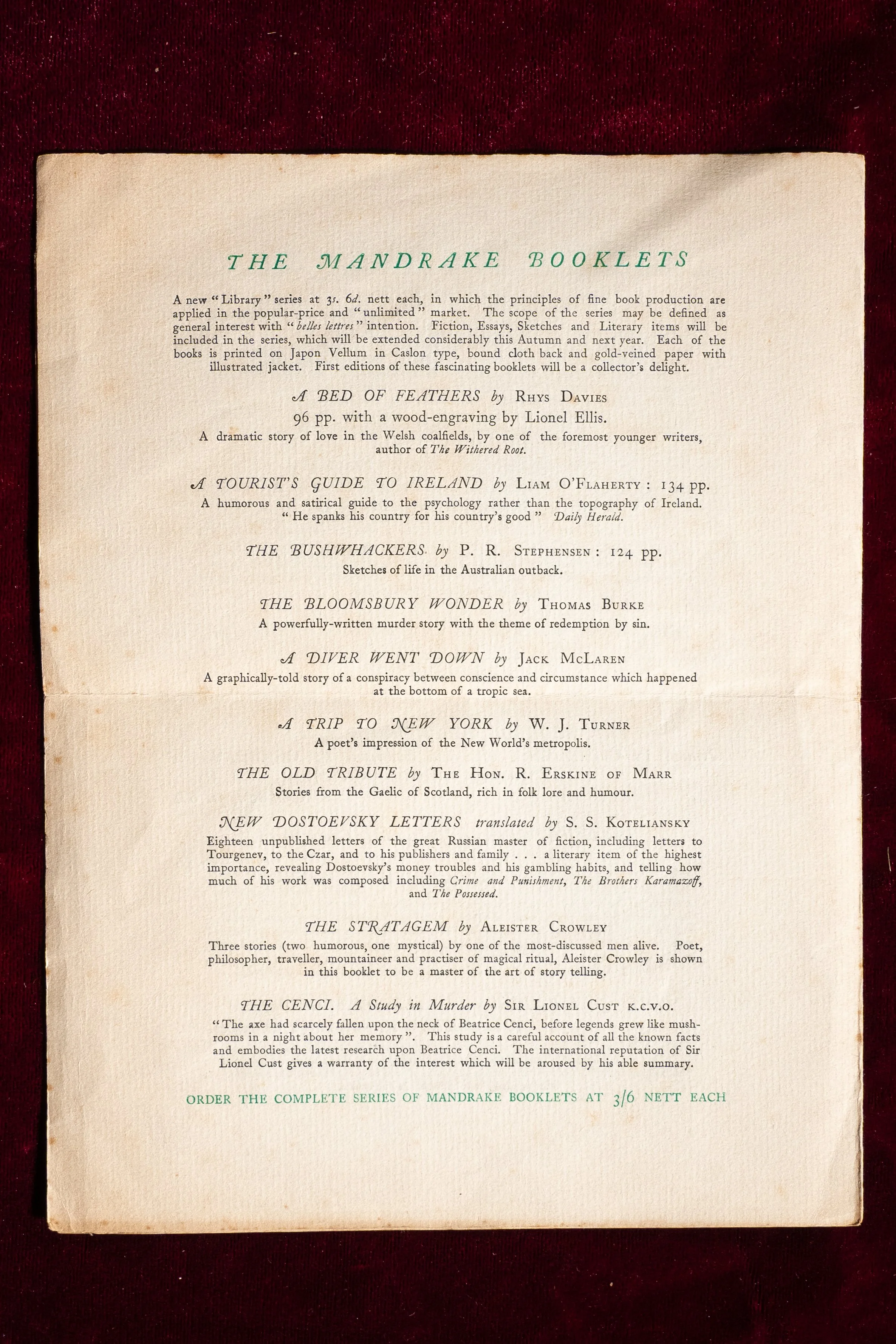 Image 44 of 48
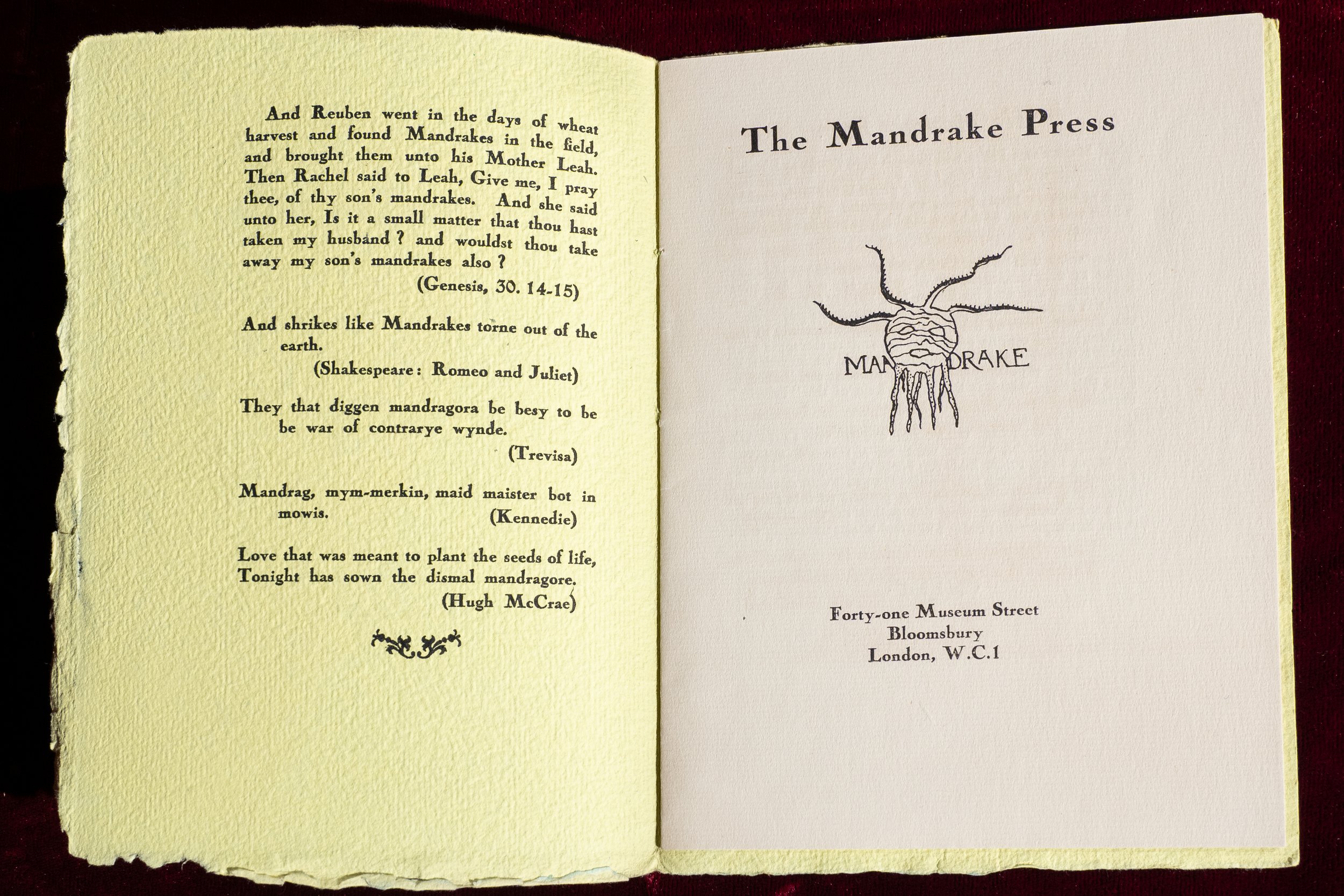 Image 45 of 48
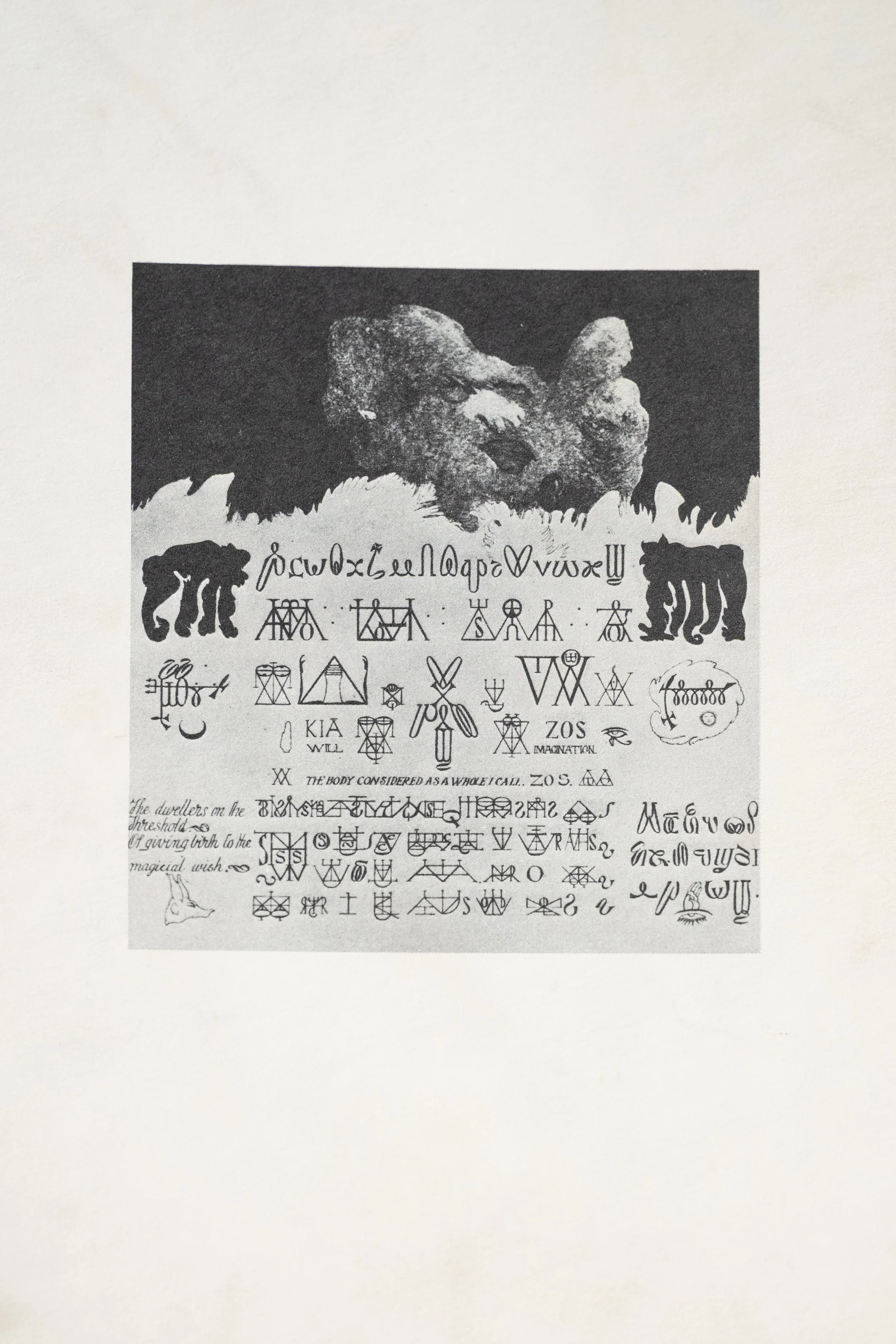 Image 46 of 48
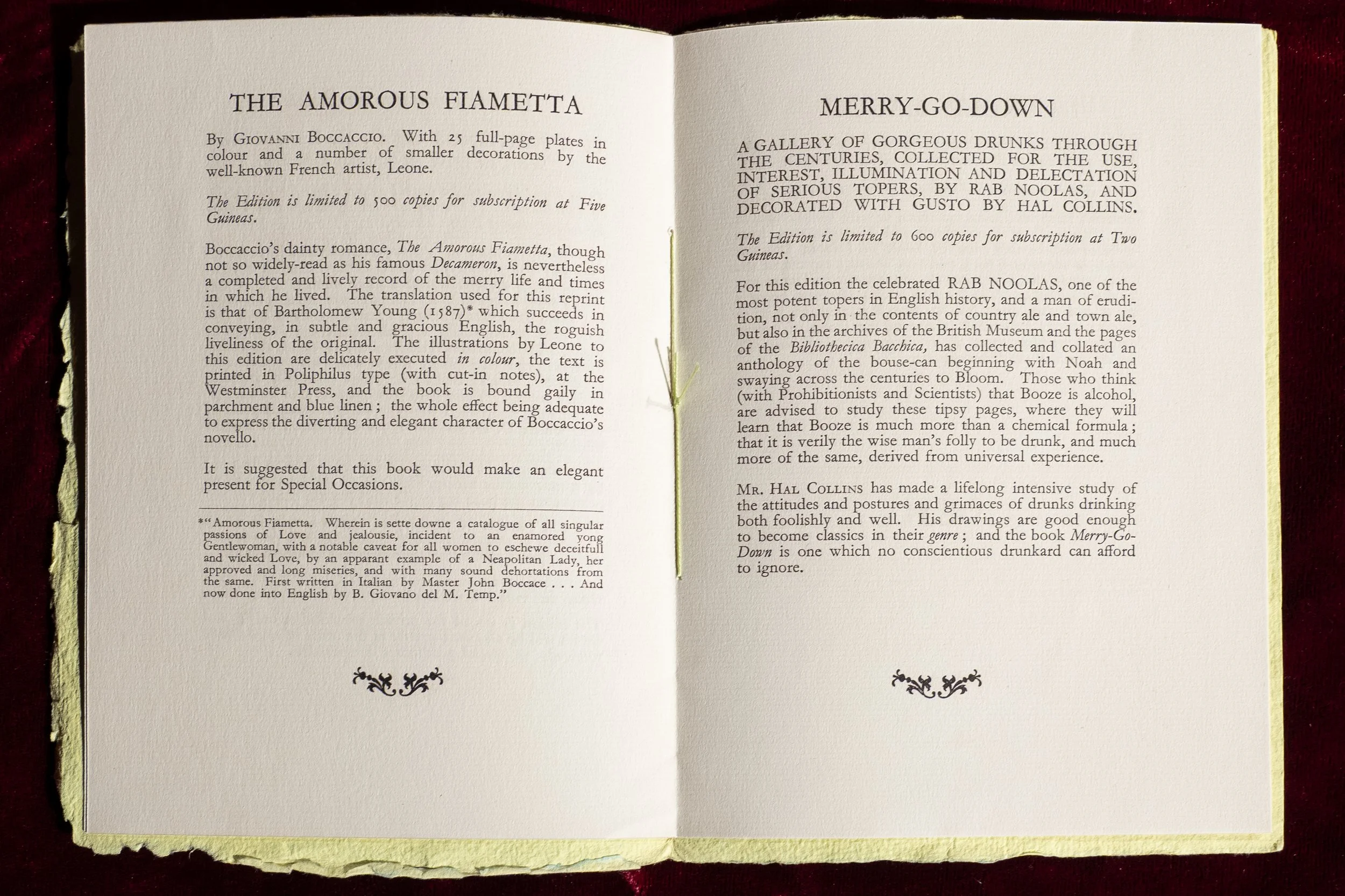 Image 47 of 48
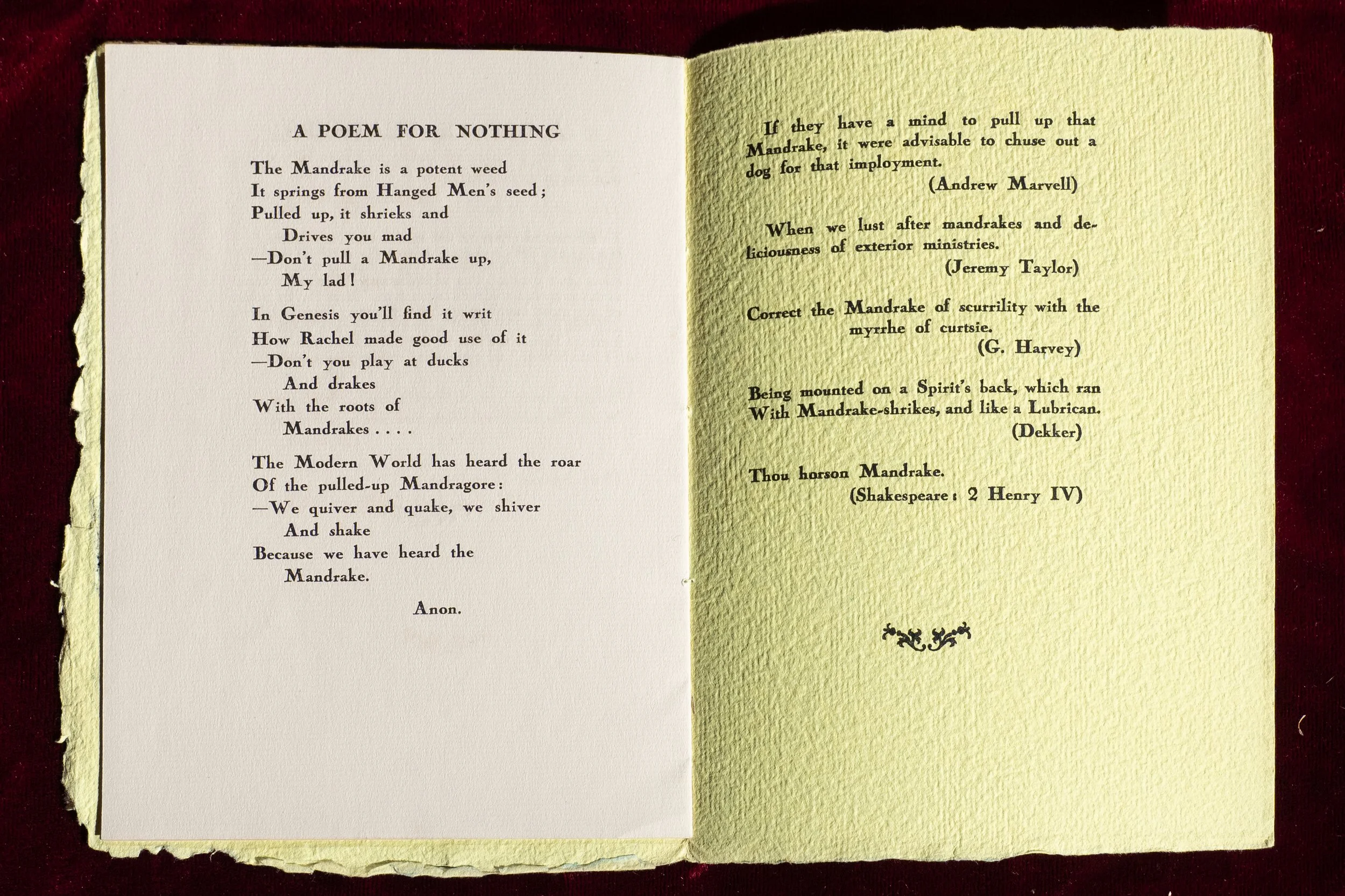 Image 48 of 48