Joséphin Péladan’s Amphithéâtre des sciences mortes, the Amphitheater of the Dead Sciences, is a seven-volume course in occult self-cultivation, published between 1892 and 1911. How One Becomes a Mage begins by warning its reader against promises of omnipotence, gold-making and talismans. “These are impostures,” Péladan writes; “you will never be more than the spiritual king of one body and one soul.”
Péladan (1858–1918) made his name as a novelist before organizing the Salons de la Rose+Croix. After helping to found the Kabbalistic Order of the Rose-Cross with Stanislas de Guaita, he established the Order of the Catholic Rose-Cross of the Temple and the Grail. Its artistic program took public form in six exhibitions of Symbolist art, beginning in 1892.
The Amphithéâtre develops the religious conception of art that he promoted through the Salons. In How One Becomes an Artist, he writes that art has the same purpose as religion: to make people feel God. His ideal practitioner, the Ariste, perceives God in things. The series extends this program into ethics, politics and religious life, with occasional concessions to ordinary experience: “The free man,” he writes, “is he who depends on nothing but illness, poverty and the gendarmes.”
The seven volumes appeared over nineteen years through three publishers. This set brings the complete series together in uniform later bindings, with the printed wrappers preserved. The front wrapper of the final volume bears an inscription by Péladan; the recipient’s name has been erased.
PELADAN, Joséphin (Sâr Mérodack J. Péladan). Amphithéâtre des sciences mortes. I. Comment on devient mage. Éthique. II. Comment on devient fée. Érotique. III. Comment on devient artiste. Esthétique. IV. Le Livre du sceptre. Politique. V. L'Occulte catholique. Mystique. VI. Traité des antinomies. Métaphysique. VII. La Science de l'amour. Paris: Chamuel (I–V), Bibliothèque Chacornac (VI), A. Messein (VII), 1892–1911. First editions. Complete in seven volumes.
Physical Description: Seven volumes, octavo. I: portrait frontispiece, 303 pp. II: portrait frontispiece, 393 pp. III: portrait frontispiece, xxii, 381 pp. IV: xxiv, 363 pp. V: iii, 326 pp. VI: vii, 267 pp. VII: 340 pp. Original printed wrappers bound in throughout.
Binding: Uniform later half light-blue cloth over marbled paper boards, smooth spines lettered in gilt on red leather labels with gilt rules; the printed wrappers preserved and bound in. Bindings lightly rubbed, spines a little soiled.
Condition: Internally fresh. Scattered light foxing, mostly to the preliminary leaves and wrappers. A few pencil marks and underlinings in the margins. Volume III with a small ink stain on the wrapper and a faint dampstain at the lower fore-edge. Volume IV with a short marginal tear at p. 215, no loss. Volume VII with a closed tear and some soiling to the wrapper. A complete, sound set.
Provenance: Autograph inscription by Péladan on the front wrapper of volume VII; the name of the recipient has been erased.
Joséphin Péladan’s Amphithéâtre des sciences mortes, the Amphitheater of the Dead Sciences, is a seven-volume course in occult self-cultivation, published between 1892 and 1911. How One Becomes a Mage begins by warning its reader against promises of omnipotence, gold-making and talismans. “These are impostures,” Péladan writes; “you will never be more than the spiritual king of one body and one soul.”
Péladan (1858–1918) made his name as a novelist before organizing the Salons de la Rose+Croix. After helping to found the Kabbalistic Order of the Rose-Cross with Stanislas de Guaita, he established the Order of the Catholic Rose-Cross of the Temple and the Grail. Its artistic program took public form in six exhibitions of Symbolist art, beginning in 1892.
The Amphithéâtre develops the religious conception of art that he promoted through the Salons. In How One Becomes an Artist, he writes that art has the same purpose as religion: to make people feel God. His ideal practitioner, the Ariste, perceives God in things. The series extends this program into ethics, politics and religious life, with occasional concessions to ordinary experience: “The free man,” he writes, “is he who depends on nothing but illness, poverty and the gendarmes.”
The seven volumes appeared over nineteen years through three publishers. This set brings the complete series together in uniform later bindings, with the printed wrappers preserved. The front wrapper of the final volume bears an inscription by Péladan; the recipient’s name has been erased.
PELADAN, Joséphin (Sâr Mérodack J. Péladan). Amphithéâtre des sciences mortes. I. Comment on devient mage. Éthique. II. Comment on devient fée. Érotique. III. Comment on devient artiste. Esthétique. IV. Le Livre du sceptre. Politique. V. L'Occulte catholique. Mystique. VI. Traité des antinomies. Métaphysique. VII. La Science de l'amour. Paris: Chamuel (I–V), Bibliothèque Chacornac (VI), A. Messein (VII), 1892–1911. First editions. Complete in seven volumes.
Physical Description: Seven volumes, octavo. I: portrait frontispiece, 303 pp. II: portrait frontispiece, 393 pp. III: portrait frontispiece, xxii, 381 pp. IV: xxiv, 363 pp. V: iii, 326 pp. VI: vii, 267 pp. VII: 340 pp. Original printed wrappers bound in throughout.
Binding: Uniform later half light-blue cloth over marbled paper boards, smooth spines lettered in gilt on red leather labels with gilt rules; the printed wrappers preserved and bound in. Bindings lightly rubbed, spines a little soiled.
Condition: Internally fresh. Scattered light foxing, mostly to the preliminary leaves and wrappers. A few pencil marks and underlinings in the margins. Volume III with a small ink stain on the wrapper and a faint dampstain at the lower fore-edge. Volume IV with a short marginal tear at p. 215, no loss. Volume VII with a closed tear and some soiling to the wrapper. A complete, sound set.
Provenance: Autograph inscription by Péladan on the front wrapper of volume VII; the name of the recipient has been erased.

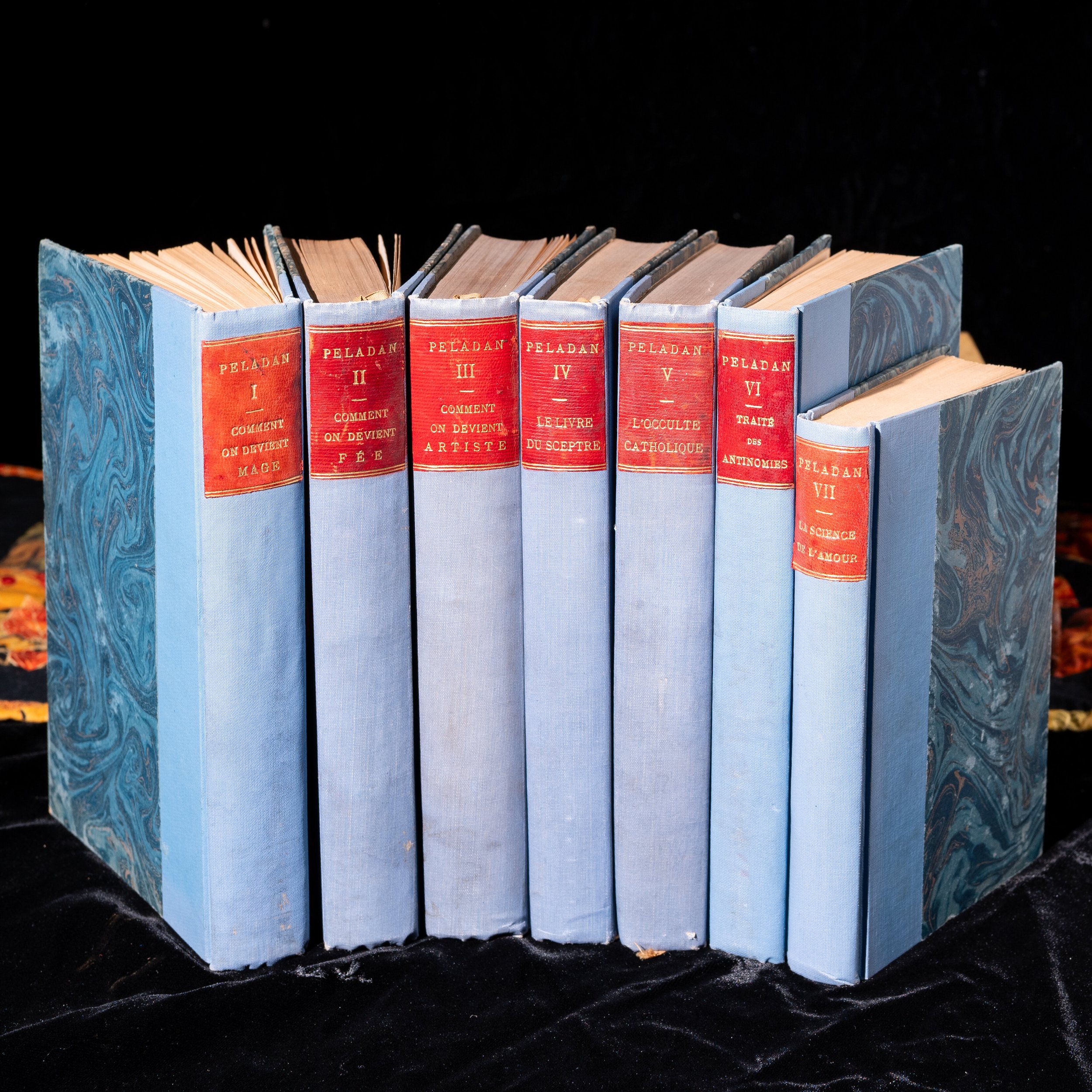 Image 1 of 58
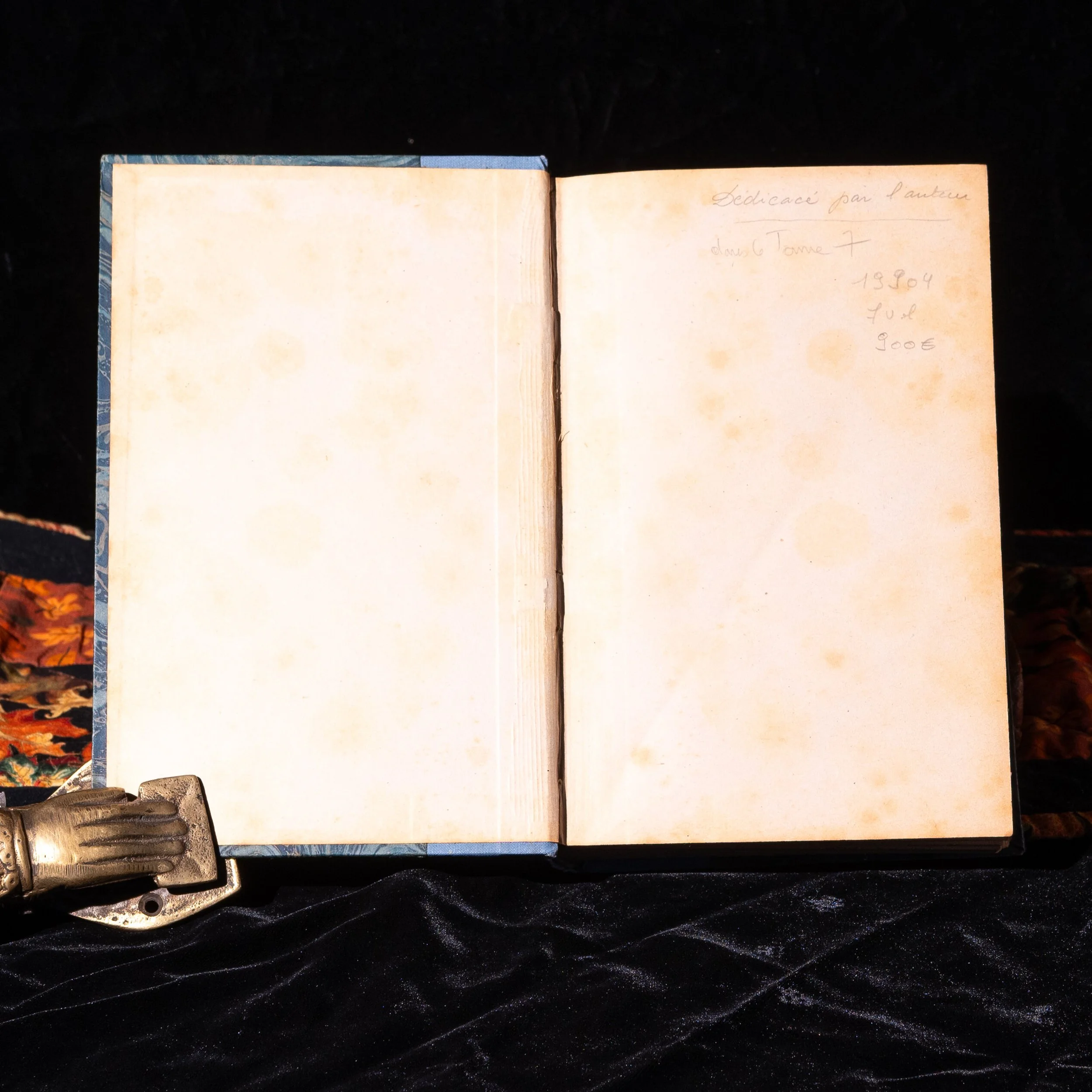 Image 2 of 58
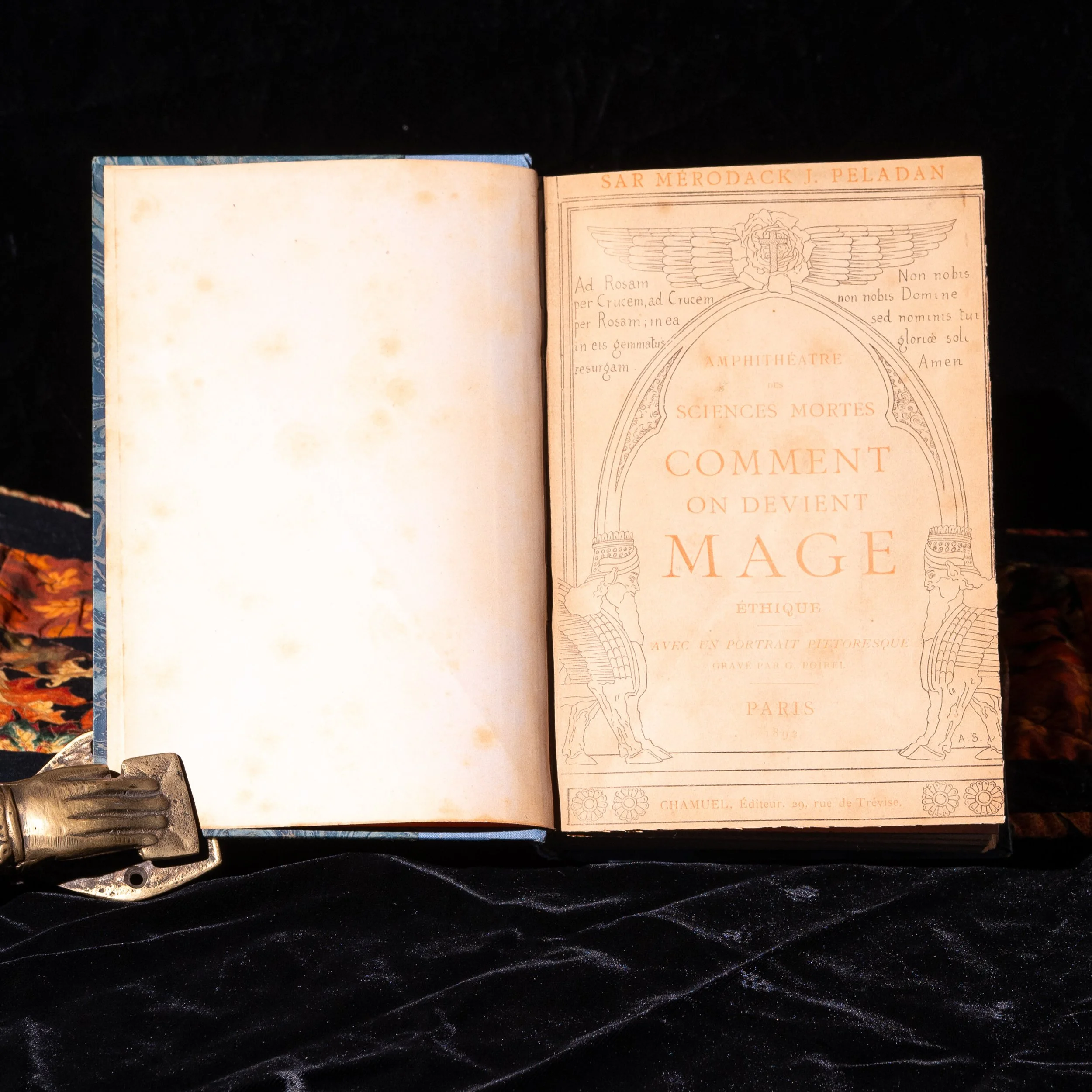 Image 3 of 58
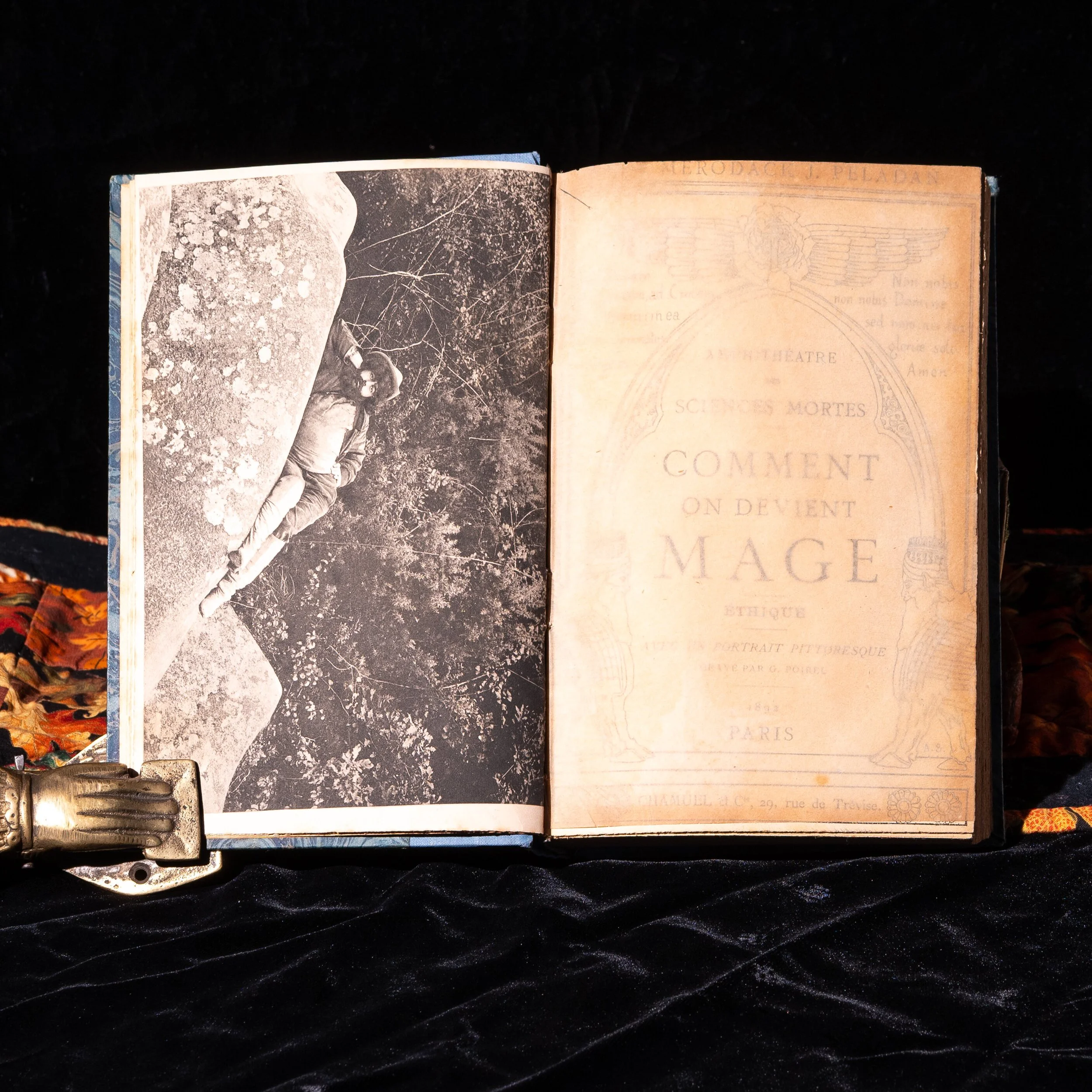 Image 4 of 58
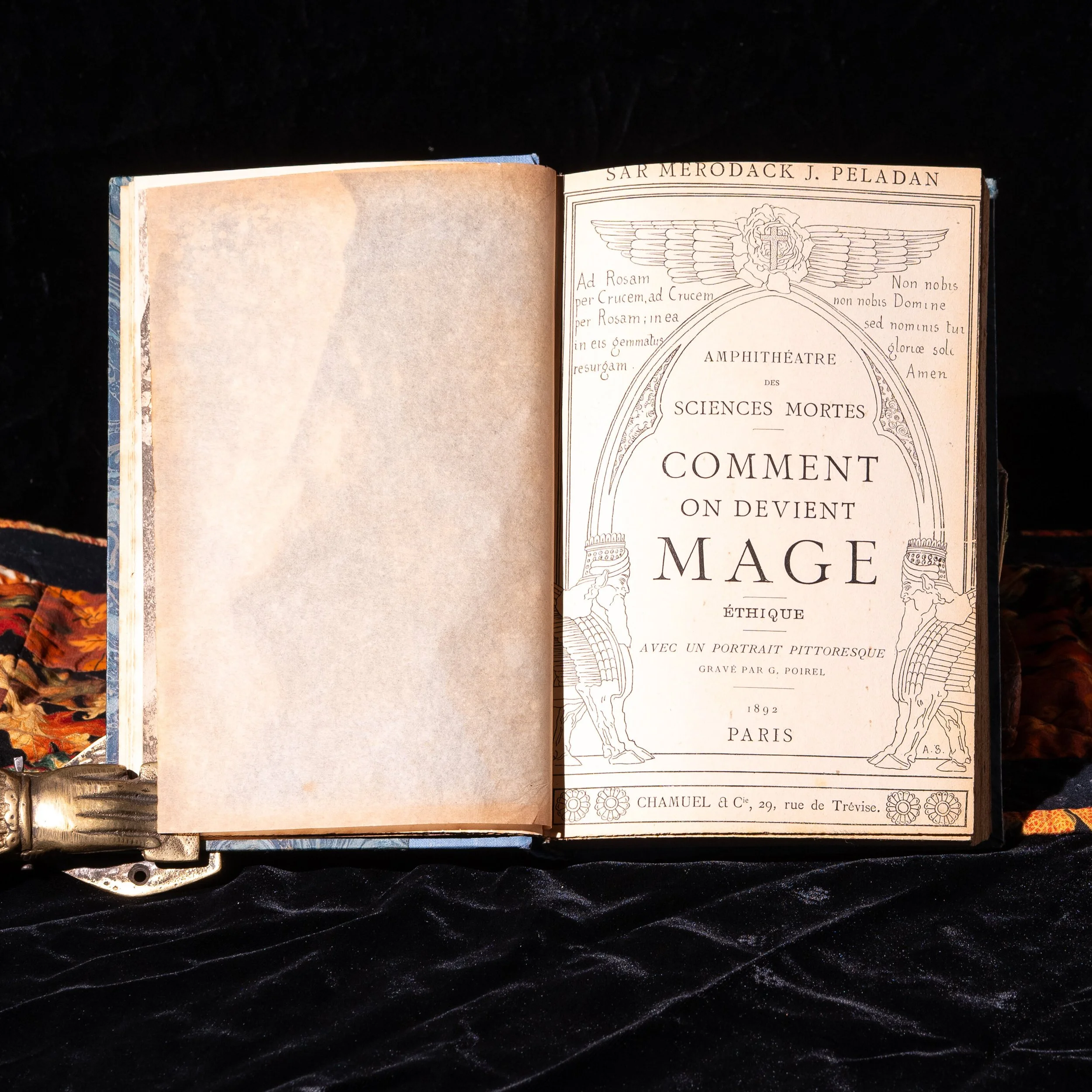 Image 5 of 58
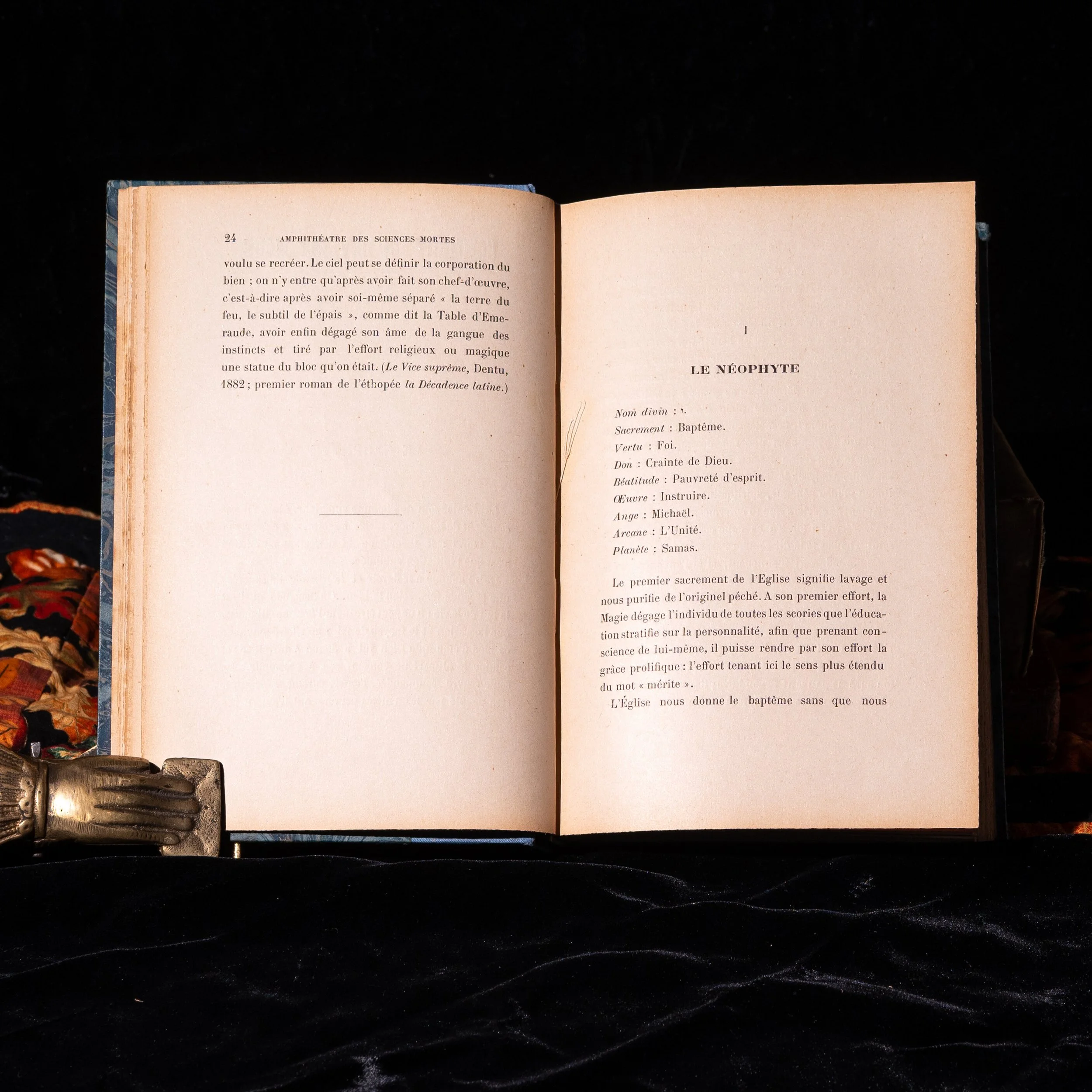 Image 6 of 58
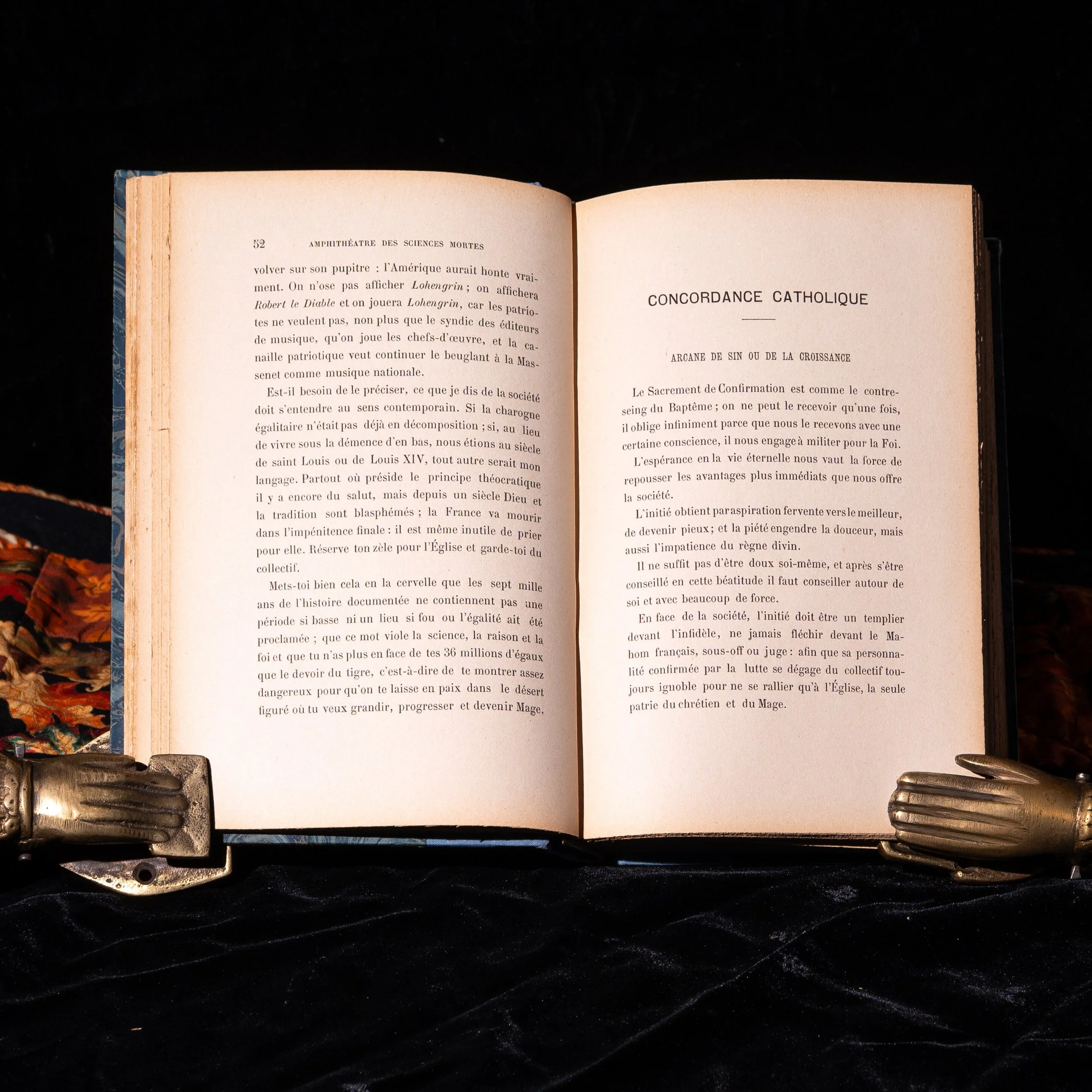 Image 7 of 58
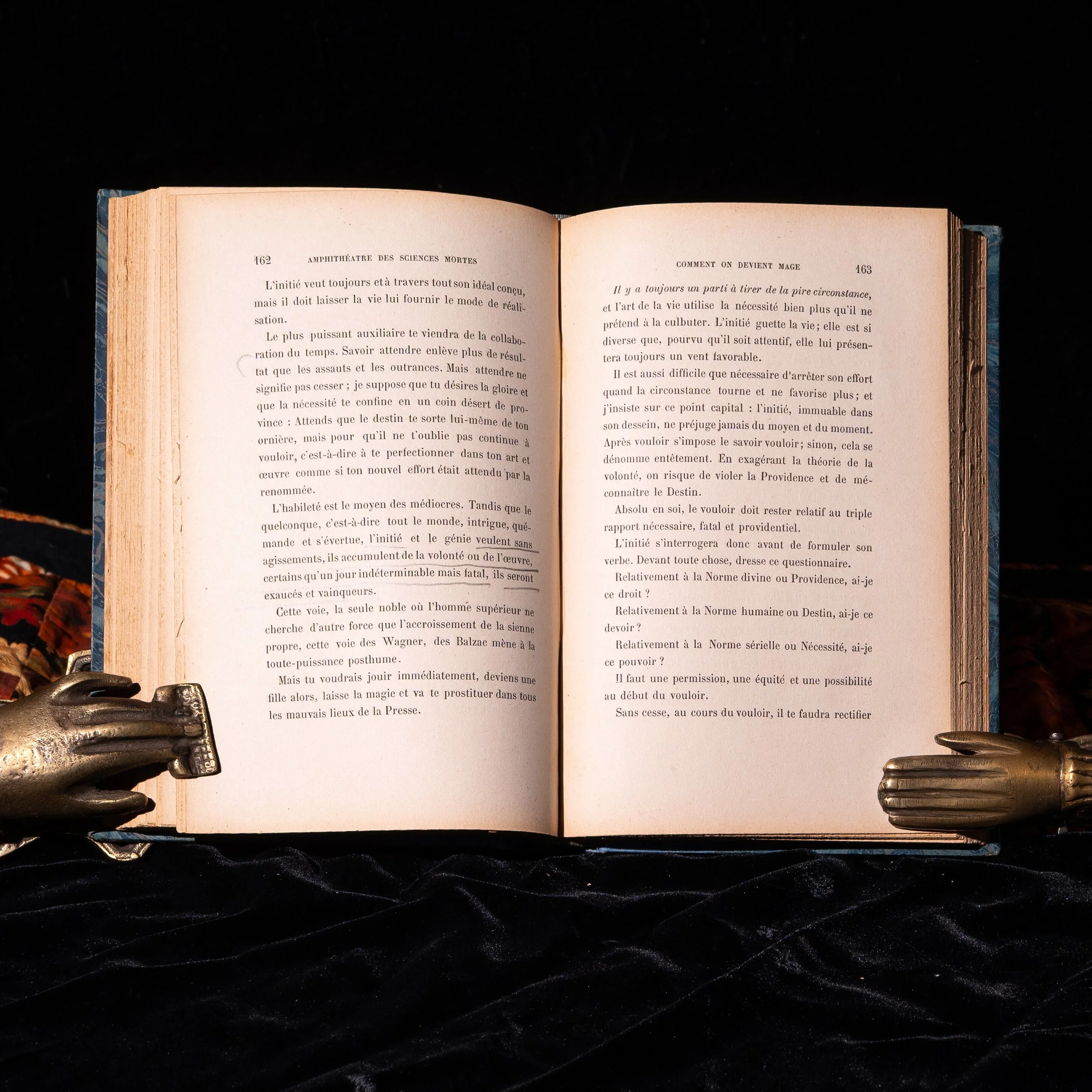 Image 8 of 58
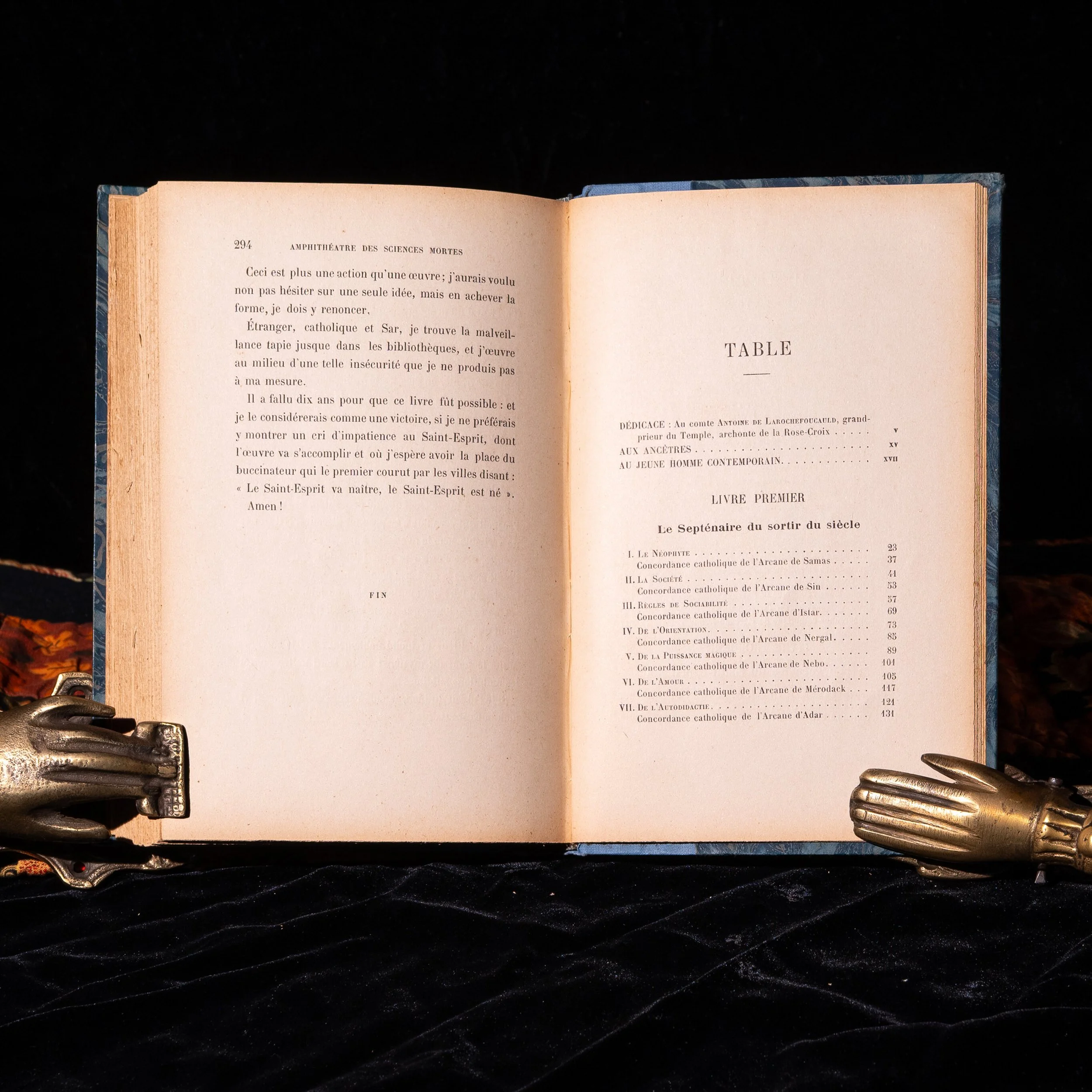 Image 9 of 58
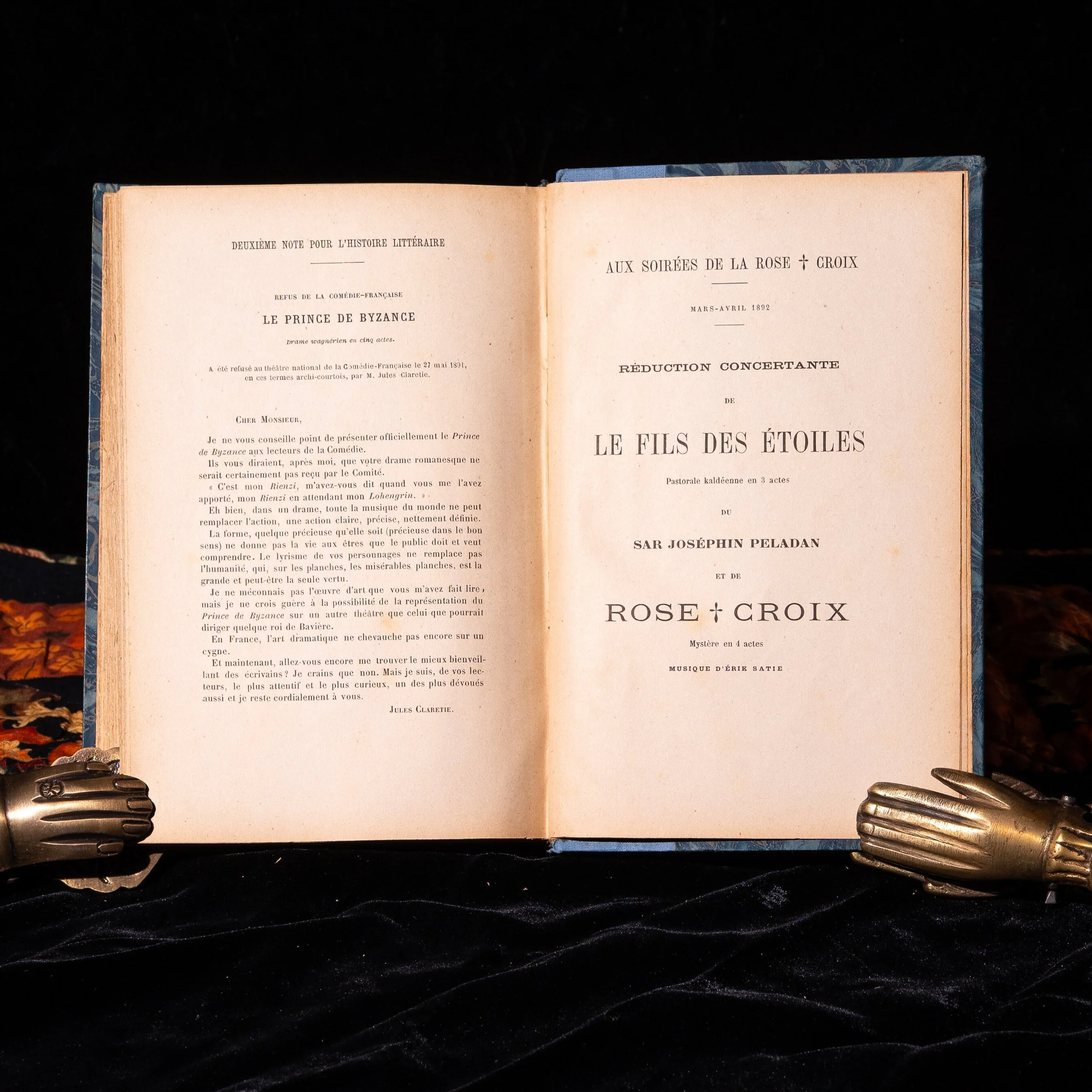 Image 10 of 58
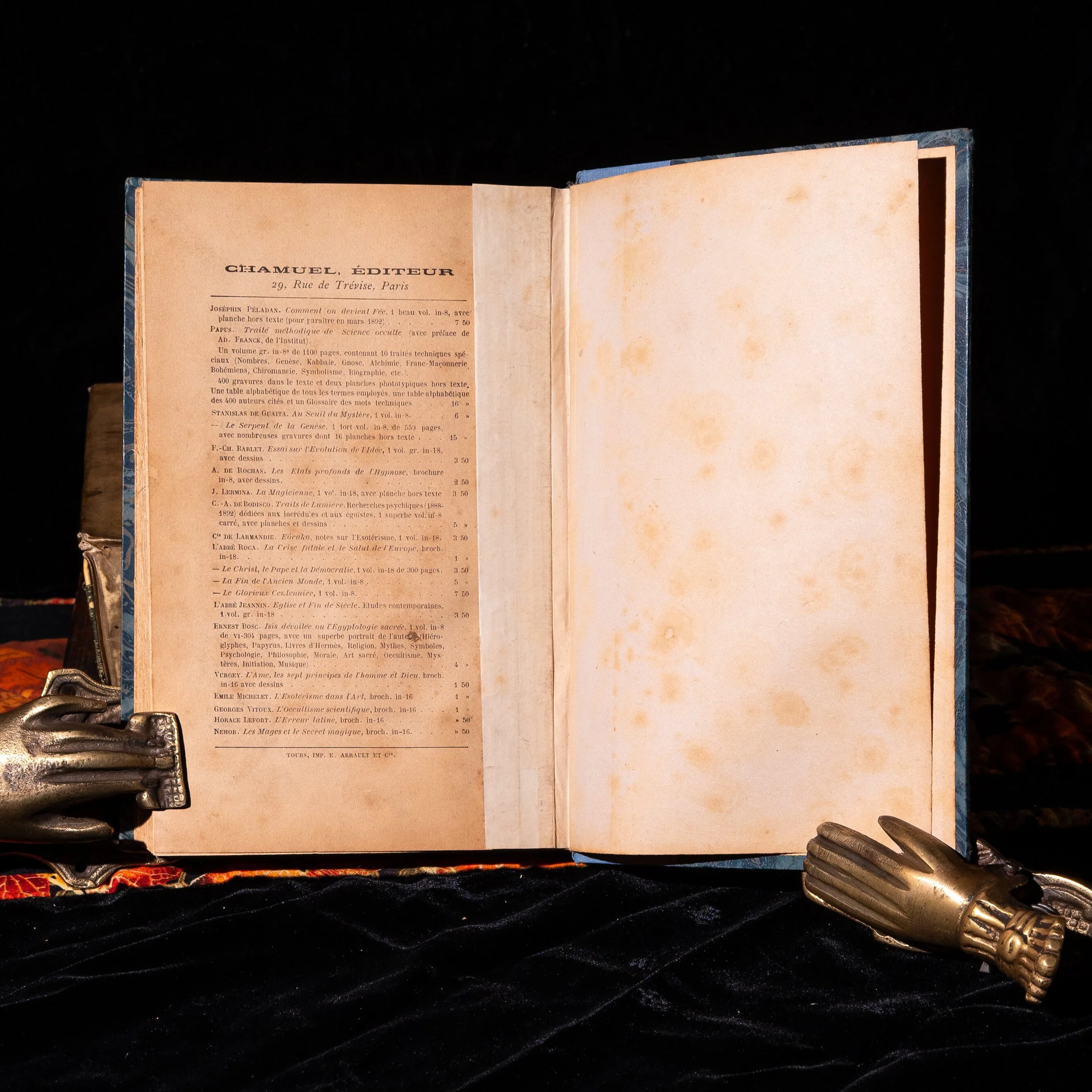 Image 11 of 58
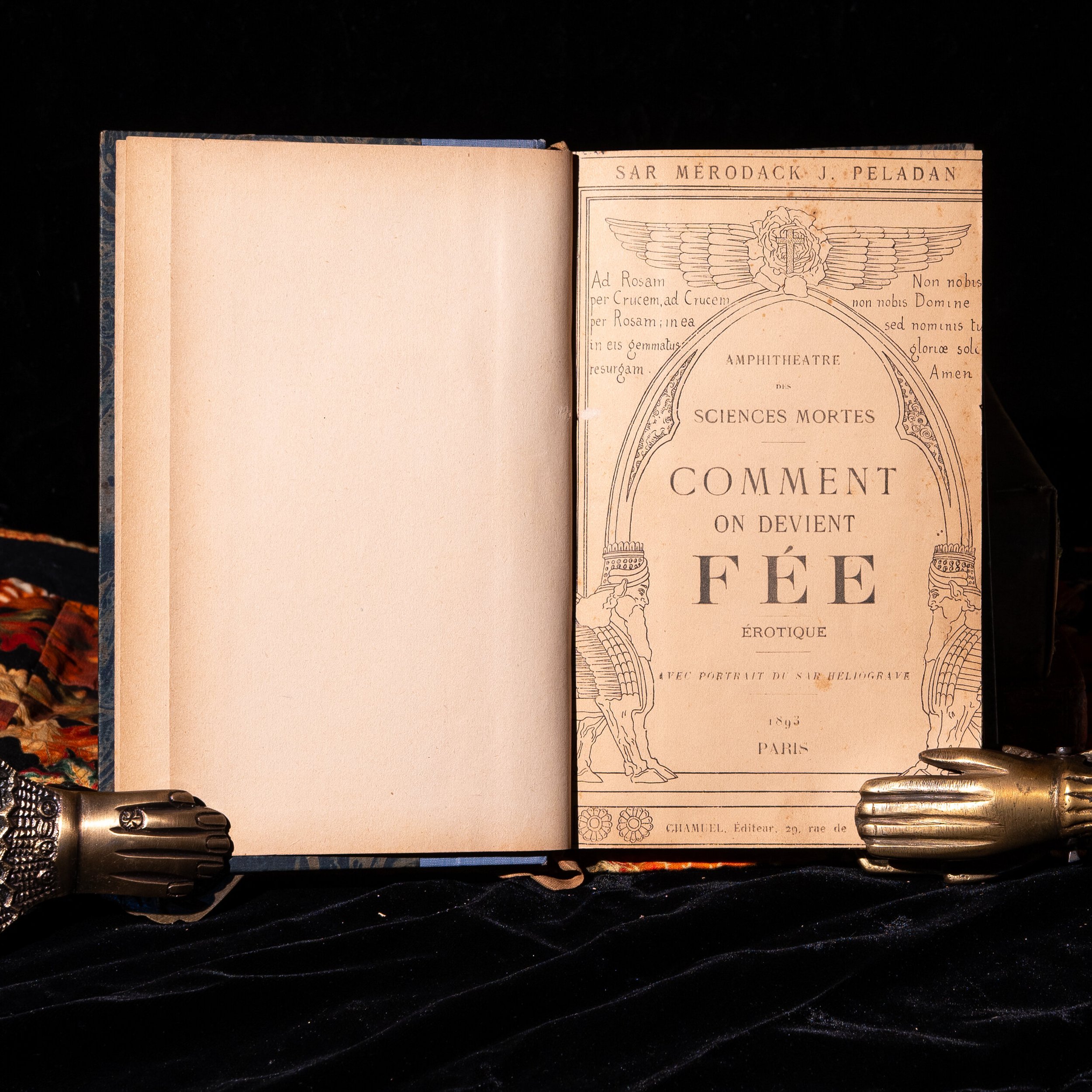 Image 12 of 58
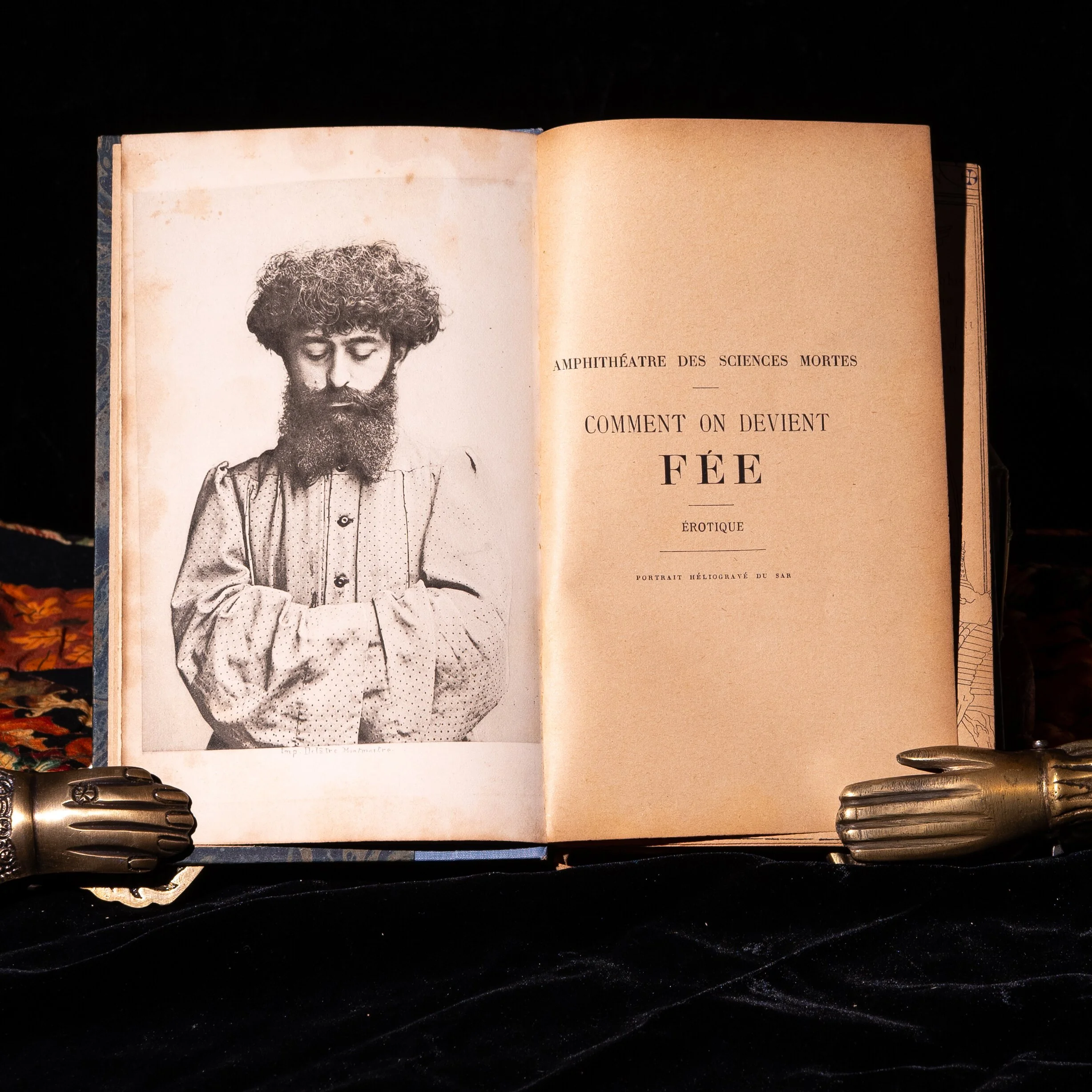 Image 13 of 58
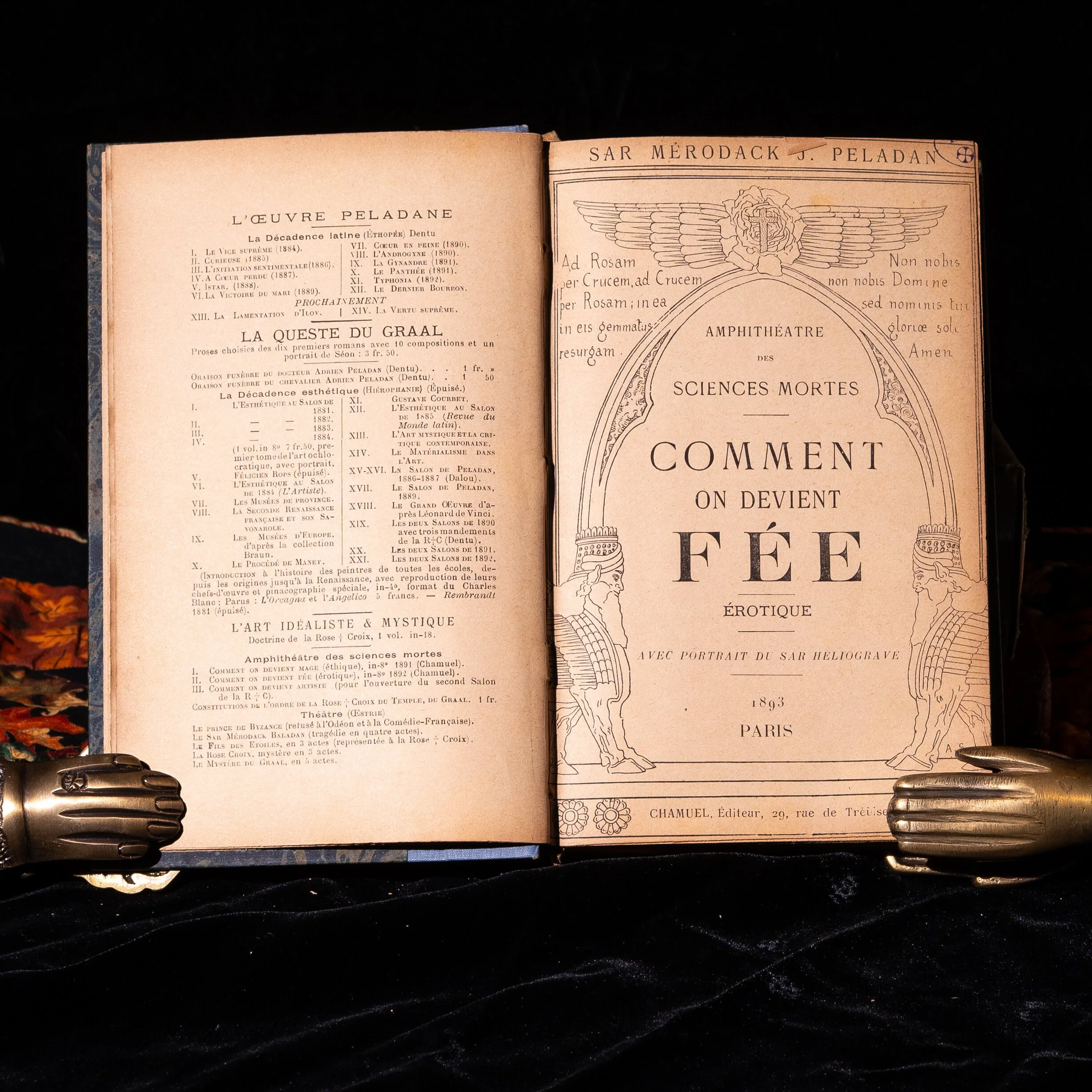 Image 14 of 58
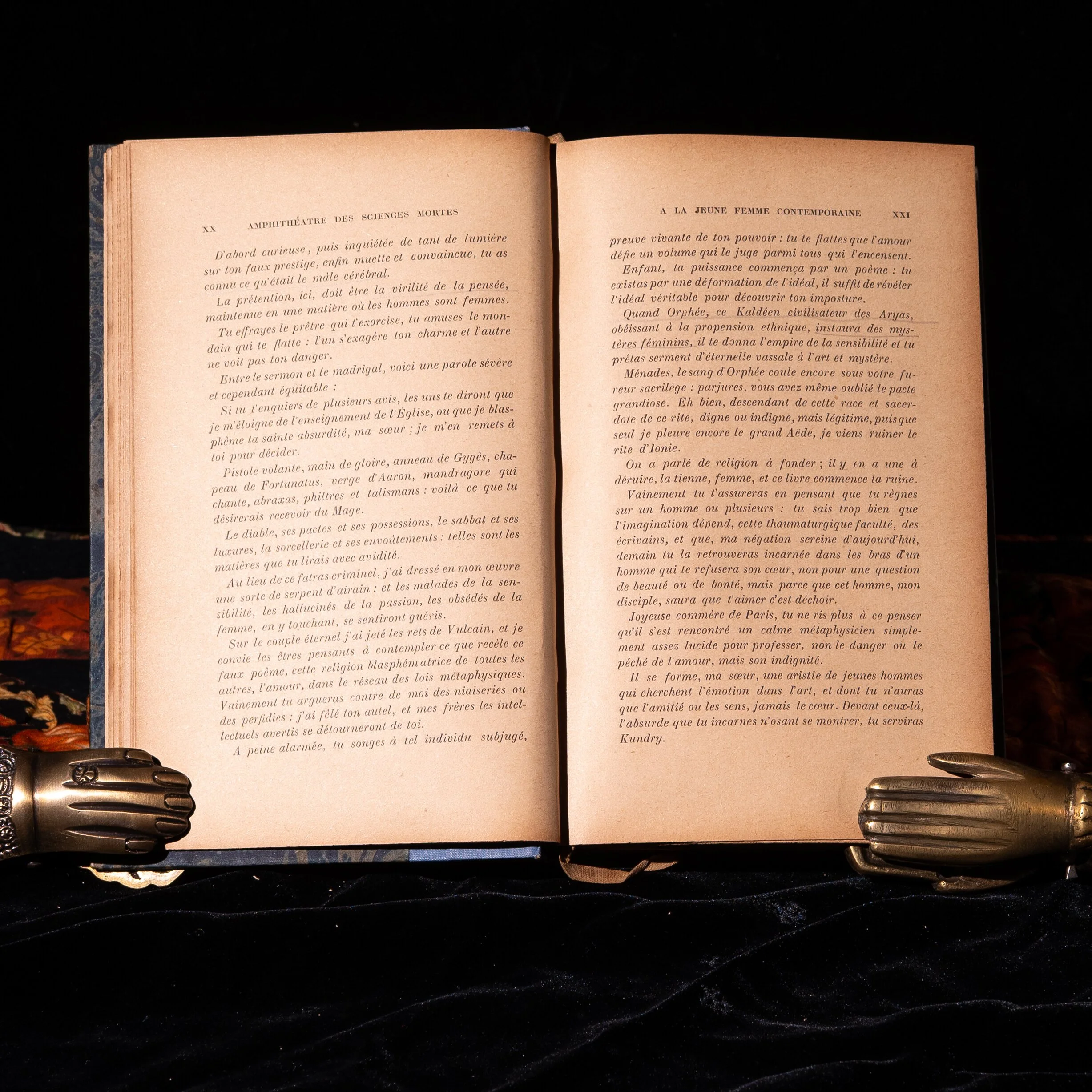 Image 15 of 58
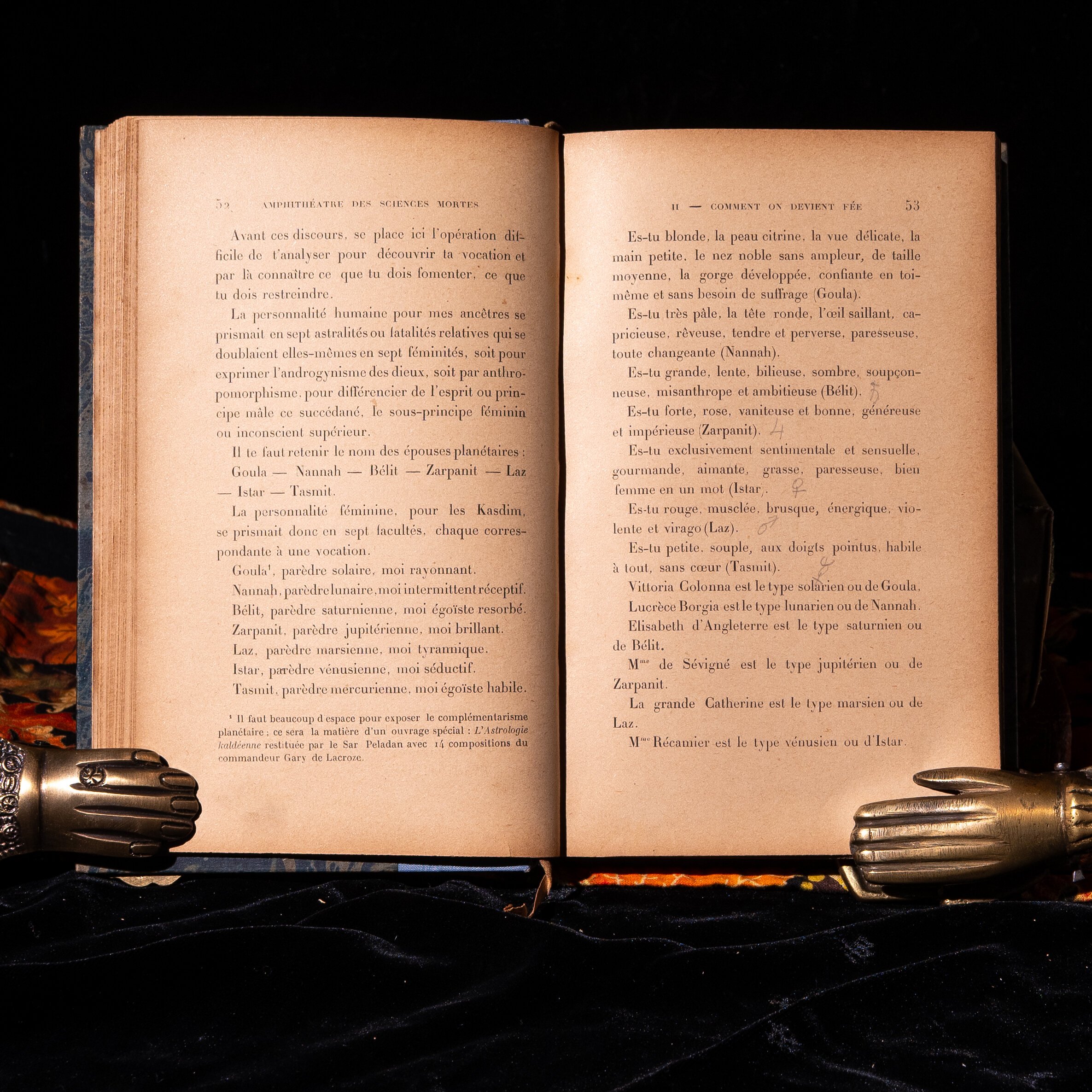 Image 16 of 58
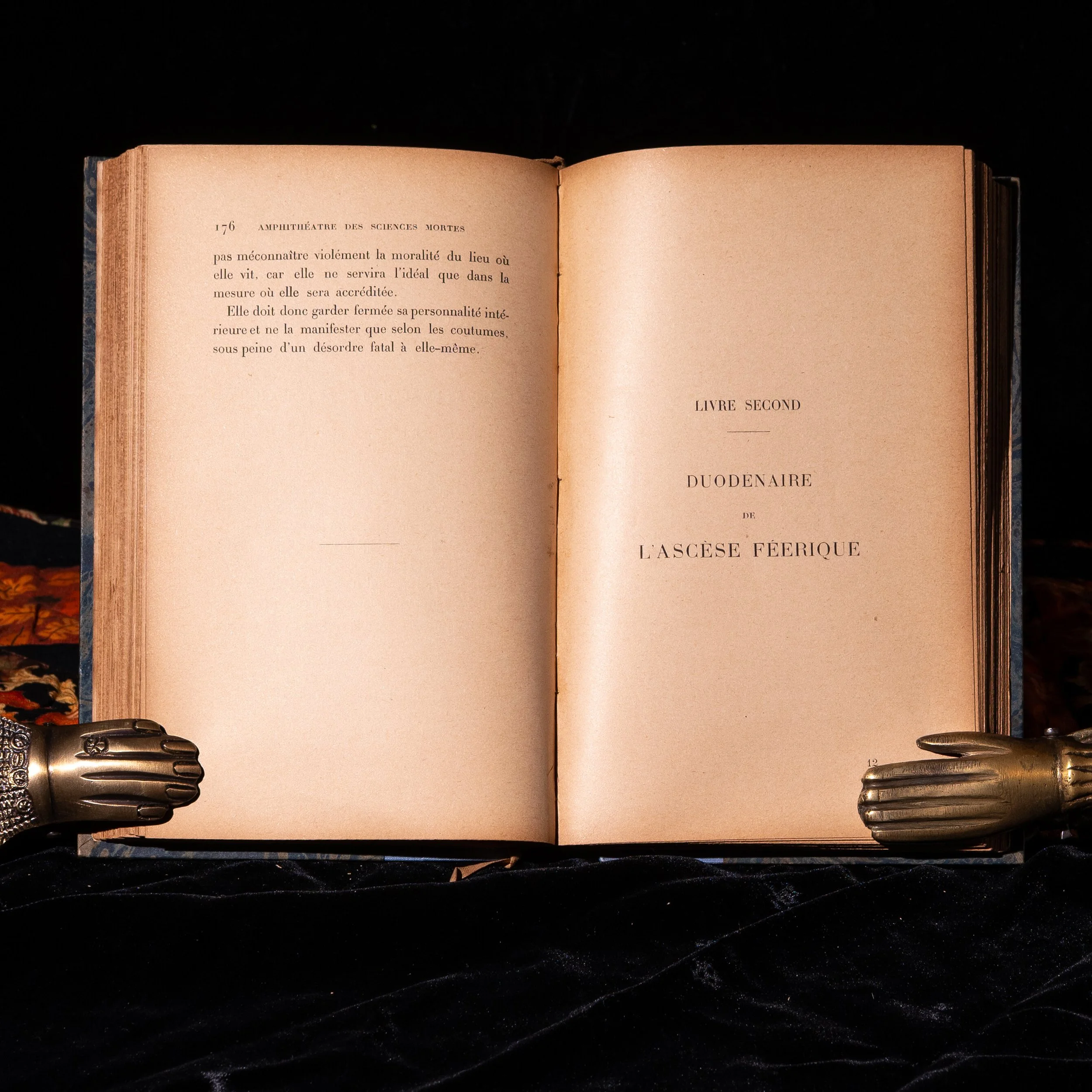 Image 17 of 58
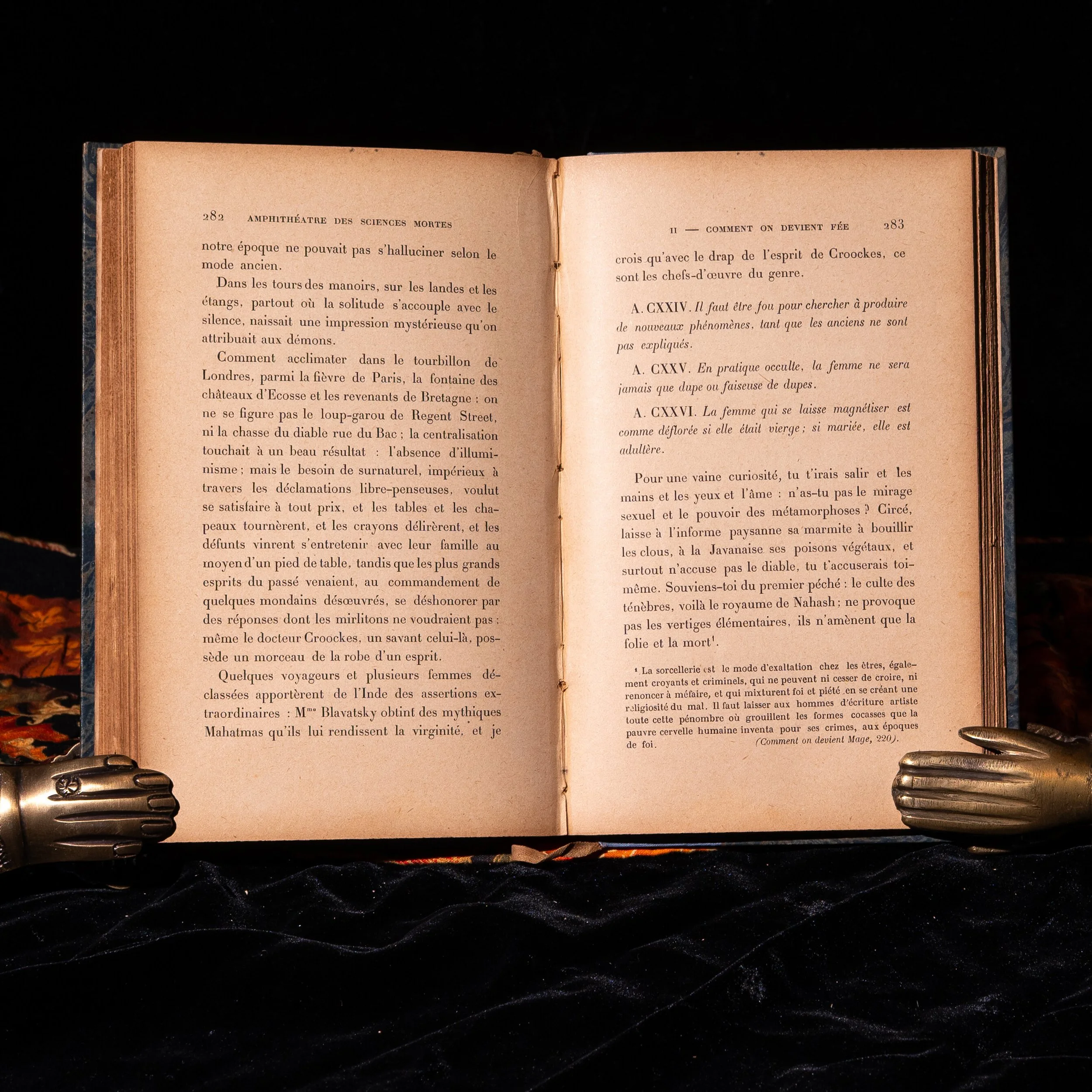 Image 18 of 58
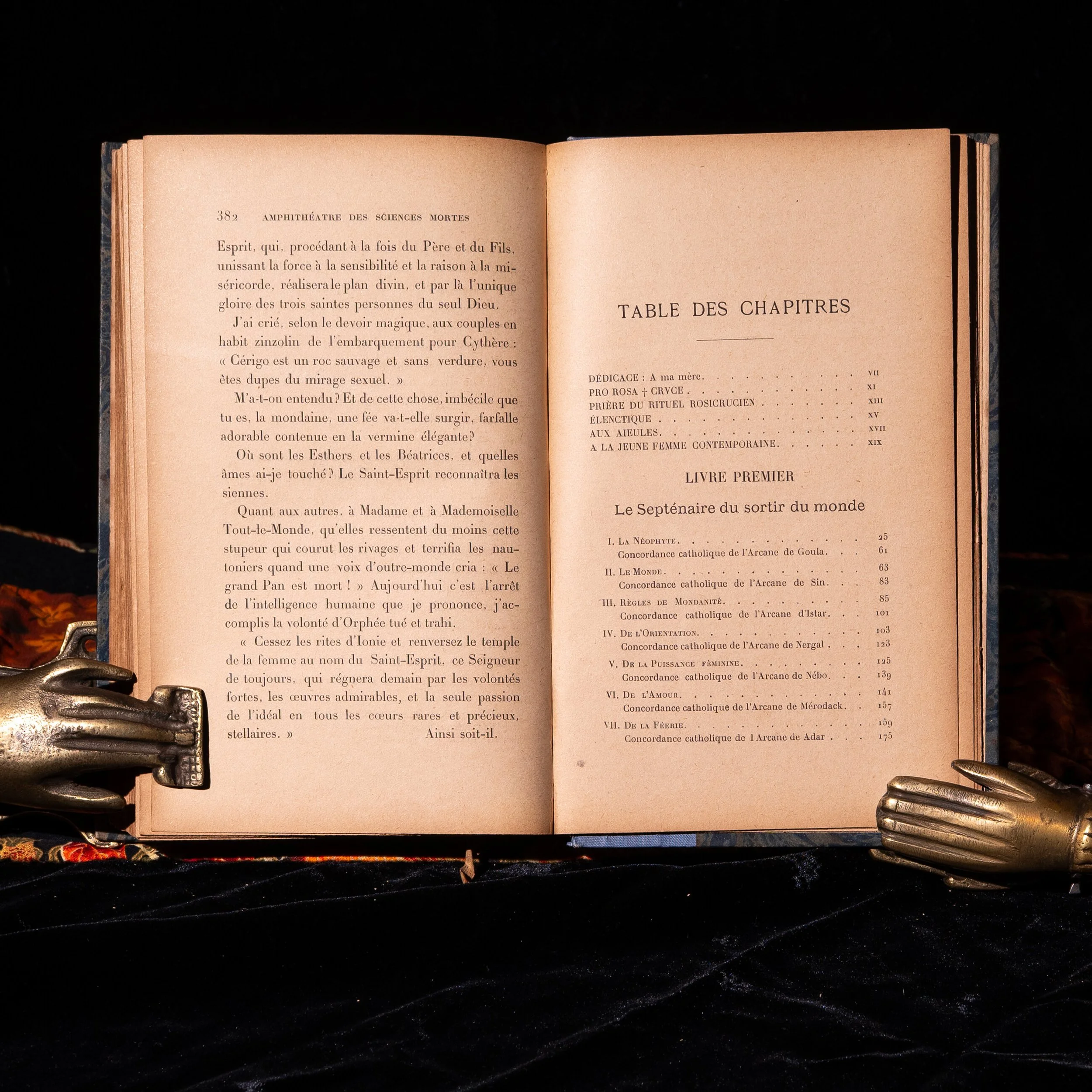 Image 19 of 58
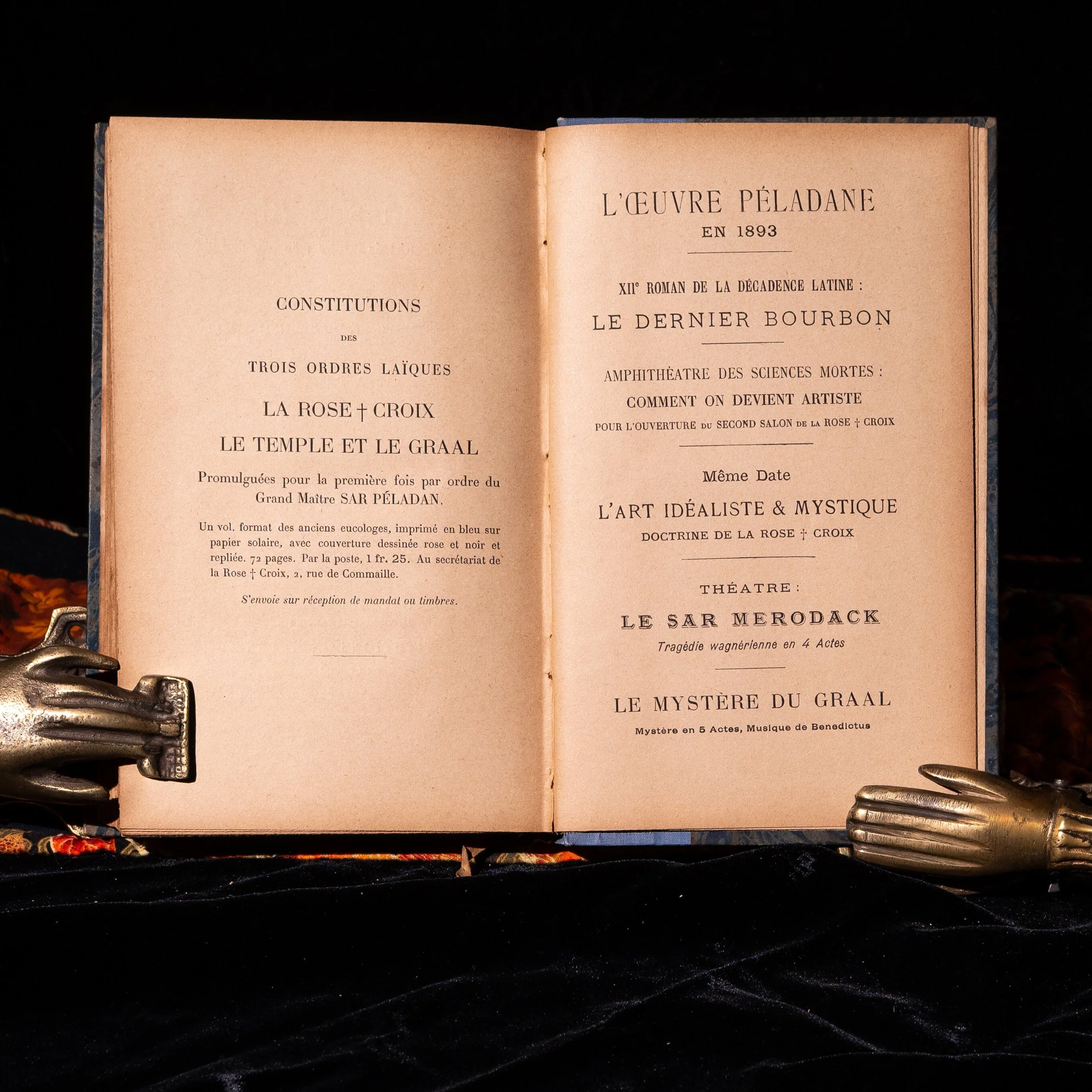 Image 20 of 58
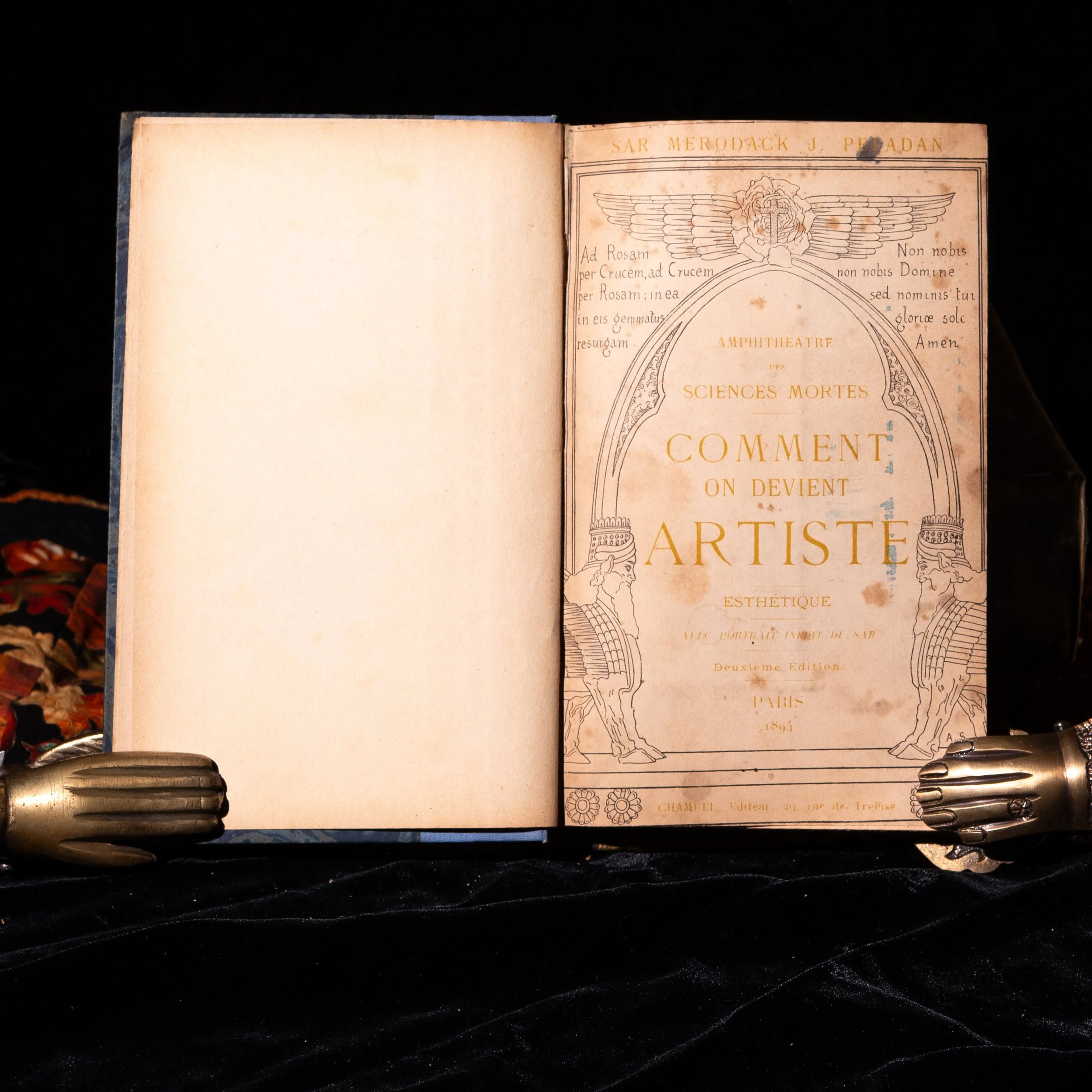 Image 21 of 58
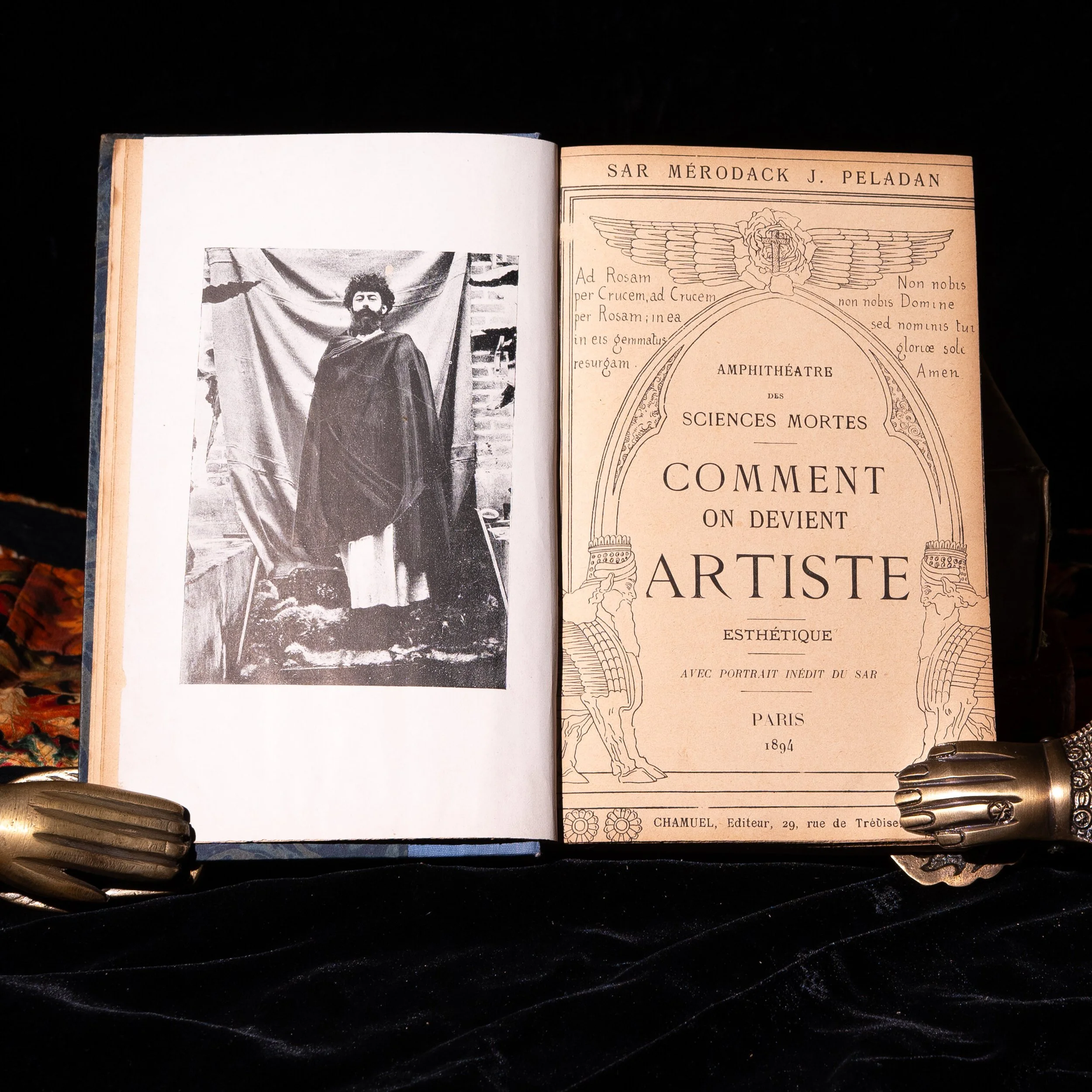 Image 22 of 58
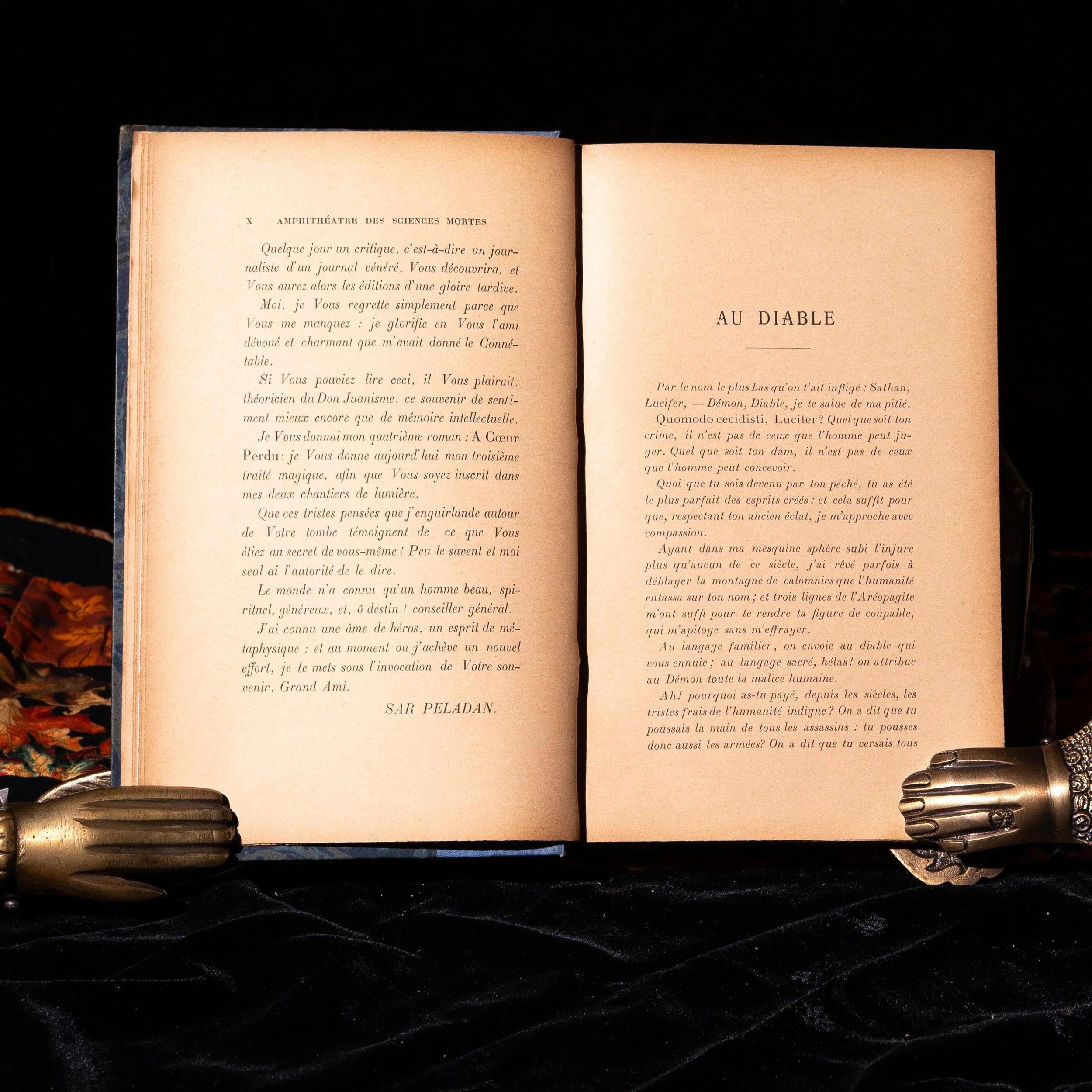 Image 23 of 58
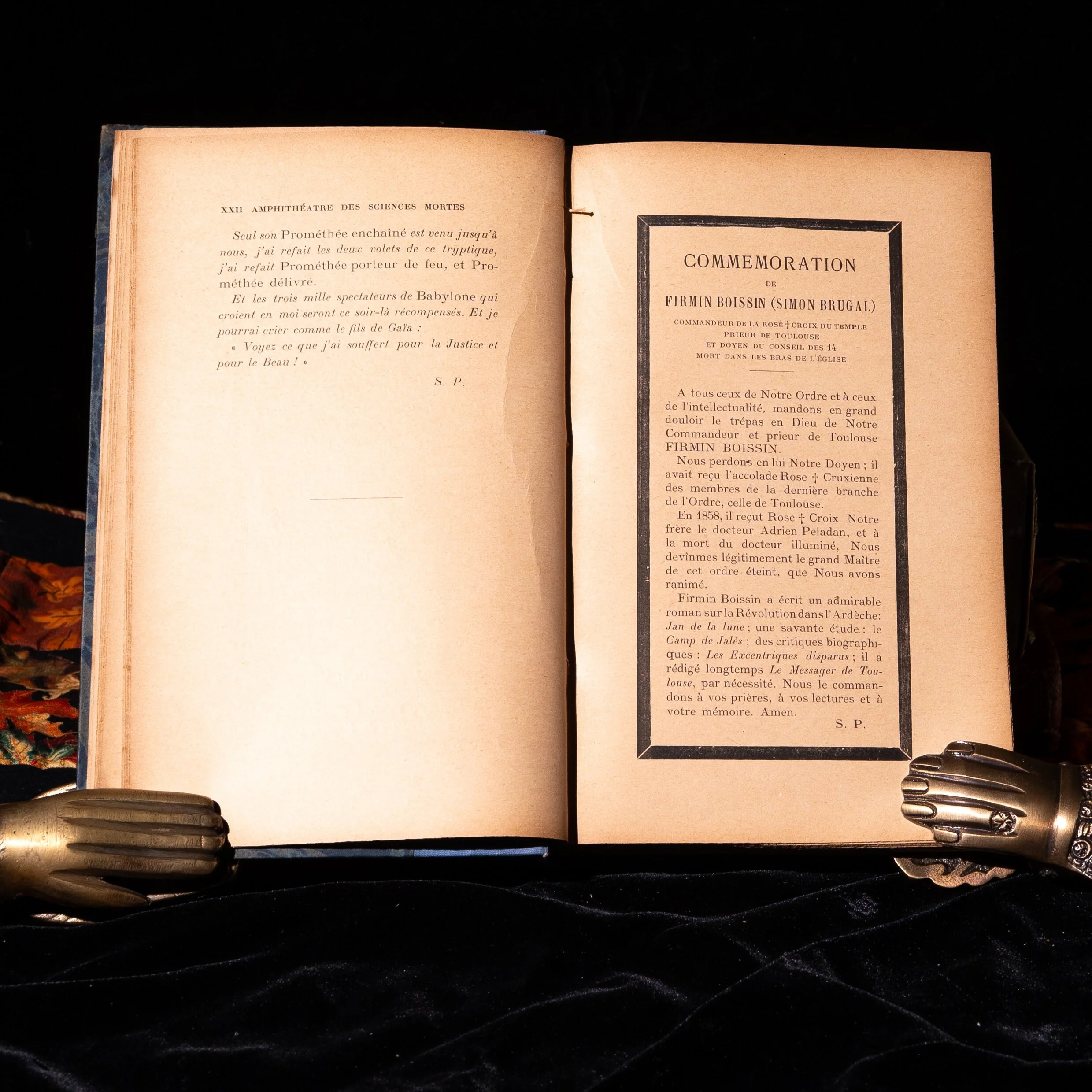 Image 24 of 58
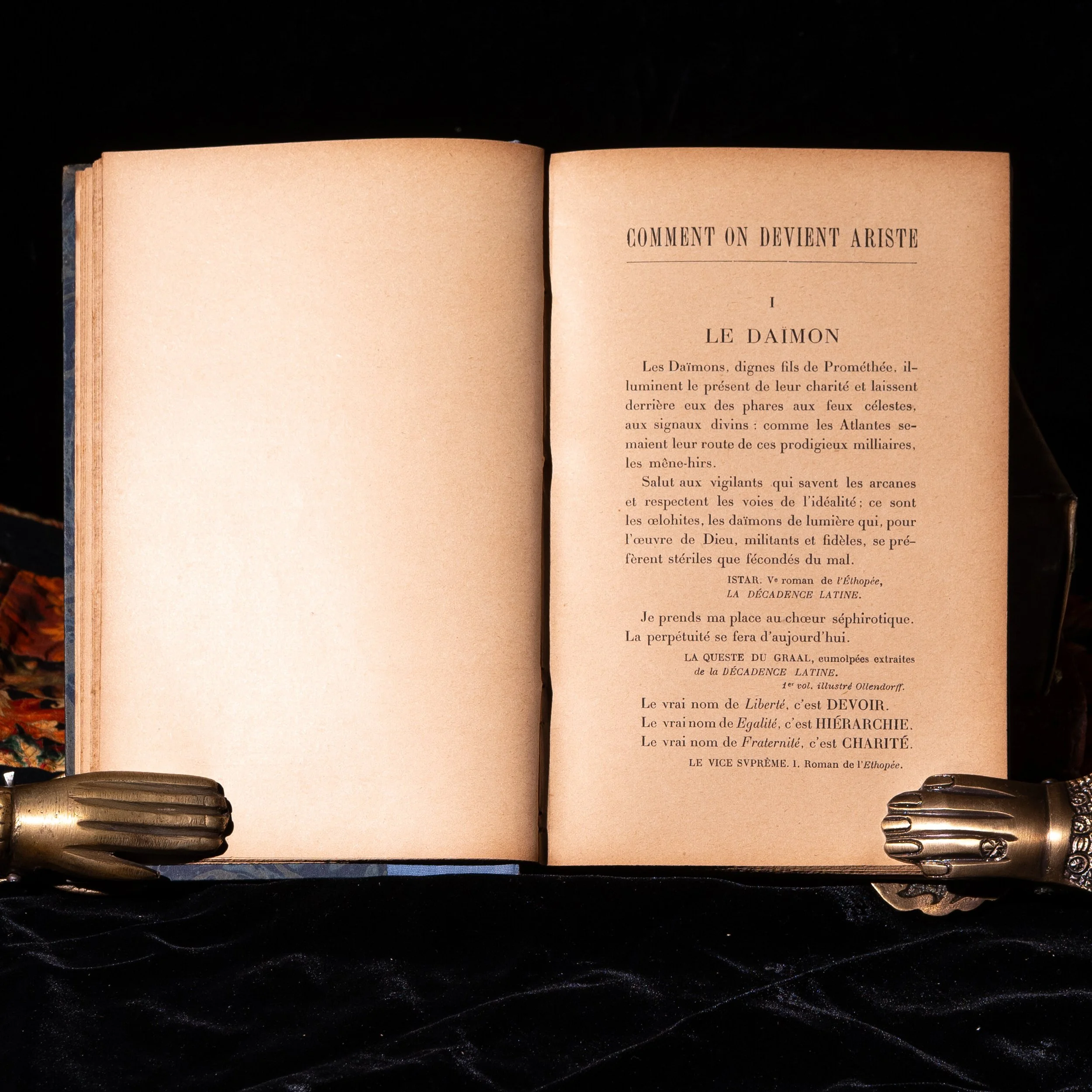 Image 25 of 58
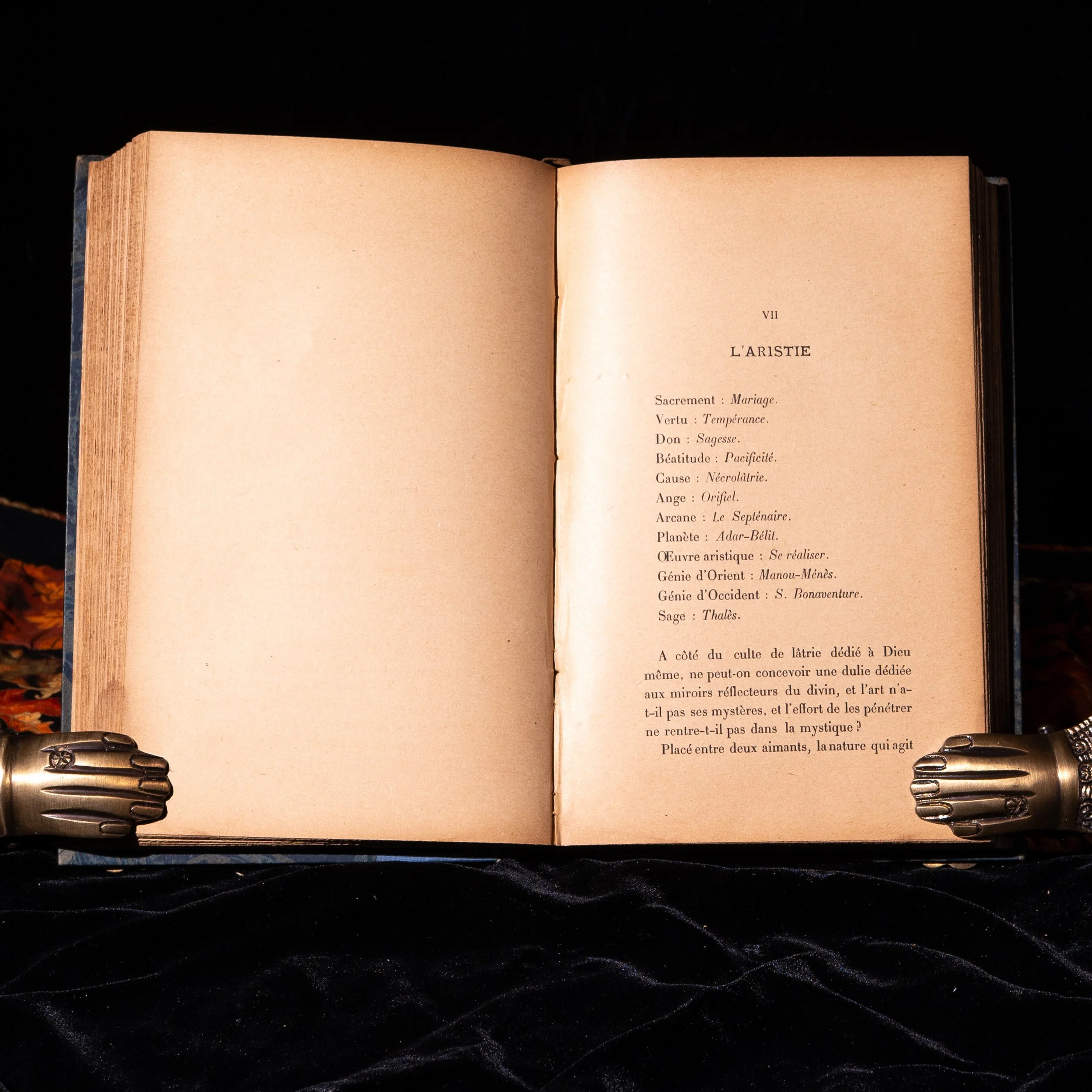 Image 26 of 58
 Image 27 of 58
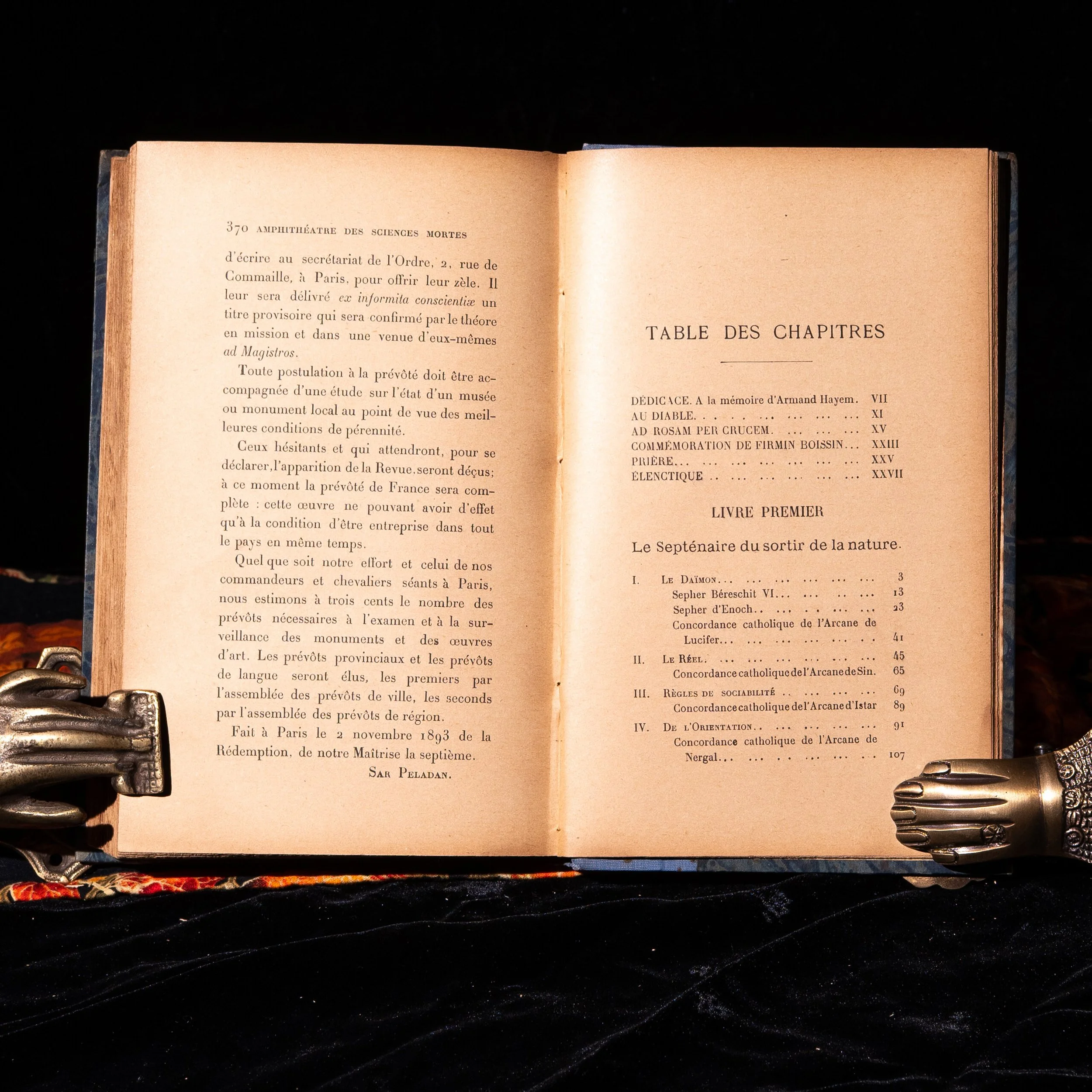 Image 28 of 58
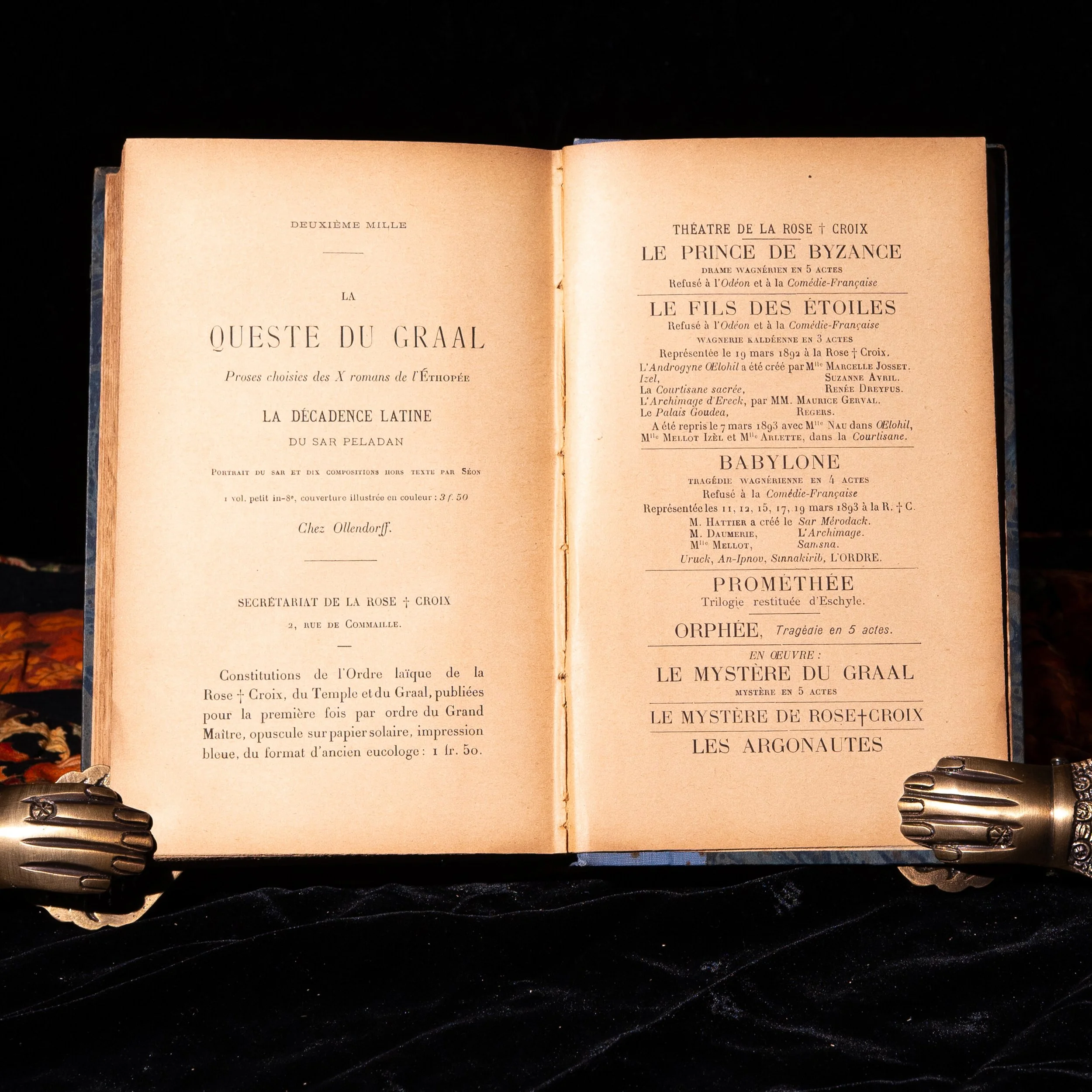 Image 29 of 58
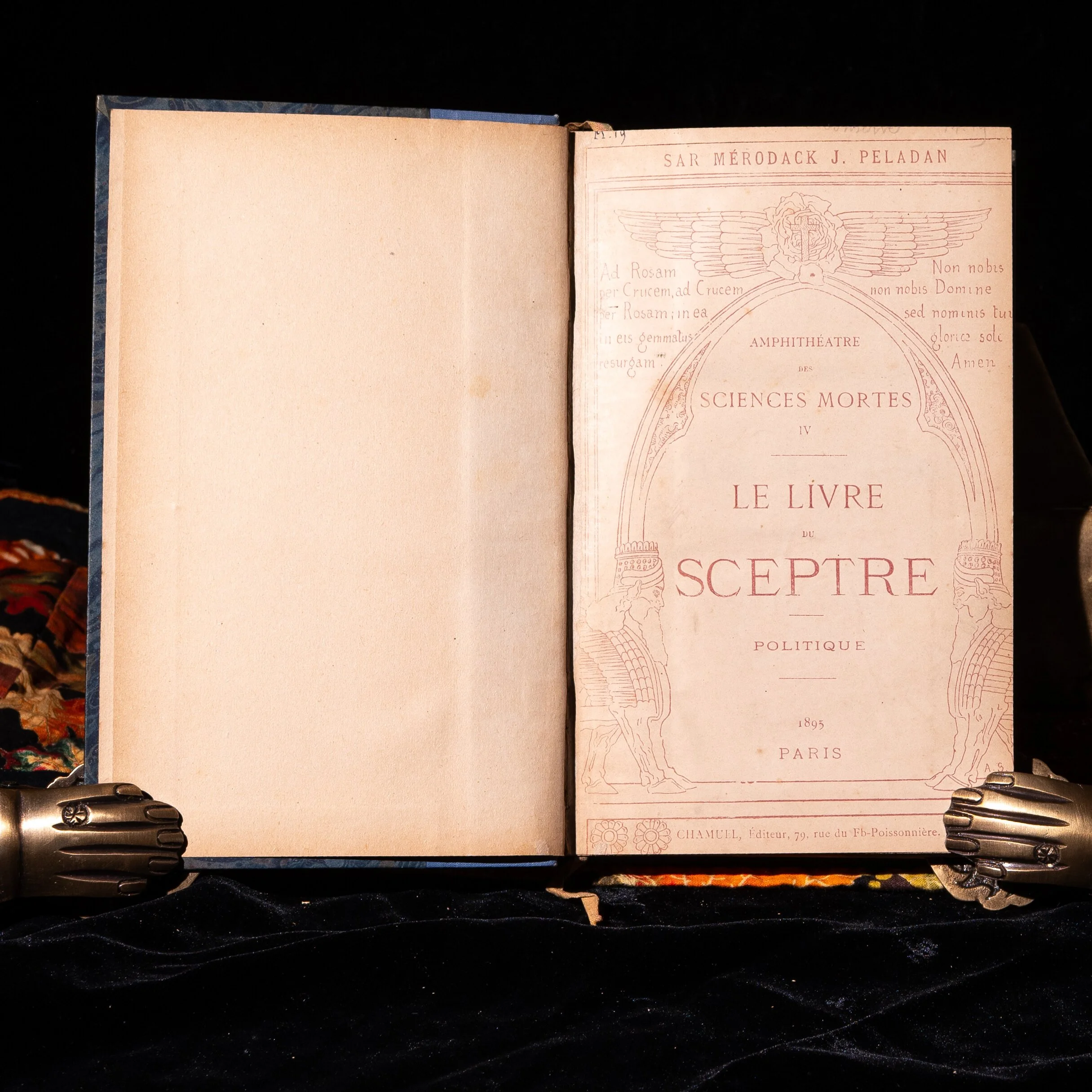 Image 30 of 58
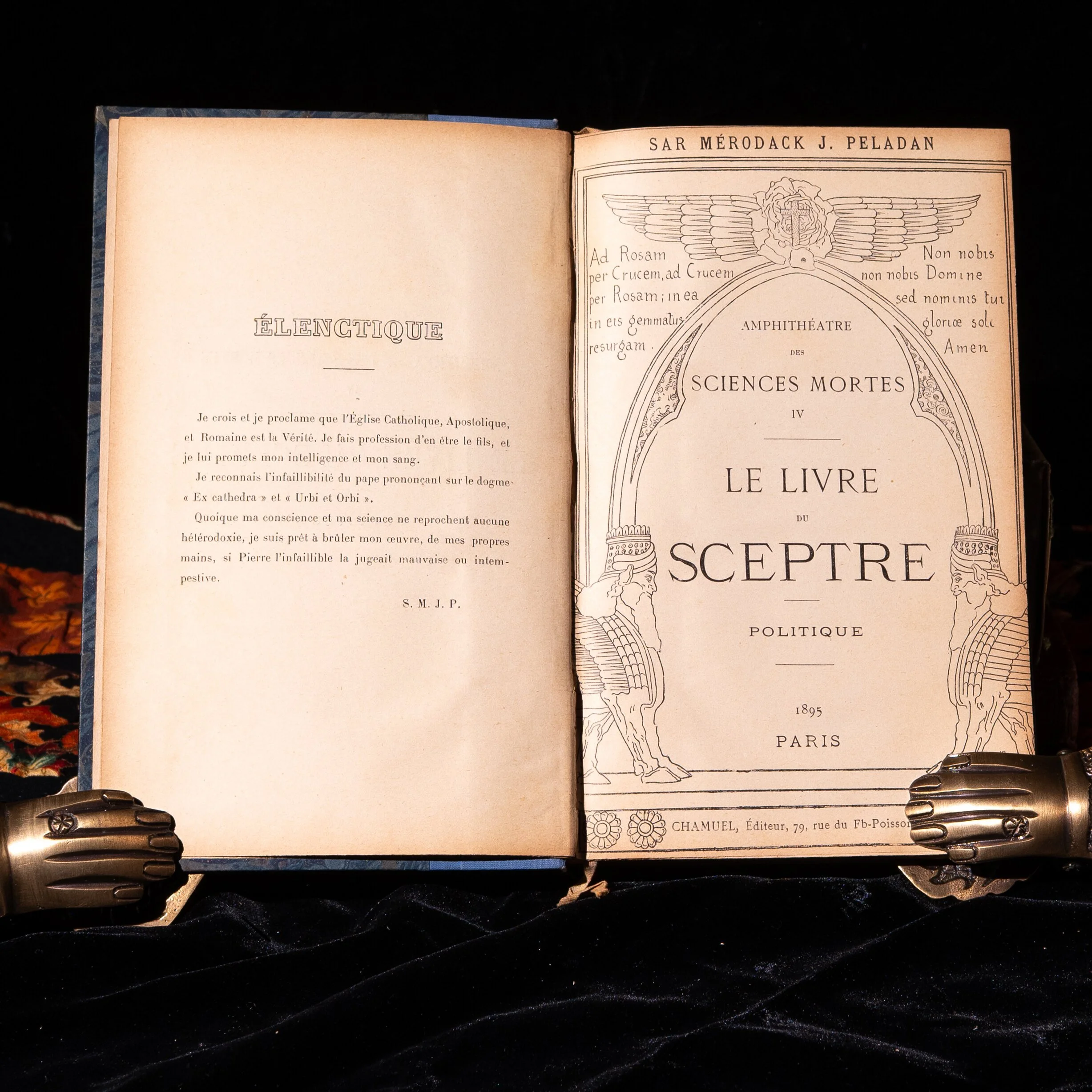 Image 31 of 58
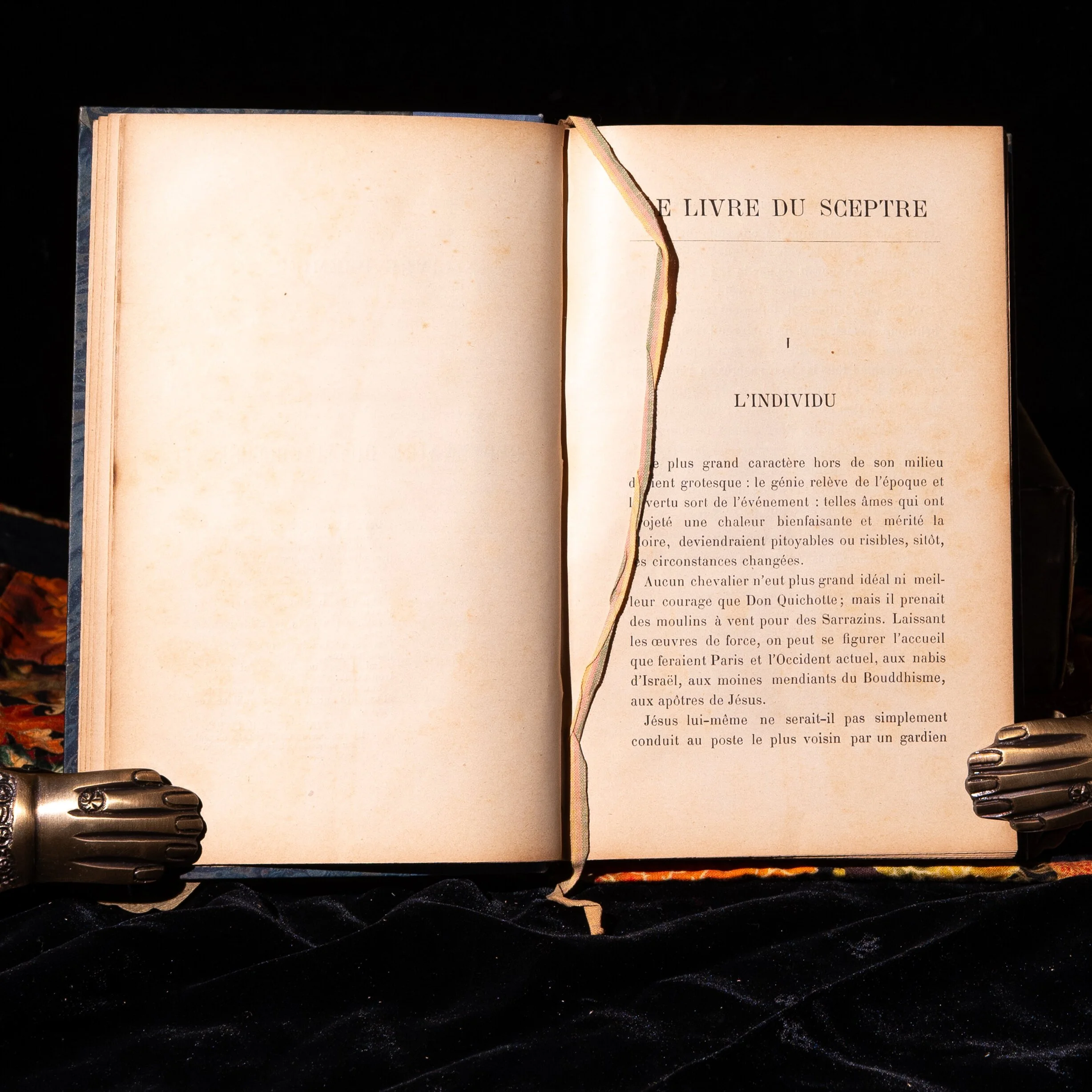 Image 32 of 58
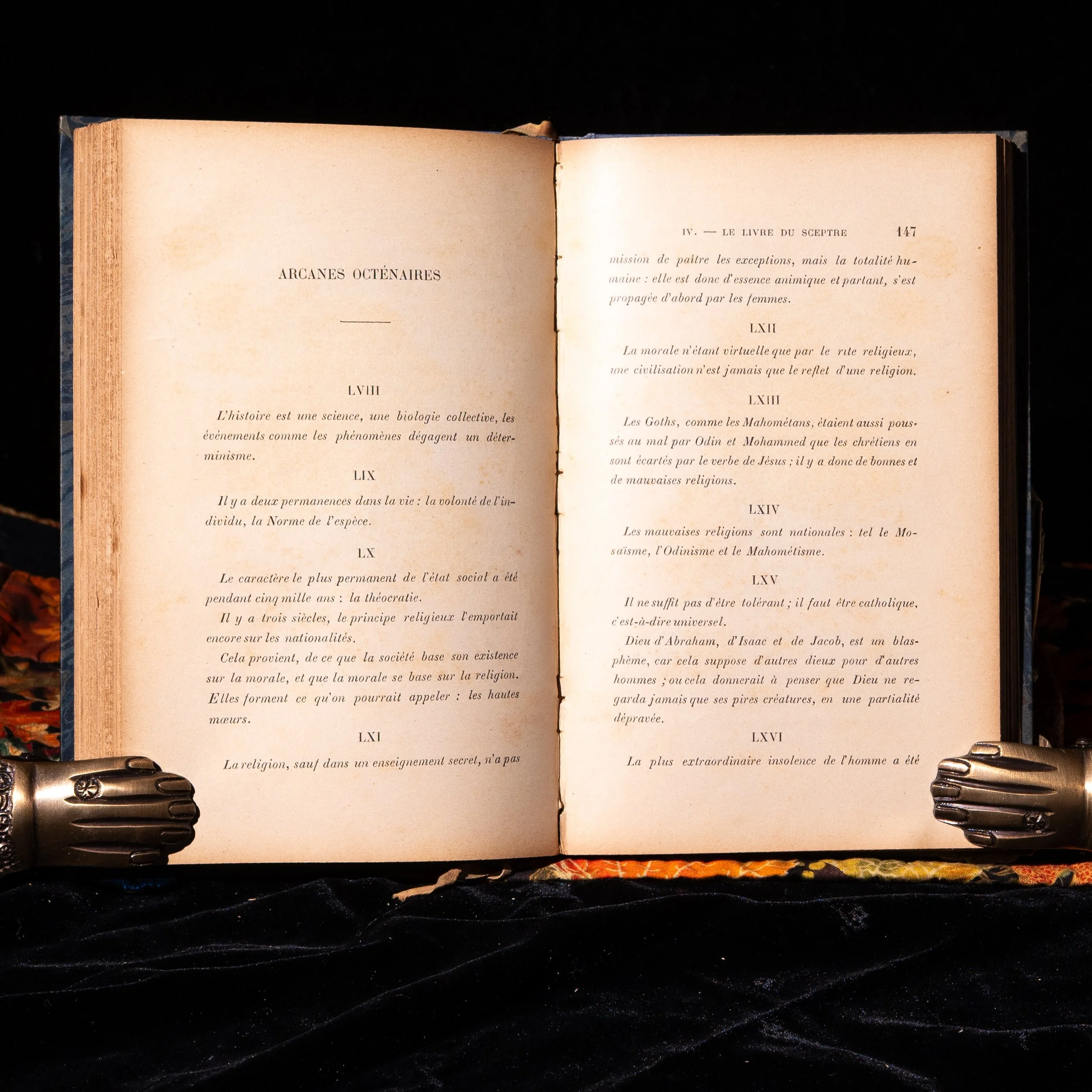 Image 33 of 58
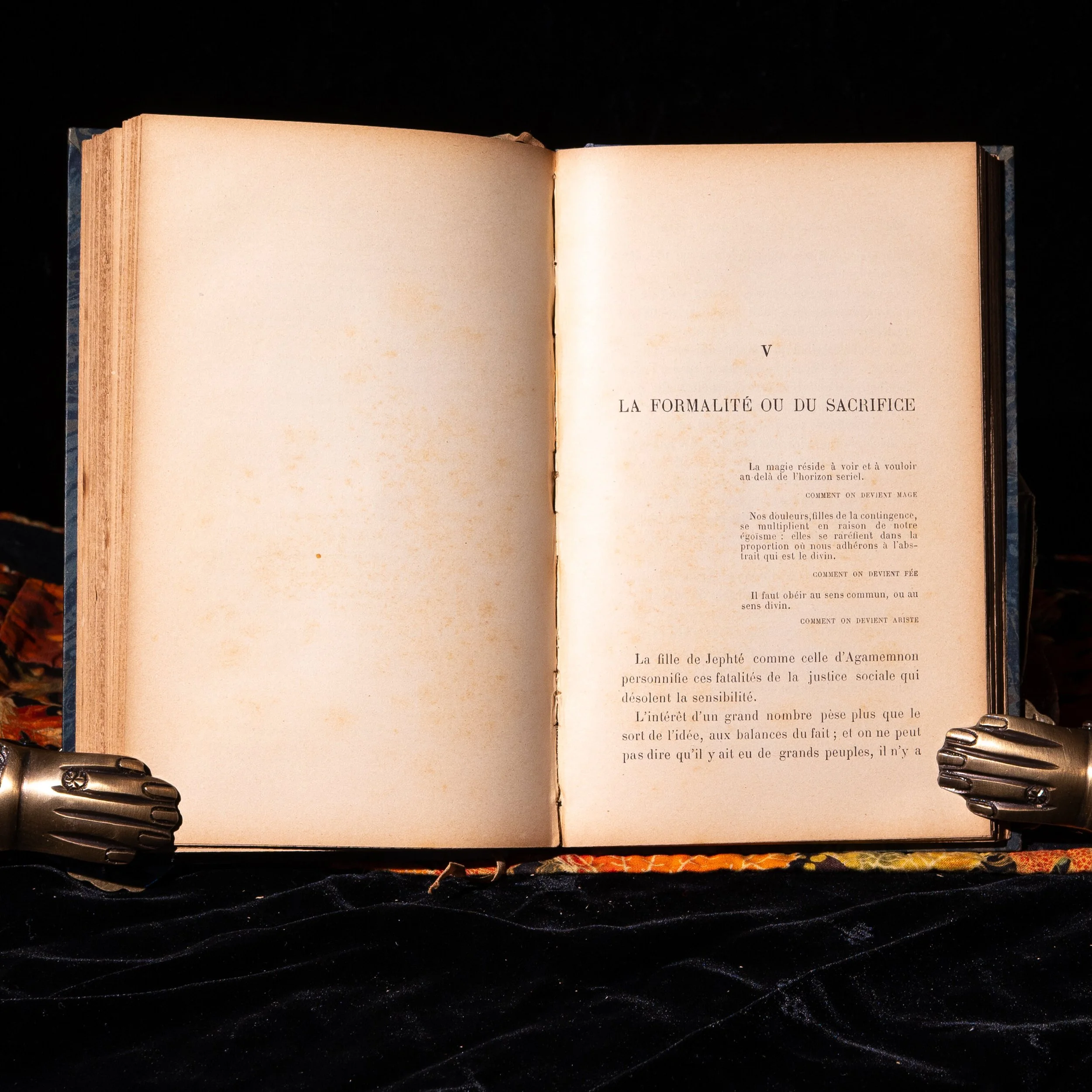 Image 34 of 58
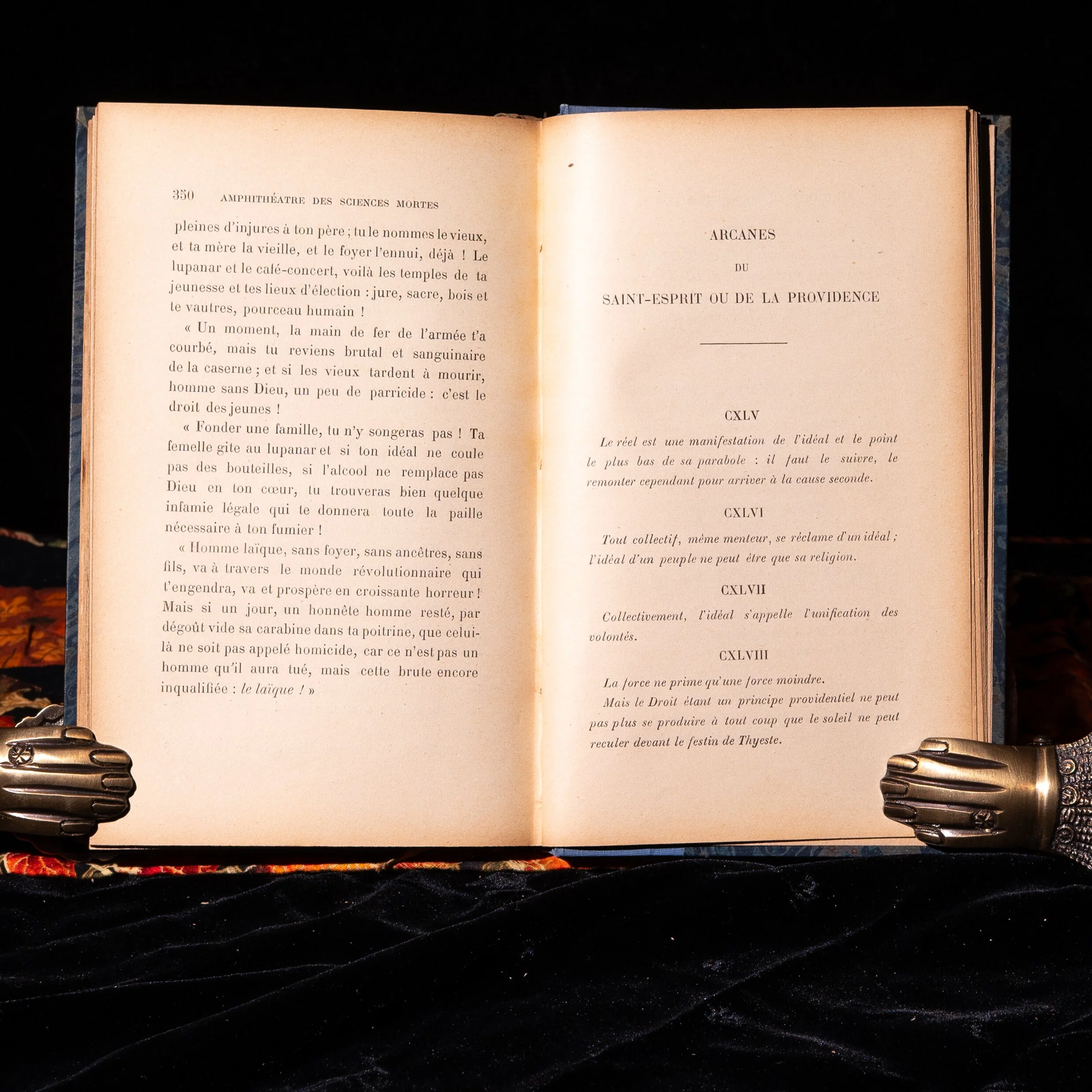 Image 35 of 58
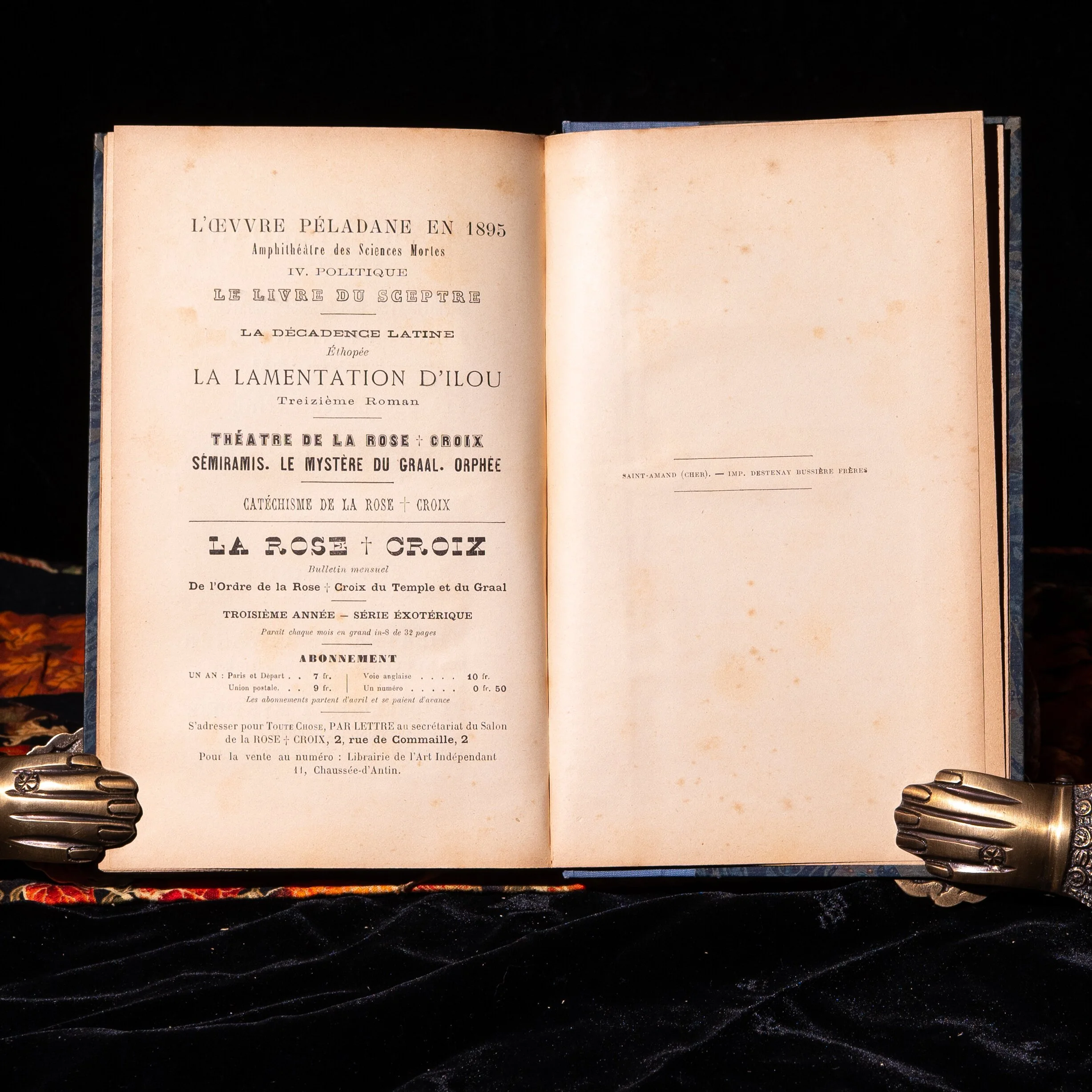 Image 36 of 58
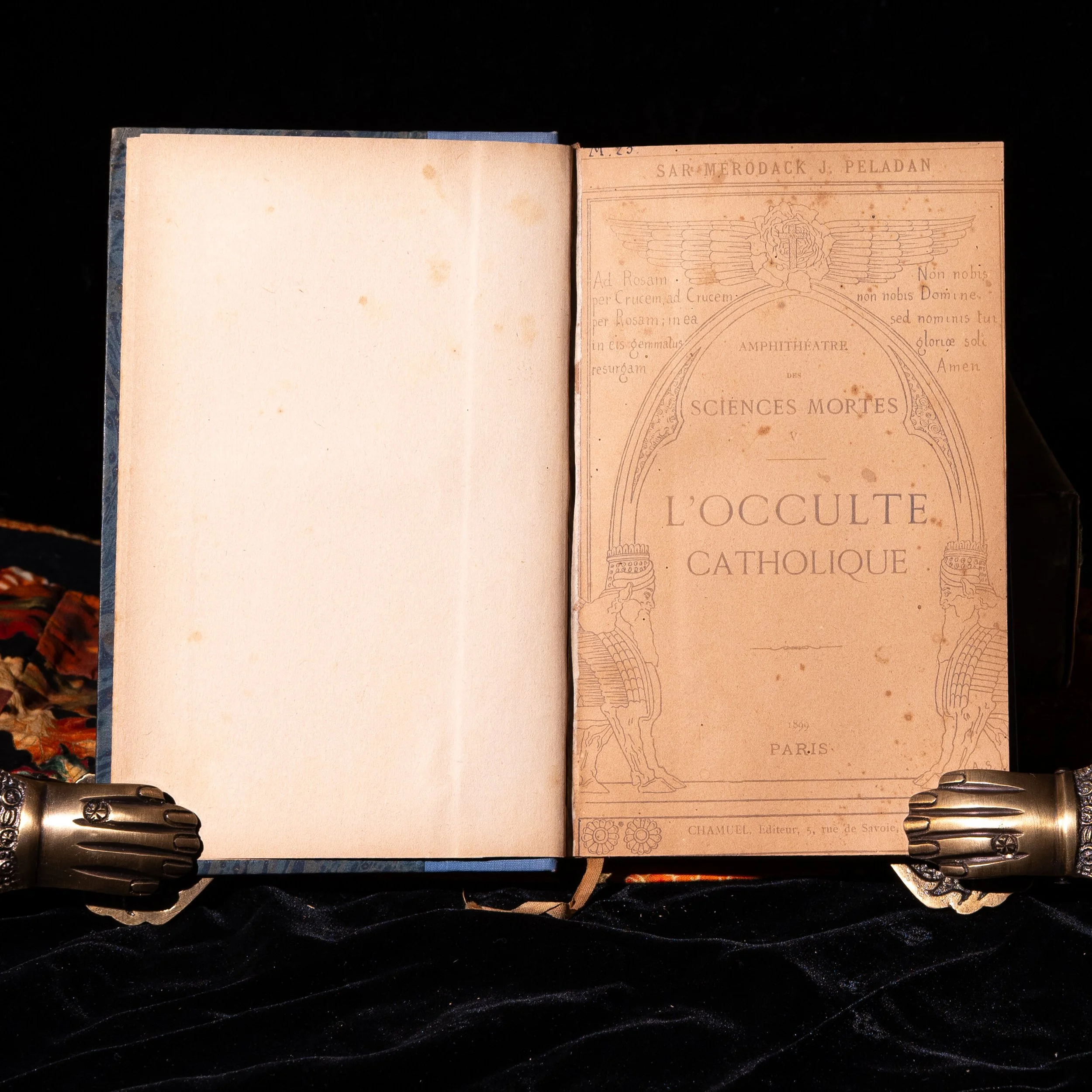 Image 37 of 58
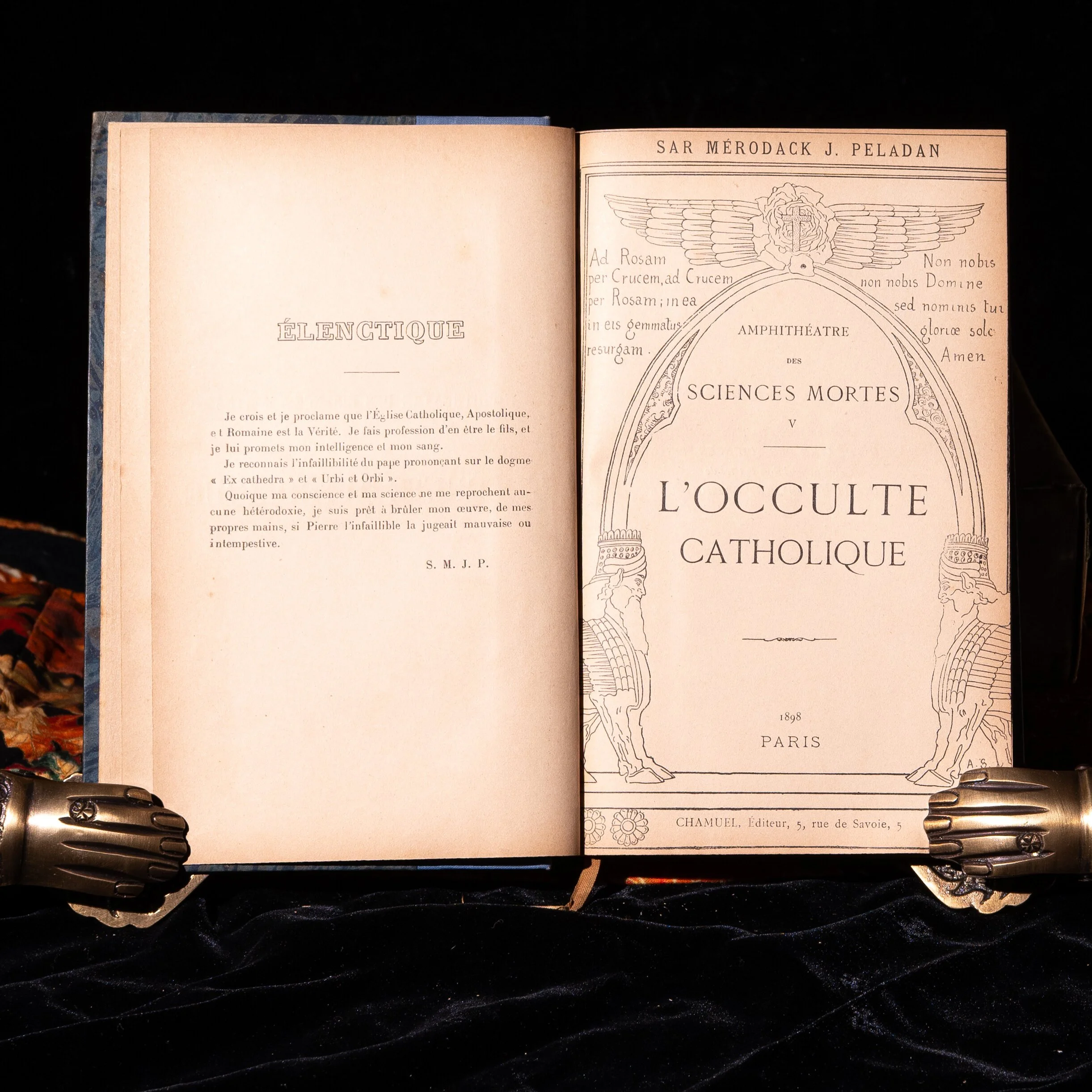 Image 38 of 58
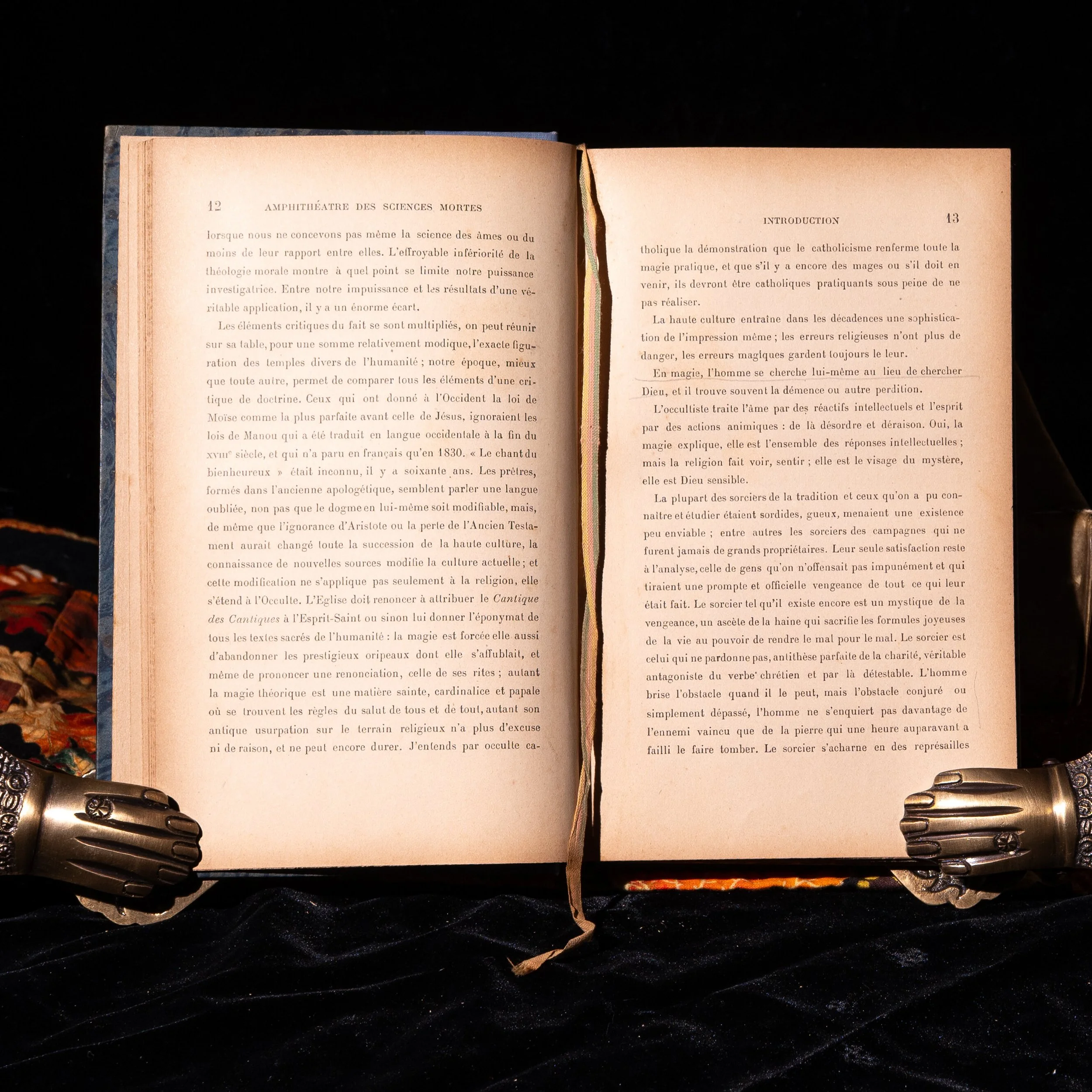 Image 39 of 58
 Image 40 of 58
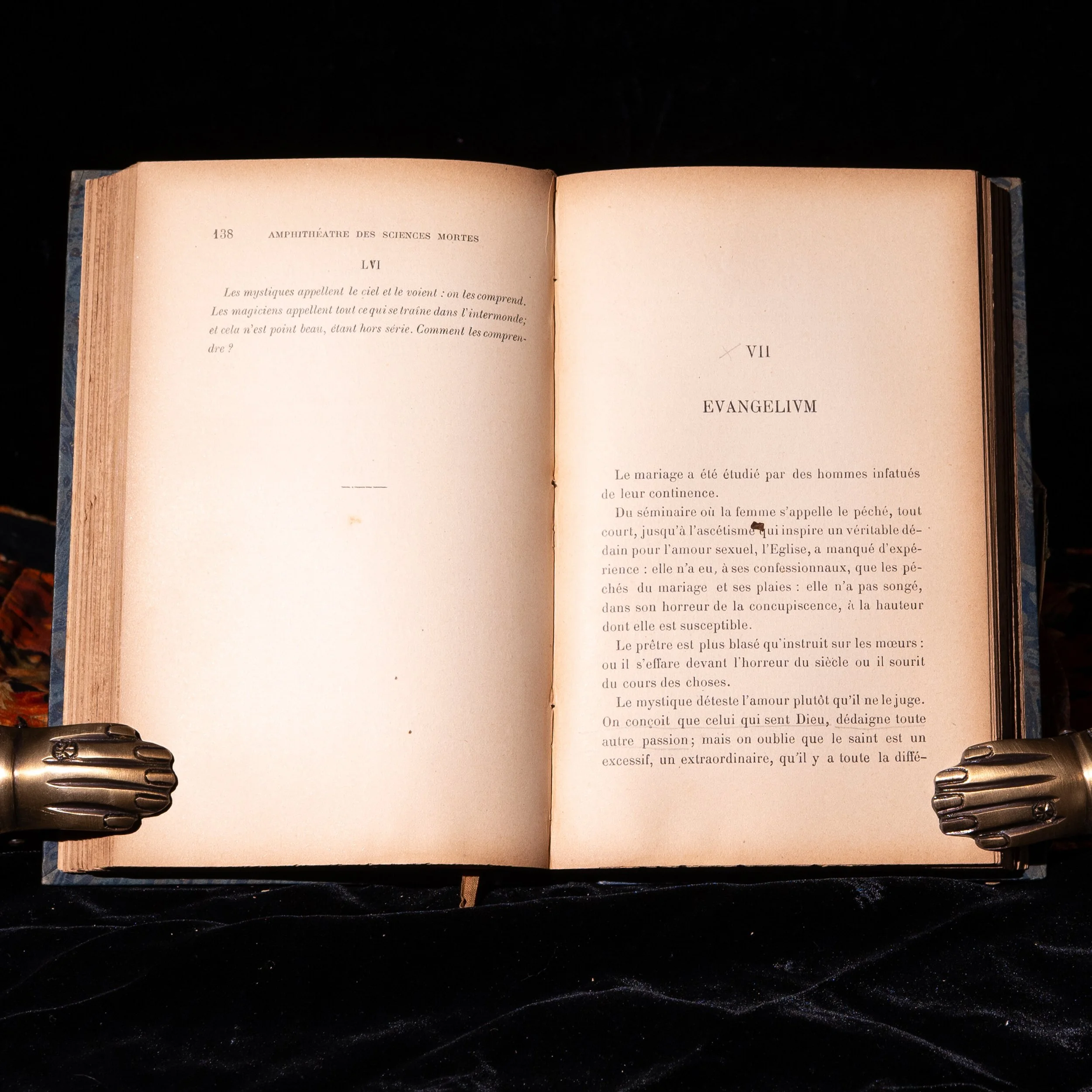 Image 41 of 58
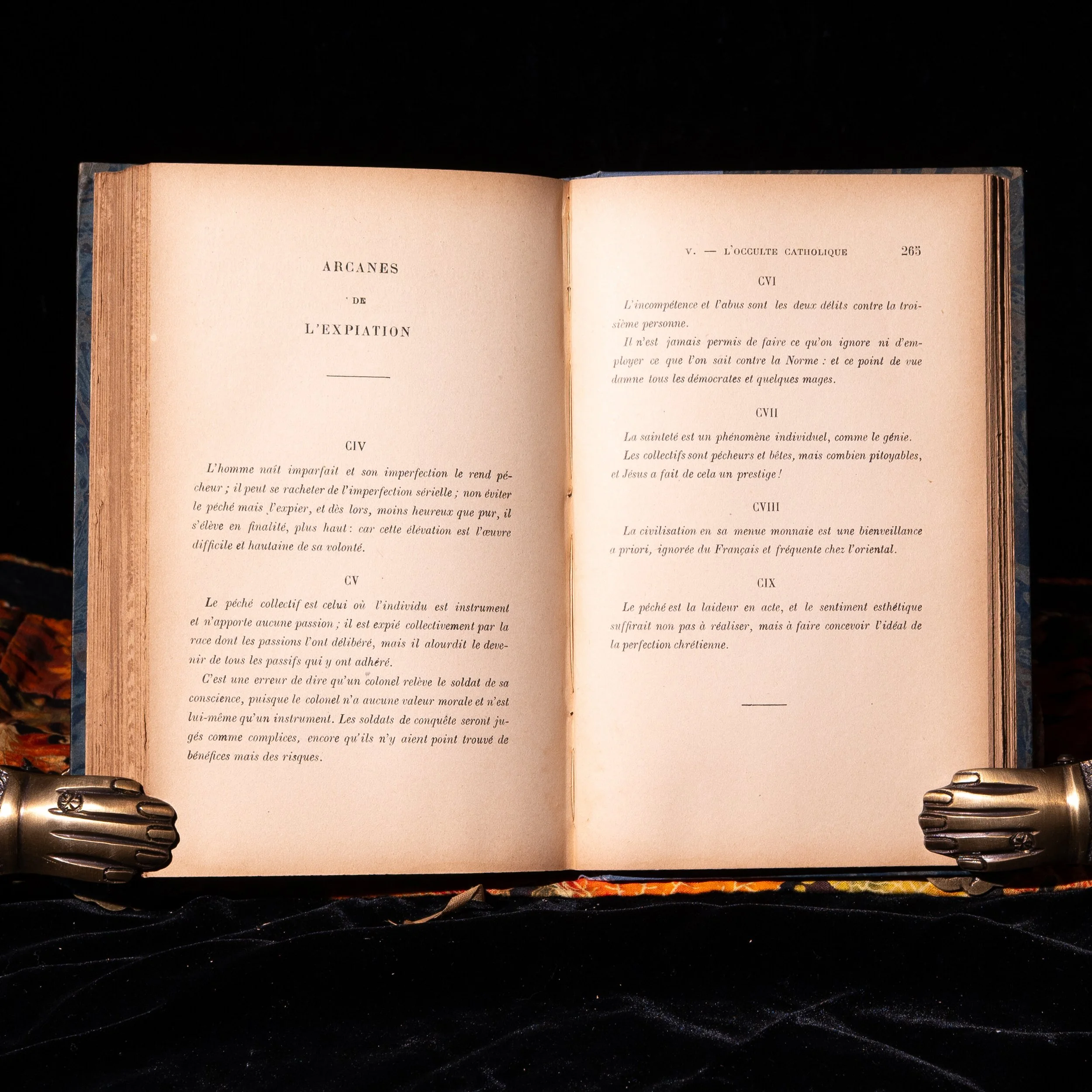 Image 42 of 58
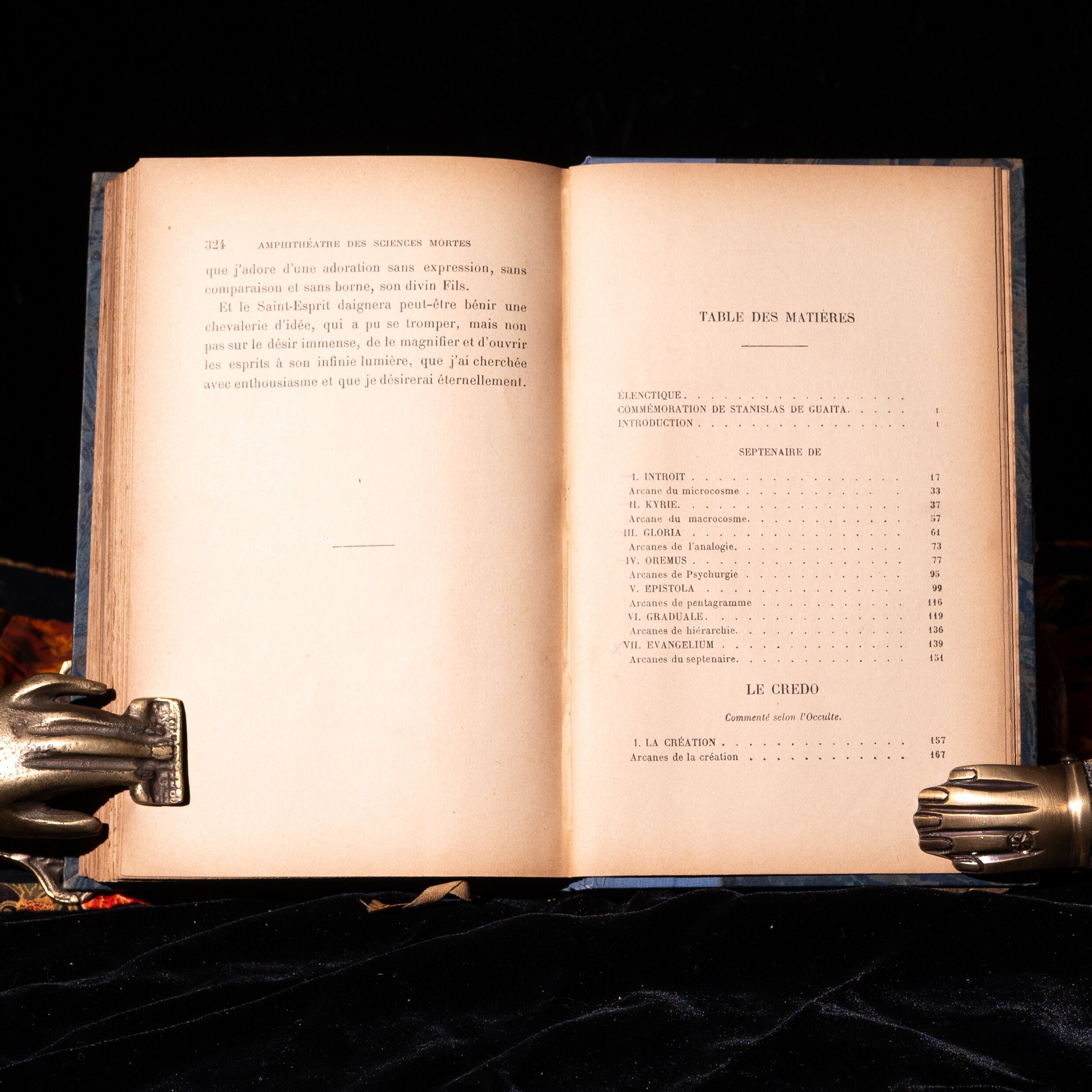 Image 43 of 58
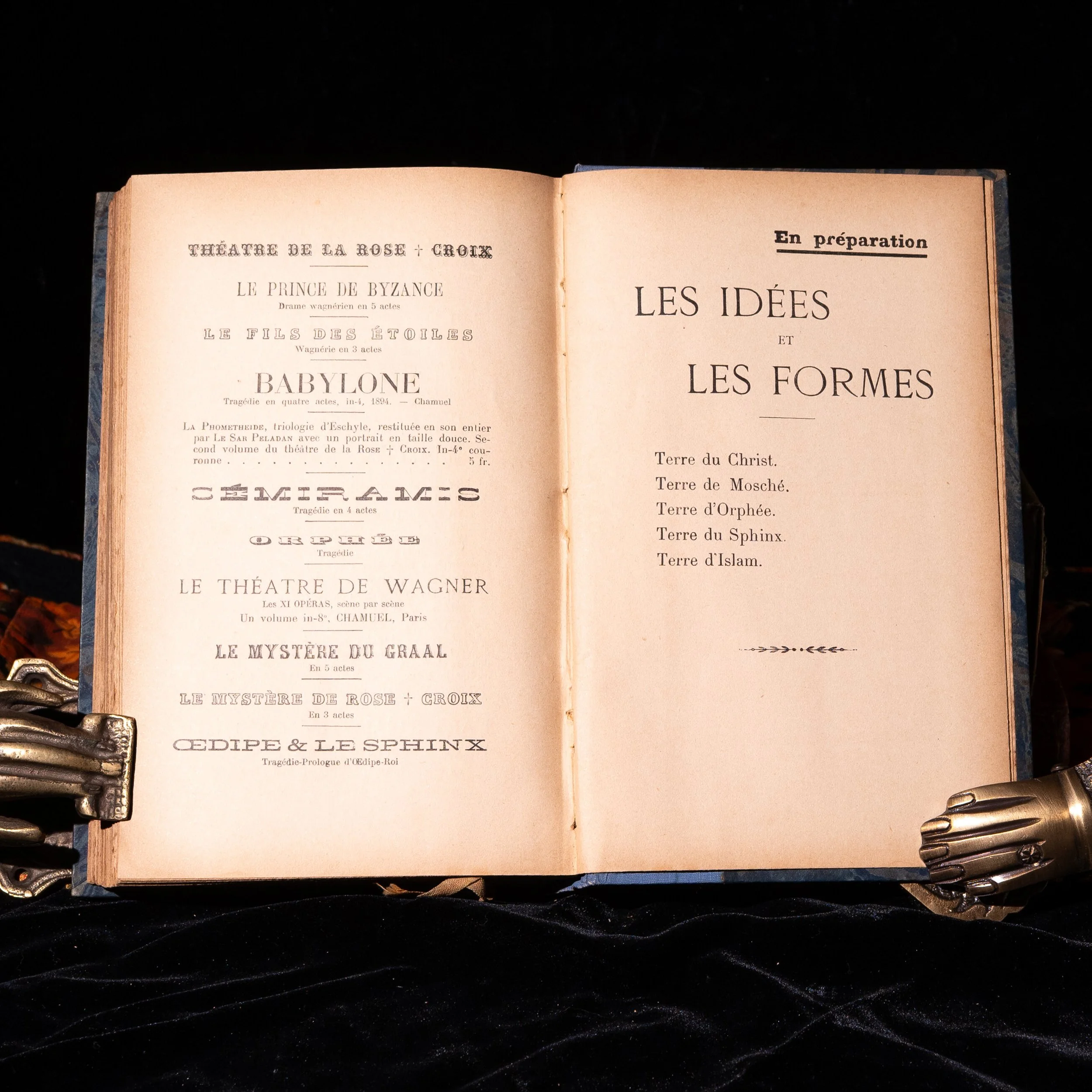 Image 44 of 58
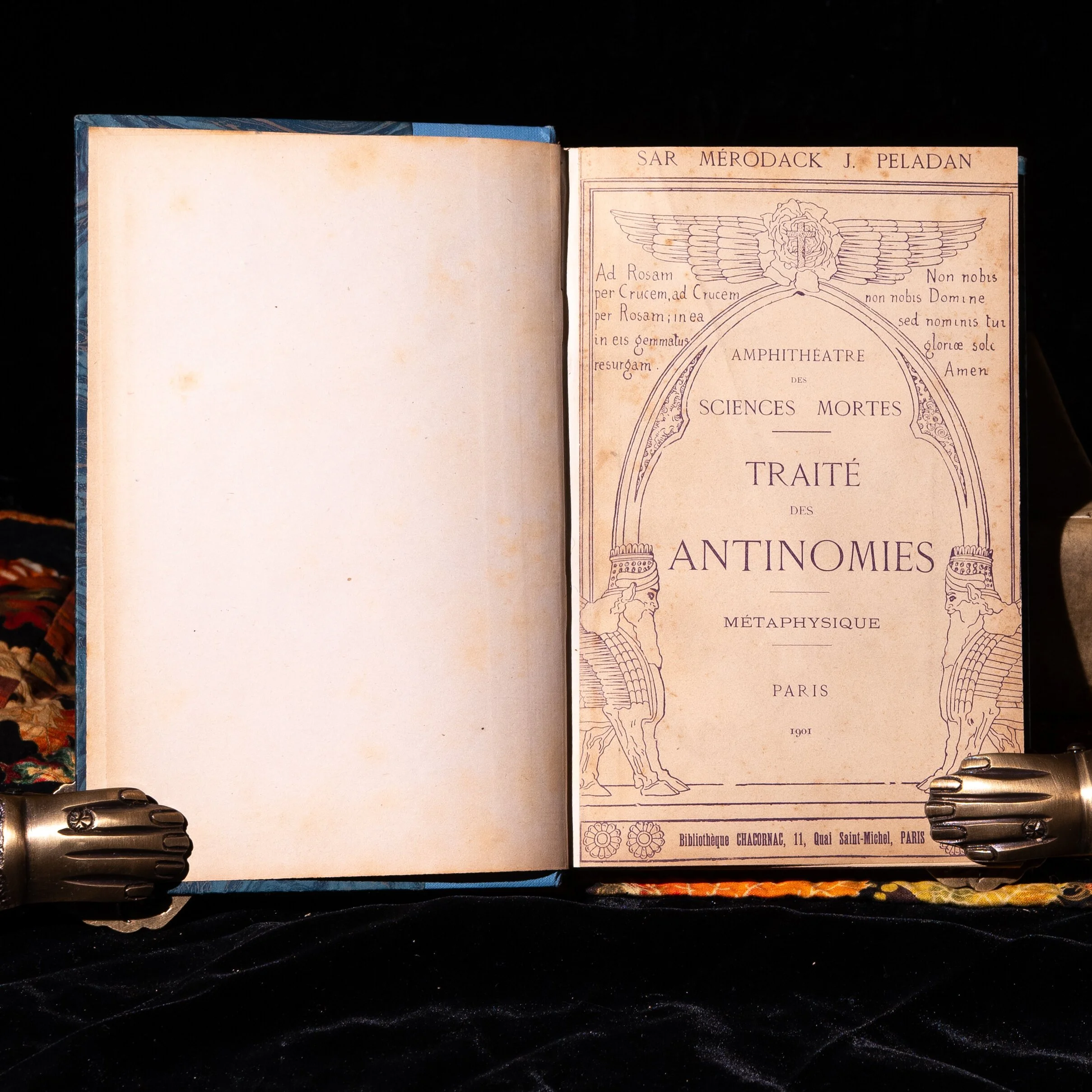 Image 45 of 58
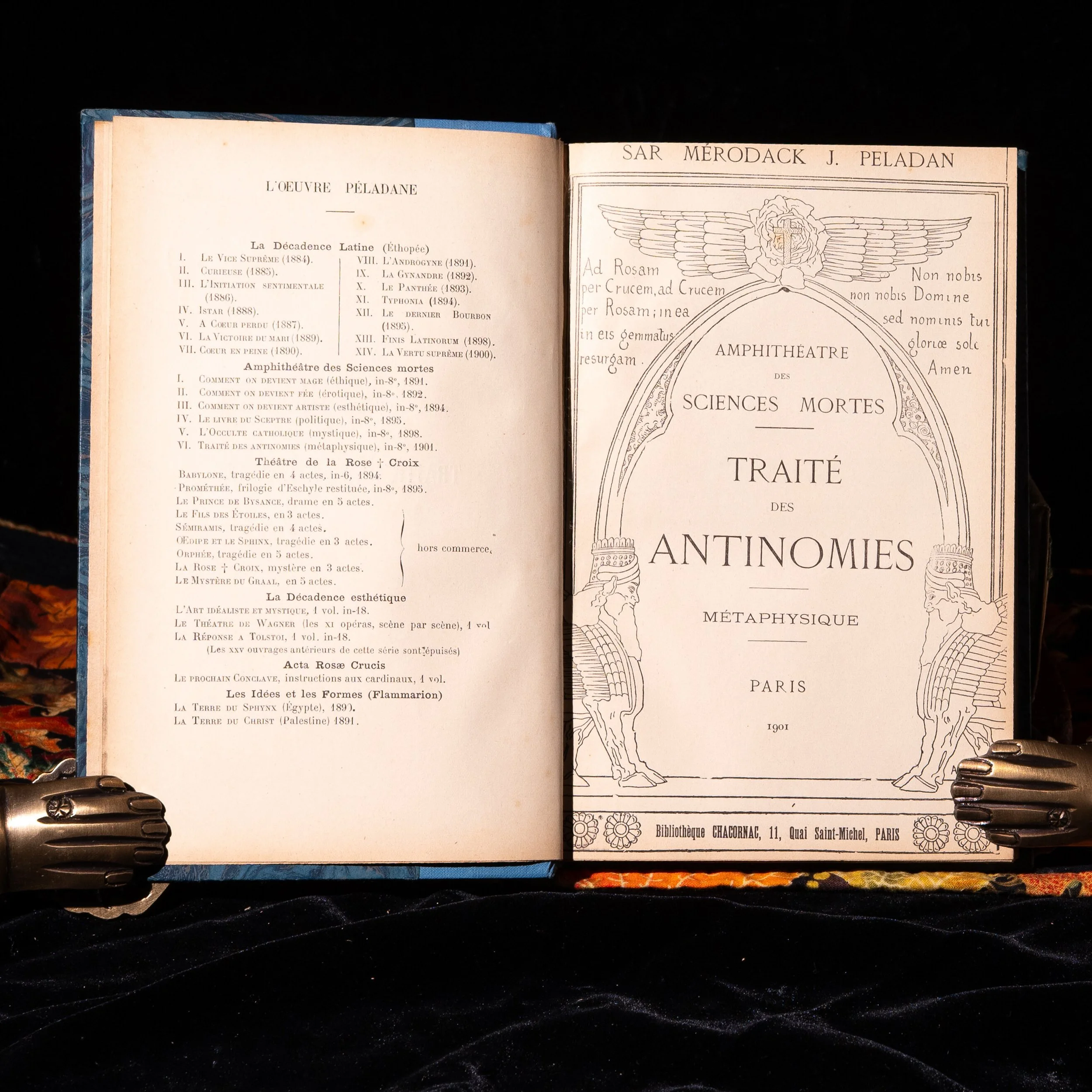 Image 46 of 58
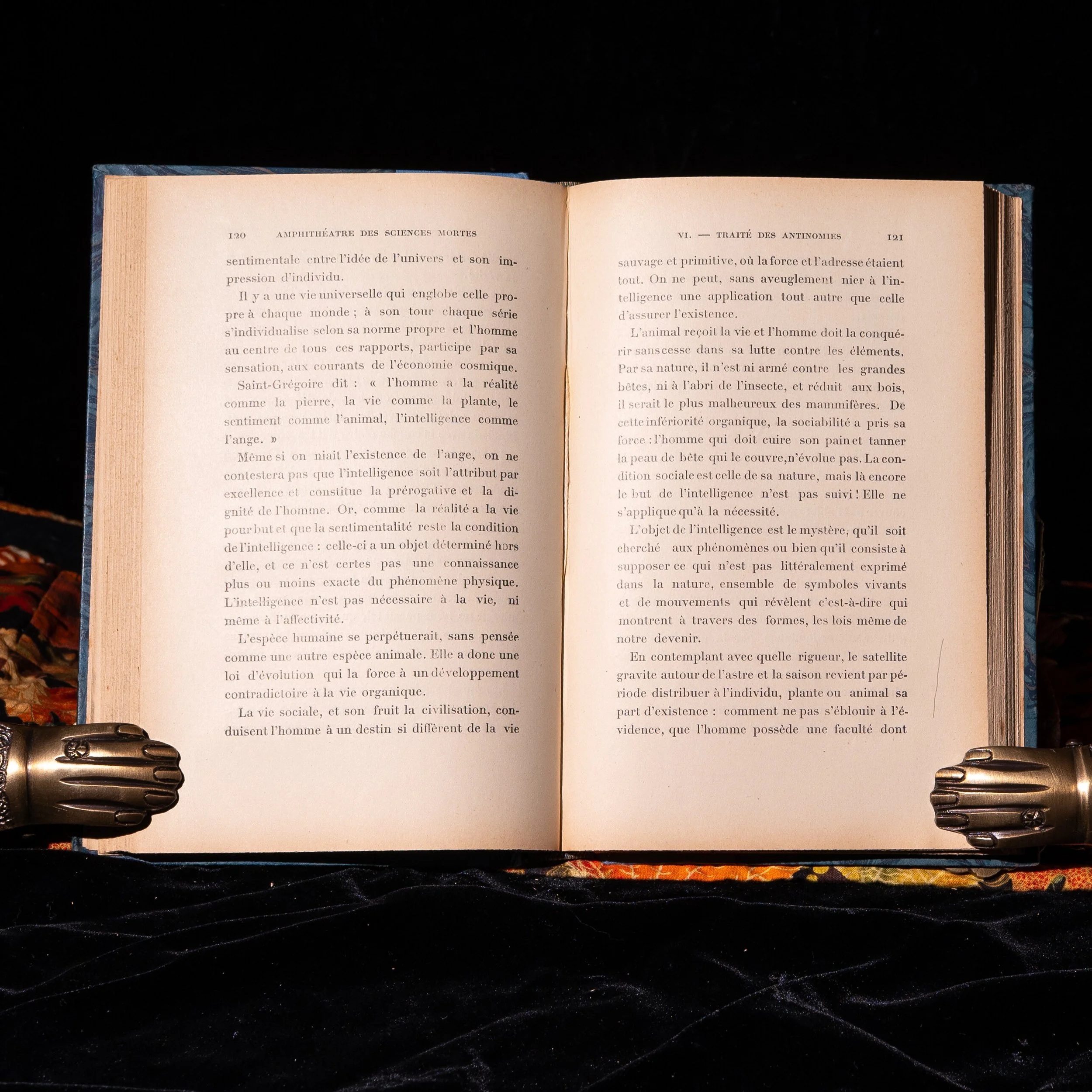 Image 47 of 58
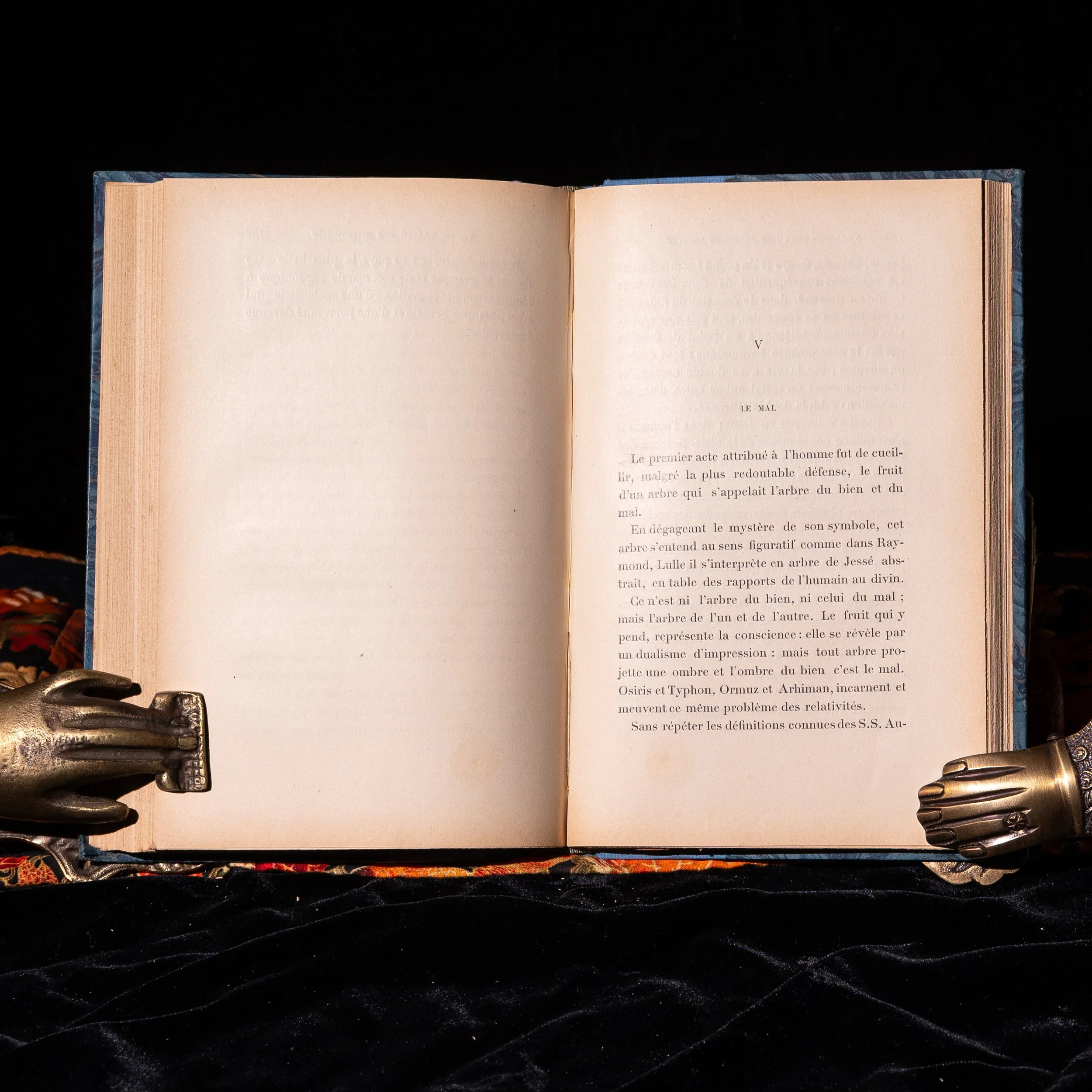 Image 48 of 58
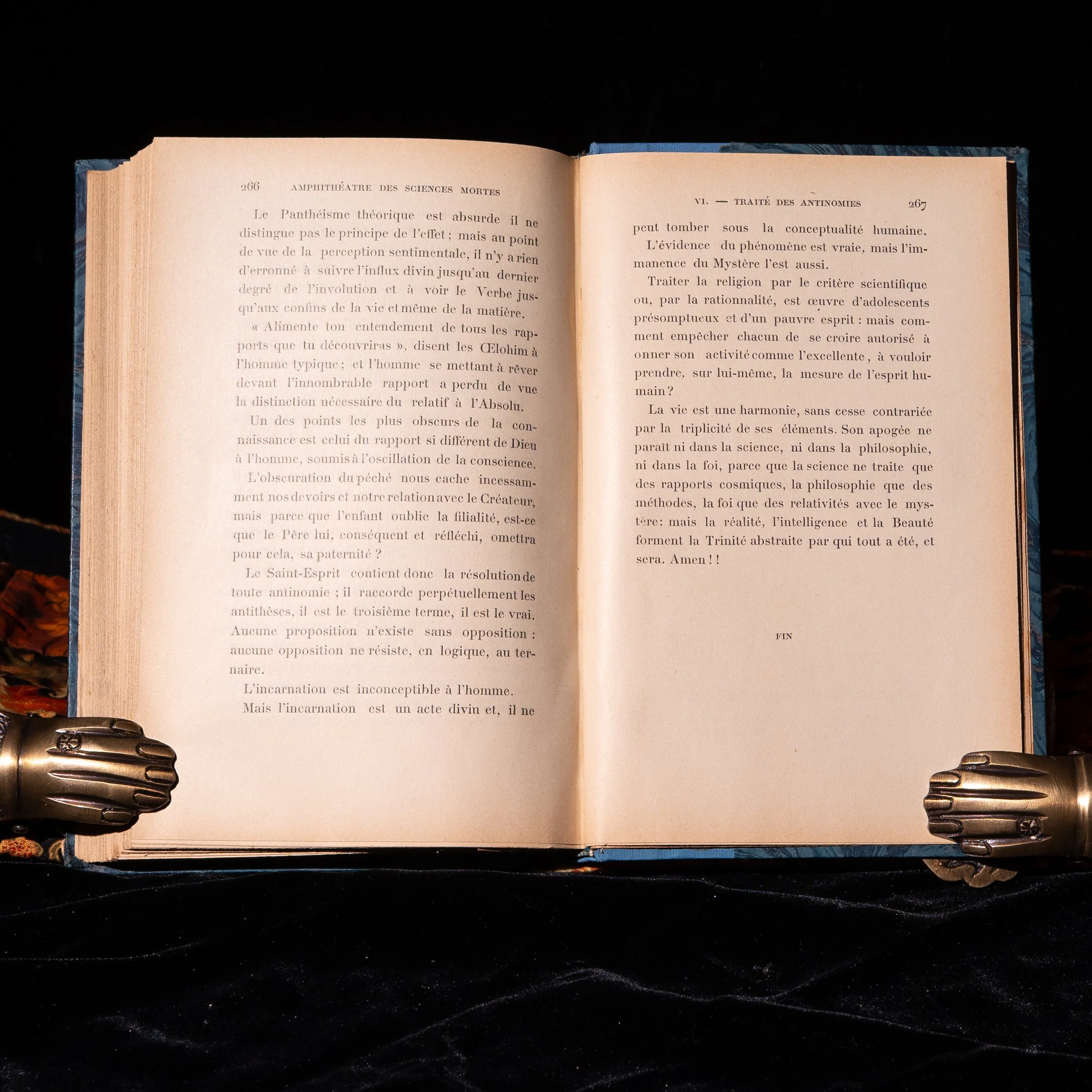 Image 49 of 58
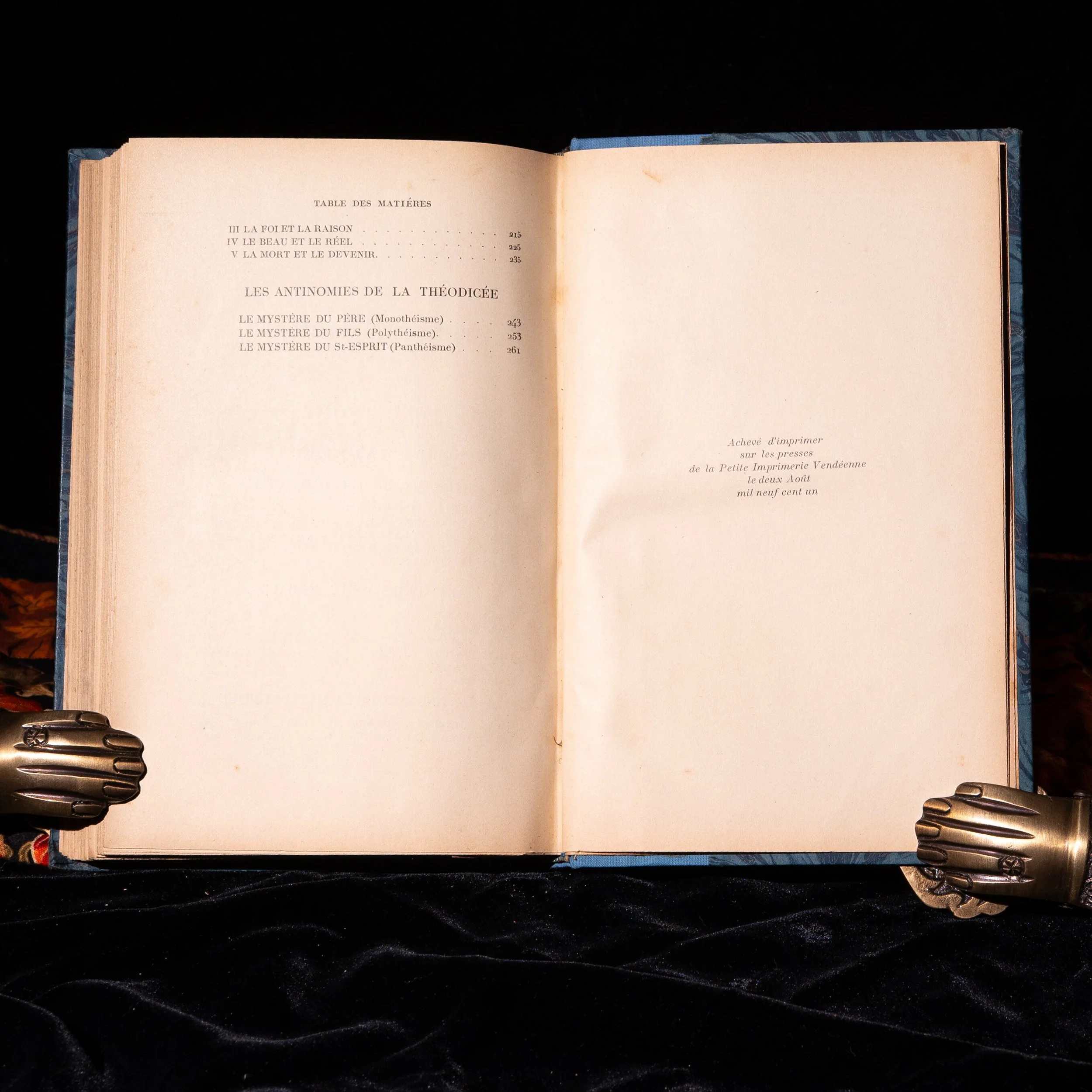 Image 50 of 58
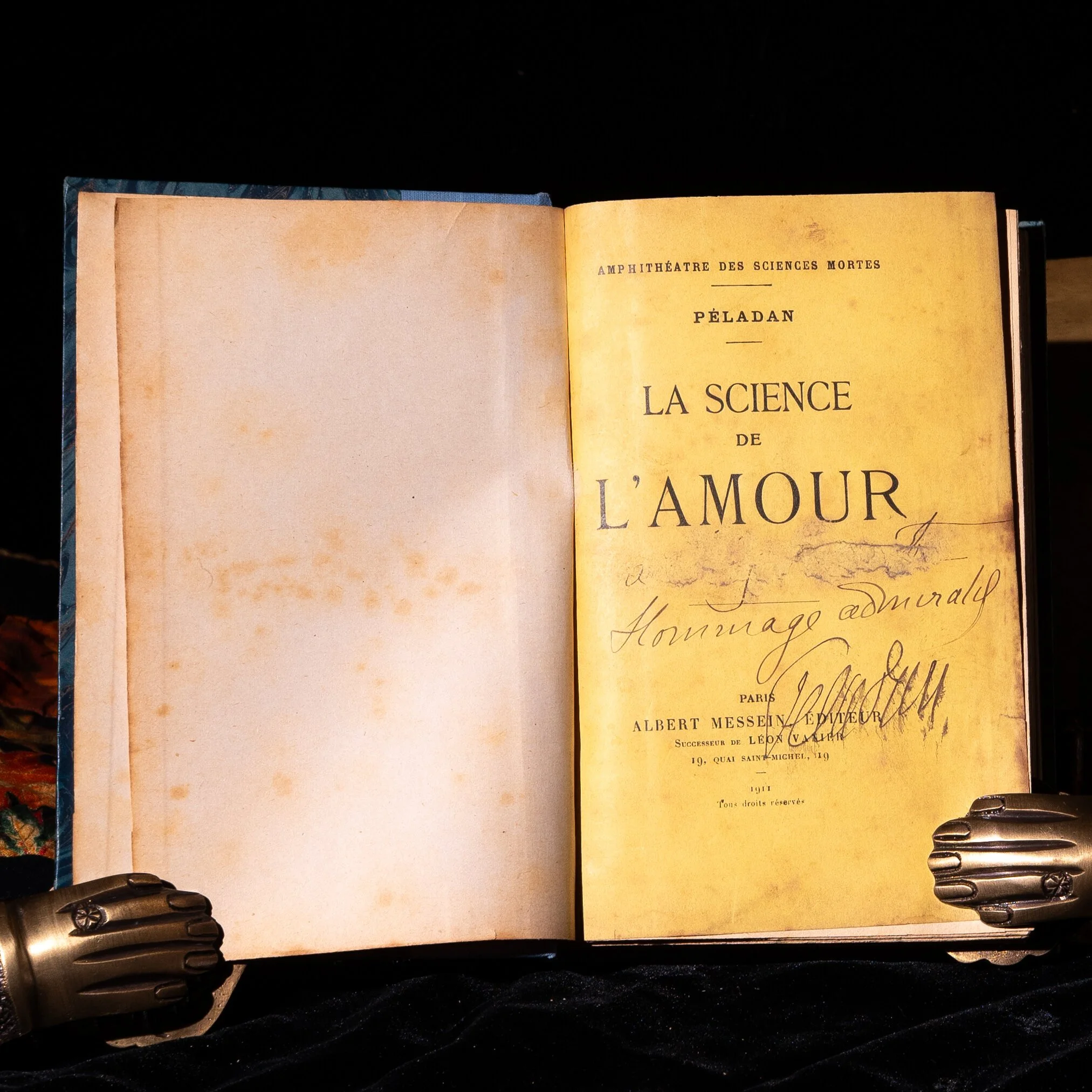 Image 51 of 58
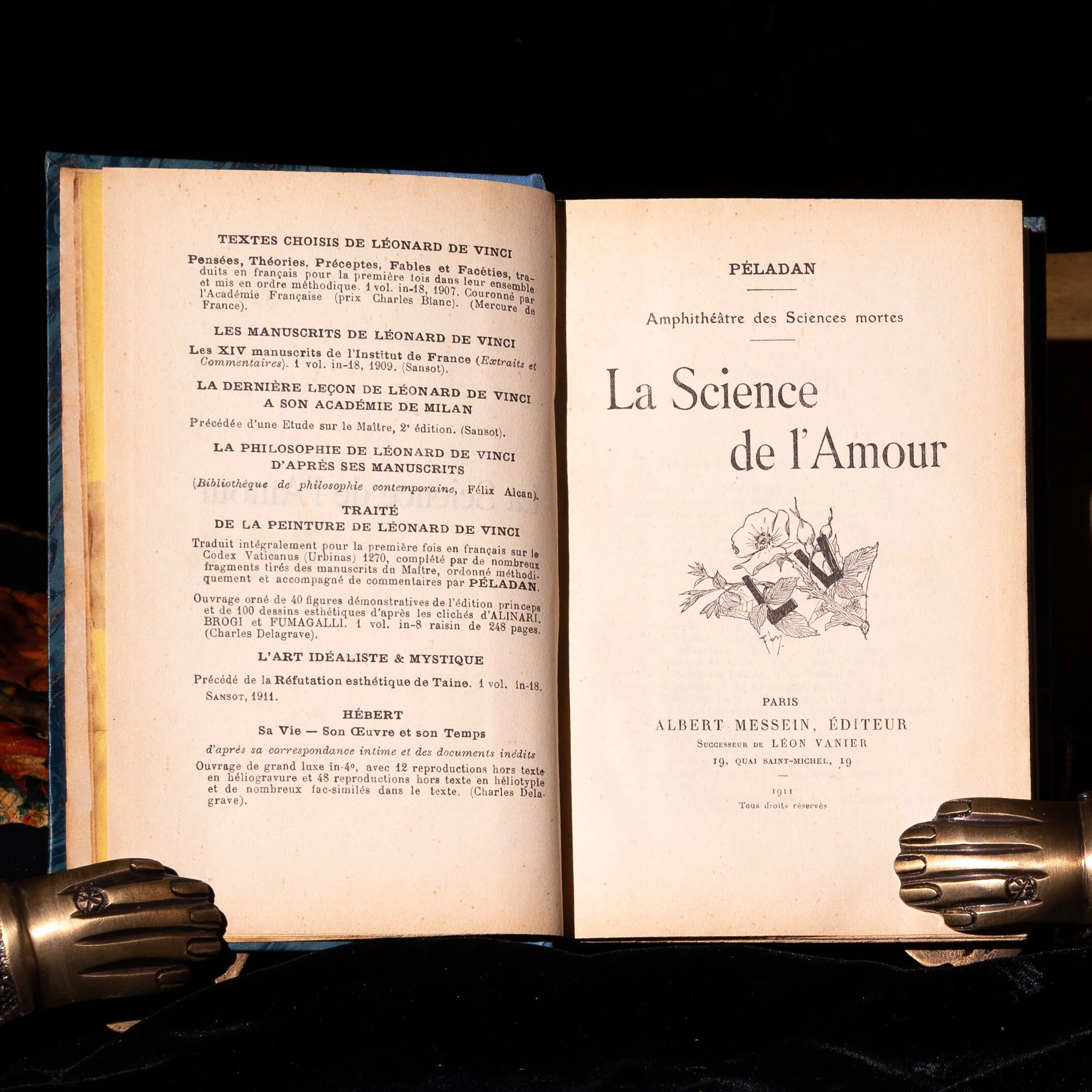 Image 52 of 58
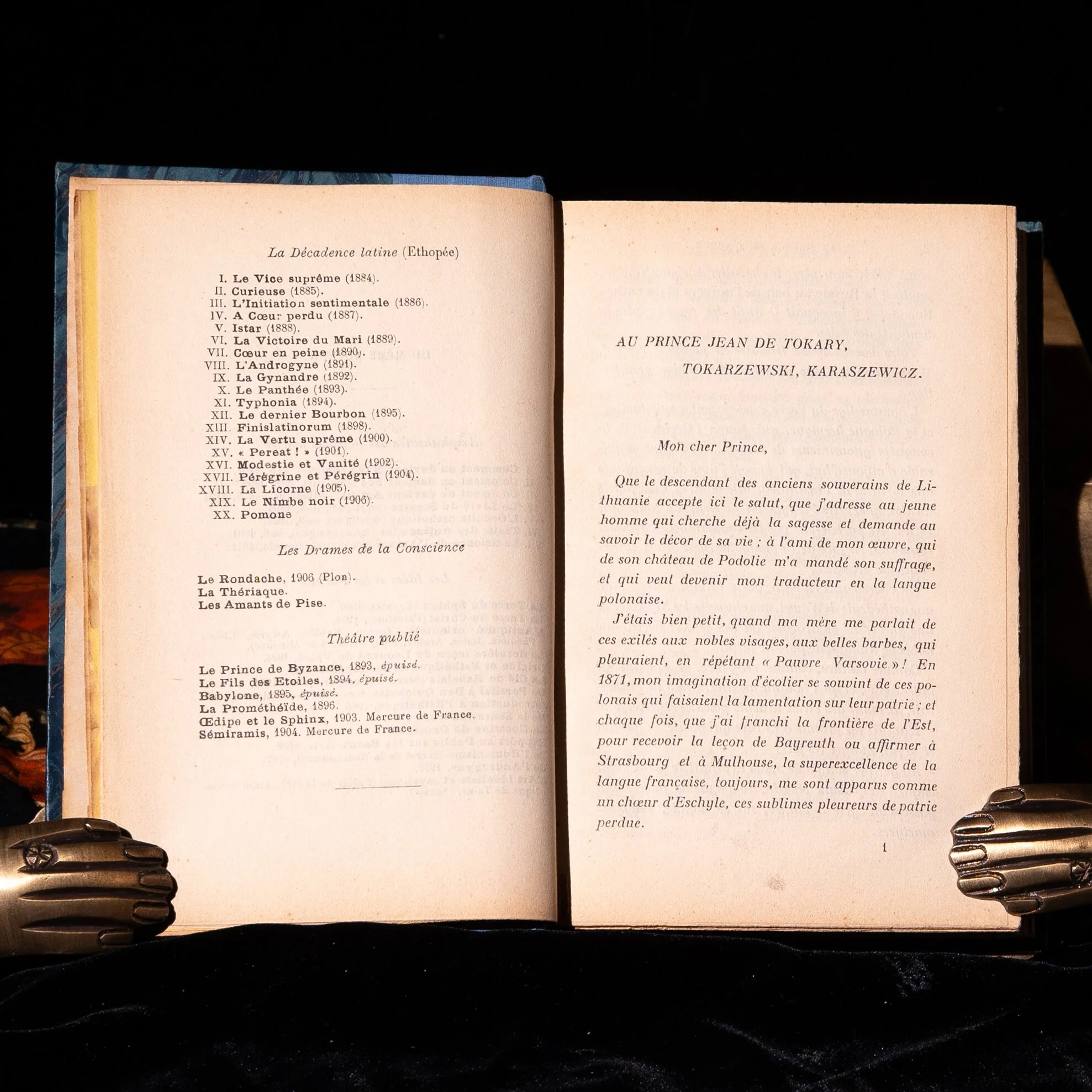 Image 53 of 58
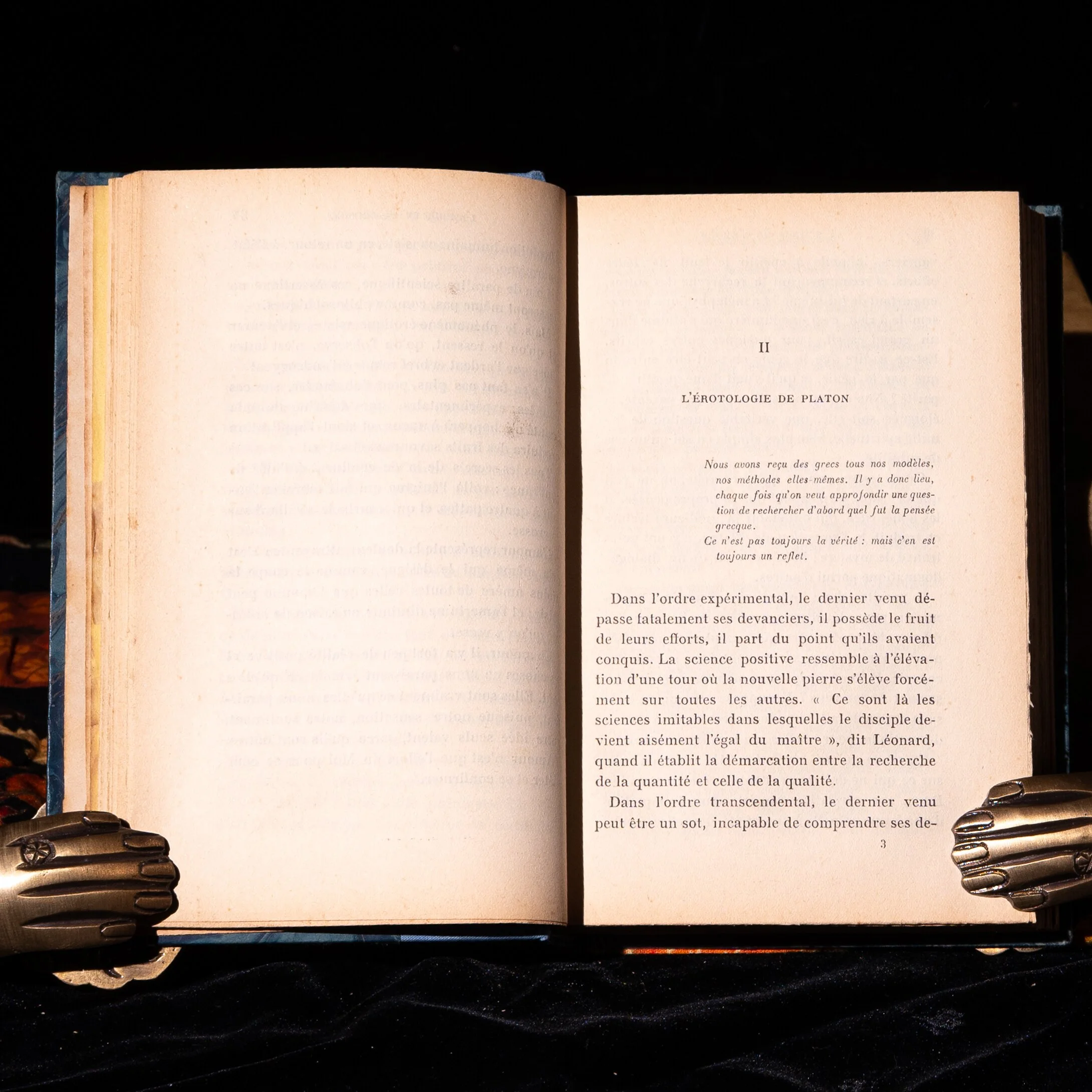 Image 54 of 58
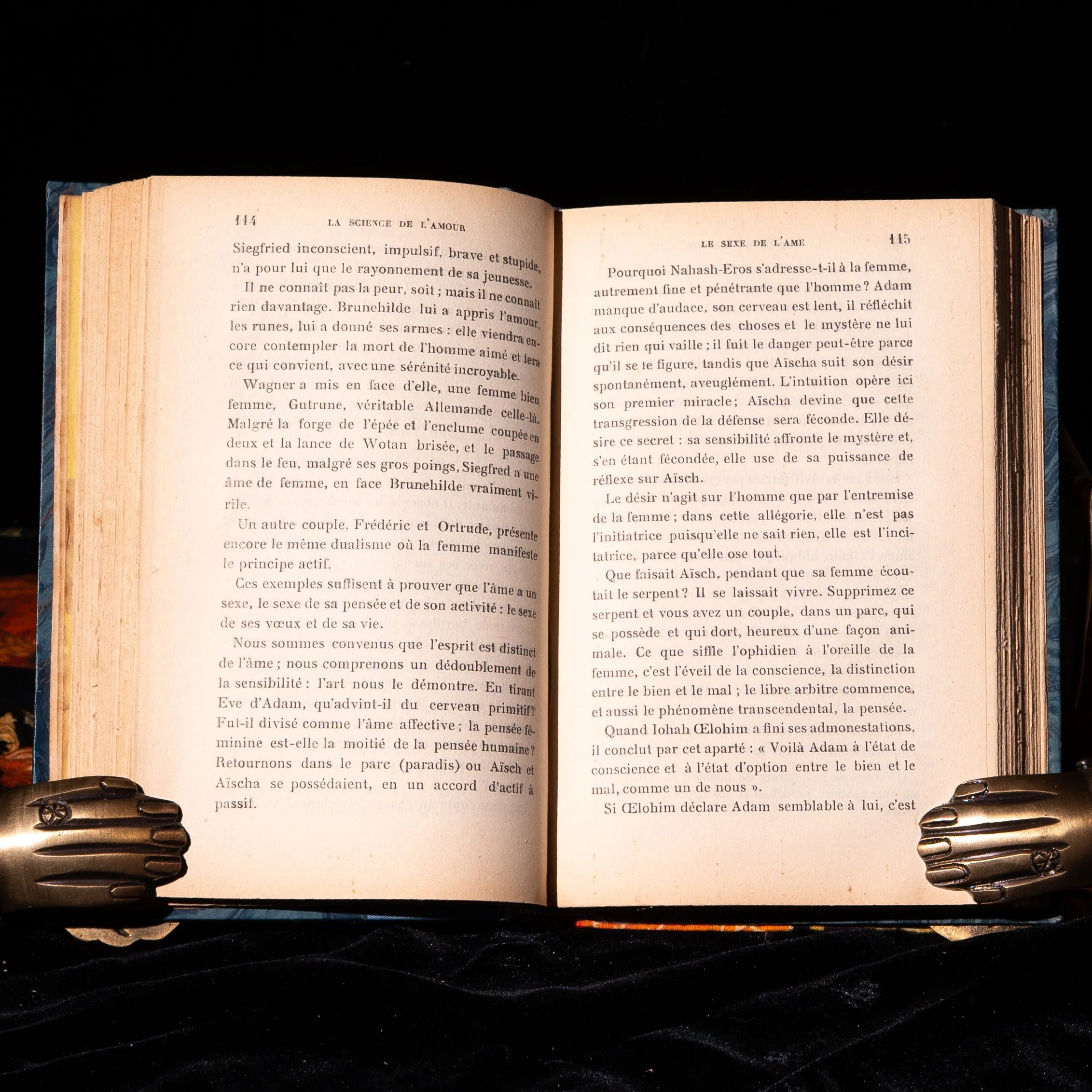 Image 55 of 58
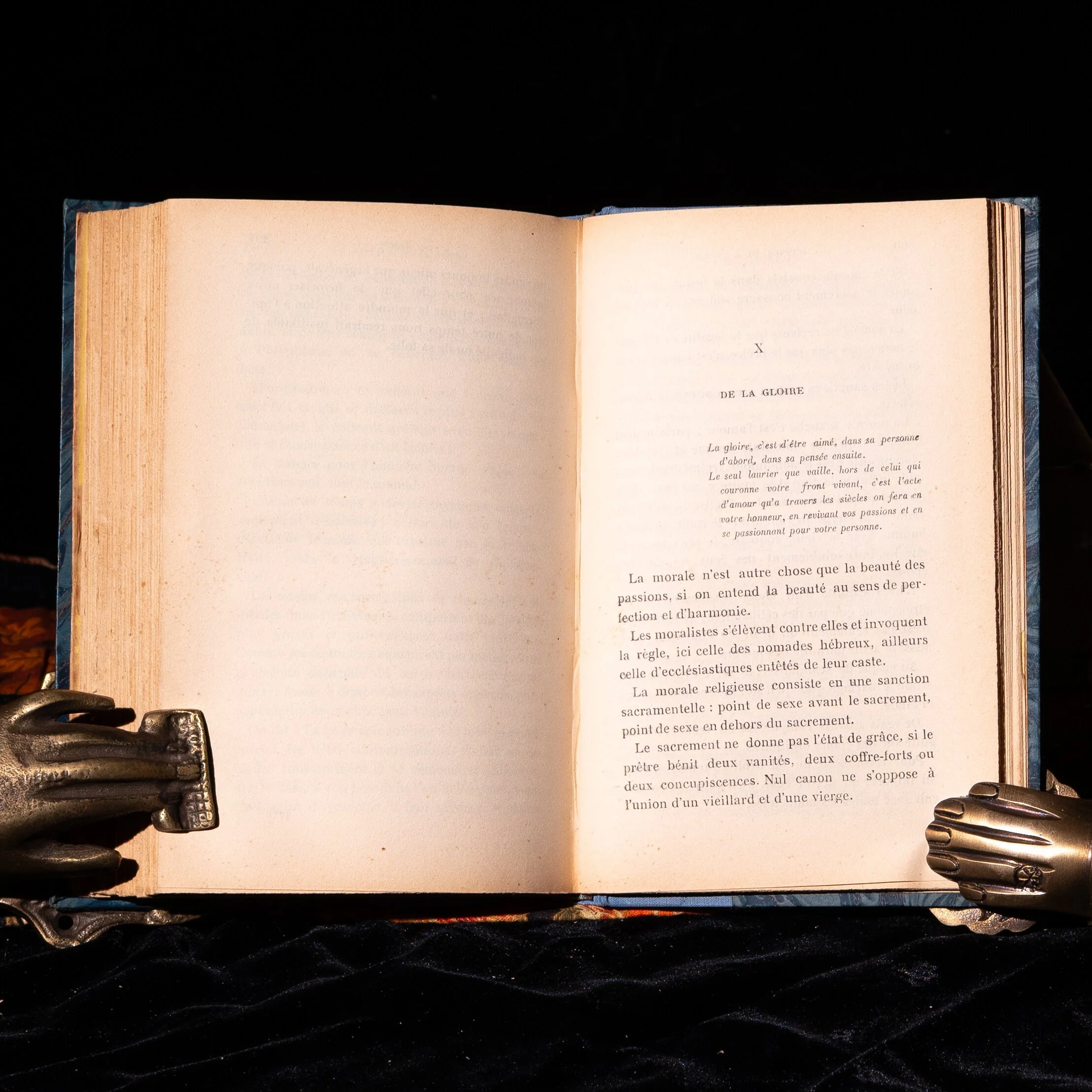 Image 56 of 58
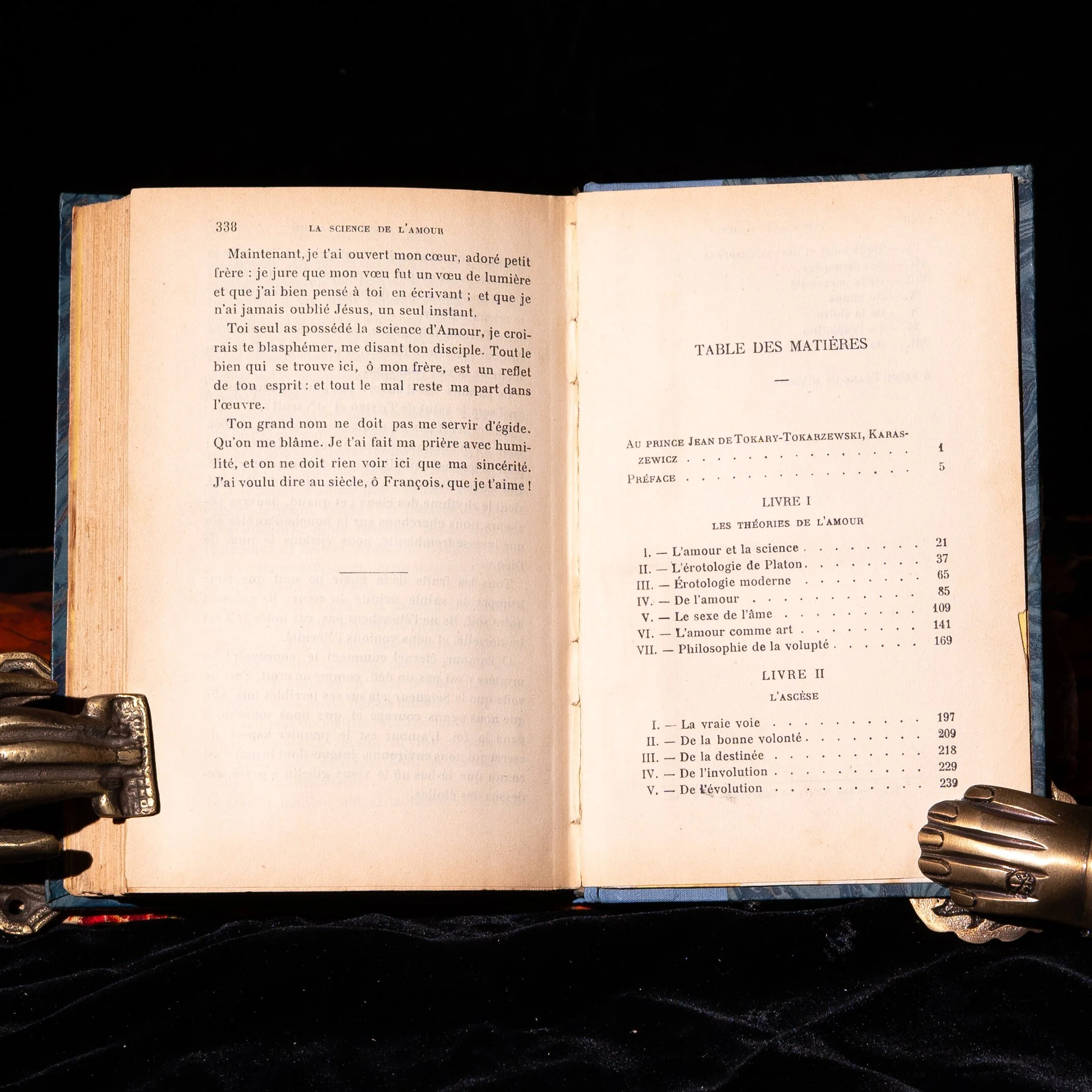 Image 57 of 58
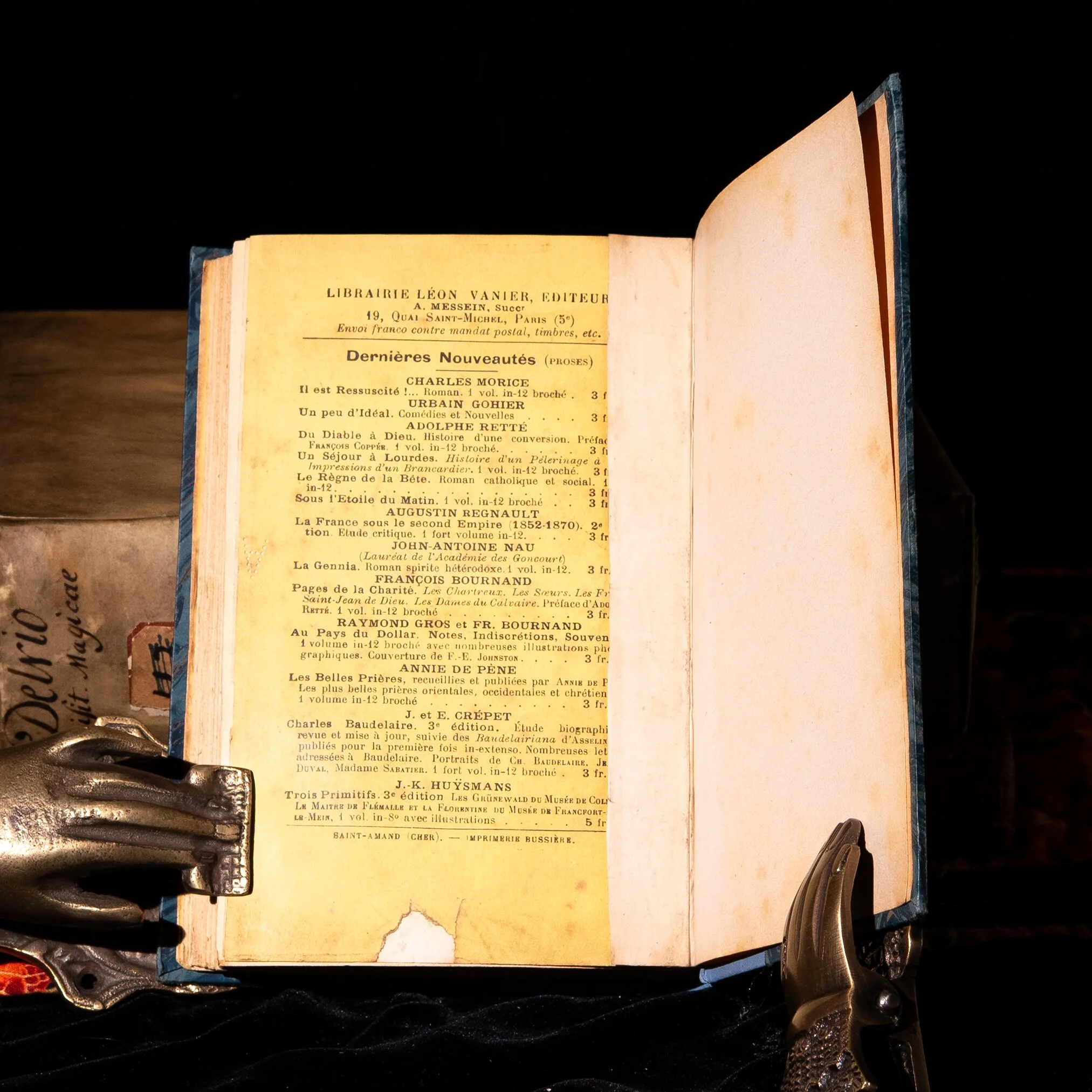 Image 58 of 58