Published in 1839, a full nine years before the Fox Sisters' famous rappings launched Modern Spiritualism in America (1848), Dr. Heinrich Werner's monumental work demonstrates that the mechanics of spirit communication were already fully developed in the "Swabian School" of German Romantic medicine, centered around figures like Justinus Kerner and Franz Anton Baader.
This is more or less the source code of Spiritualism.
While American Spiritualism would later claim to have "discovered" contact with the dead, Werner's text proves that German Magnetists were already systematically conversing with guardian spirits, mapping the geography of the afterlife, and using somnambulistic trance as a technology for transcendence years earlier. For historians of Western Esotericism, this work represents a critical "evolutionary link" between Enlightenment Mesmerism and Victorian Spiritualism.
Werner's treatise begins as a medical case study: the magnetic cure of a woman who had been mute for ten years. But it rapidly expands into something far stranger, a theological and cosmological exploration of the Geisterwelt (spirit world) as revealed by two somnambules under Werner's care.
Where earlier Mesmerists like Puységur focused on mesmeric fluid and physical healing, Werner's subjects journey beyond the body entirely. Under magnetic influence, they describe the Schutzgeist (Guardian Spirit): a Romantic resurrection of the Neoplatonic Daemon or Paracelsian Evestrum, a personal spiritual guide assigned to each soul; the architecture of the afterlife, with detailed cosmologies of spiritual hierarchies and post-mortem states; and communication protocols explaining how spirits contact the living, and how Magnetists can facilitate this exchange.
This represents the pivotal moment when the "Magnetizer" stops being merely a doctor and becomes a hierophant: using trance to converse with higher intelligences.
Werner bridges the fluidic materialism of Mesmer with the angelology of Christian Theosophy, creating a synthesis that would directly influence Justinus Kerner's Die Seherin von Prevorst (1829) and later works, Allan Kardec's Spiritist Codification (1850s-60s), Anglo-American Spiritualism's theoretical foundations, and Blavatsky and the Theosophical Society (1875).
Werner's work is a prime example of what would later be called the "Nightside of Nature" tradition (after Catherine Crowe's 1848 book of the same name): the systematic investigation of paranormal phenomena through the lens of Romantic science. This tradition saw no conflict between empirical observation and spiritual reality: the trance state was simply another experimental method, the somnambule another kind of scientific instrument.
Published by J.G. Cotta'sche Buchhandlung, Germany's most prestigious publishing house. Cotta published Goethe's Faust, Schiller's works, and the intellectual cream of German Romanticism. That Werner's occult treatise appeared under this imprint signals that spirit communication was not yet "fringe": it was still respectable science, publishable alongside the giants of German literature.
The combination of pre-Spiritualism date (1839), Cotta imprint (prestige), substantial length (637 pp.), Guardian Spirit theology (unique focus), and bibliographic rarity makes this a significant survival of the later Romantic occult revival.
WERNER, Heinrich. Die Schutzgeister oder merkwürdige Blicke zweier Seherinnen in die Geisterwelt, nebst der wunderbaren Heilung einer zehn Jahre stumm Gewesenen durch den Lebensmagnetismus... [The Guardian Spirits, or Strange Glimpses of Two Seeresses into the Spirit World, Together with the Miraculous Healing of a Woman Mute for Ten Years Through Animal Magnetism...]. Stuttgart und Tübingen: J. G. Cotta'schen Buchhandlung, 1839.
Before the Fox Sisters: The German Origins of Spirit Communication: A Massive Treatise on Magnetic Somnambulism and the Guardian Daemon
First Edition. Octavo (20.5 x 13.5 cm). XXXII, 637 pp., [1 leaf, errata]. Contemporary half leather over marbled boards; spine divided by gilt rules with gilt title and decorative floral tooling. Published by the legendary Cotta press (publisher of Goethe, Schiller, and the giants of German Romanticism).
Condition: A good, honest working copy of a fragile and heavily-used work. The contemporary half-leather binding is solid but shows age-appropriate shelf wear: rubbing to leather, bumping to corners. Condition issues include: Starting split to front joint (board remains firmly attached; structurally sound). Consistent foxing and browning throughout (typical for German paper of this period) . Ink corrosion (Tintenfraß) from page 585 onwards - an ink stain has caused corrosion in the outer margin, affecting paper integrity in that specific area. This is a known bibliographic defect in certain copies and does not impact text legibility. This damage is consistent with an owner's marginal annotations using acidic period ink. Title page bears an institutional or ownership stamp. Evidence of removed bookplate from front pastedown (cleanly removed, no paper loss)
Despite these condition issues, the text remains complete, legible, and structurally intact. This is a reader's copy, a working scholar's book, not a pristine collector's trophy. Given the work's rarity and the fact that copies in any condition seldom appear in commerce, this represents a genuine opportunity to acquire an important primary source.
Published in 1839, a full nine years before the Fox Sisters' famous rappings launched Modern Spiritualism in America (1848), Dr. Heinrich Werner's monumental work demonstrates that the mechanics of spirit communication were already fully developed in the "Swabian School" of German Romantic medicine, centered around figures like Justinus Kerner and Franz Anton Baader.
This is more or less the source code of Spiritualism.
While American Spiritualism would later claim to have "discovered" contact with the dead, Werner's text proves that German Magnetists were already systematically conversing with guardian spirits, mapping the geography of the afterlife, and using somnambulistic trance as a technology for transcendence years earlier. For historians of Western Esotericism, this work represents a critical "evolutionary link" between Enlightenment Mesmerism and Victorian Spiritualism.
Werner's treatise begins as a medical case study: the magnetic cure of a woman who had been mute for ten years. But it rapidly expands into something far stranger, a theological and cosmological exploration of the Geisterwelt (spirit world) as revealed by two somnambules under Werner's care.
Where earlier Mesmerists like Puységur focused on mesmeric fluid and physical healing, Werner's subjects journey beyond the body entirely. Under magnetic influence, they describe the Schutzgeist (Guardian Spirit): a Romantic resurrection of the Neoplatonic Daemon or Paracelsian Evestrum, a personal spiritual guide assigned to each soul; the architecture of the afterlife, with detailed cosmologies of spiritual hierarchies and post-mortem states; and communication protocols explaining how spirits contact the living, and how Magnetists can facilitate this exchange.
This represents the pivotal moment when the "Magnetizer" stops being merely a doctor and becomes a hierophant: using trance to converse with higher intelligences.
Werner bridges the fluidic materialism of Mesmer with the angelology of Christian Theosophy, creating a synthesis that would directly influence Justinus Kerner's Die Seherin von Prevorst (1829) and later works, Allan Kardec's Spiritist Codification (1850s-60s), Anglo-American Spiritualism's theoretical foundations, and Blavatsky and the Theosophical Society (1875).
Werner's work is a prime example of what would later be called the "Nightside of Nature" tradition (after Catherine Crowe's 1848 book of the same name): the systematic investigation of paranormal phenomena through the lens of Romantic science. This tradition saw no conflict between empirical observation and spiritual reality: the trance state was simply another experimental method, the somnambule another kind of scientific instrument.
Published by J.G. Cotta'sche Buchhandlung, Germany's most prestigious publishing house. Cotta published Goethe's Faust, Schiller's works, and the intellectual cream of German Romanticism. That Werner's occult treatise appeared under this imprint signals that spirit communication was not yet "fringe": it was still respectable science, publishable alongside the giants of German literature.
The combination of pre-Spiritualism date (1839), Cotta imprint (prestige), substantial length (637 pp.), Guardian Spirit theology (unique focus), and bibliographic rarity makes this a significant survival of the later Romantic occult revival.
WERNER, Heinrich. Die Schutzgeister oder merkwürdige Blicke zweier Seherinnen in die Geisterwelt, nebst der wunderbaren Heilung einer zehn Jahre stumm Gewesenen durch den Lebensmagnetismus... [The Guardian Spirits, or Strange Glimpses of Two Seeresses into the Spirit World, Together with the Miraculous Healing of a Woman Mute for Ten Years Through Animal Magnetism...]. Stuttgart und Tübingen: J. G. Cotta'schen Buchhandlung, 1839.
Before the Fox Sisters: The German Origins of Spirit Communication: A Massive Treatise on Magnetic Somnambulism and the Guardian Daemon
First Edition. Octavo (20.5 x 13.5 cm). XXXII, 637 pp., [1 leaf, errata]. Contemporary half leather over marbled boards; spine divided by gilt rules with gilt title and decorative floral tooling. Published by the legendary Cotta press (publisher of Goethe, Schiller, and the giants of German Romanticism).
Condition: A good, honest working copy of a fragile and heavily-used work. The contemporary half-leather binding is solid but shows age-appropriate shelf wear: rubbing to leather, bumping to corners. Condition issues include: Starting split to front joint (board remains firmly attached; structurally sound). Consistent foxing and browning throughout (typical for German paper of this period) . Ink corrosion (Tintenfraß) from page 585 onwards - an ink stain has caused corrosion in the outer margin, affecting paper integrity in that specific area. This is a known bibliographic defect in certain copies and does not impact text legibility. This damage is consistent with an owner's marginal annotations using acidic period ink. Title page bears an institutional or ownership stamp. Evidence of removed bookplate from front pastedown (cleanly removed, no paper loss)
Despite these condition issues, the text remains complete, legible, and structurally intact. This is a reader's copy, a working scholar's book, not a pristine collector's trophy. Given the work's rarity and the fact that copies in any condition seldom appear in commerce, this represents a genuine opportunity to acquire an important primary source.

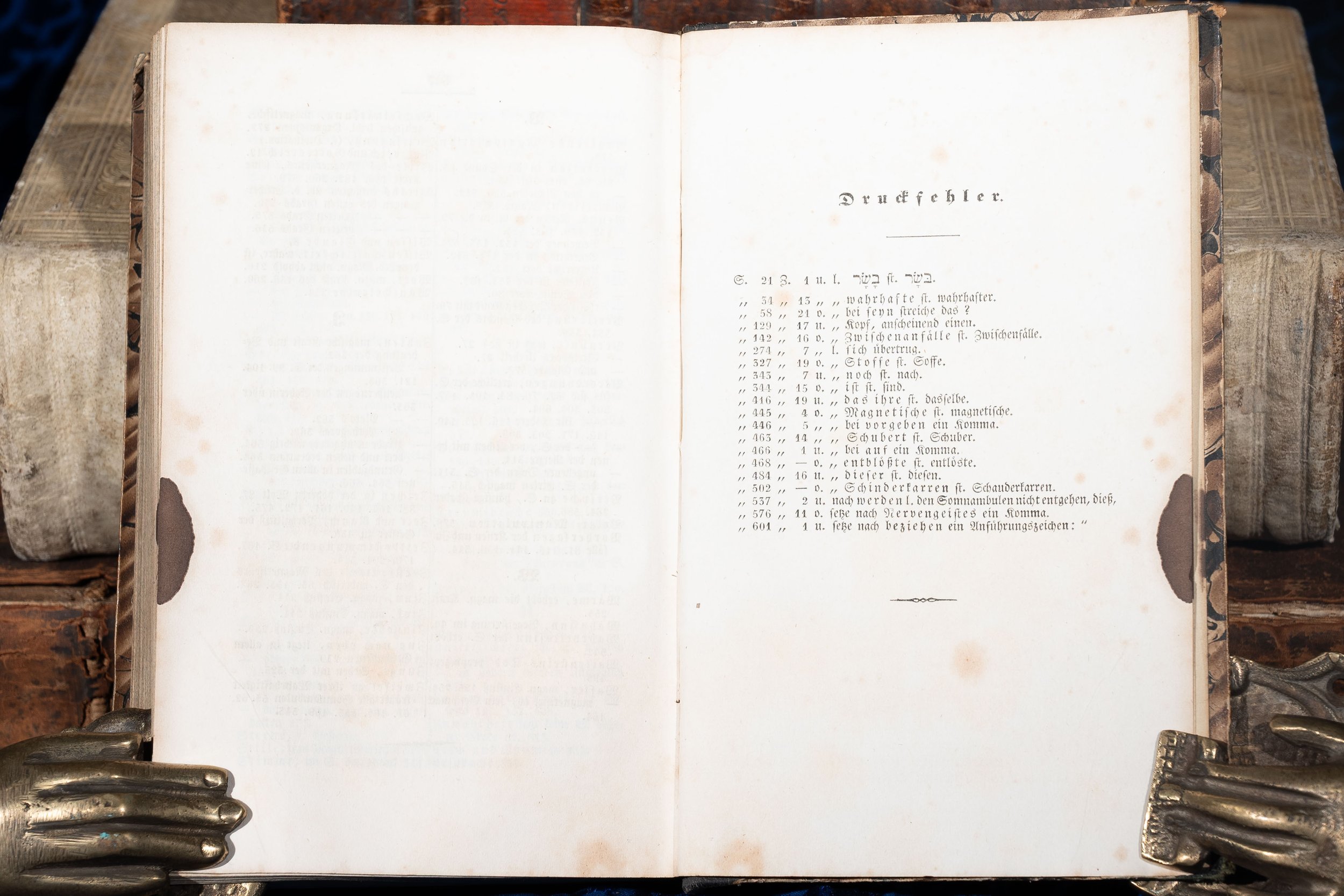 Image 1 of 9
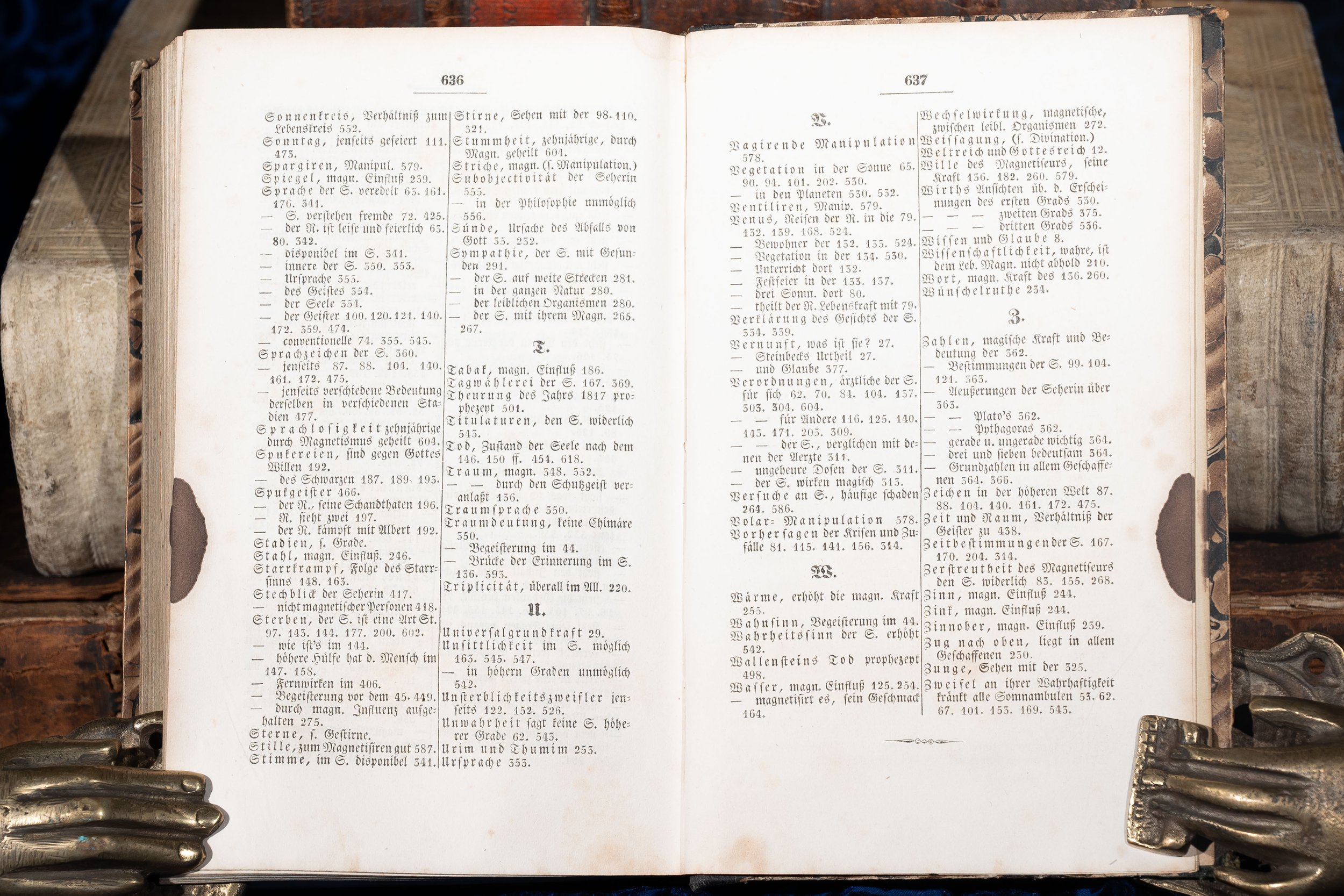 Image 2 of 9
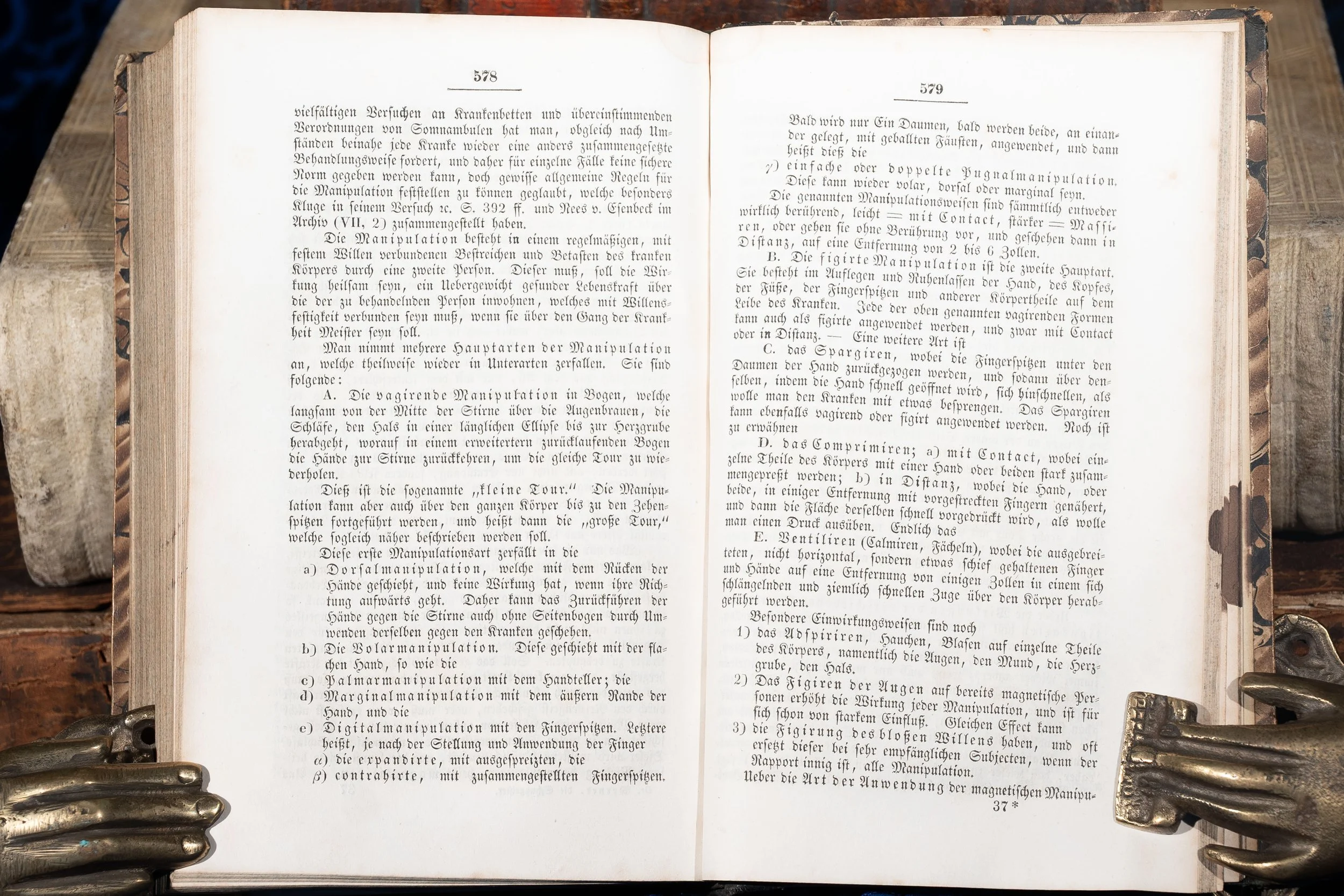 Image 3 of 9
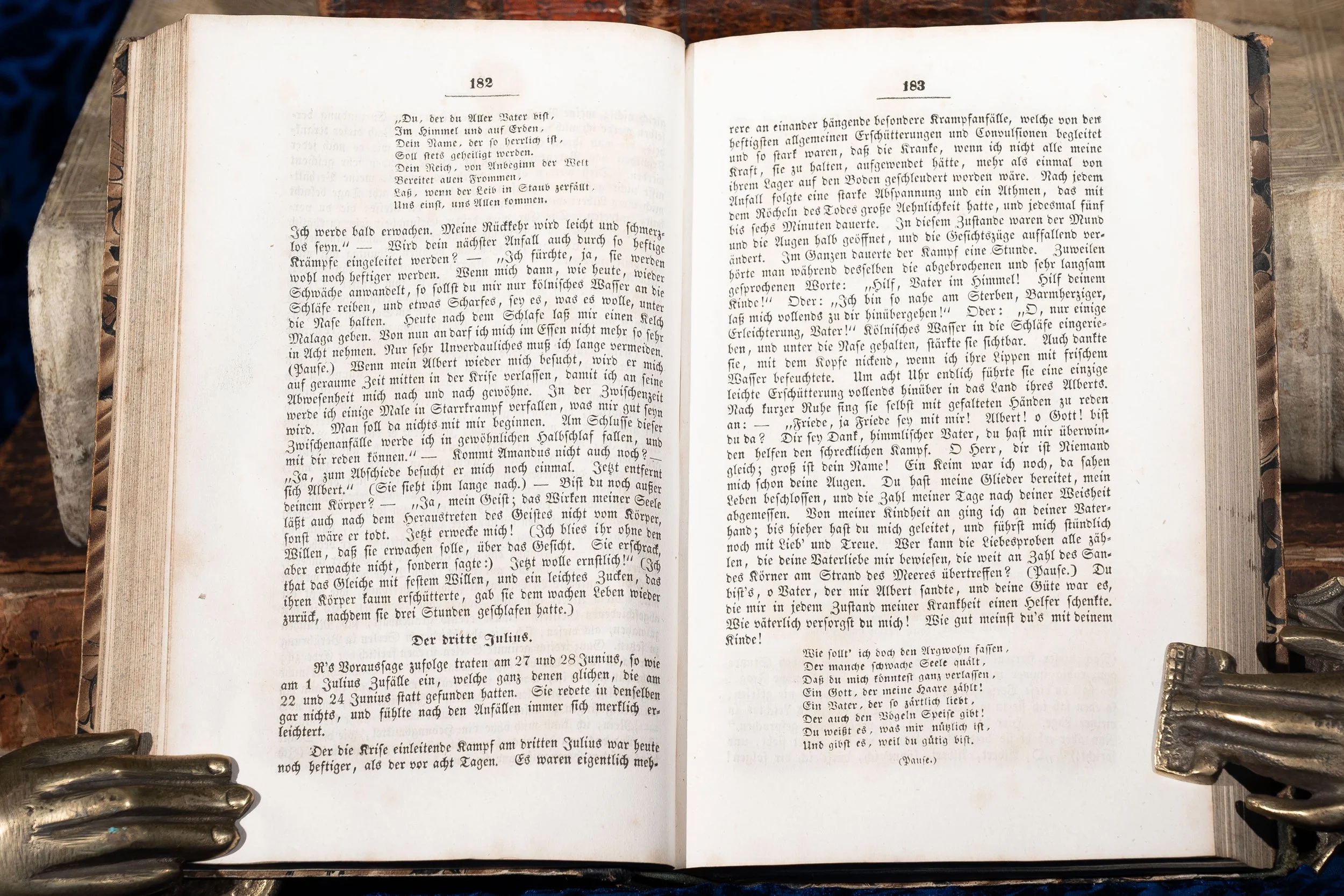 Image 4 of 9
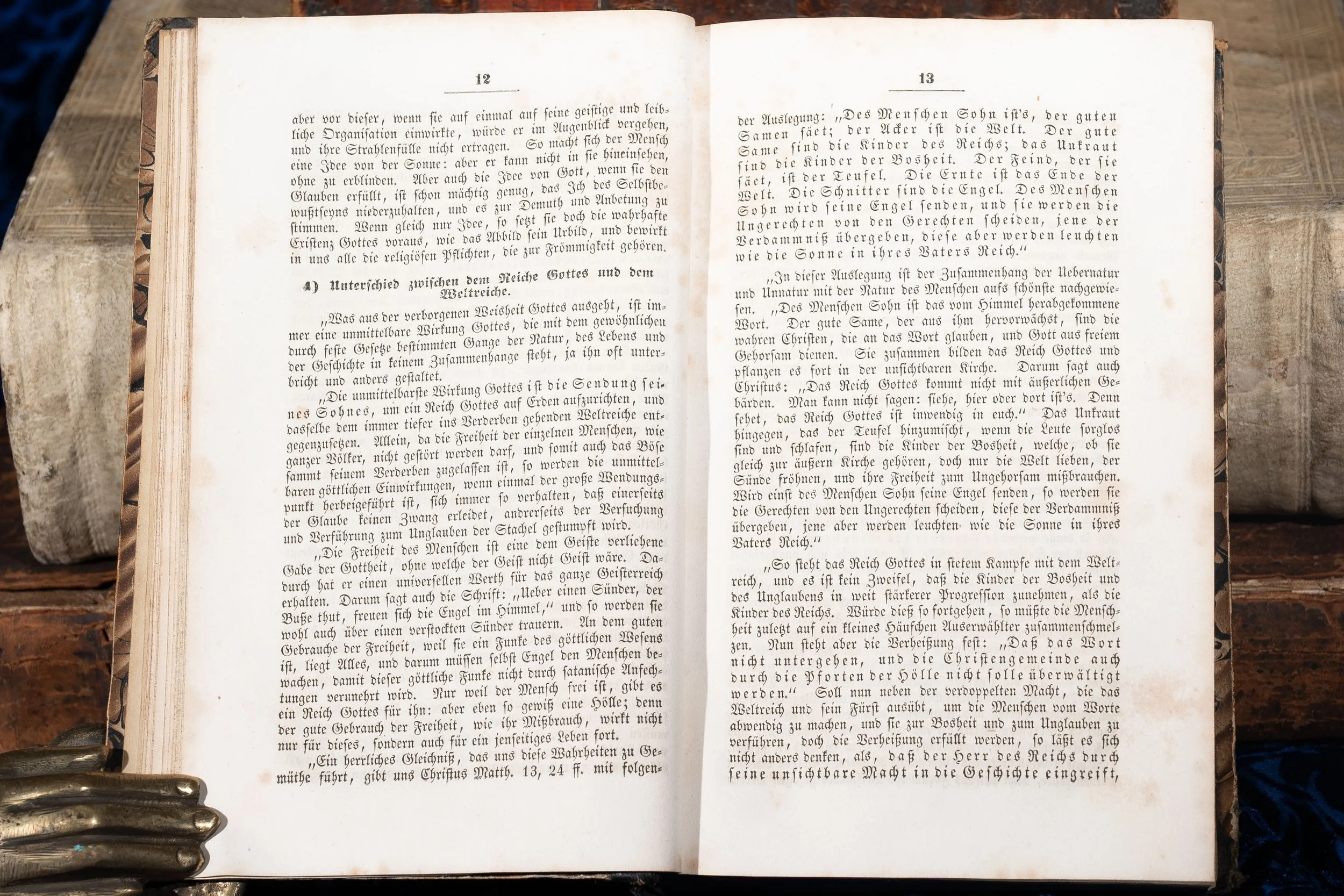 Image 5 of 9
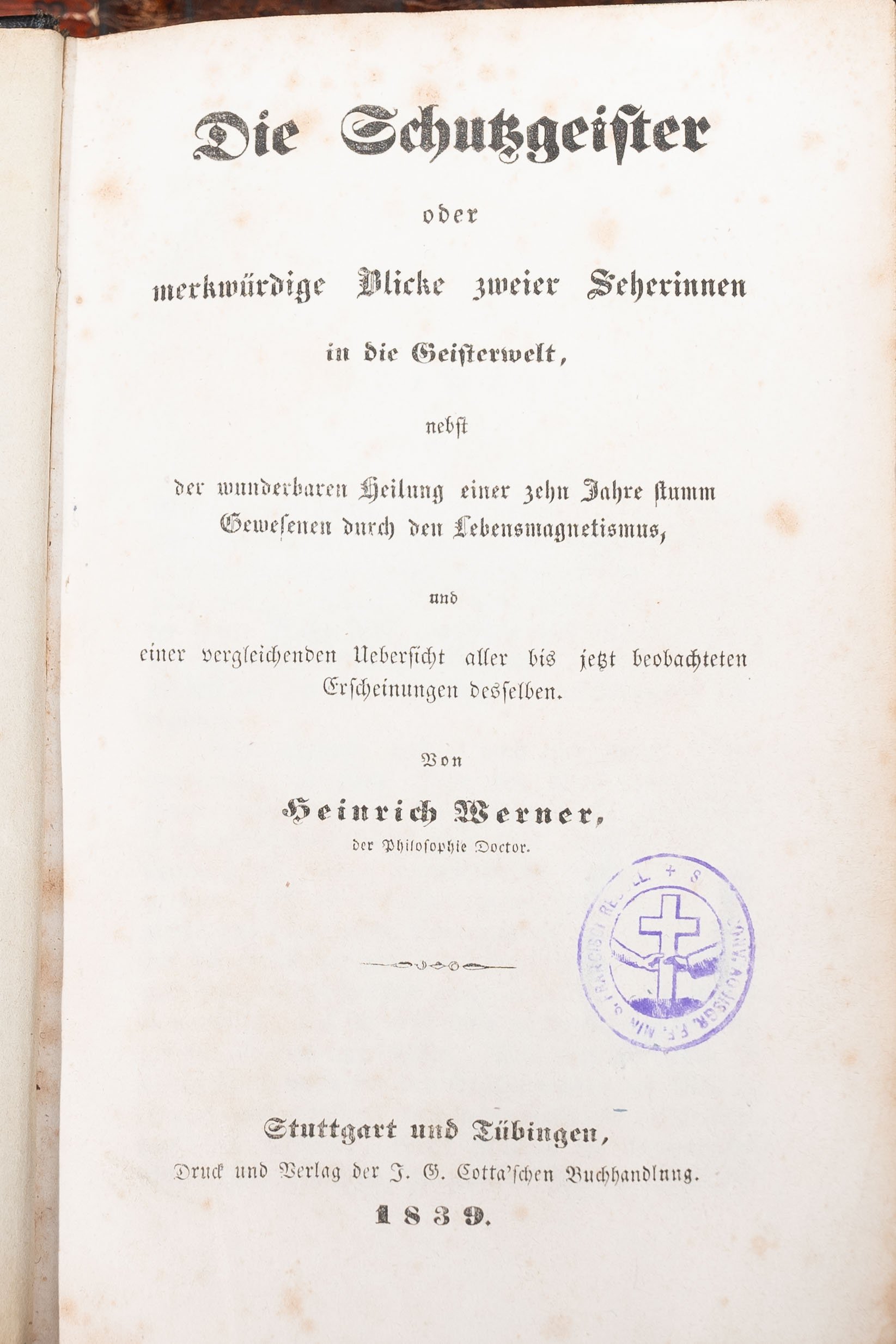 Image 6 of 9
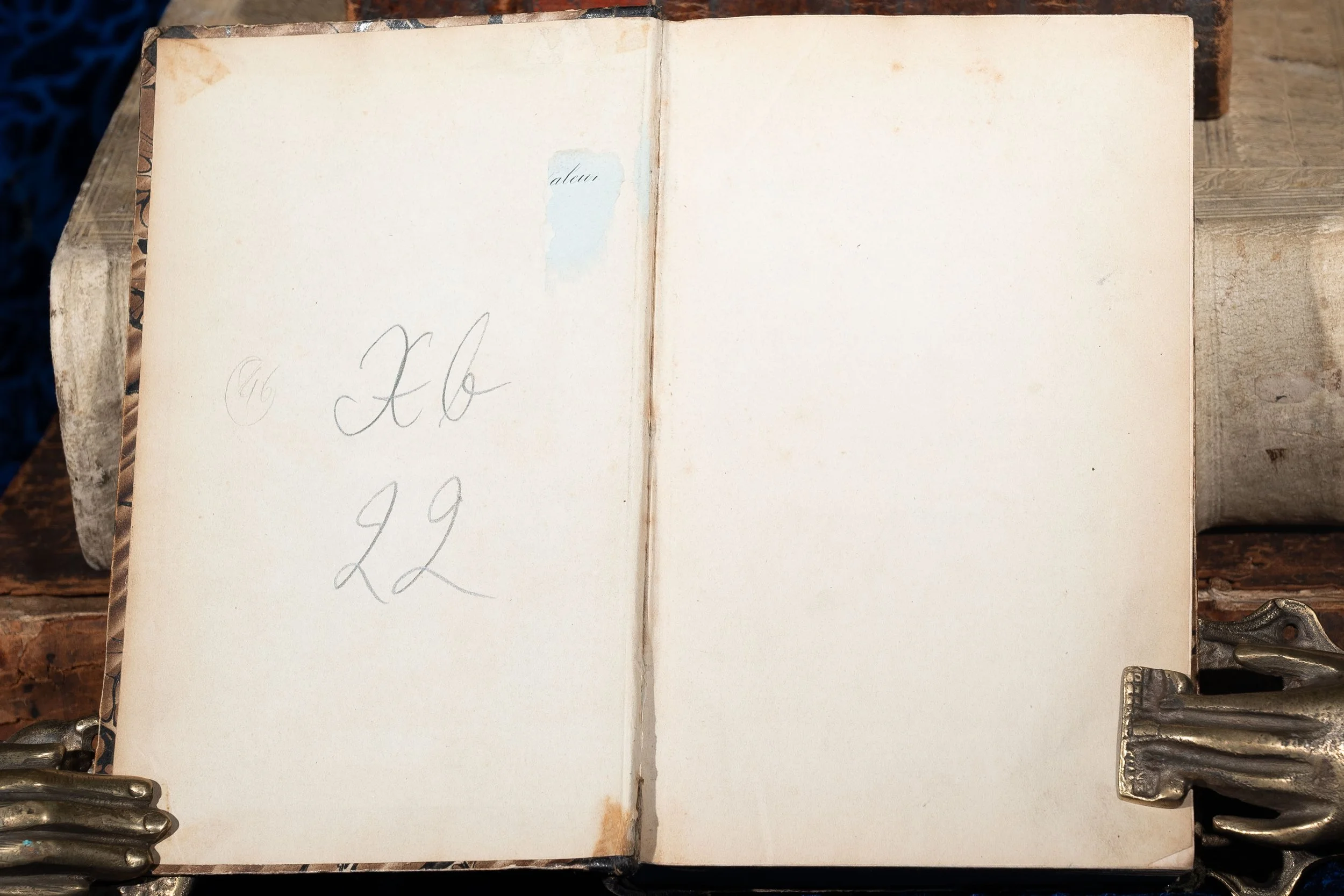 Image 7 of 9
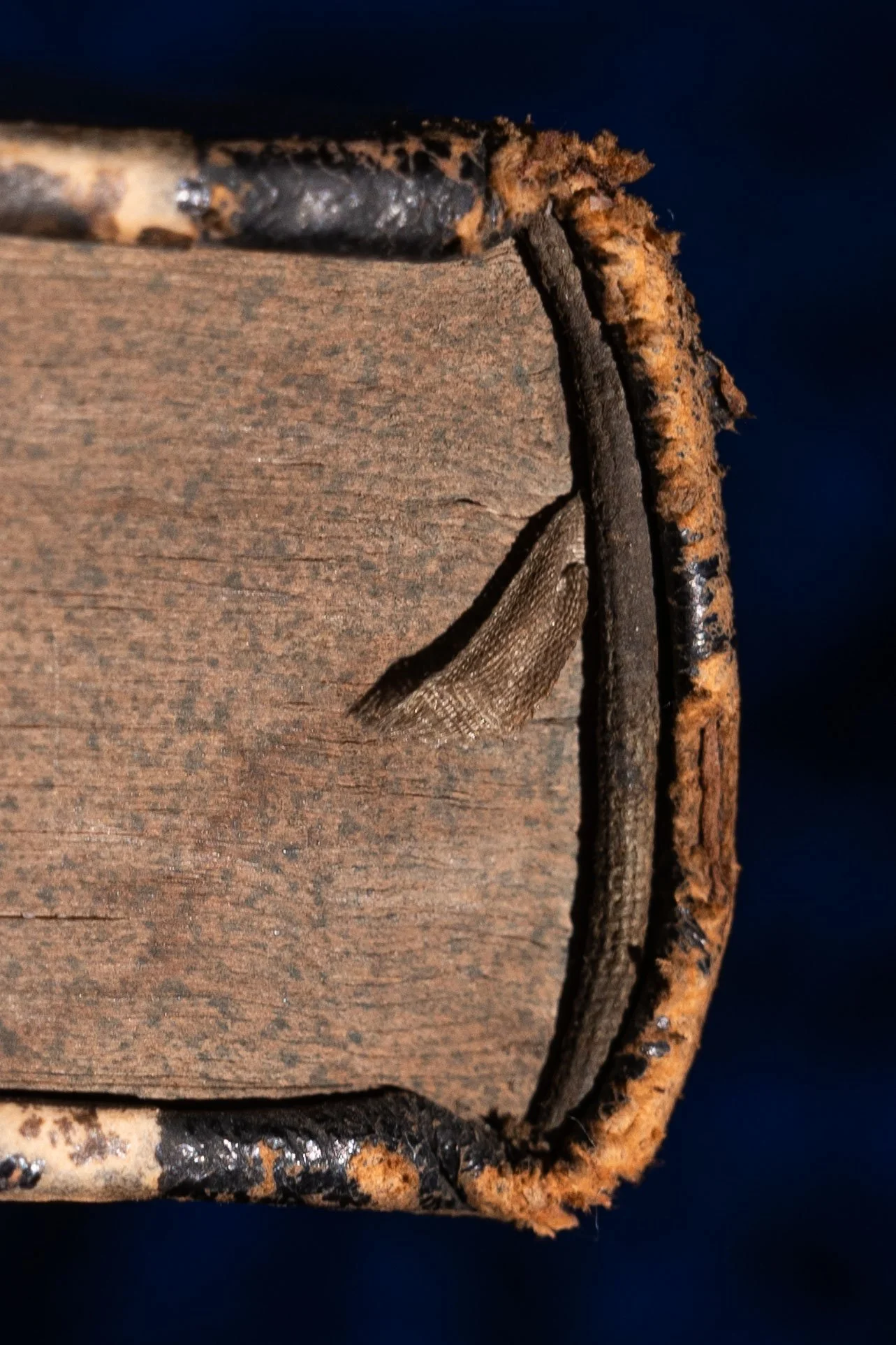 Image 8 of 9
 Image 9 of 9