For three centuries the books on our shelves called it possession. In 1838 Esquirol called it démonomanie and gave it a chapter of its own. This is the book in which the demons became symptoms, and Ambroise Tardieu’s twenty-seven engraved portraits are the faces the new medicine thought it could read. This copy has never been trimmed: it survives in the publisher’s own boards, the printed wrappers pasted on, the margins as wide as the day it left Baillière’s shop, with the stamp of the physician-collector Ugo Viviani.
Jean-Étienne Esquirol’s Des maladies mentales examines mental illness from medical and legal perspectives. This first edition comprises two text volumes, with Ambroise Tardieu’s atlas of twenty-seven engraved plates bound at the rear of the first. For a collection concerned with the history of possession and witchcraft, its section on “Démonomanie” offers a particularly revealing encounter between older accounts and nineteenth-century medicine.
Esquirol reads accounts of demonic possession and religious experience through the clinical categories of his period. The language is often familiar from demonological books; the explanation has changed. A reader can follow what a physician does with material previously discussed in theological terms, and which assumptions he brings to that task. This is one of the reasons the work belongs in a history of esotericism as well as a history of medicine.
Tardieu’s portraits add another question: what did a physician expect to learn about a person’s mental state from the appearance of the face? The images reflect the period’s belief that bodily appearance could help identify mental disorders. Read beside Esquirol’s descriptions, they make that belief available for close examination. His categories should remain clearly identified as nineteenth-century interpretations.
The copy bears the library stamp of Dr. Ugo Viviani (1871–1944), a physician with antiquarian interests. It retains contemporary boards with the original printed wrappers pasted on, and the untrimmed text leaves preserve their wide margins. The atlas is complete as collated below. Binding wear and foxing are recorded in the condition description.
Before the doctors, the demonologists. Read Esquirol’s chapter on démonomanie beside two older voices on the same subject: Del Rio’s Disquisitions on Magic (1633), the witch-hunter’s handbook, and Tartarotti on the Witches’ Sabbath (1749), an Enlightenment priest’s doubts.
ESQUIROL, Jean-Étienne Dominique (1772–1840). Des maladies mentales: considérées sous les rapports médical, hygiénique et médico-légal. Paris: J. B. Baillière, 1838. First Edition. Two volumes (Text Vol. I & II; Atlas bound into rear of Vol. I). 8vo (215 x 135 mm).
Pagination & Collation: Vol. I: pp. xviii (faux-titre, titre, avant-propos), 678; [Atlas]: 1 f. (original printed wrapper for the Atlas), pp. [4] (title, table of plates), 27 engraved plates (numbered 1–27). Vol. II: pp. [4] (faux-titre, titre), 864.
Illustrations: Complete with the Atlas of 27 engraved plates by Ambroise Tardieu.
Binding: Bound in contemporary cardboard boards (cartonnage) preserving the original printed wrappers pasted to the boards. Spines covered in cloth with gilt lettering and numbering. The text block remains untrimmed (non rogné), preserving the full, wide margins and the rough edges of the paper stock.
Condition: Light foxing throughout the text volumes, consistent with paper stock of this period; light wear to the binding extremities. Overall a Good, honest copy in its original, unsophisticated state.
For three centuries the books on our shelves called it possession. In 1838 Esquirol called it démonomanie and gave it a chapter of its own. This is the book in which the demons became symptoms, and Ambroise Tardieu’s twenty-seven engraved portraits are the faces the new medicine thought it could read. This copy has never been trimmed: it survives in the publisher’s own boards, the printed wrappers pasted on, the margins as wide as the day it left Baillière’s shop, with the stamp of the physician-collector Ugo Viviani.
Jean-Étienne Esquirol’s Des maladies mentales examines mental illness from medical and legal perspectives. This first edition comprises two text volumes, with Ambroise Tardieu’s atlas of twenty-seven engraved plates bound at the rear of the first. For a collection concerned with the history of possession and witchcraft, its section on “Démonomanie” offers a particularly revealing encounter between older accounts and nineteenth-century medicine.
Esquirol reads accounts of demonic possession and religious experience through the clinical categories of his period. The language is often familiar from demonological books; the explanation has changed. A reader can follow what a physician does with material previously discussed in theological terms, and which assumptions he brings to that task. This is one of the reasons the work belongs in a history of esotericism as well as a history of medicine.
Tardieu’s portraits add another question: what did a physician expect to learn about a person’s mental state from the appearance of the face? The images reflect the period’s belief that bodily appearance could help identify mental disorders. Read beside Esquirol’s descriptions, they make that belief available for close examination. His categories should remain clearly identified as nineteenth-century interpretations.
The copy bears the library stamp of Dr. Ugo Viviani (1871–1944), a physician with antiquarian interests. It retains contemporary boards with the original printed wrappers pasted on, and the untrimmed text leaves preserve their wide margins. The atlas is complete as collated below. Binding wear and foxing are recorded in the condition description.
Before the doctors, the demonologists. Read Esquirol’s chapter on démonomanie beside two older voices on the same subject: Del Rio’s Disquisitions on Magic (1633), the witch-hunter’s handbook, and Tartarotti on the Witches’ Sabbath (1749), an Enlightenment priest’s doubts.
ESQUIROL, Jean-Étienne Dominique (1772–1840). Des maladies mentales: considérées sous les rapports médical, hygiénique et médico-légal. Paris: J. B. Baillière, 1838. First Edition. Two volumes (Text Vol. I & II; Atlas bound into rear of Vol. I). 8vo (215 x 135 mm).
Pagination & Collation: Vol. I: pp. xviii (faux-titre, titre, avant-propos), 678; [Atlas]: 1 f. (original printed wrapper for the Atlas), pp. [4] (title, table of plates), 27 engraved plates (numbered 1–27). Vol. II: pp. [4] (faux-titre, titre), 864.
Illustrations: Complete with the Atlas of 27 engraved plates by Ambroise Tardieu.
Binding: Bound in contemporary cardboard boards (cartonnage) preserving the original printed wrappers pasted to the boards. Spines covered in cloth with gilt lettering and numbering. The text block remains untrimmed (non rogné), preserving the full, wide margins and the rough edges of the paper stock.
Condition: Light foxing throughout the text volumes, consistent with paper stock of this period; light wear to the binding extremities. Overall a Good, honest copy in its original, unsophisticated state.

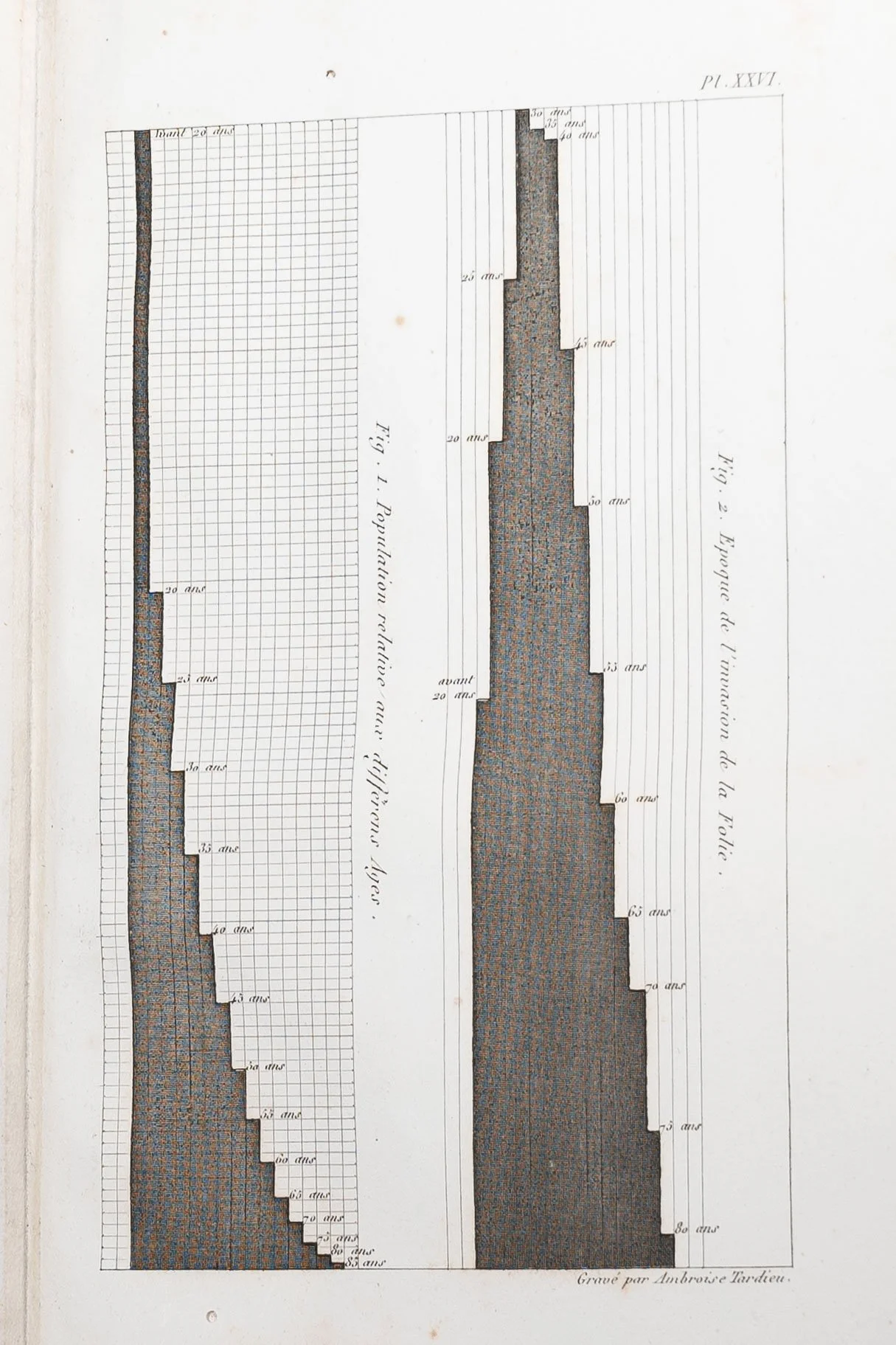 Image 1 of 35
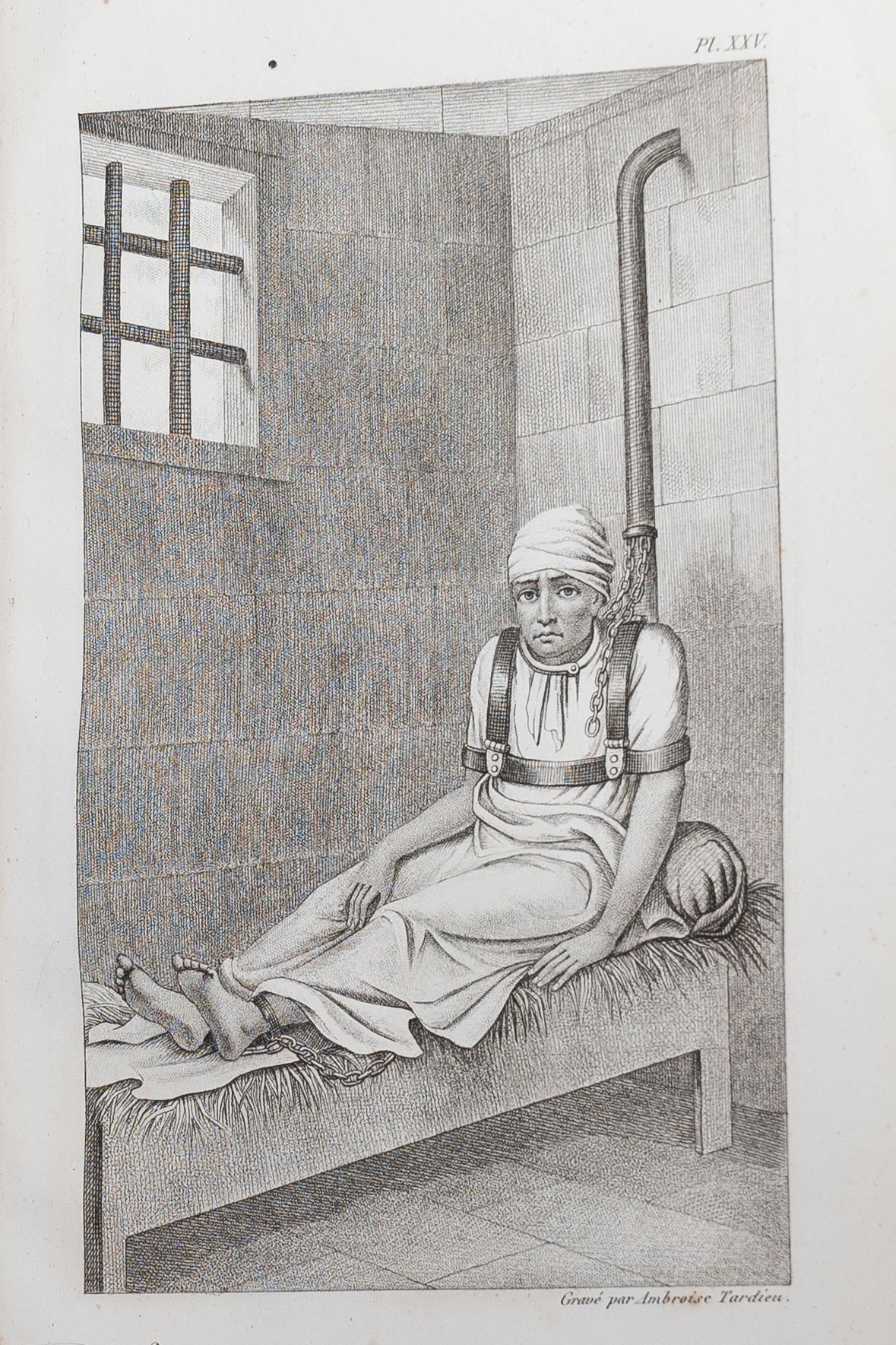 Image 2 of 35
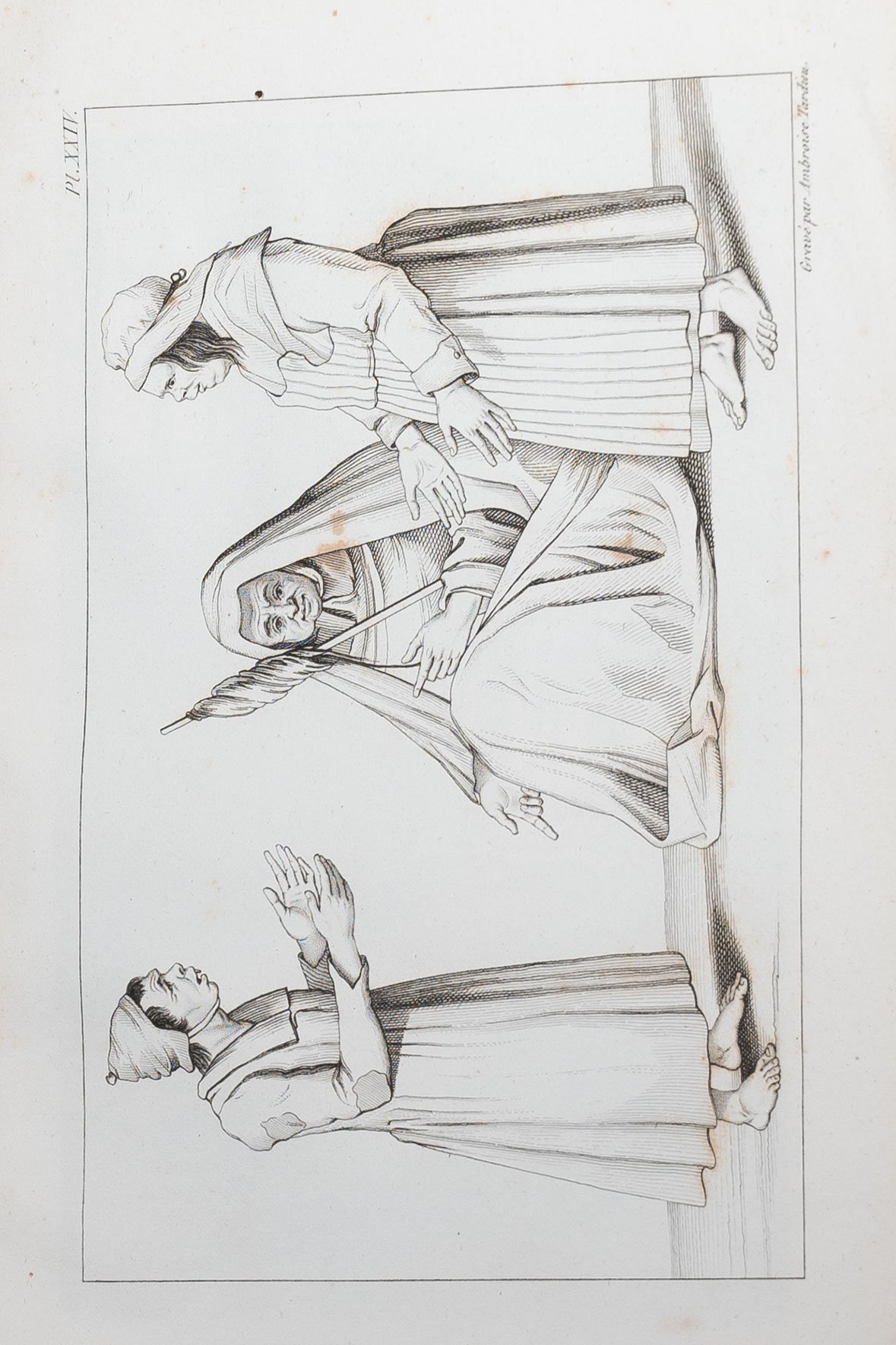 Image 3 of 35
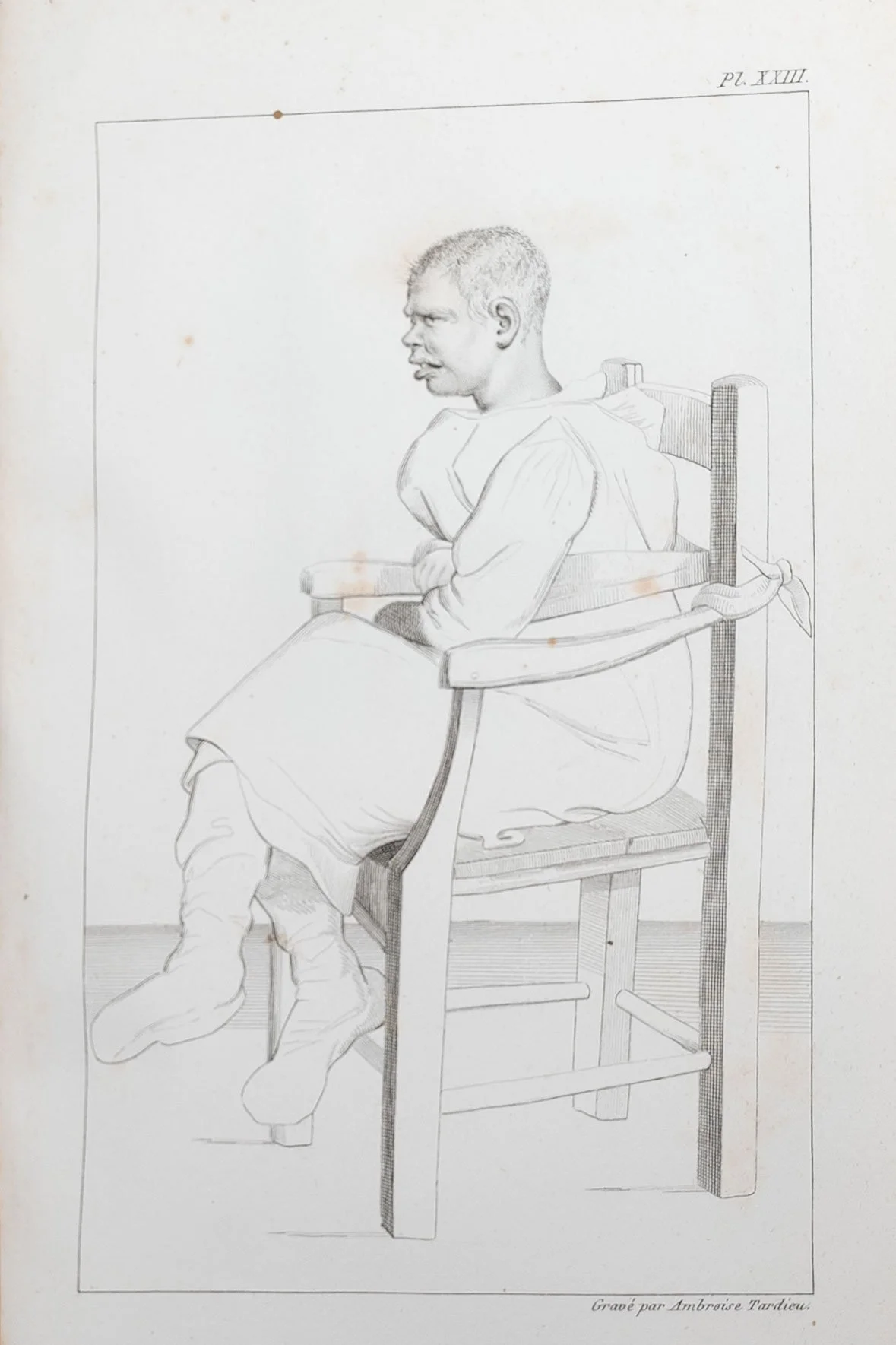 Image 4 of 35
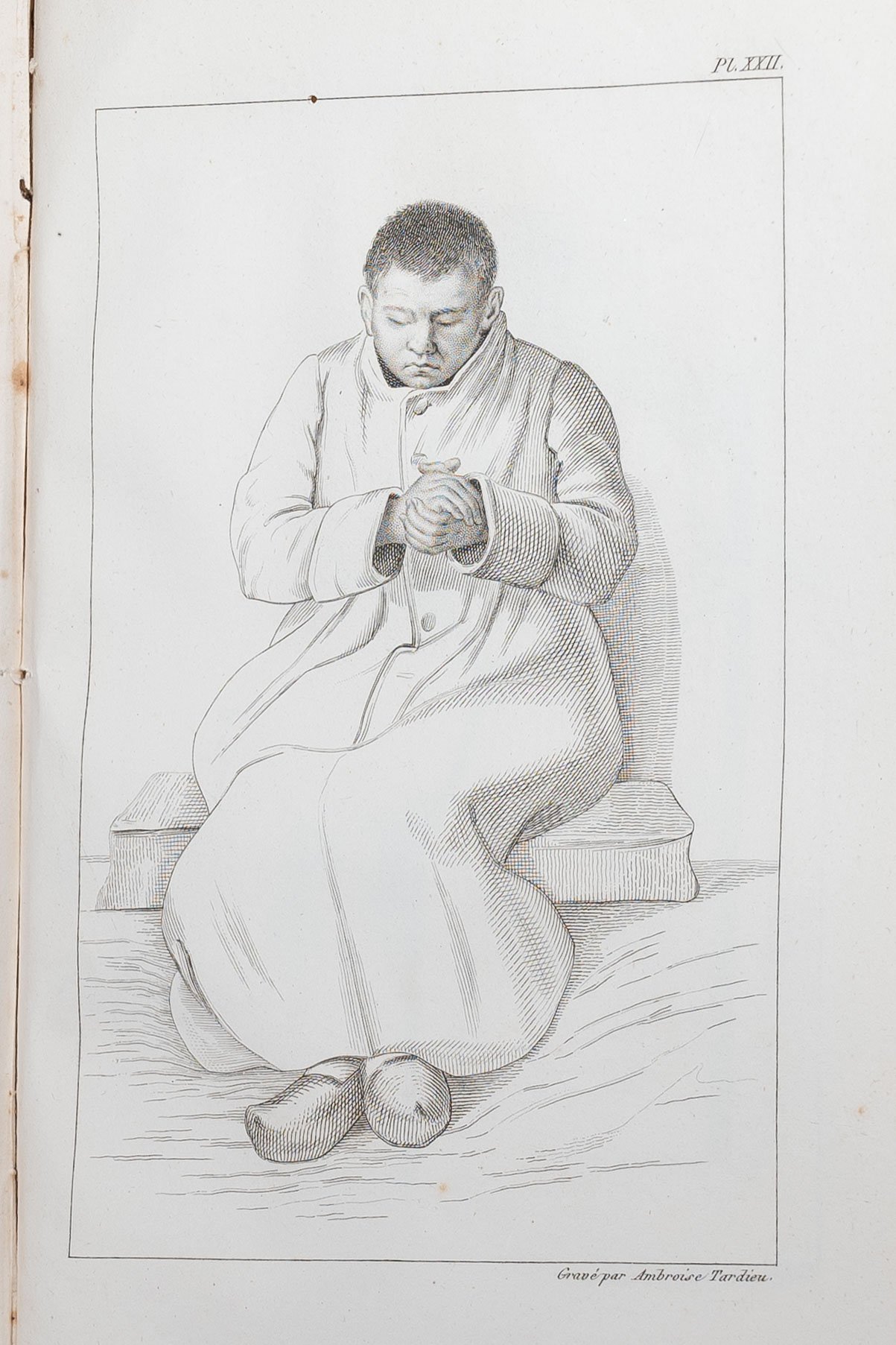 Image 5 of 35
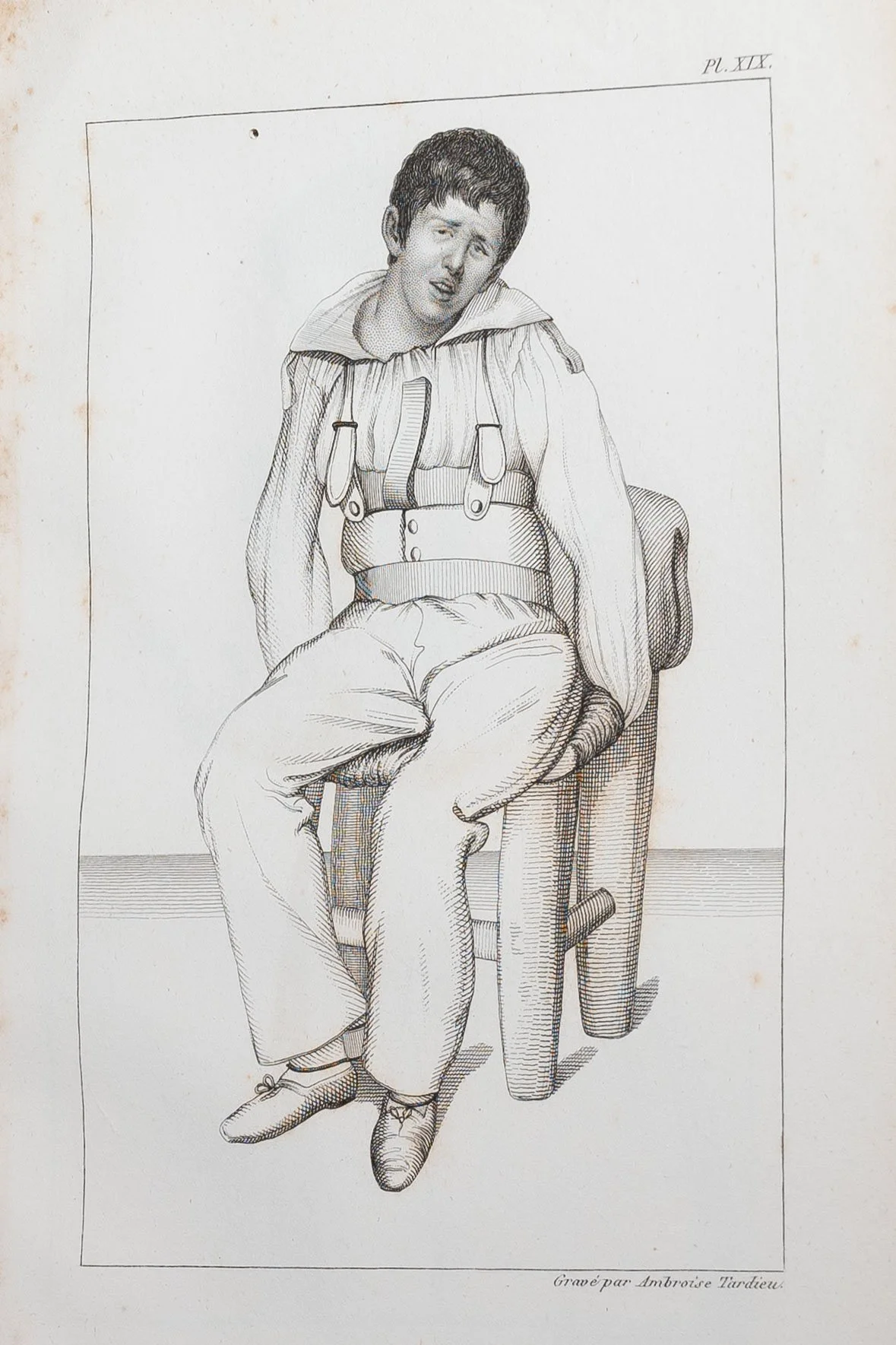 Image 6 of 35
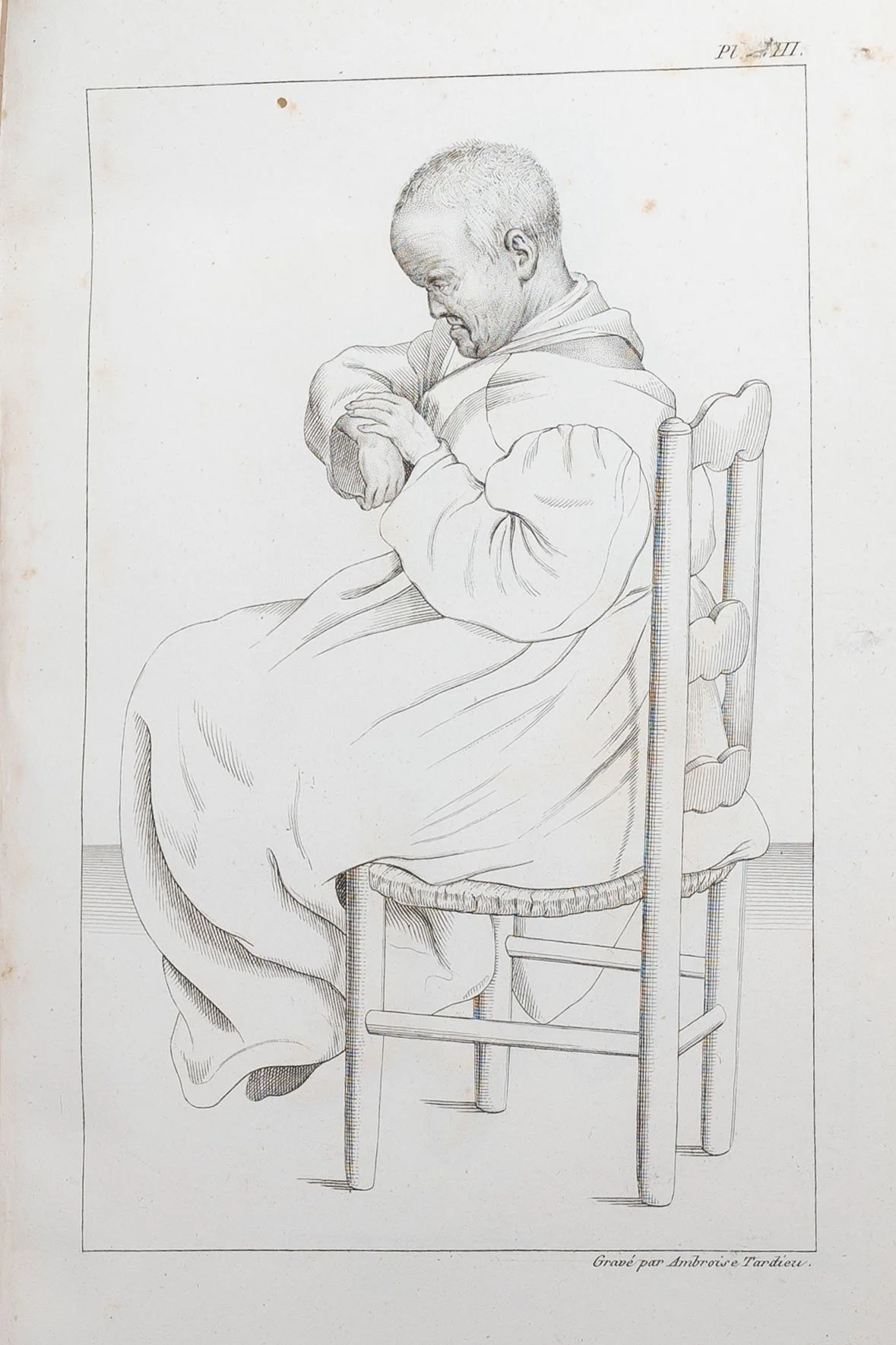 Image 7 of 35
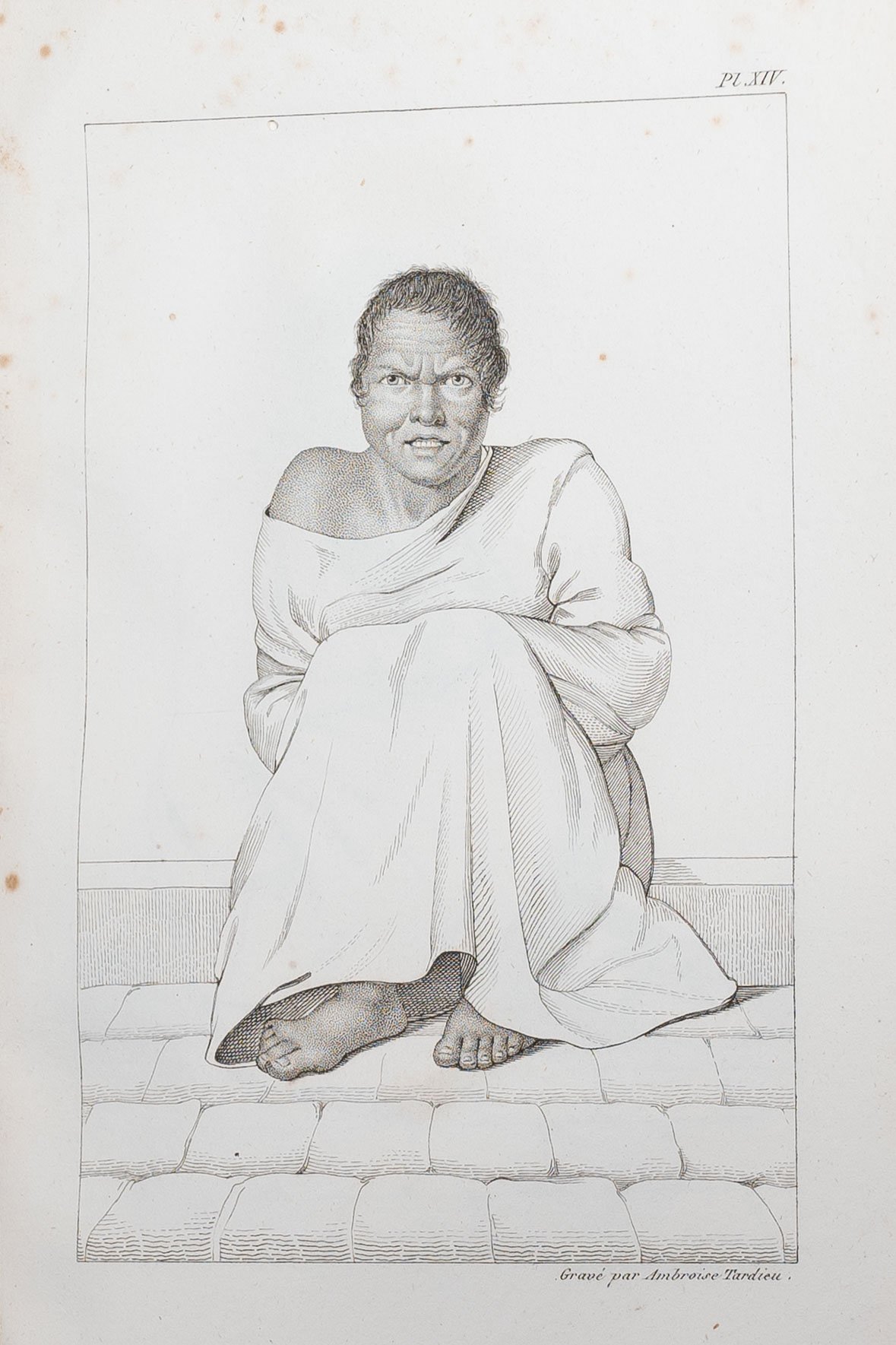 Image 8 of 35
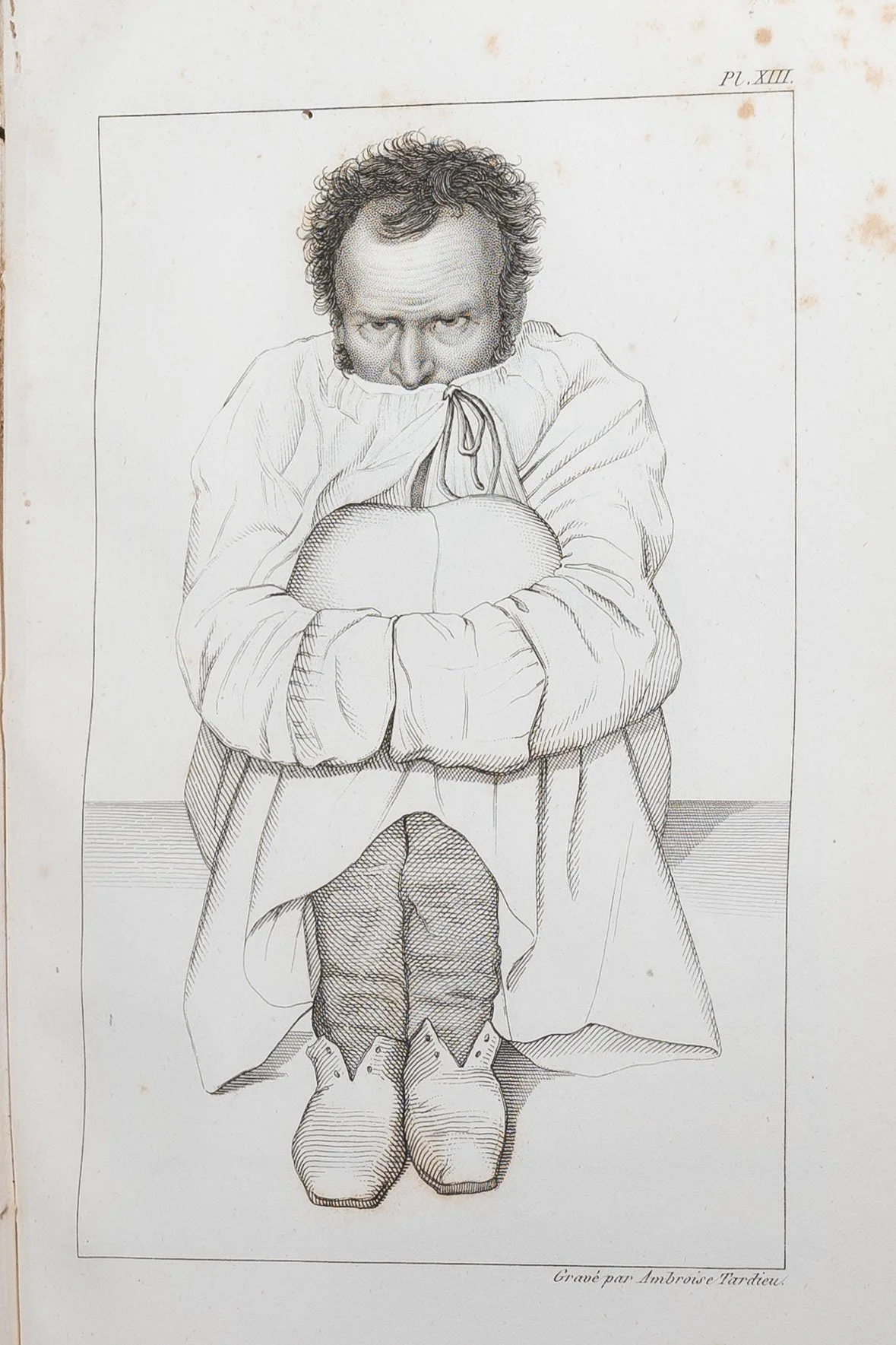 Image 9 of 35
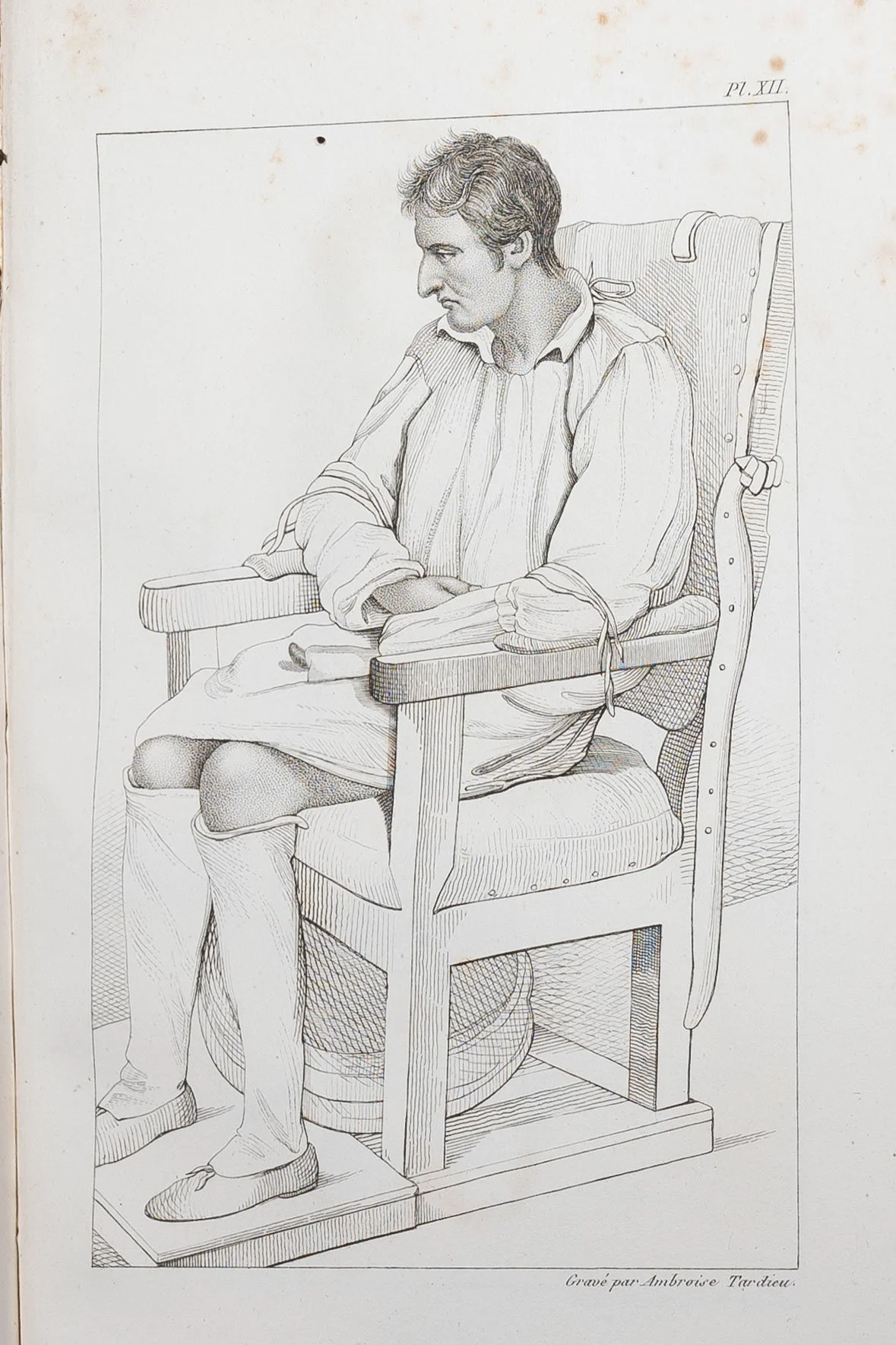 Image 10 of 35
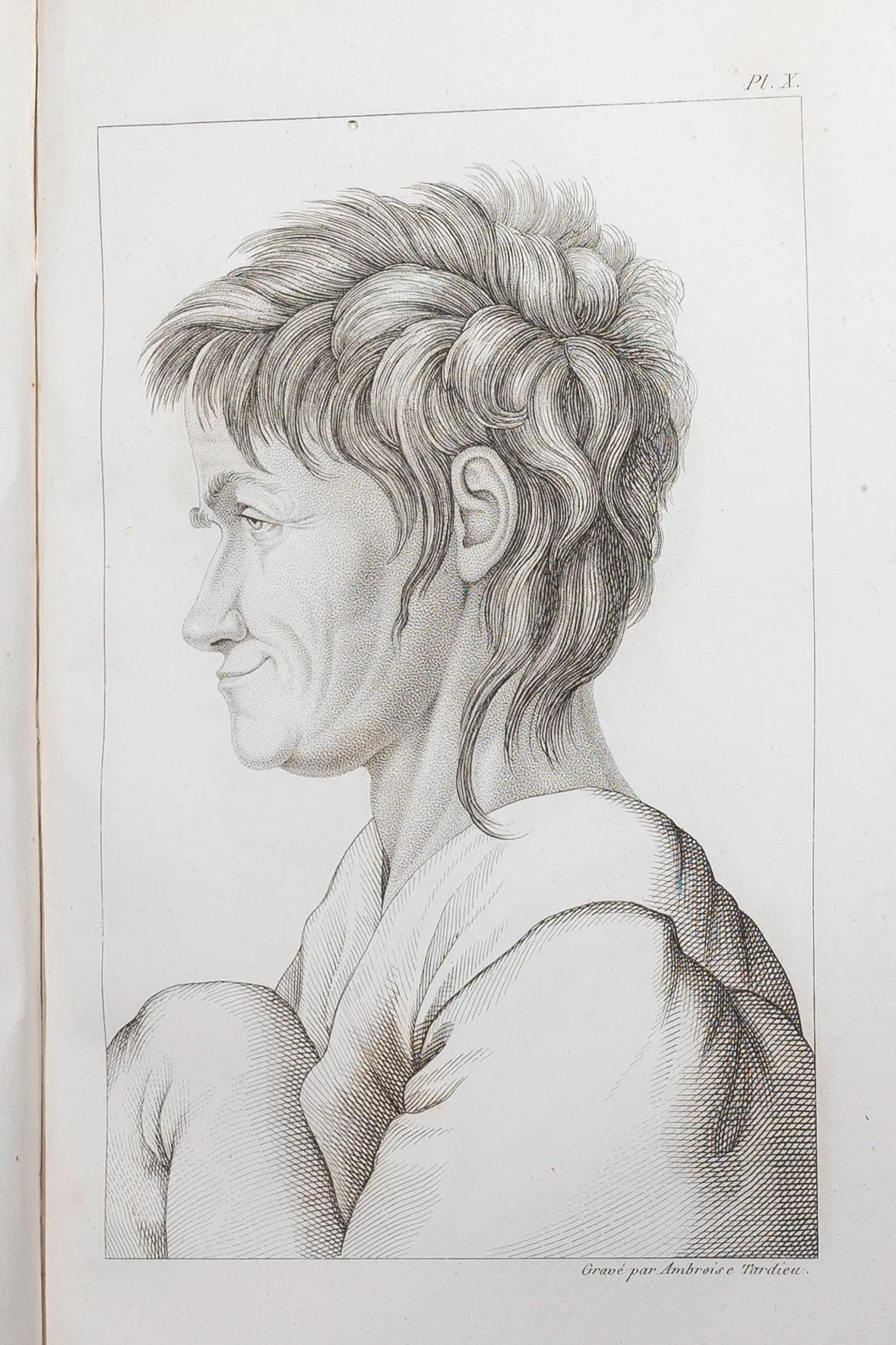 Image 11 of 35
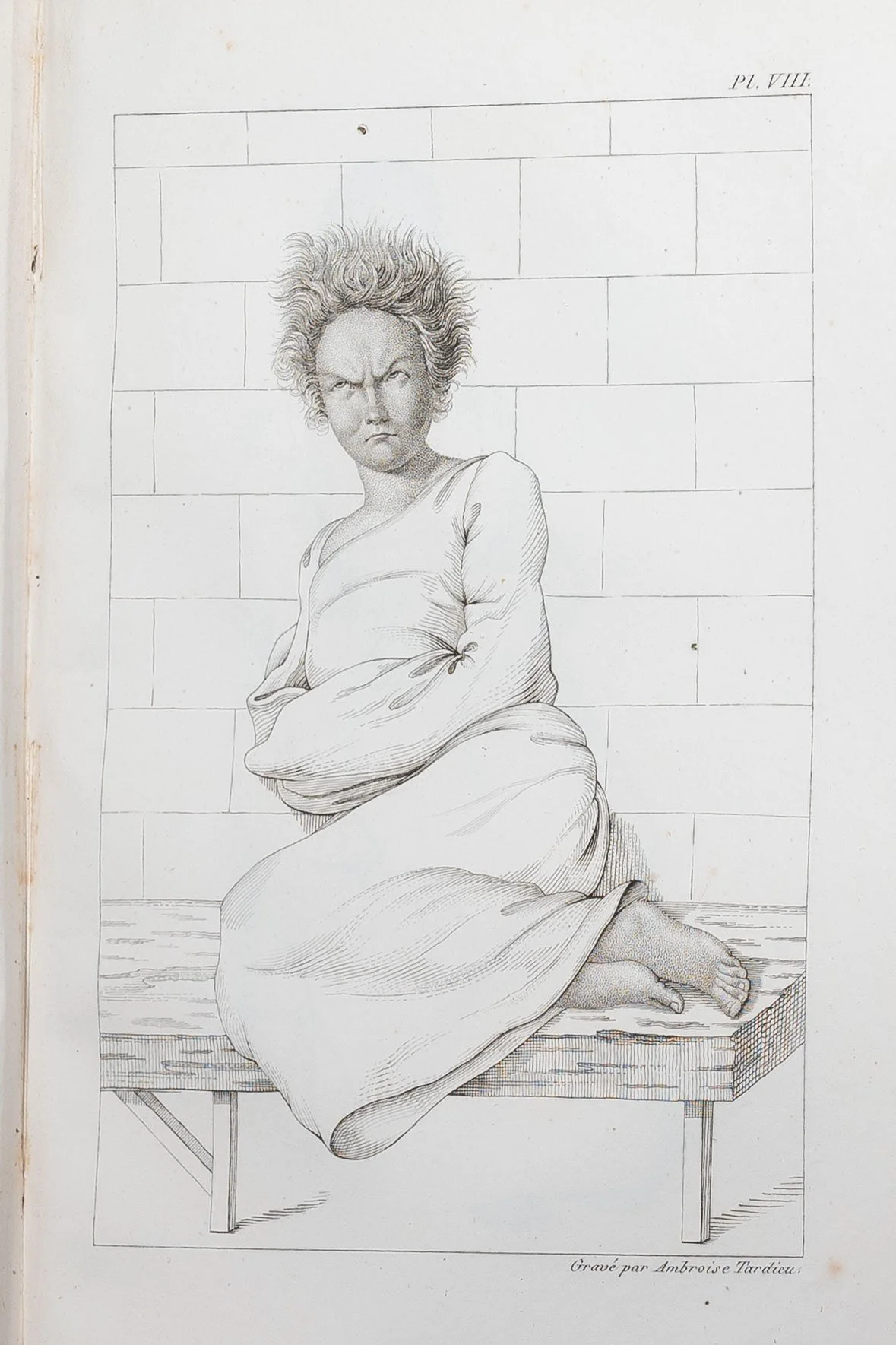 Image 12 of 35
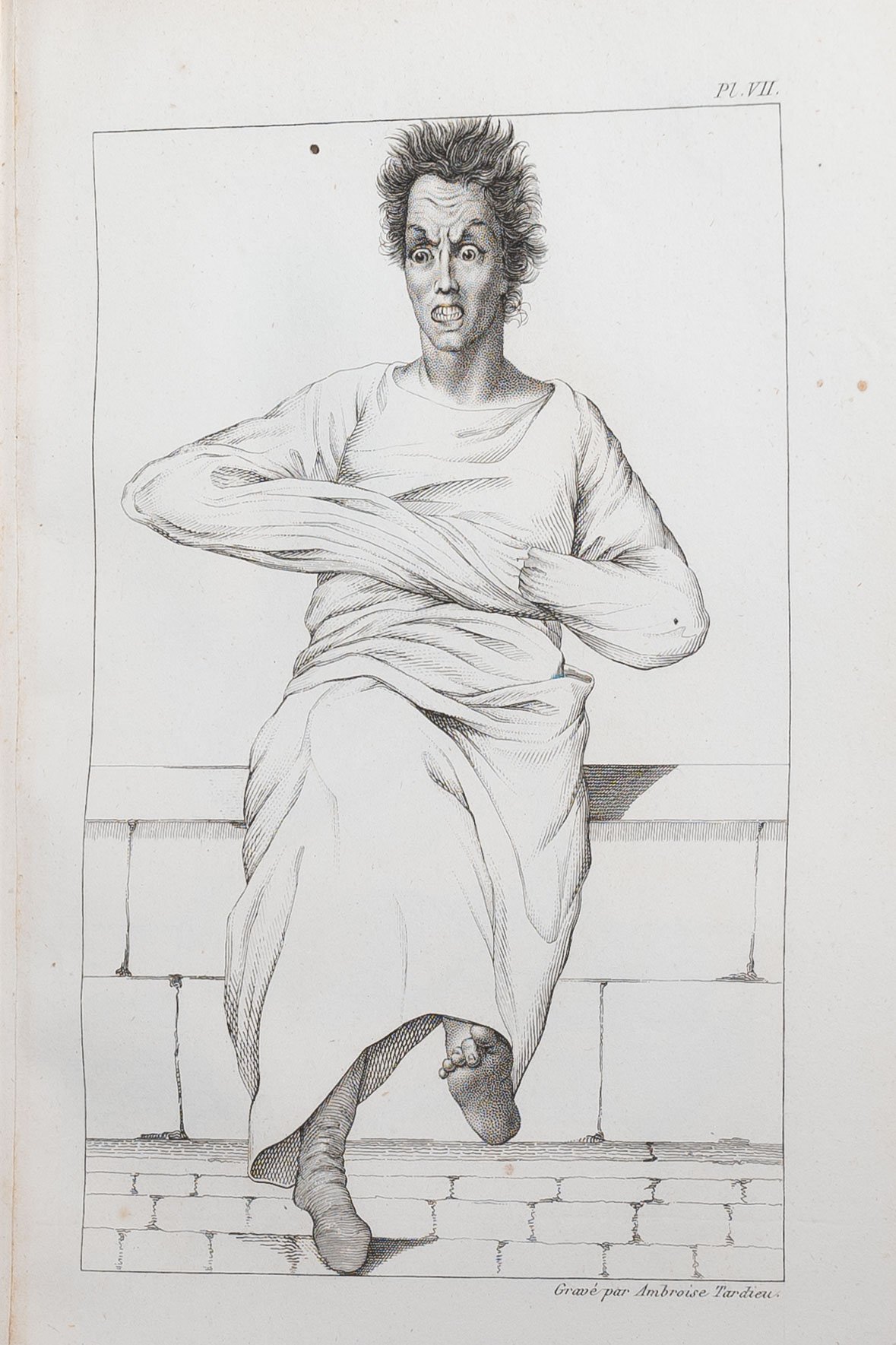 Image 13 of 35
 Image 14 of 35
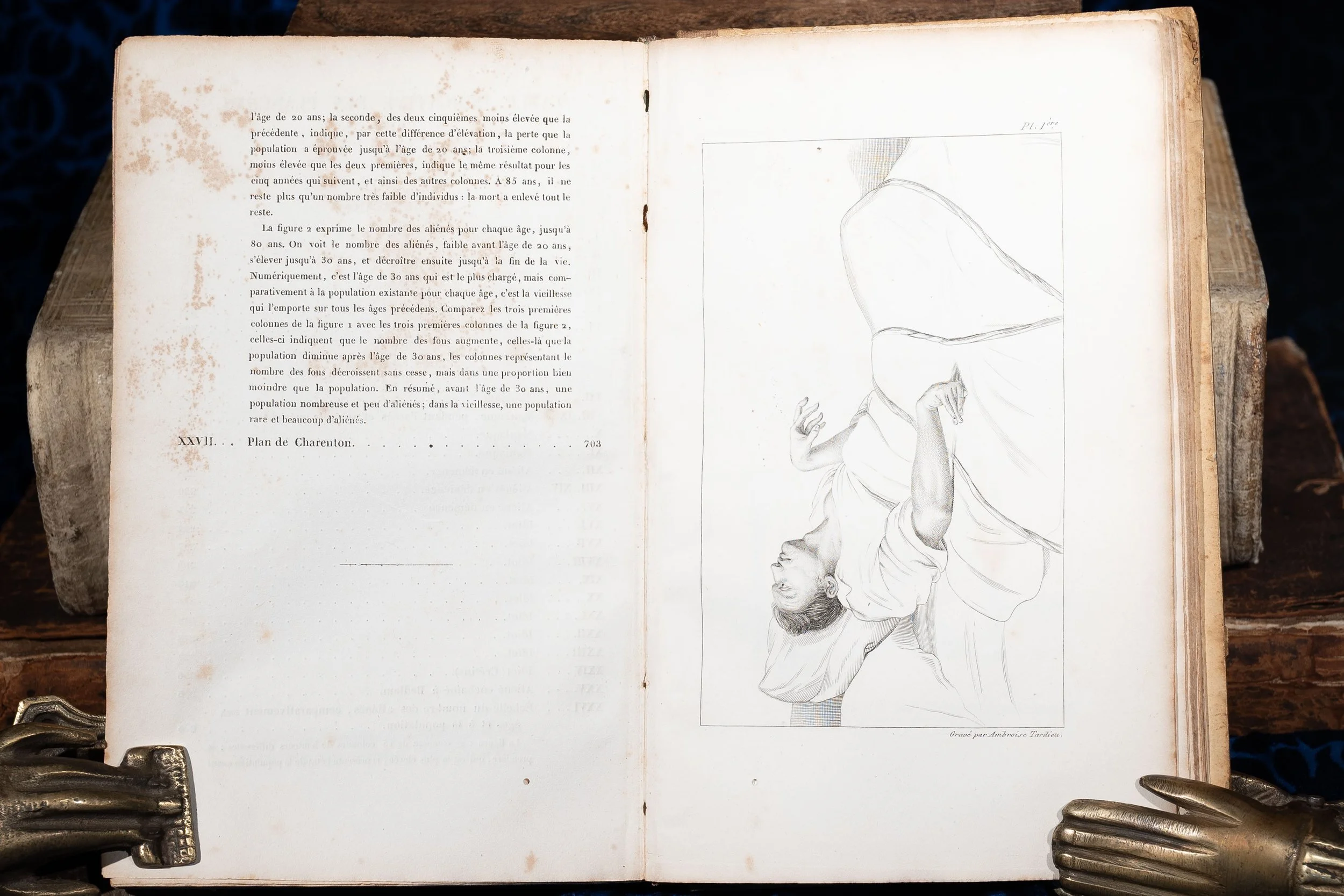 Image 15 of 35
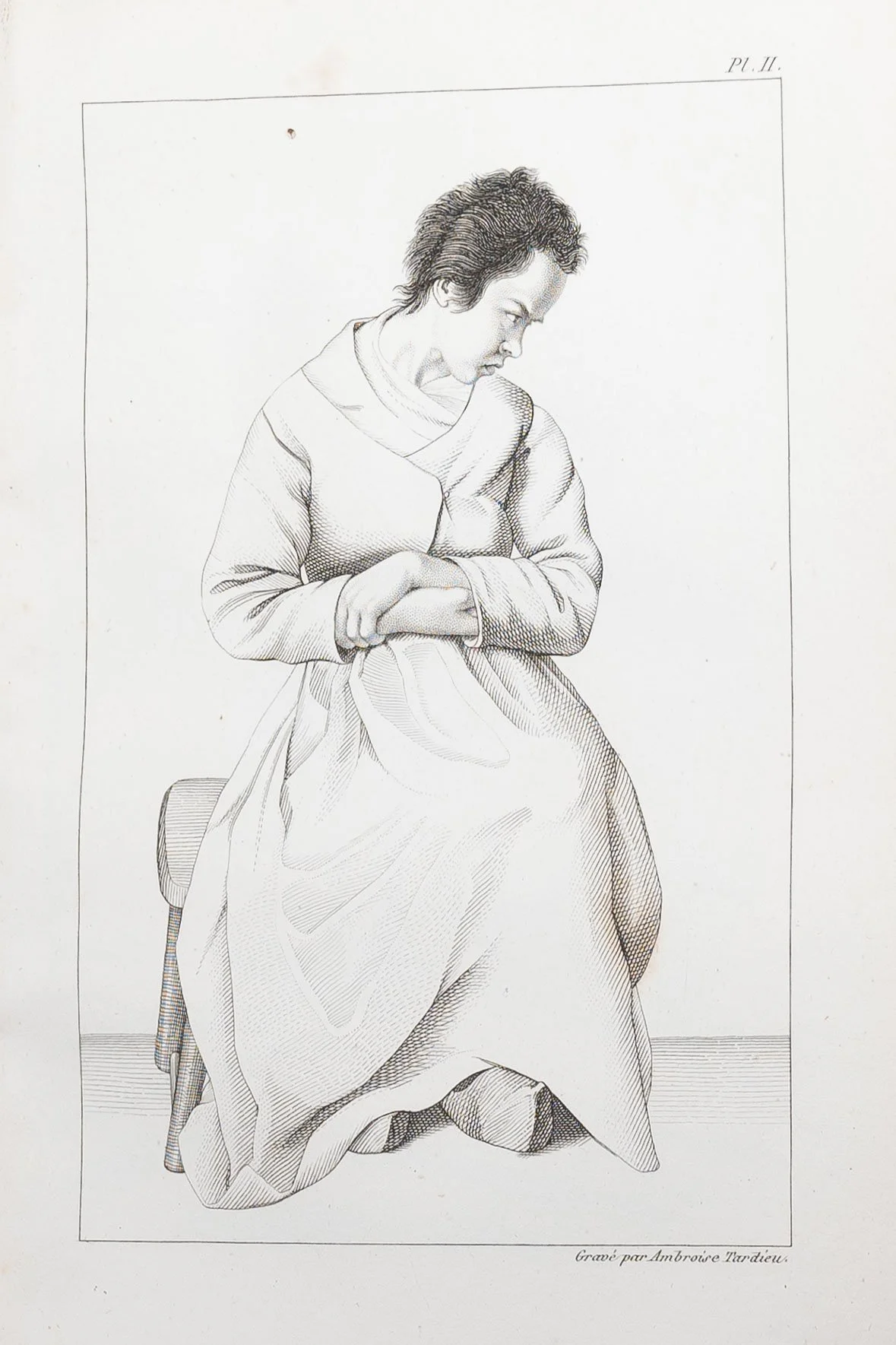 Image 16 of 35
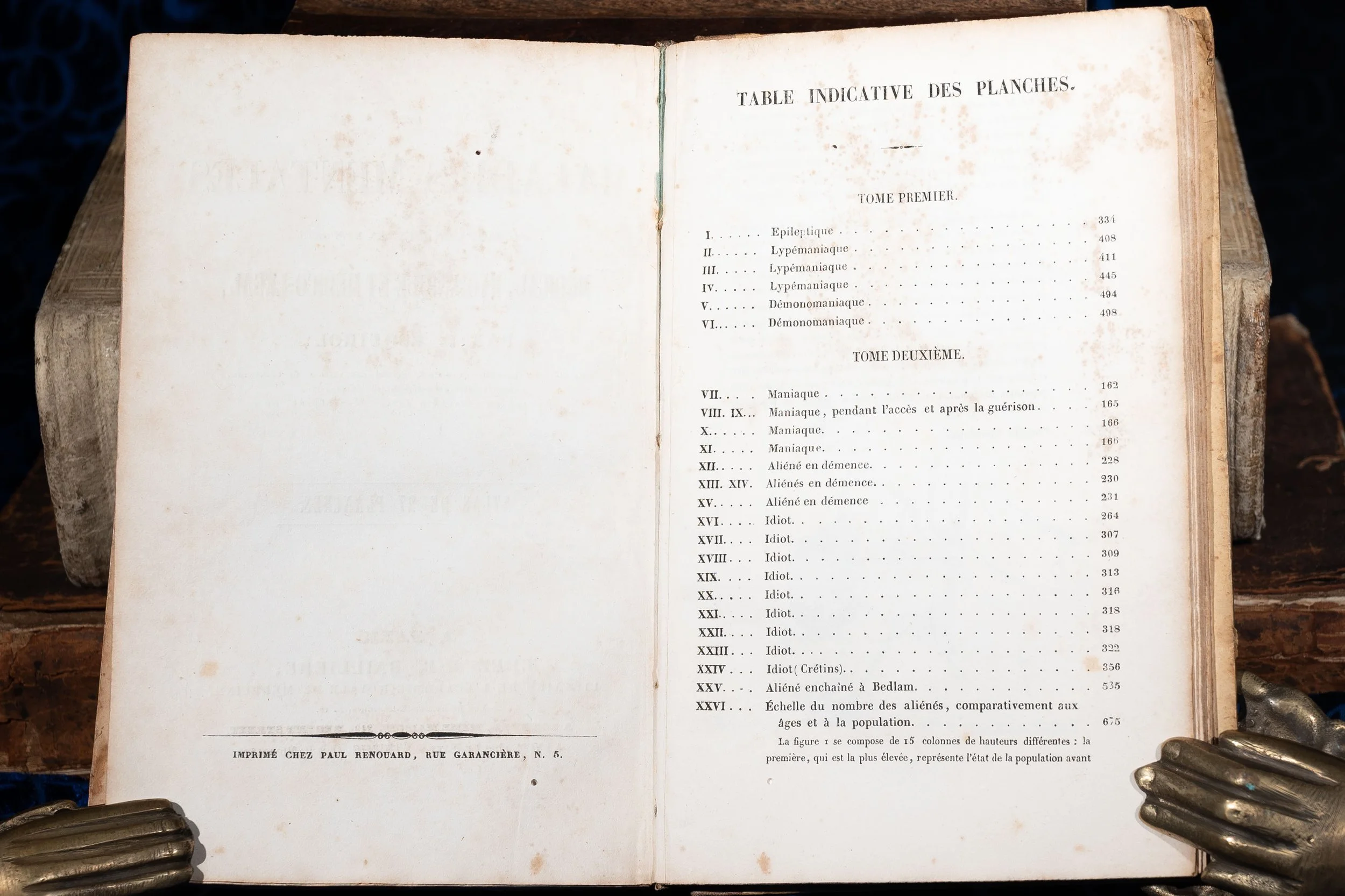 Image 17 of 35
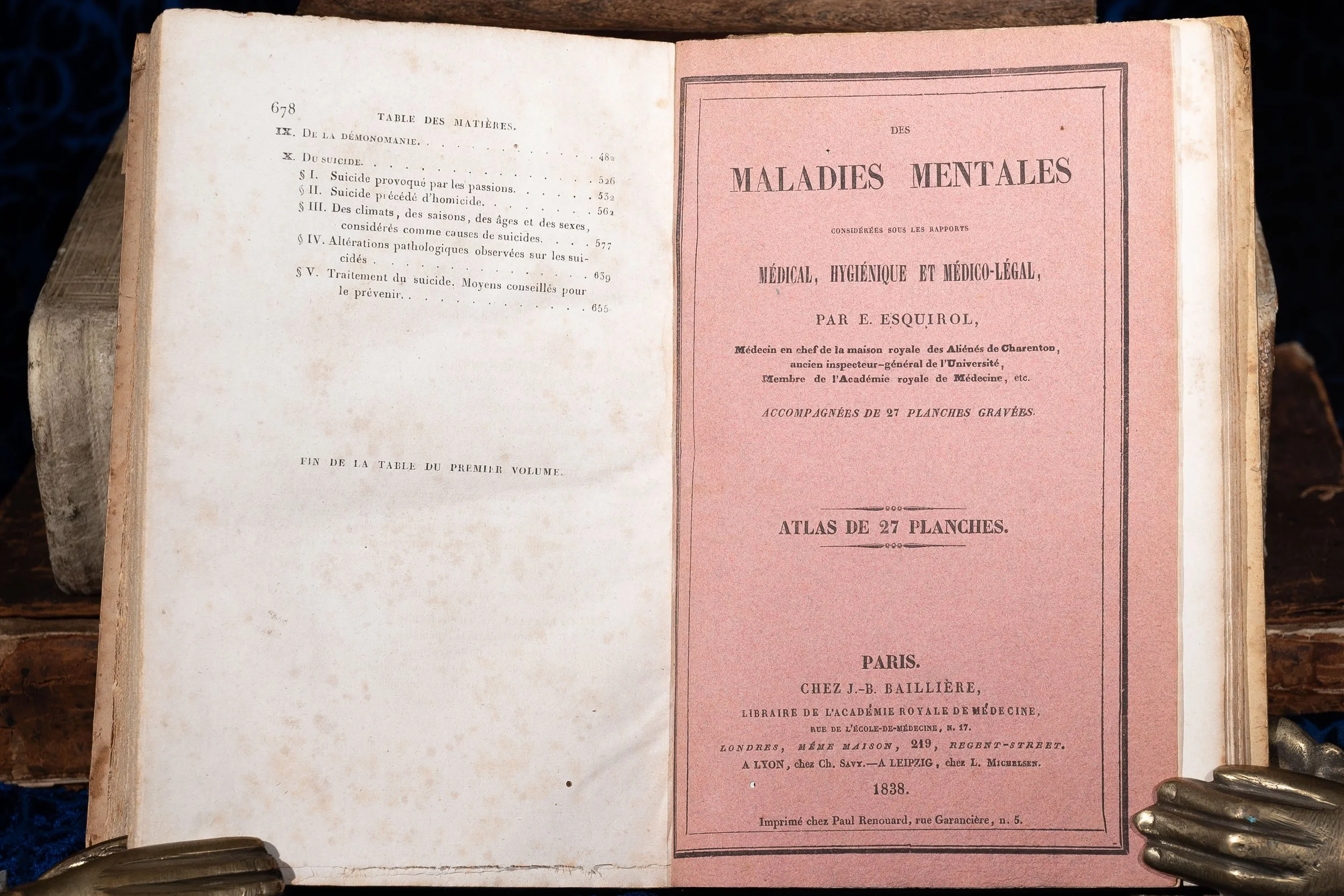 Image 18 of 35
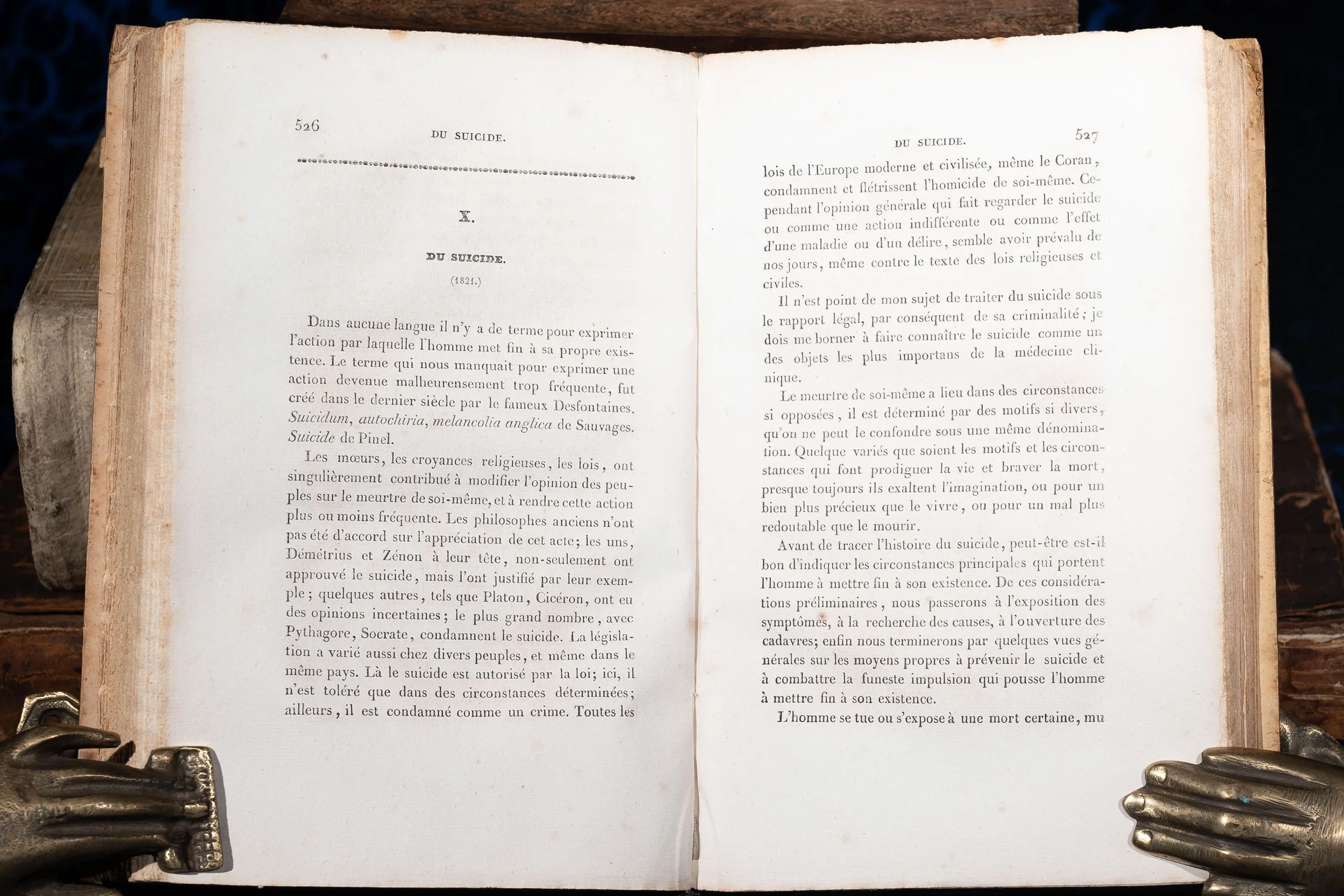 Image 19 of 35
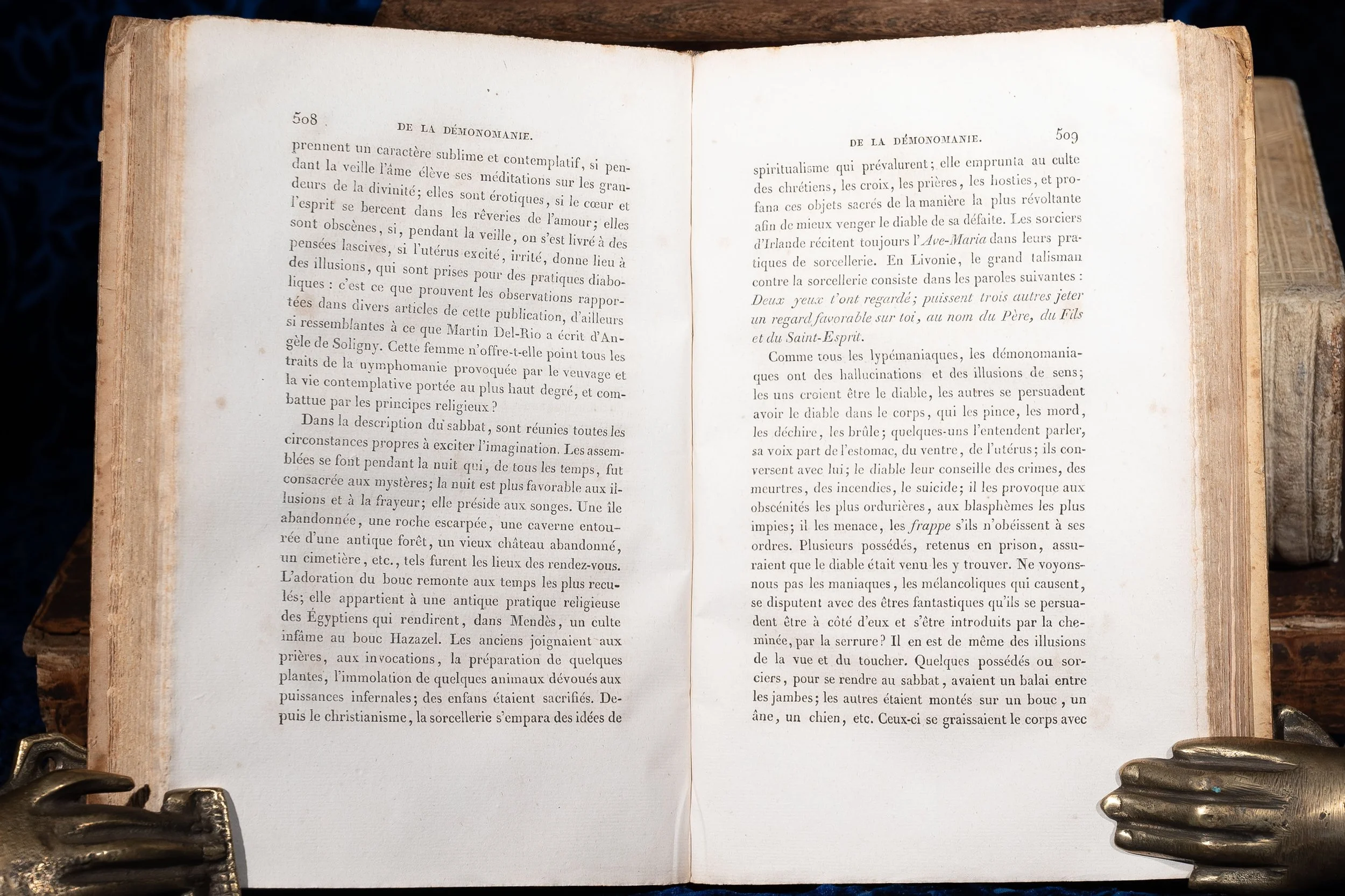 Image 20 of 35
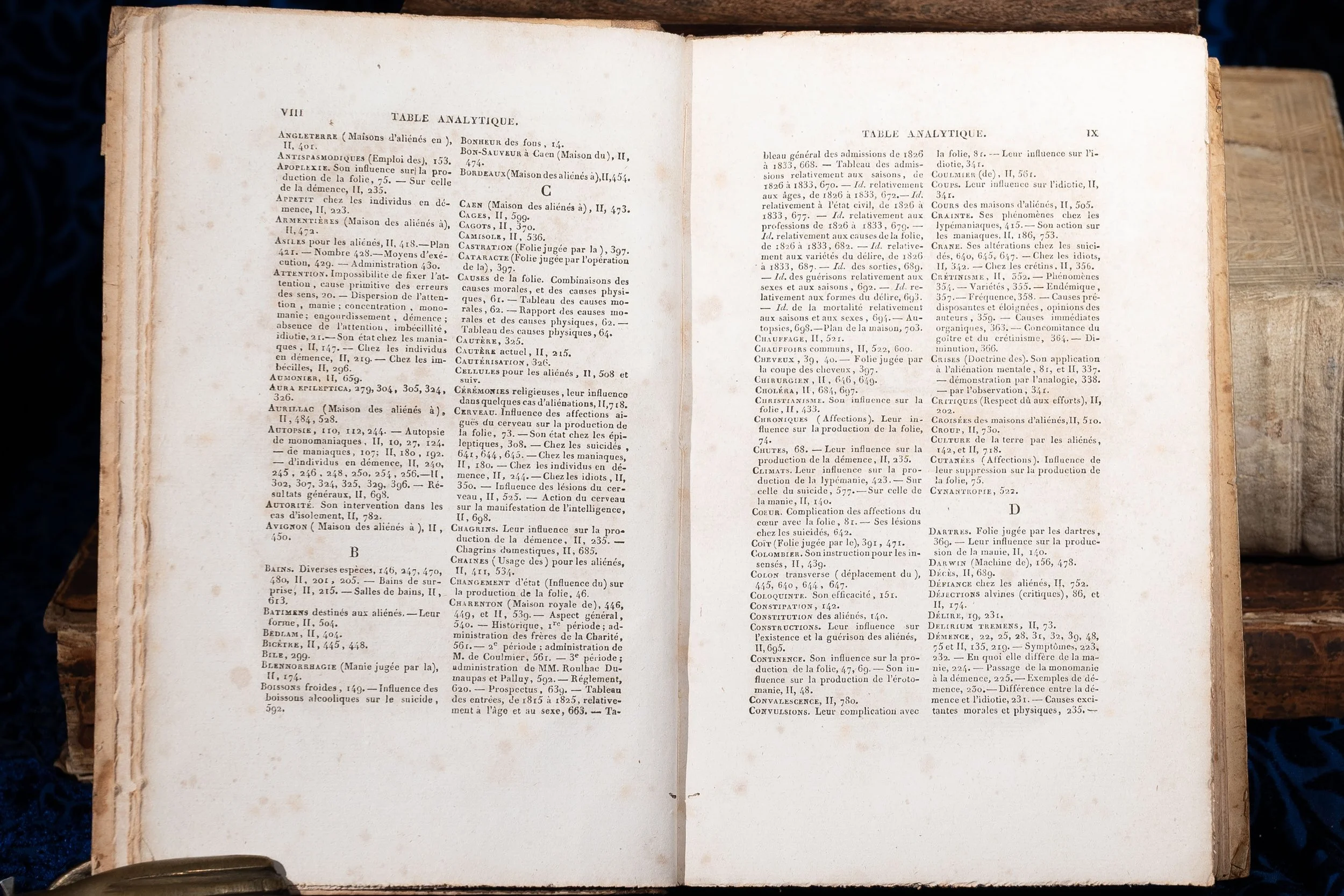 Image 21 of 35
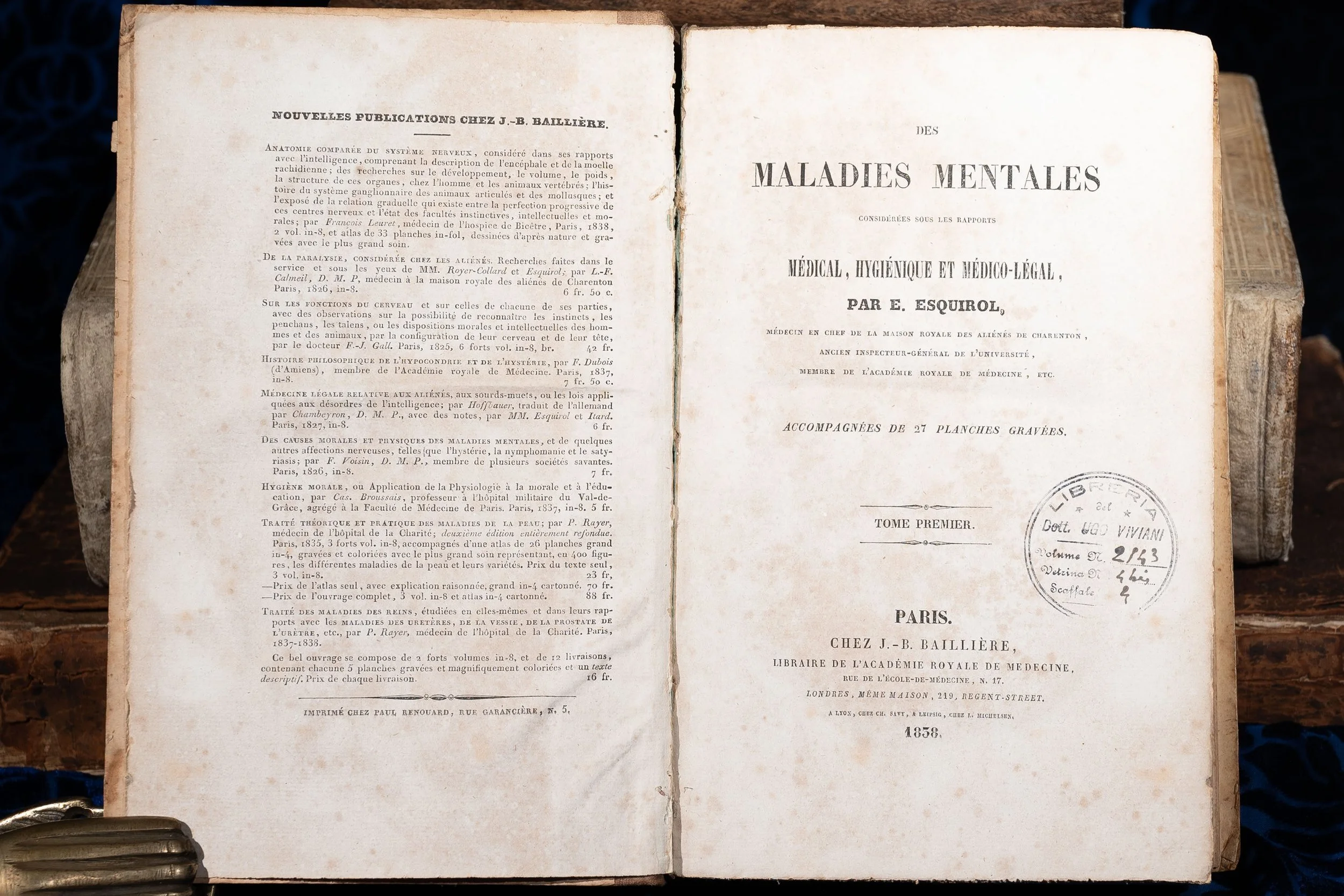 Image 22 of 35
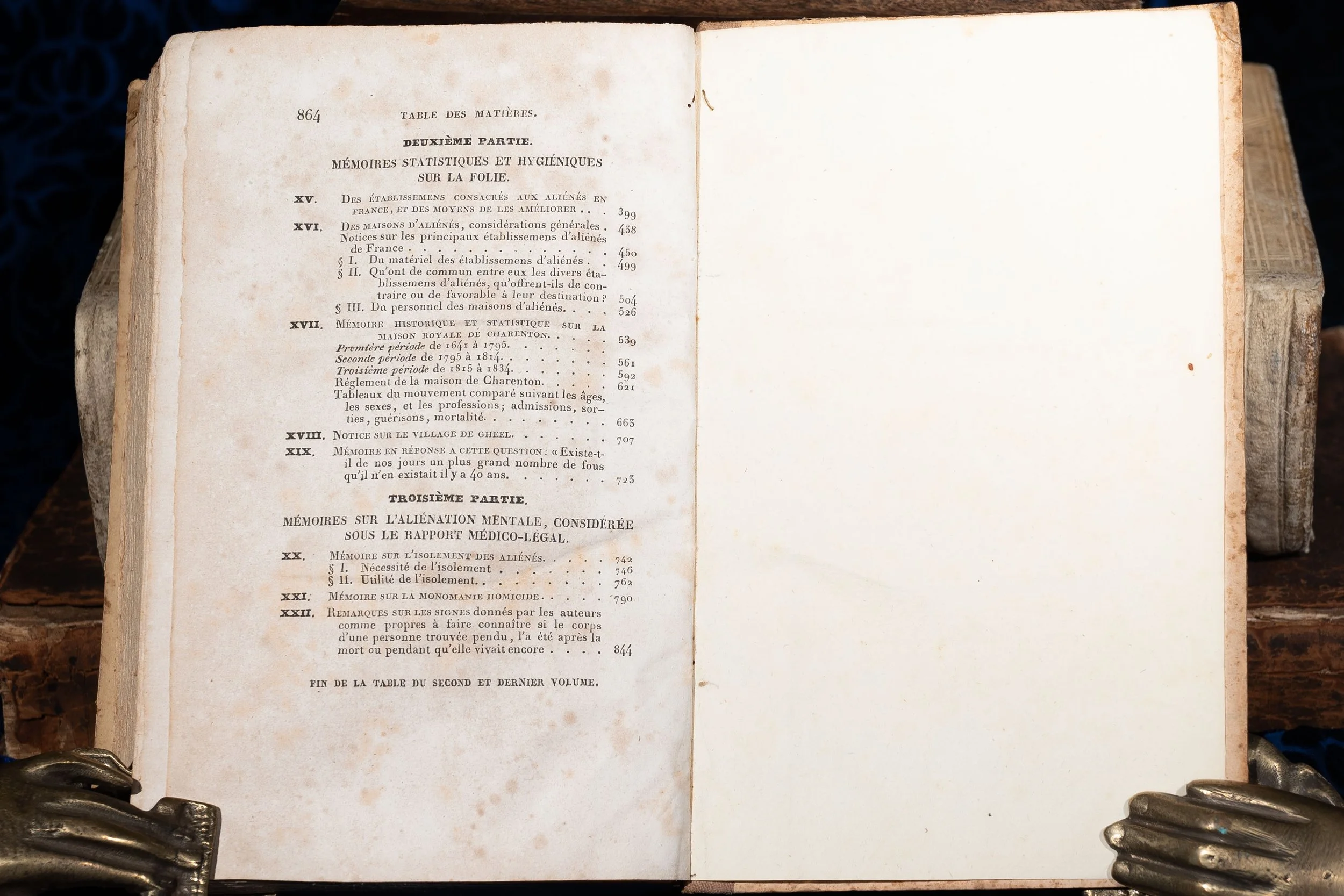 Image 23 of 35
 Image 24 of 35
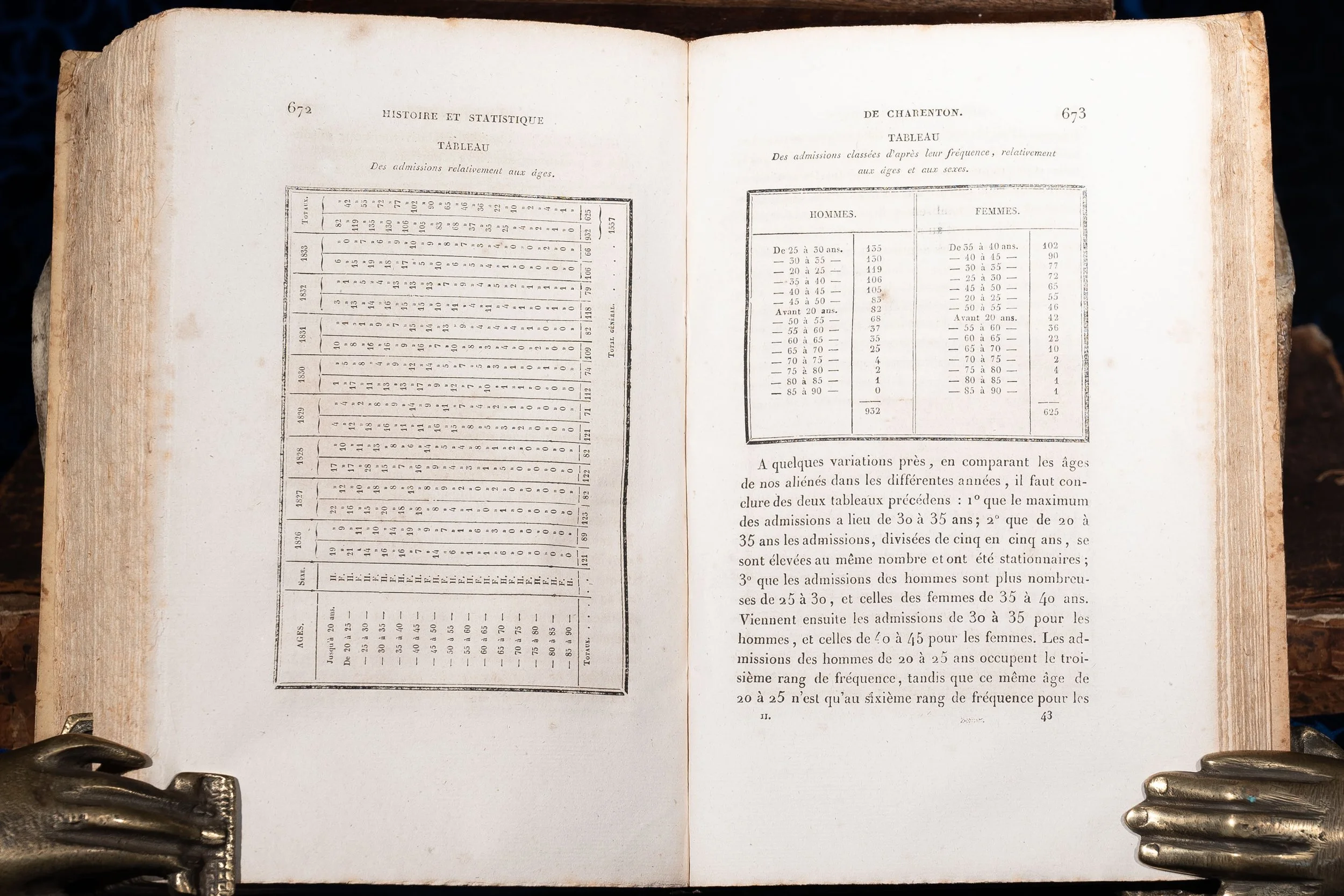 Image 25 of 35
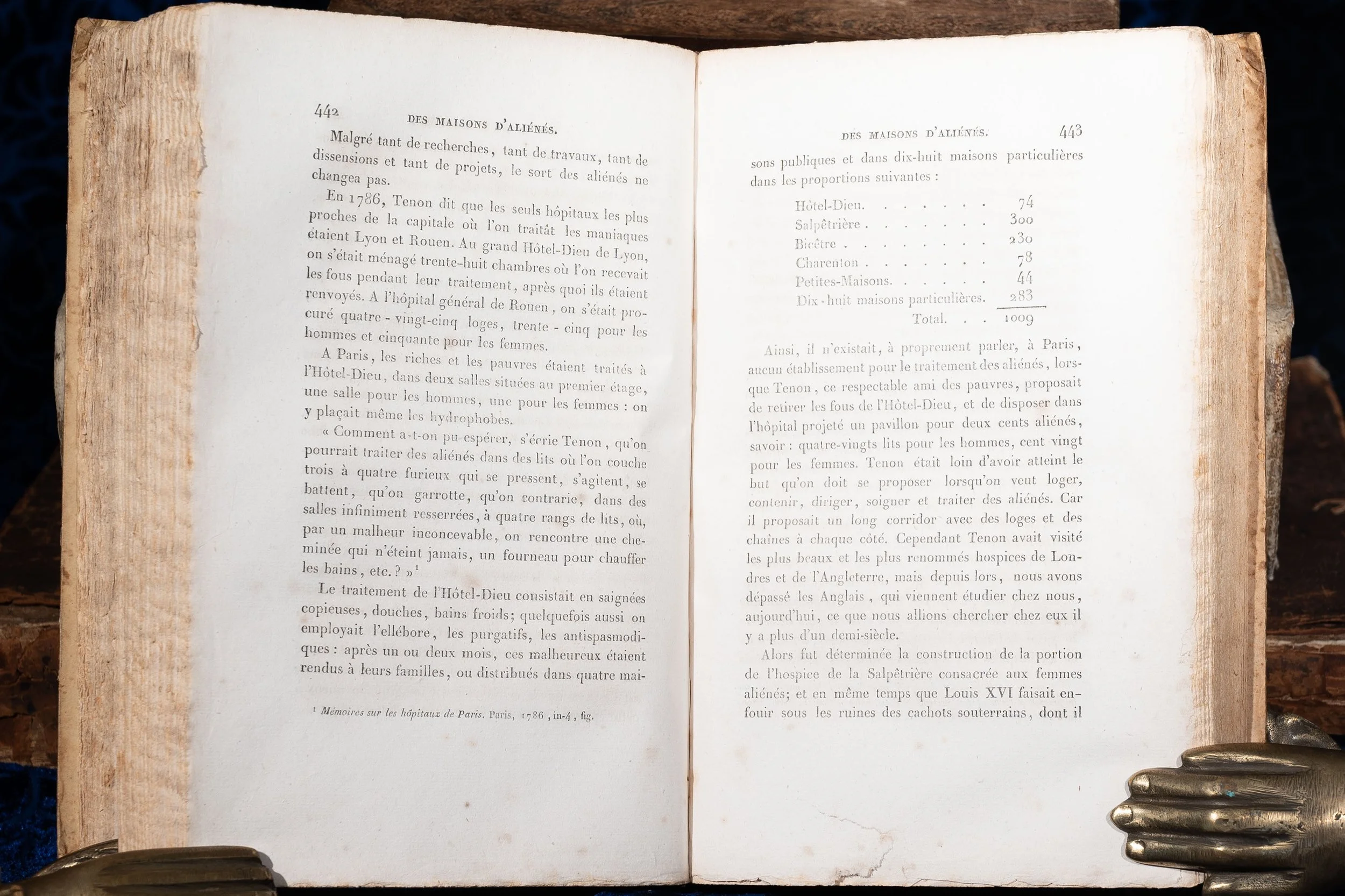 Image 26 of 35
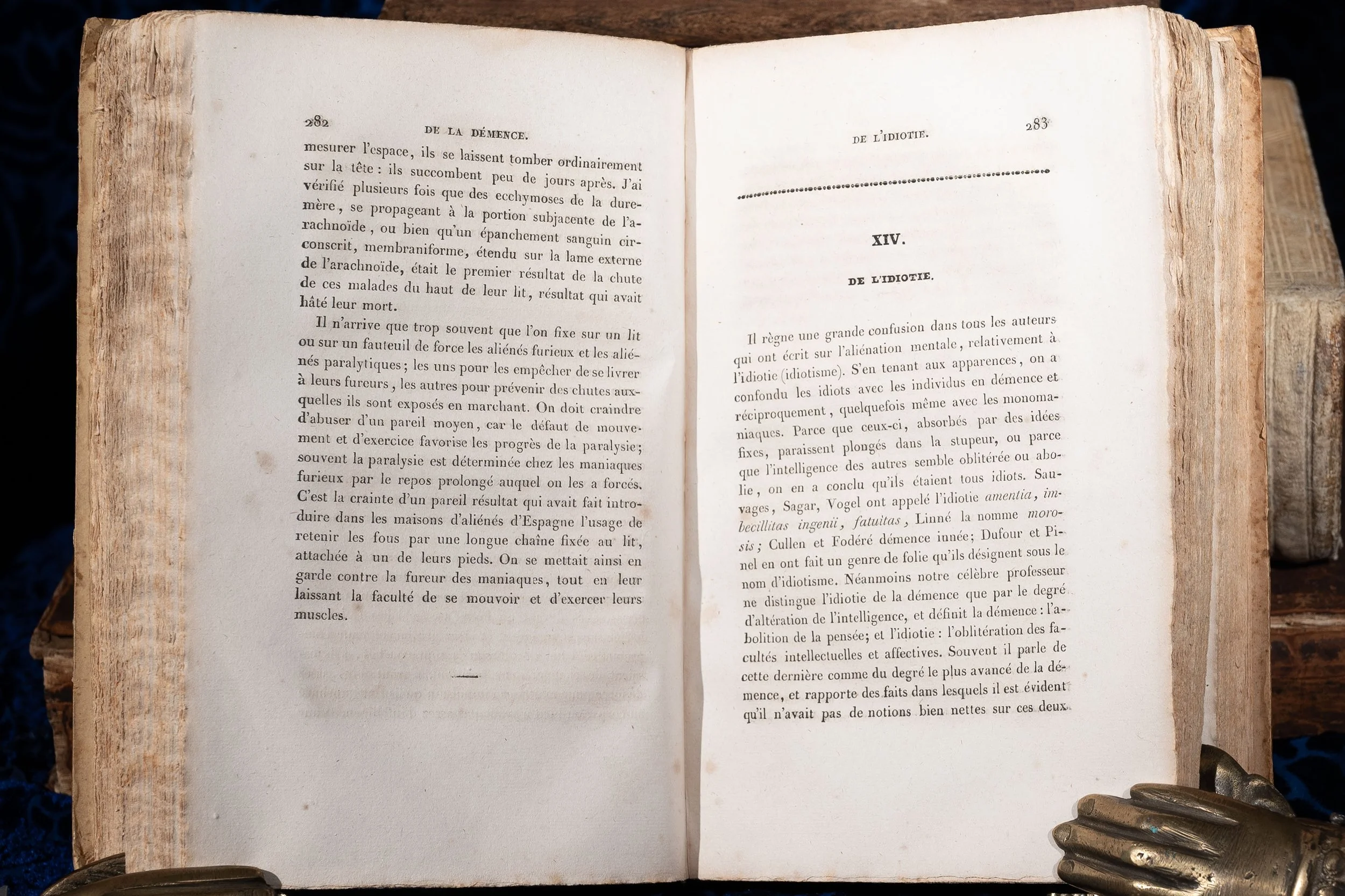 Image 27 of 35
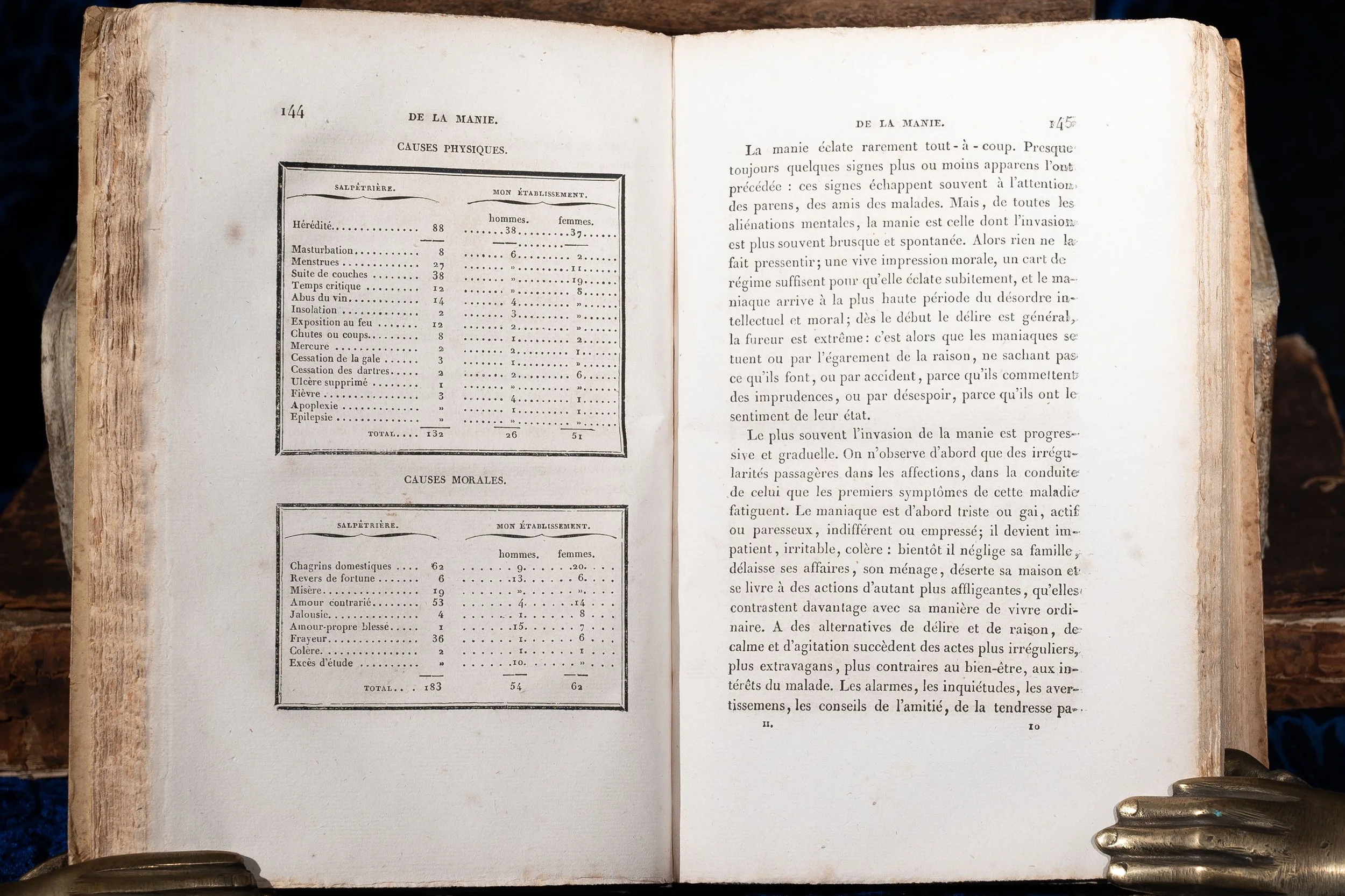 Image 28 of 35
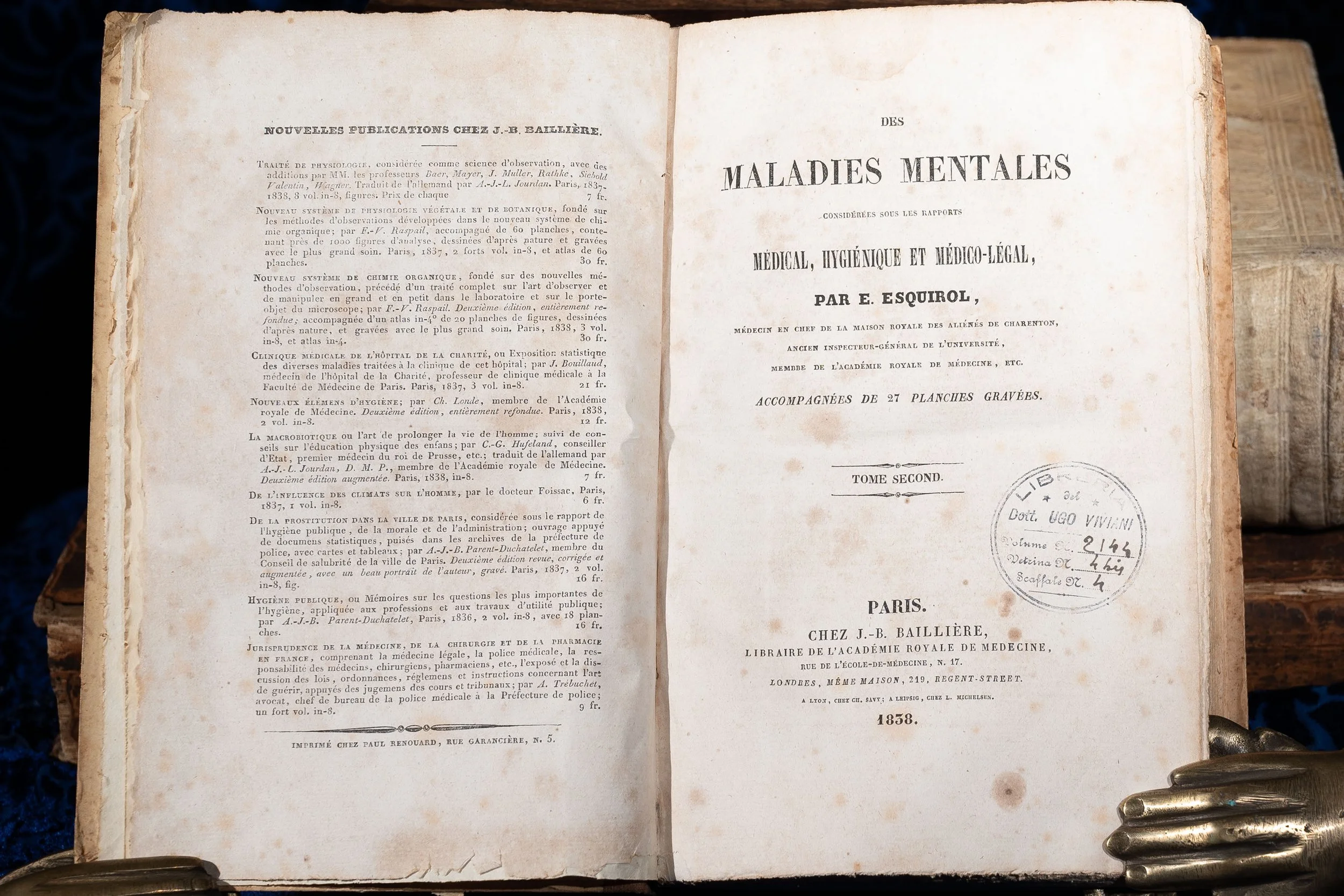 Image 29 of 35
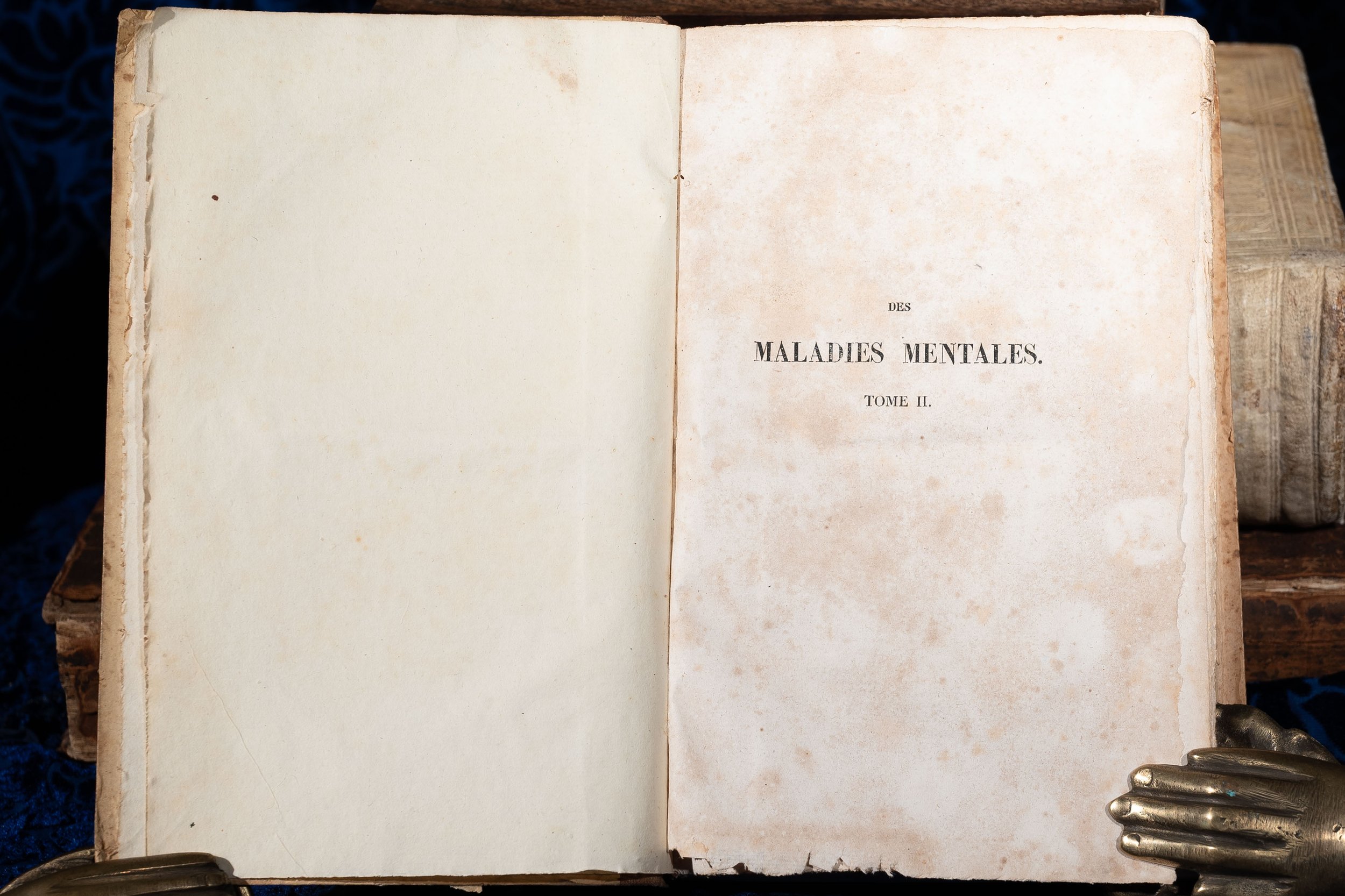 Image 30 of 35
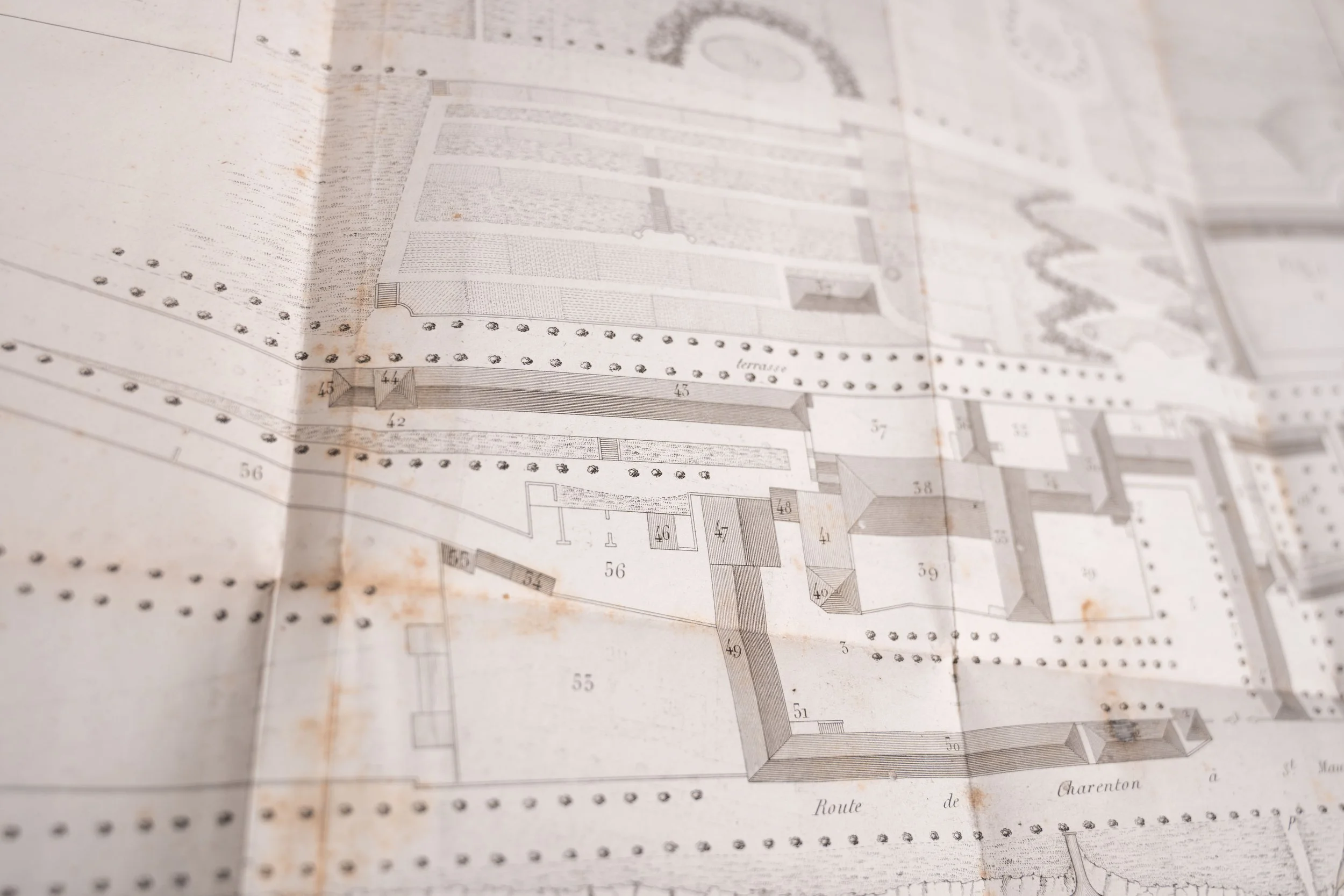 Image 31 of 35
 Image 32 of 35
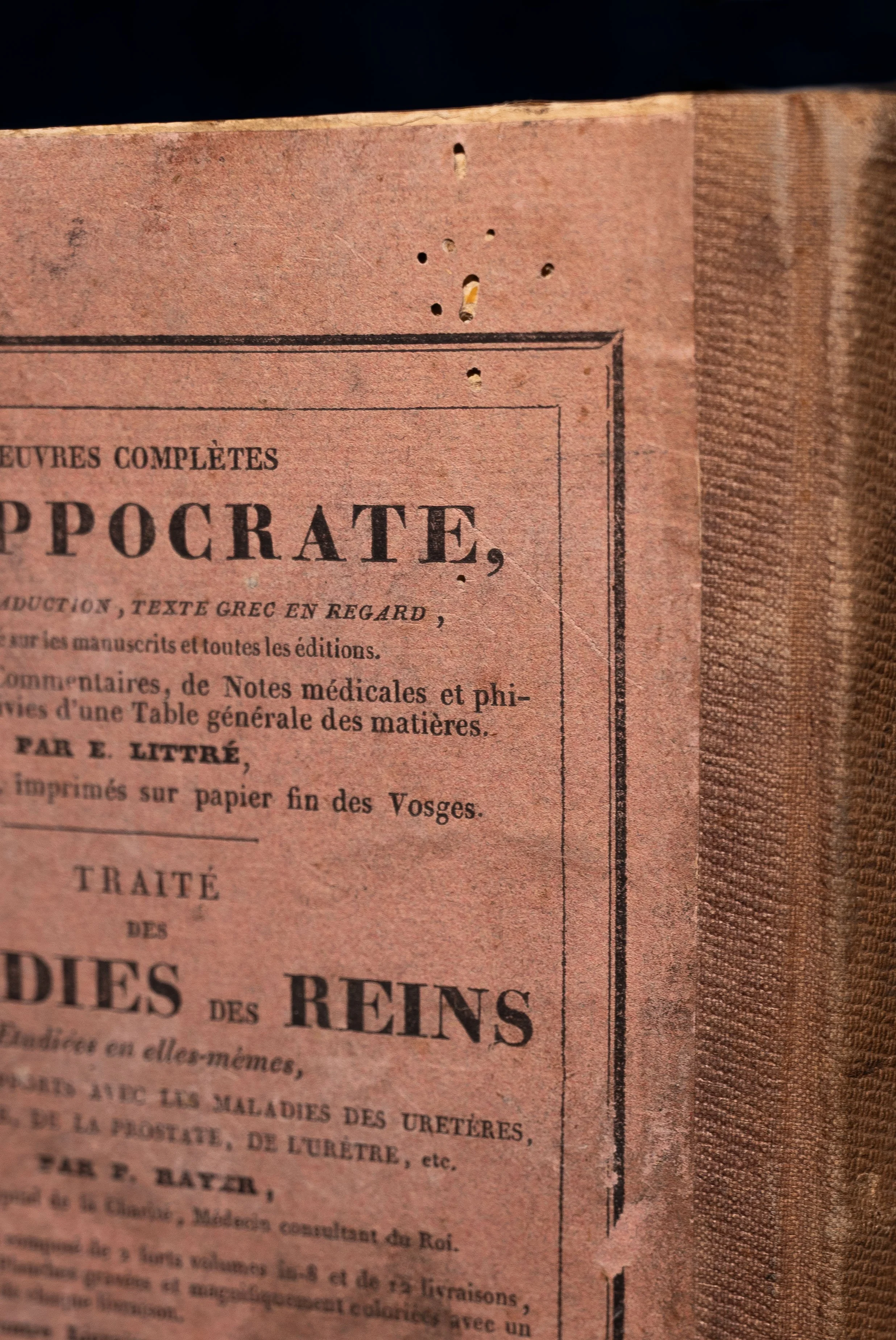 Image 33 of 35
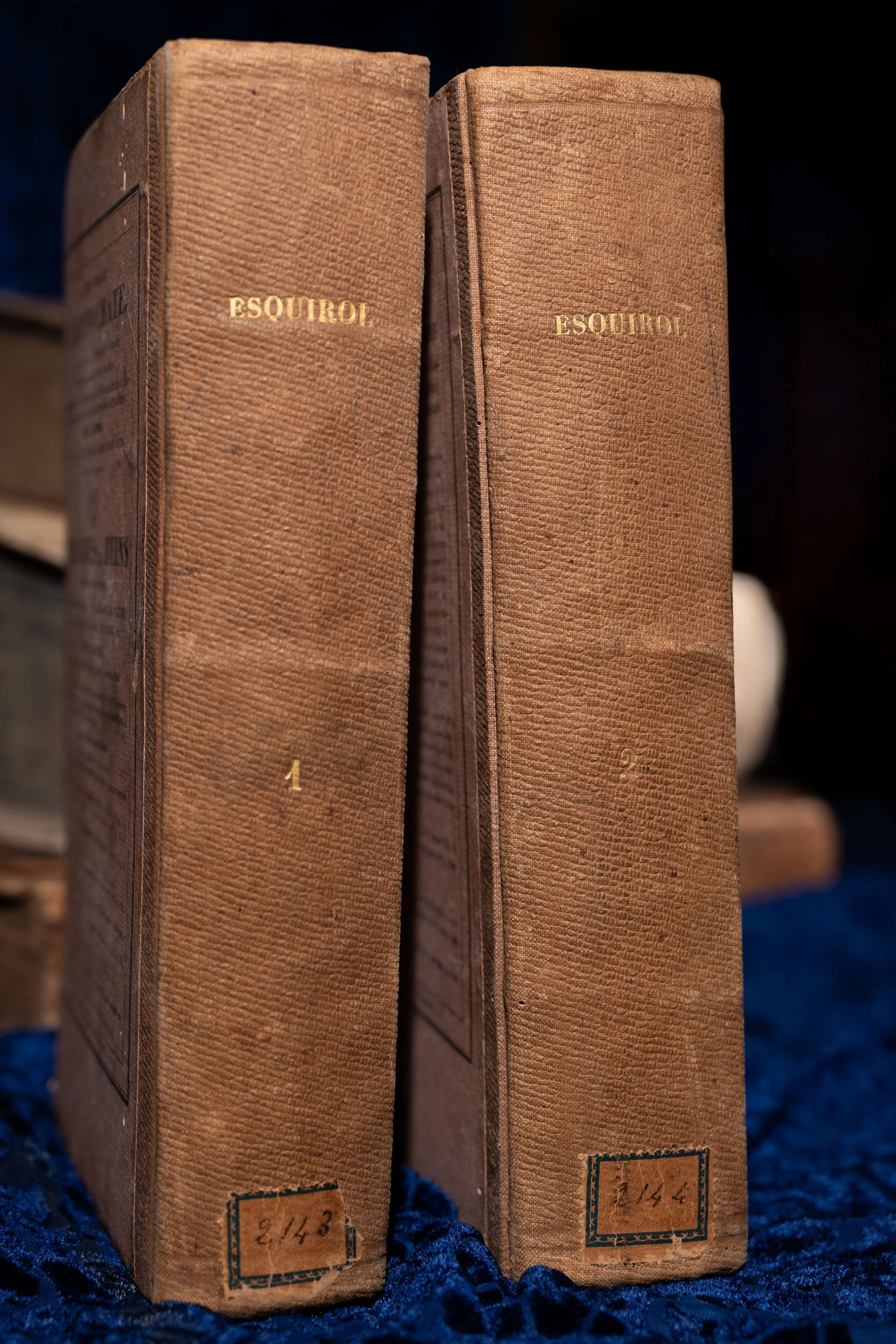 Image 34 of 35
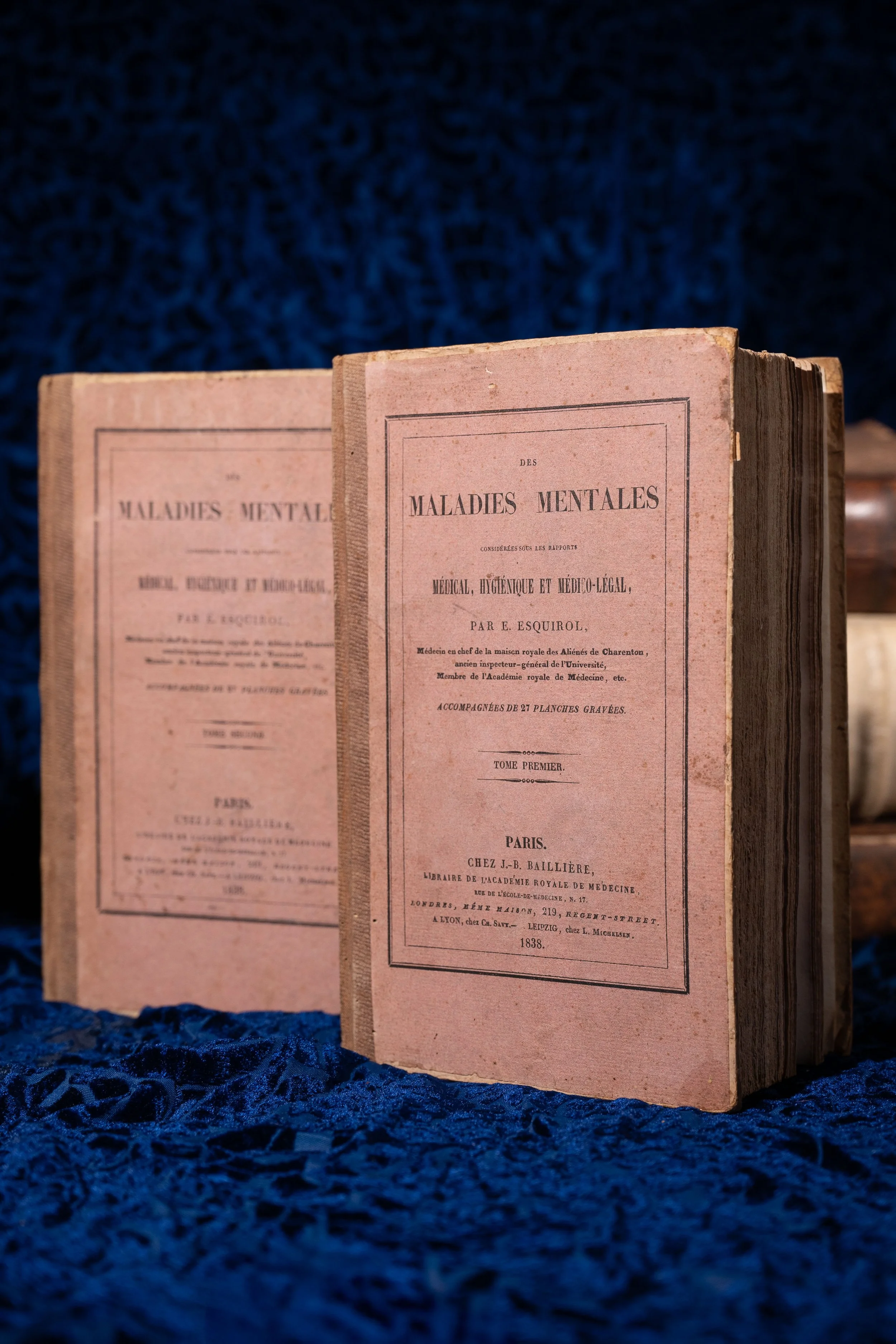 Image 35 of 35