Georg Conrad Horst’s Deuteroskopie examined second sight: the reported ability to see events before they happen. This first edition also discusses apparitions, doubles, and other unusual experiences. Bound into this copy are two large folding plates of magical signs and spirit conjurations, originally published in Horst’s Dämonomagie twelve years earlier.
Horst was a Lutheran pastor and a historian of witchcraft. At Lindheim in the Wetterau, he studied the records of the village’s witch trials. He also collected examples of the magical practices he wrote about. His Deuteroskopie addressed religious philosophers, psychologists, and physicians, and its title page described it as a supplement to his Dämonomagie and Zauber-Bibliothek. The added plates bring some of that earlier material into this volume.
The first plate reproduces a conjuration found among the papers of a man investigated for treasure digging and summoning spirits. Horst described the case in 1818. The accused denied owning the sheet or knowing how it had reached his house. A fellow defendant claimed that the conjuration had worked: a spirit appeared with a purse of gold, but the clergyman assisting the operation bungled it before the money could be secured.
The sheet promises to summon underground spirits and recover buried treasure. Its columns of cipher set out the stages of the conjuration, from prayer and summons to compulsion and dismissal. An oval panel contains the spirit’s supposed words. Horst had the sheet engraved, although he admitted that he could not decipher it. He had hoped the accused would explain the writing, but the man continued to deny any knowledge of it.
The second plate illustrates the “seven new seals,” an amulet used in popular Christian magic, alongside a summons naming spirits including Aziel, Achtzen, and Miliow. Horst owned an example of the seals himself. His account specifies vermilion ink, virgin paper, and the twelfth hour of a Wednesday under a waxing moon. The finished amulet was to be worn against the bare chest on a black ribbon. Horst expected his readers to smile at these instructions and agreed that they had reason to. He nevertheless considered such material worth preserving as evidence of magical belief.
These two plates were added to this copy; they were not issued with Deuteroskopie. Together with the text, they give a collector both Horst’s study of unusual perceptions and examples of the conjuring practices he documented.
HORST, Georg Conrad (1767–1832). Deuteroskopie, oder merkwürdige psychische und physiologische Erscheinungen und Probleme aus dem Gebiete der Pneumatologie. Für Religionsphilosophen, Psychologen, und denkende Aerzte. Eine nöthige Beilage zur Dämonomagie, wie zur Zauber-Bibliothek. Frankfurt am Main: Heinrich Wilmans, 1830. First edition. Two parts in one volume.
Physical Description: Octavo (19.5 × 13 cm). VII, 256 [i.e. 254] pp.; [1] leaf, 264 pp., the last leaf containing the errata for both parts. Two large folding engraved plates, each approximately 32 × 19 cm unfolded, bound in at the end. The plates were first issued with Horst’s Dämonomagie (Frankfurt: Gebrüder Wilmans, 1818).
Binding: Contemporary boards covered in dark embossed bark-grain paper. Spine with gilt fillets and a dark label lettered in gilt “Horst / Deuteroskopie” within gilt garland borders. Edges stained red.
Condition: Covers rubbed; corners bumped and worn through, with small losses to the covering paper along the edges. Short crack in the spine label. Binding tight and sound. A few small spots on the front pastedown; text clean. Plates clean and without tears.
Provenance: (1) Small orange bookseller’s ticket on the front pastedown, apparently that of August Schulze in Celle, with penciled numbers. (2) Börries Freiherr von Münchhausen (1874–1945), with purple ink stamps on the title page and front free endpaper: “Börries von Münchhausen, Dr. jur. / auf Apelern und Windischleuba / Herzogl. Altenburger Kammerherr / Apelern bei Bad Nenndorf.” Münchhausen was a German ballad poet and bibliophile, an avowed antisemite, and a supporter of the Nazi regime. In 1933 he helped drive Jewish and democratic writers out of the literature section of the Prussian Academy of Arts and became one of its senators. In 1944 he appeared on the Nazi regime’s Gottbegnadeten-Liste of favored artists. He died by suicide at Windischleuba in March 1945.

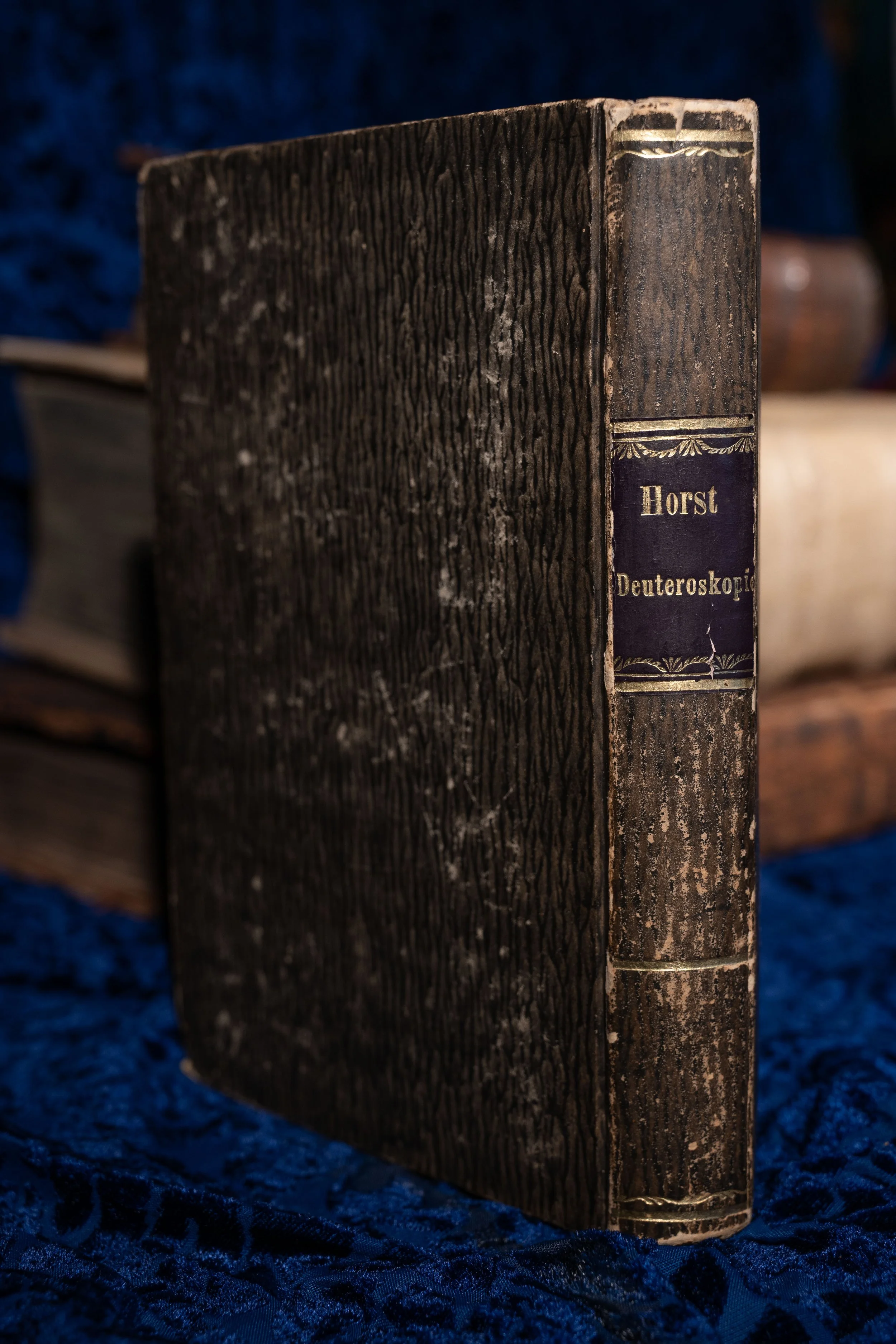 Image 1 of 14
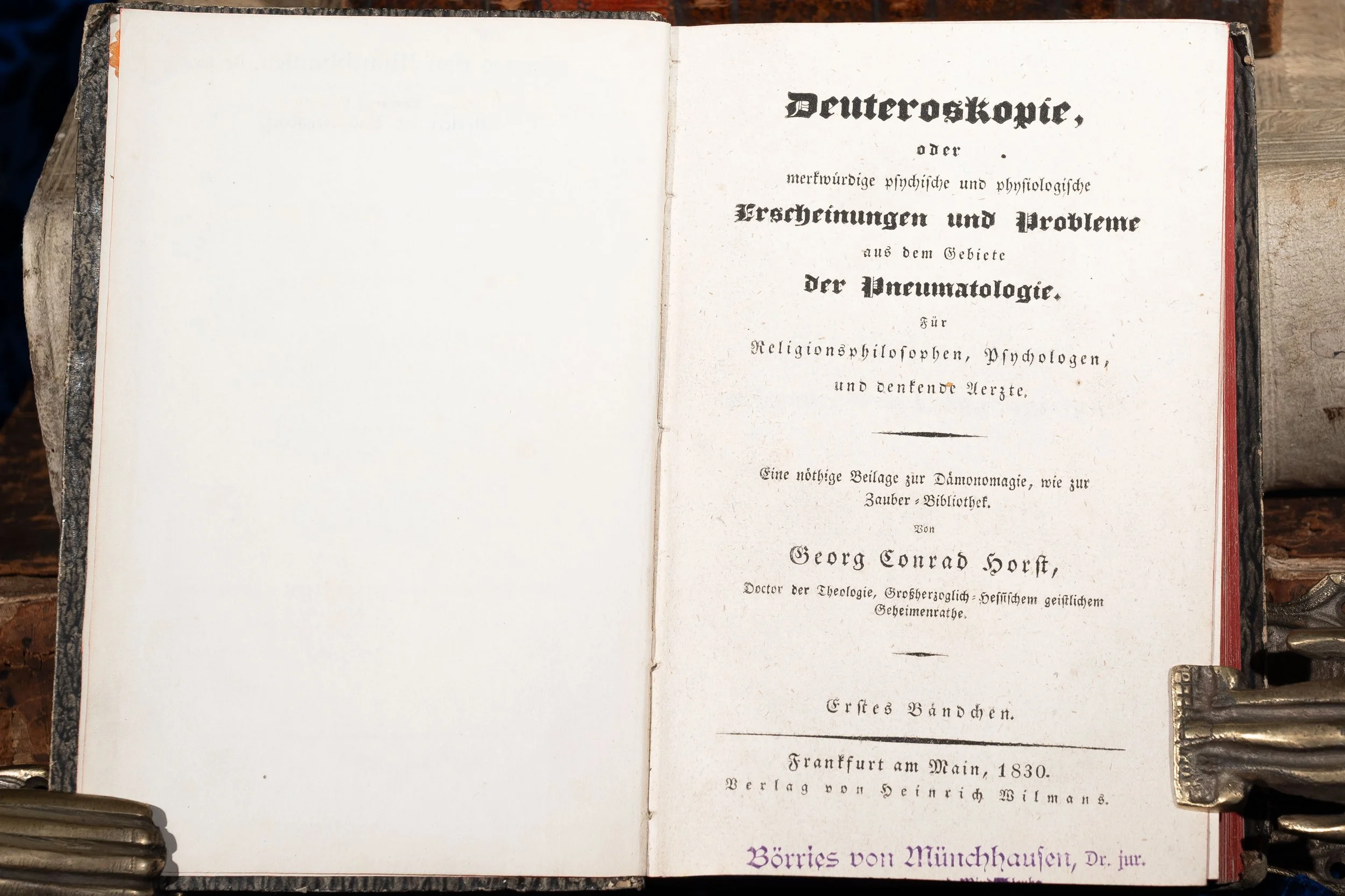 Image 2 of 14
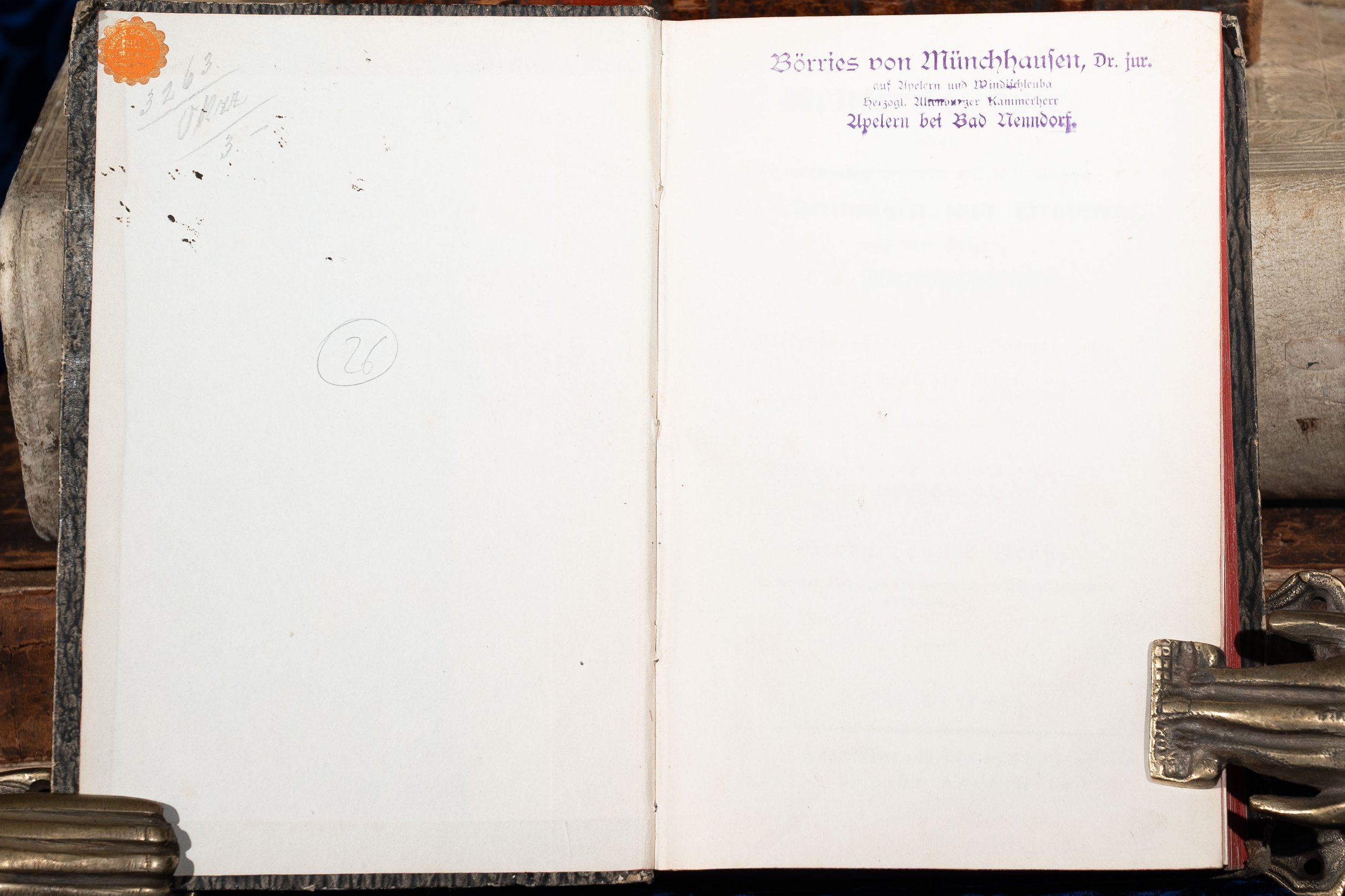 Image 3 of 14
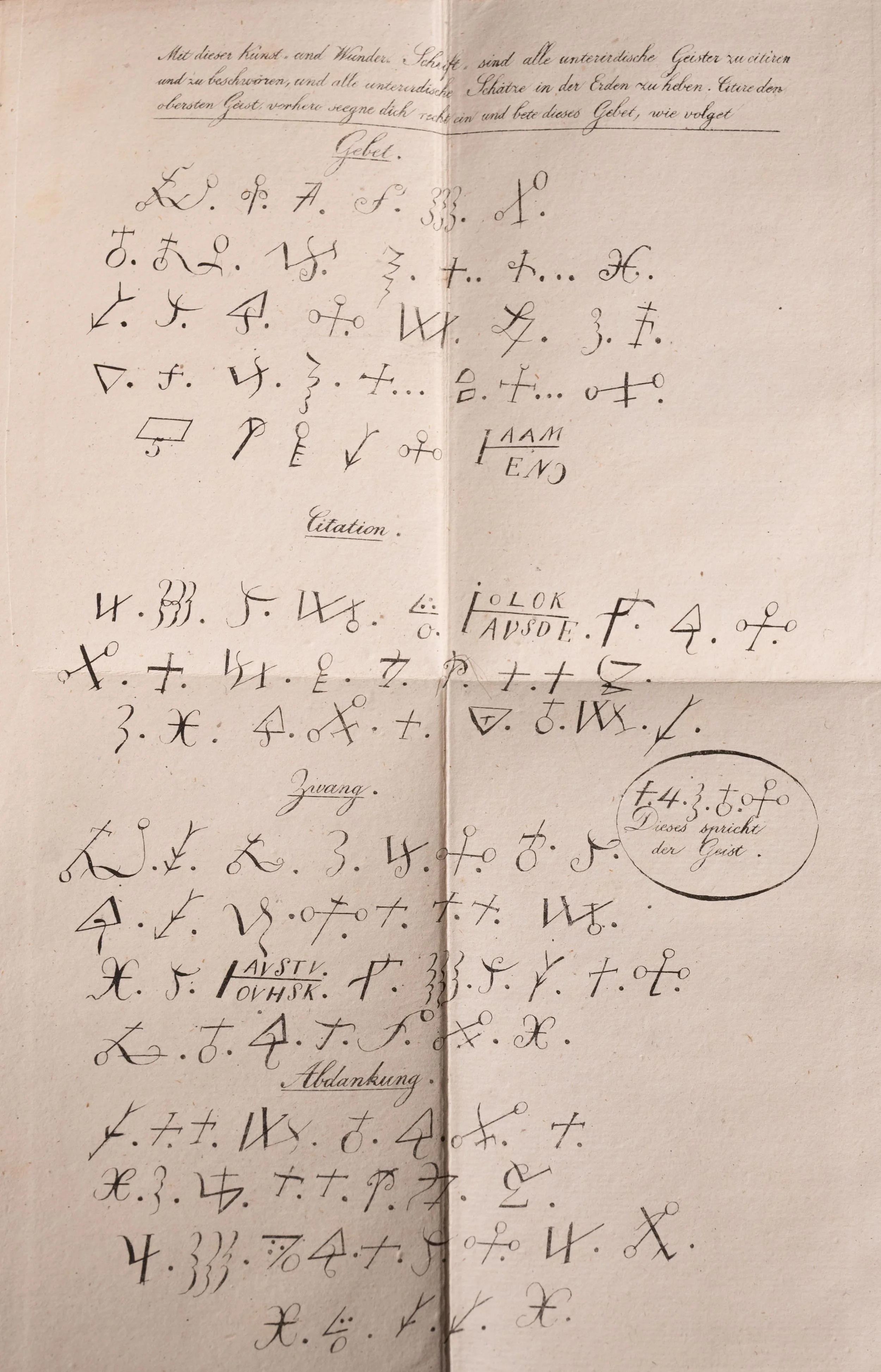 Image 4 of 14
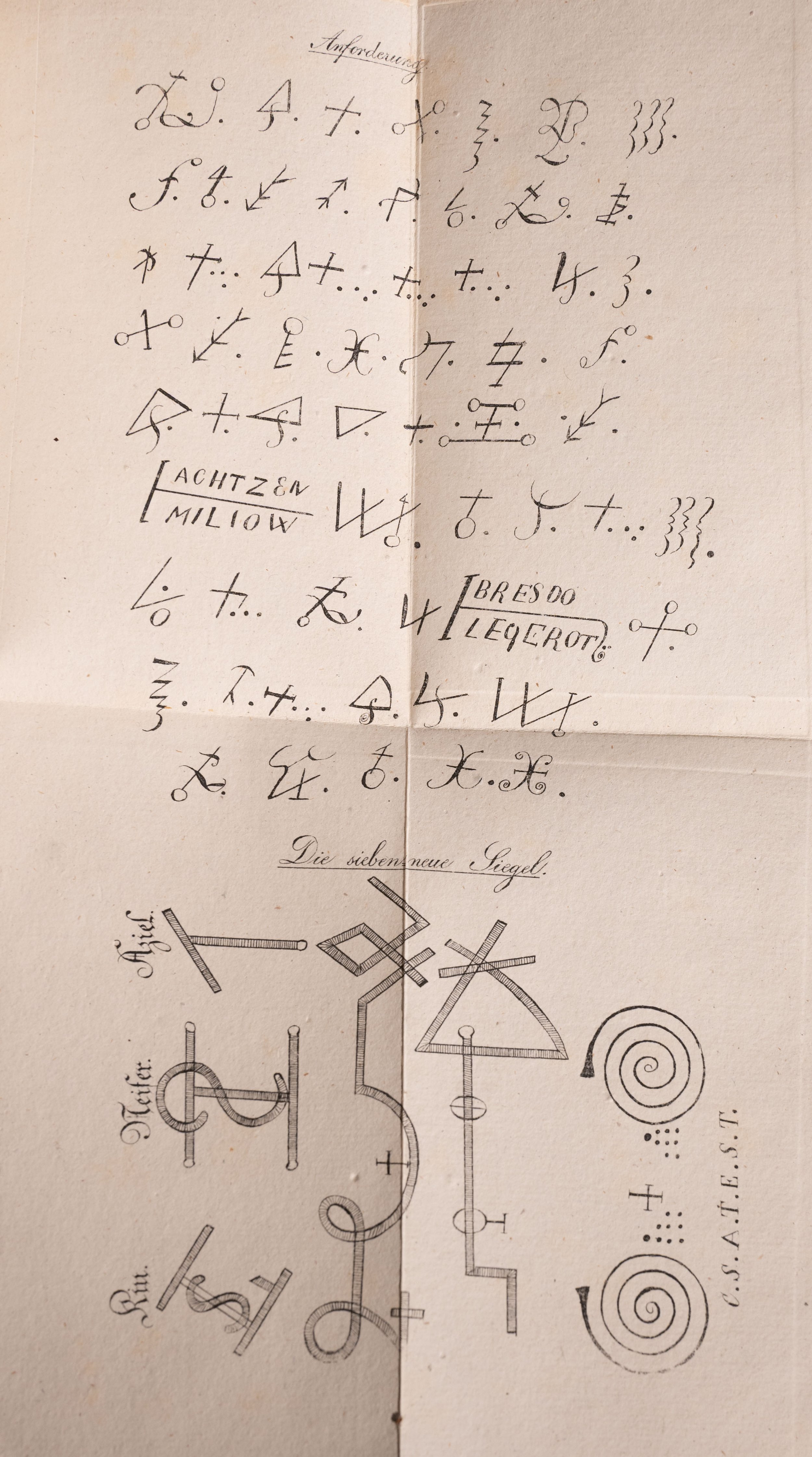 Image 5 of 14
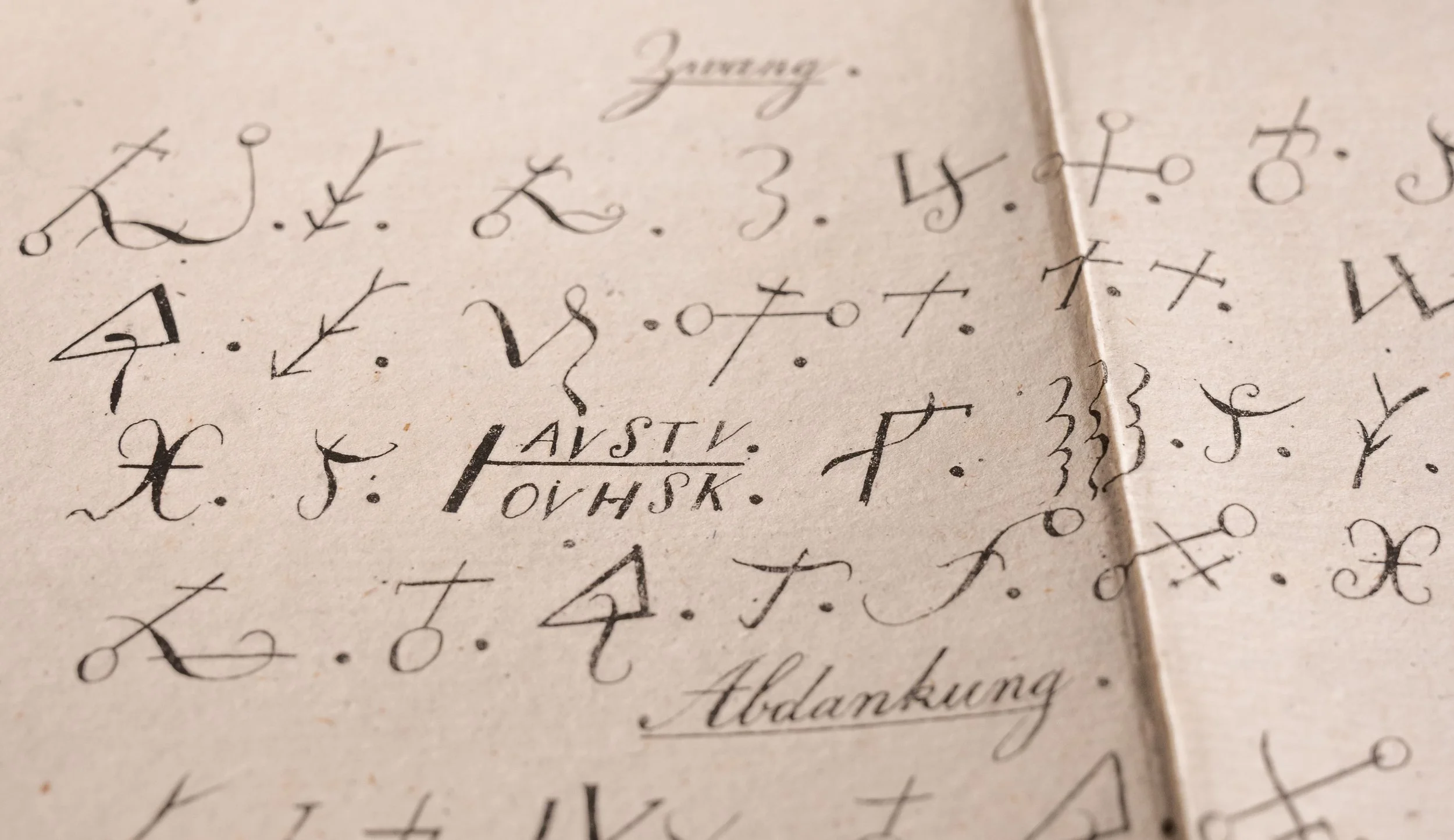 Image 6 of 14
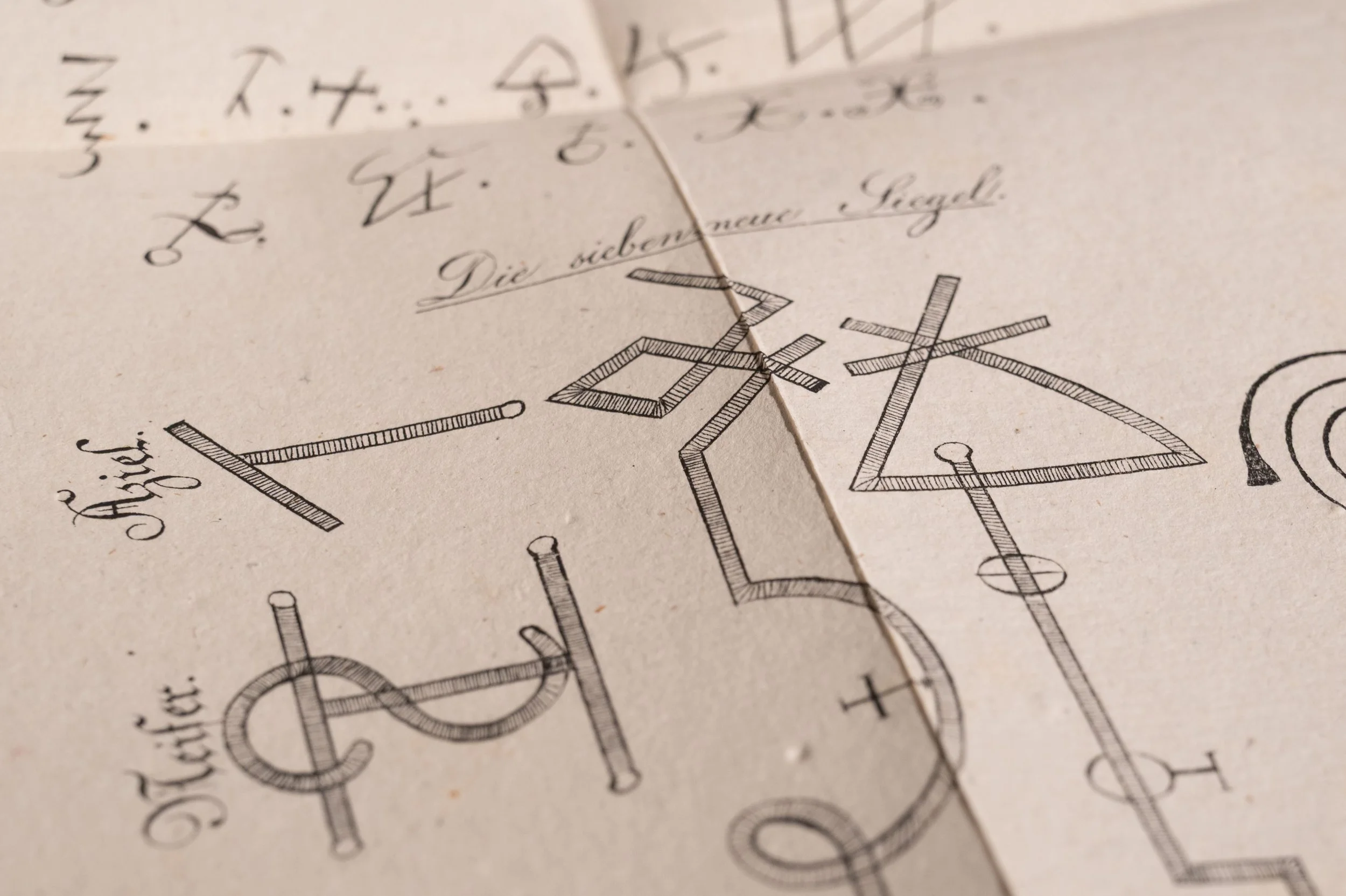 Image 7 of 14
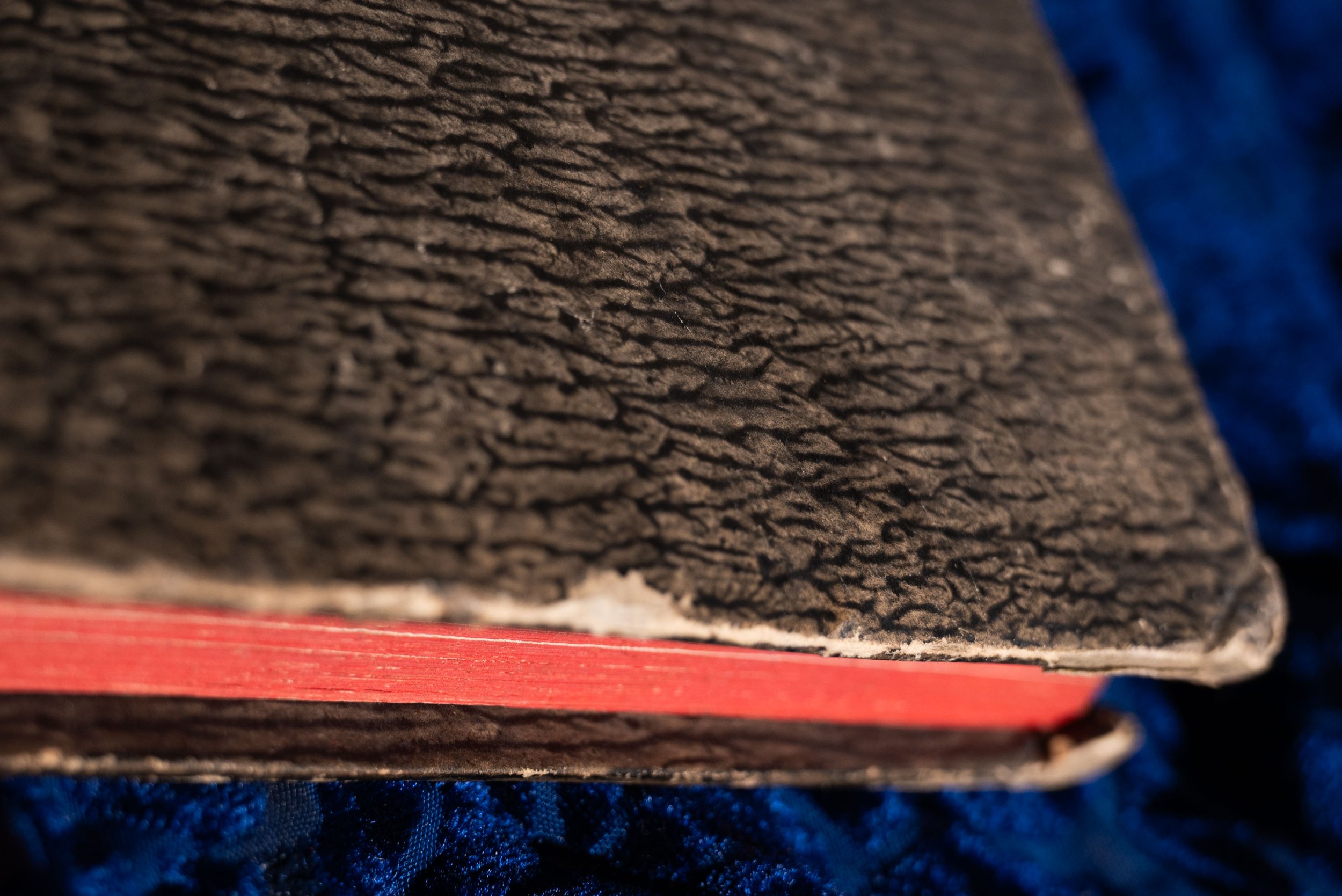 Image 8 of 14
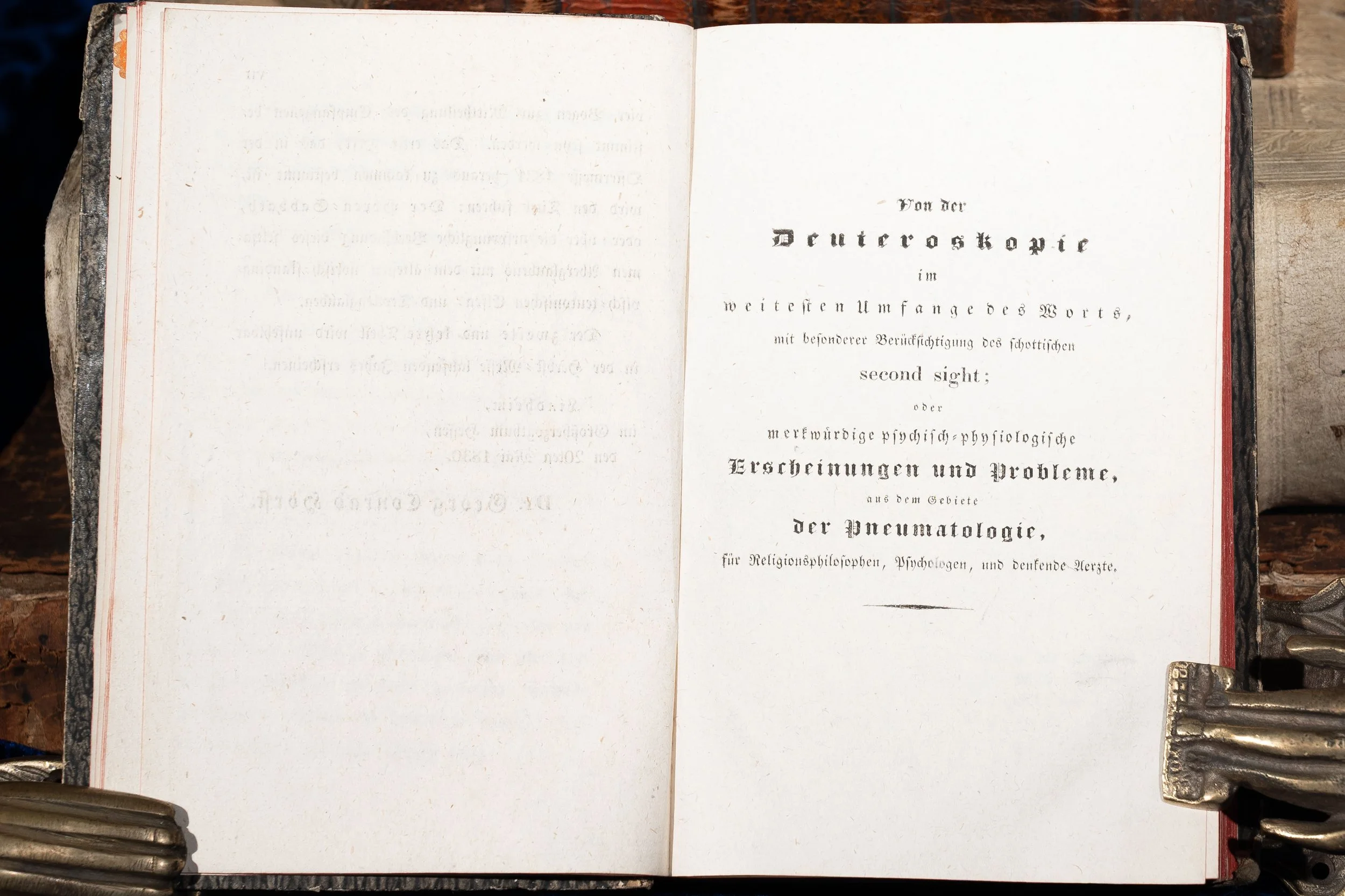 Image 9 of 14
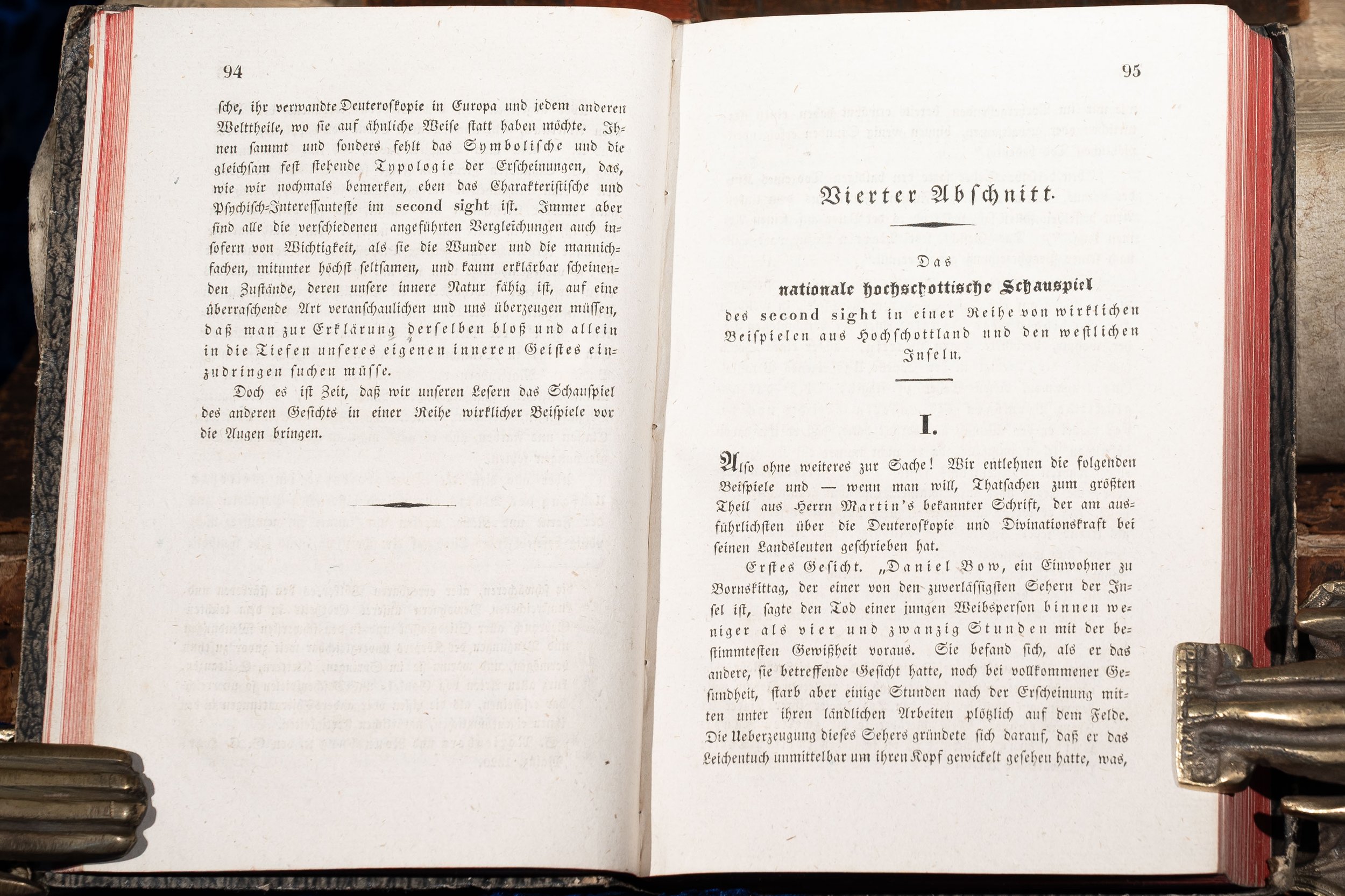 Image 10 of 14
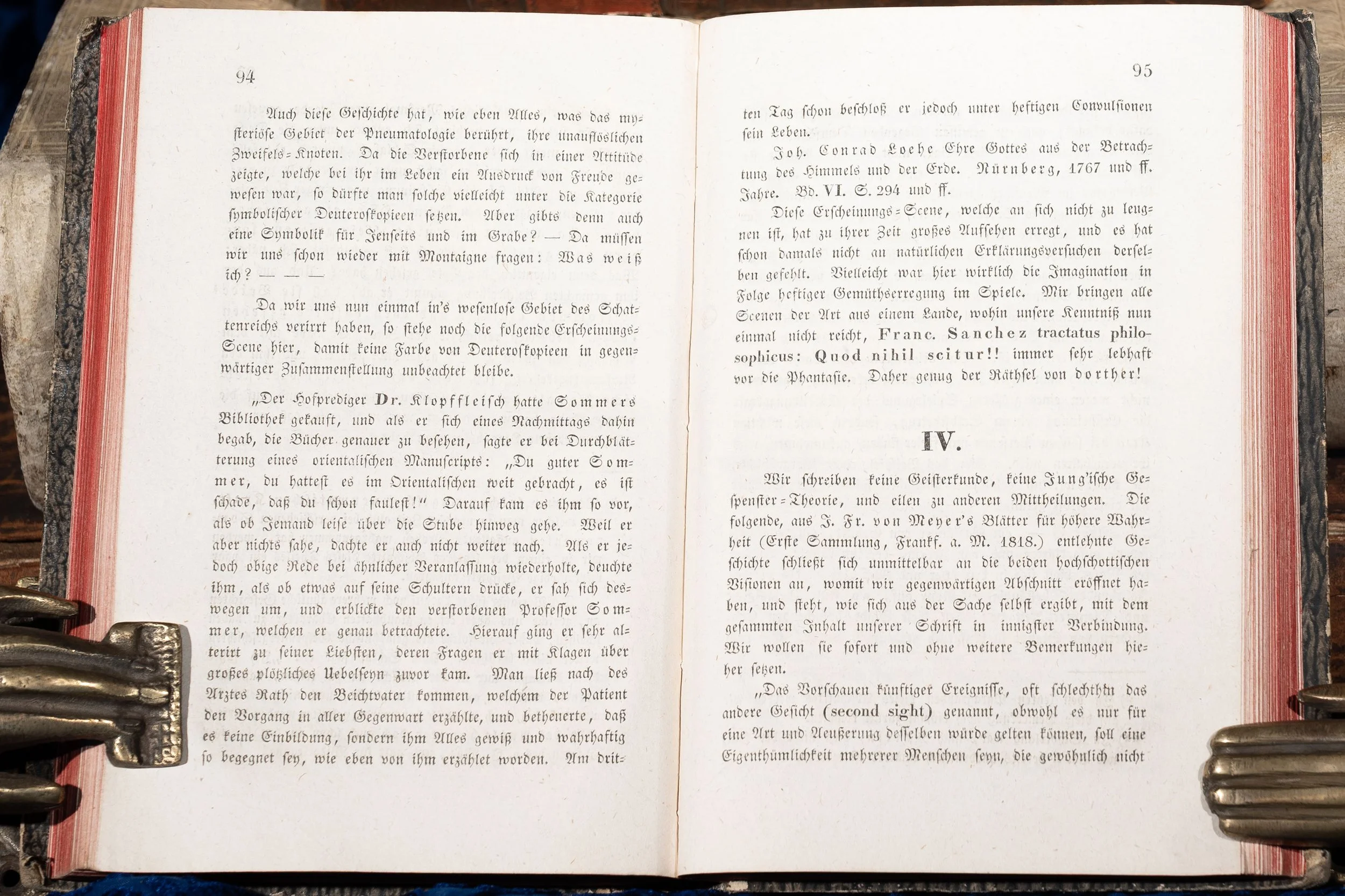 Image 11 of 14
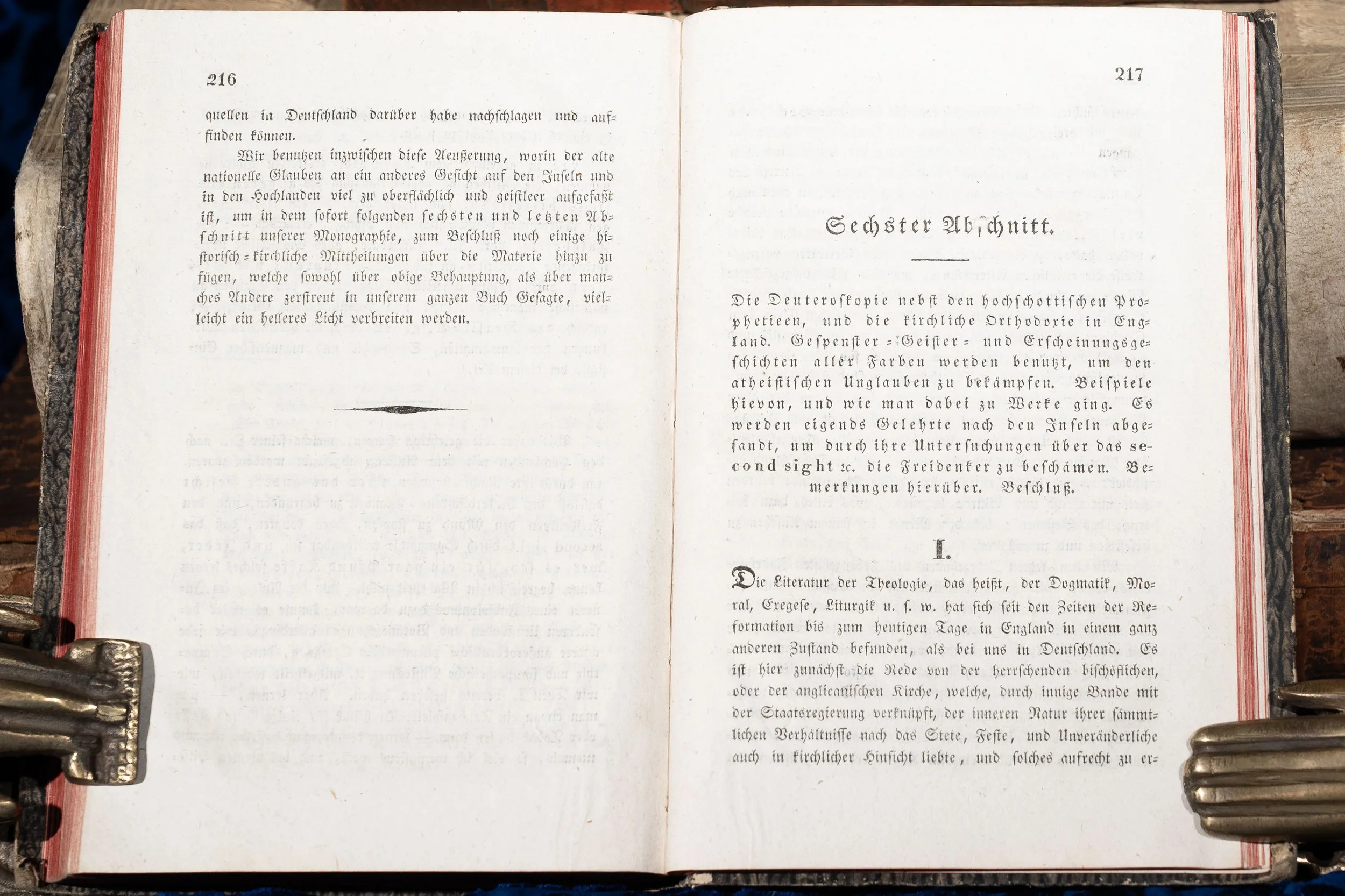 Image 12 of 14
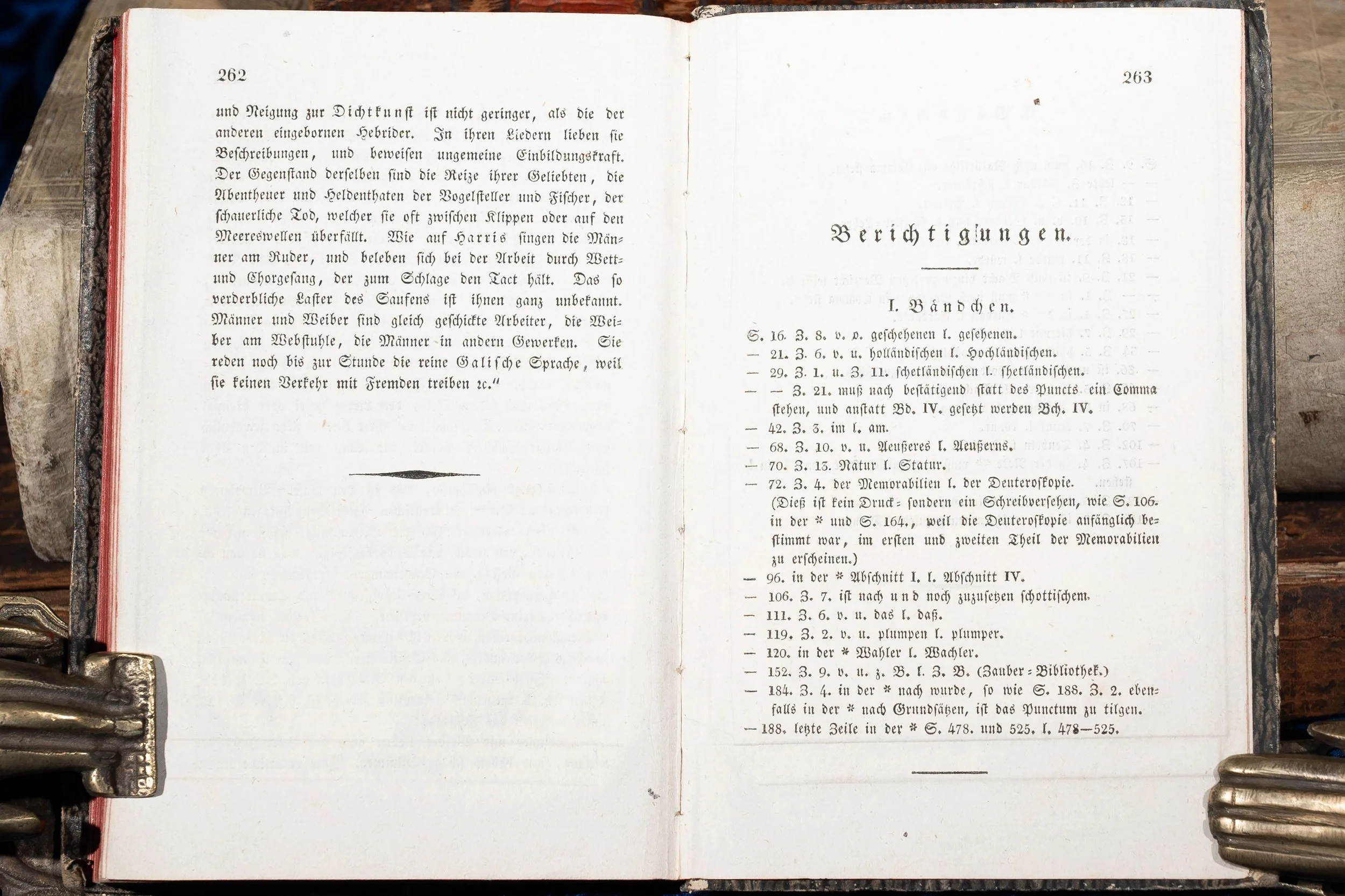 Image 13 of 14
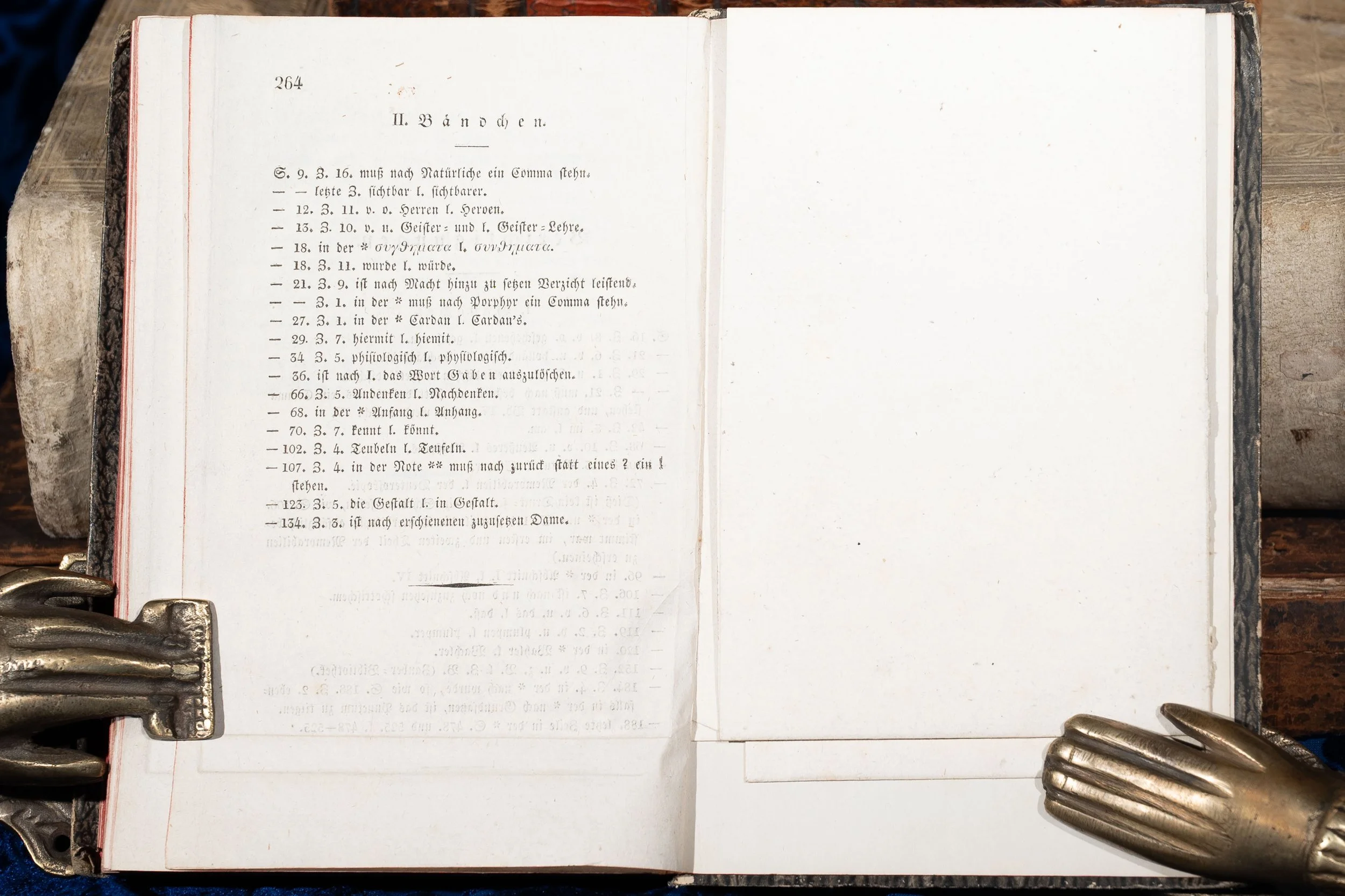 Image 14 of 14