A rare and intellectually ambitious treatise on Animal Magnetism, notable for its attempt to bridge the gap between the spiritualism of the Somnambulist trance and the mechanical rigidity of 19th-century technology.
Published in Stuttgart, the epicenter of German Romantic medicine and the home of the "Swabian Magus" Justinus Kerner, this work details the case of a "highly remarkable" somnambule. However, Römer goes beyond mere case history. As indicated by the fold-out copper plates, the treatment involved the construction and use of a specific "Magnetisir-Maschine" (Magnetizing Machine).
The plates depict this apparatus (a structural variation of the Mesmeric baquet), showing a patient within a cage-like framework designed to focus or channel the magnetic fluid. This visual evidence is crucial for collectors of medical technology, as it illustrates the moment when "energy medicine" attempted to adopt the aesthetics of the Industrial Revolution.
Philosophical Context: Römer, a Doctor of Philosophy, explicitly grounds his medical observations in the high Idealism of the period. In the text (pp. 228-229), he engages in a spirited defense of the "Absolute," referencing Spinoza, Fichte, and Schelling. He argues against the "Chibolet of Pantheism," positioning the magnetic trance not as a chaotic event, but as a manifestation of the "Identity of the Ideal and the Real."
This volume is a prime example of Naturphilosophie, capturing the distinct German Romantic obsession with the "Nightside of Nature" (Nachtseite der Natur) before the materialism of the mid-century took over.
RÖMER, C. [Carl]. Ausführliche Darstellung einer höchst merkwürdigen Somnambüle nebst dem Versuche einer philosophischen Würdigung des Magnetismus. [Detailed Presentation of a Most Remarkable Somnambule along with an Attempt at a Philosophical Appreciation of Magnetism.] Stuttgart: J. B. Metzler, 1821.
First Edition. 8vo (200 x 120 mm). Pagination & Collation: pp. 229, [1 blank]. Complete with 1 folded letterpress table and 2 folded copper plates containing 3 illustrations (depicting the "Magnetizing Machine"). Note: Text concludes on p. 229 with the Errata ("Druckfehler") printed at the foot of the page.
Binding: Bound in contemporary blue-green paper boards (Pappband). Spine plain. Edges plain and age-toned.
Condition: A genuine, unsophisticated copy. Lacking front free endpaper (title page acts as the first leaf). Text block shows light browning and scattered foxing (stockfleckig) typical of German paper from this period; small moisture stain to the title page. Plate 2 reinforced at the fold (historical repair), but image intact.
A rare and intellectually ambitious treatise on Animal Magnetism, notable for its attempt to bridge the gap between the spiritualism of the Somnambulist trance and the mechanical rigidity of 19th-century technology.
Published in Stuttgart, the epicenter of German Romantic medicine and the home of the "Swabian Magus" Justinus Kerner, this work details the case of a "highly remarkable" somnambule. However, Römer goes beyond mere case history. As indicated by the fold-out copper plates, the treatment involved the construction and use of a specific "Magnetisir-Maschine" (Magnetizing Machine).
The plates depict this apparatus (a structural variation of the Mesmeric baquet), showing a patient within a cage-like framework designed to focus or channel the magnetic fluid. This visual evidence is crucial for collectors of medical technology, as it illustrates the moment when "energy medicine" attempted to adopt the aesthetics of the Industrial Revolution.
Philosophical Context: Römer, a Doctor of Philosophy, explicitly grounds his medical observations in the high Idealism of the period. In the text (pp. 228-229), he engages in a spirited defense of the "Absolute," referencing Spinoza, Fichte, and Schelling. He argues against the "Chibolet of Pantheism," positioning the magnetic trance not as a chaotic event, but as a manifestation of the "Identity of the Ideal and the Real."
This volume is a prime example of Naturphilosophie, capturing the distinct German Romantic obsession with the "Nightside of Nature" (Nachtseite der Natur) before the materialism of the mid-century took over.
RÖMER, C. [Carl]. Ausführliche Darstellung einer höchst merkwürdigen Somnambüle nebst dem Versuche einer philosophischen Würdigung des Magnetismus. [Detailed Presentation of a Most Remarkable Somnambule along with an Attempt at a Philosophical Appreciation of Magnetism.] Stuttgart: J. B. Metzler, 1821.
First Edition. 8vo (200 x 120 mm). Pagination & Collation: pp. 229, [1 blank]. Complete with 1 folded letterpress table and 2 folded copper plates containing 3 illustrations (depicting the "Magnetizing Machine"). Note: Text concludes on p. 229 with the Errata ("Druckfehler") printed at the foot of the page.
Binding: Bound in contemporary blue-green paper boards (Pappband). Spine plain. Edges plain and age-toned.
Condition: A genuine, unsophisticated copy. Lacking front free endpaper (title page acts as the first leaf). Text block shows light browning and scattered foxing (stockfleckig) typical of German paper from this period; small moisture stain to the title page. Plate 2 reinforced at the fold (historical repair), but image intact.

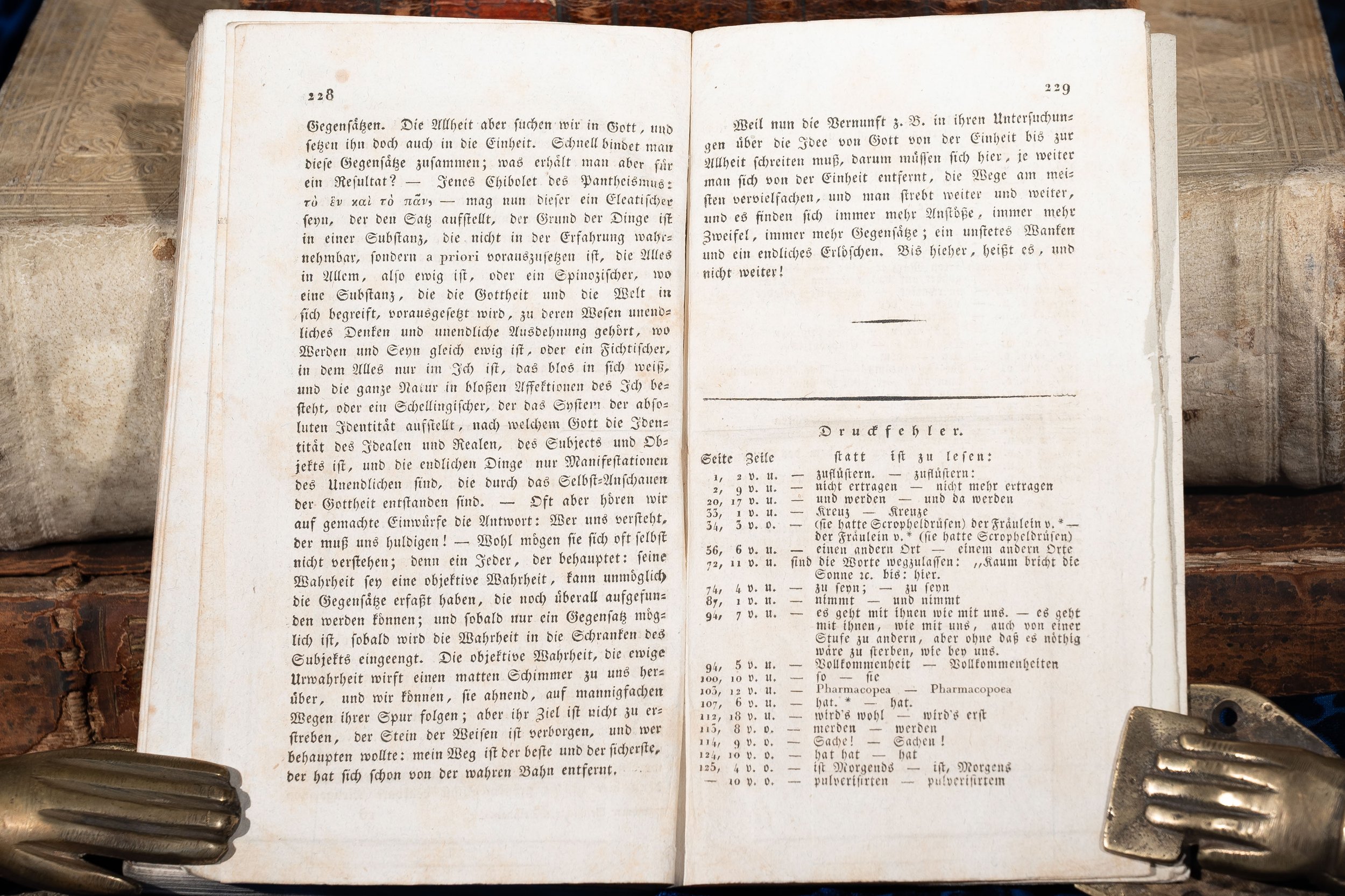 Image 1 of 10
 Image 2 of 10
 Image 3 of 10
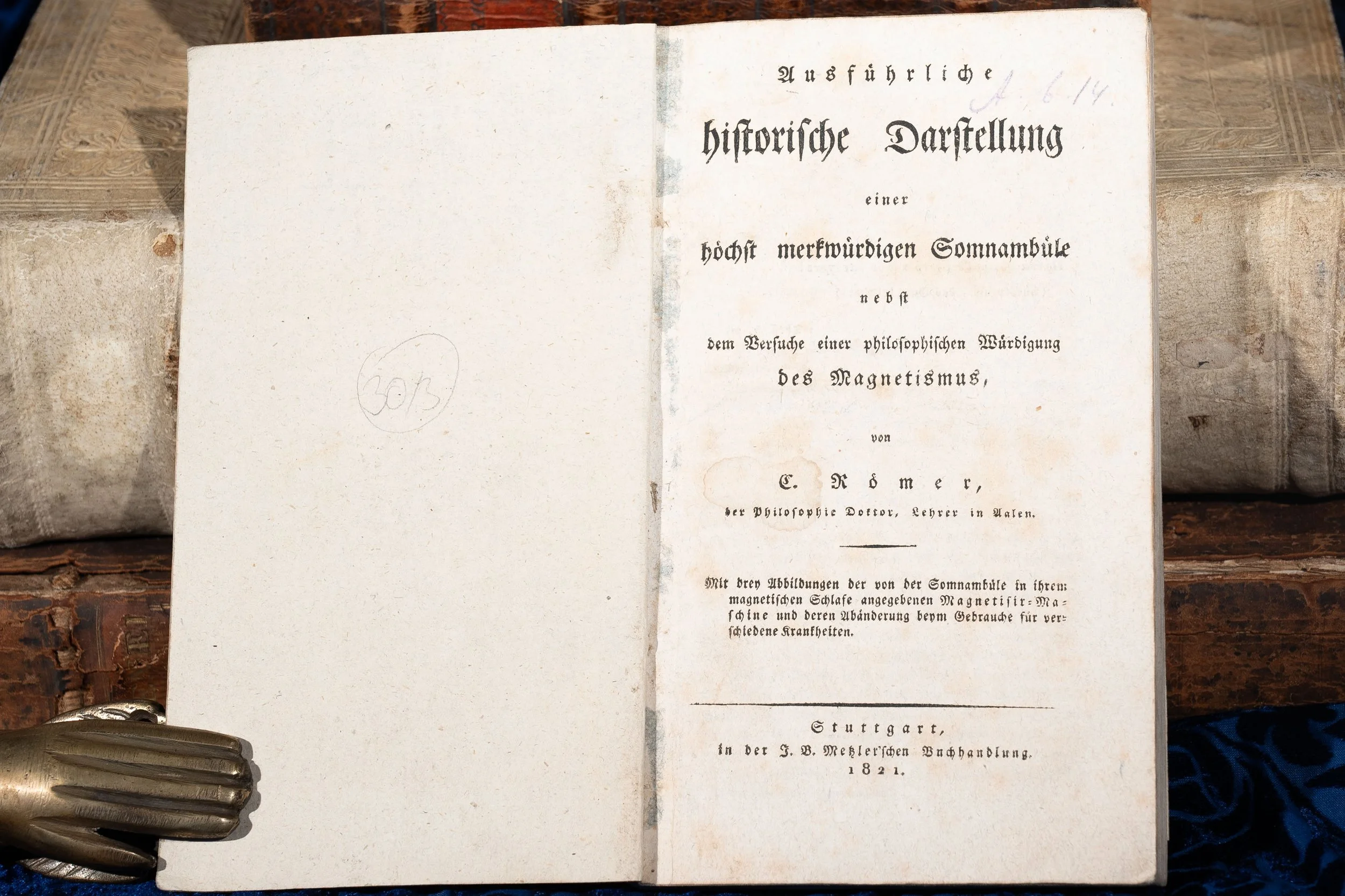 Image 4 of 10
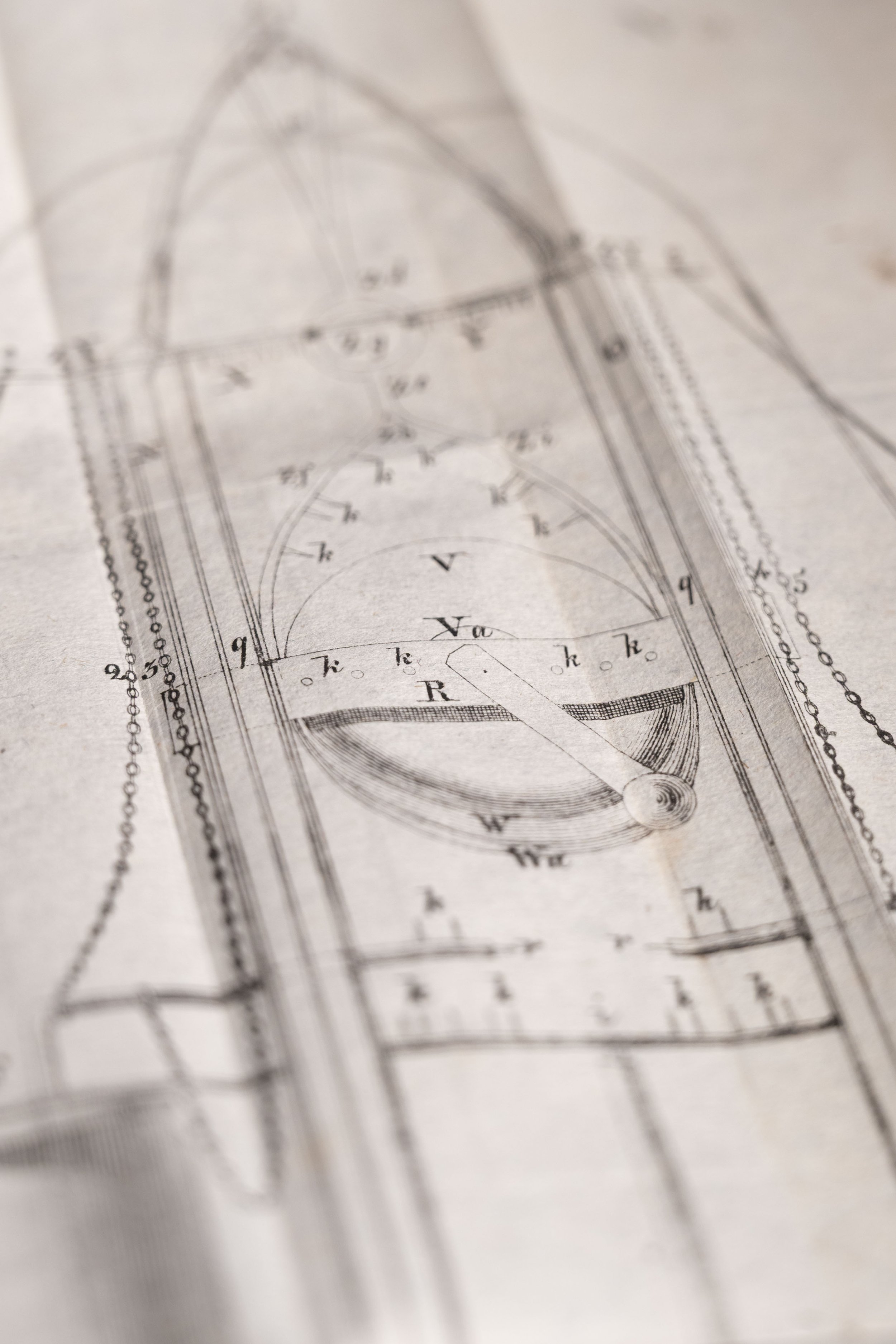 Image 5 of 10
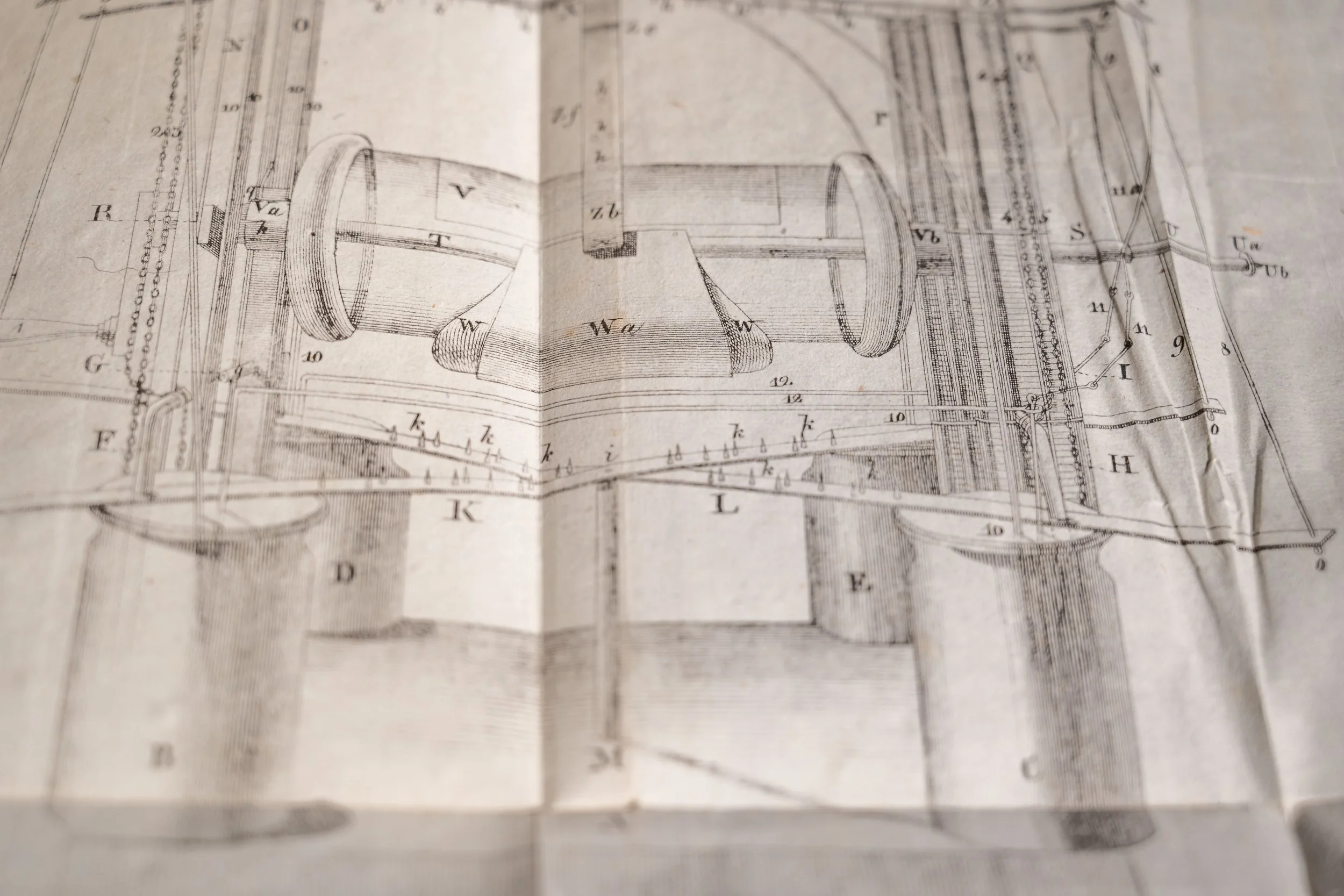 Image 6 of 10
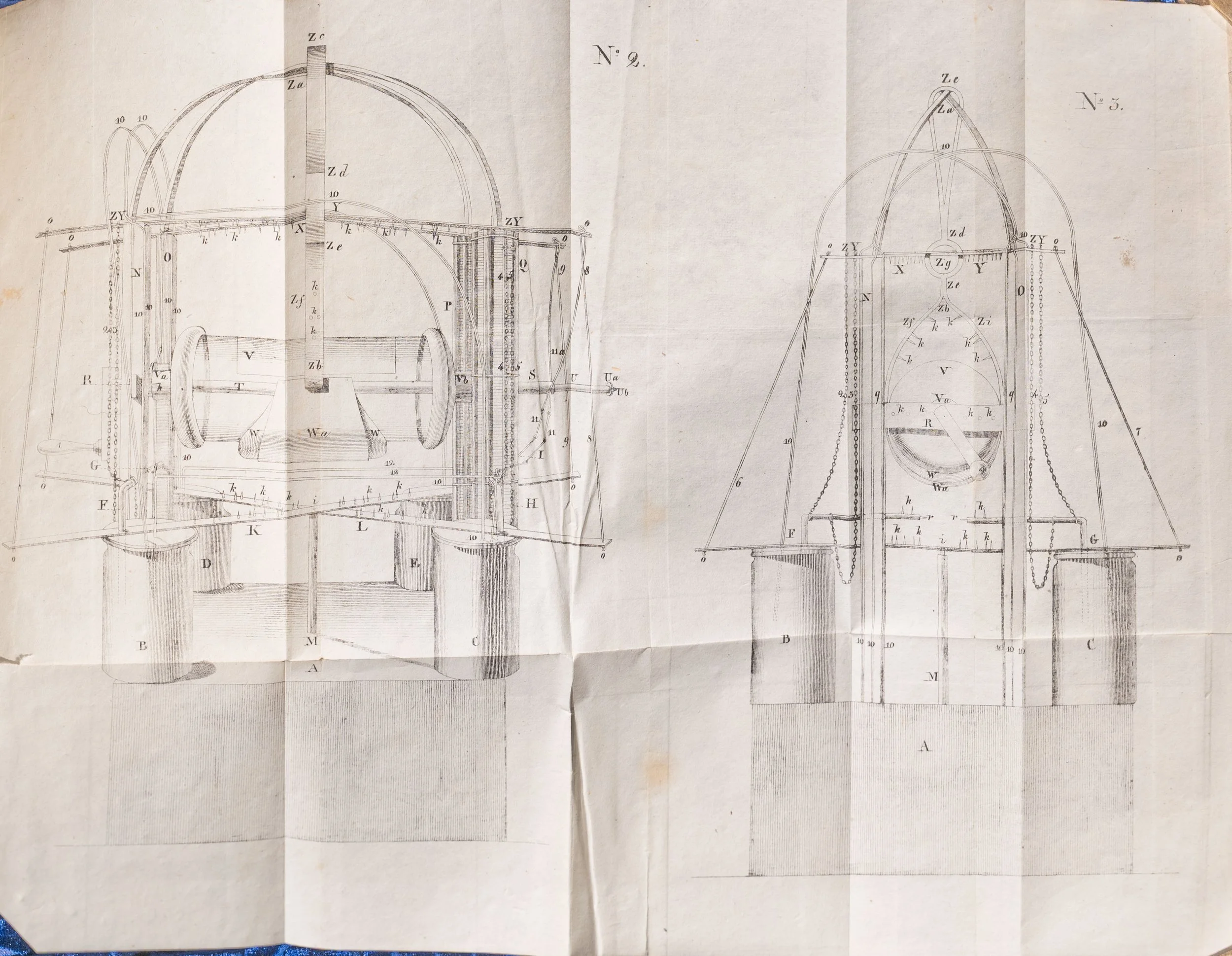 Image 7 of 10
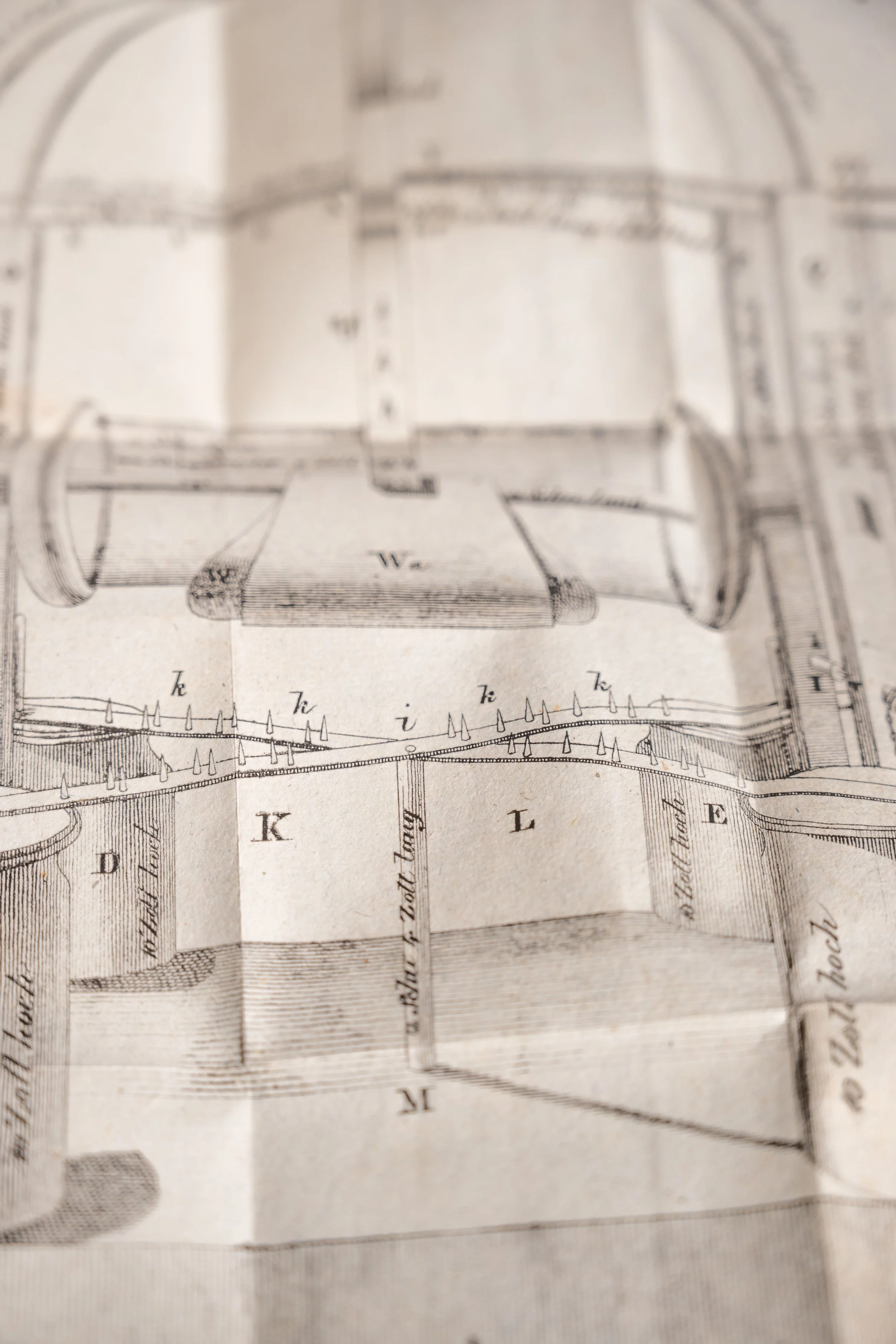 Image 8 of 10
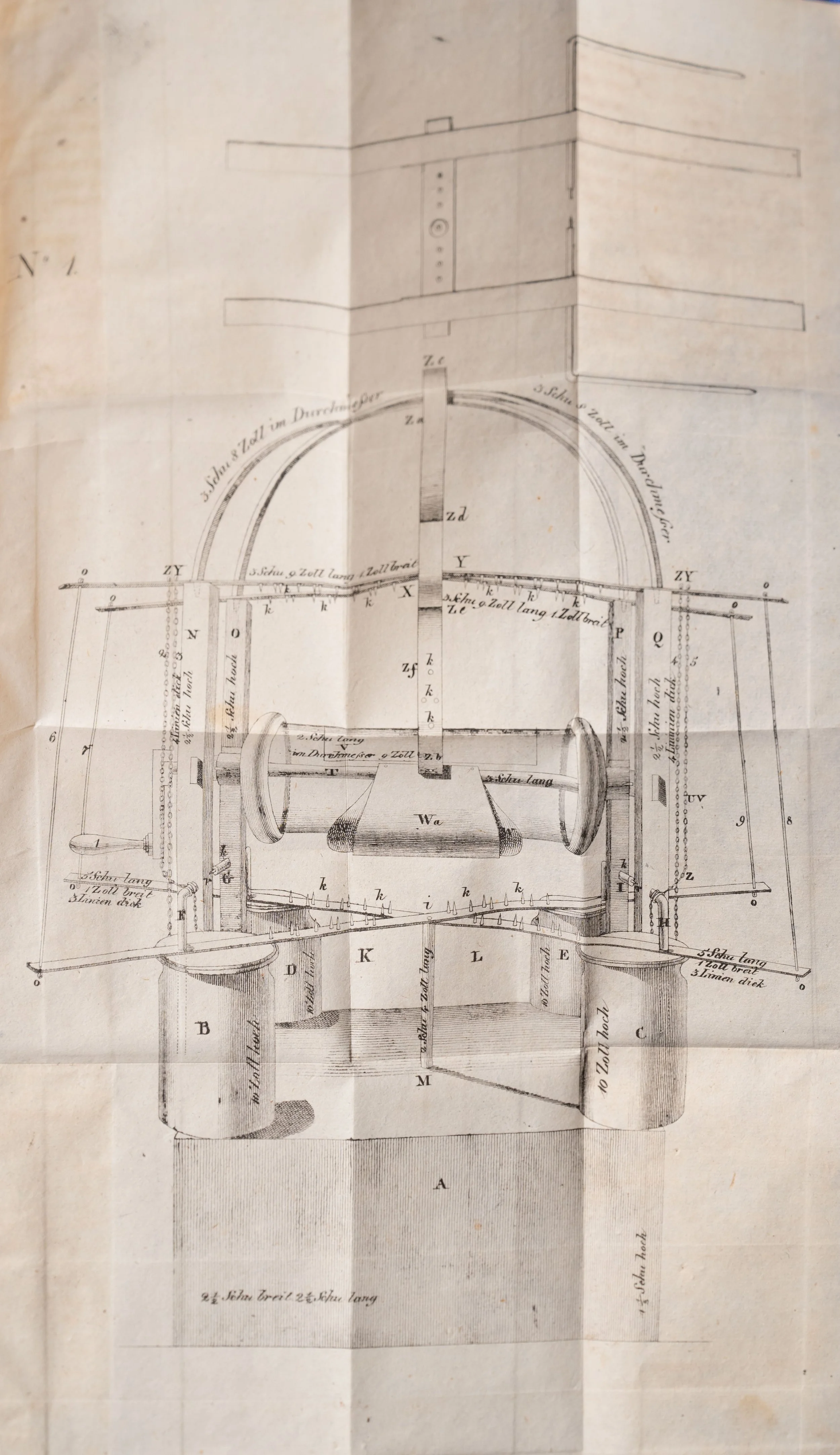 Image 9 of 10
 Image 10 of 10