This first German edition of Sir Kenelm Digby’s alchemical experiments has a manuscript recipe collection at the rear. Digby was a privateer and diplomat, as well as a founding member of the Royal Society, and closely involved in alchemical circles. His assistant George Hartman published the work after his death. On page 255 is the “Powder of Sympathy,” a vitriolic powder Digby claimed could heal wounds at a distance.
The handwritten additions are in German cursive mixed with Latin and alchemical symbols. A recipe headed “Laudanum Minerale” calls for sulfur and sugar. Another entry ends with the recommendation “a great secret,” and a green salve is attributed to the old Countess of Mansfeld. The printed experiments have acquired a second, handwritten collection of things worth keeping. The compiler remains unidentified. The handwritten recipes suggest that the book may have belonged to a practicing alchemist, though we cannot tell whether any were put to the test.
The title verso bears the stamp “Ex Bibl. ad aed. Mar. Magdal.” of the St. Mary Magdalene School in Breslau, now Wrocław. Otto Fritz Böhme’s bookplate is on the rear pastedown, with the collection number 769. A front-flyleaf note signed “H.J.” and dated 1903 gives metric conversions, including “1 Unze = 30 Gram.” Someone was still working through the quantities more than two centuries after publication. These marks do not identify the writer of the recipe collection.
The copy retains its contemporary vellum binding, Digby’s engraved portrait and all four copperplates. Wormholes, light browning and occasional finger-soiling are recorded below; the front inner hinge is starting but remains firm.
DIGBY, Kenelm (1603–1665). Außerlesene, seltzame Philosophische Geheimnüsse und Chymische Experimente... [Choice, Strange Philosophical Secrets and Chymical Experiments...] Hamburg: Gottfried Schultze, 1684. First German Edition. Octavo (17 x 10 cm). [8], 269, [11] pp. Complete with the engraved portrait frontispiece of Digby and 4 copperplates. Bound in contemporary vellum with handwritten title on spine ("K. Digby ... Chym. Geheim."). References: VD 17 39:115965L; Brüning 2558; Ferguson I, 212; Duveen 173; Krivatsy 3238.
Condition: Contemporary vellum binding is well-preserved with typical age-toning. Several small wormholes. Pencil marginalia throughout. The text block shows light browning and occasional finger-soiling. The front inner hinge is starting but remains firm. All plates are present.
This first German edition of Sir Kenelm Digby’s alchemical experiments has a manuscript recipe collection at the rear. Digby was a privateer and diplomat, as well as a founding member of the Royal Society, and closely involved in alchemical circles. His assistant George Hartman published the work after his death. On page 255 is the “Powder of Sympathy,” a vitriolic powder Digby claimed could heal wounds at a distance.
The handwritten additions are in German cursive mixed with Latin and alchemical symbols. A recipe headed “Laudanum Minerale” calls for sulfur and sugar. Another entry ends with the recommendation “a great secret,” and a green salve is attributed to the old Countess of Mansfeld. The printed experiments have acquired a second, handwritten collection of things worth keeping. The compiler remains unidentified. The handwritten recipes suggest that the book may have belonged to a practicing alchemist, though we cannot tell whether any were put to the test.
The title verso bears the stamp “Ex Bibl. ad aed. Mar. Magdal.” of the St. Mary Magdalene School in Breslau, now Wrocław. Otto Fritz Böhme’s bookplate is on the rear pastedown, with the collection number 769. A front-flyleaf note signed “H.J.” and dated 1903 gives metric conversions, including “1 Unze = 30 Gram.” Someone was still working through the quantities more than two centuries after publication. These marks do not identify the writer of the recipe collection.
The copy retains its contemporary vellum binding, Digby’s engraved portrait and all four copperplates. Wormholes, light browning and occasional finger-soiling are recorded below; the front inner hinge is starting but remains firm.
DIGBY, Kenelm (1603–1665). Außerlesene, seltzame Philosophische Geheimnüsse und Chymische Experimente... [Choice, Strange Philosophical Secrets and Chymical Experiments...] Hamburg: Gottfried Schultze, 1684. First German Edition. Octavo (17 x 10 cm). [8], 269, [11] pp. Complete with the engraved portrait frontispiece of Digby and 4 copperplates. Bound in contemporary vellum with handwritten title on spine ("K. Digby ... Chym. Geheim."). References: VD 17 39:115965L; Brüning 2558; Ferguson I, 212; Duveen 173; Krivatsy 3238.
Condition: Contemporary vellum binding is well-preserved with typical age-toning. Several small wormholes. Pencil marginalia throughout. The text block shows light browning and occasional finger-soiling. The front inner hinge is starting but remains firm. All plates are present.

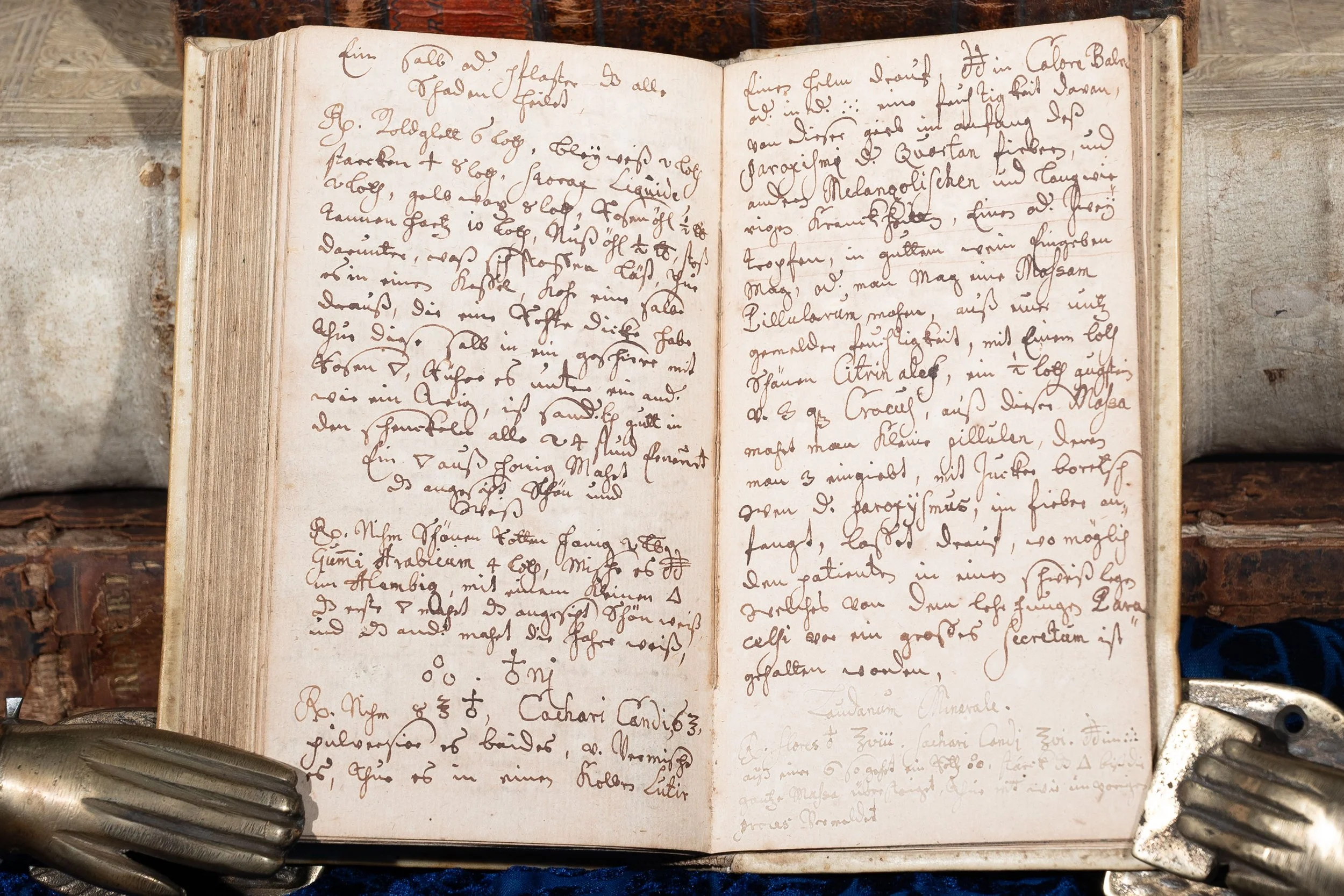 Image 1 of 16
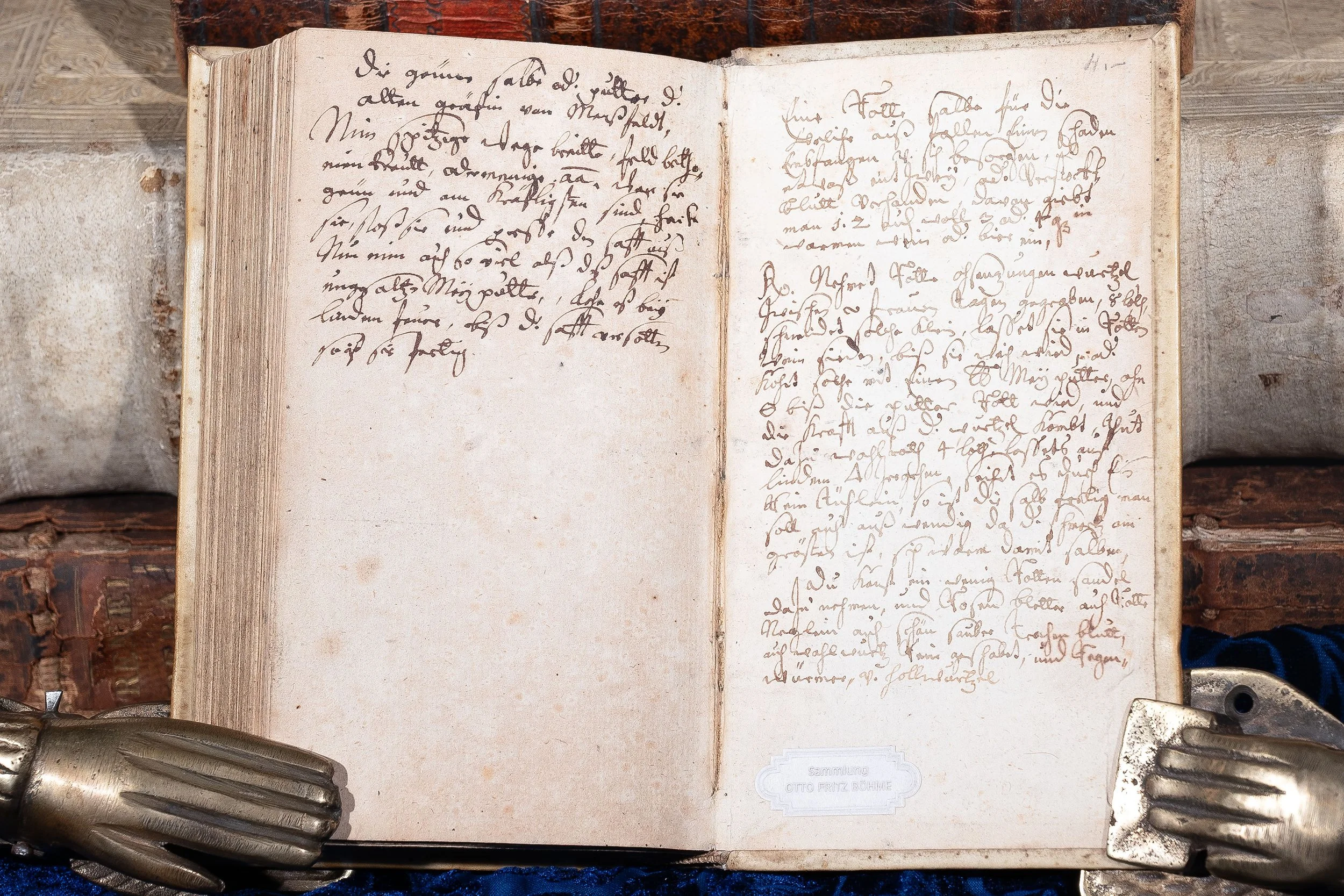 Image 2 of 16
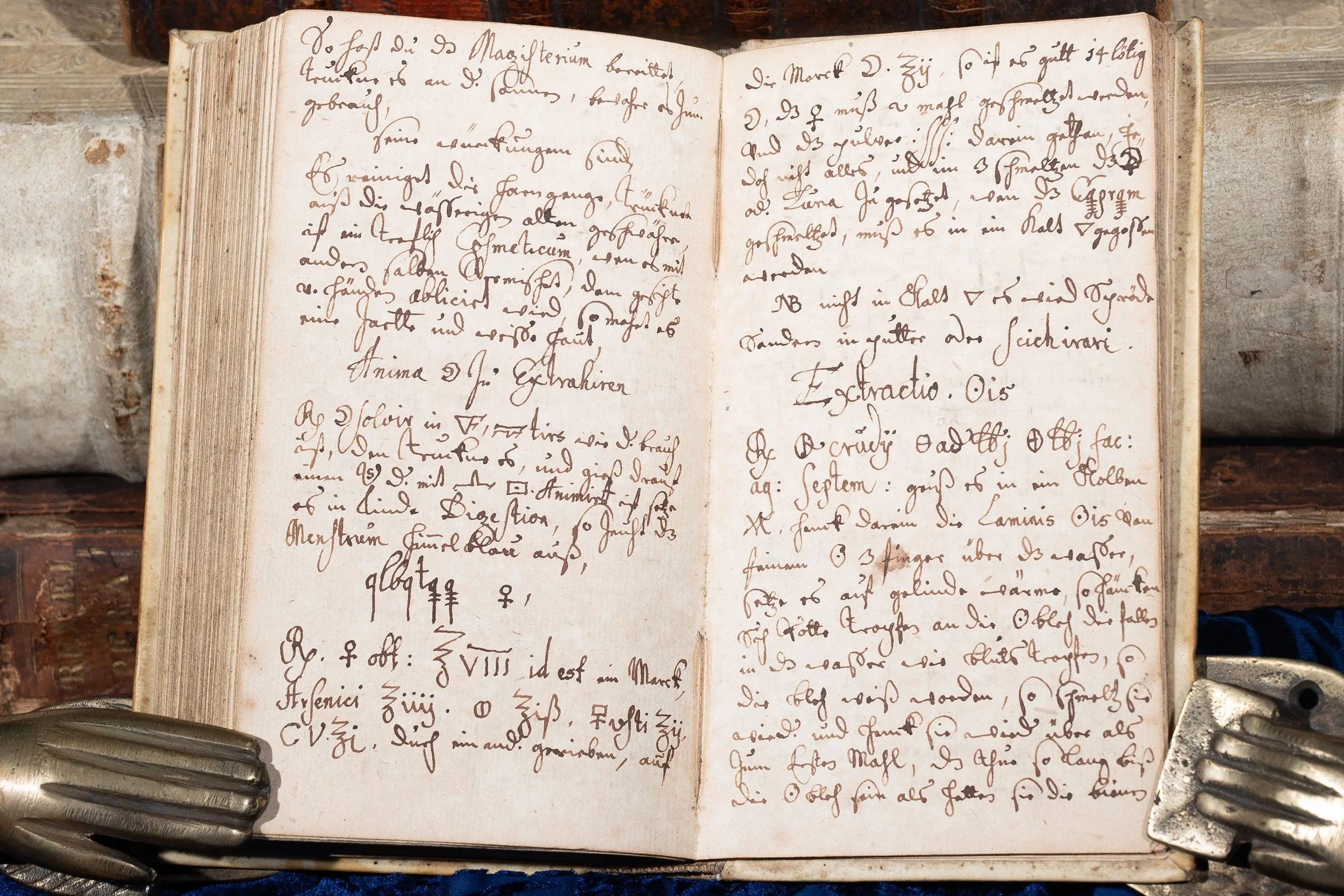 Image 3 of 16
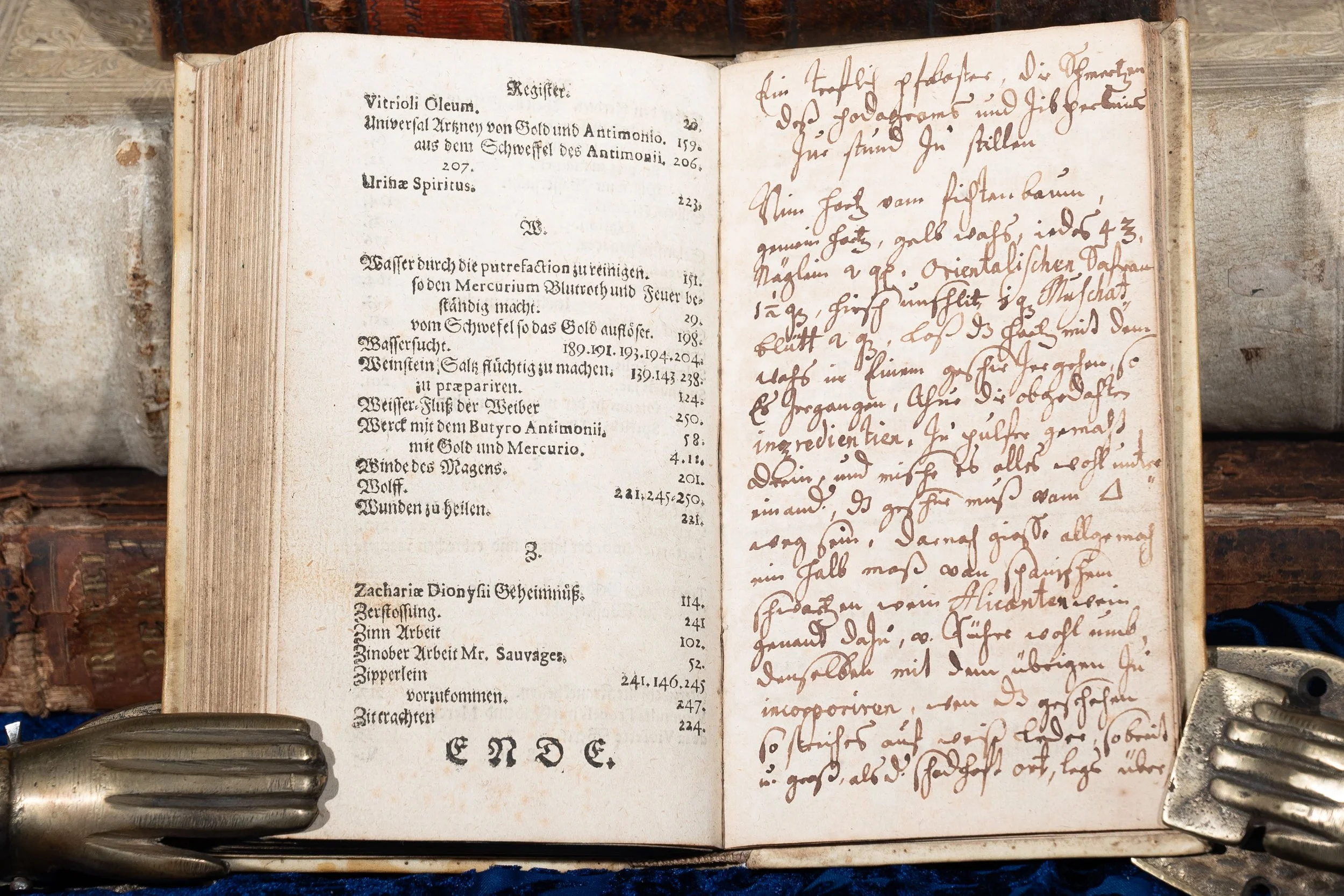 Image 4 of 16
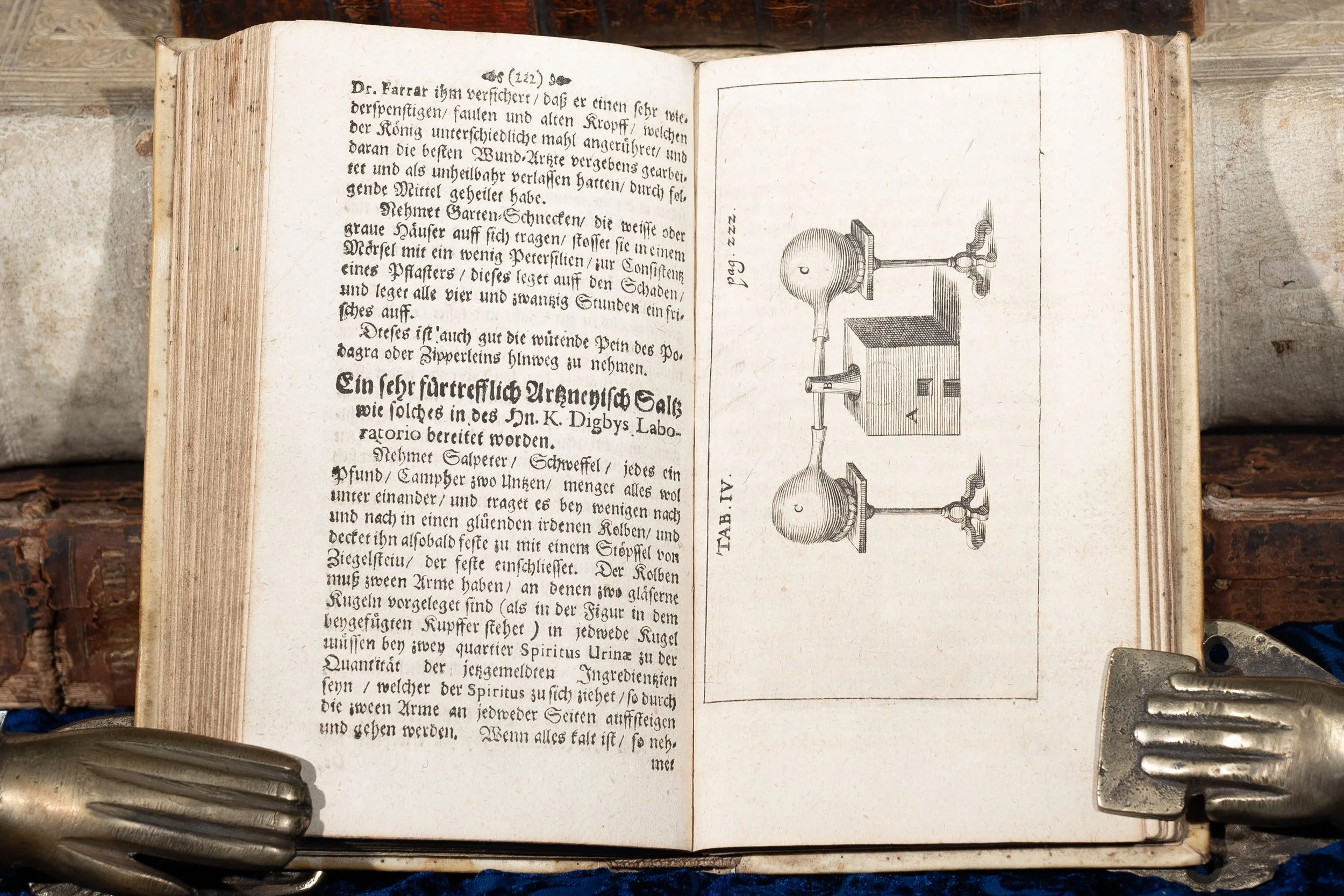 Image 5 of 16
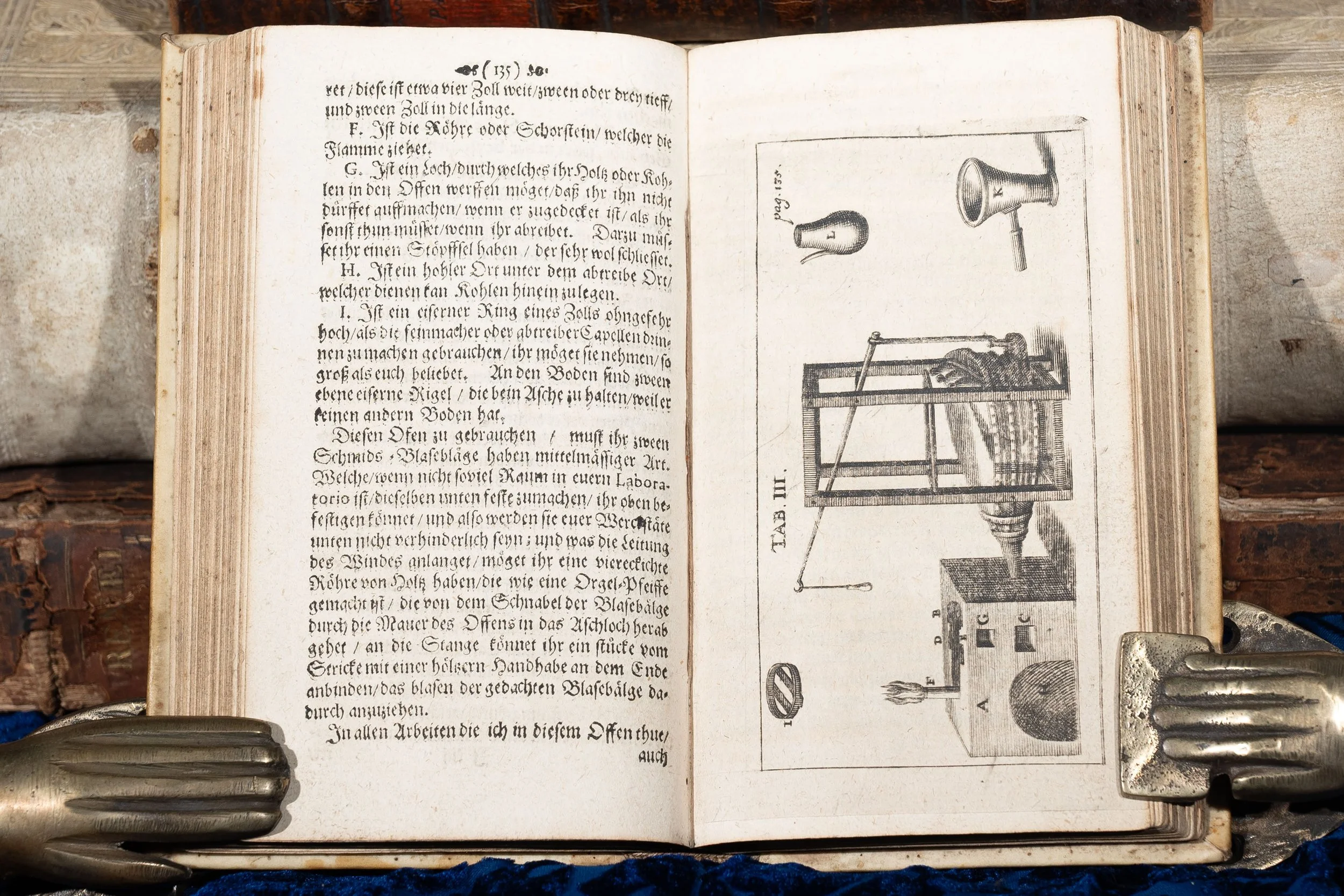 Image 6 of 16
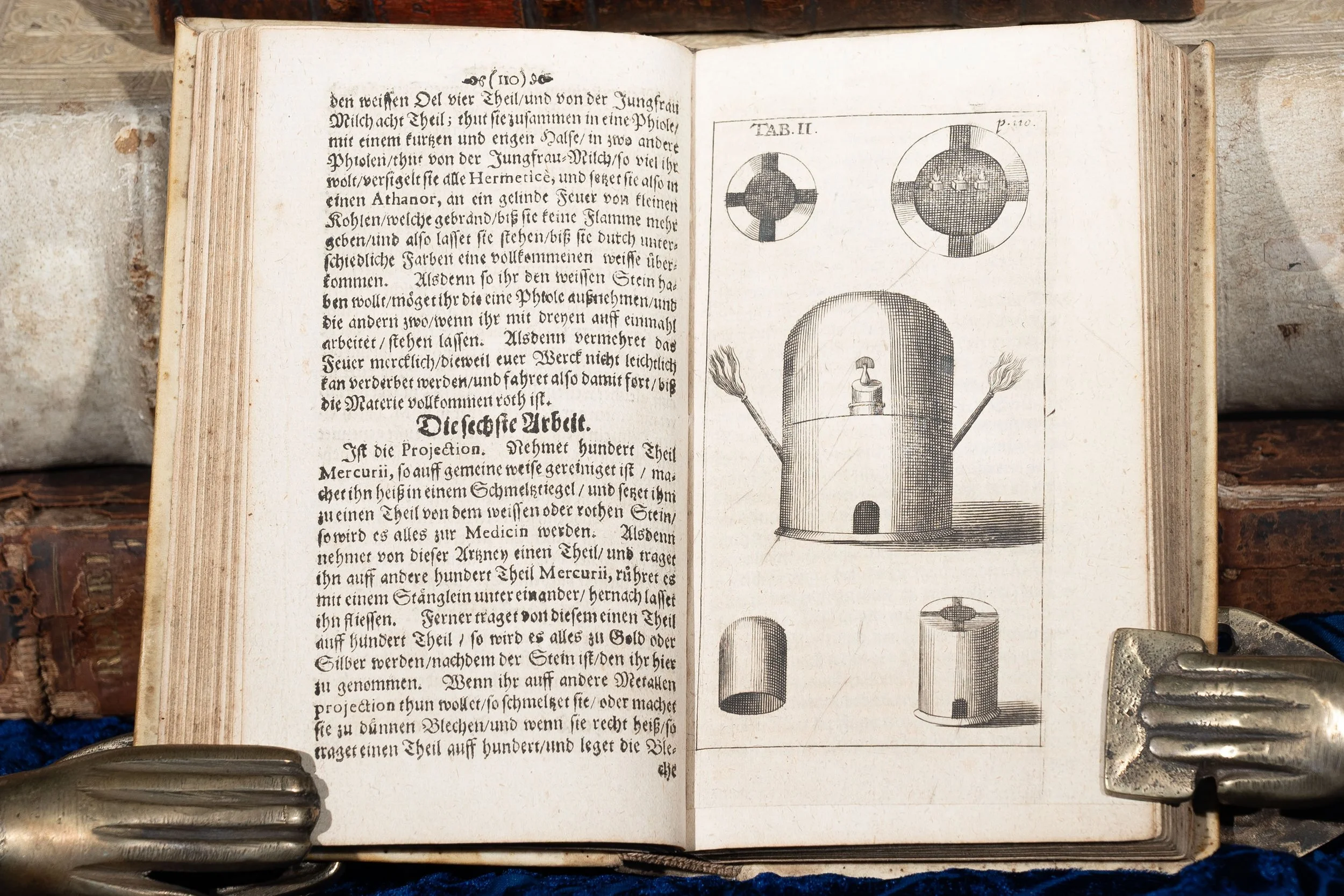 Image 7 of 16
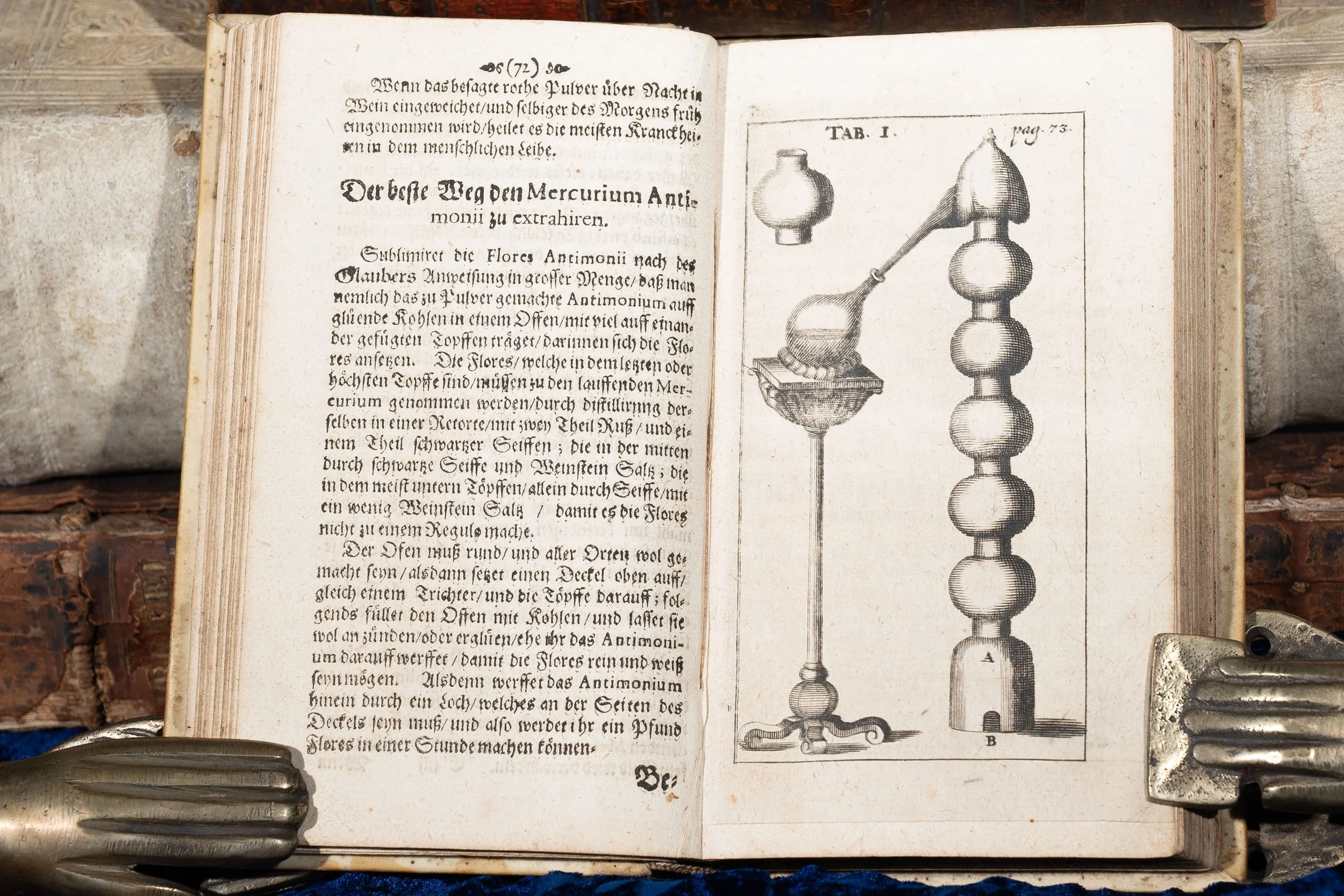 Image 8 of 16
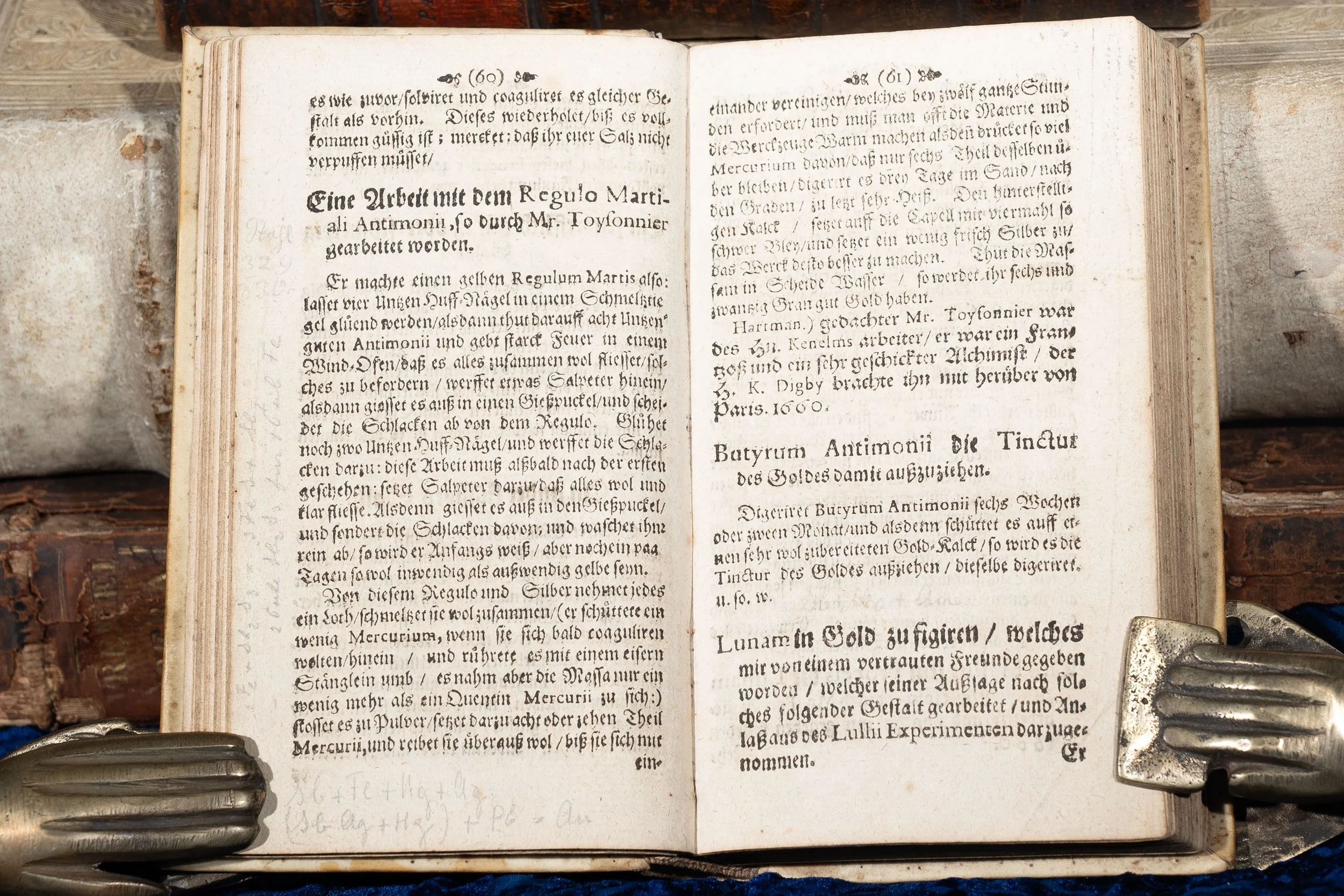 Image 9 of 16
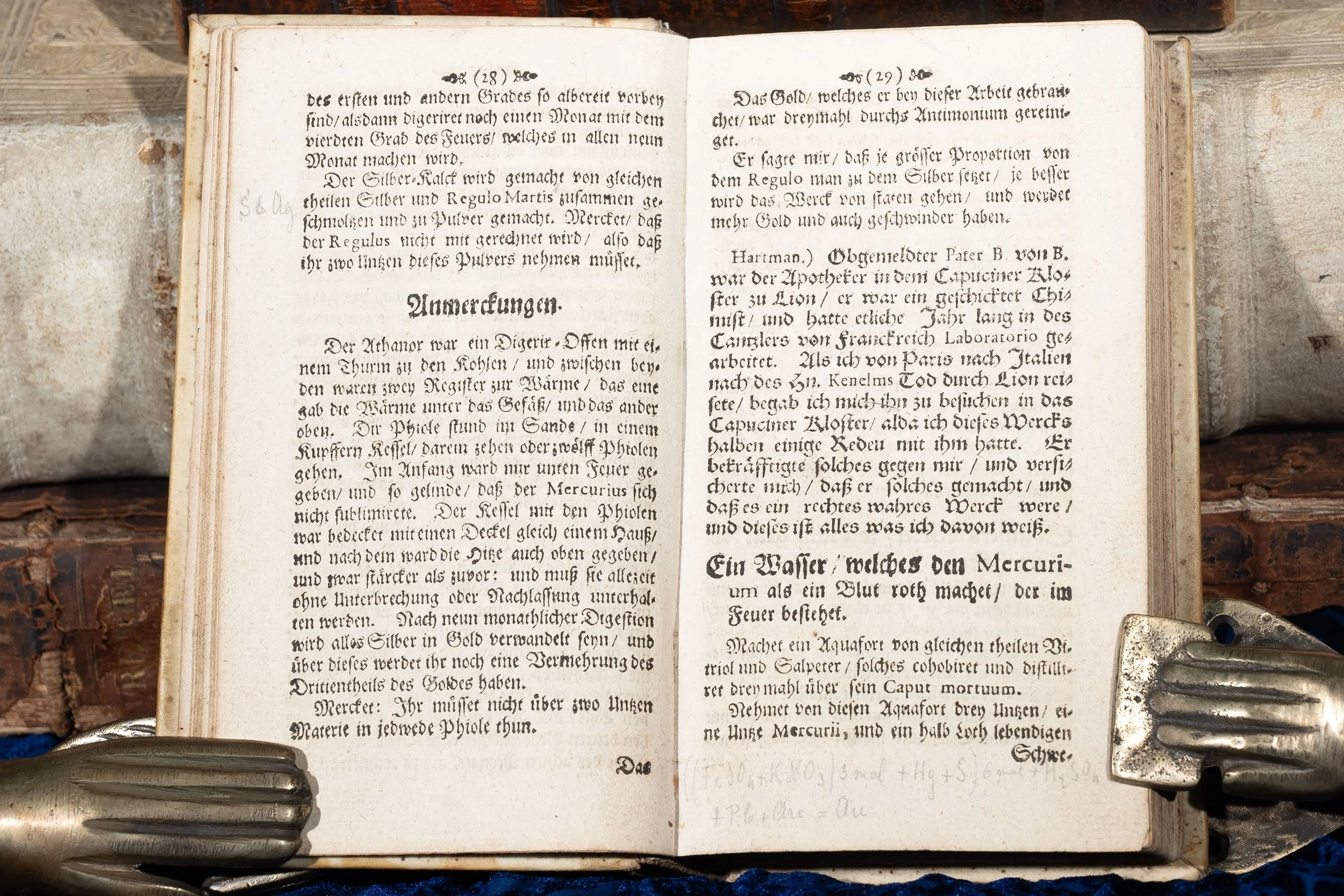 Image 10 of 16
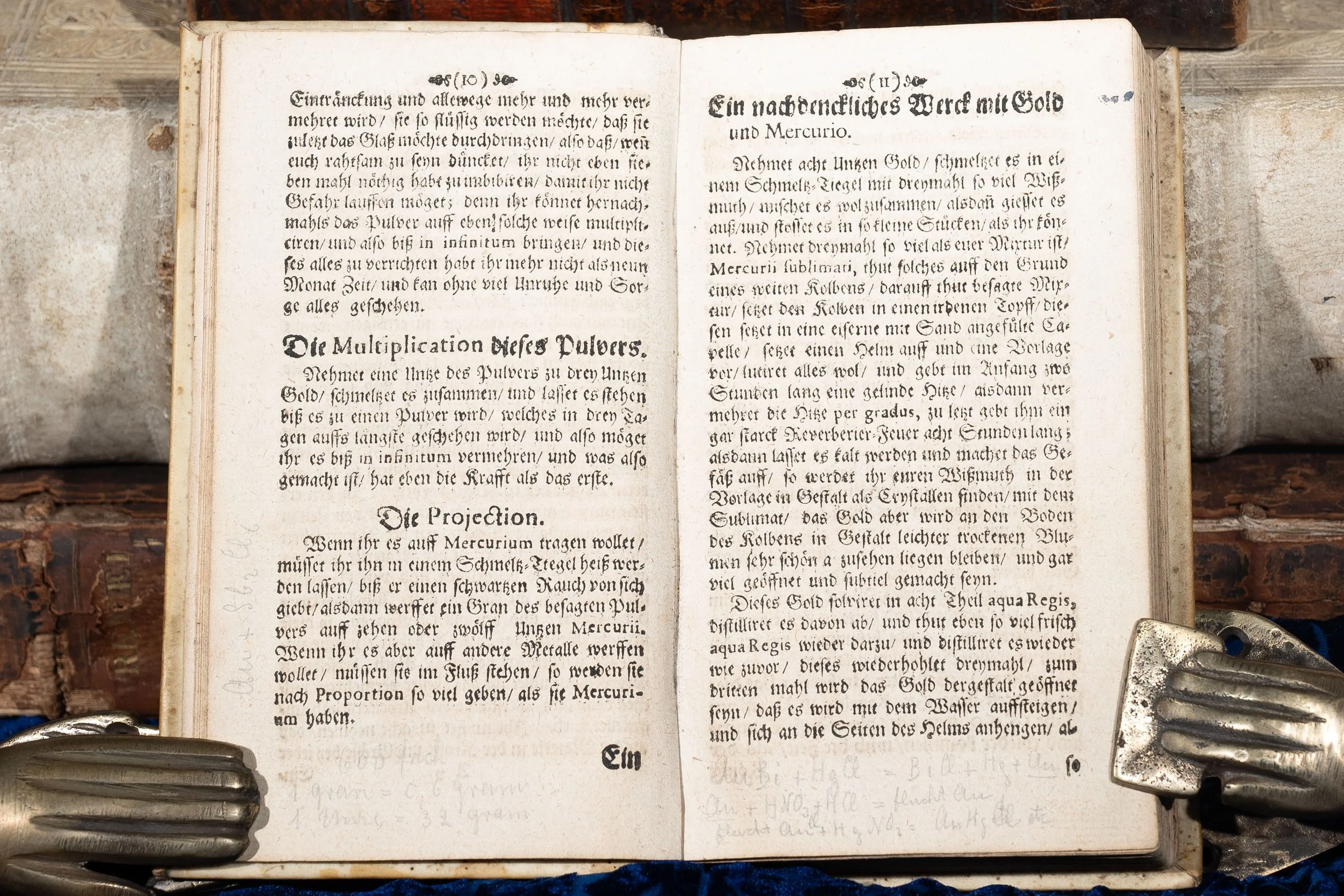 Image 11 of 16
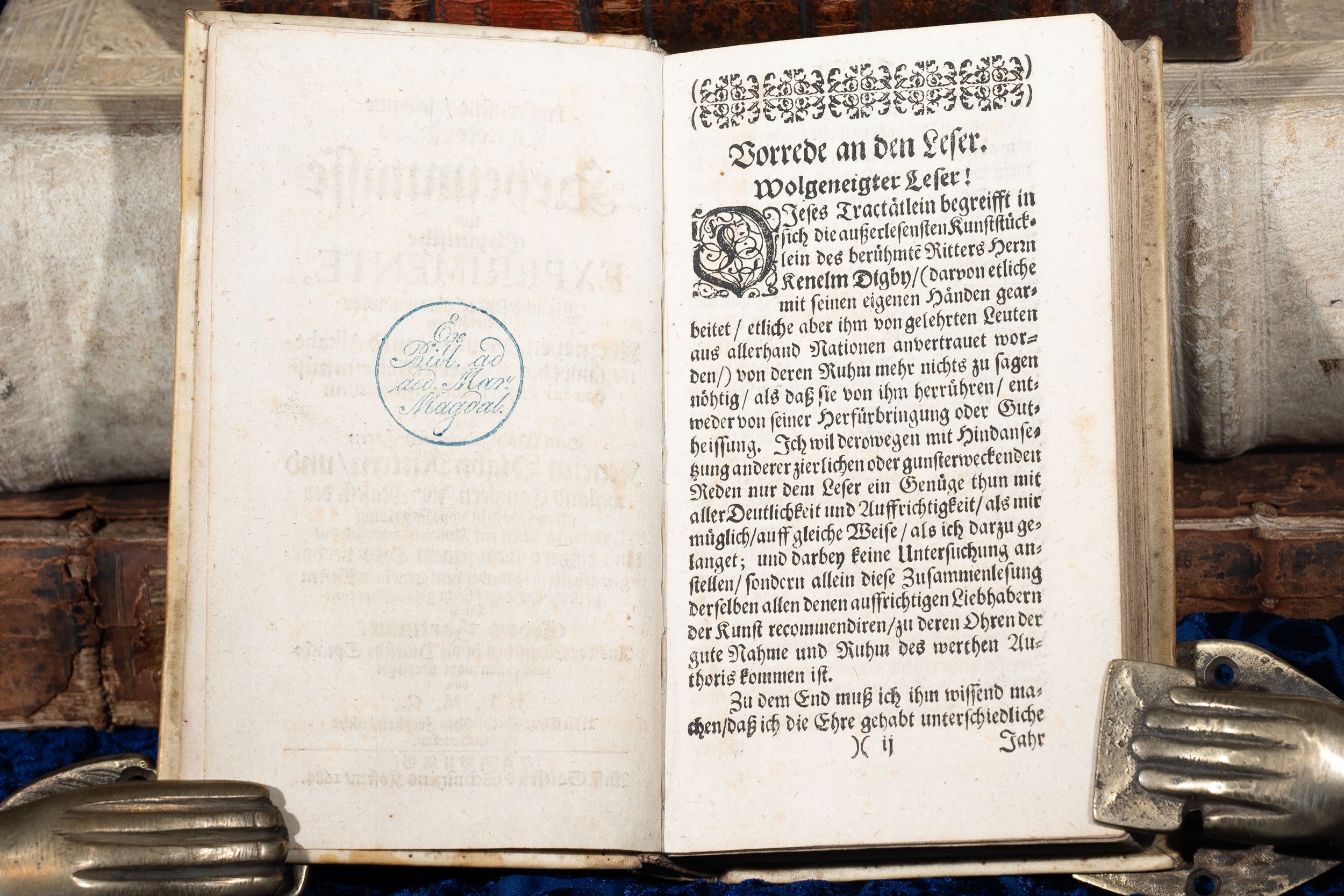 Image 12 of 16
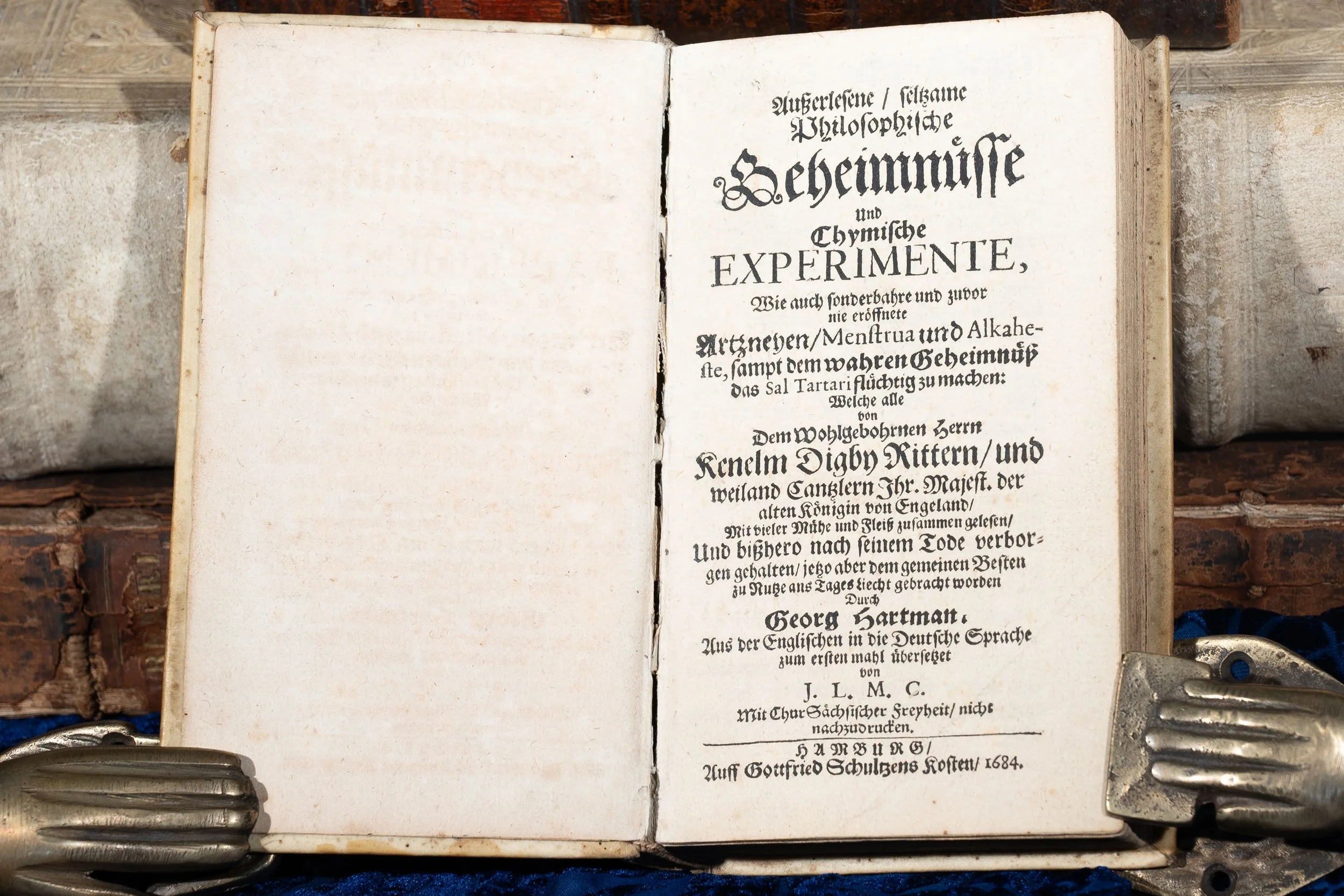 Image 13 of 16
 Image 14 of 16
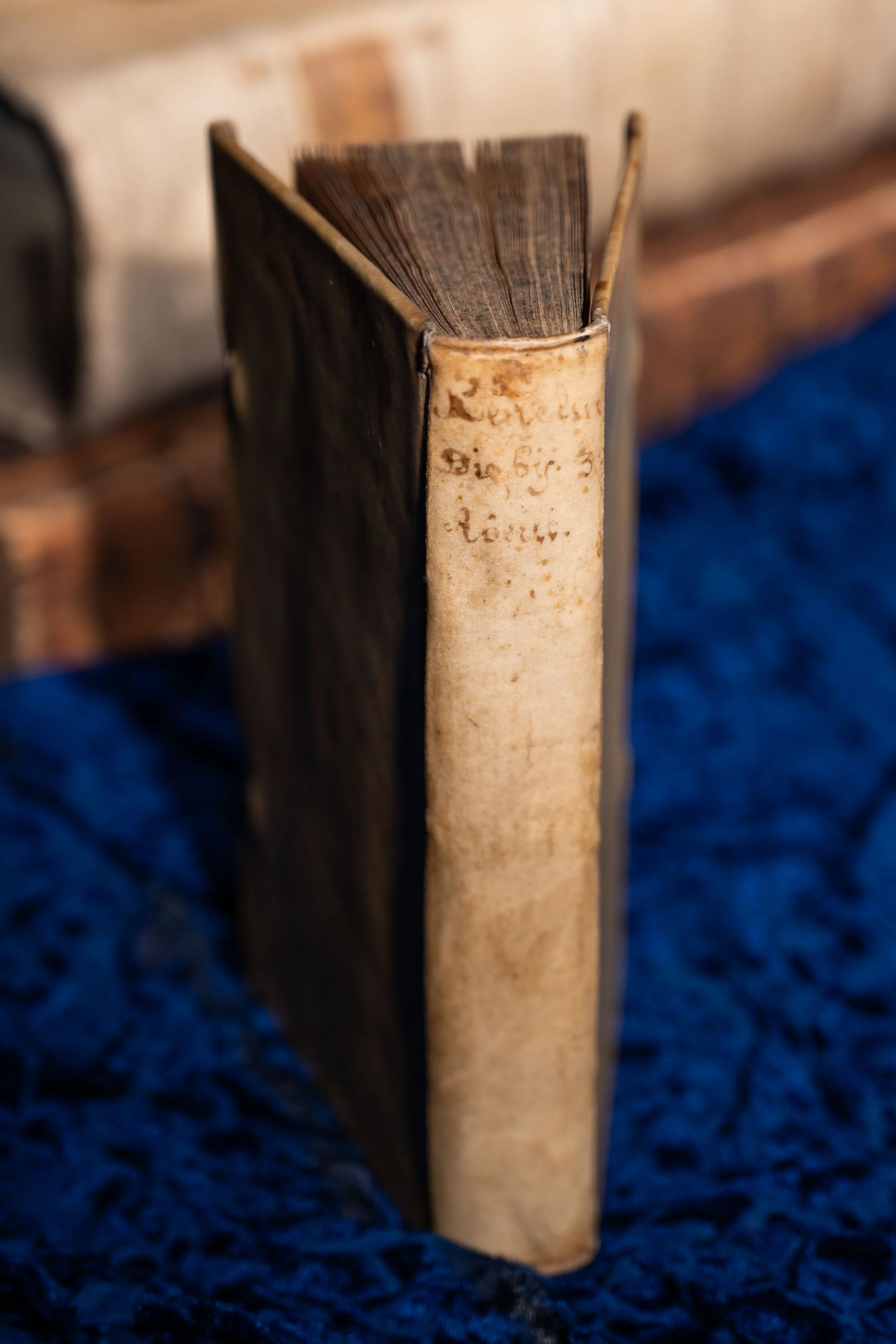 Image 15 of 16
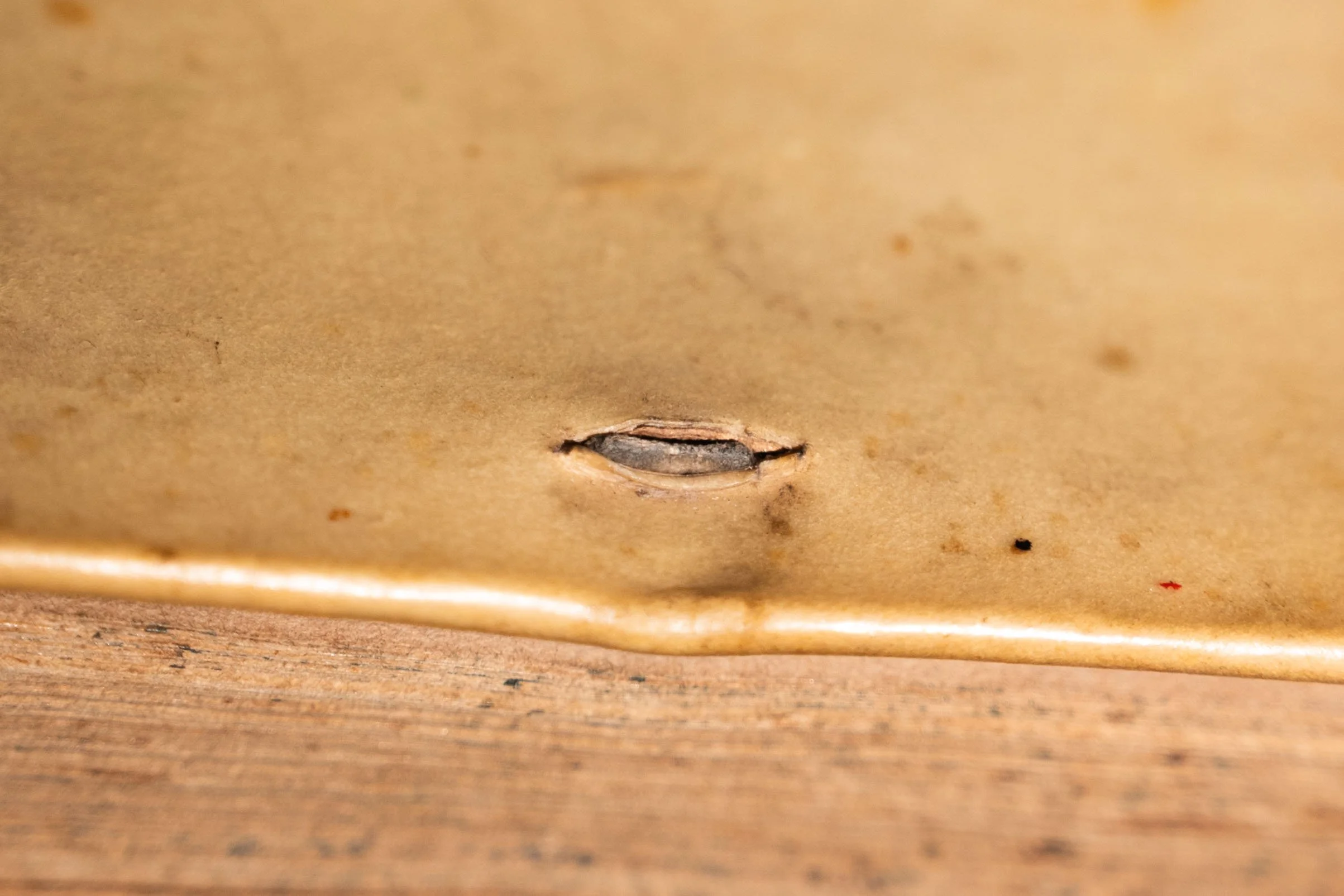 Image 16 of 16