A man prays inside a small fort with four round bastions. From the corners of the sky, figures ride in on the winds and drive swarms of creatures at the walls. Robert Fludd called this double-page engraving the enemy's assault on the fortress of health, and the book it belongs to is his account of where disease comes from.
Fludd was a London physician with an Oxford doctorate and a fellowship in the College of Physicians. His Medicina Catholica, or universal medicine, was printed at Frankfurt for the English bookseller William Fitzer. The first part, on health, came out in 1629. The treatise on disease followed in 1631 in two sections, one on causes and one on signs. We have both, in the first edition, as two separately bound volumes.
The first volume argues that illness arrives from outside, on the air. Each quarter of the world has its wind and its demon, and archangels hold them on lines. The engraved title to the section names the demons. Azazel, Samael, Azael and Mahazael appear there with Paymon, Egyn and Amaymon, demon kings of the cardinal points in the books of ritual magic. A later engraving puts the archangels on the walls of the fort around a figure labeled the healthy man.
Fludd then sets out to show all this by experiment. His instrument is the weather-glass, a glass bulb on a tube standing in a vessel of water, in which the trapped air swells and shrinks with heat and cold. He calls it his calendar glass, because it shows changes in the air as they happen. In one engraving the scale of the glass is labeled with the diseases of the body. Other engravings show kettles, steam vessels and fountains, and two views of the opened skull.
The second volume has a Greek title that means the universal mirror of physicians. It explains how to read the signs of a disease and foretell its course. Fludd dedicated it to Sir Robert Cotton, the antiquary whose manuscripts are now in the British Library.
One engraving shows a physician at his desk inside a ring of urine flasks, each labeled with its color, from pale and lemon yellow to black. The wheel of urines was an old teaching picture by then. Fludd called the subject Ouromantia, divination by urine. In it, the physician casts a horoscope for the moment the flask of urine is brought to him. Fludd prints one dated 20 July 1596, ten minutes to ten in the morning, when a man came with his sick sister's urine to ask whether she would live or die.
Other signs come from the sky. Fludd follows the moon through an illness to find the critical days, when a fever should turn, and he designs a paper instrument for the purpose, with one of its dials engraved on a folded leaf. There is a chapter on palmistry as well, with an engraved hand that divides the line of life into years.
The first volume has the title page with its engraving of a sickroom, the portrait of Fludd on the back of it, and the double-page plate. Its text is original through page 488. The last eight leaves, pages 489 to 503, are supplied in facsimile, kept loose in a pocket inside the back cover. The folding plate that complete copies have after page 180 is not present. The book has been rebound in speckled calf. The second volume is in old marbled-paper boards. Its text is complete and the folded leaf with the engraved dial is here. It lacks a separate engraved plate and the folding woodcut table.
Volume one. FLUDD, Robert (1574–1637). Integrum morborum mysterium: sive Medicinae catholicae tomi primi tractatus secundus, in sectiones distributus duas. Frankfurt: printed by Wolfgang Hofmann, sold by William Fitzer, 1631. First edition. The first of the two sections. Dedicated to George Abbot, Archbishop of Canterbury.
Physical Description: Folio (31 x 21 cm). [13] leaves, then pages 1 to 488 of 503. Pages 489 to 503 are supplied in facsimile on eight loose leaves. Engraved vignette on the title page, engraved portrait of Fludd on its verso, engraved section title, one double-page engraved plate, and engraved and woodcut illustrations in the text. Without the folding engraved plate recorded in complete copies after page 180.
Binding: Recent speckled calf, the covers ruled in blind, the spine with raised bands and a red label. New endpapers, with a pocket inside the back cover for the facsimile leaves. Edges stained red.
Condition: Lacks the last eight leaves and the folding plate, as above. Browned throughout, more heavily in some gatherings, with scattered spots. A short tear or notch at the fore-edge of a run of leaves toward the end, clear of the text. The lower corner of one leaf creased and torn. Blank leaves bound in after page 488.
Volume two. FLUDD, Robert (1574–1637). Katholikon medicorum katoptron (the first and third words printed in Greek): in quo, quasi speculo politissimo morbi praesentes more demonstrativo clarissime indicantur, & futuri ratione prognostica aperte cernuntur, atque prospiciuntur. Sive tomi primi, tractatus secundi, sectio secunda, De morborum signis. [Frankfurt: Wolfgang Hofmann for William Fitzer], 1631. First edition. The second of the two sections. Its title page gives only the year.
Physical Description: Folio (31 x 21 cm). [2] leaves, 413 pages. Engraved and woodcut illustrations in the text, among them the wheel of urines, a physician receiving a flask, astrological figures and a palmistry hand. One text leaf (pages 49/50) folds out, with a full-page engraved dial on the verso. Without the engraved plate called for after page 8, the folding woodcut table called for after page 406, and the large folding table sometimes found at the end. Without the Pulsus, Fludd's treatise on the pulse, which was printed with its own title page and page numbers.
Binding: Old marbled-paper boards with an orange paper label on the spine. The spine is worn, with loss of paper at the foot, and the label is chipped. Boards rubbed at the edges.
Condition: Browned in the text area, with damp staining in the middle of many leaves. The folded leaf is creased, with a short tear at the fold of the flap. A few spots and small marginal holes.
Provenance: Volume two has a small blue-bordered shelf label lettered "K 14" inside the front cover and pencil notes on the front pastedown and flyleaf. None found in volume one.

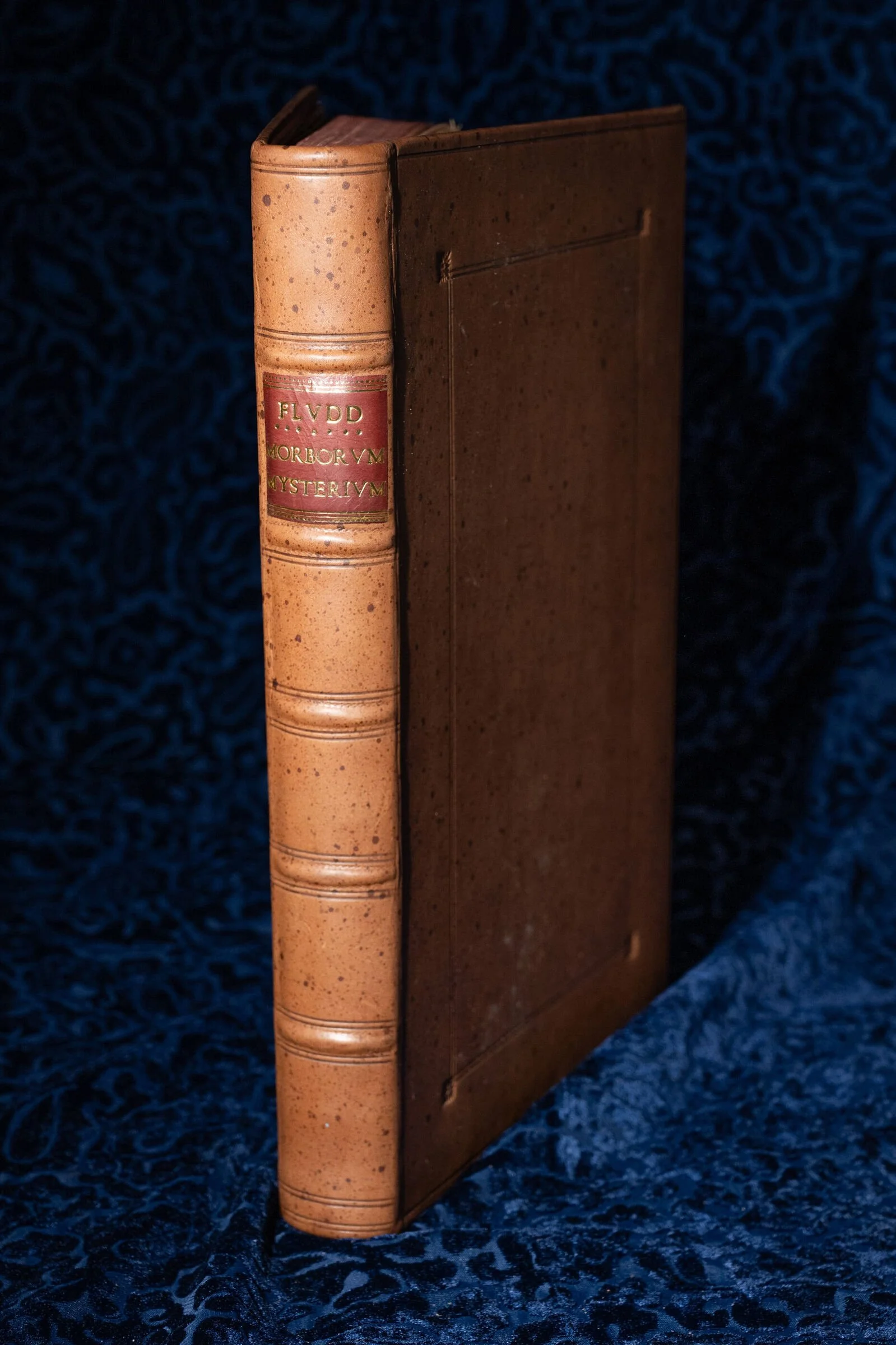 Image 1 of 107
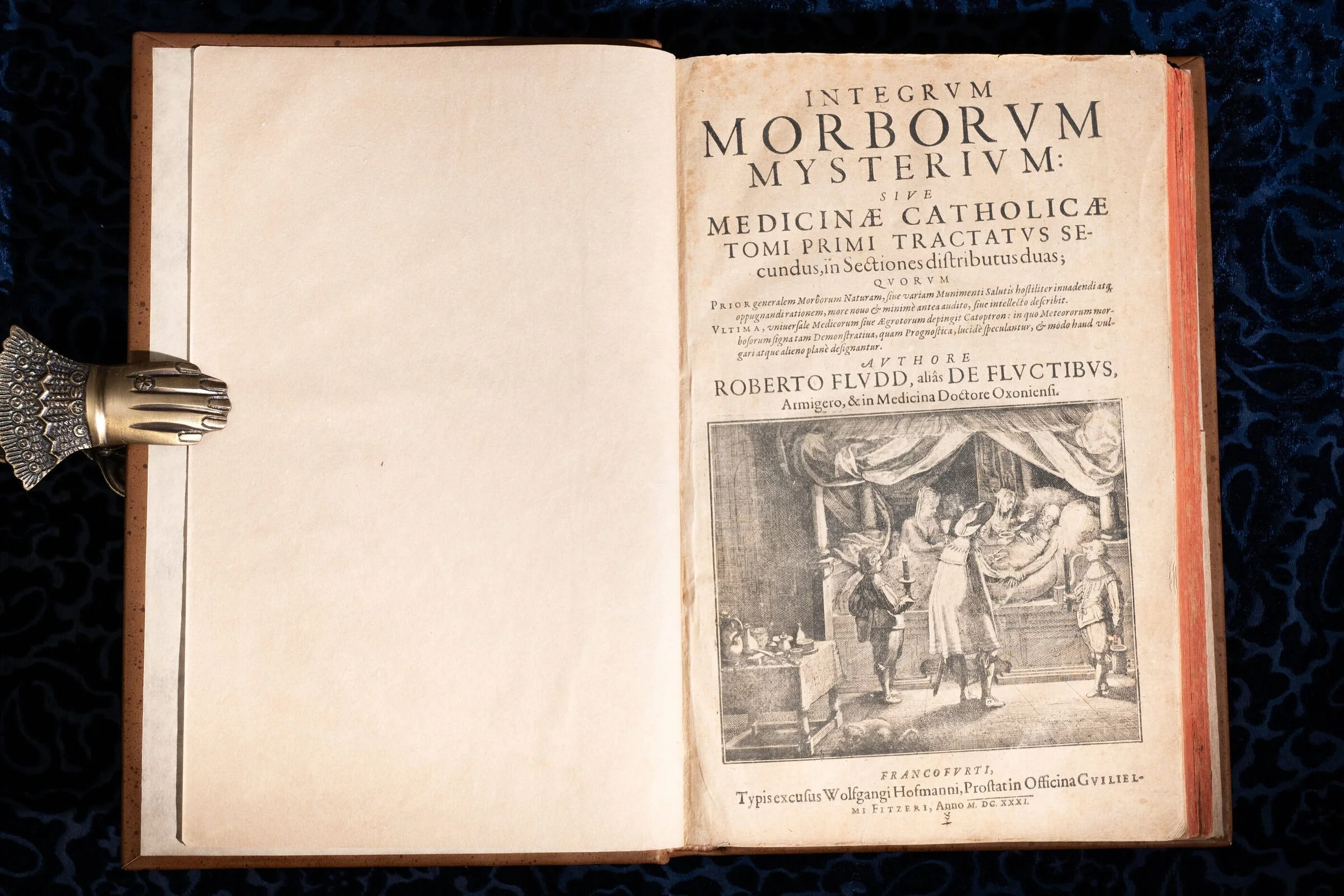 Image 2 of 107
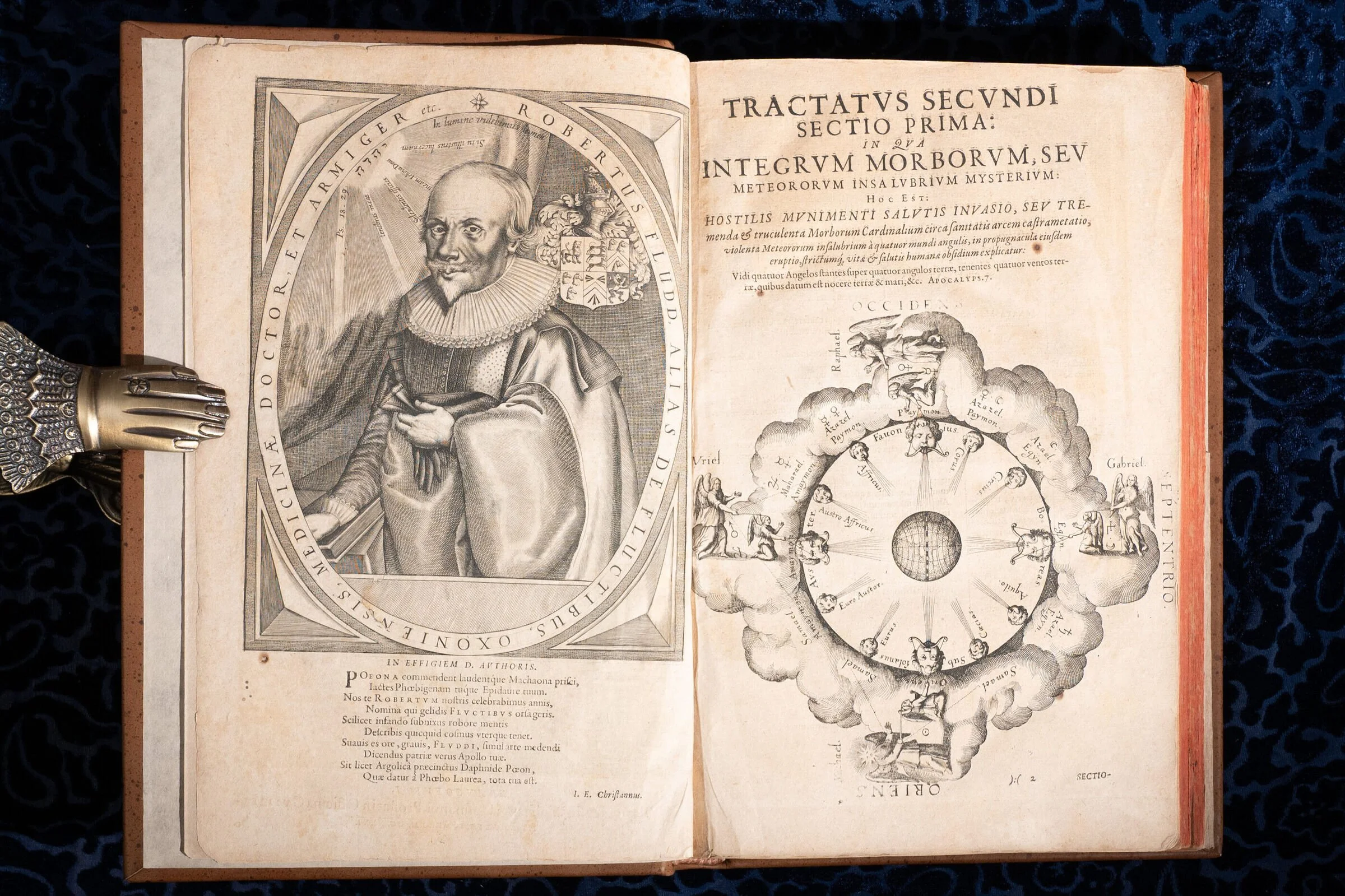 Image 3 of 107
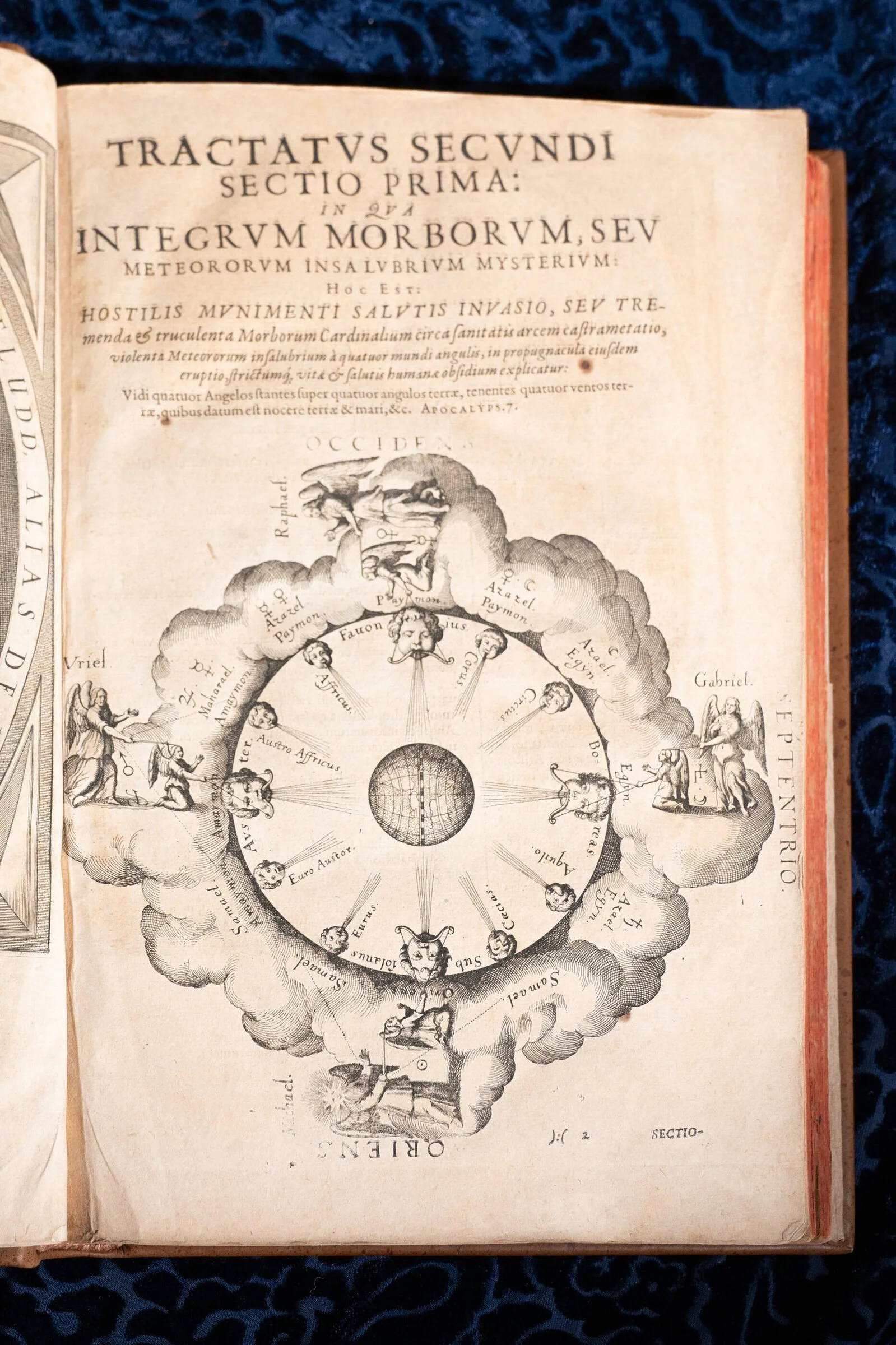 Image 4 of 107
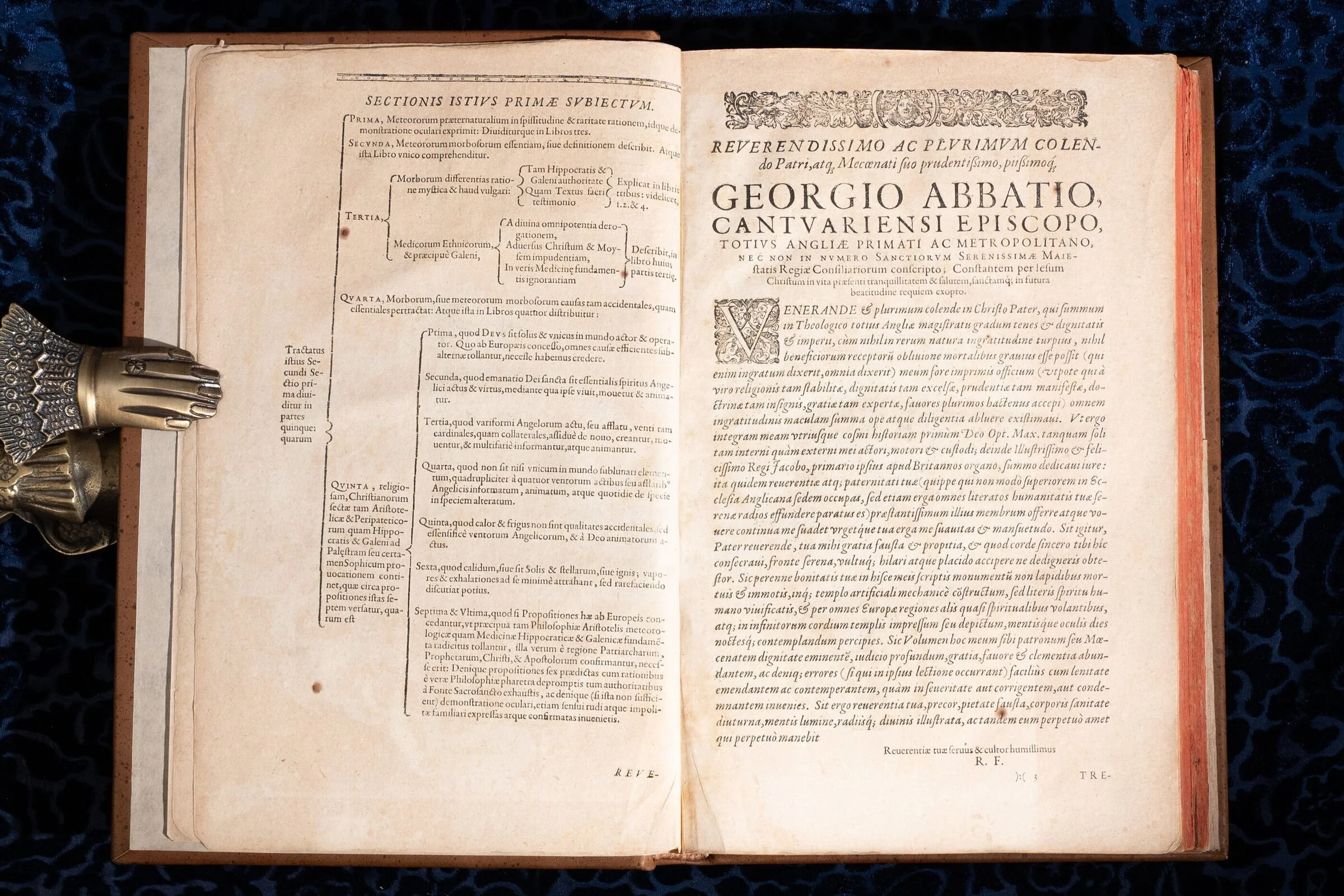 Image 5 of 107
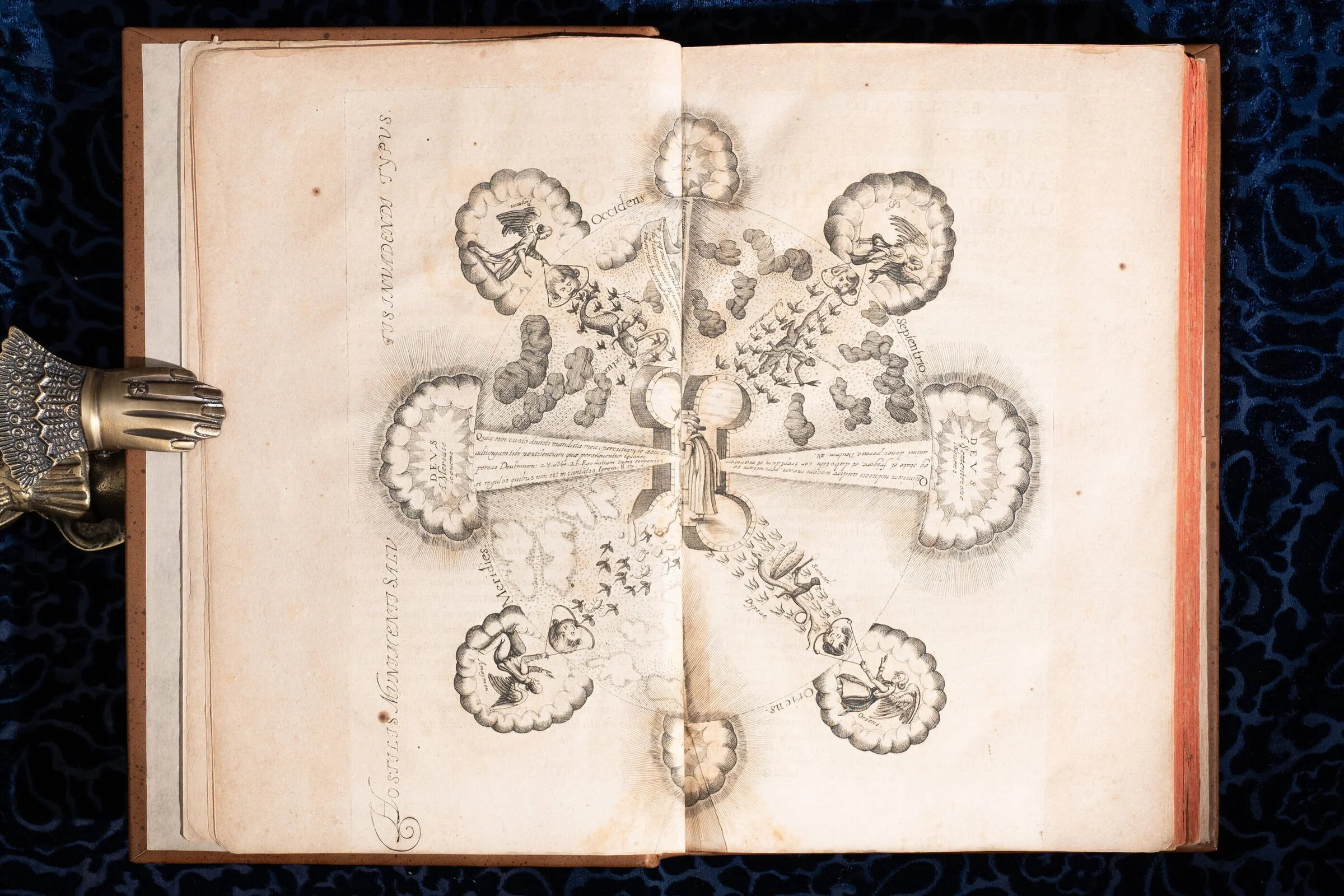 Image 6 of 107
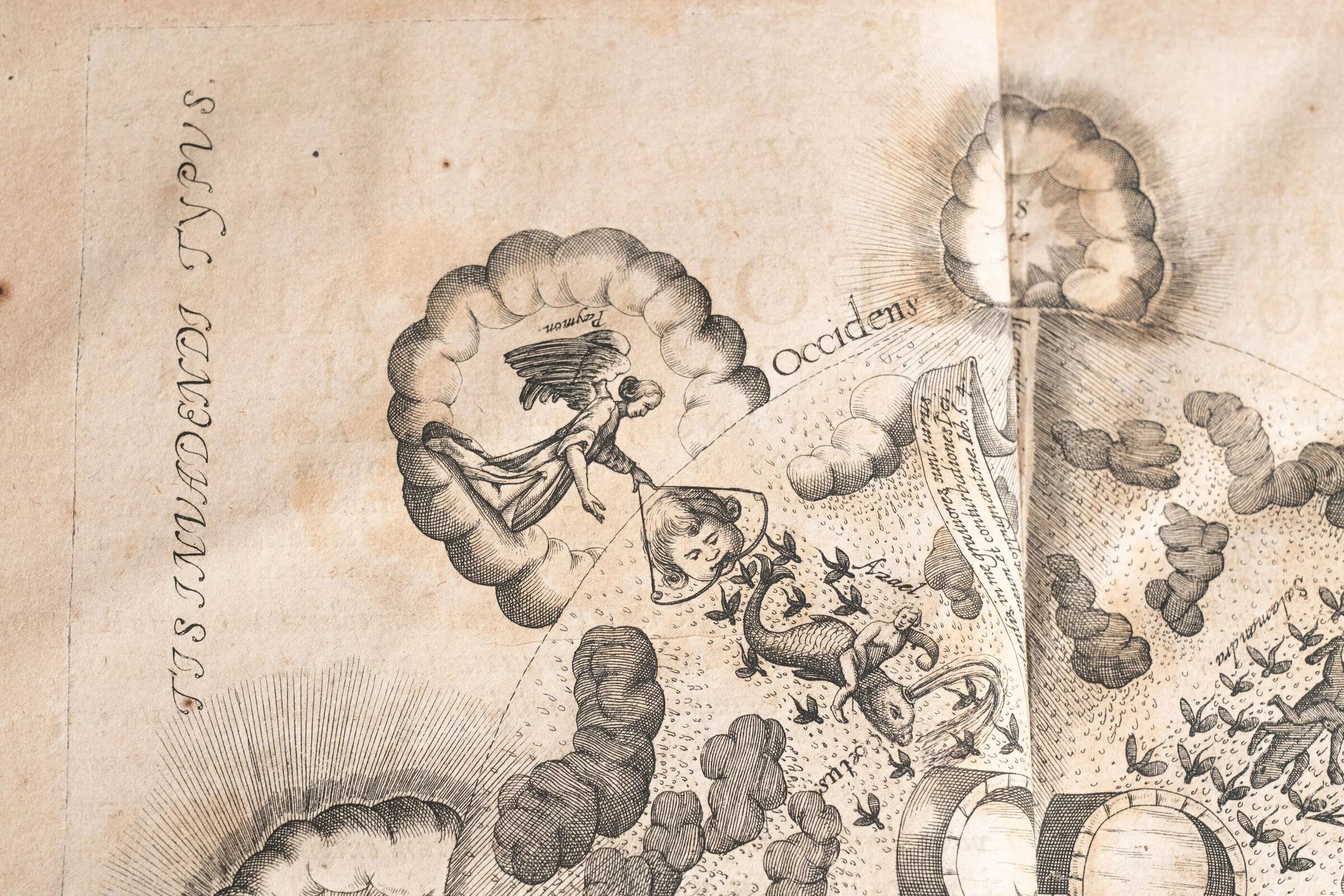 Image 7 of 107
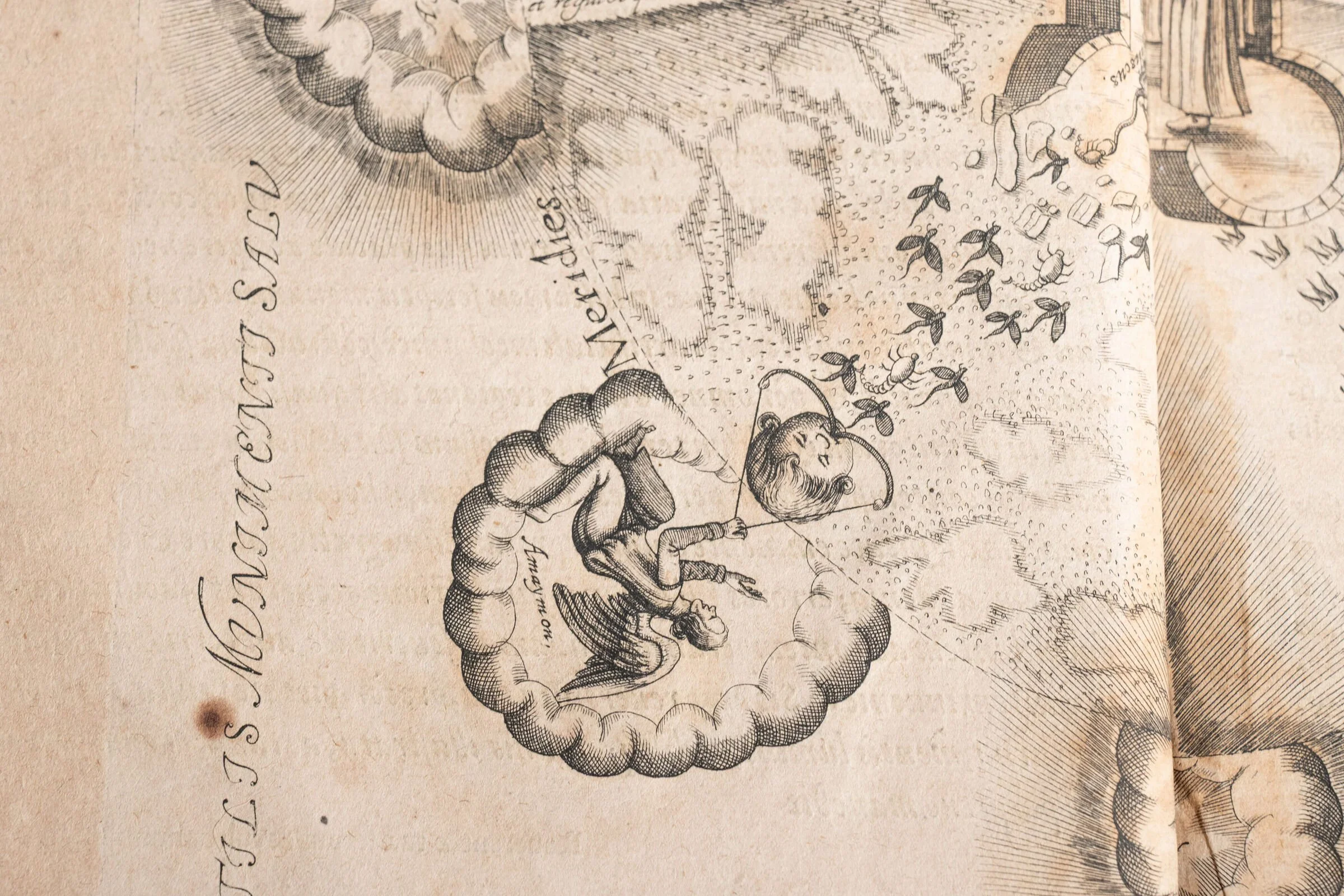 Image 8 of 107
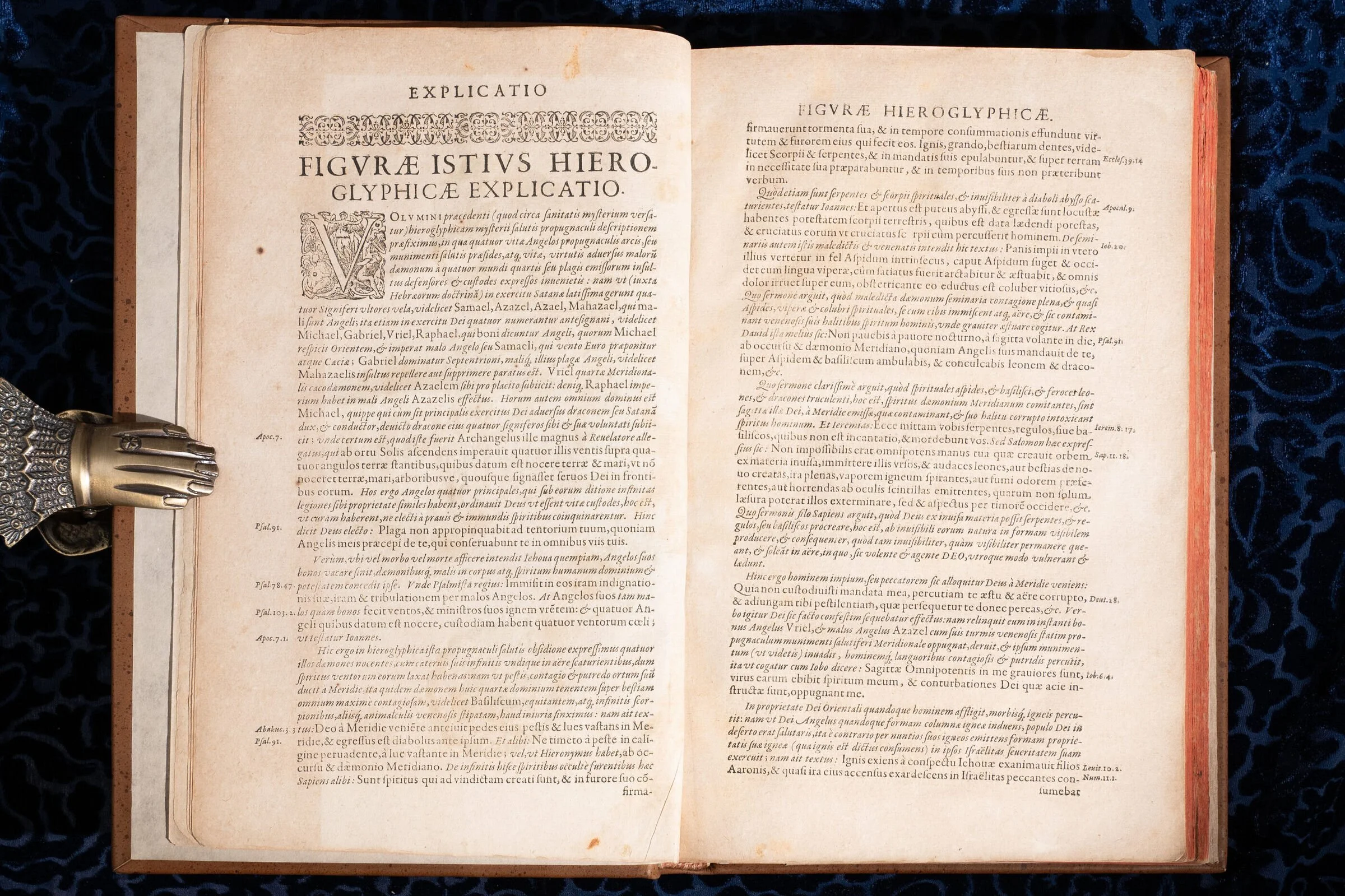 Image 9 of 107
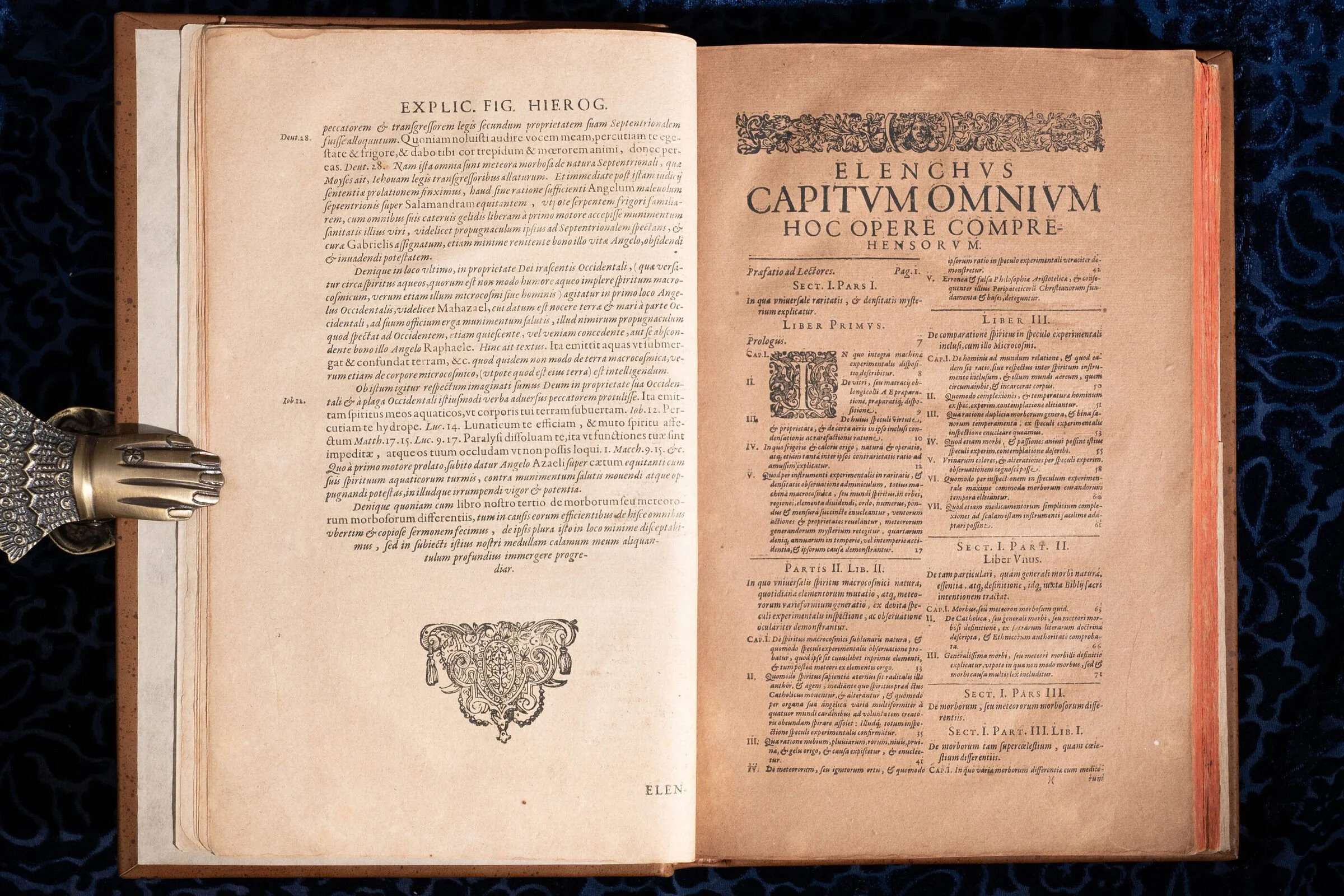 Image 10 of 107
 Image 11 of 107
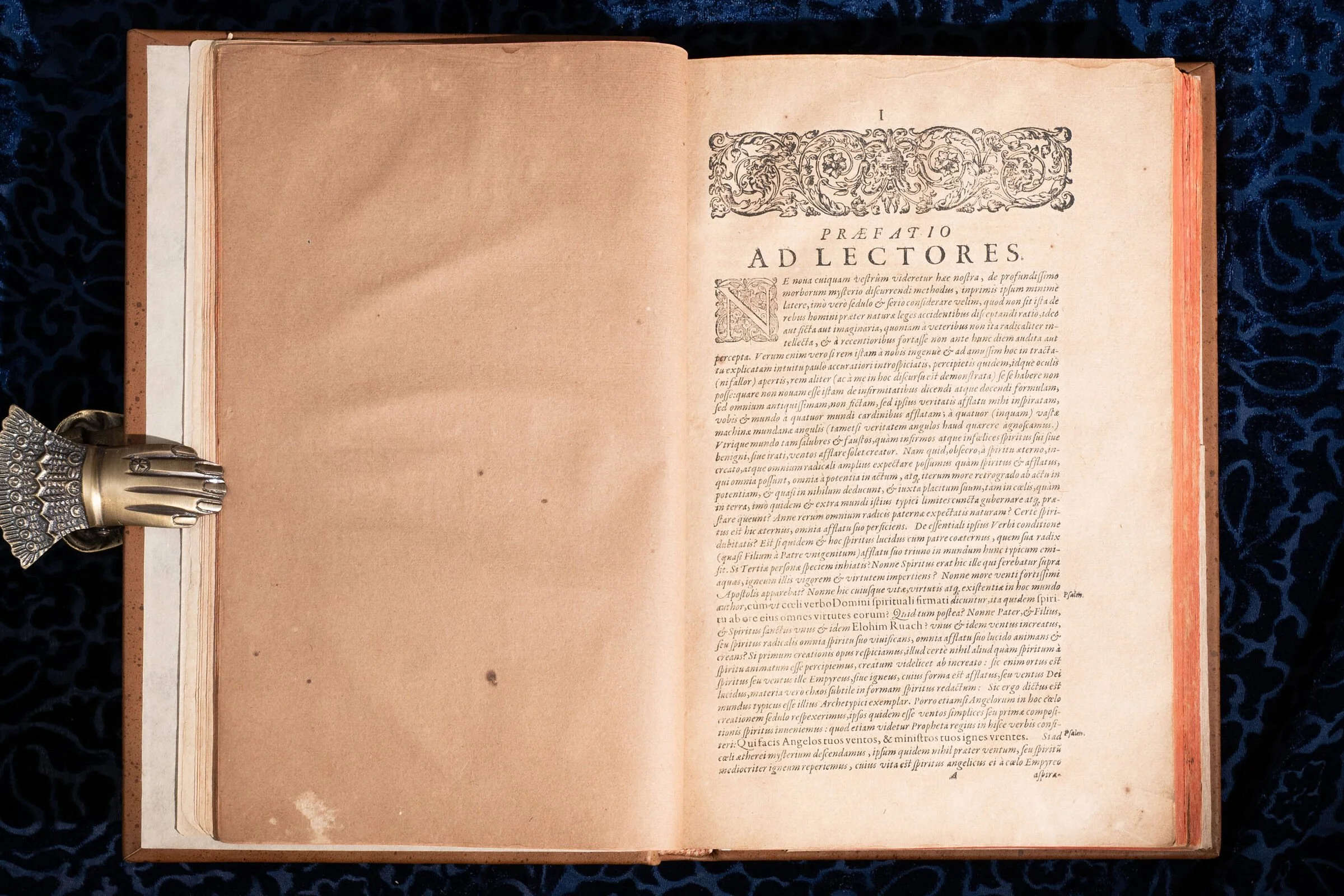 Image 12 of 107
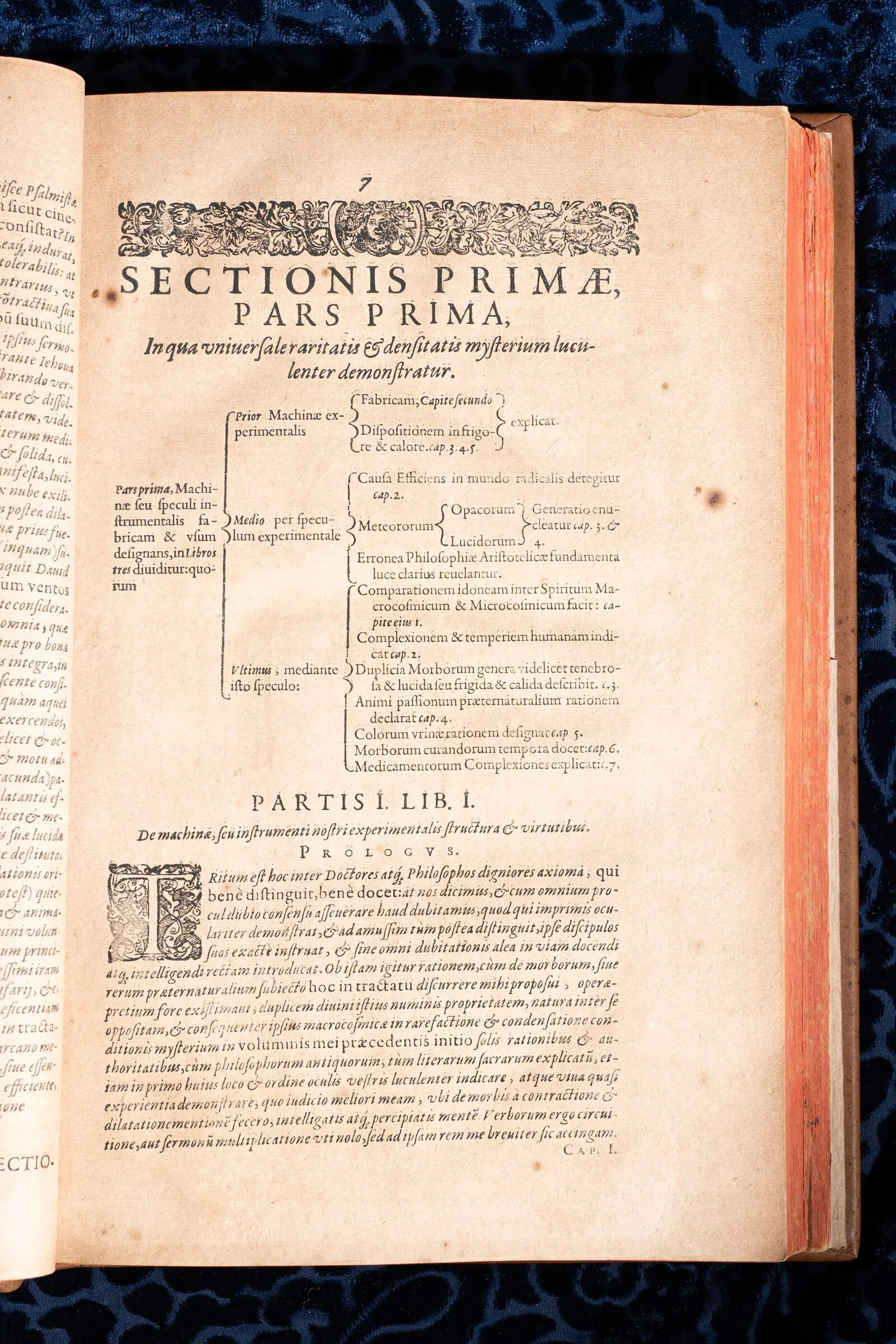 Image 13 of 107
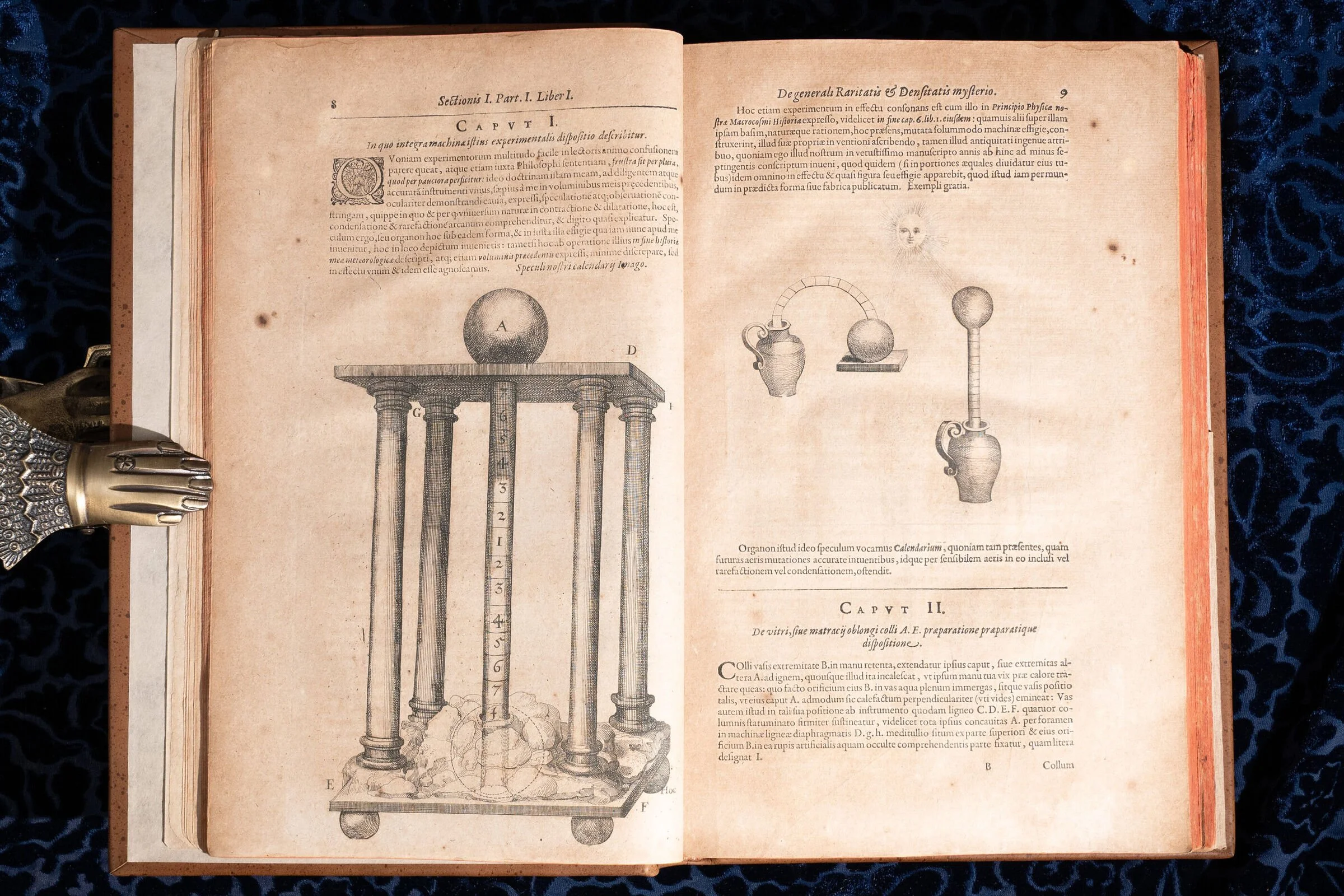 Image 14 of 107
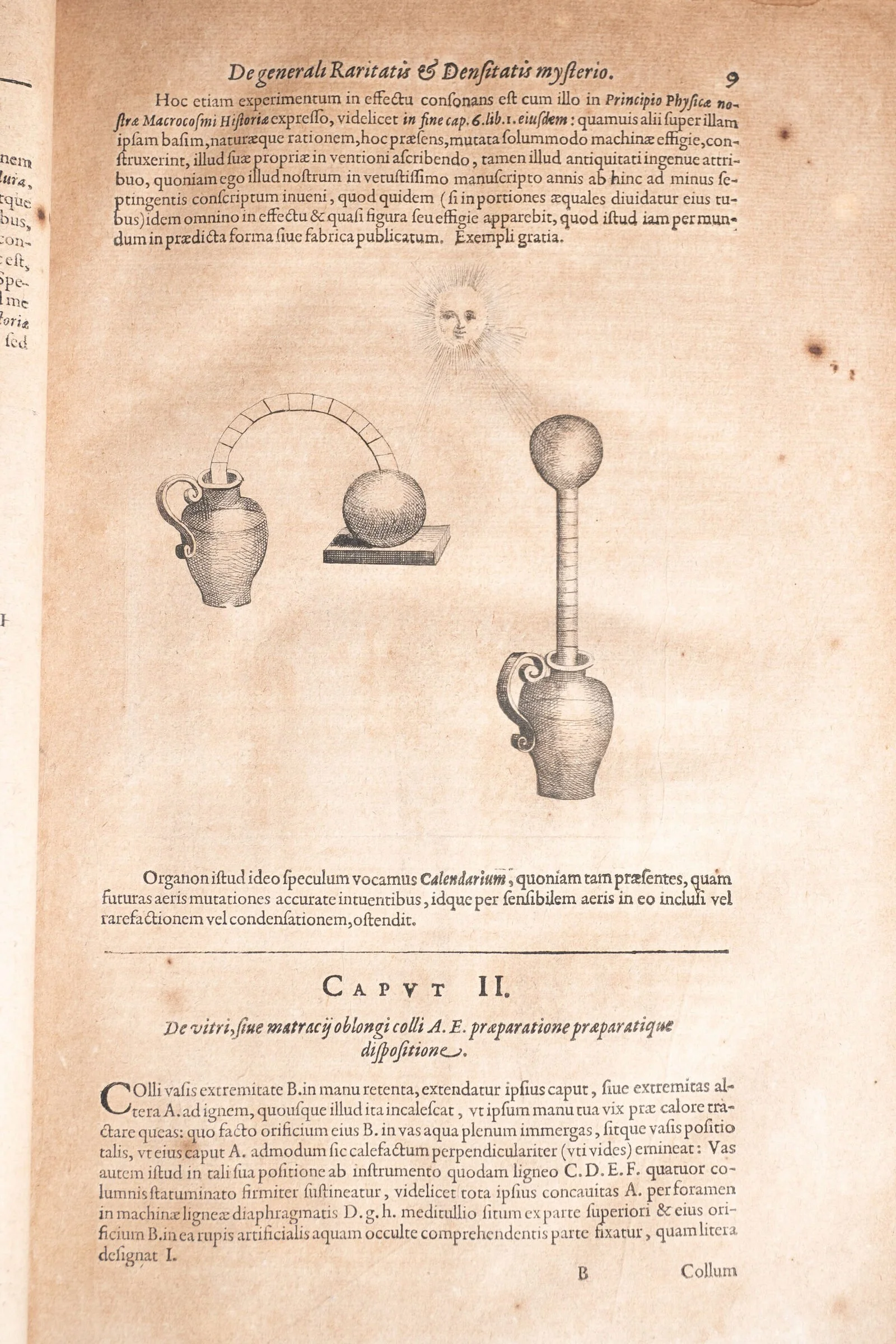 Image 15 of 107
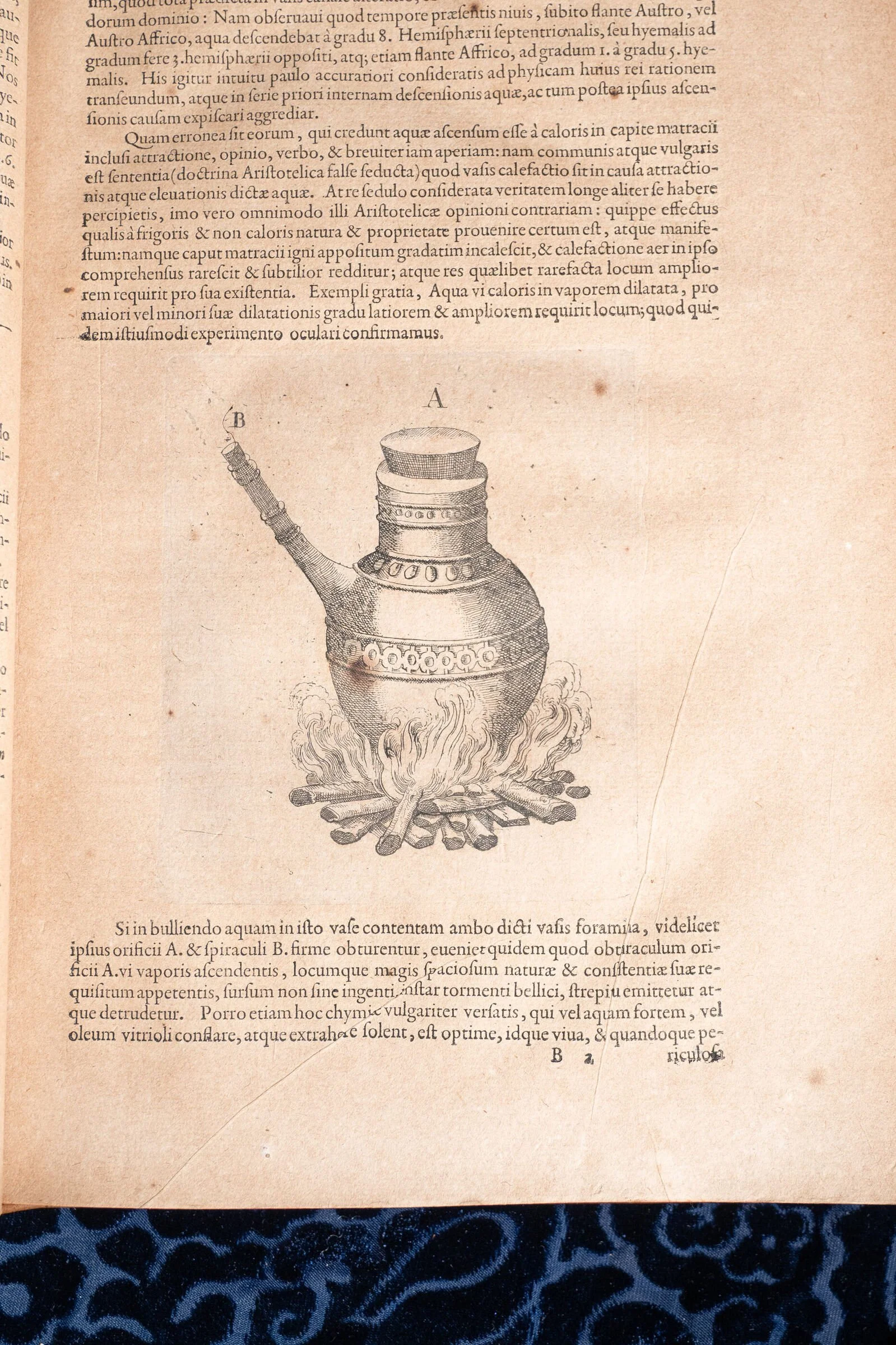 Image 16 of 107
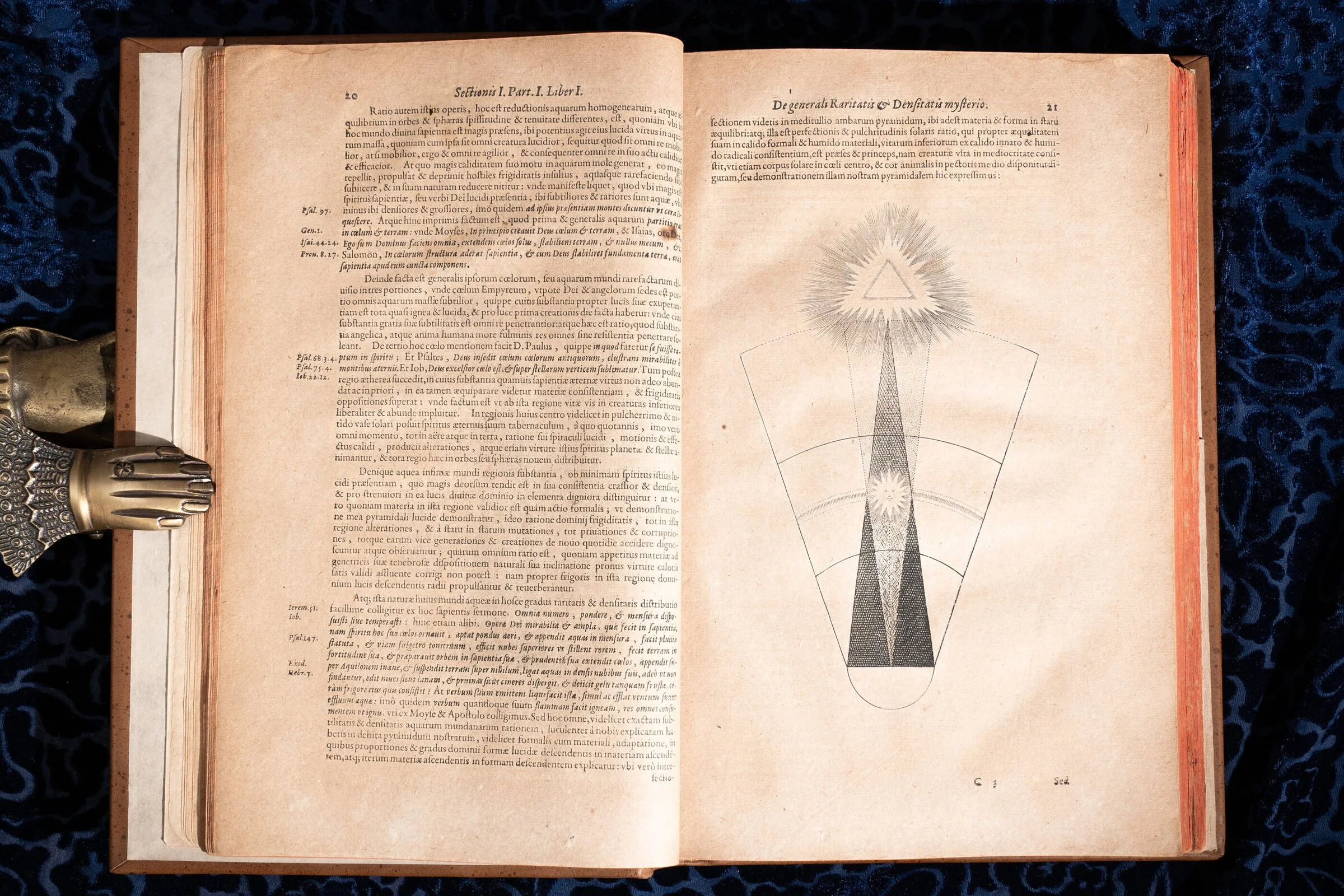 Image 17 of 107
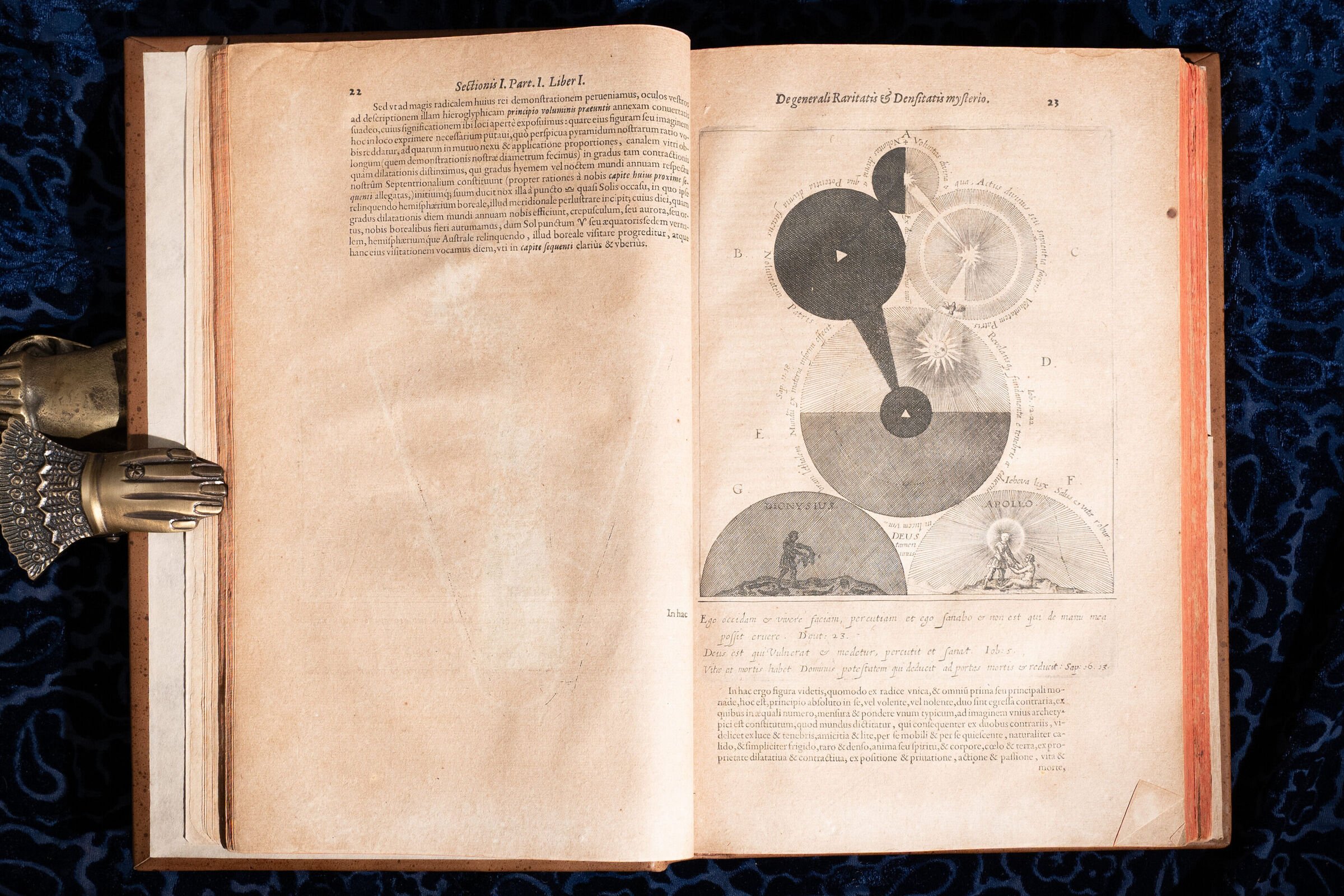 Image 18 of 107
 Image 19 of 107
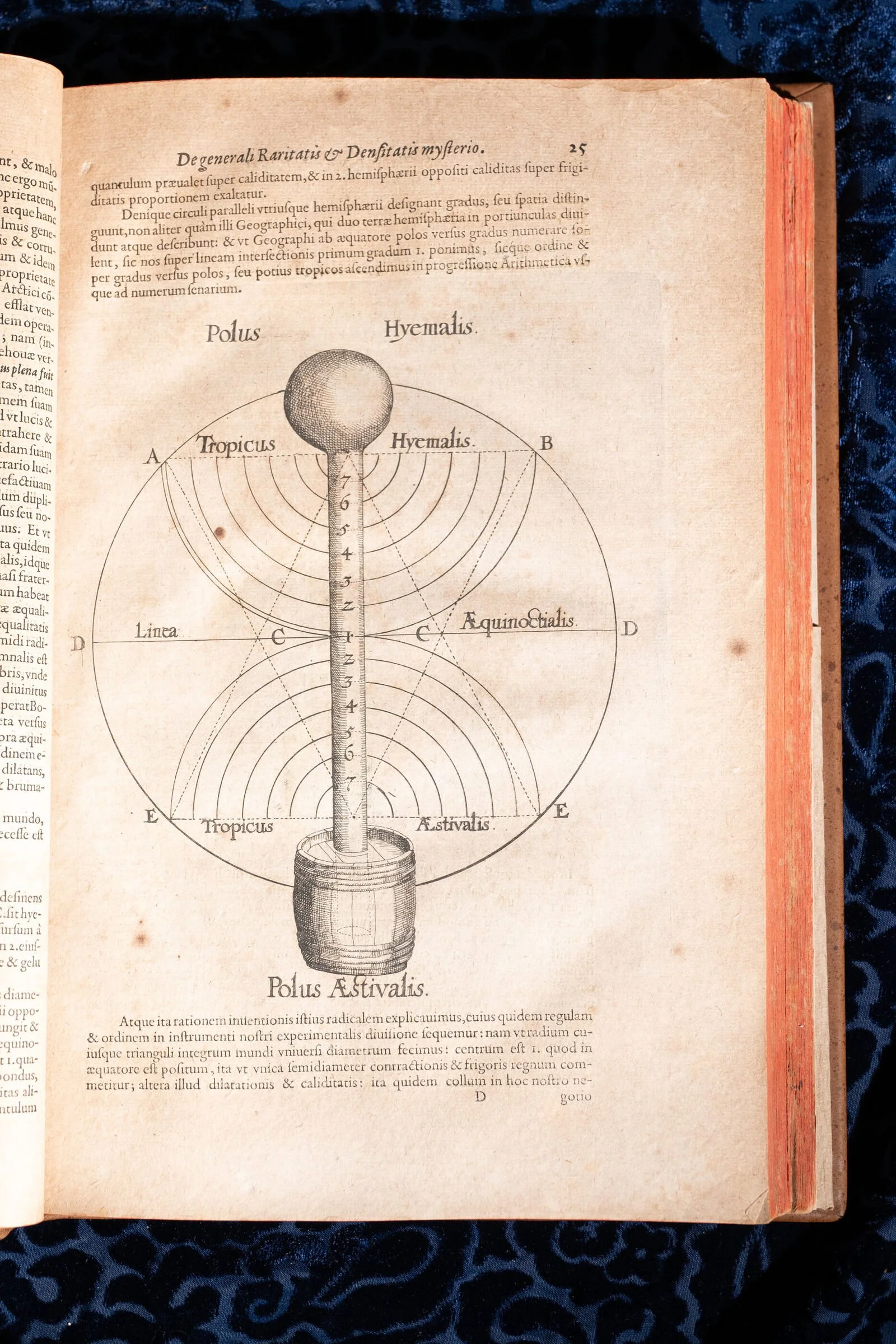 Image 20 of 107
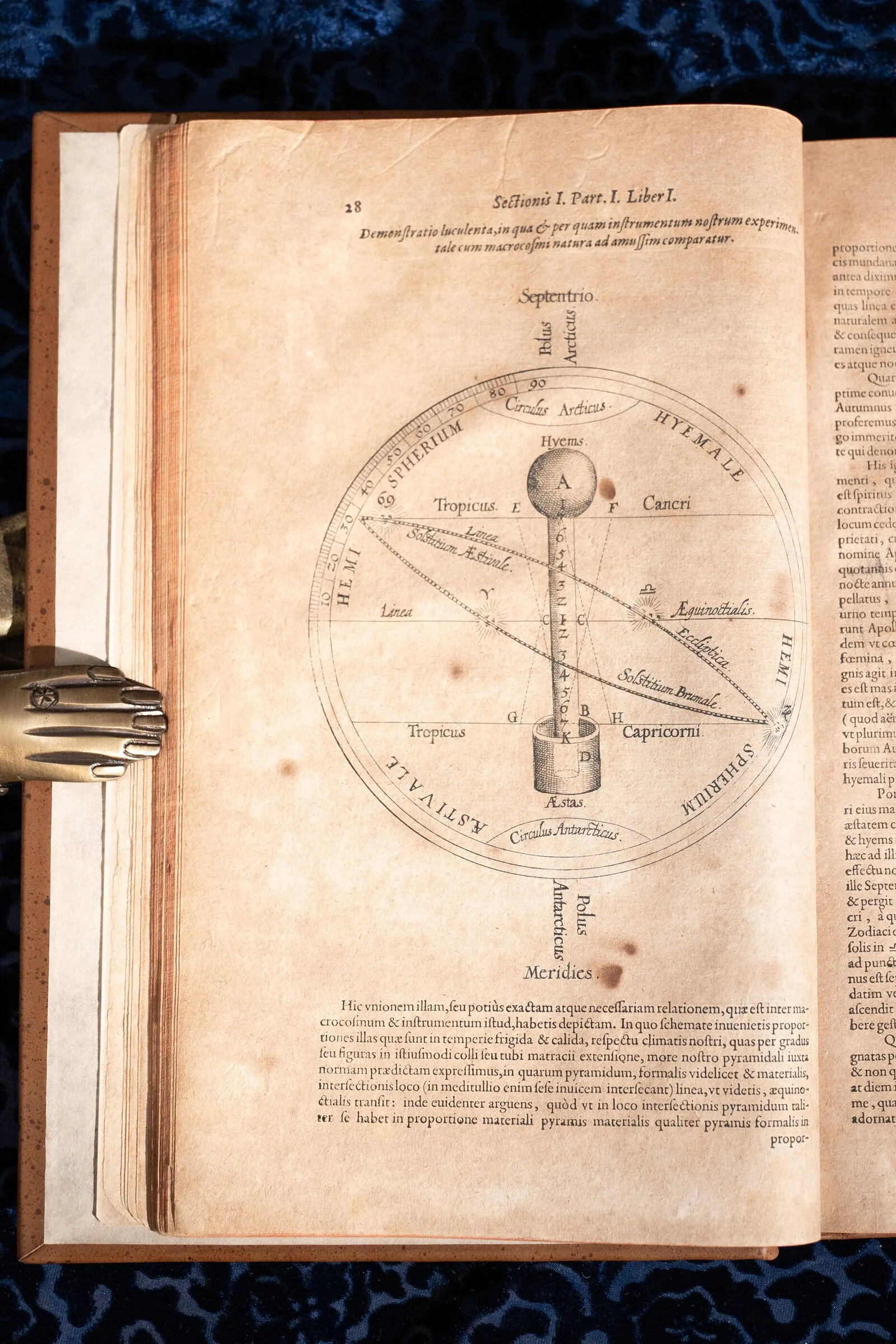 Image 21 of 107
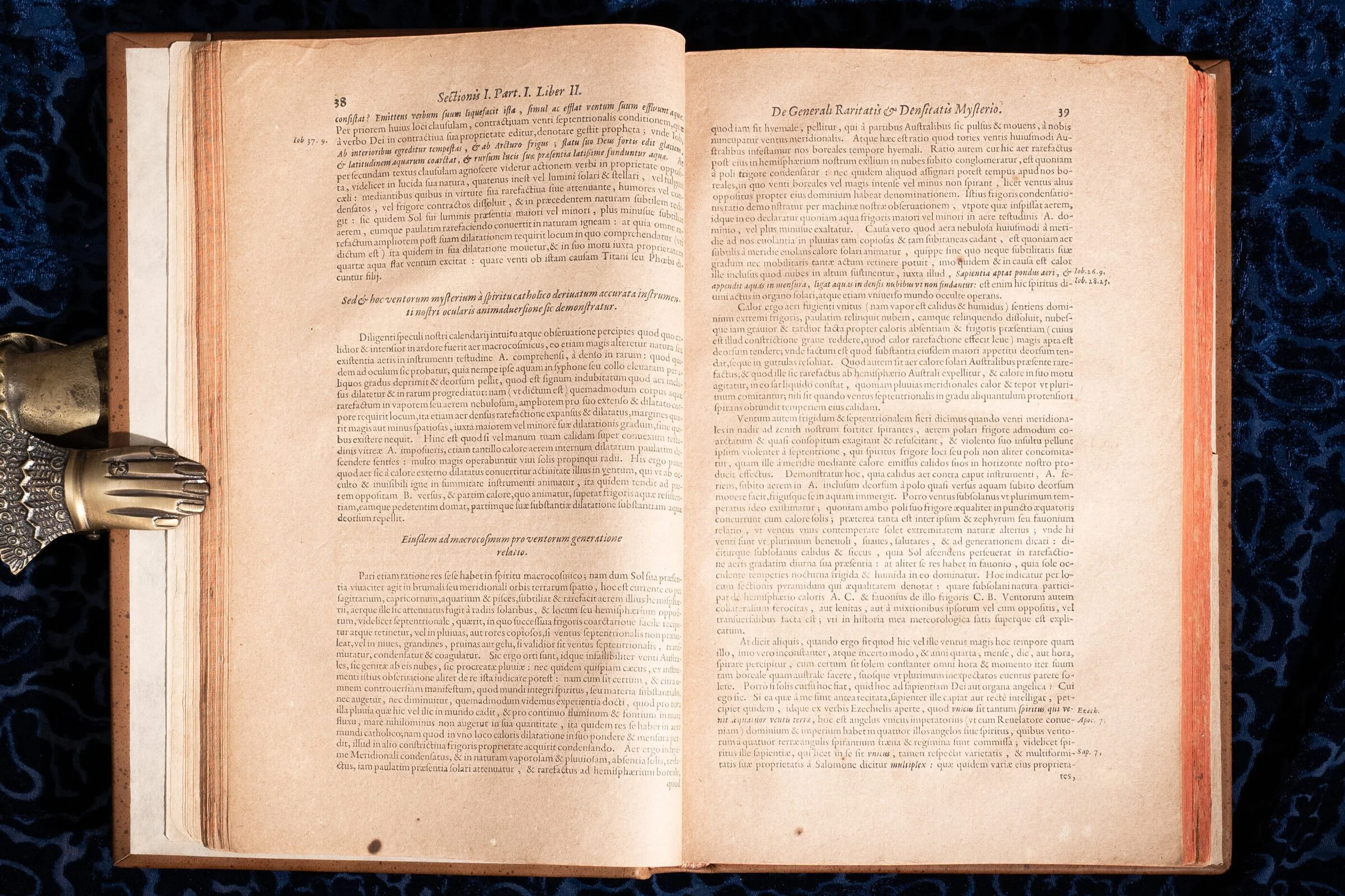 Image 22 of 107
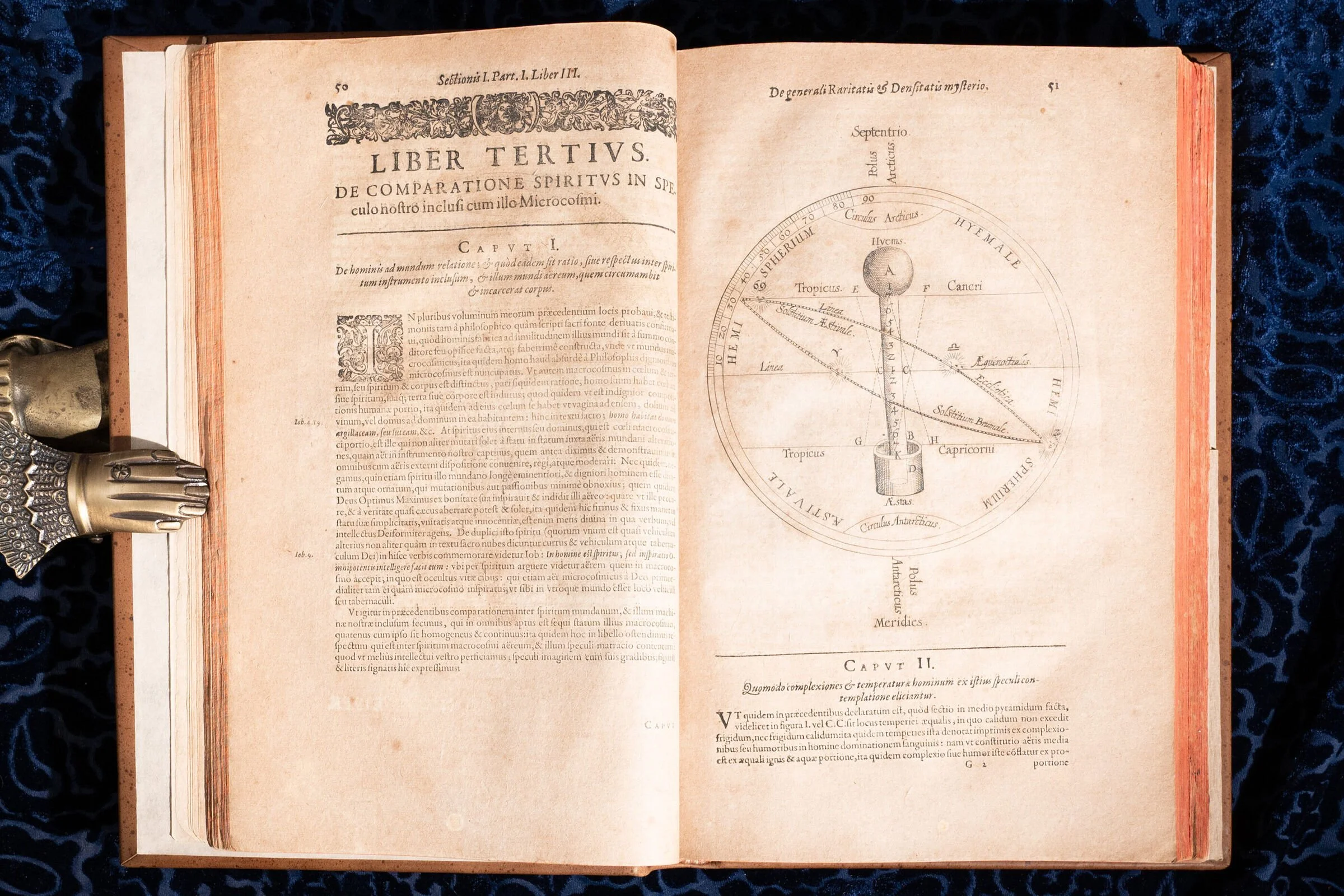 Image 23 of 107
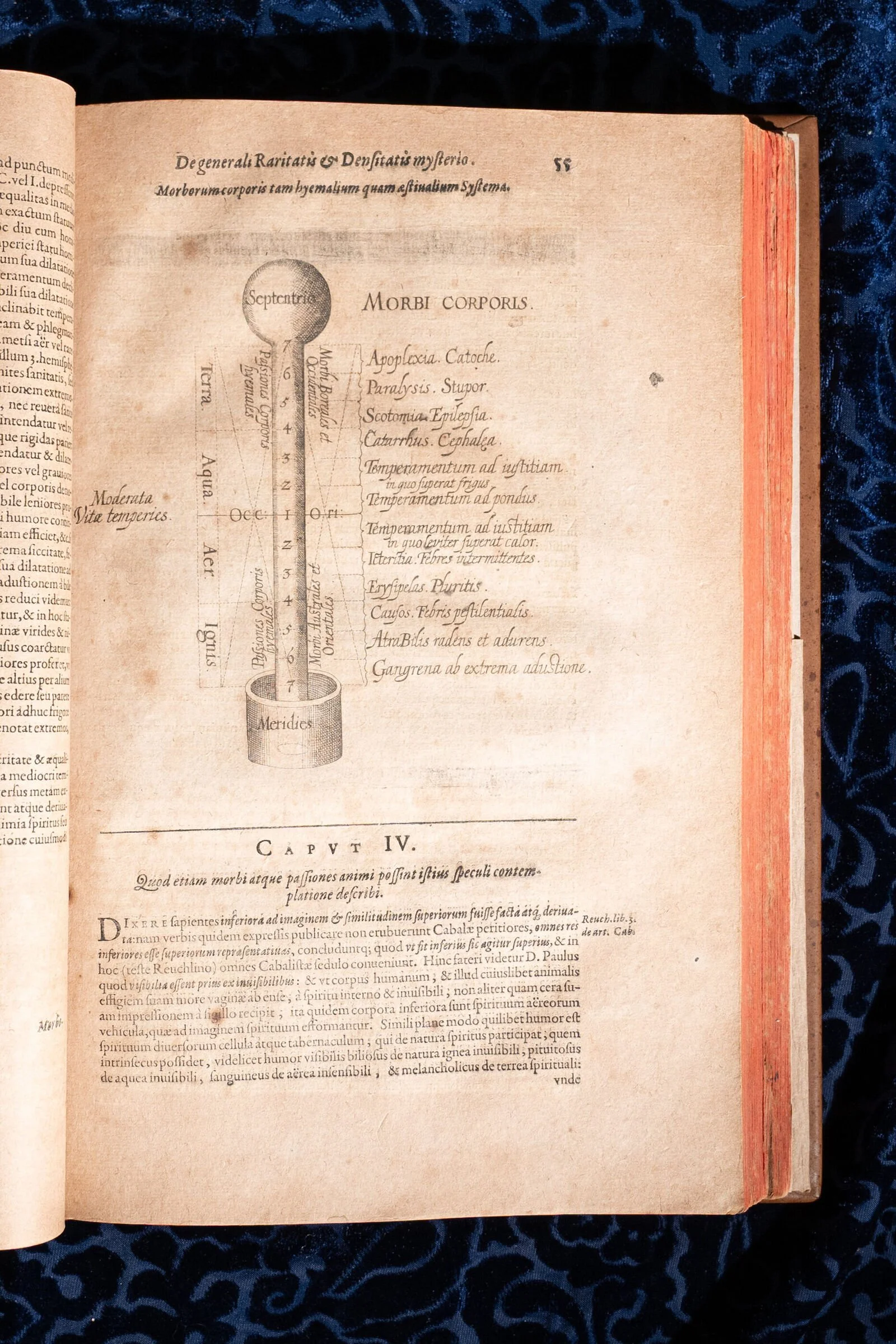 Image 24 of 107
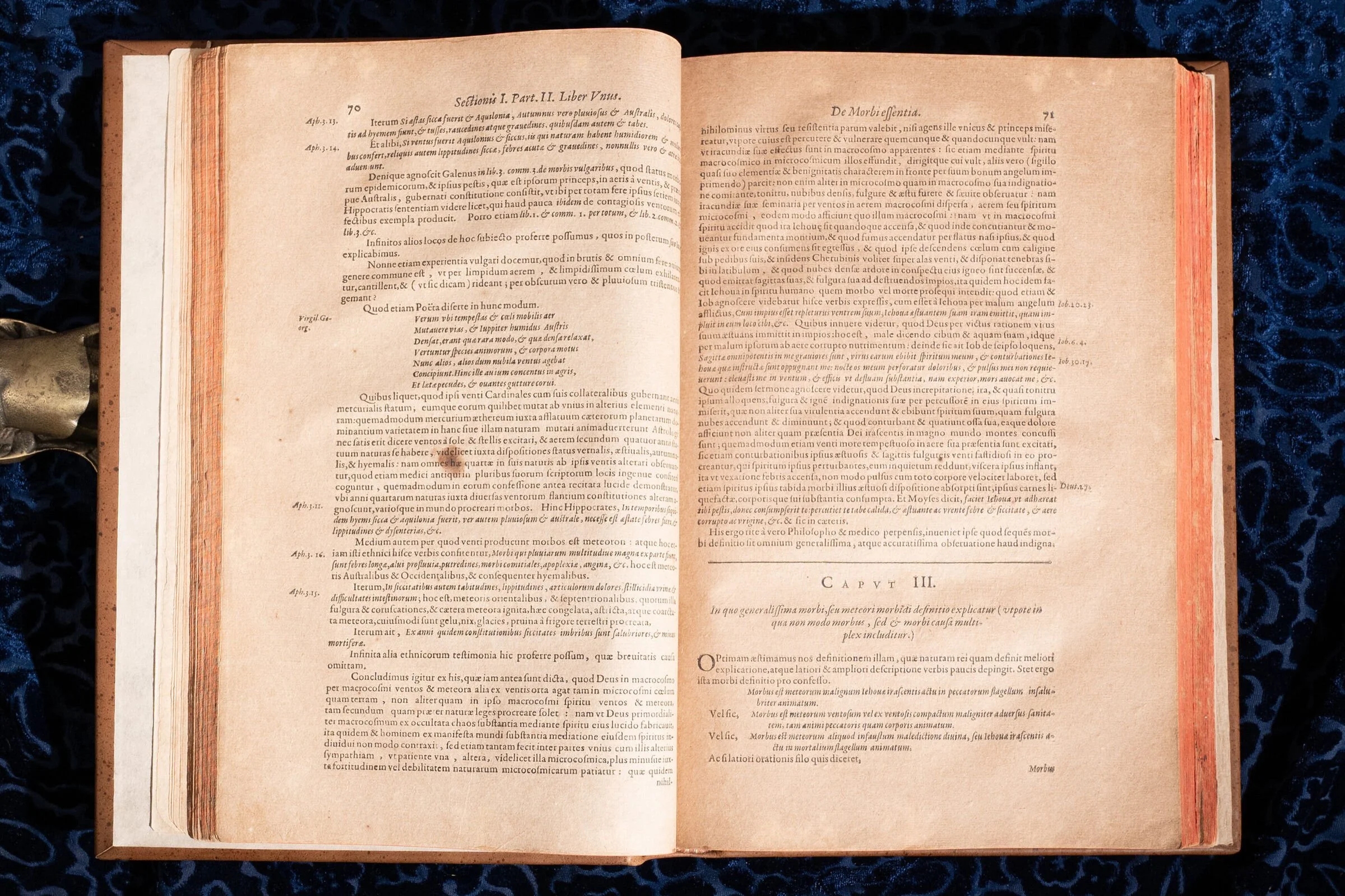 Image 25 of 107
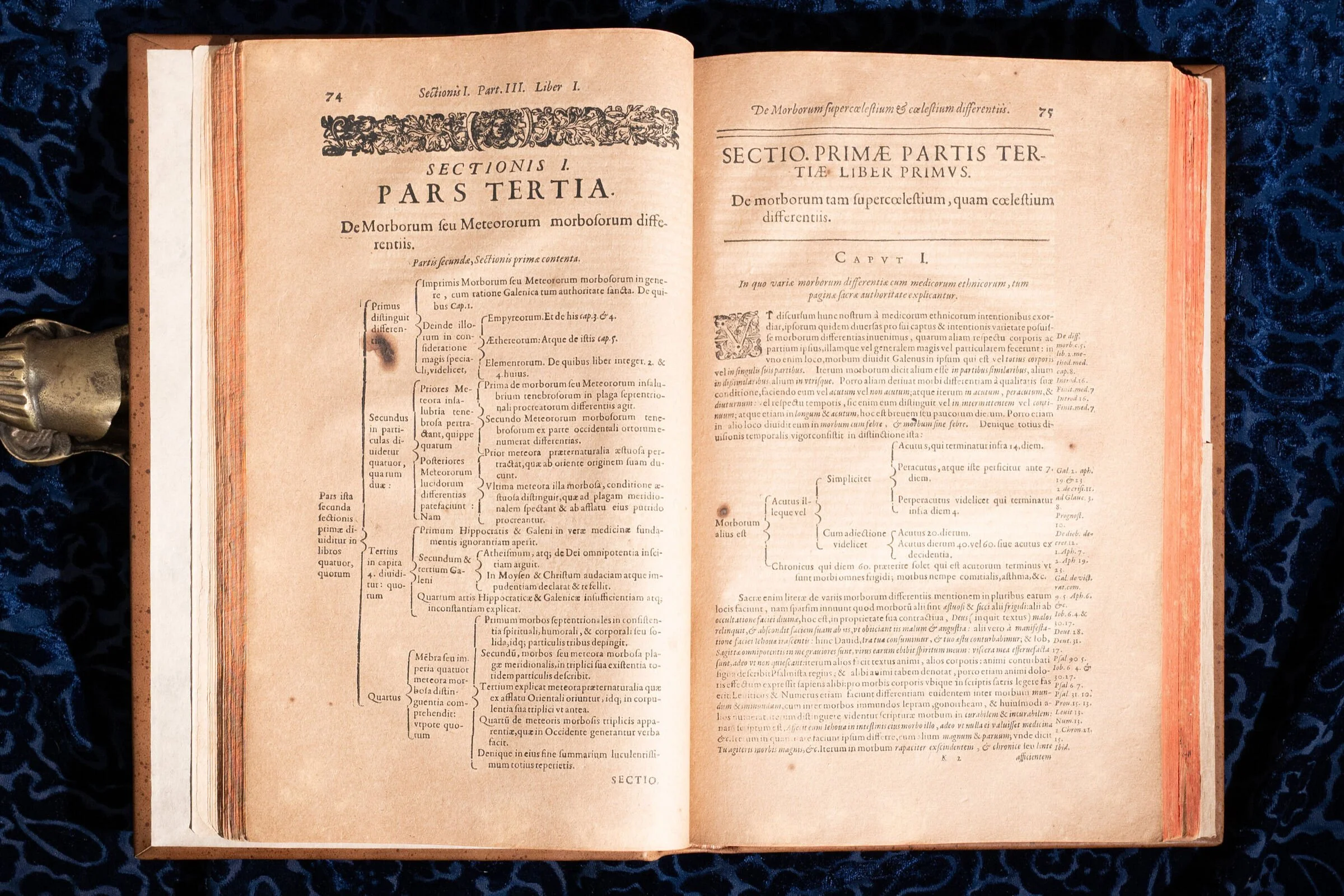 Image 26 of 107
 Image 27 of 107
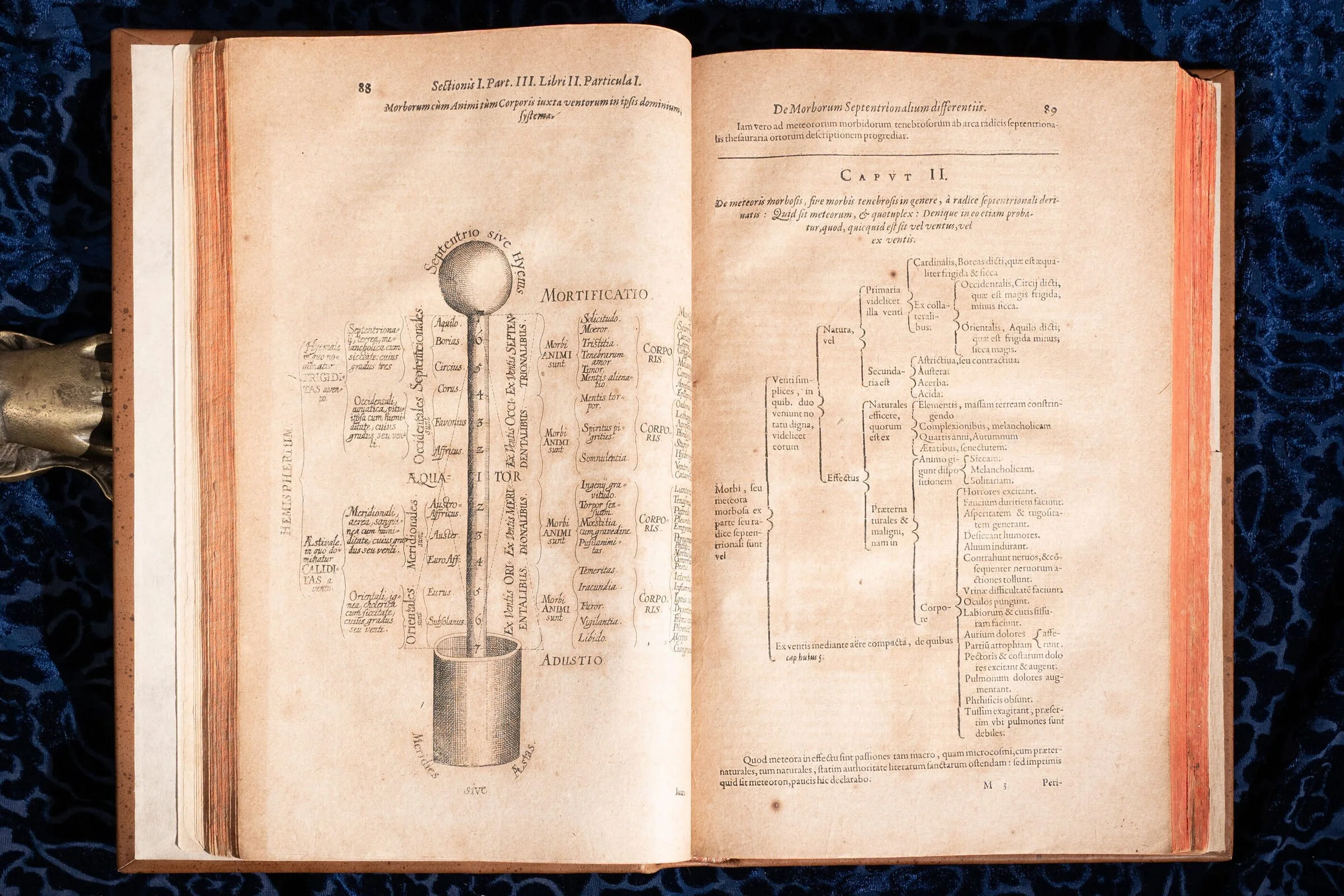 Image 28 of 107
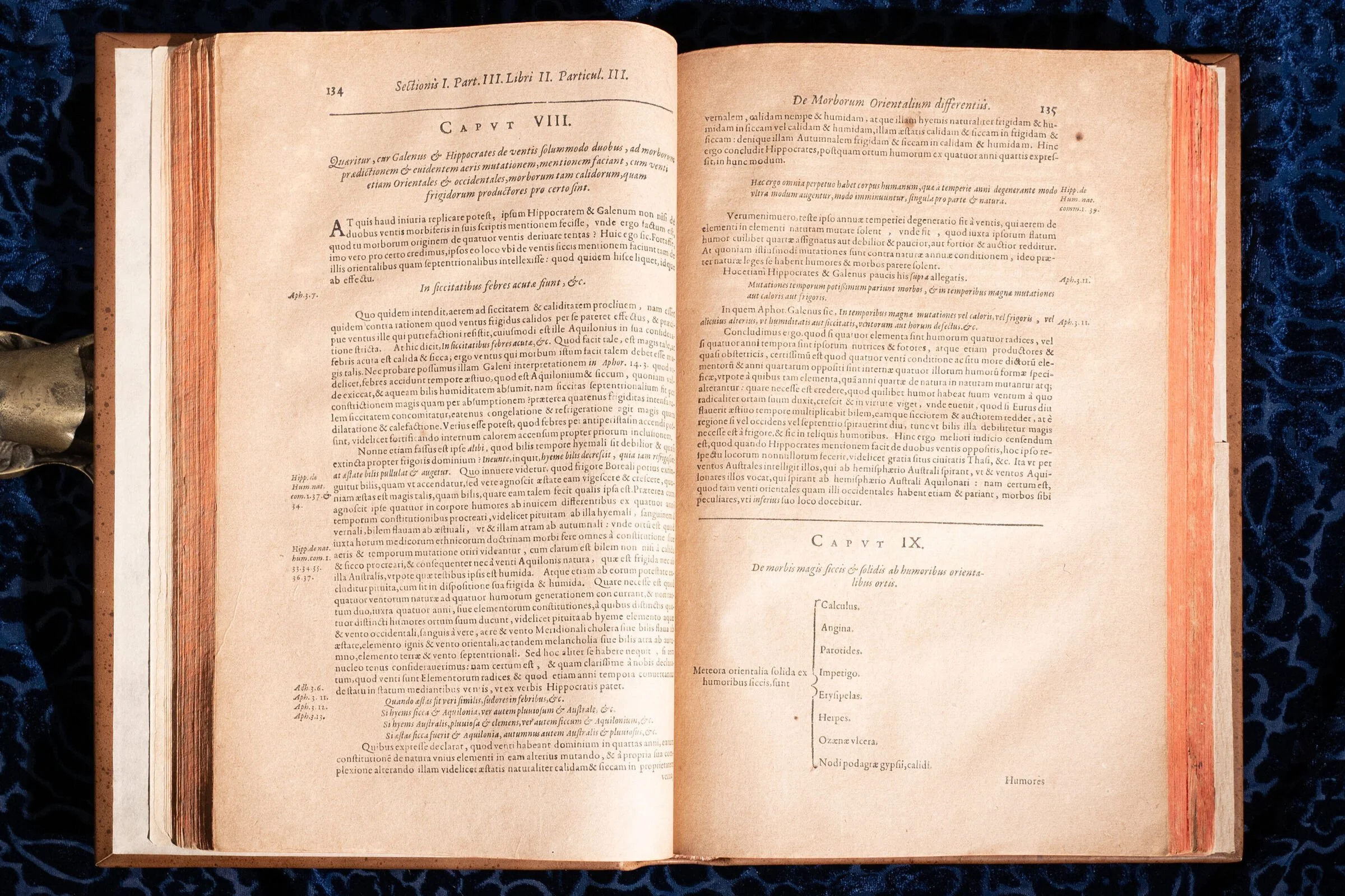 Image 29 of 107
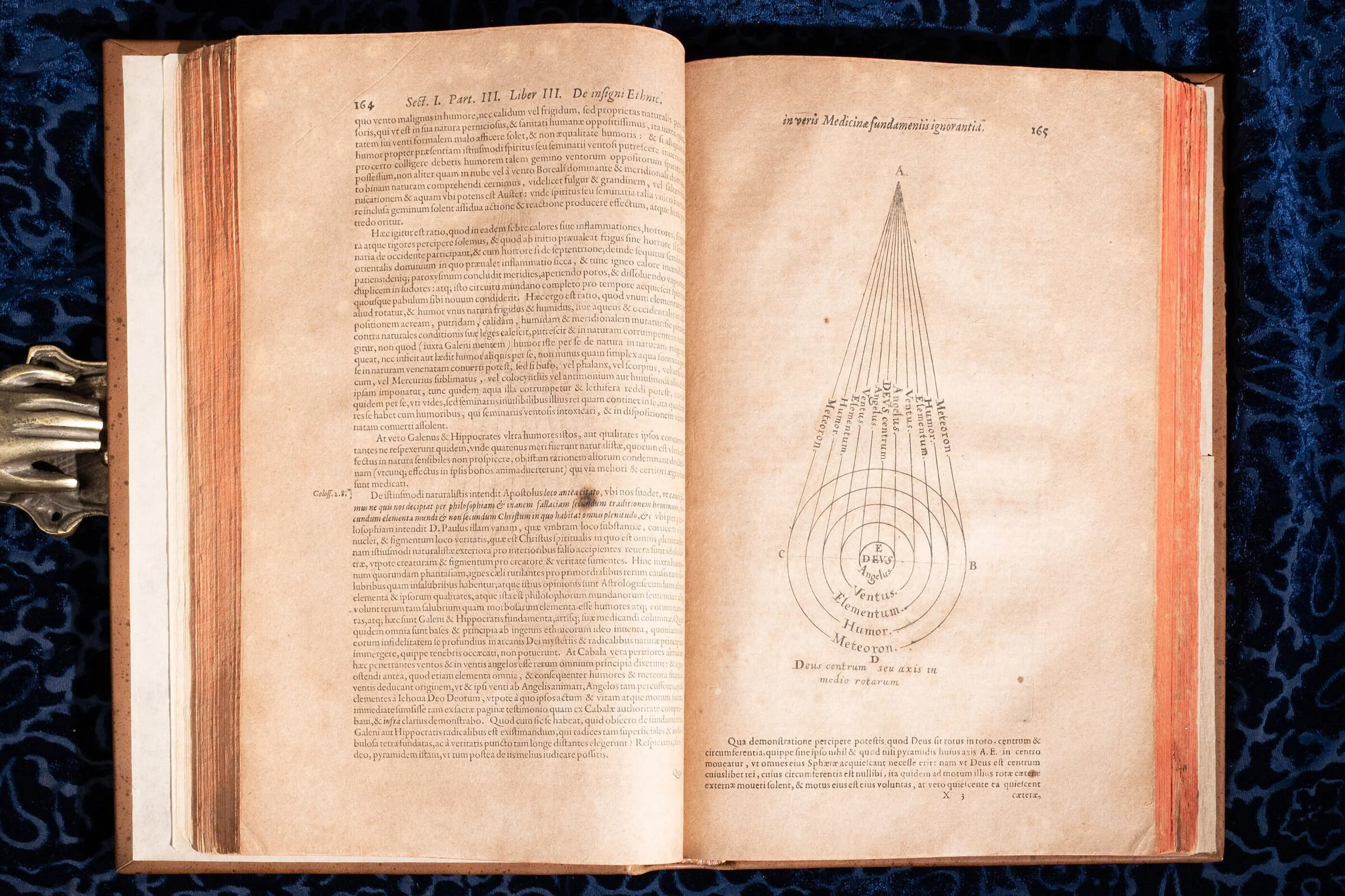 Image 30 of 107
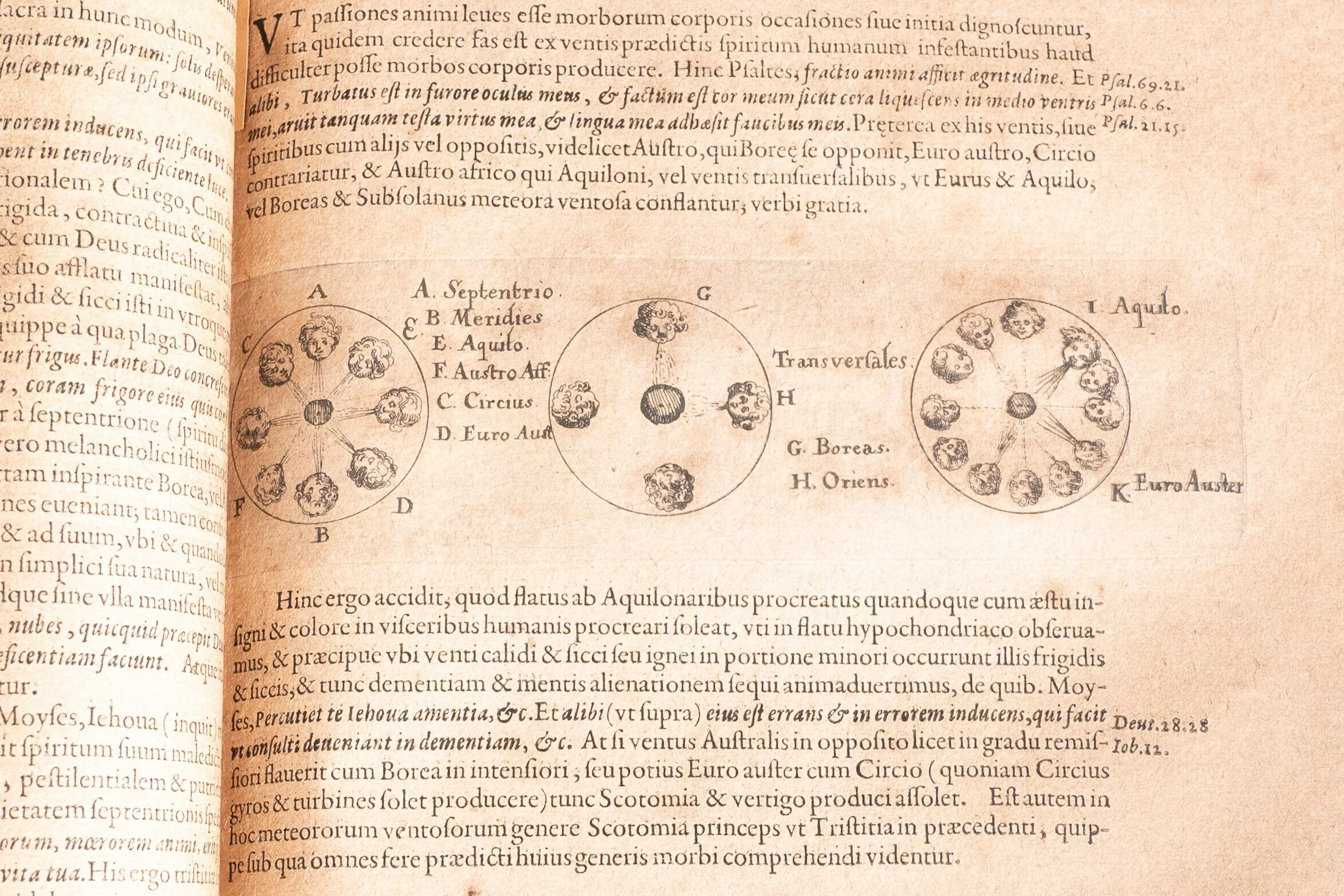 Image 31 of 107
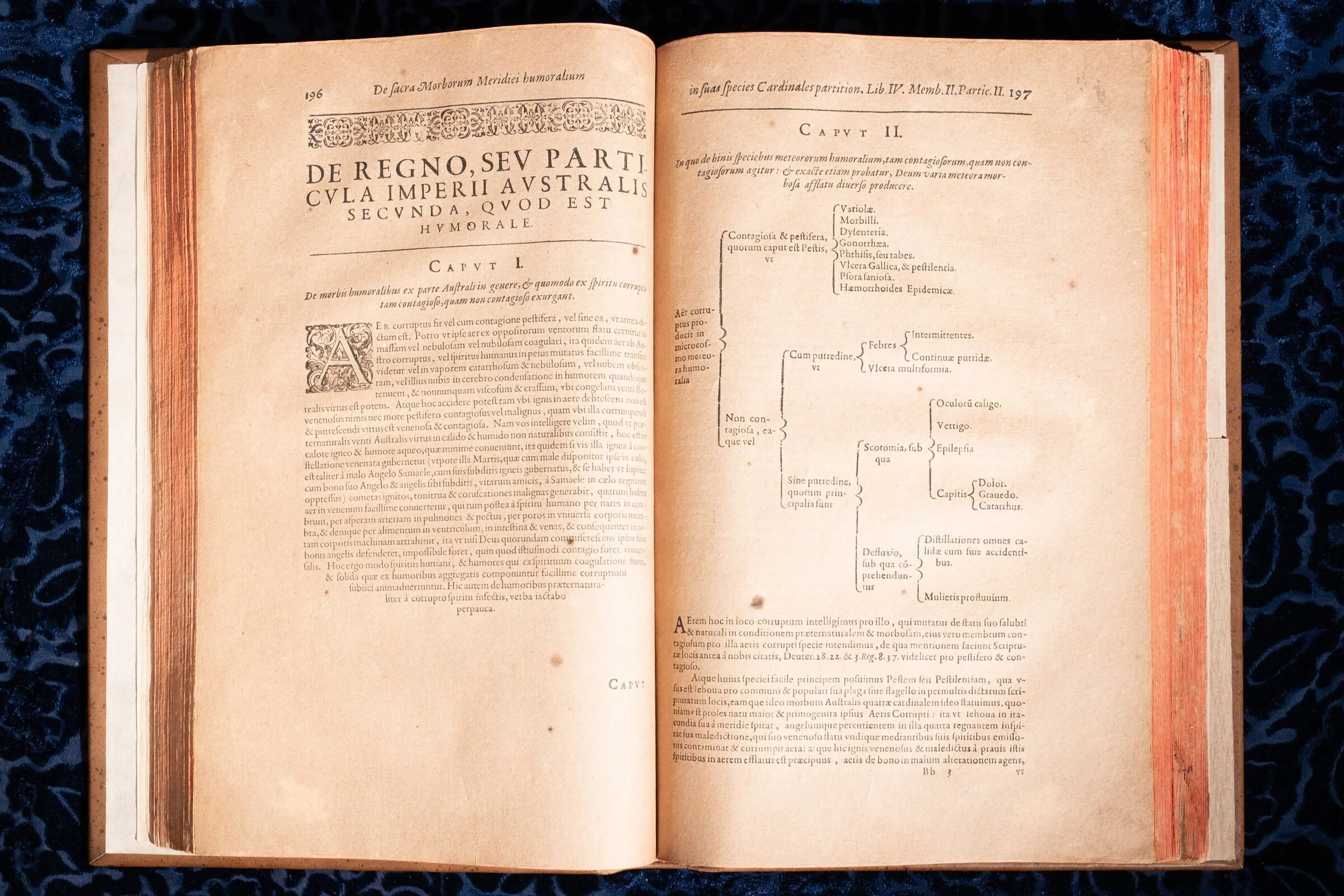 Image 32 of 107
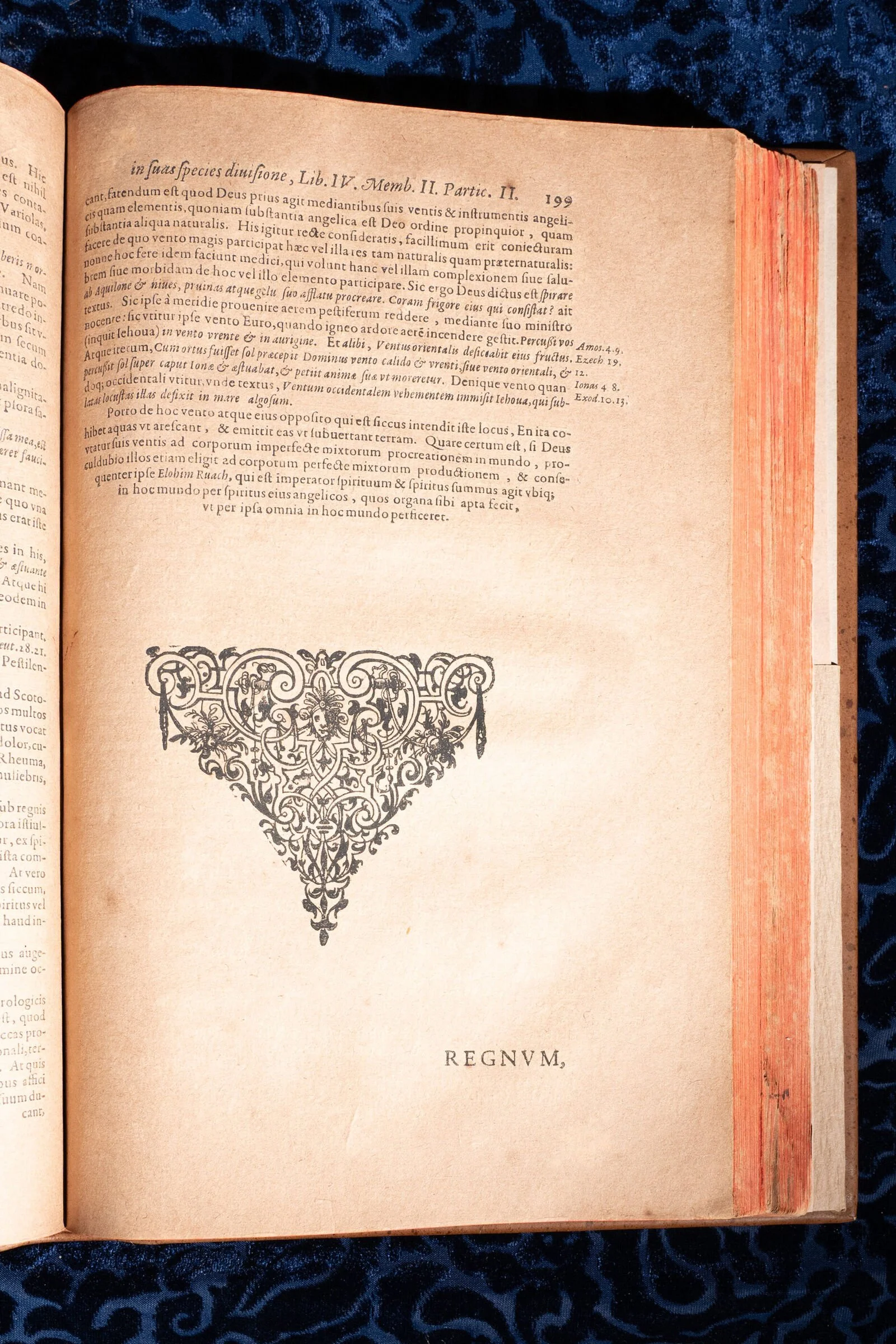 Image 33 of 107
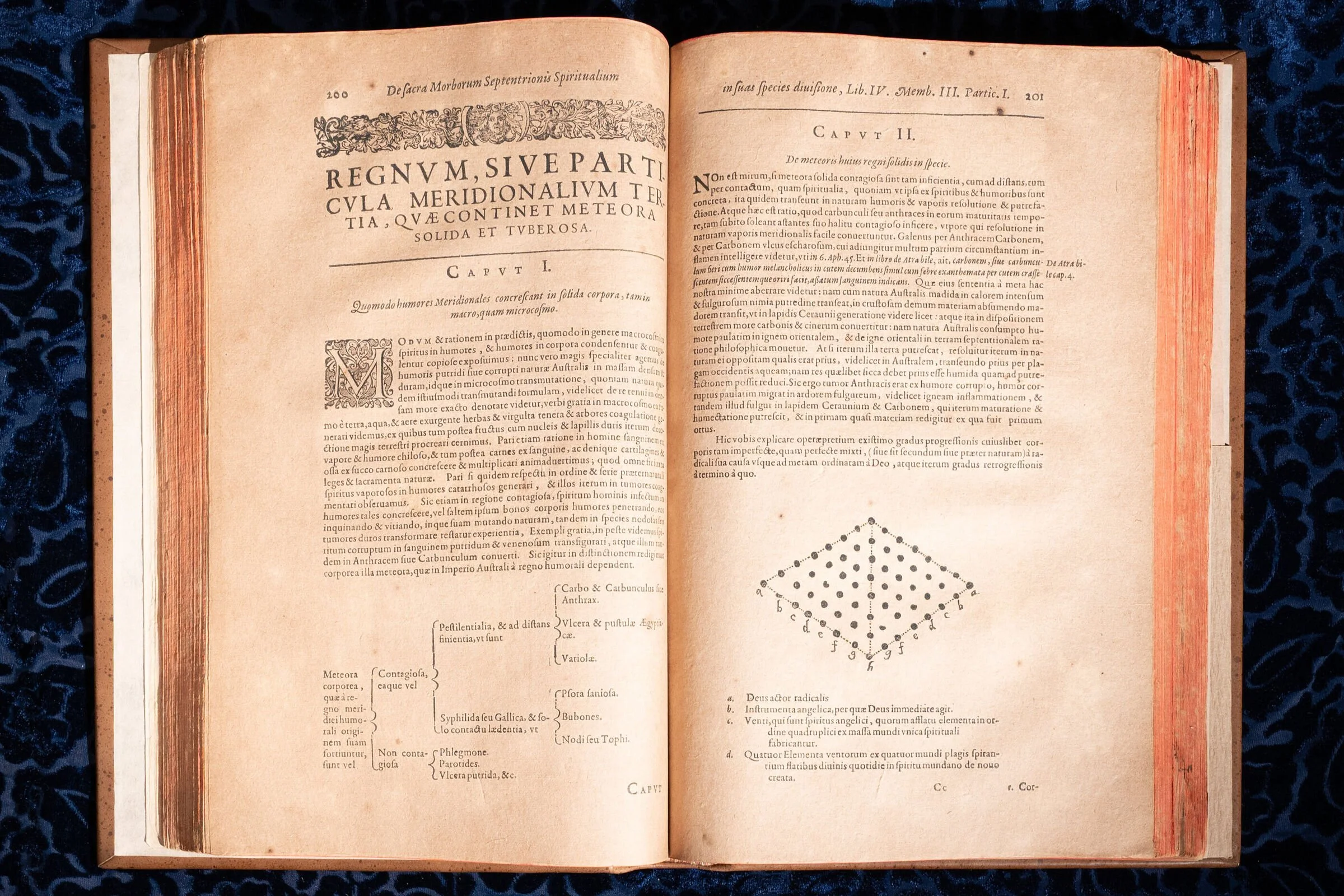 Image 34 of 107
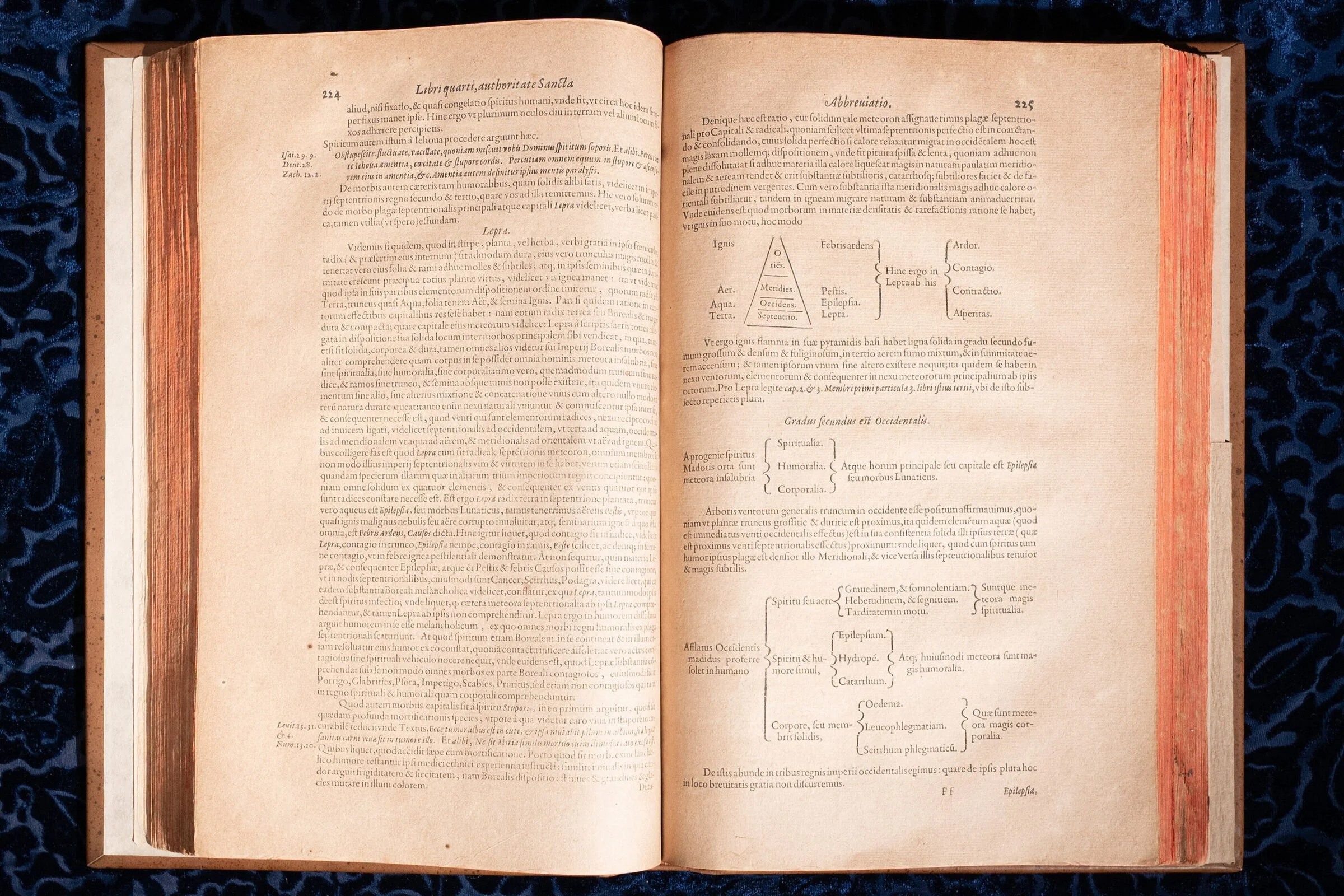 Image 35 of 107
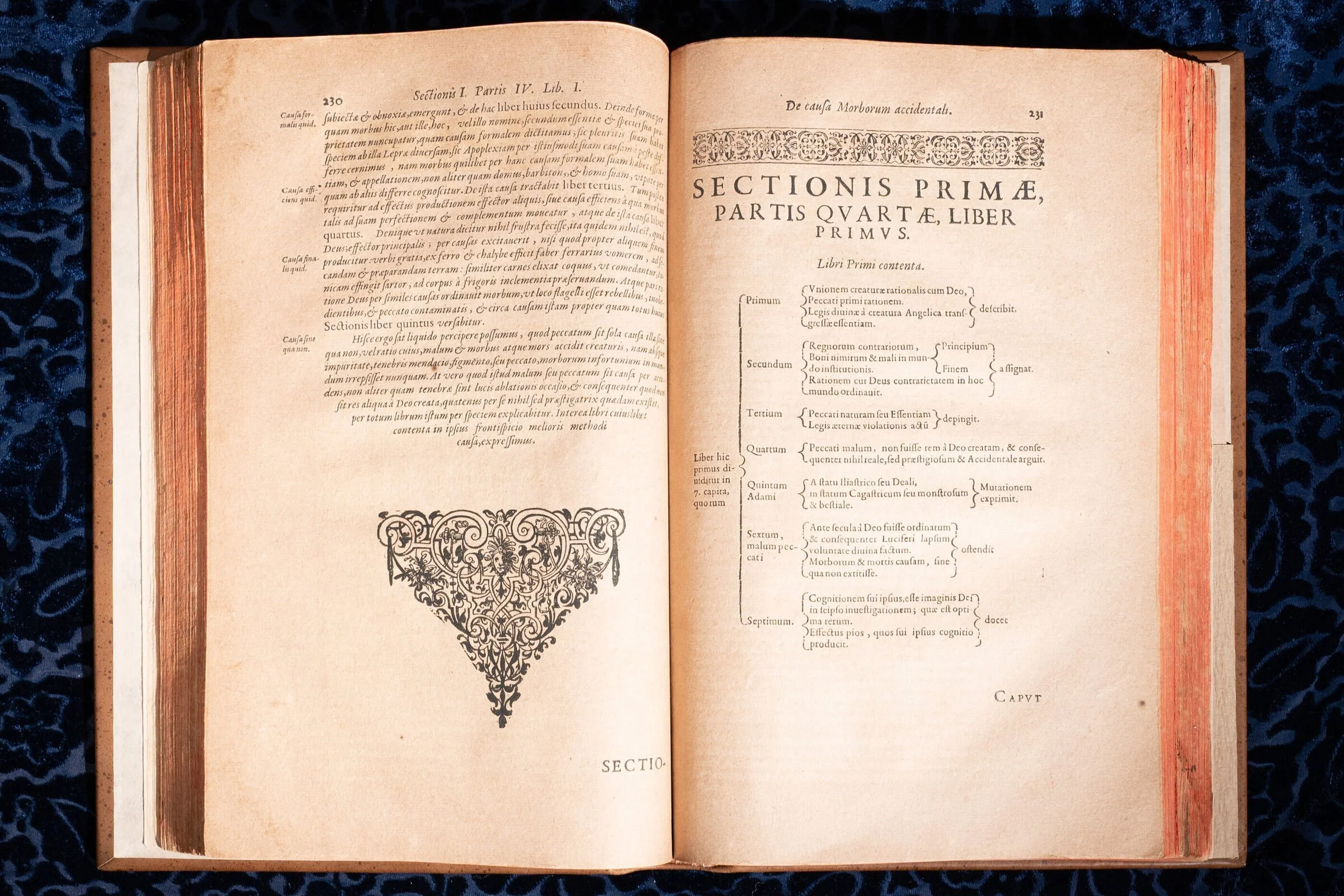 Image 36 of 107
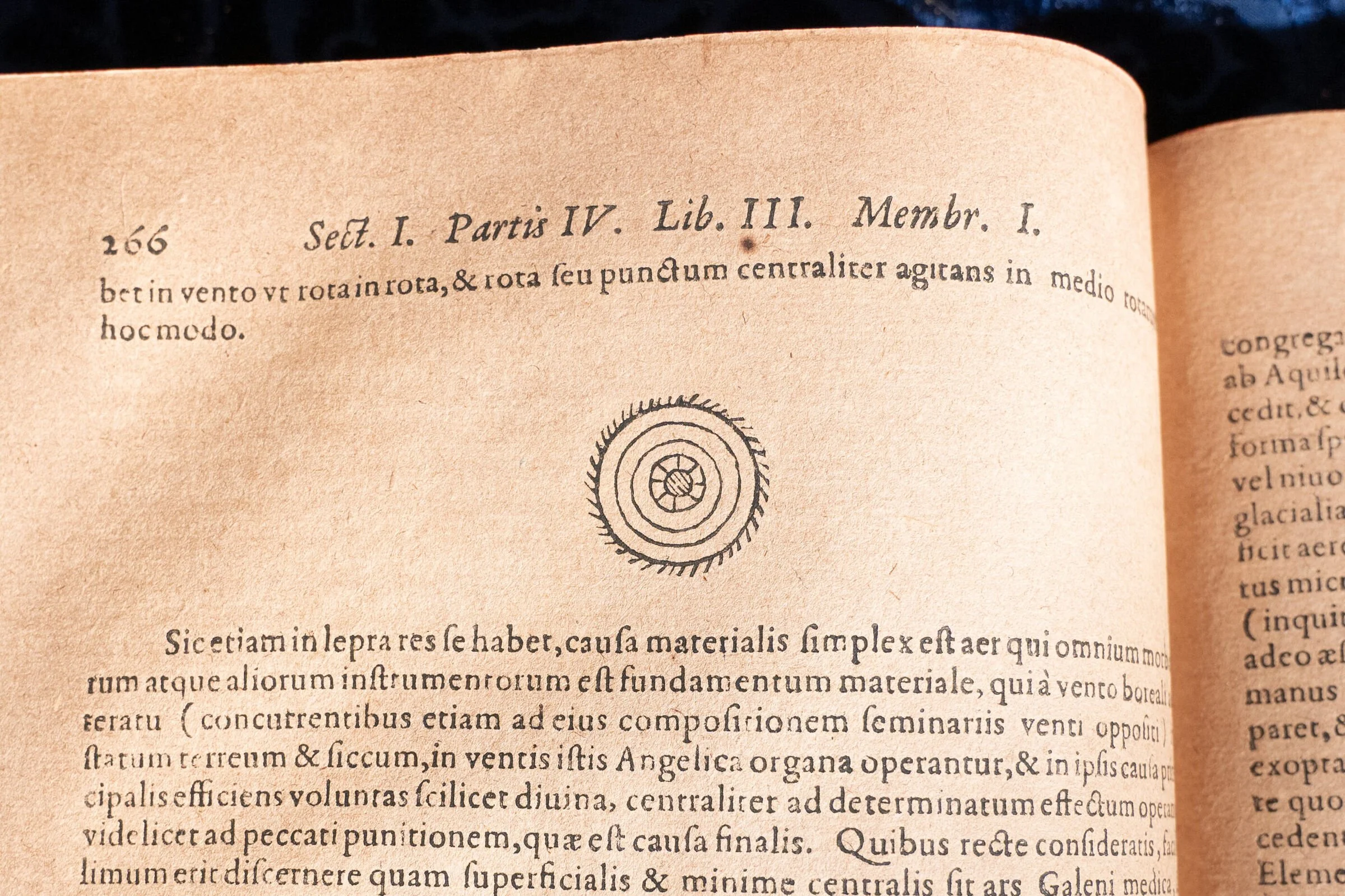 Image 37 of 107
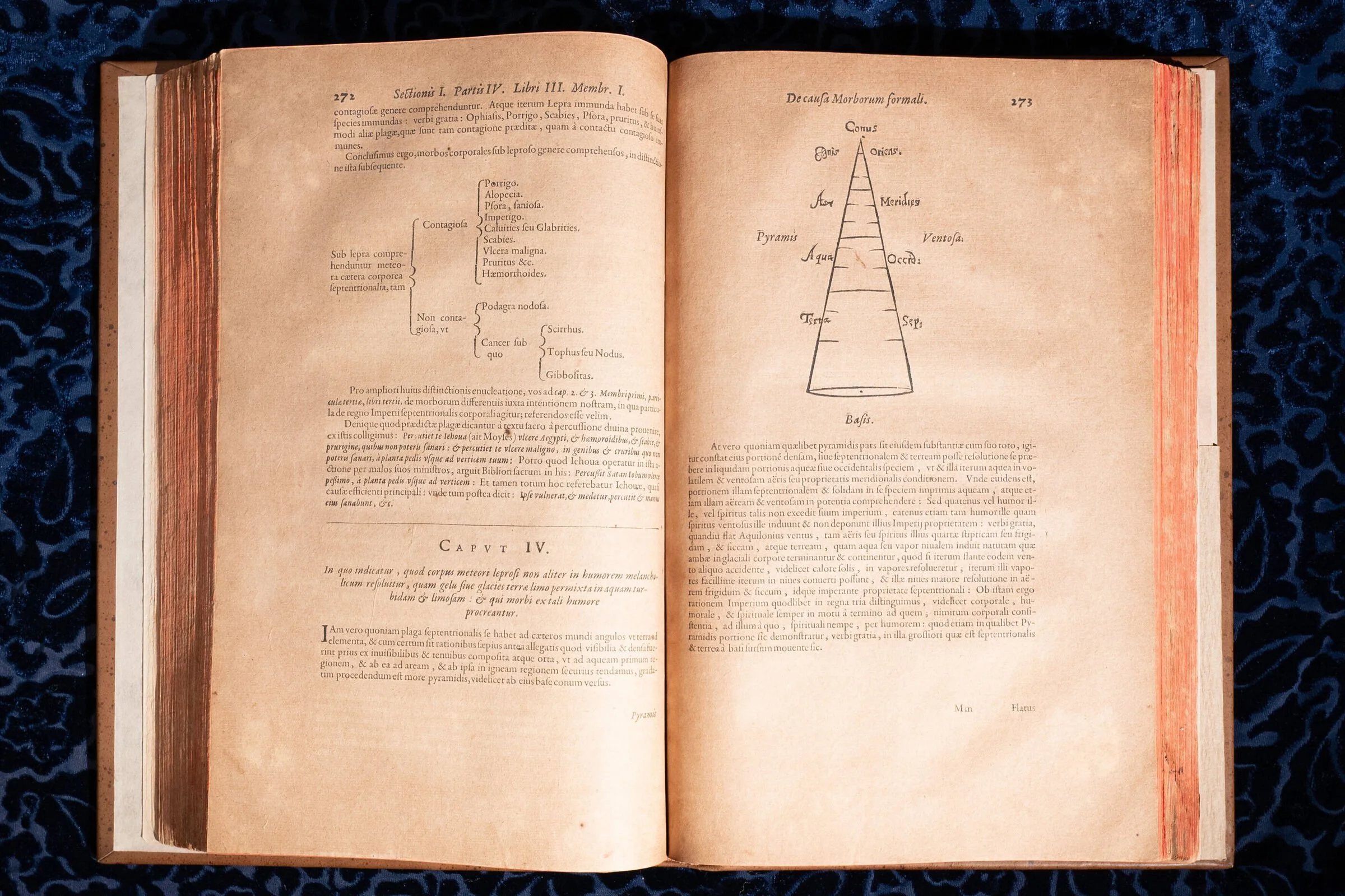 Image 38 of 107
 Image 39 of 107
 Image 40 of 107
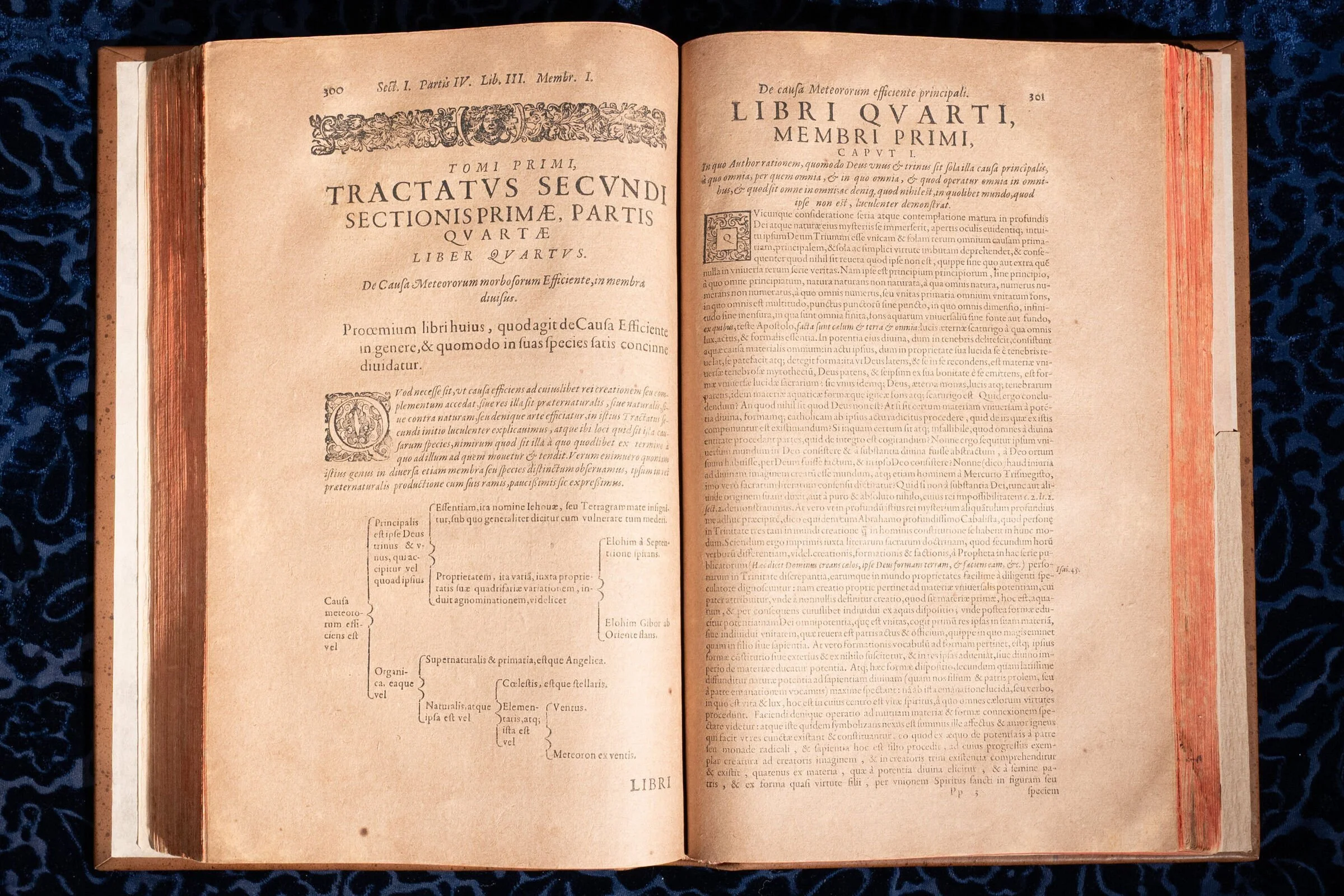 Image 41 of 107
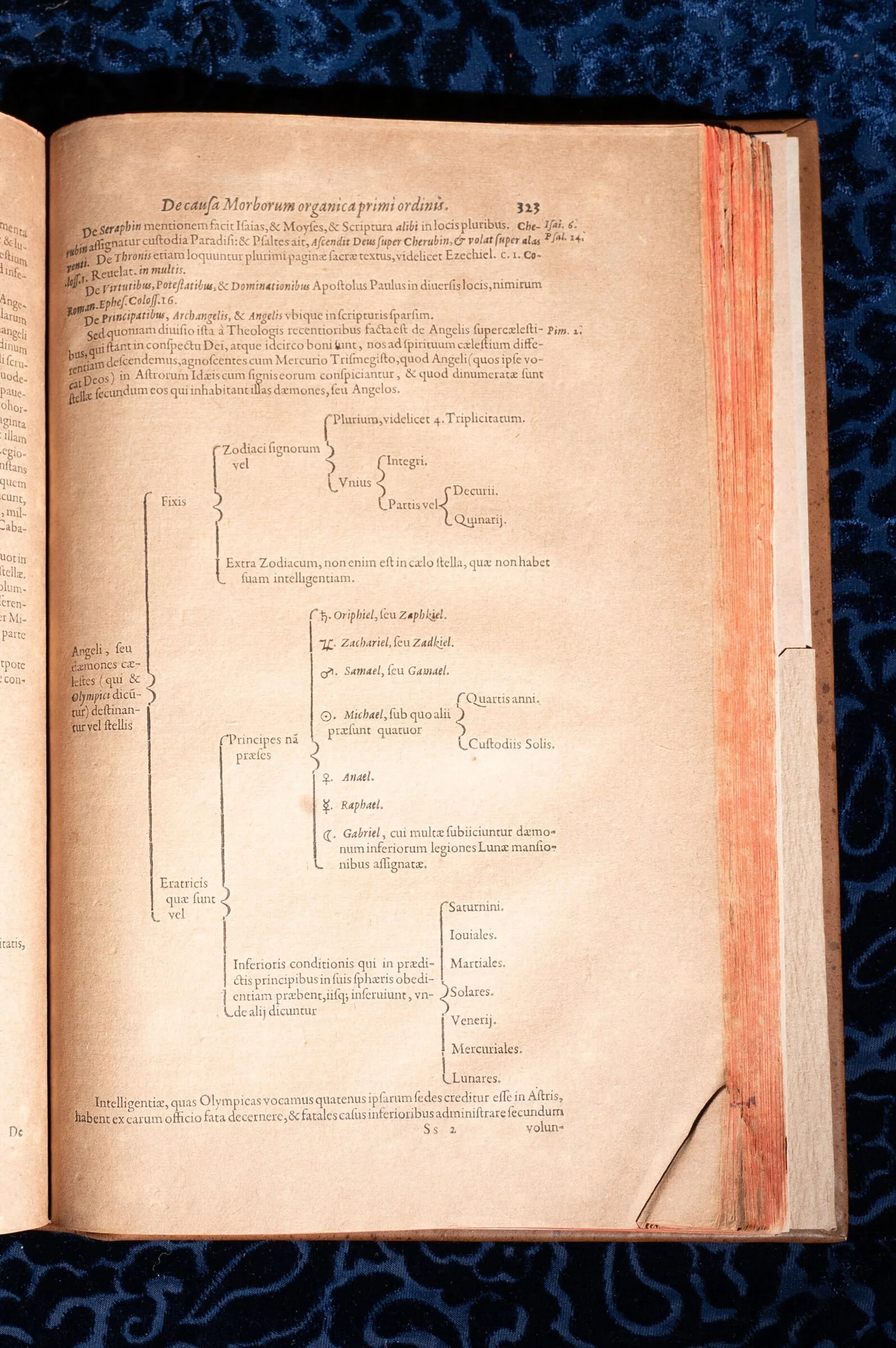 Image 42 of 107
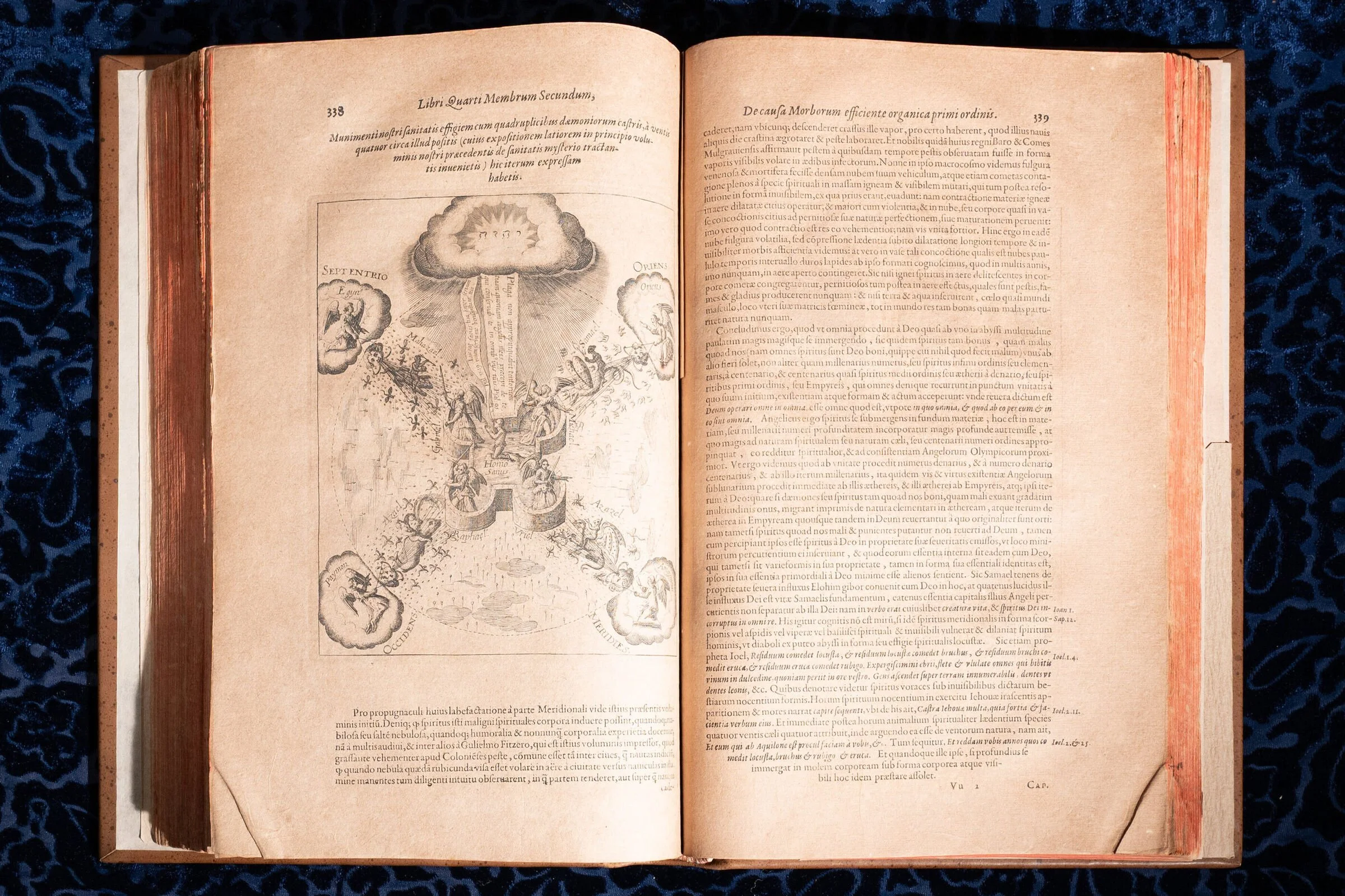 Image 43 of 107
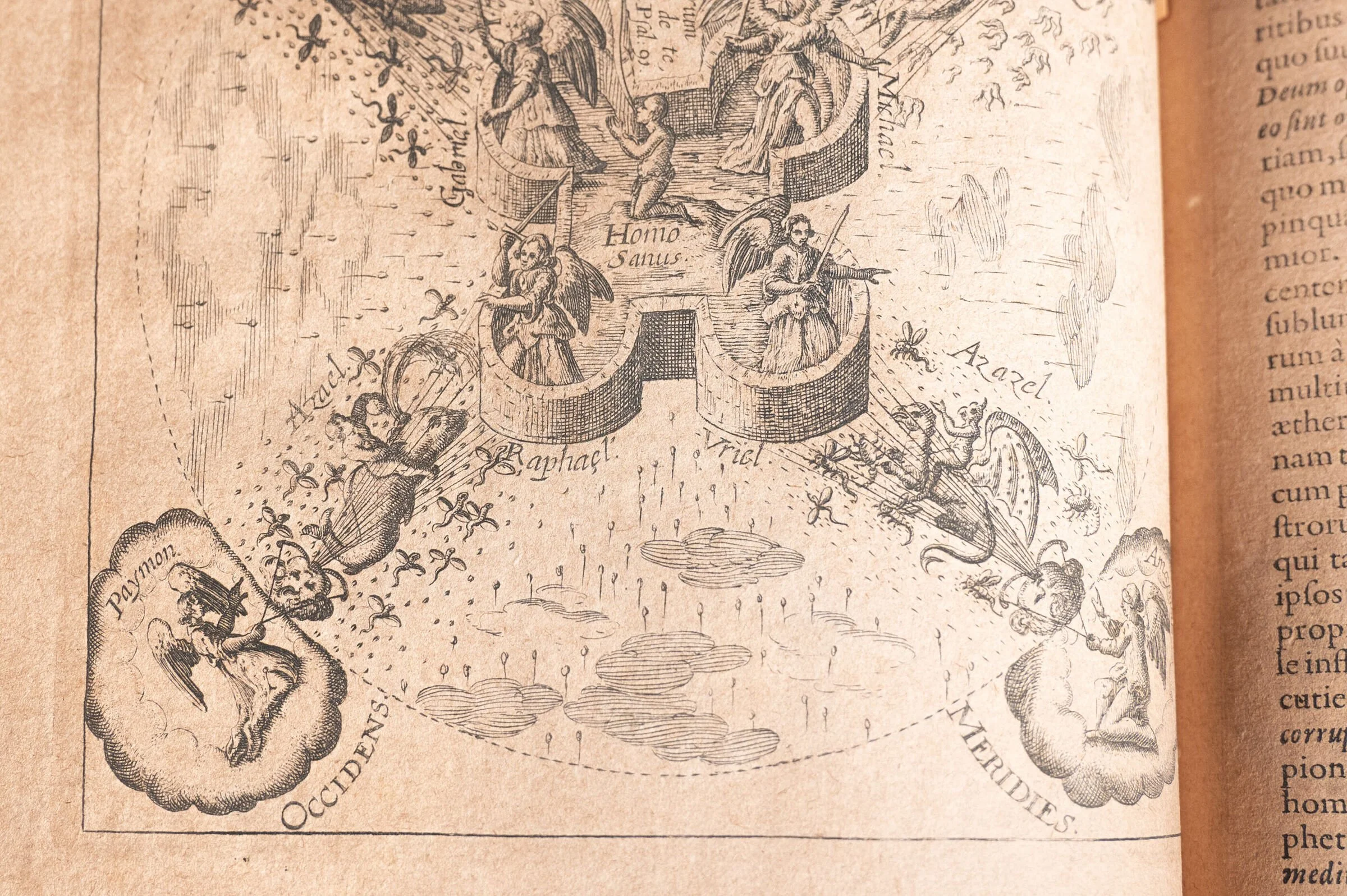 Image 44 of 107
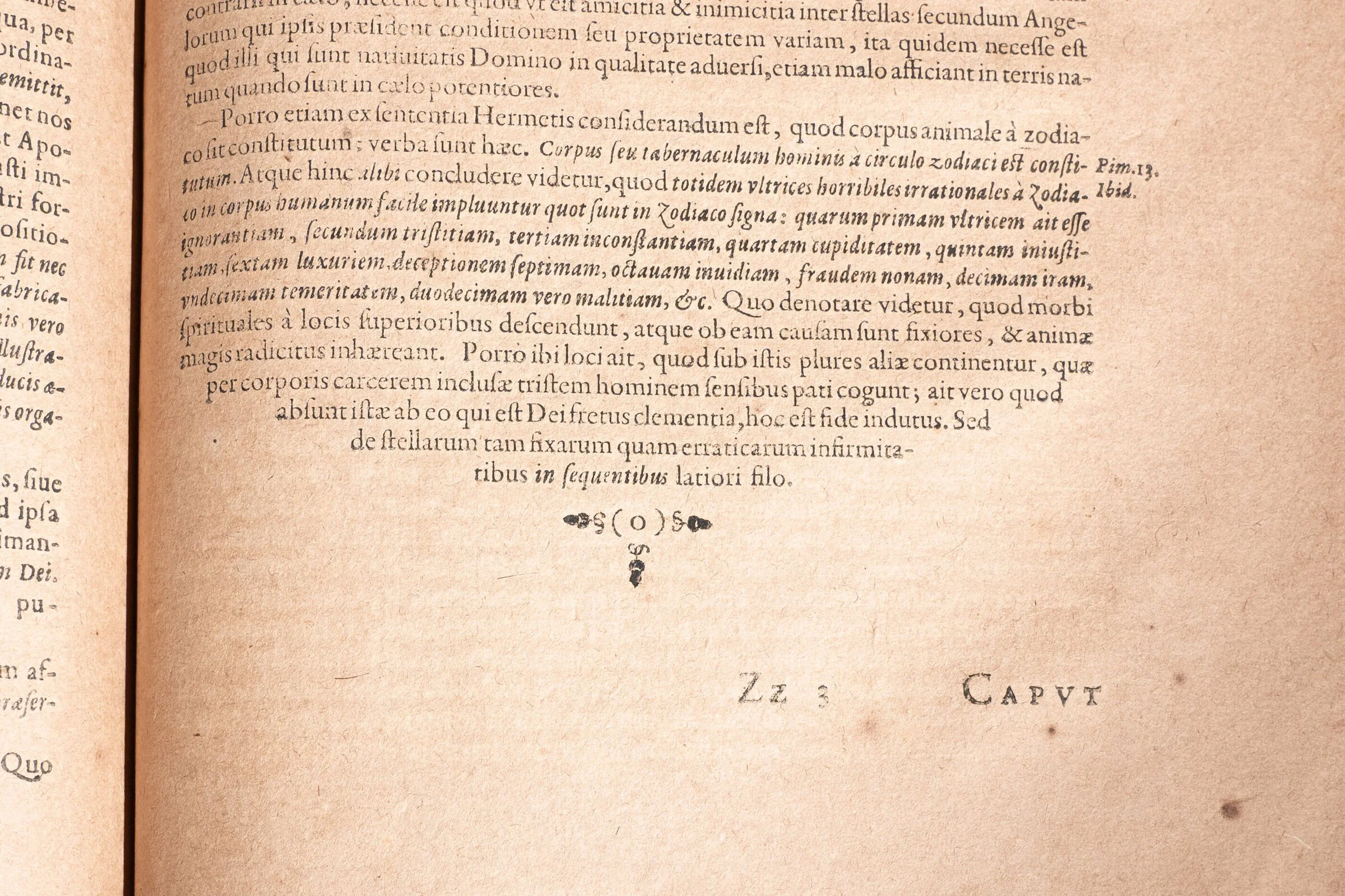 Image 45 of 107
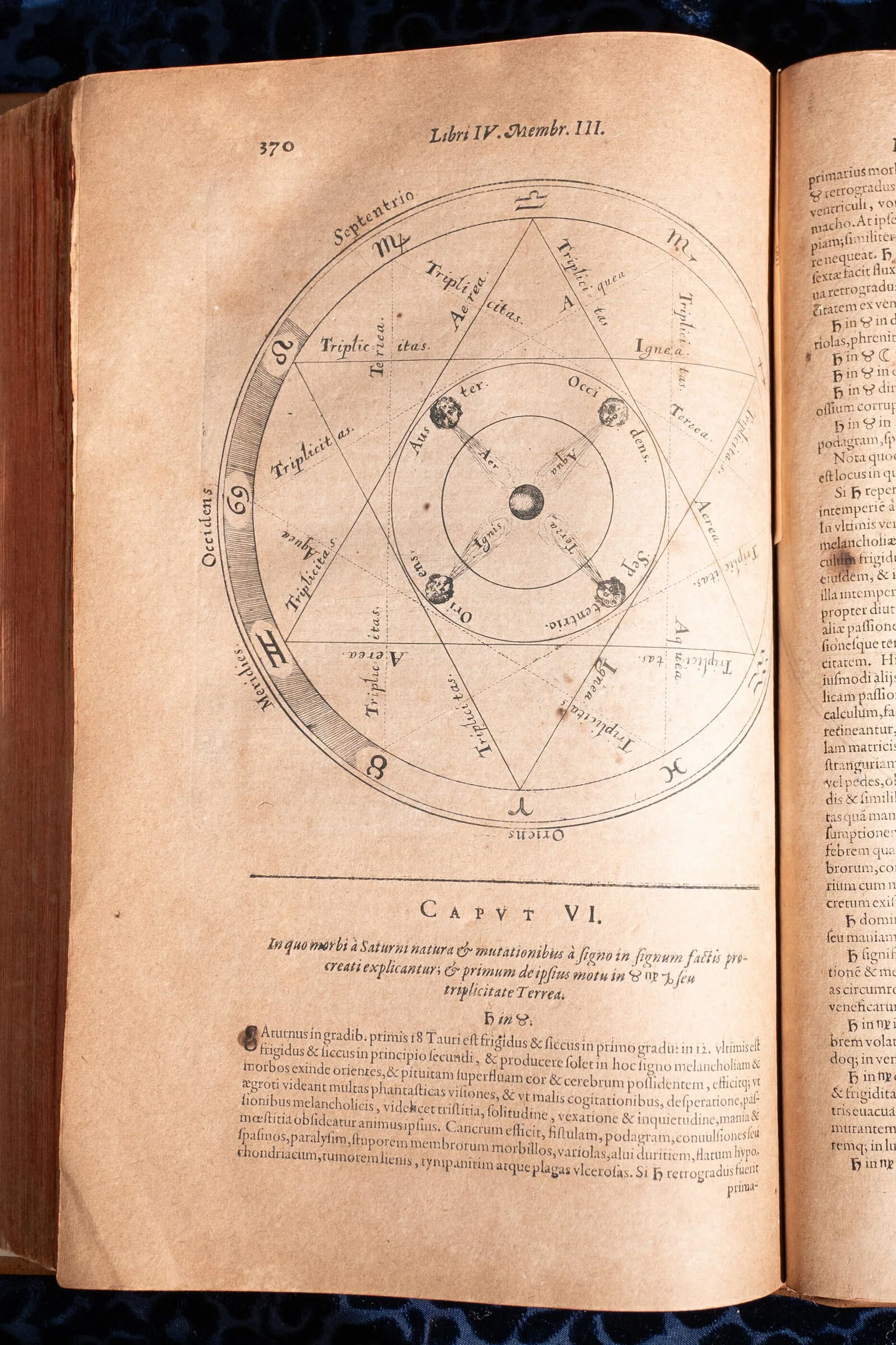 Image 46 of 107
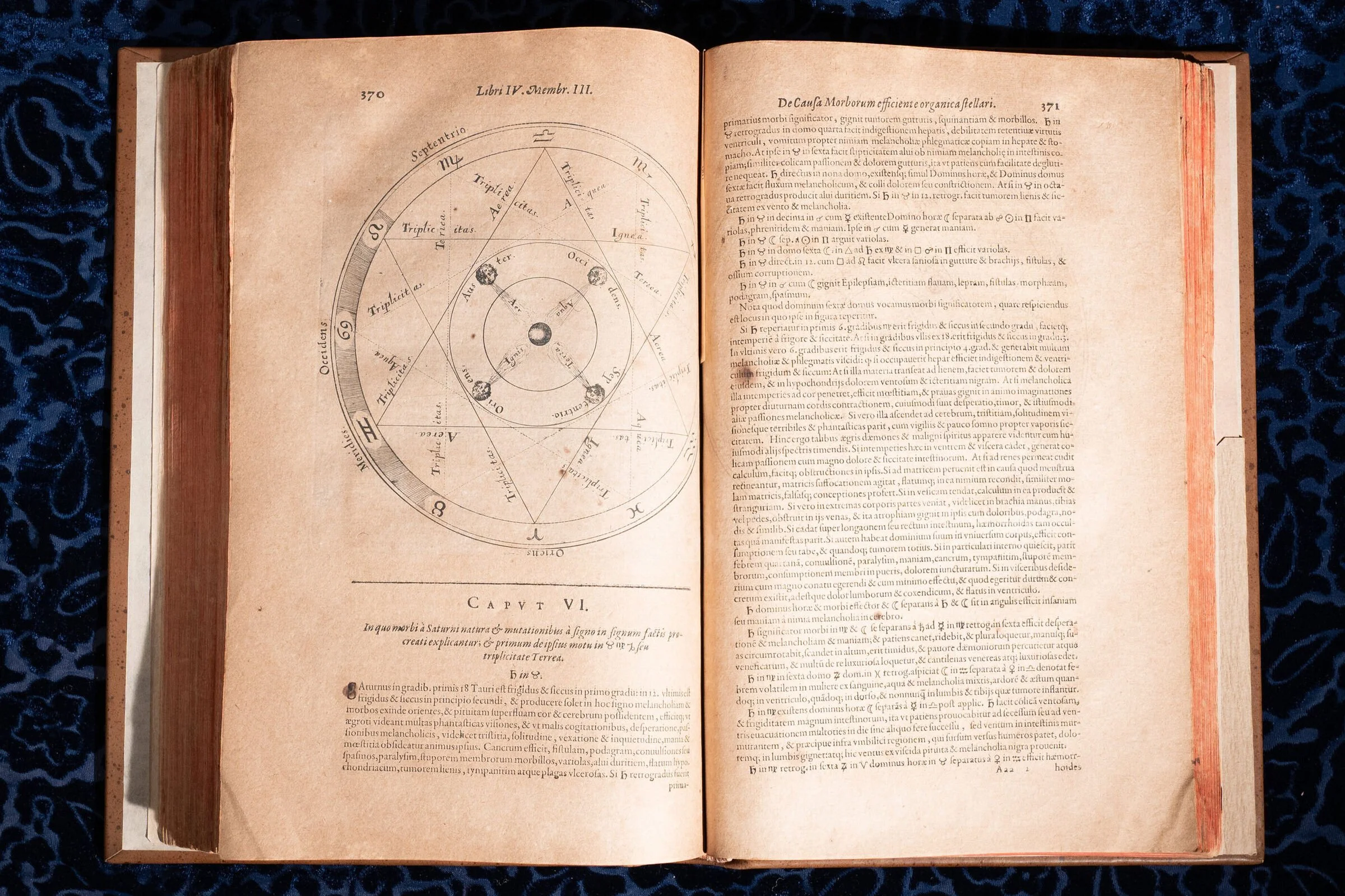 Image 47 of 107
 Image 48 of 107
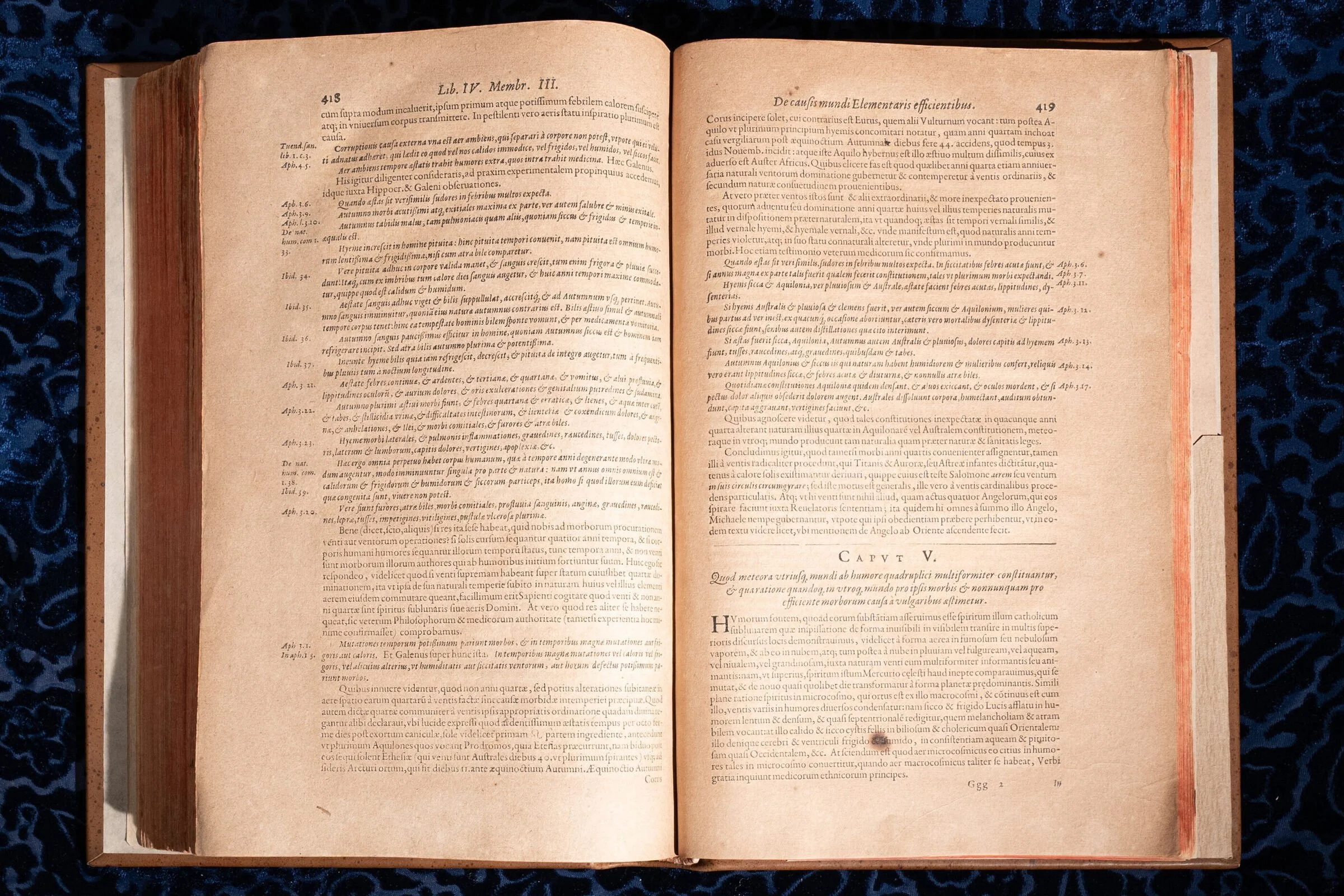 Image 49 of 107
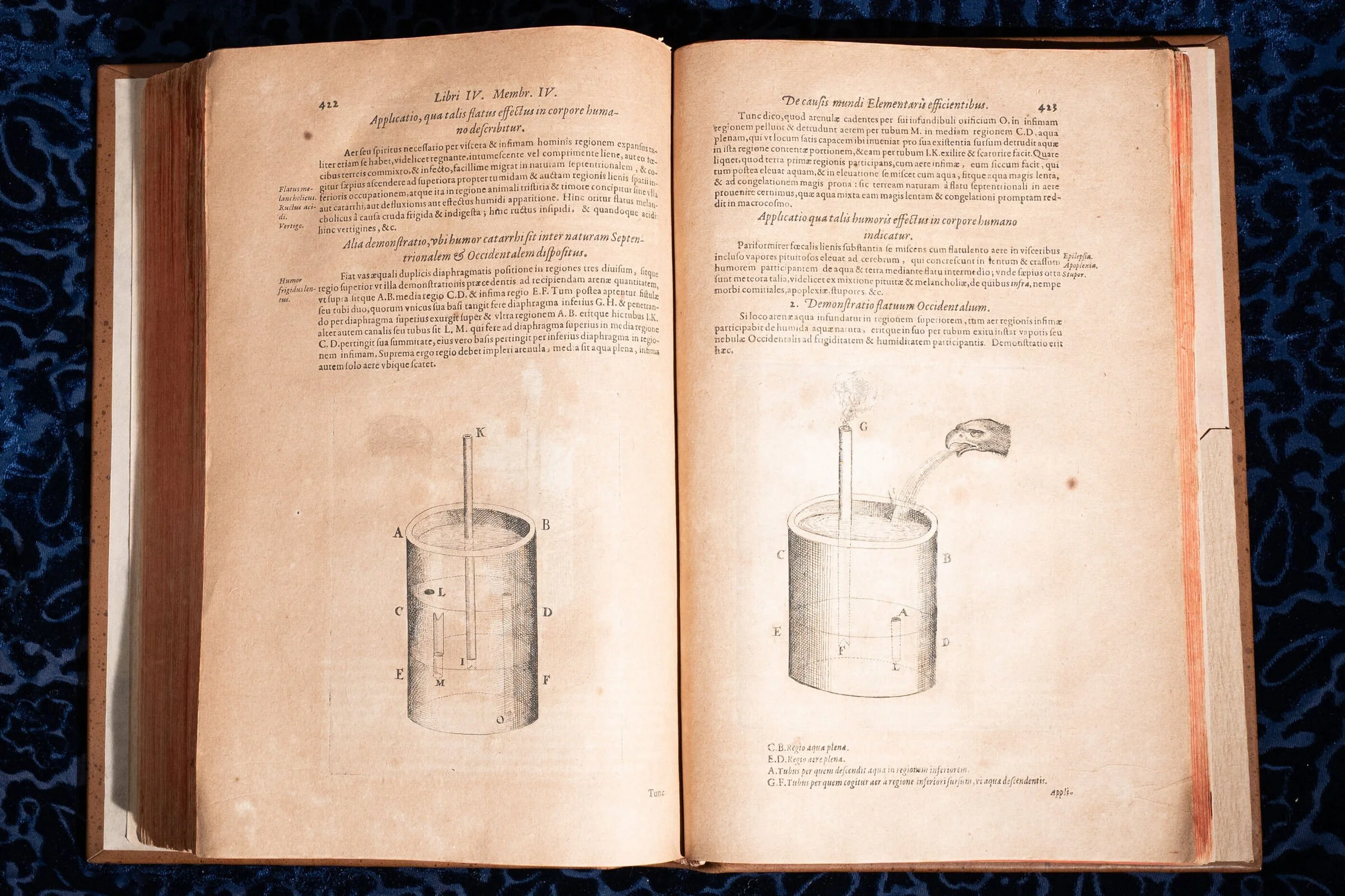 Image 50 of 107
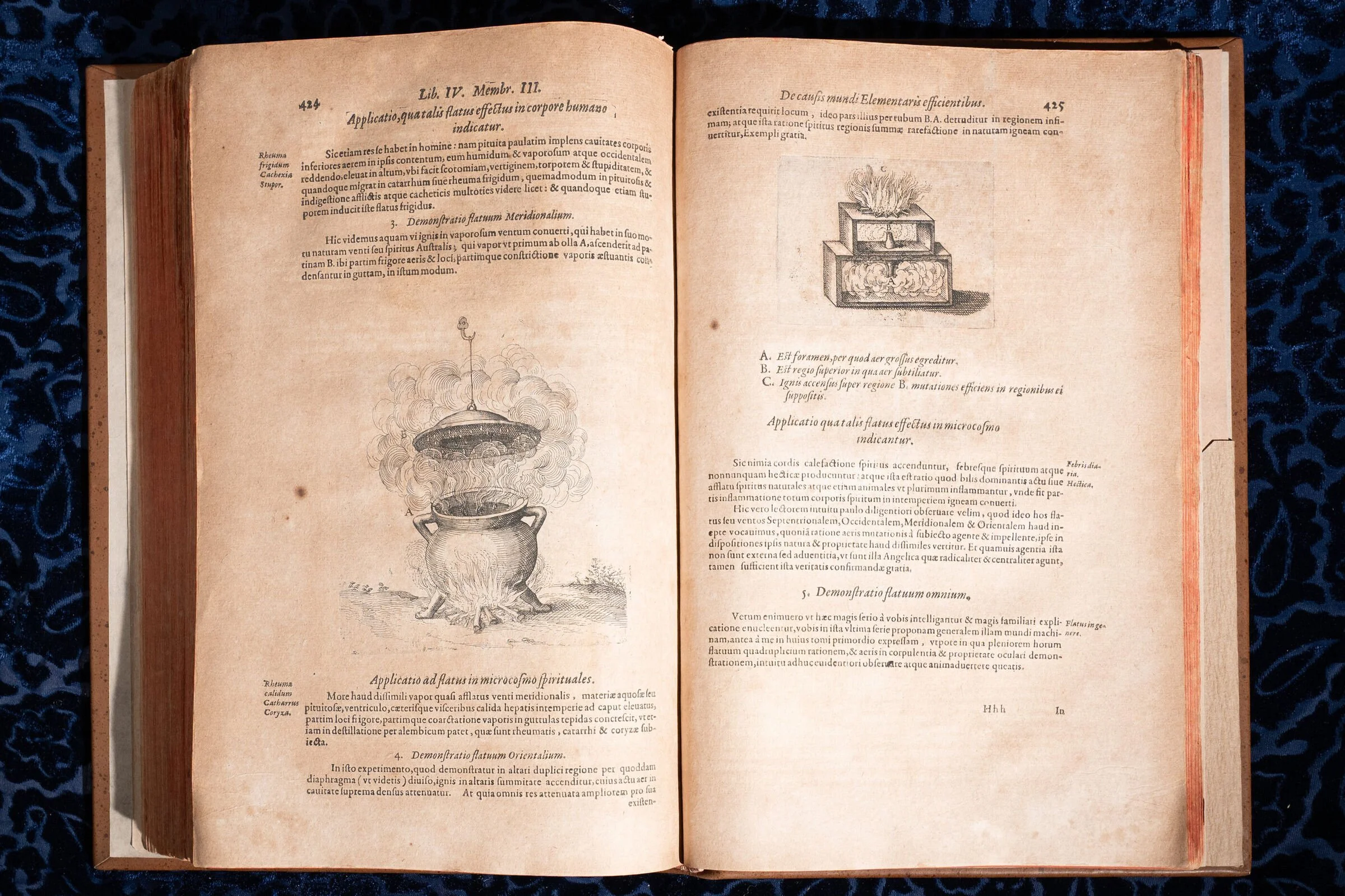 Image 51 of 107
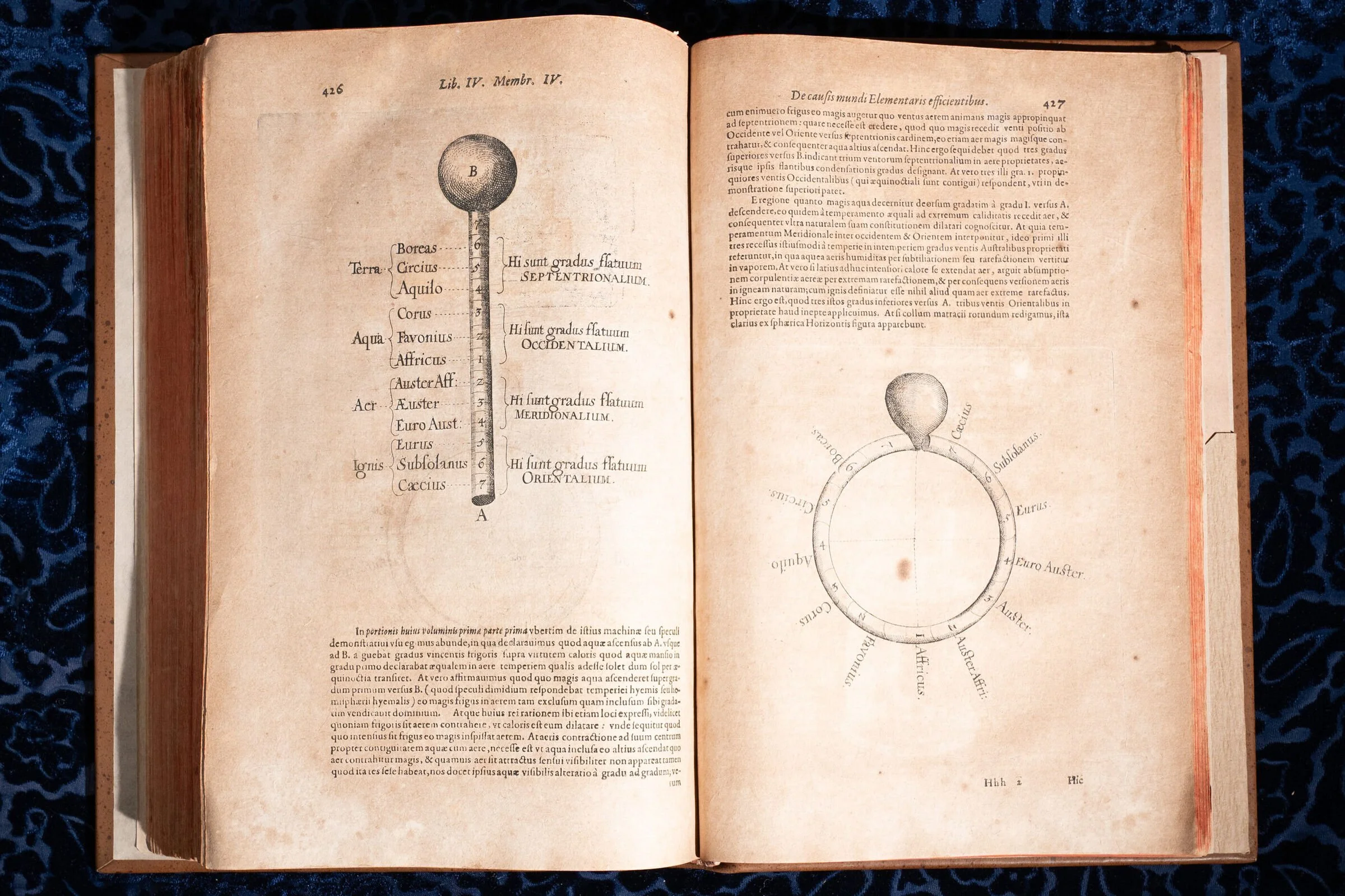 Image 52 of 107
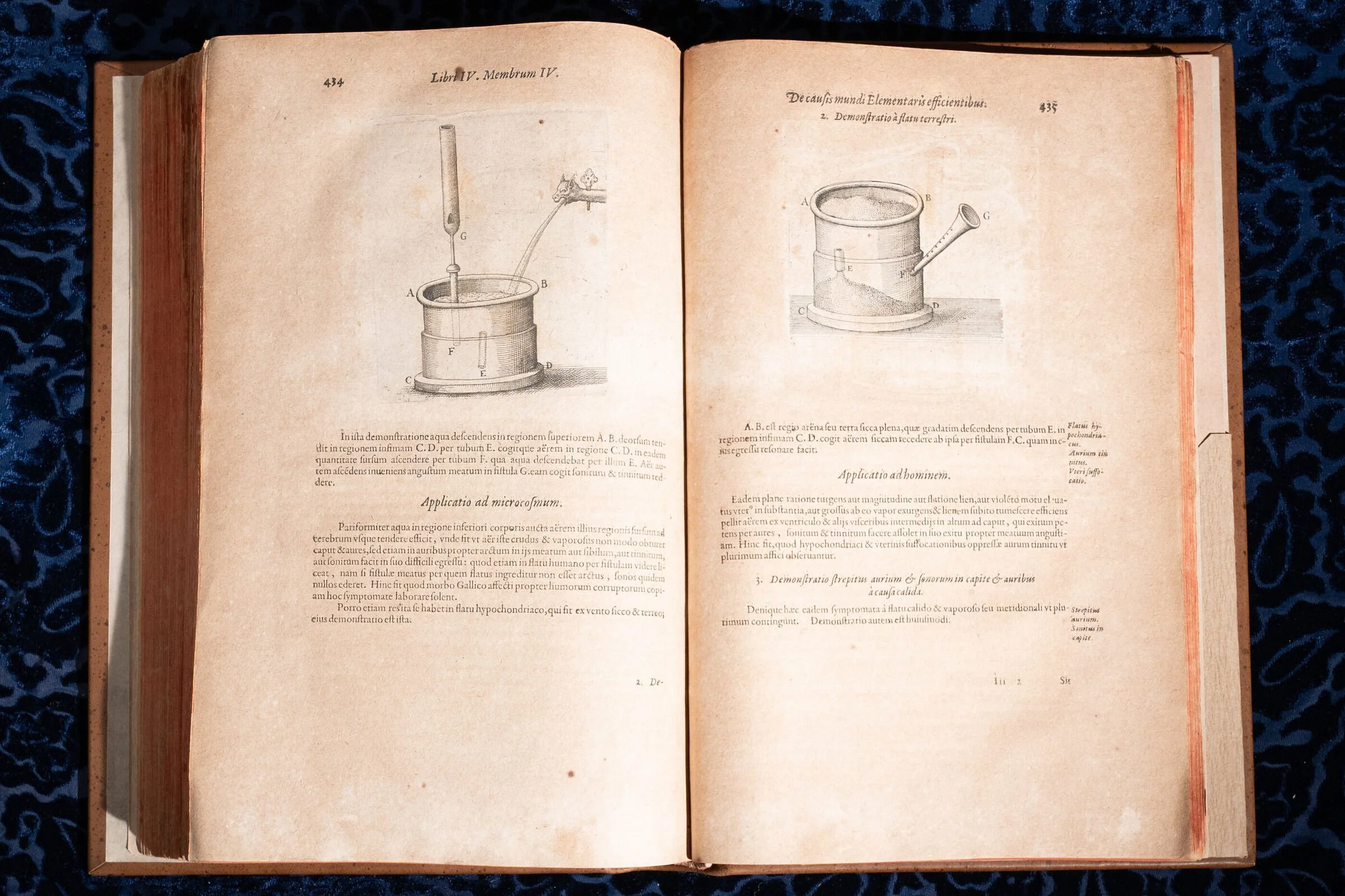 Image 53 of 107
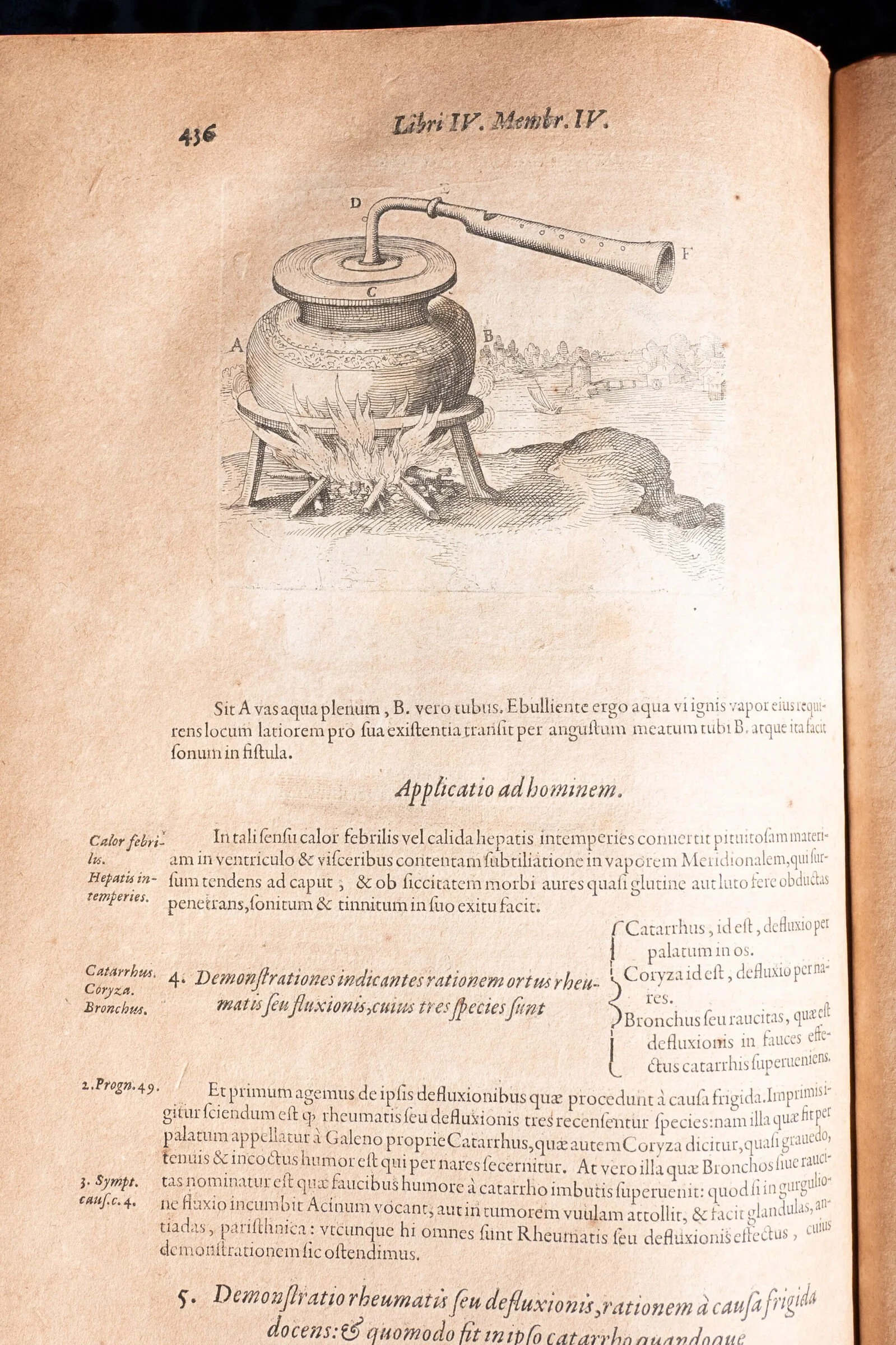 Image 54 of 107
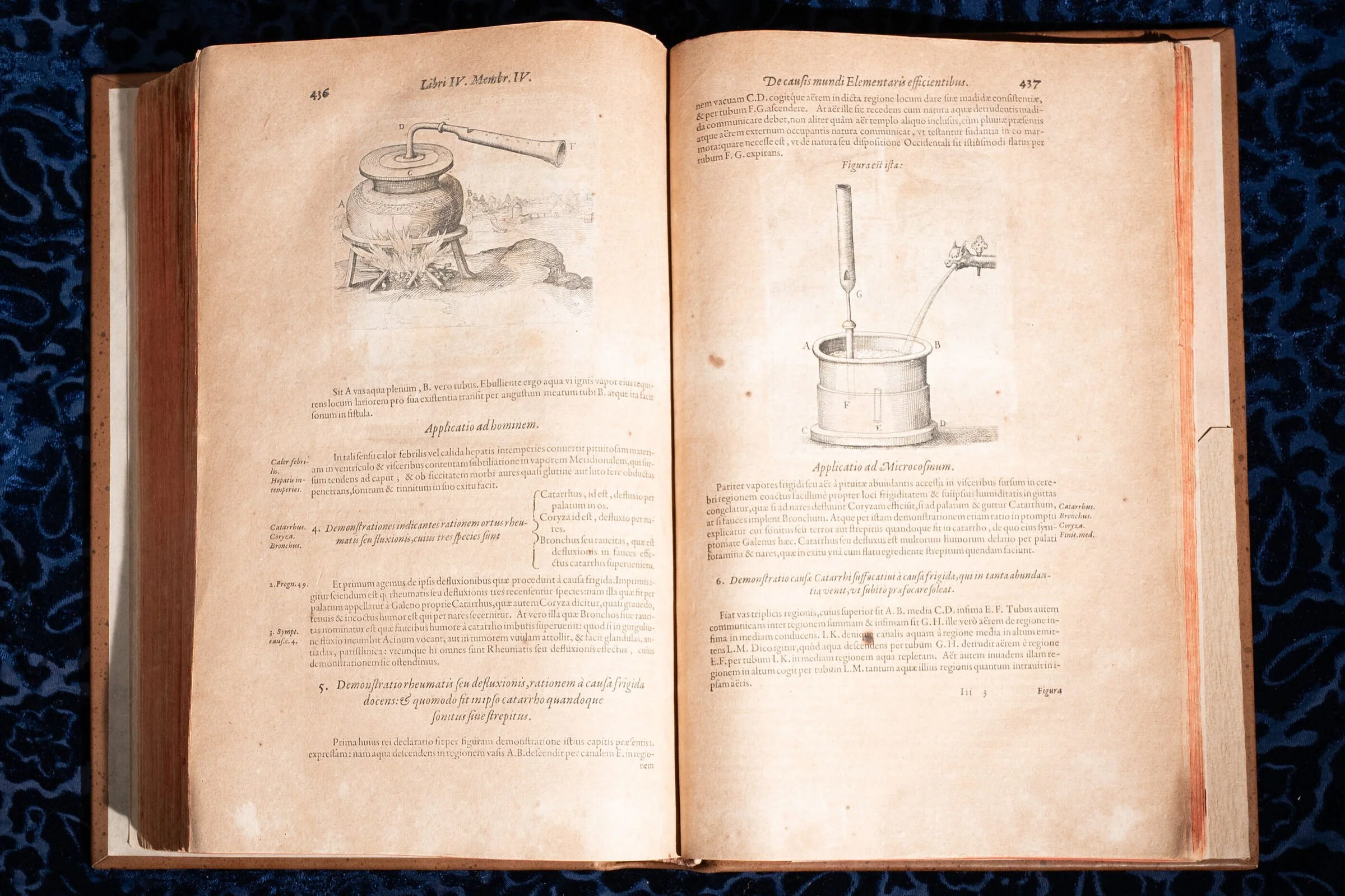 Image 55 of 107
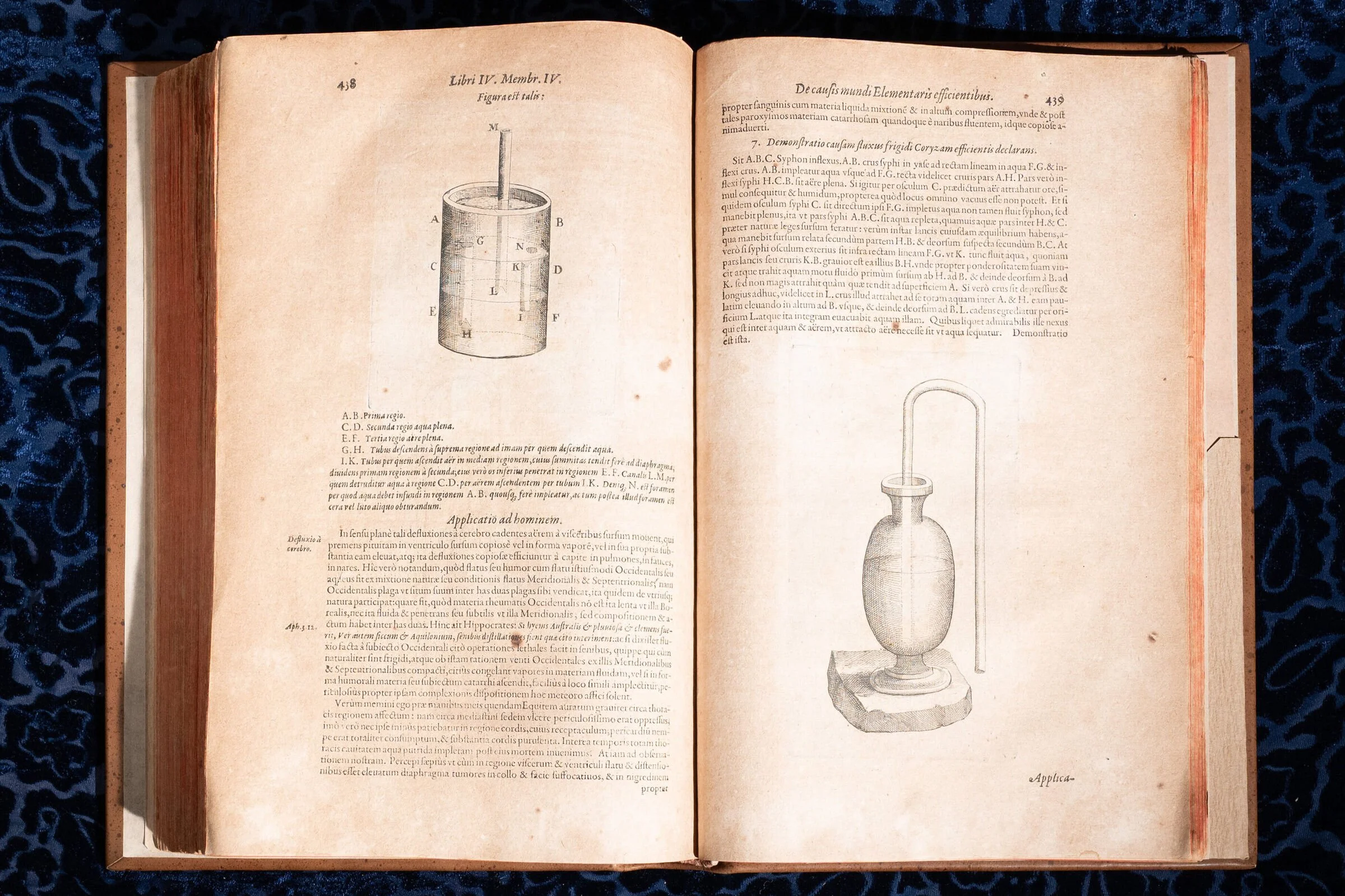 Image 56 of 107
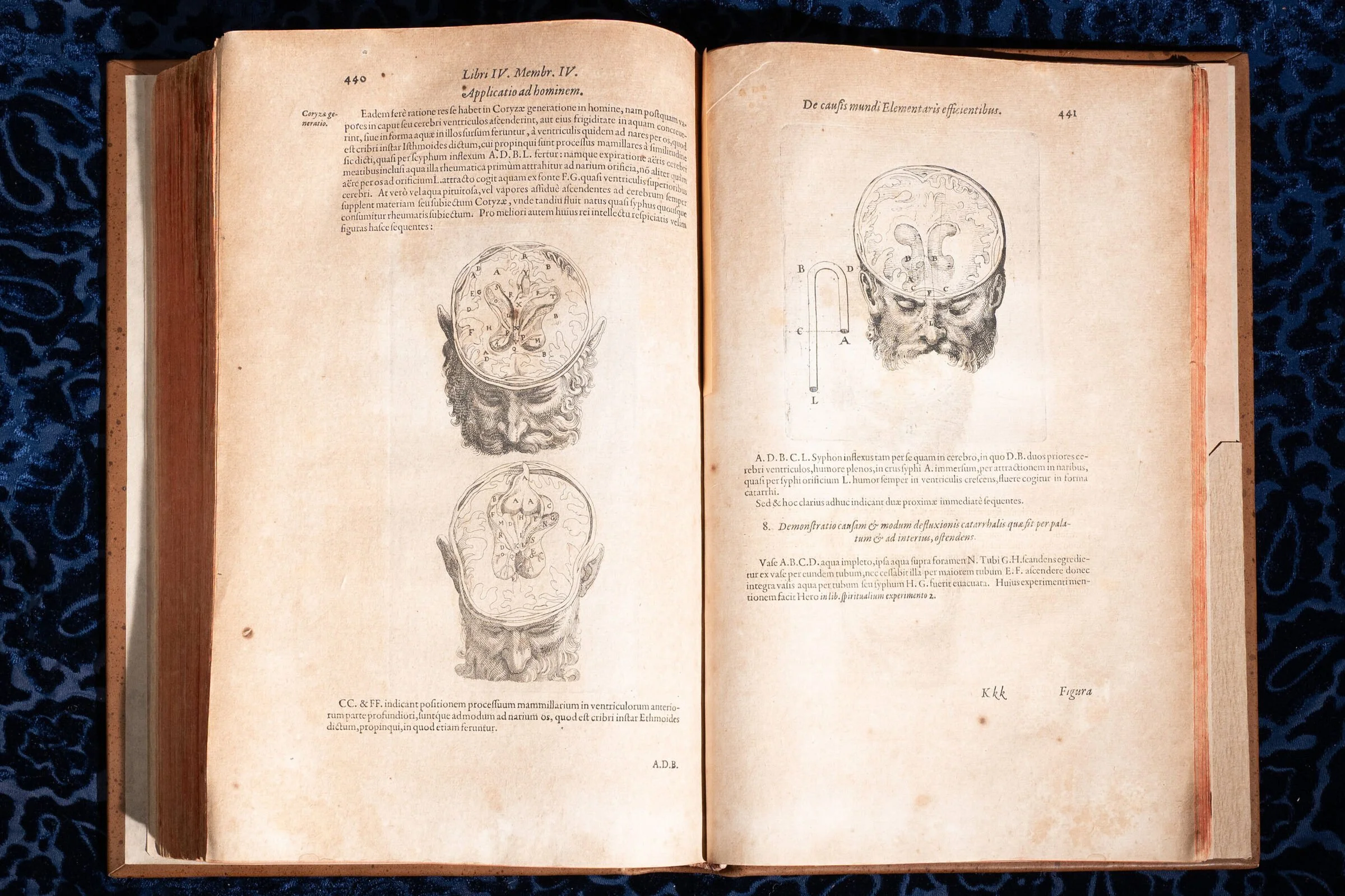 Image 57 of 107
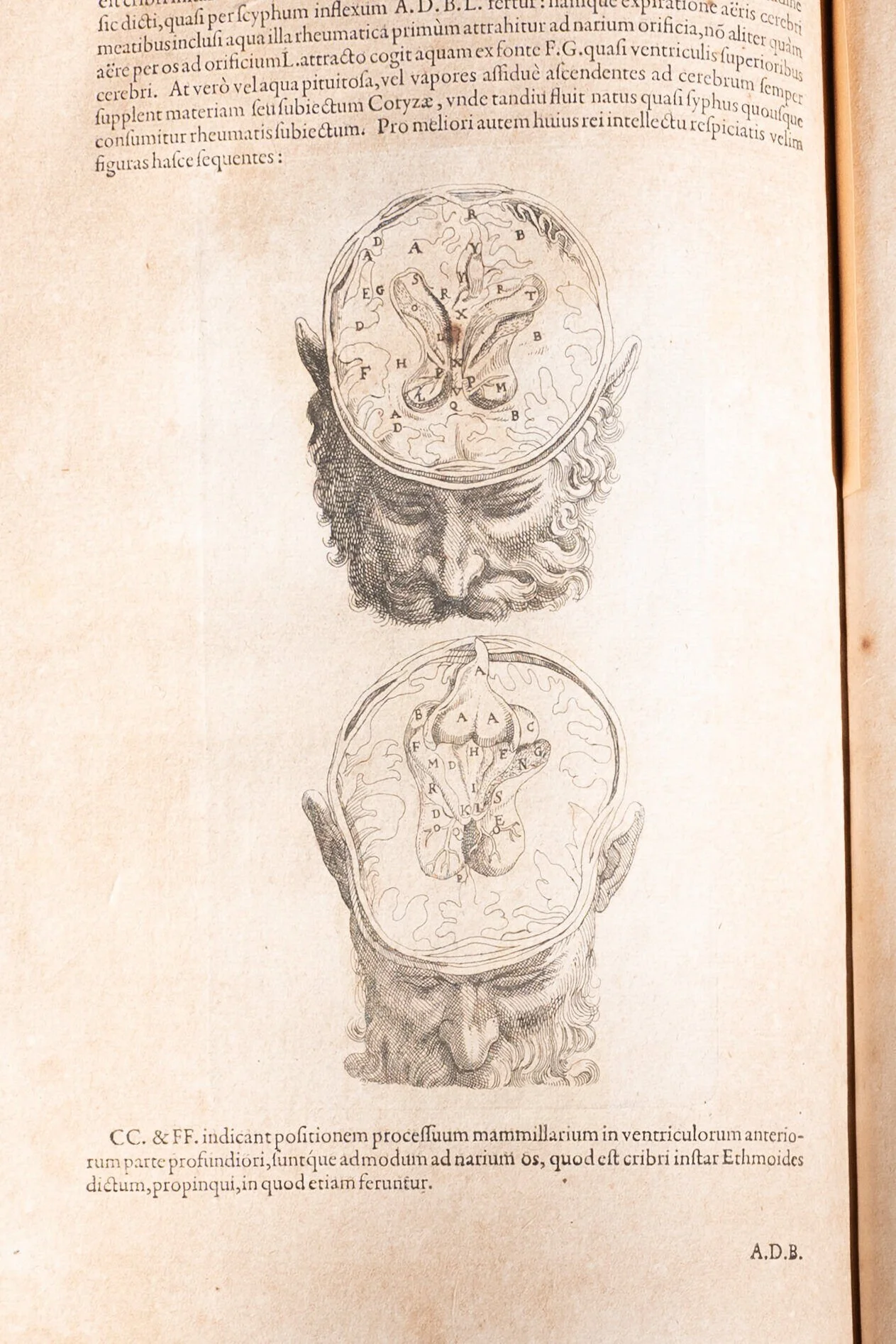 Image 58 of 107
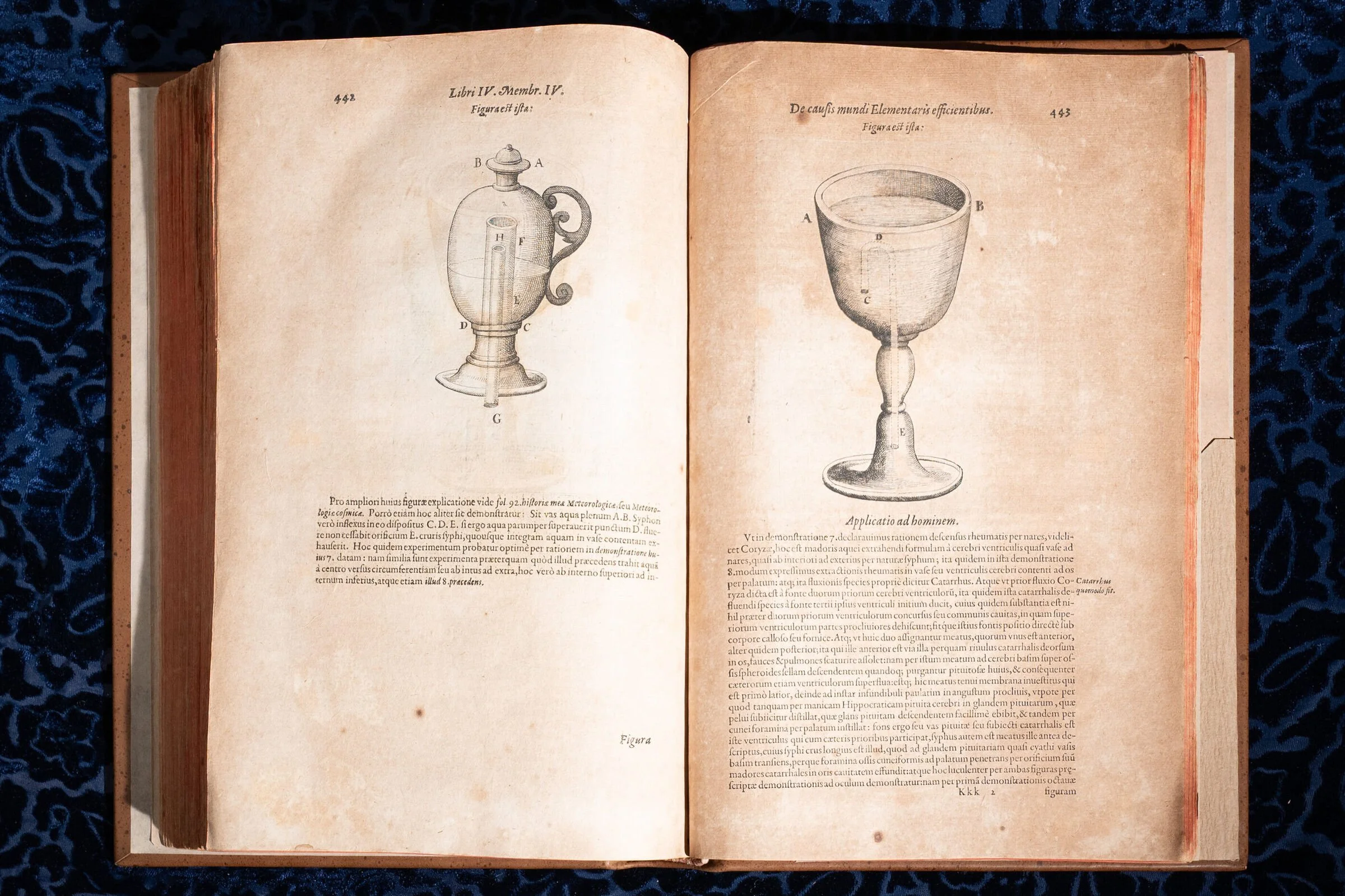 Image 59 of 107
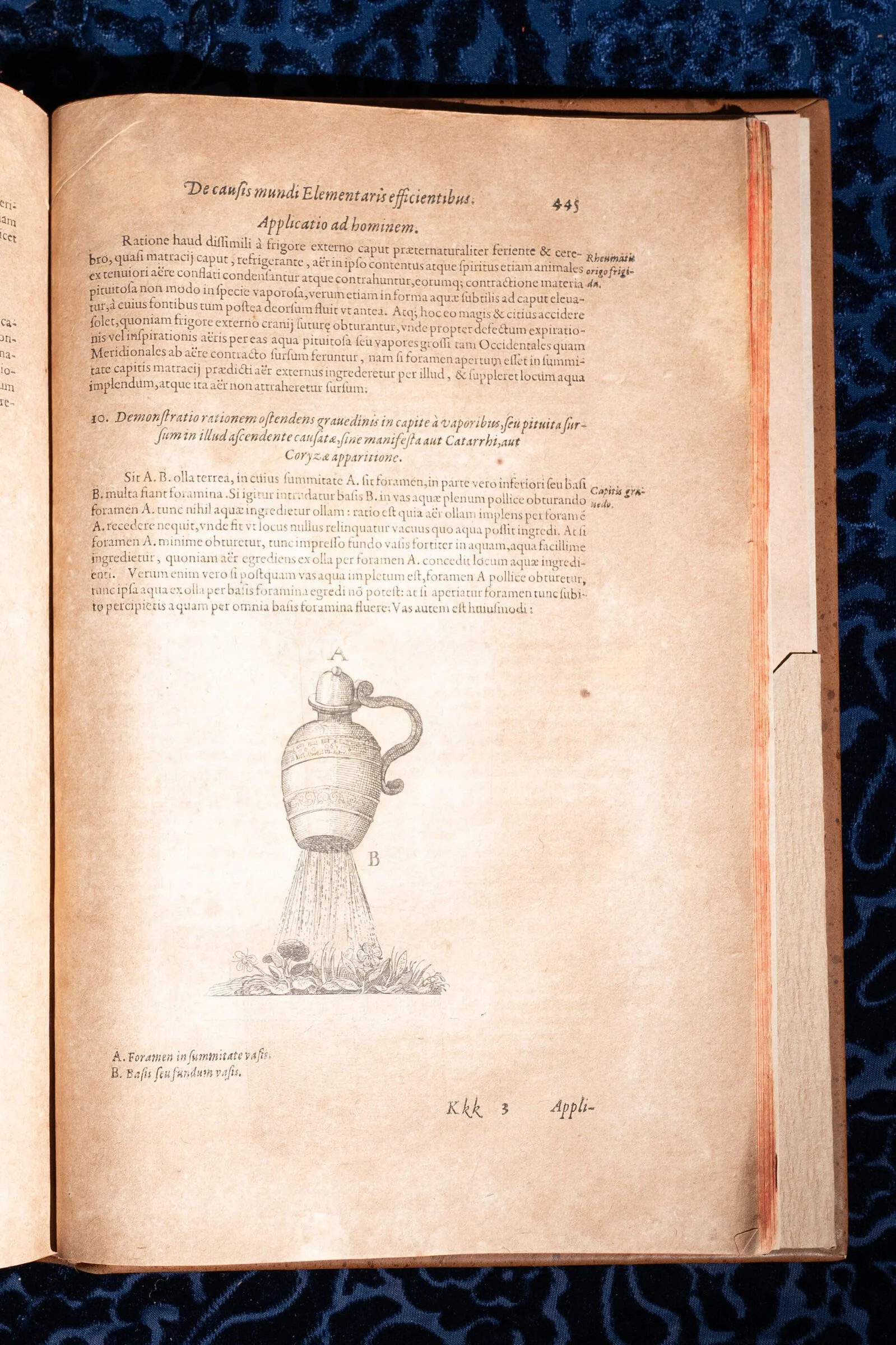 Image 60 of 107
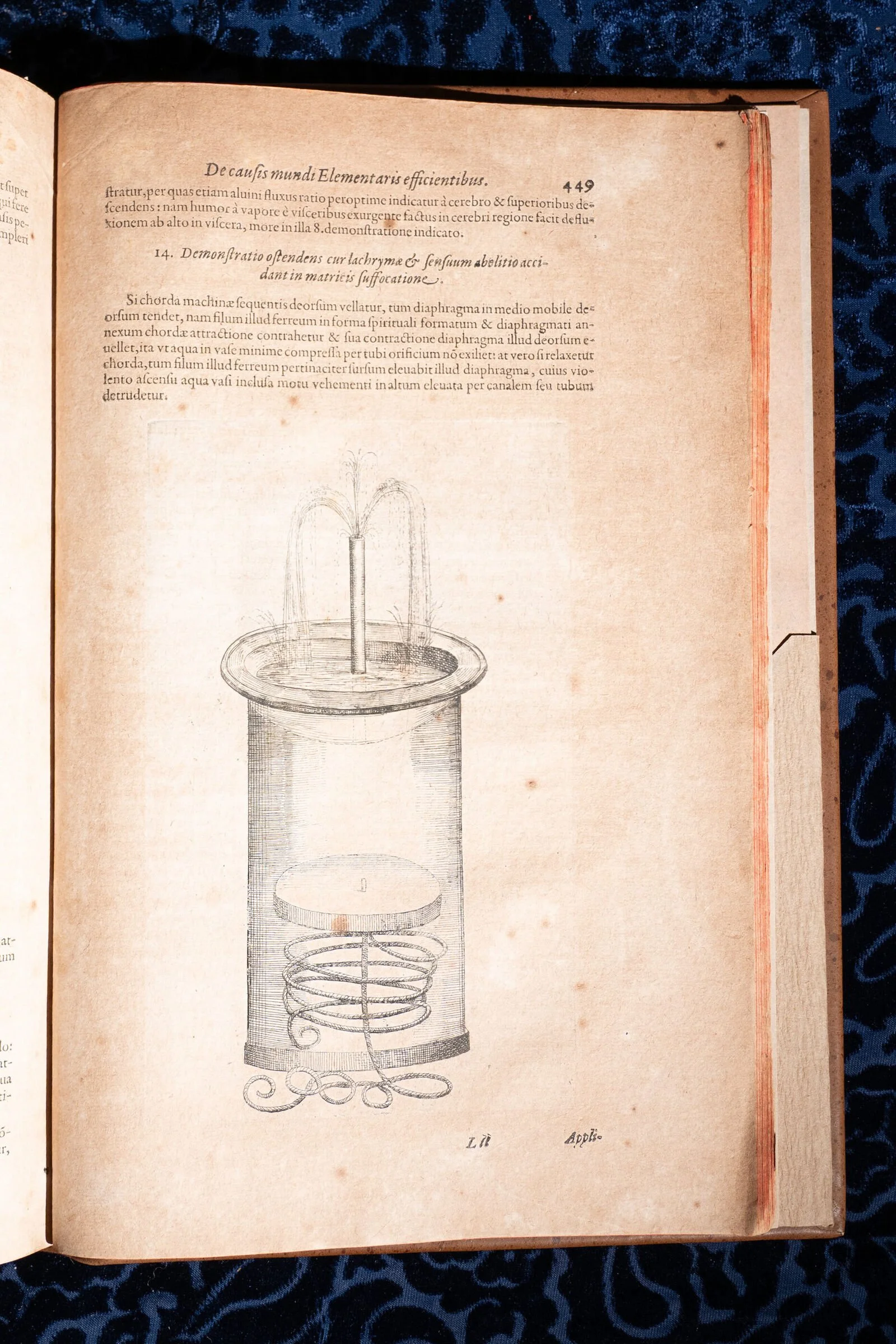 Image 61 of 107
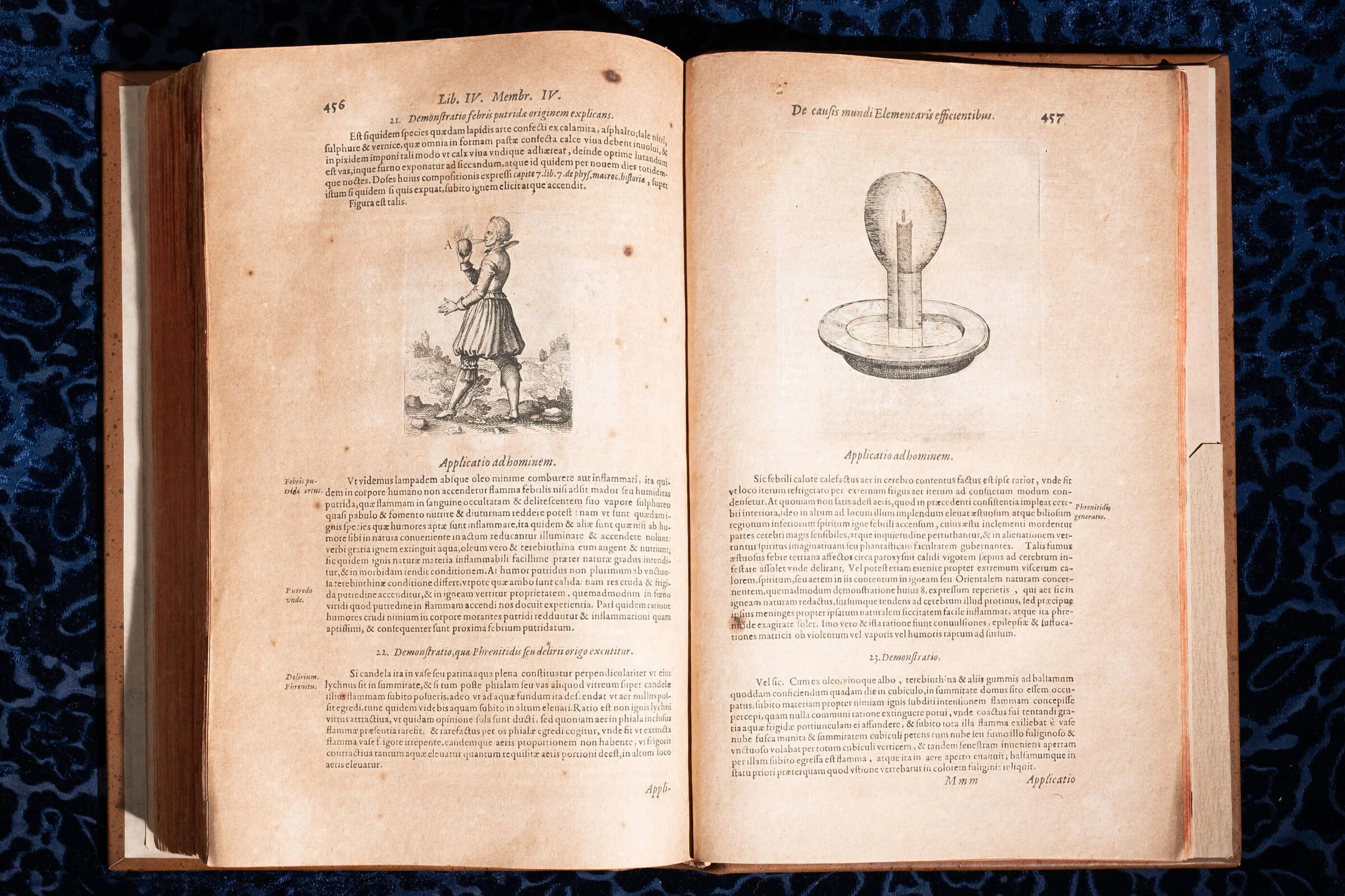 Image 62 of 107
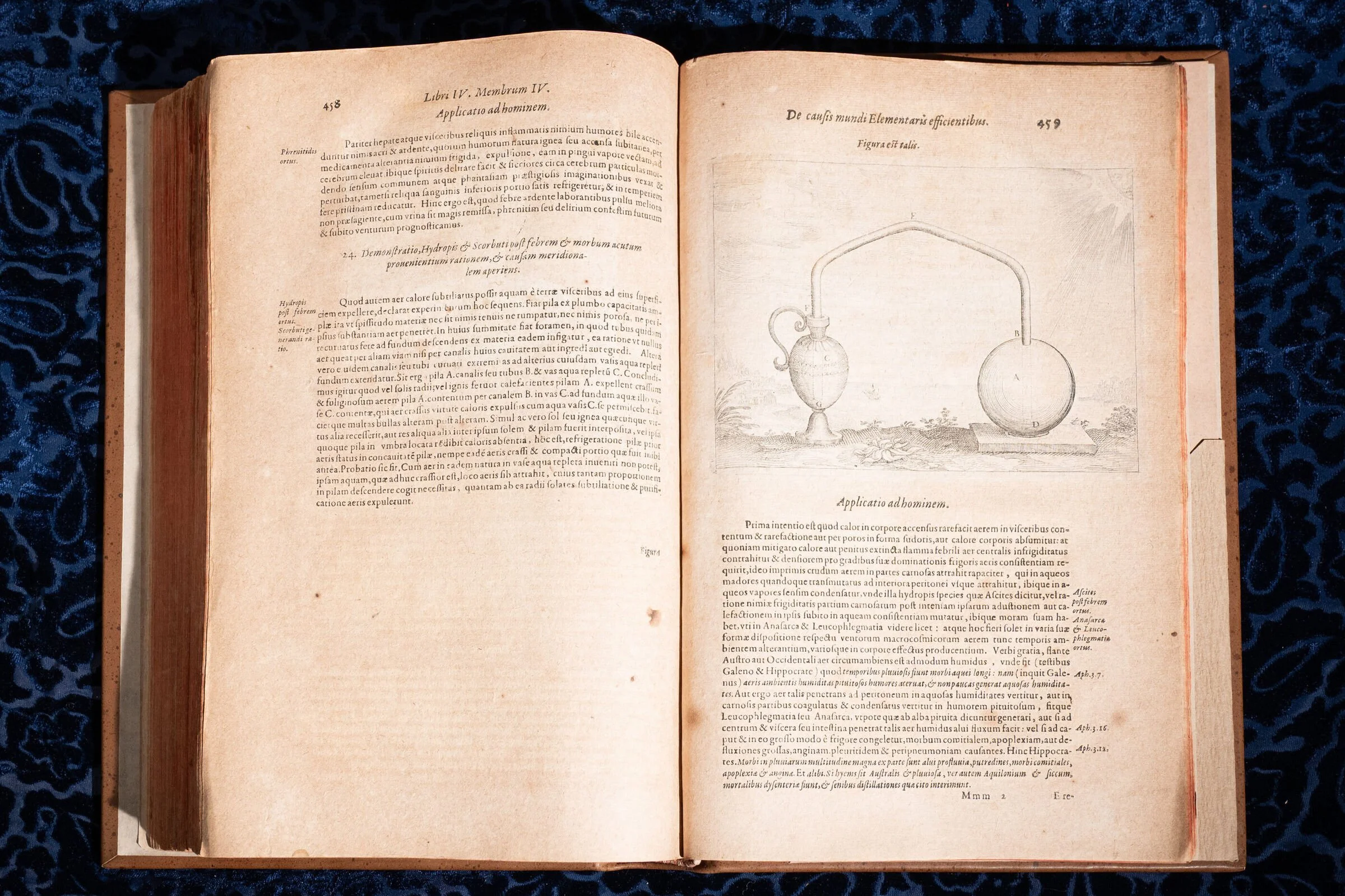 Image 63 of 107
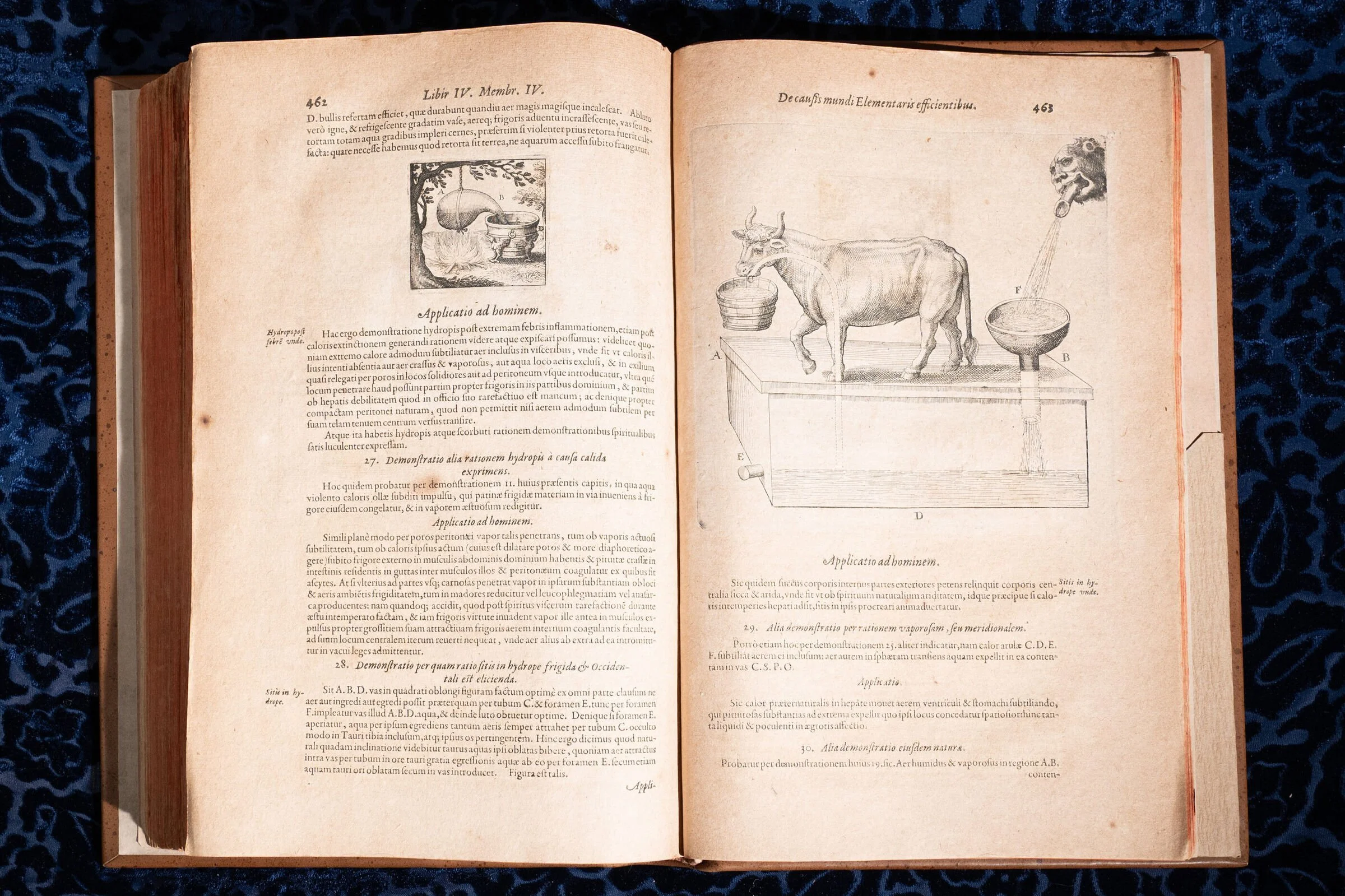 Image 64 of 107
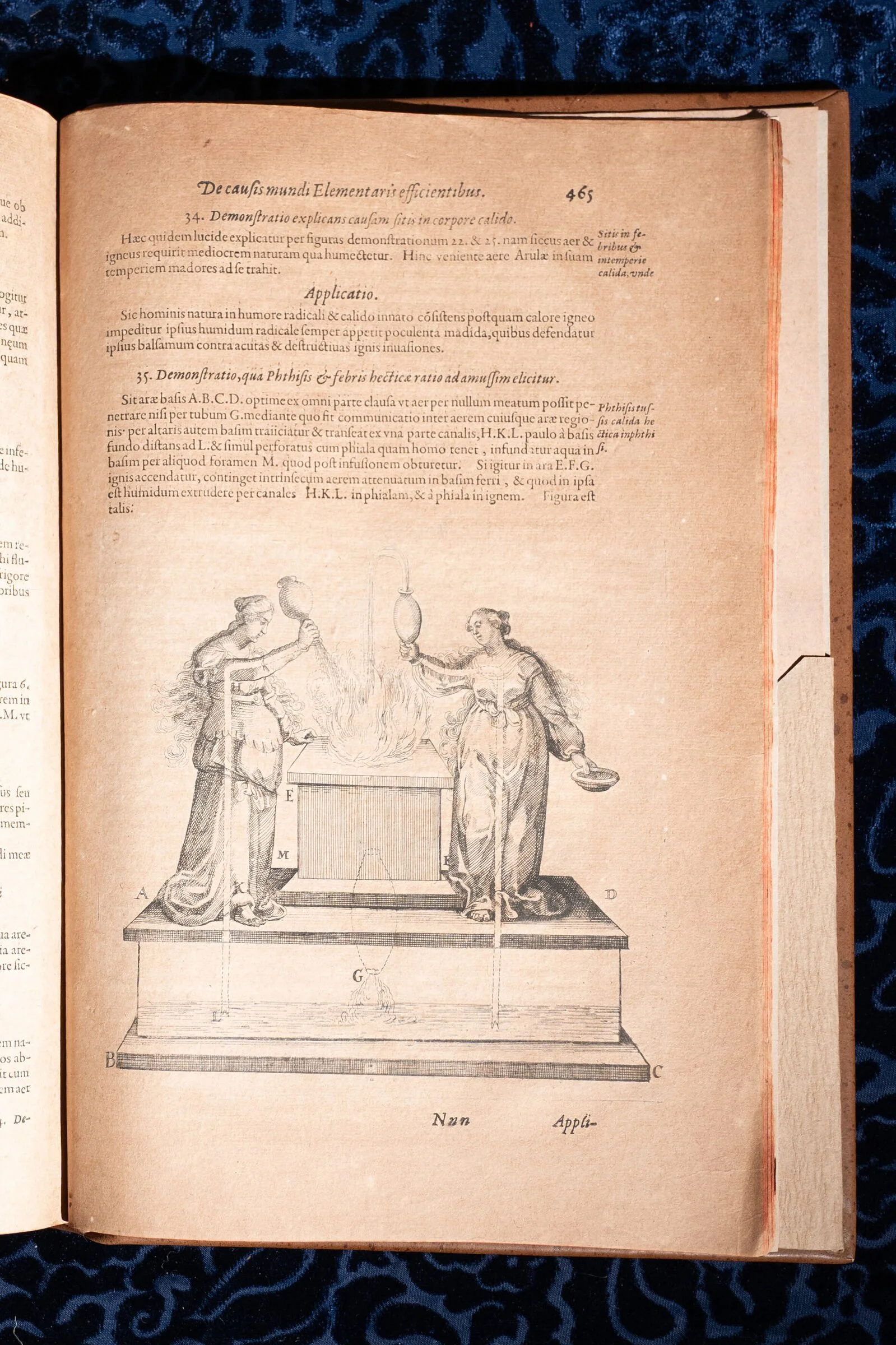 Image 65 of 107
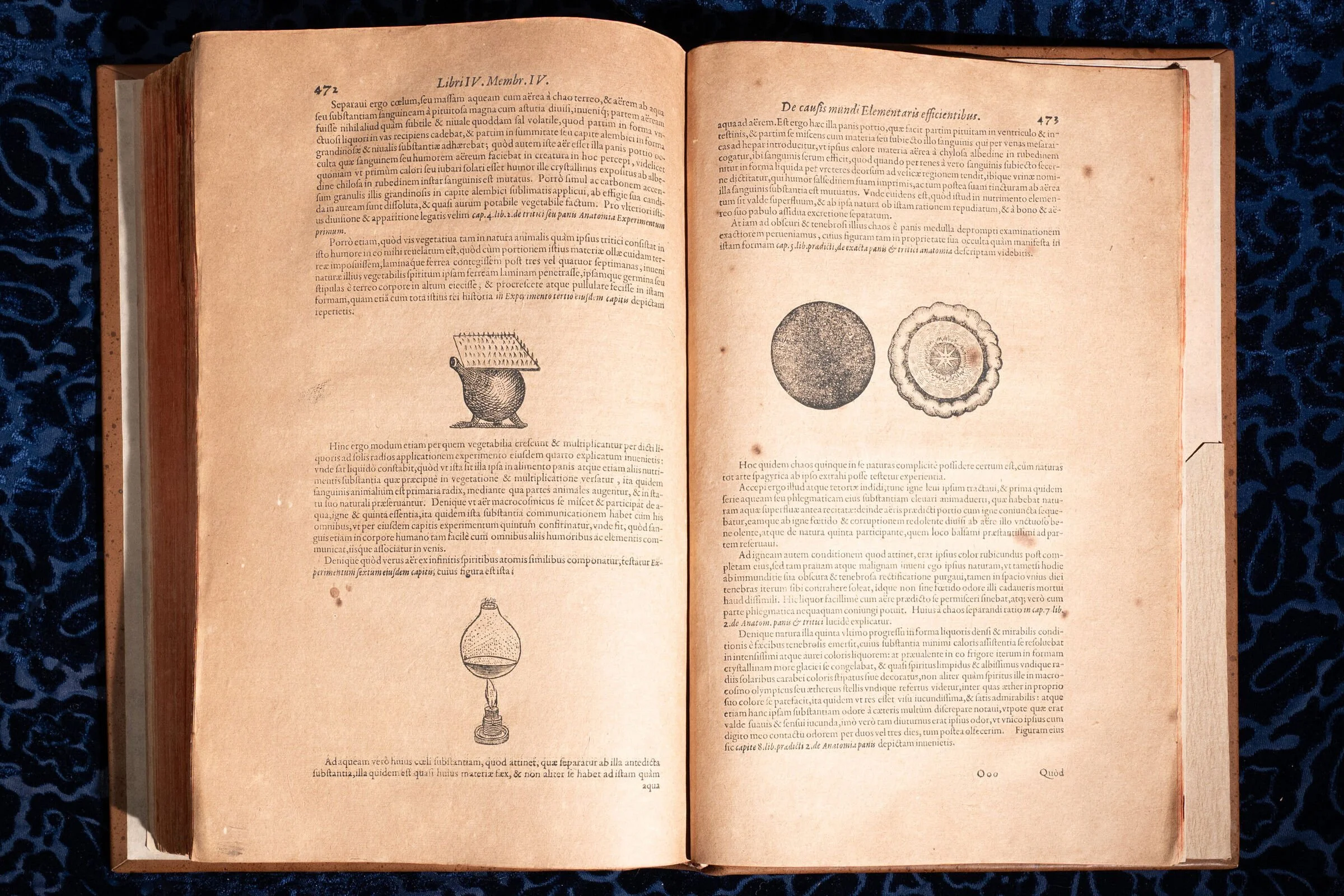 Image 66 of 107
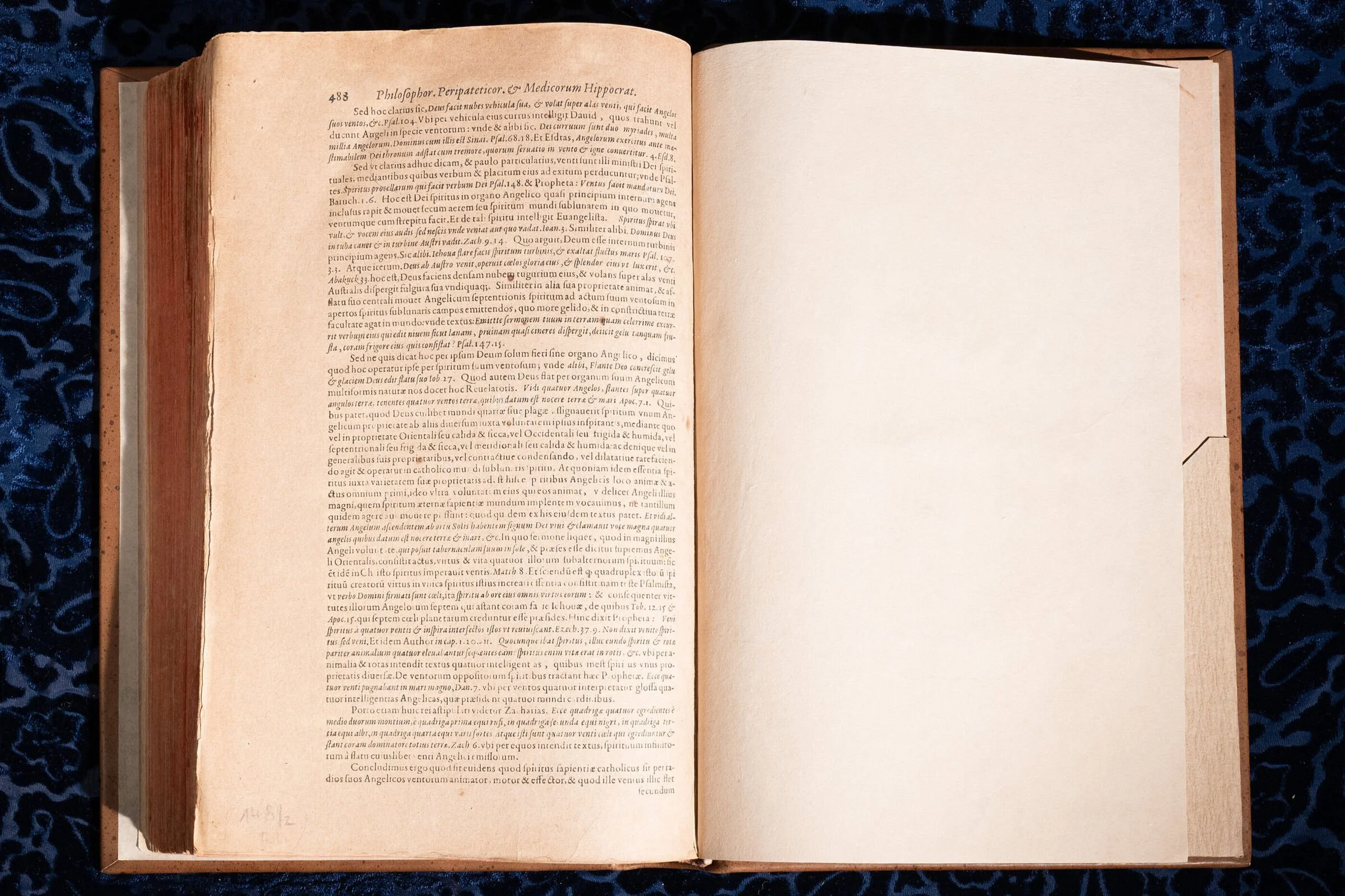 Image 67 of 107
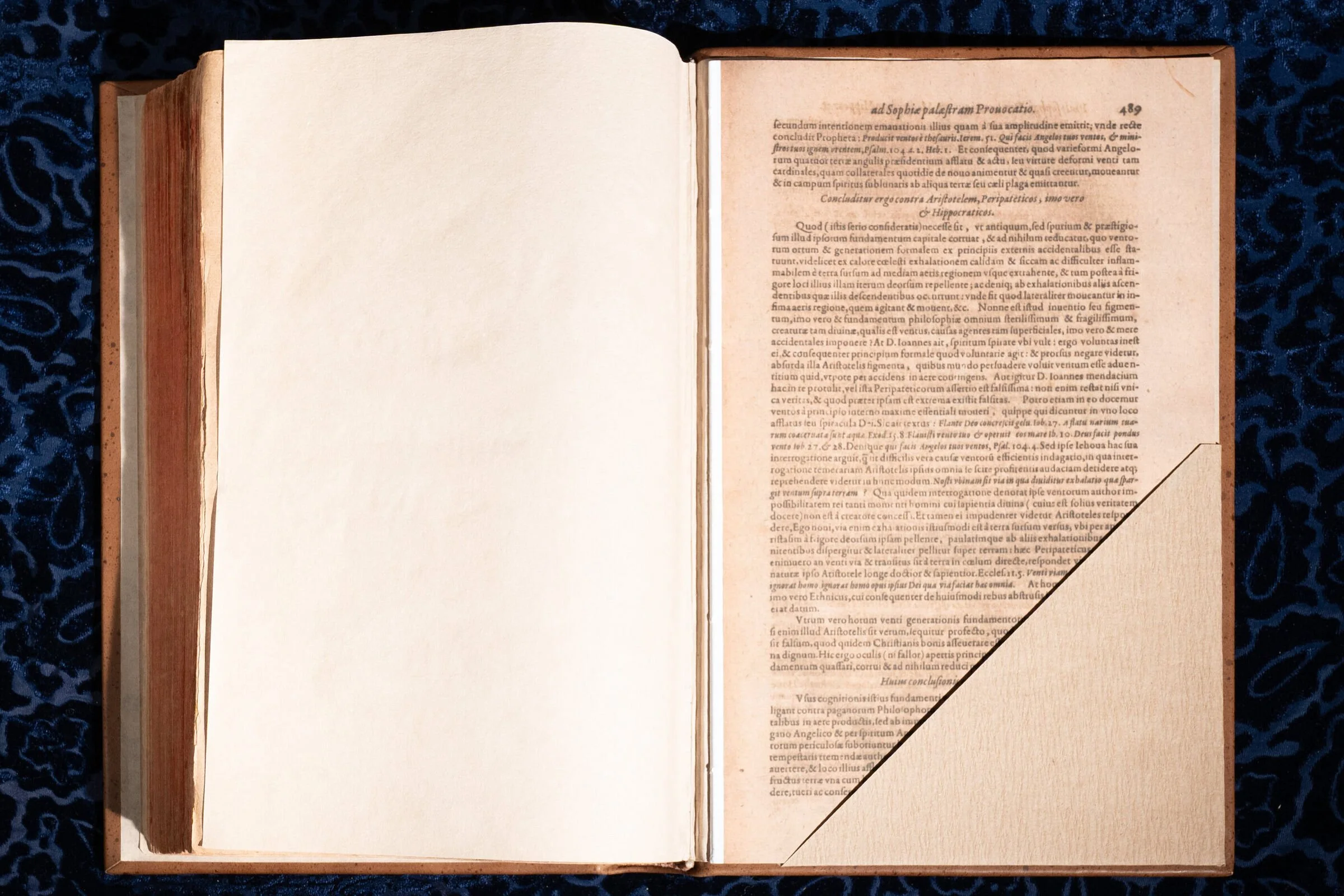 Image 68 of 107
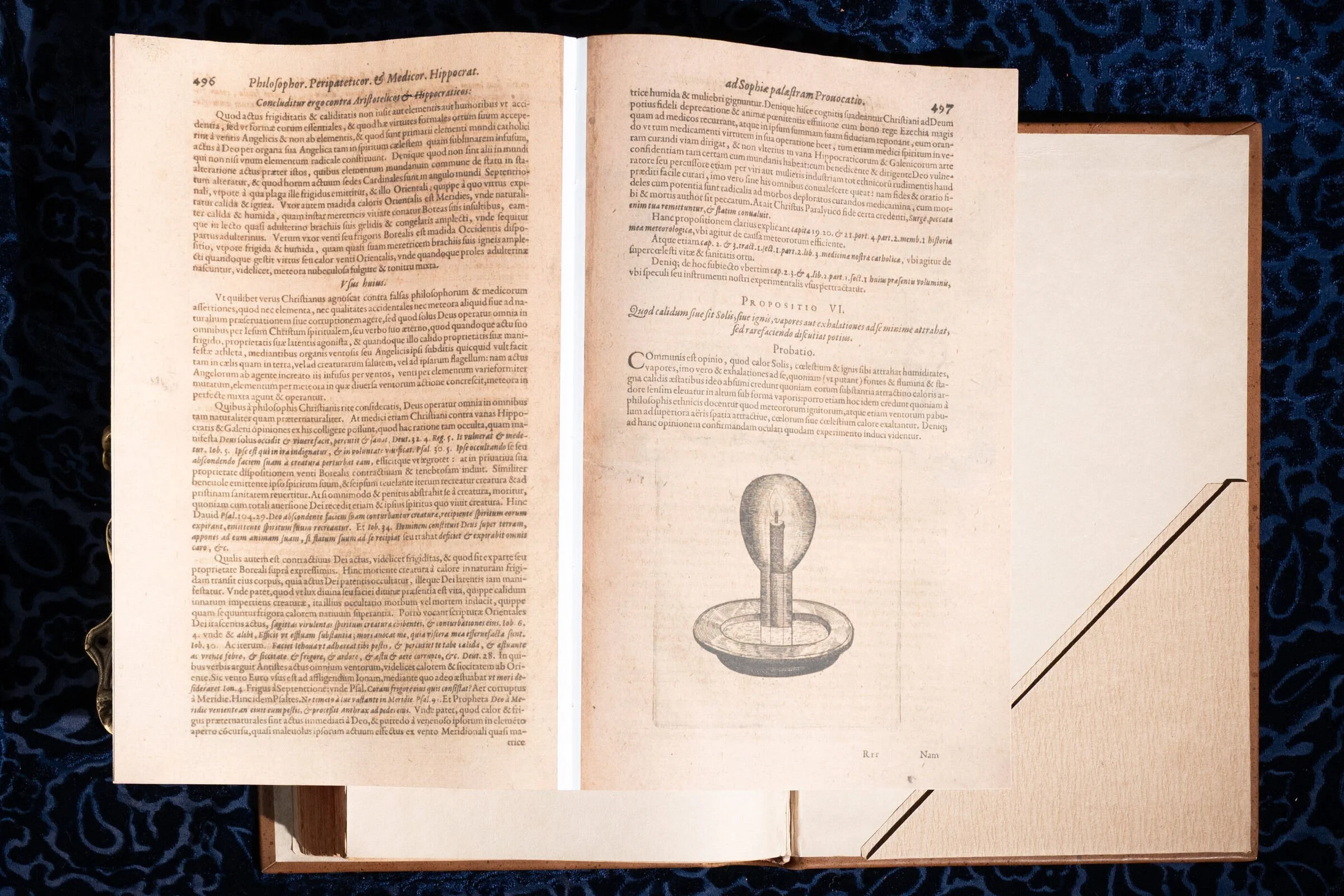 Image 69 of 107
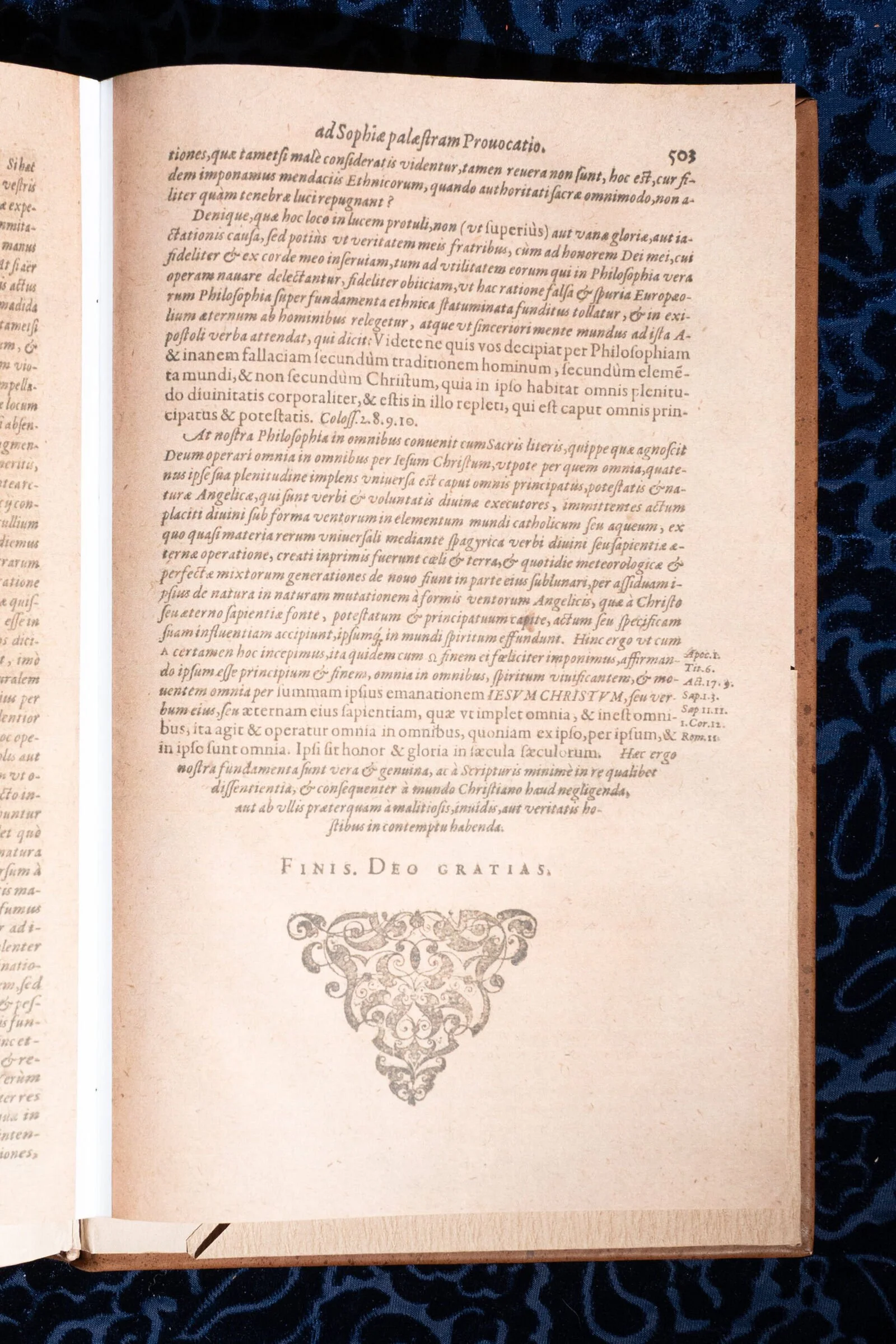 Image 70 of 107
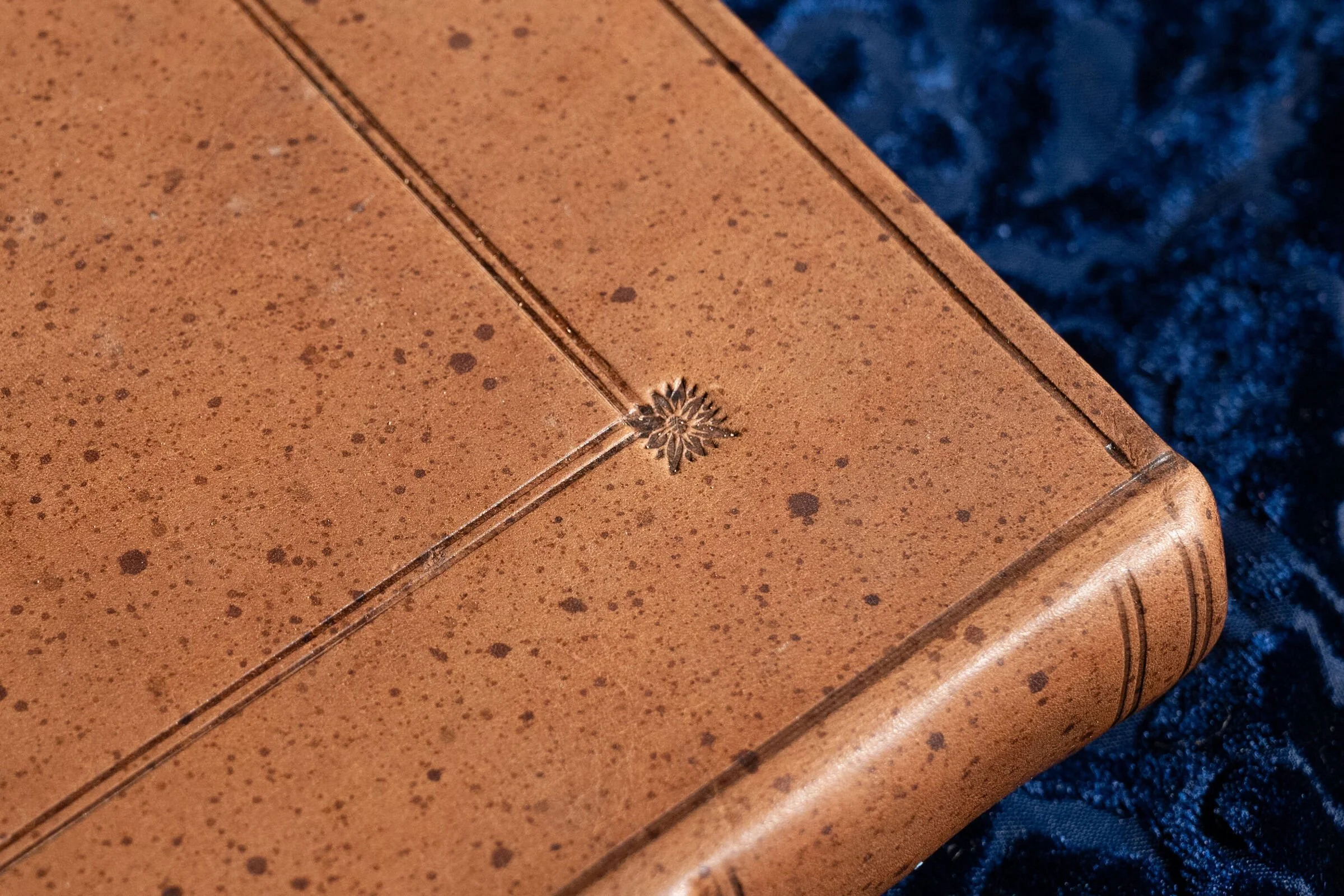 Image 71 of 107
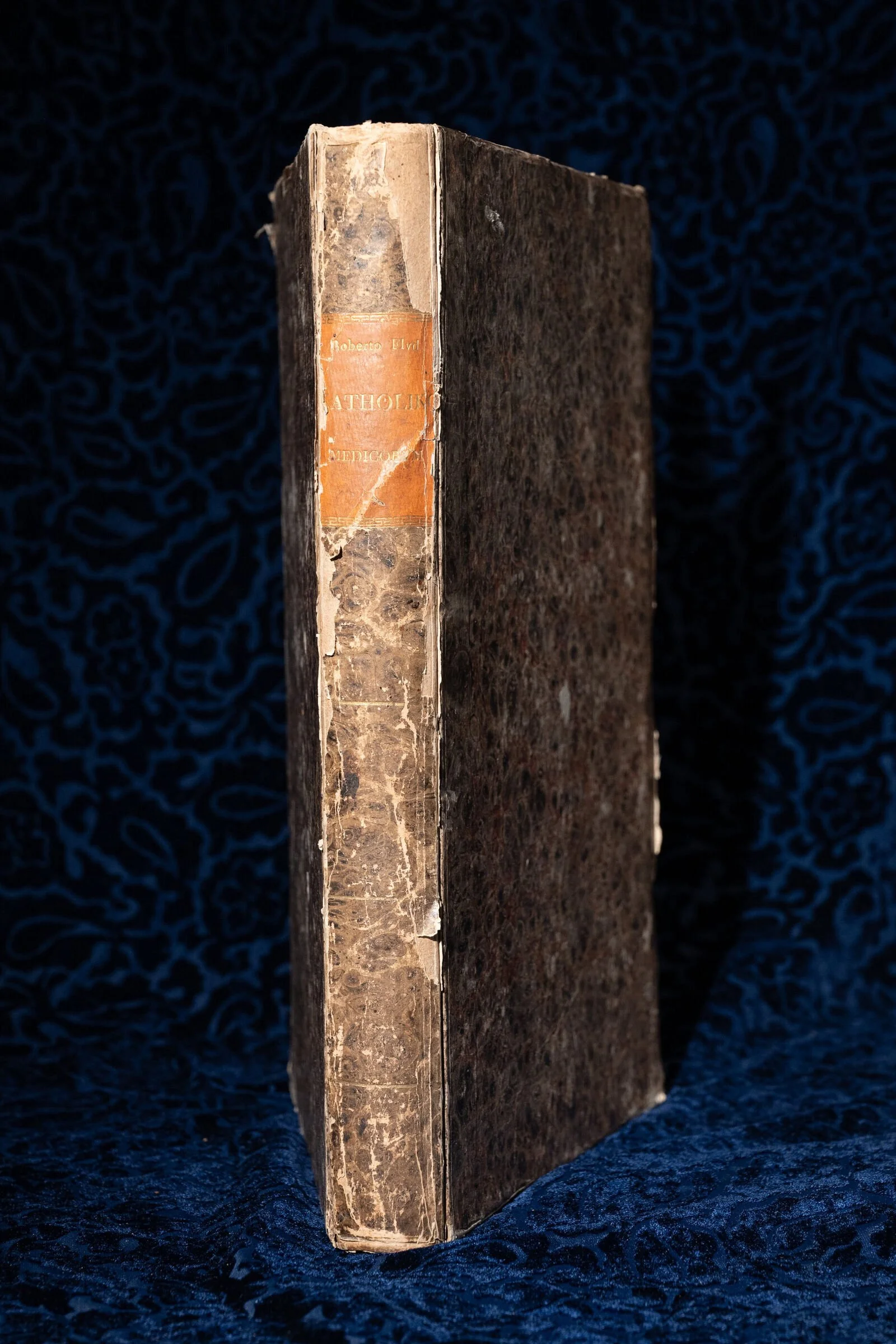 Image 72 of 107
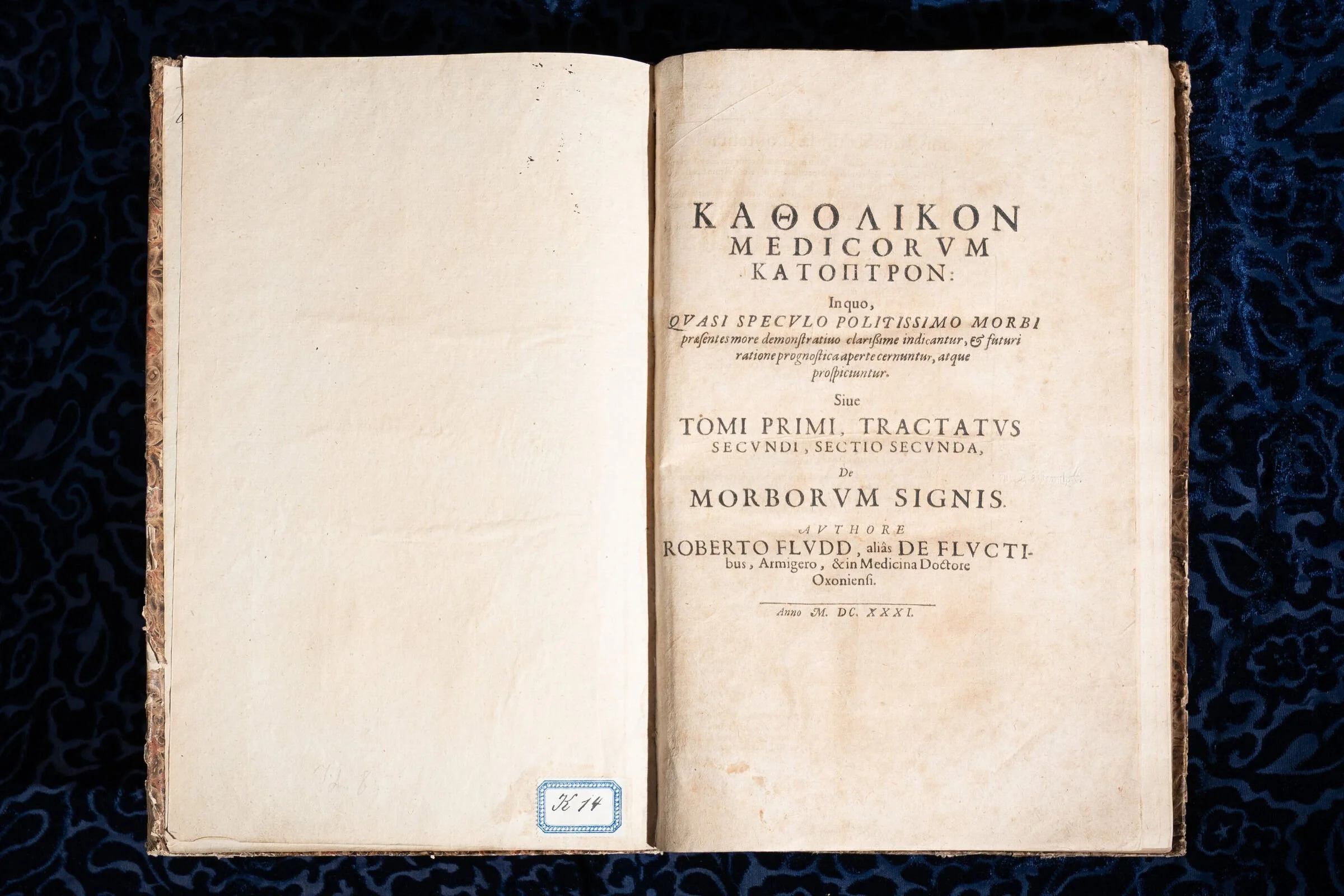 Image 73 of 107
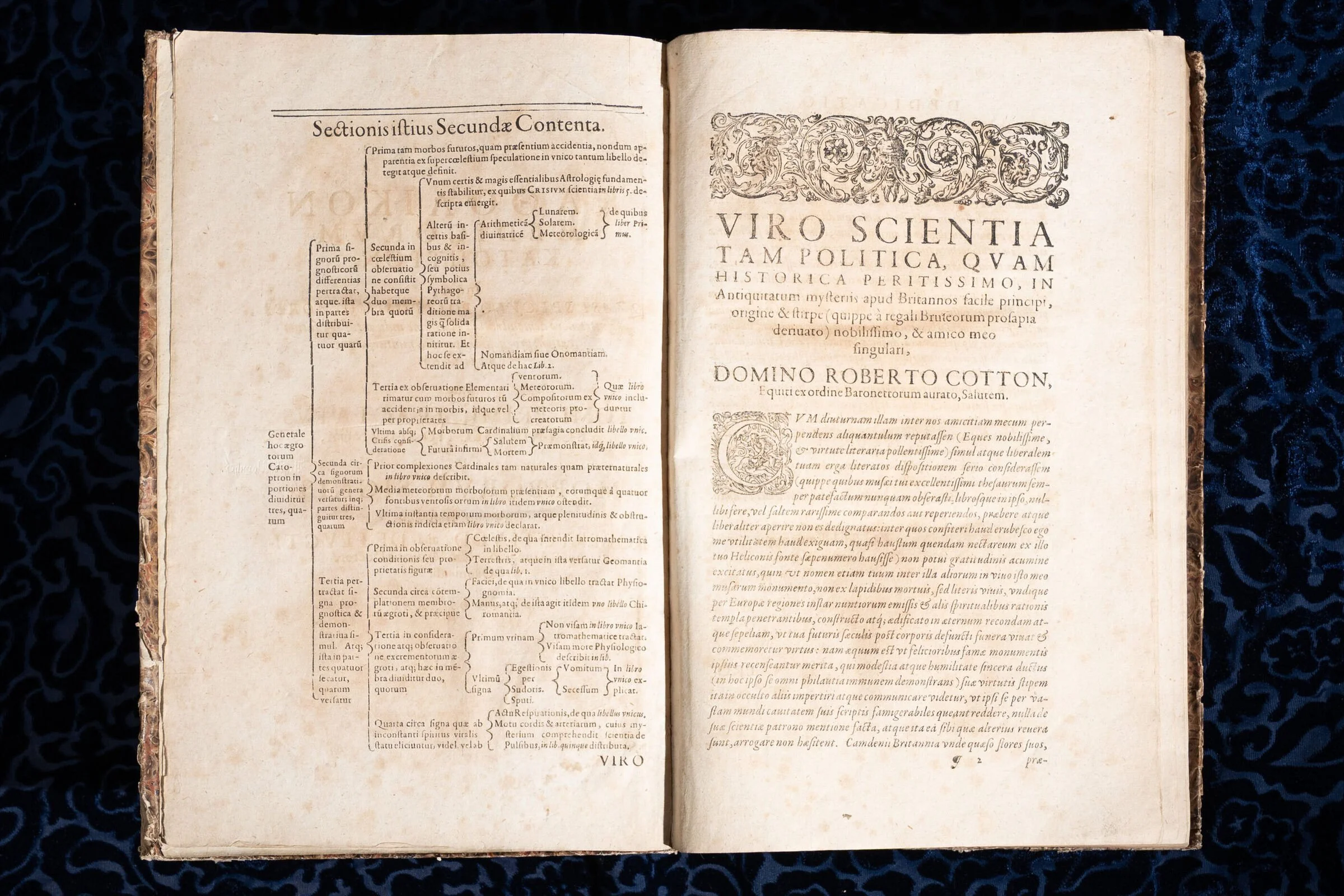 Image 74 of 107
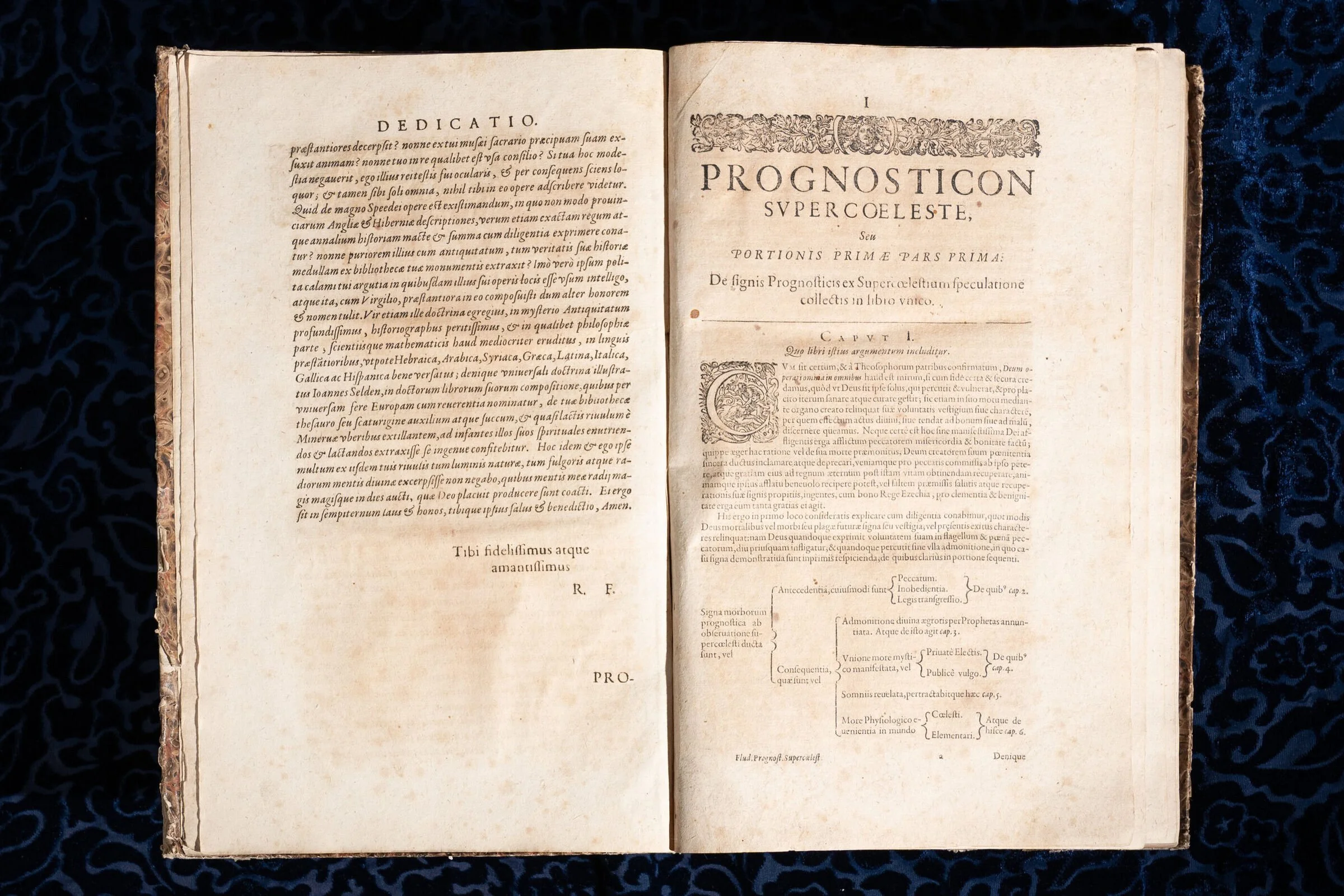 Image 75 of 107
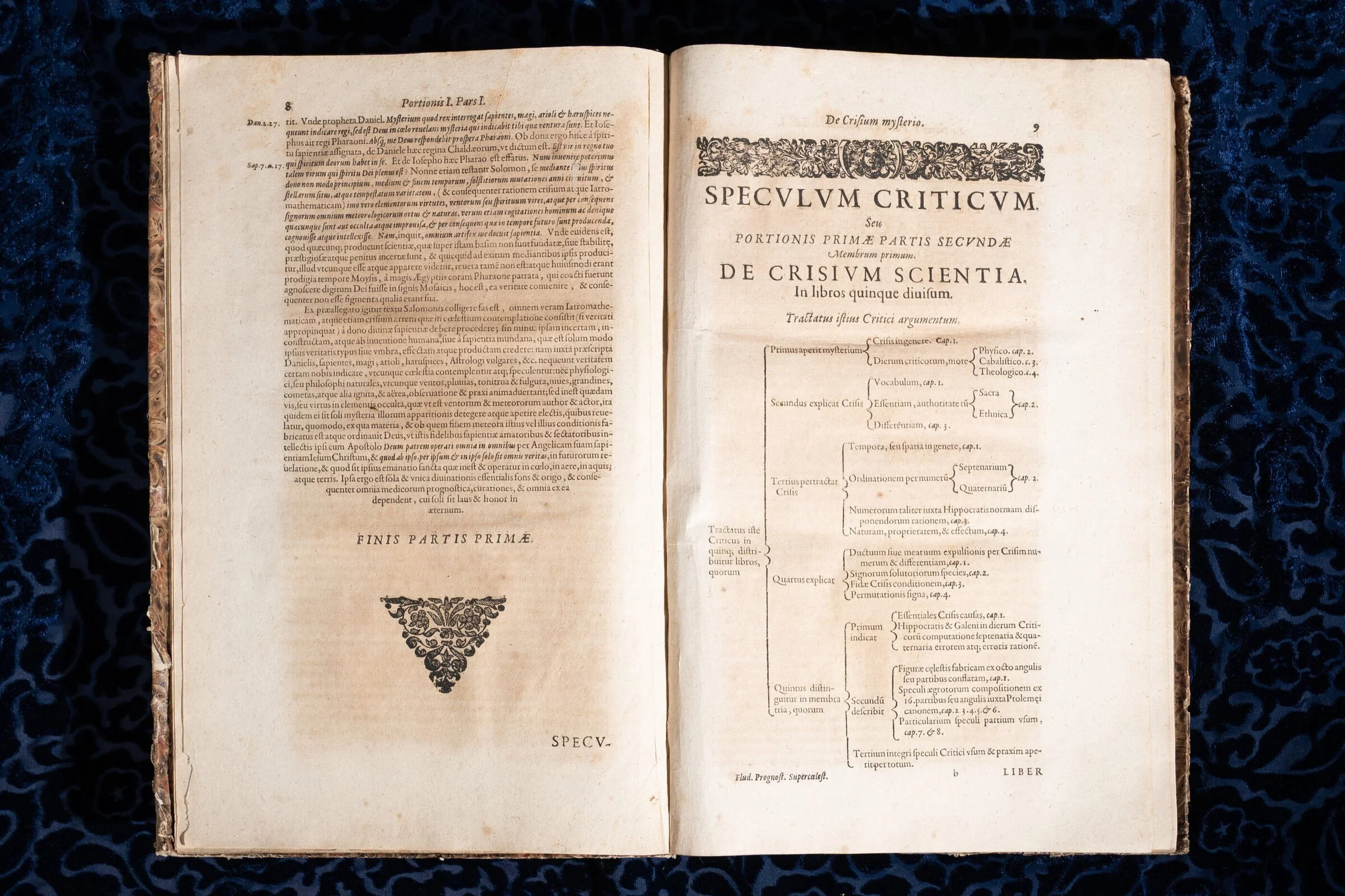 Image 76 of 107
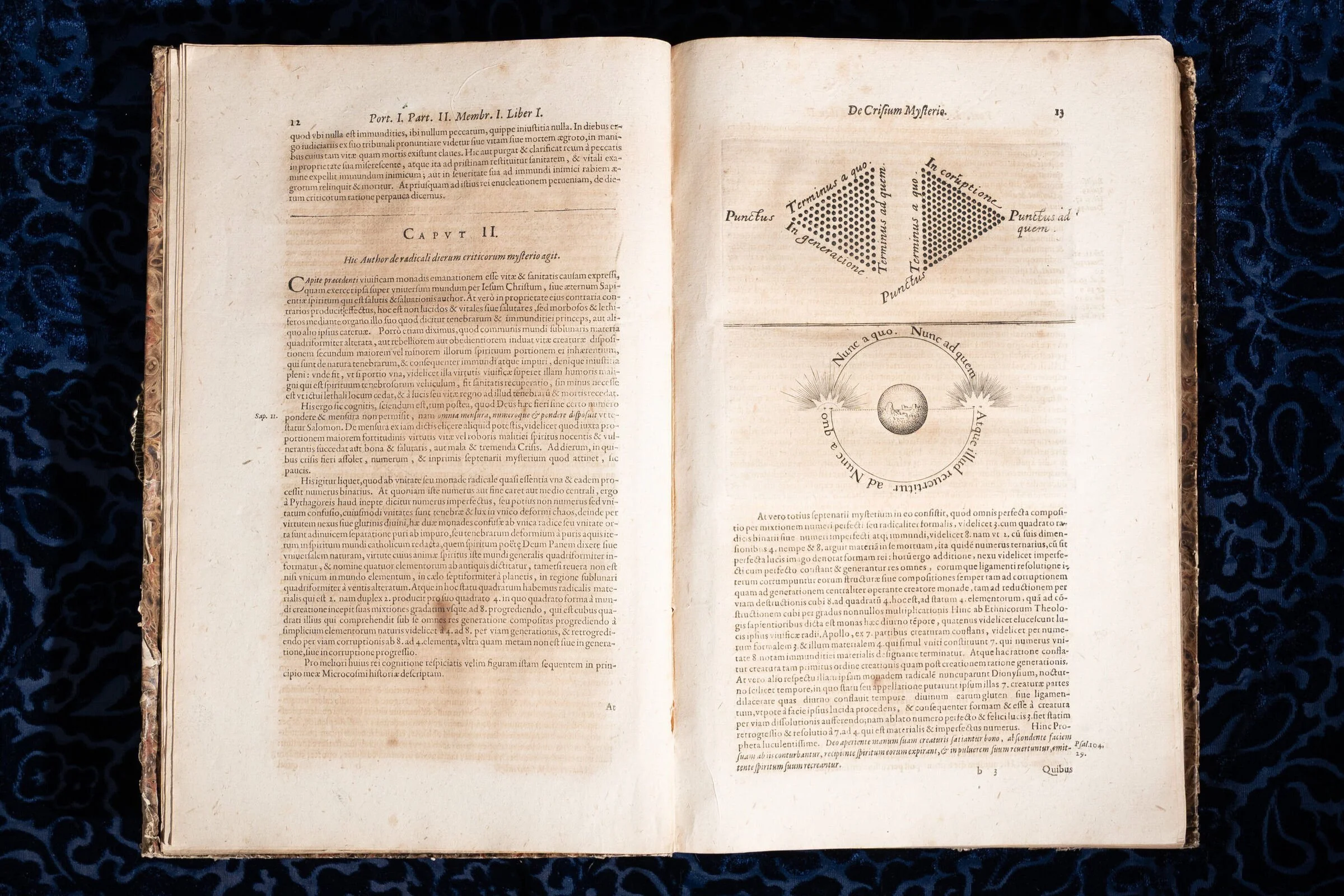 Image 77 of 107
 Image 78 of 107
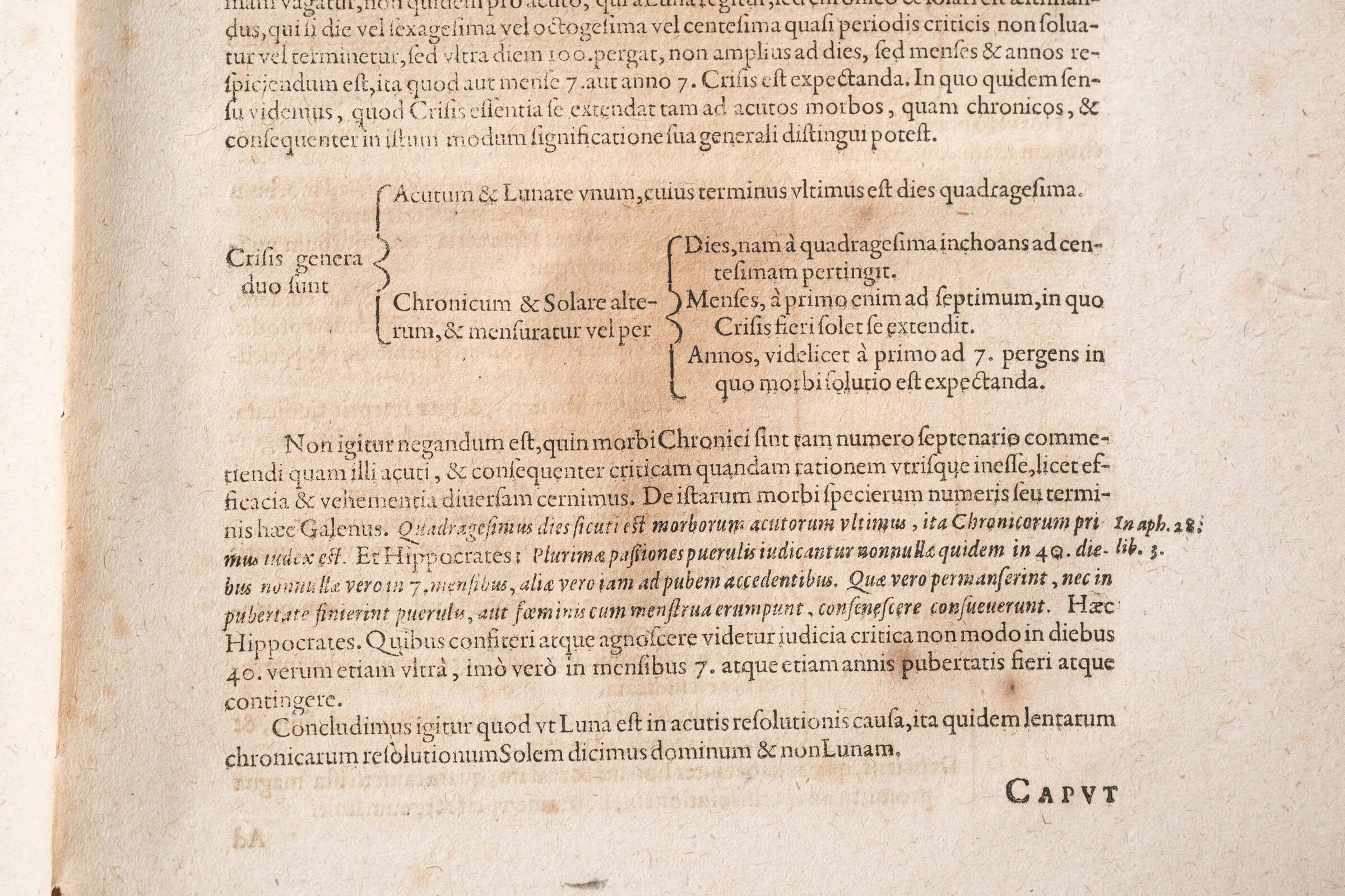 Image 79 of 107
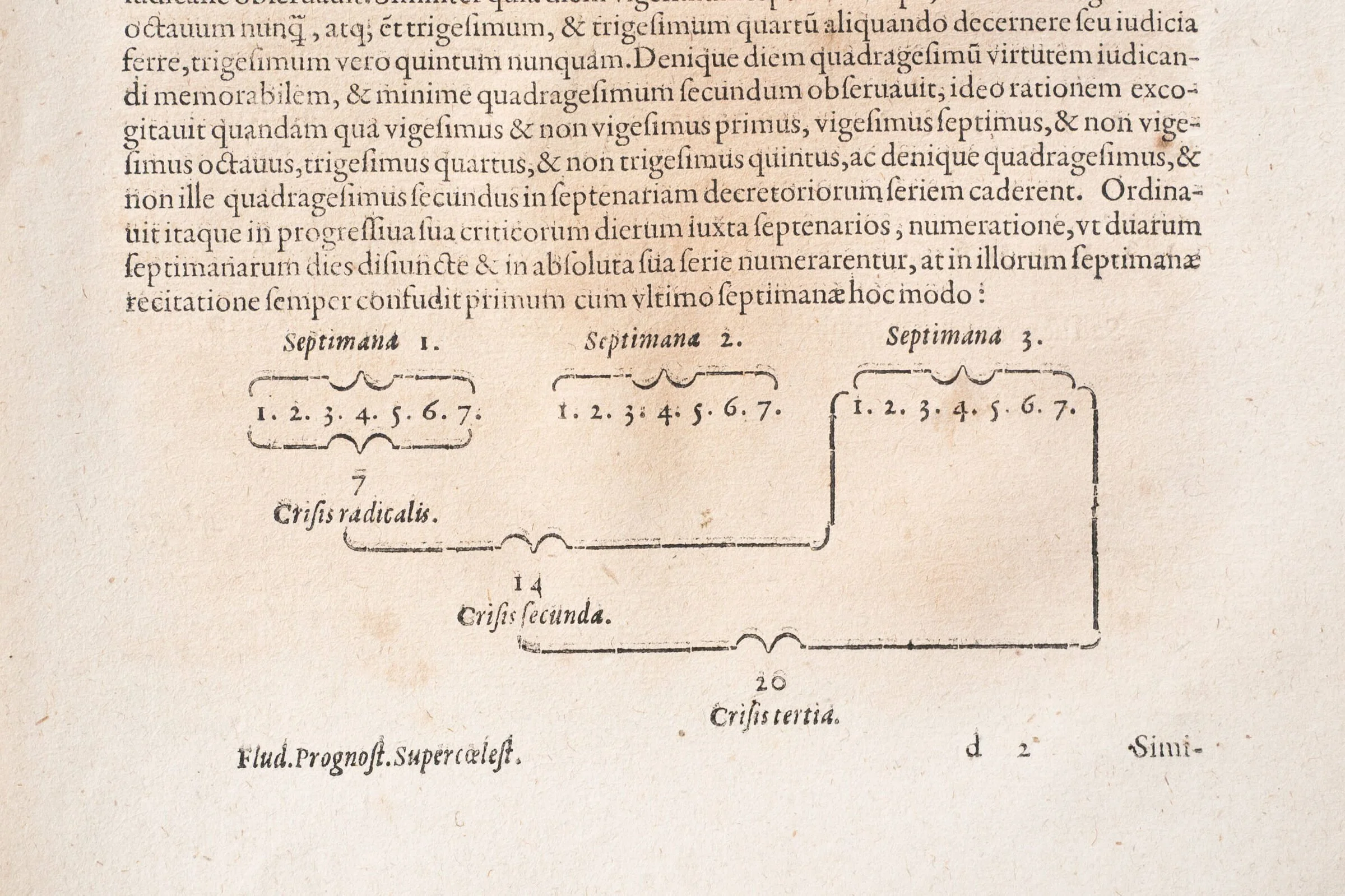 Image 80 of 107
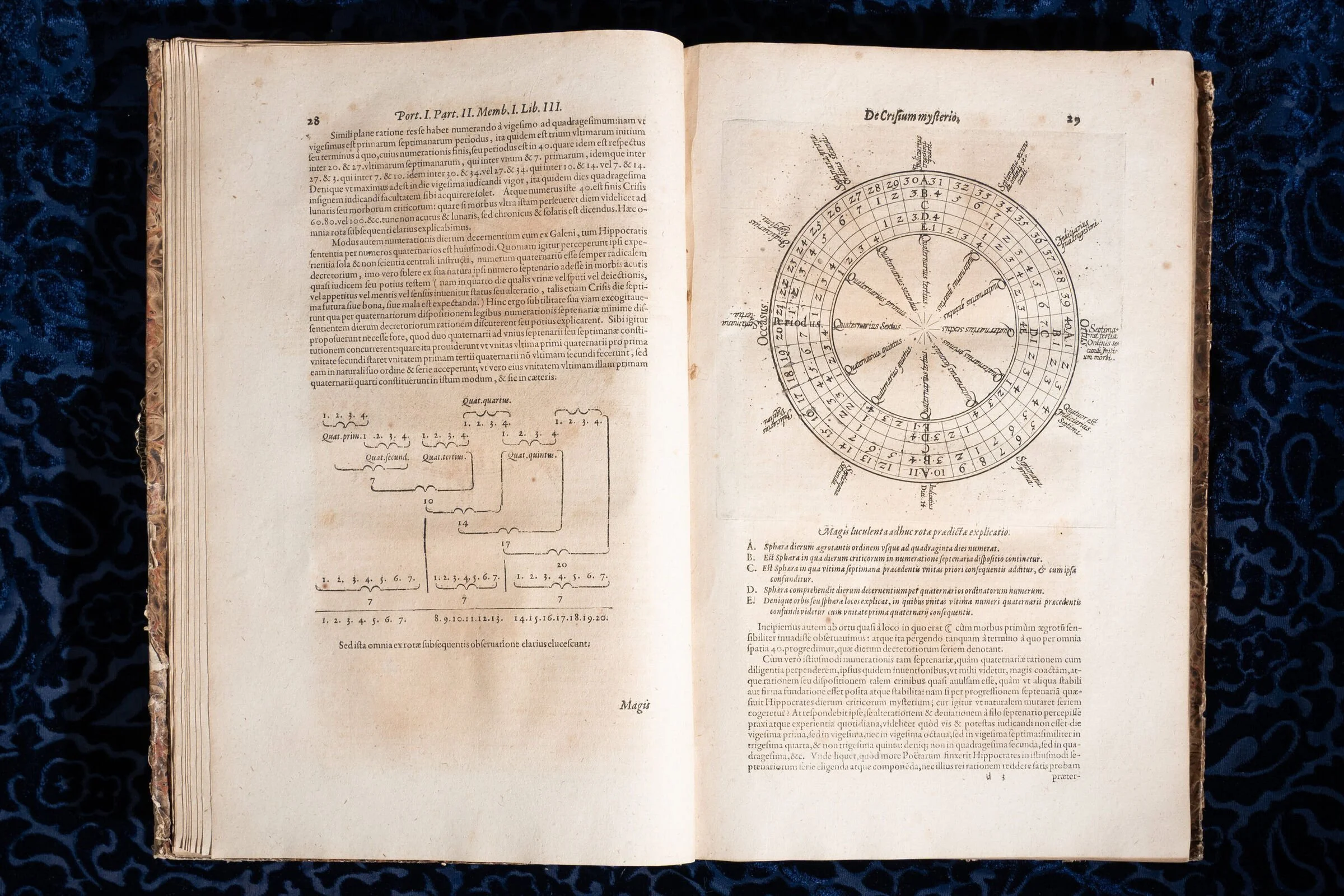 Image 81 of 107
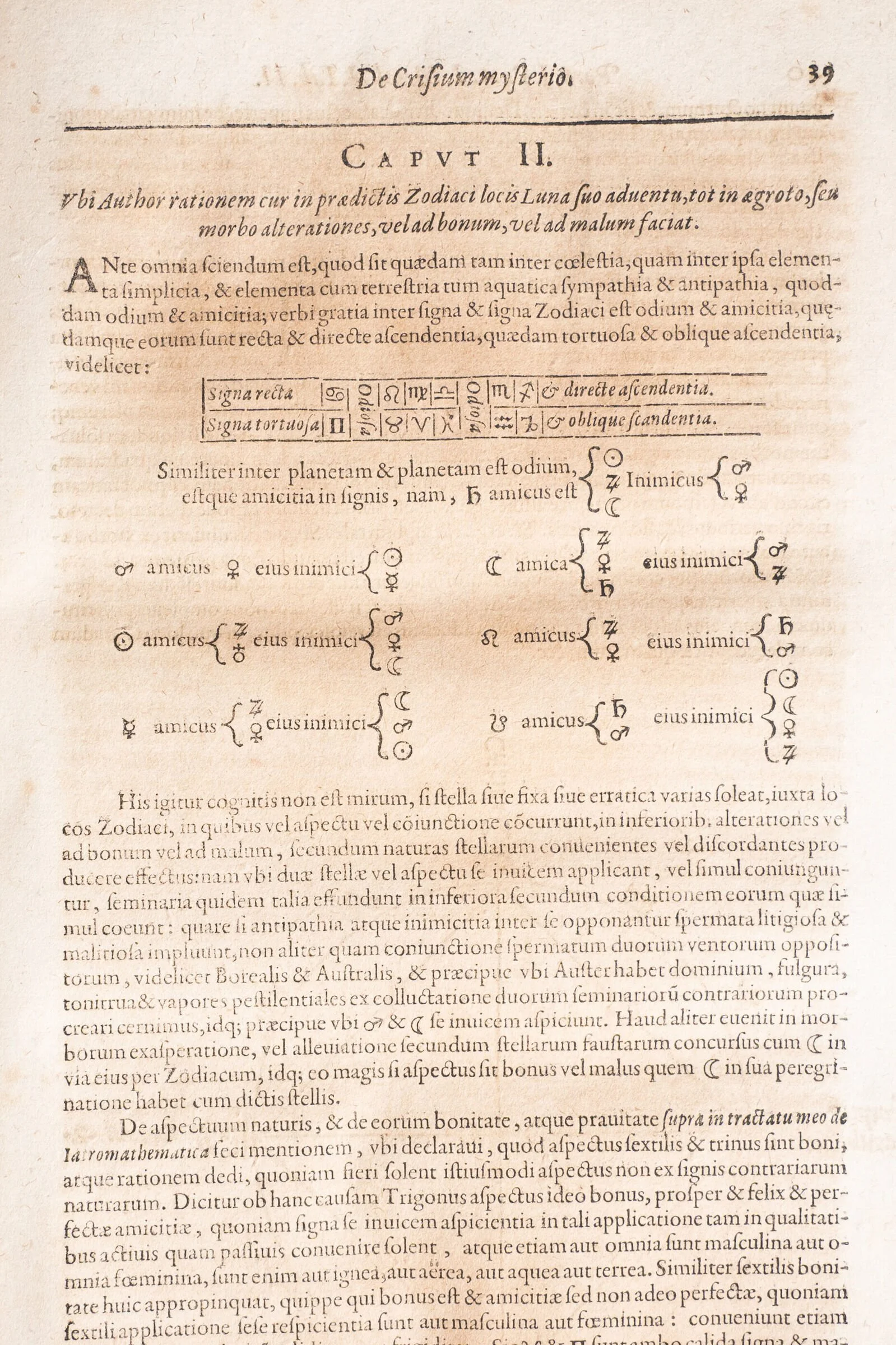 Image 82 of 107
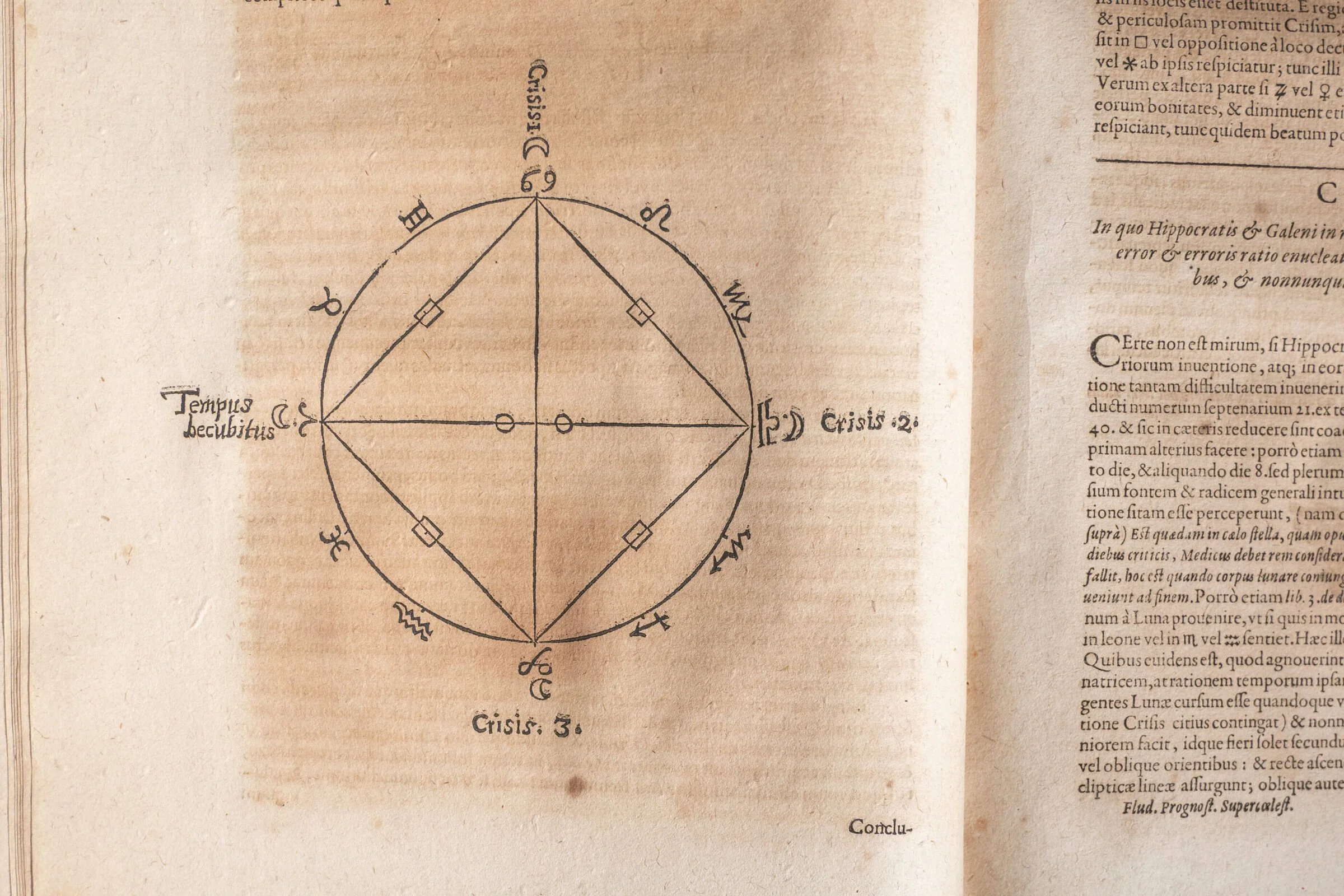 Image 83 of 107
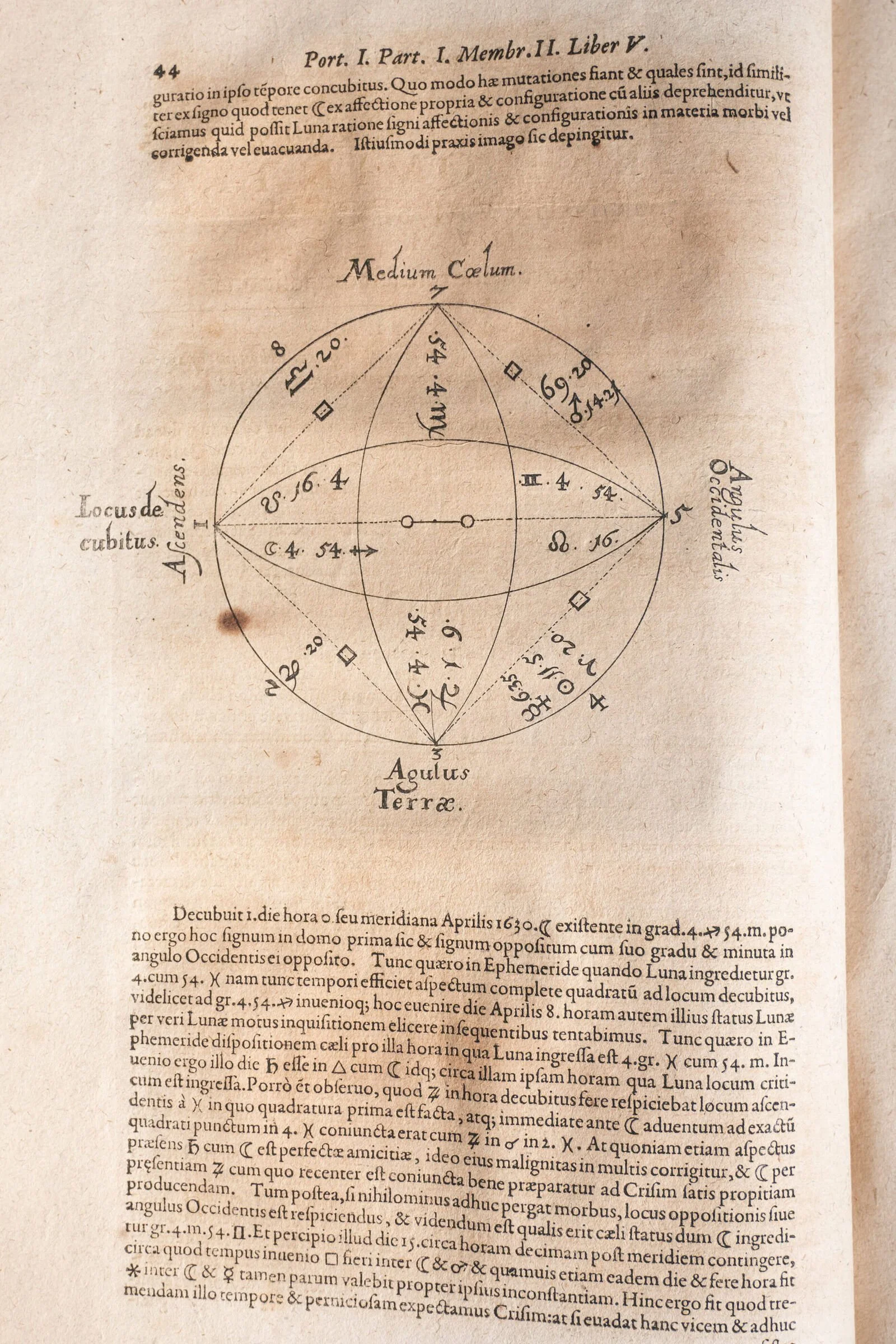 Image 84 of 107
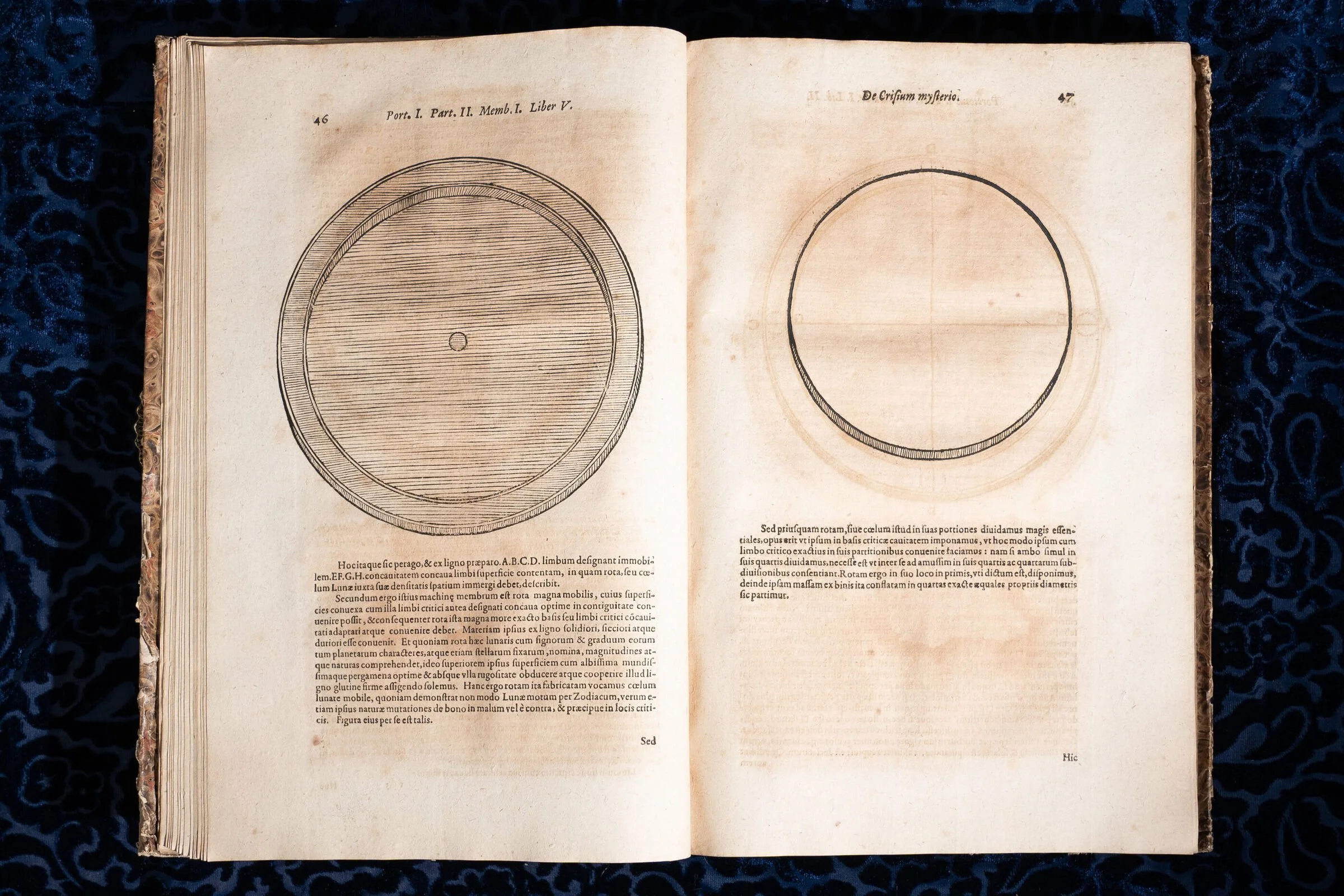 Image 85 of 107
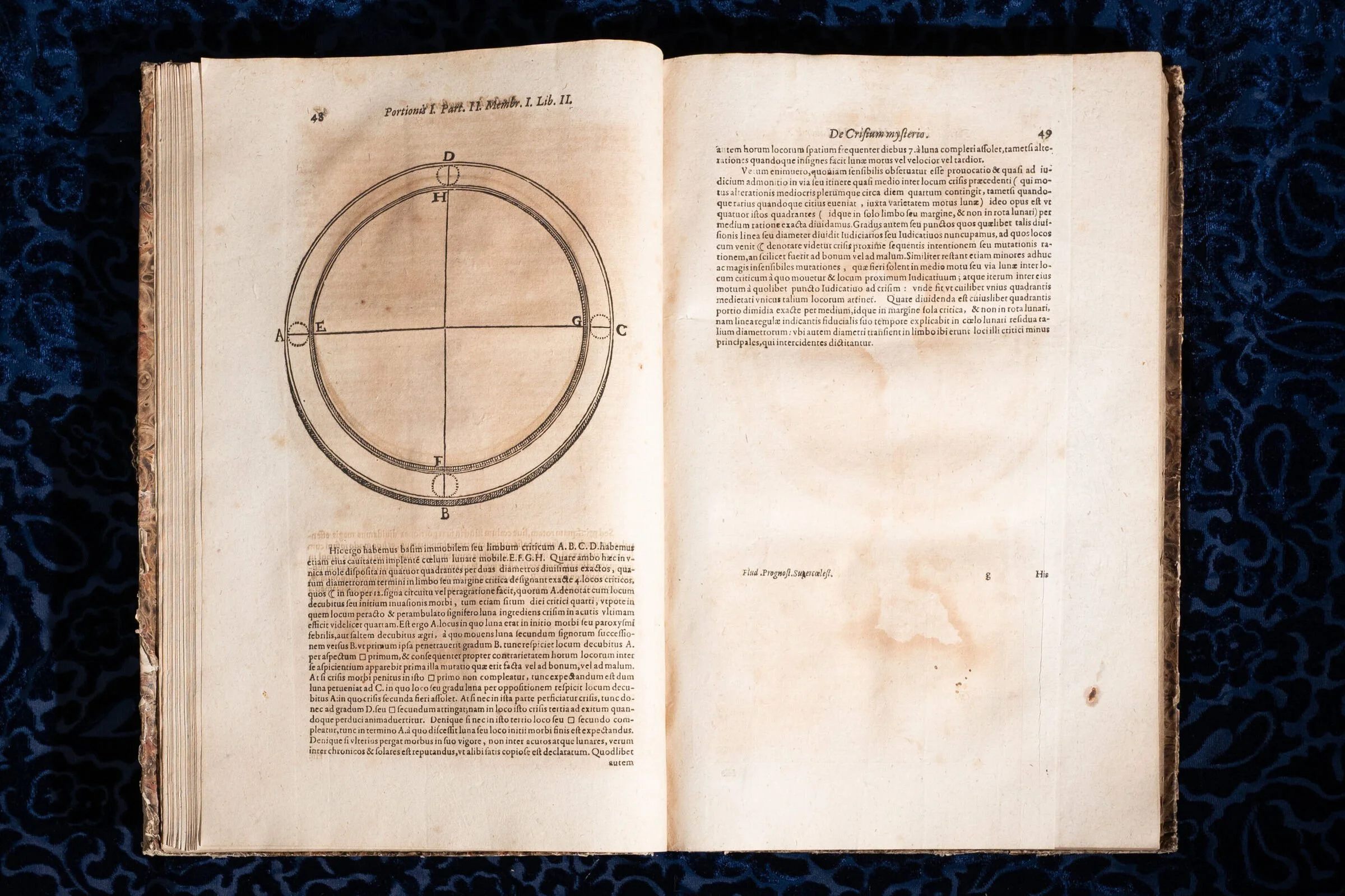 Image 86 of 107
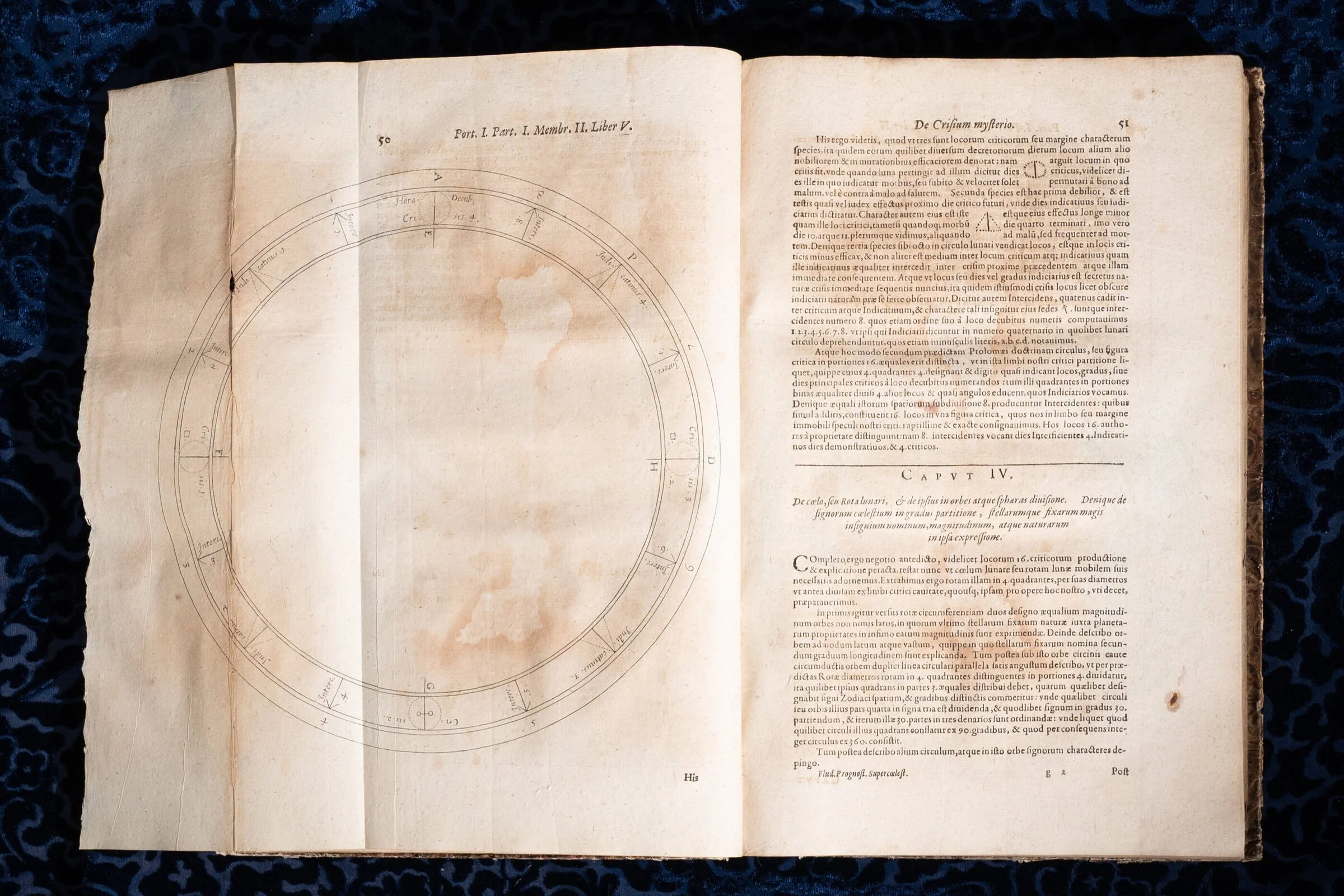 Image 87 of 107
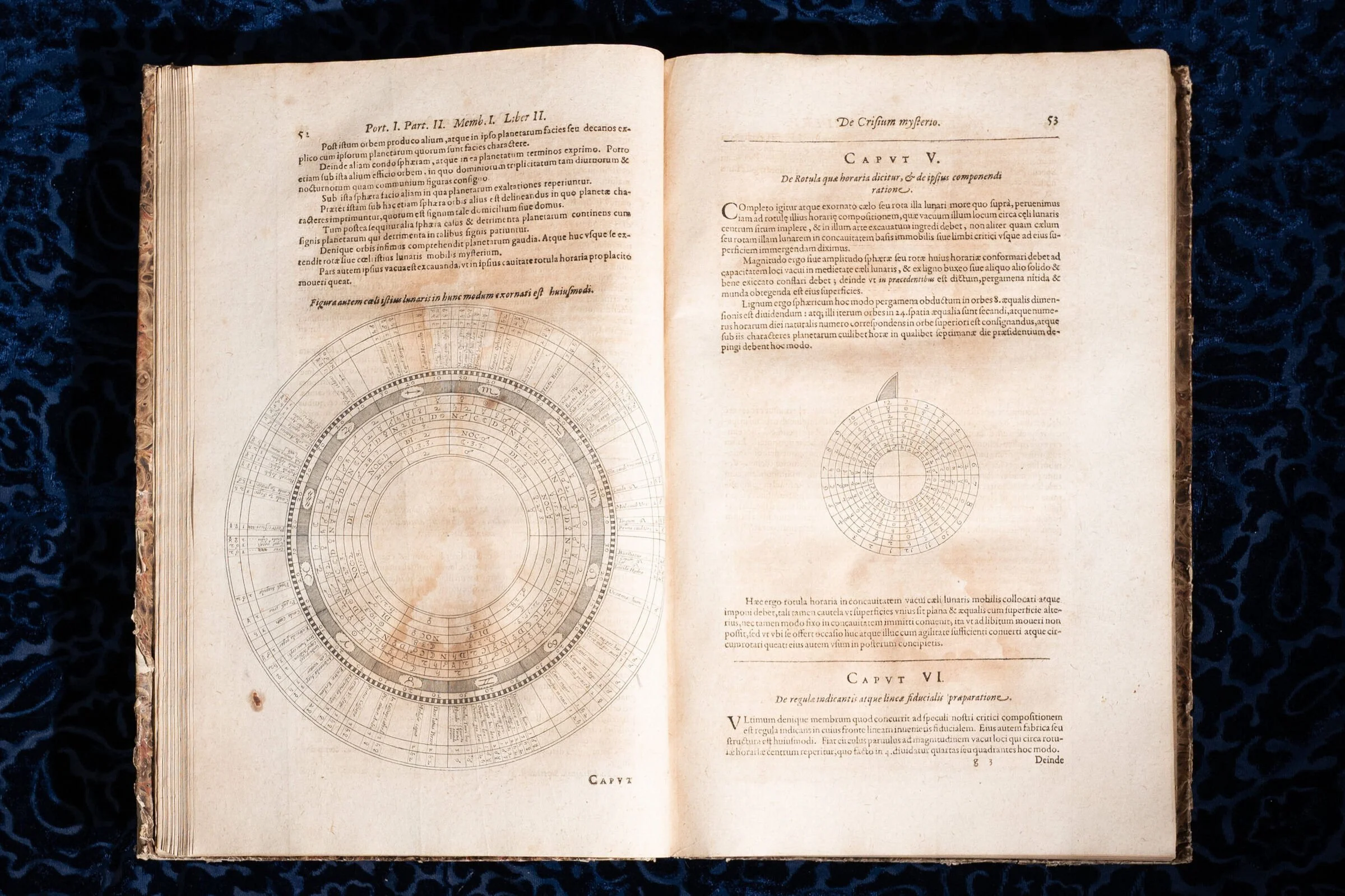 Image 88 of 107
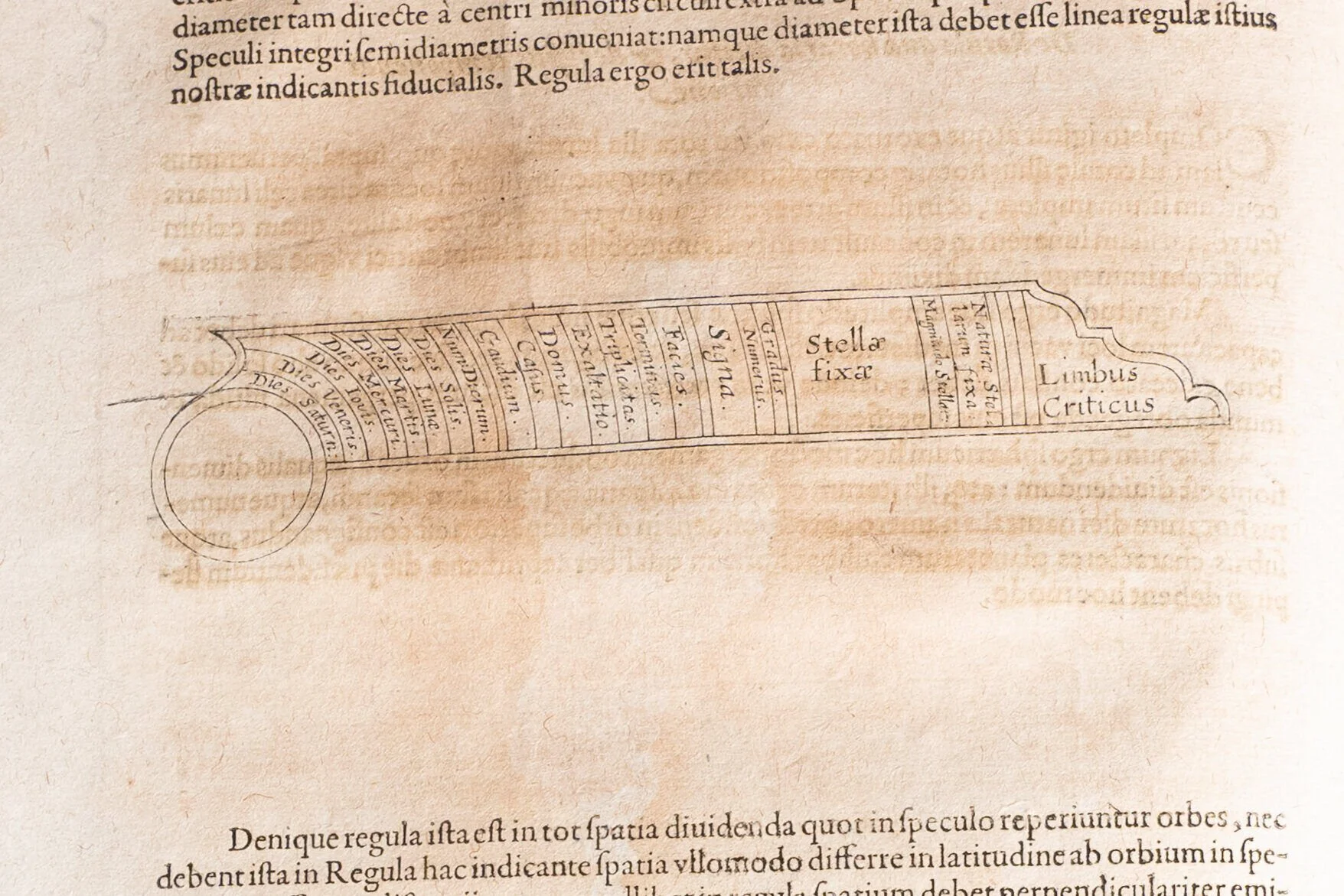 Image 89 of 107
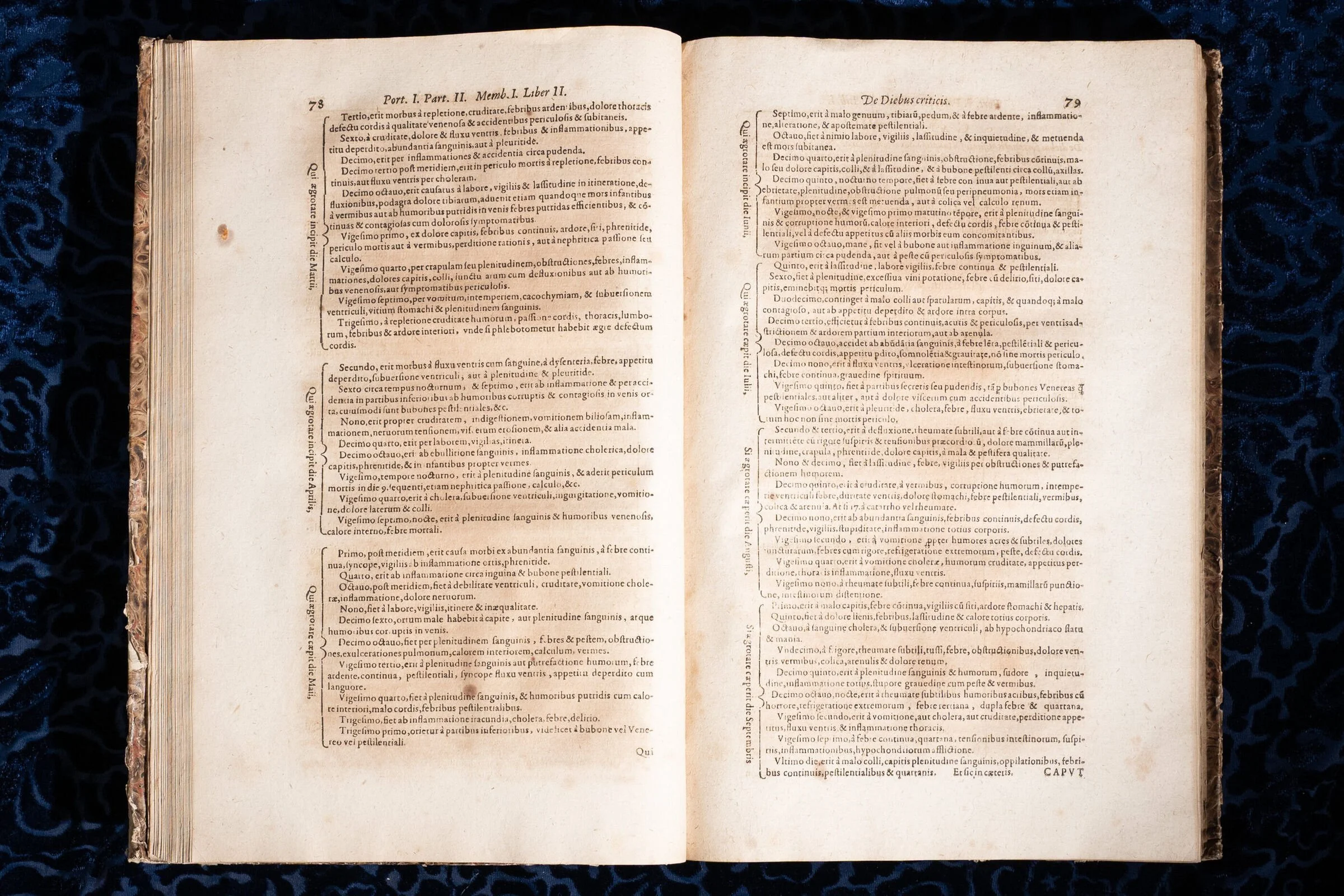 Image 90 of 107
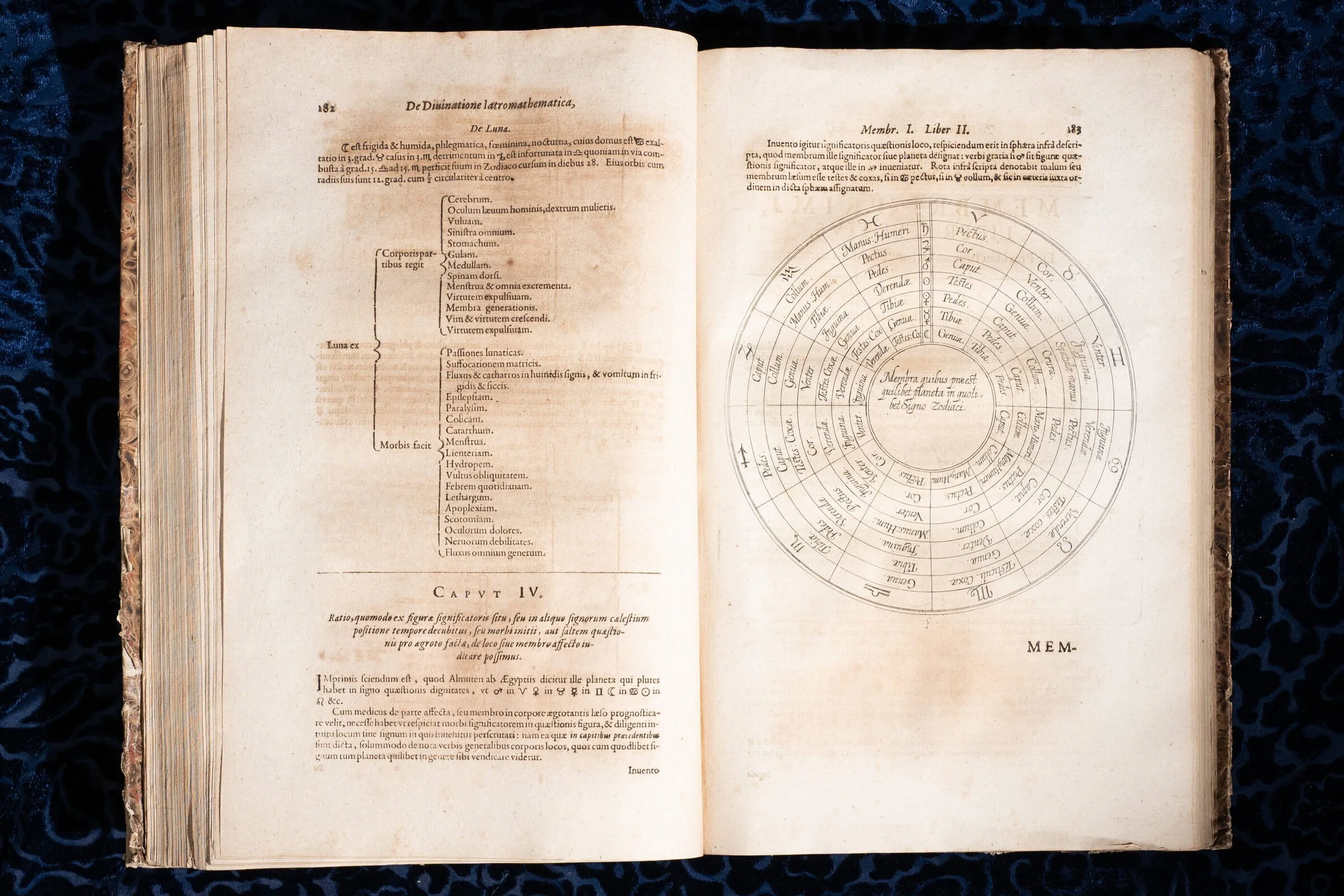 Image 91 of 107
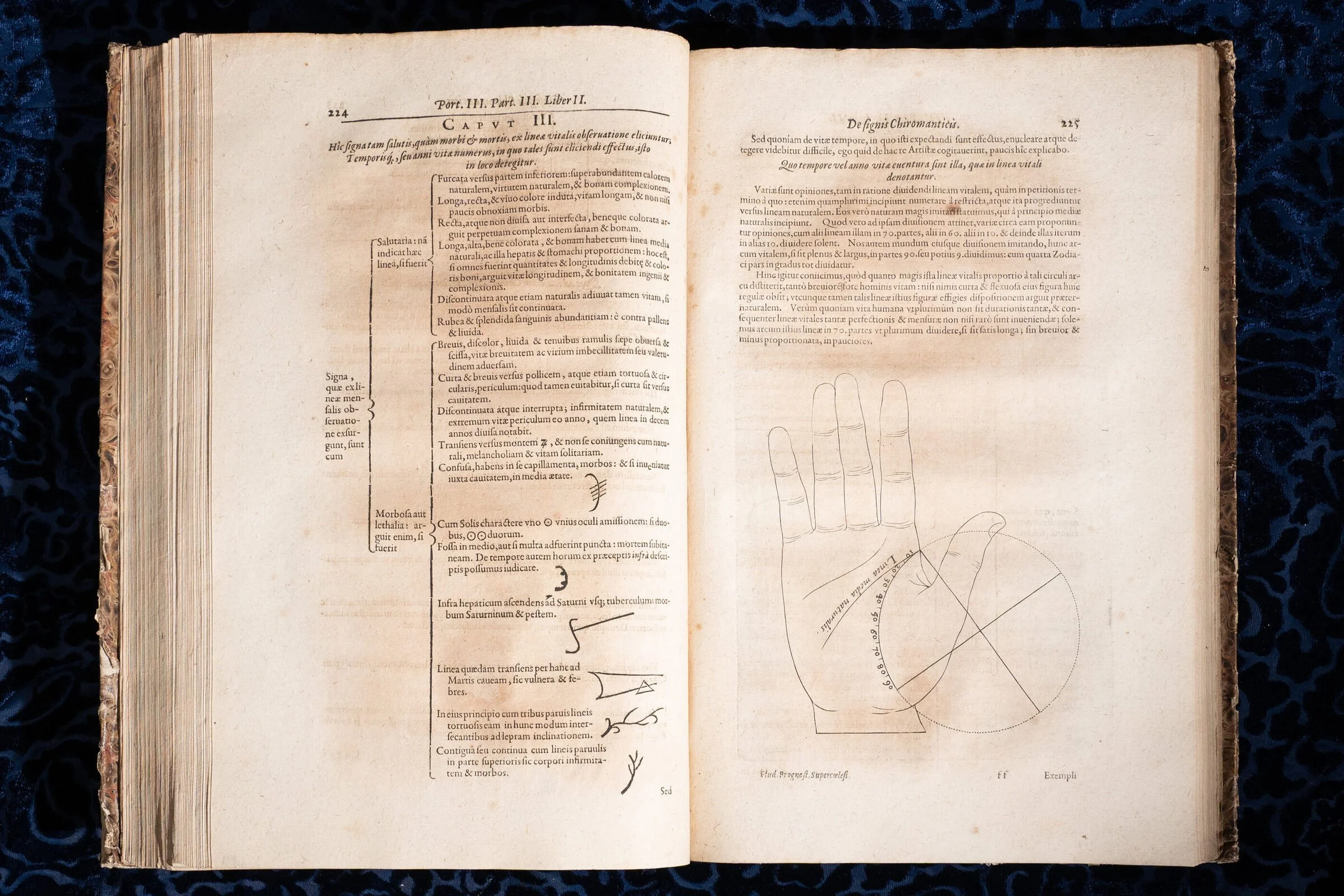 Image 92 of 107
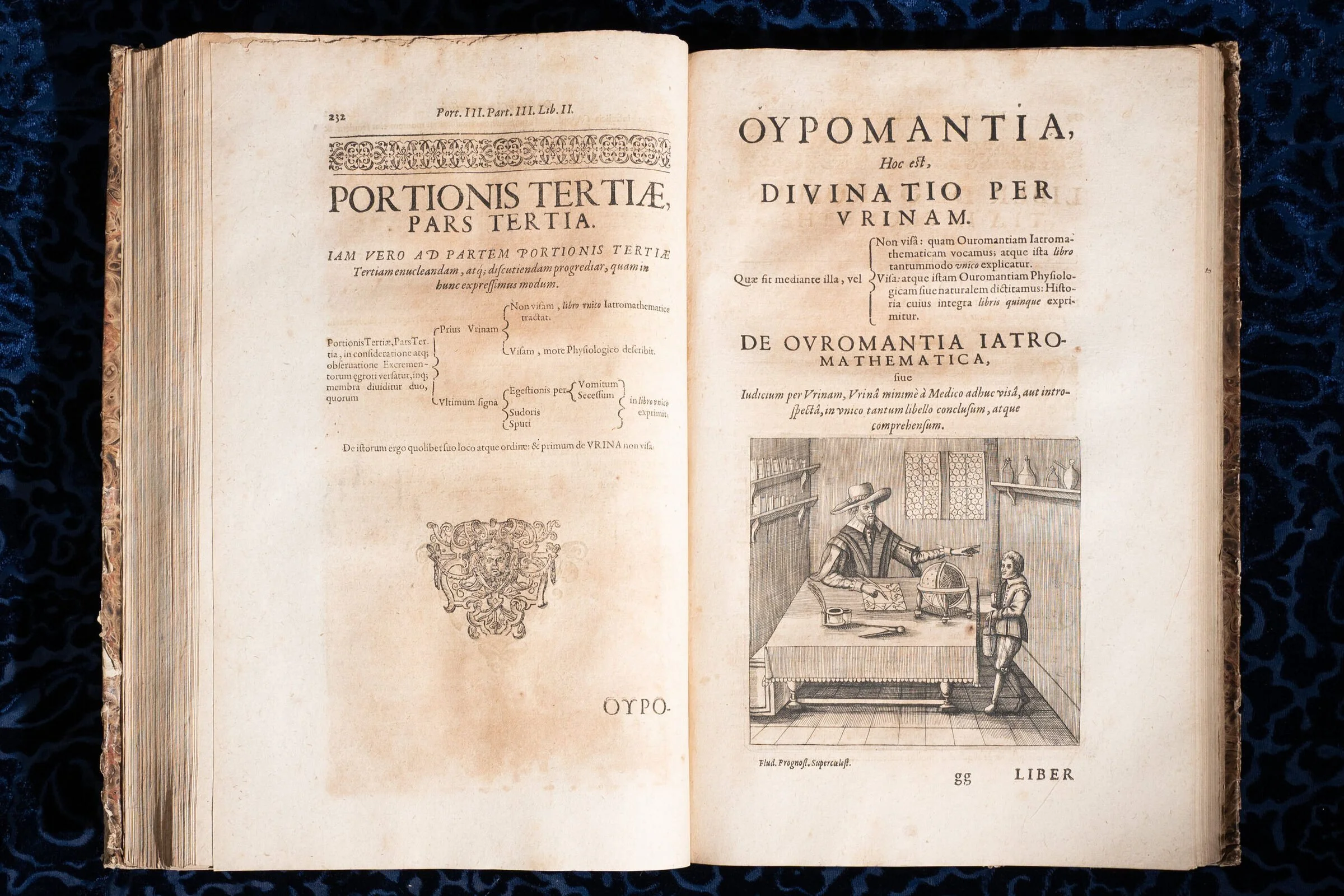 Image 93 of 107
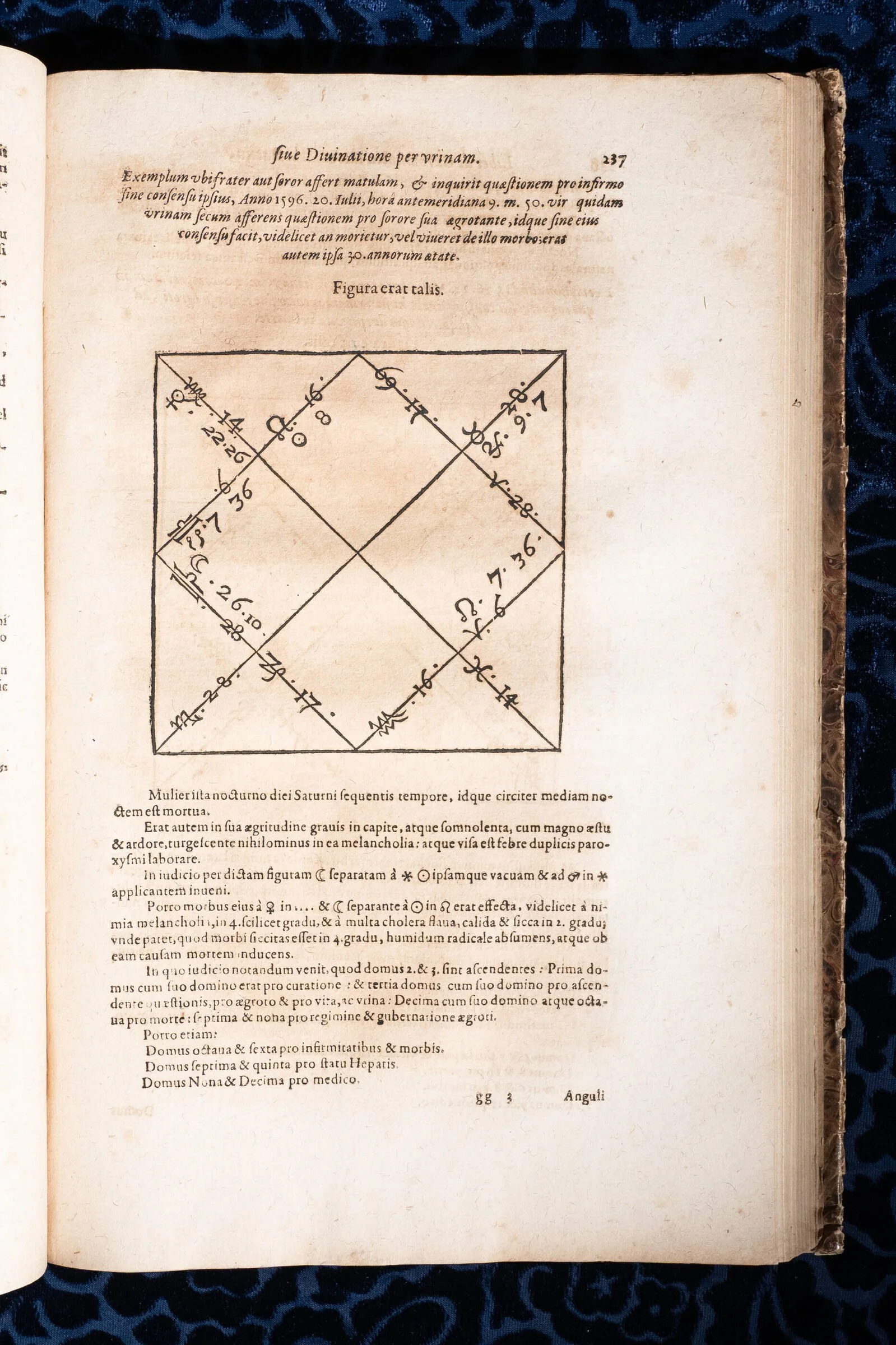 Image 94 of 107
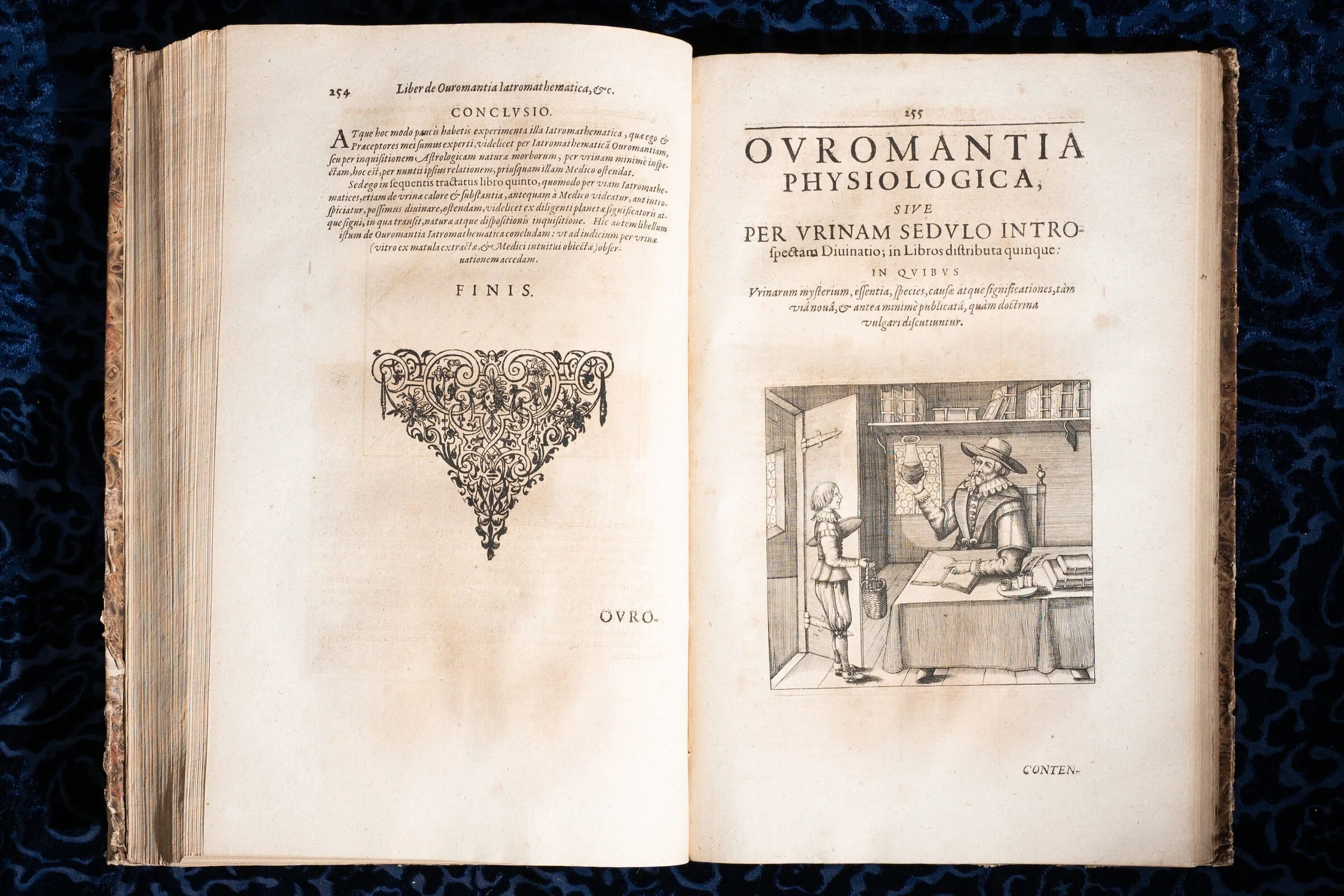 Image 95 of 107
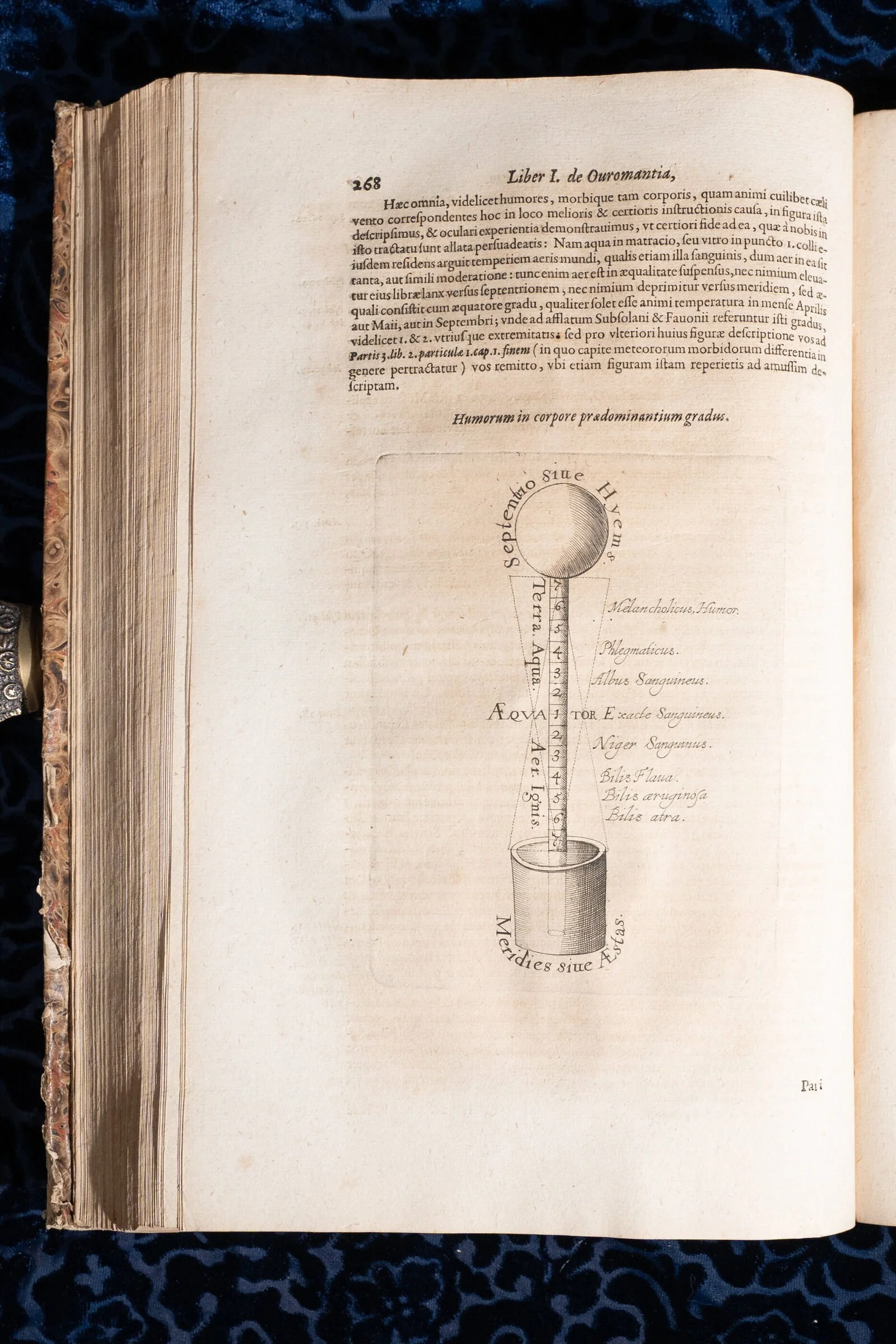 Image 96 of 107
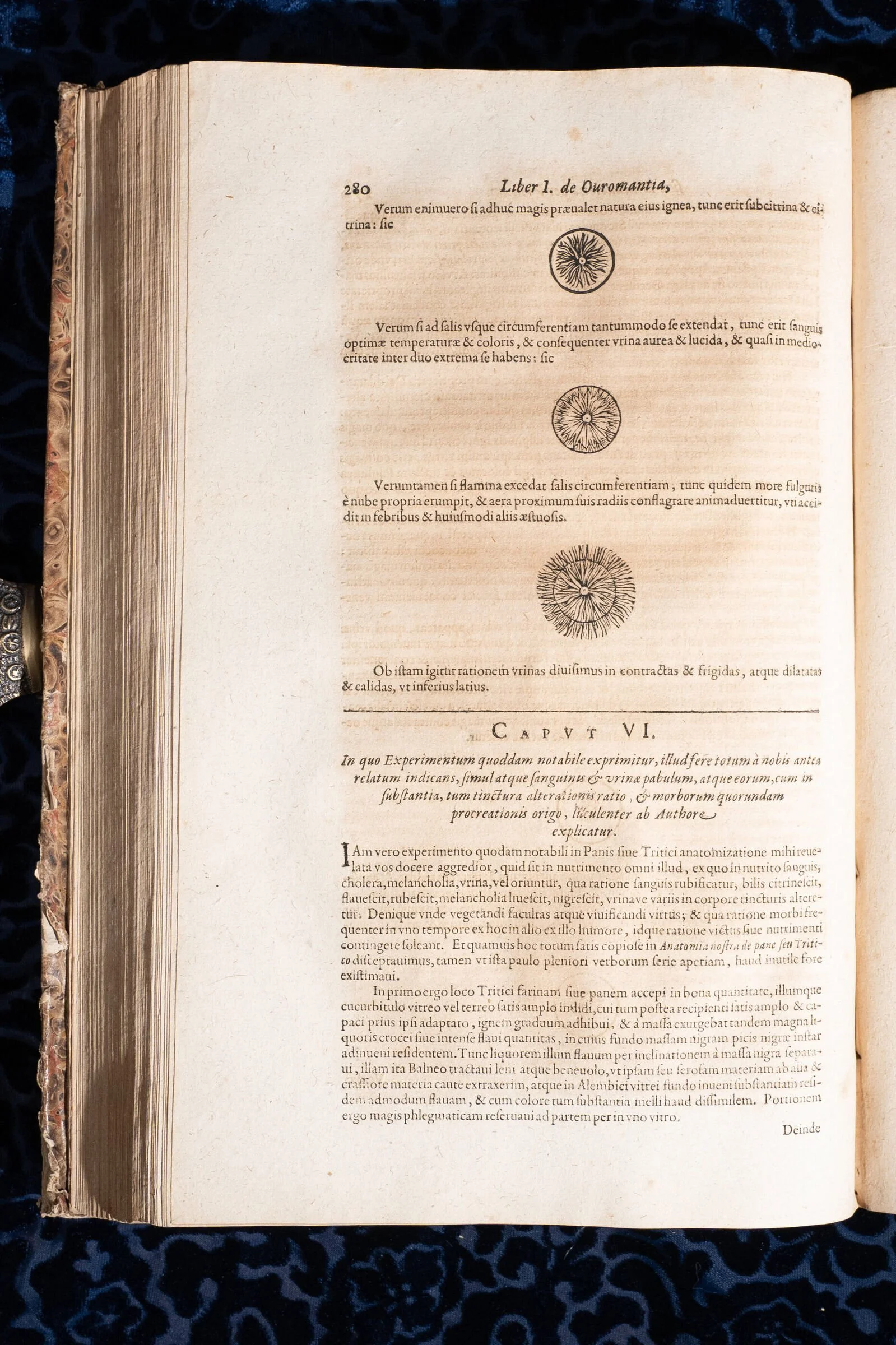 Image 97 of 107
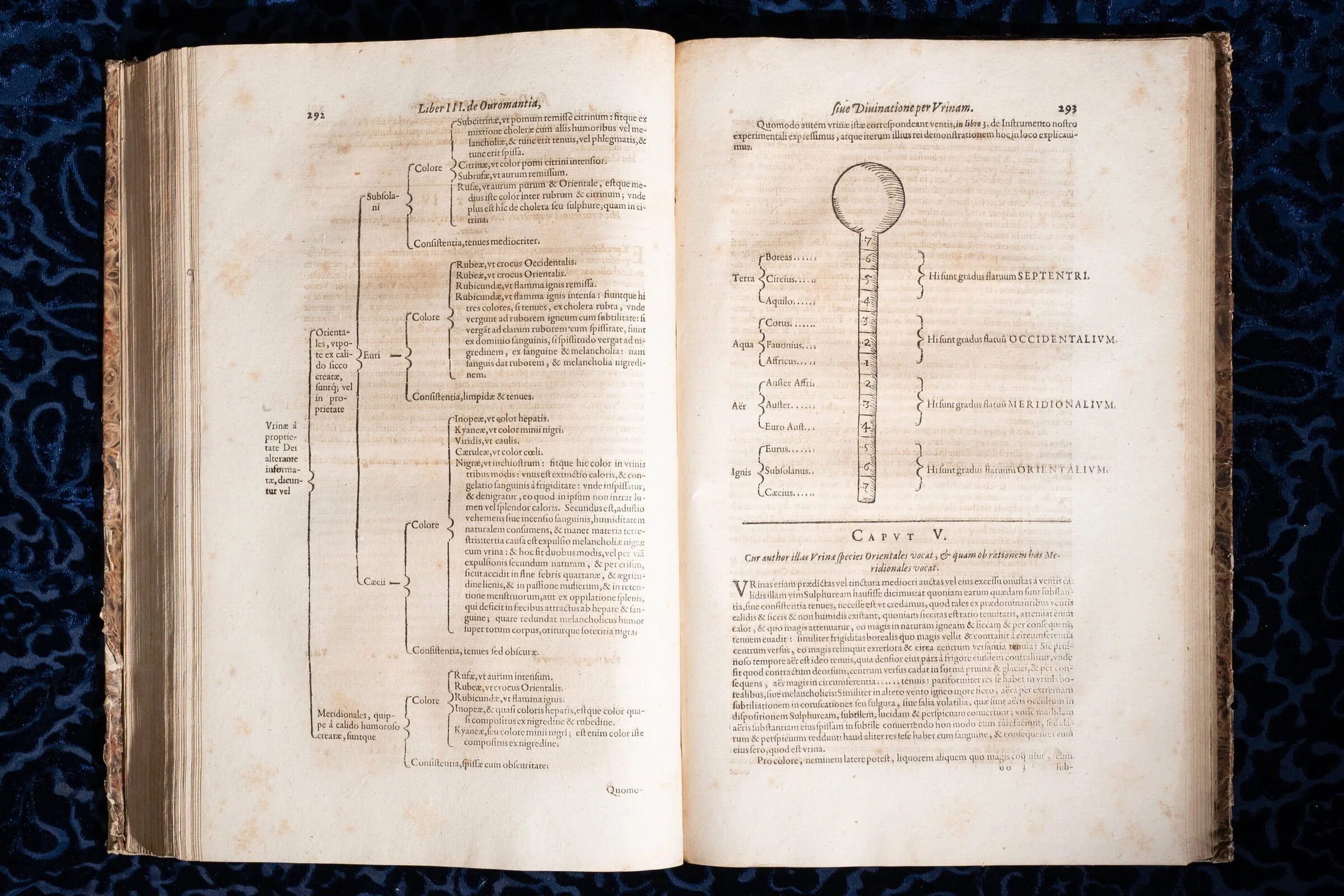 Image 98 of 107
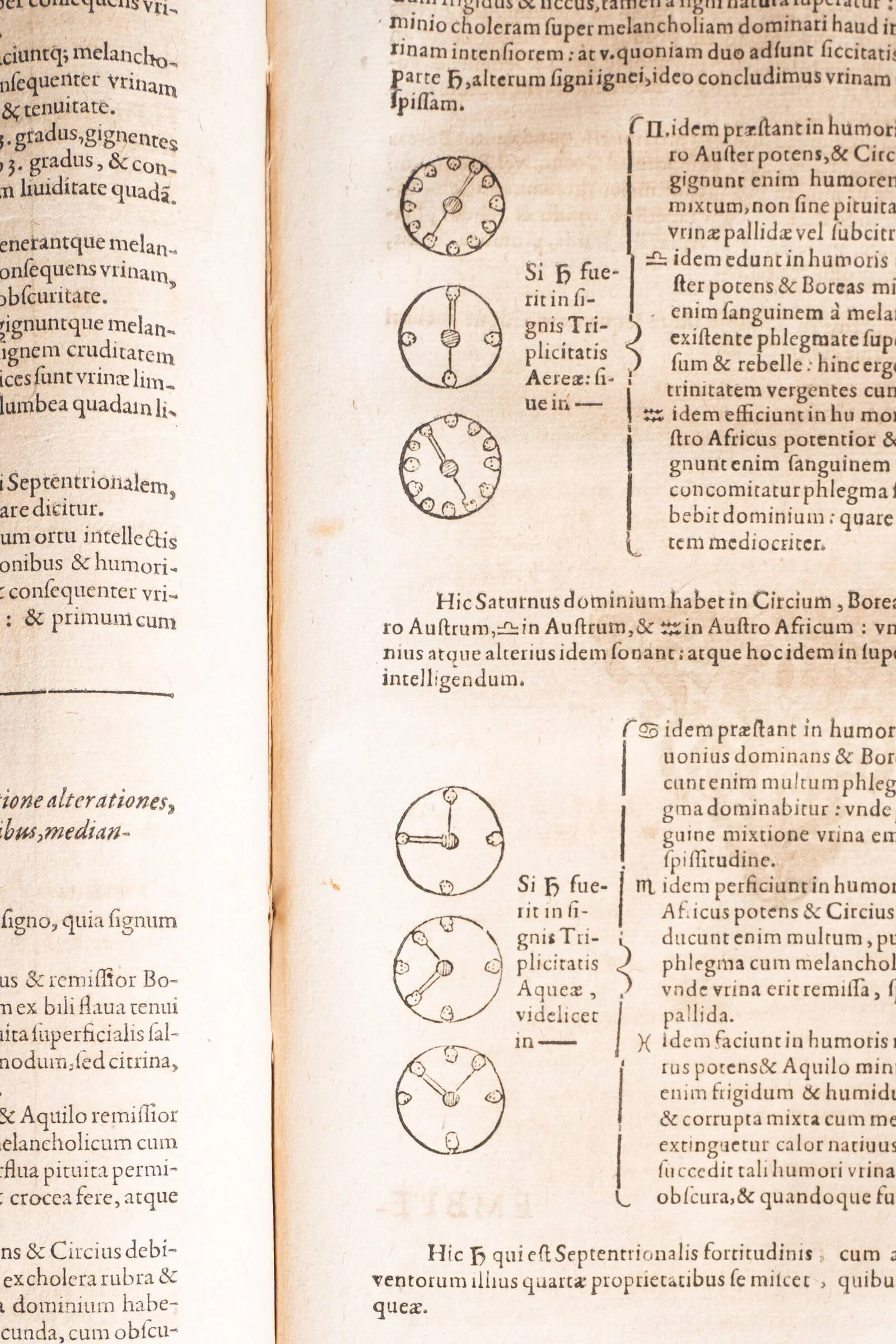 Image 99 of 107
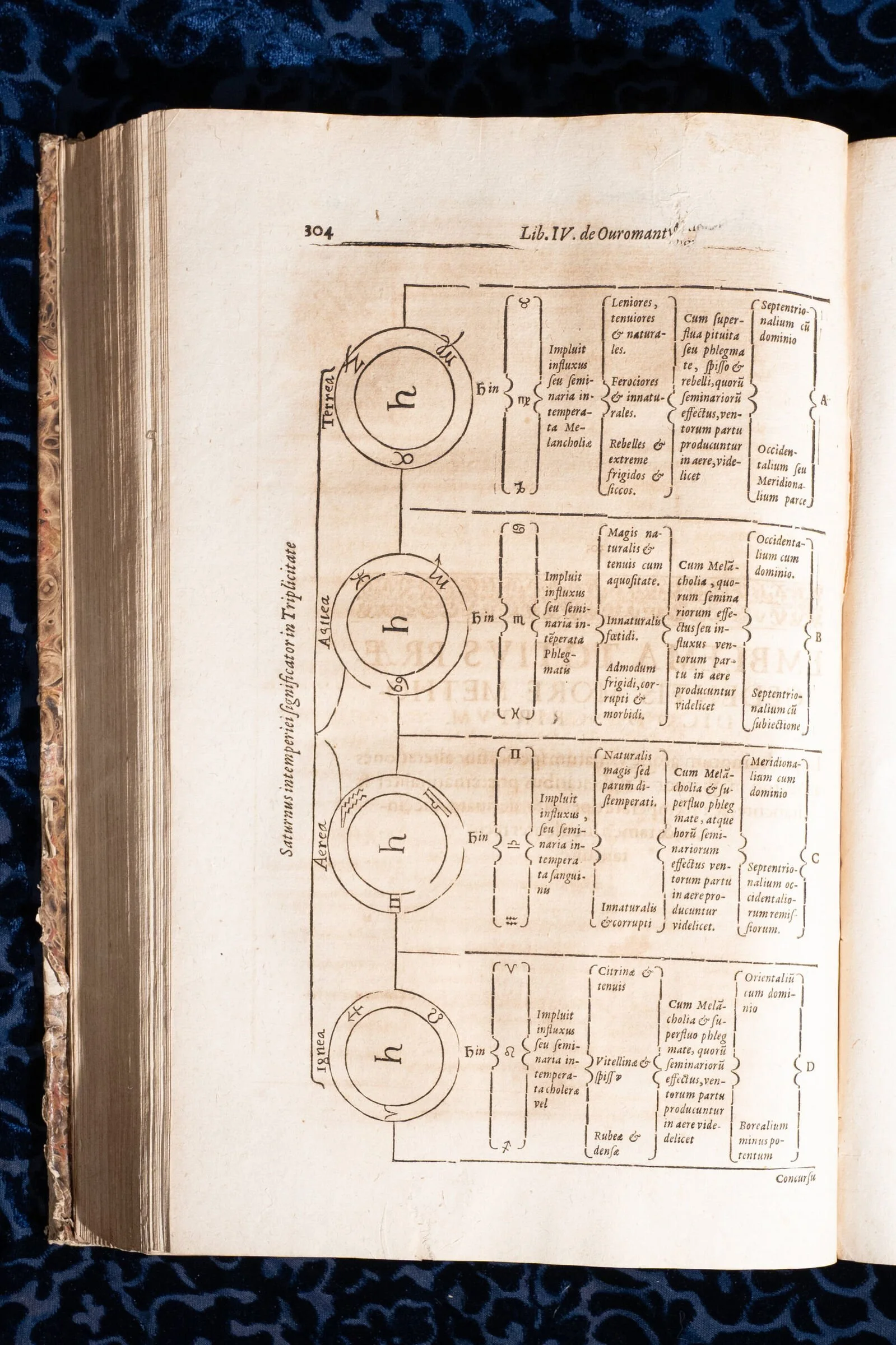 Image 100 of 107
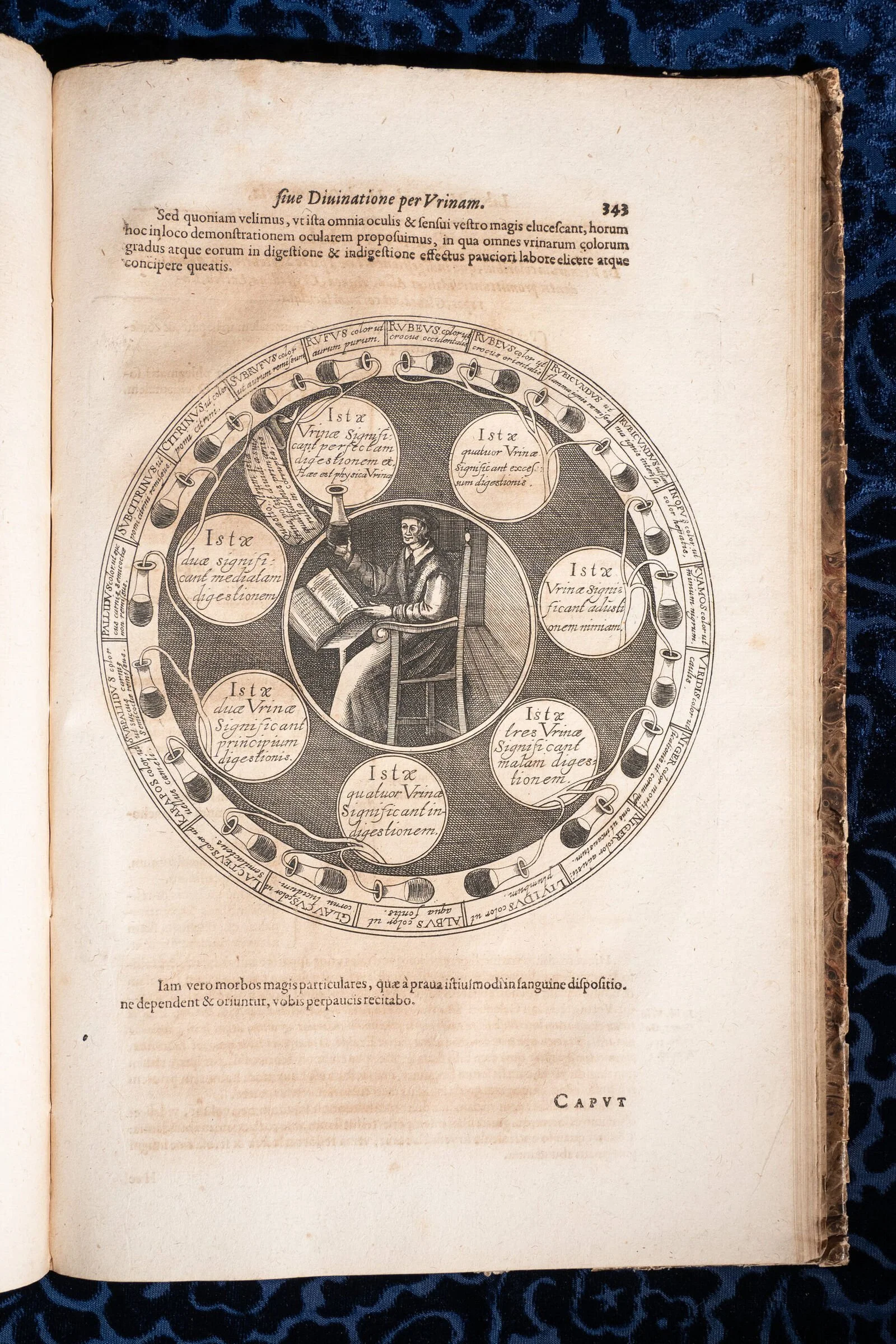 Image 101 of 107
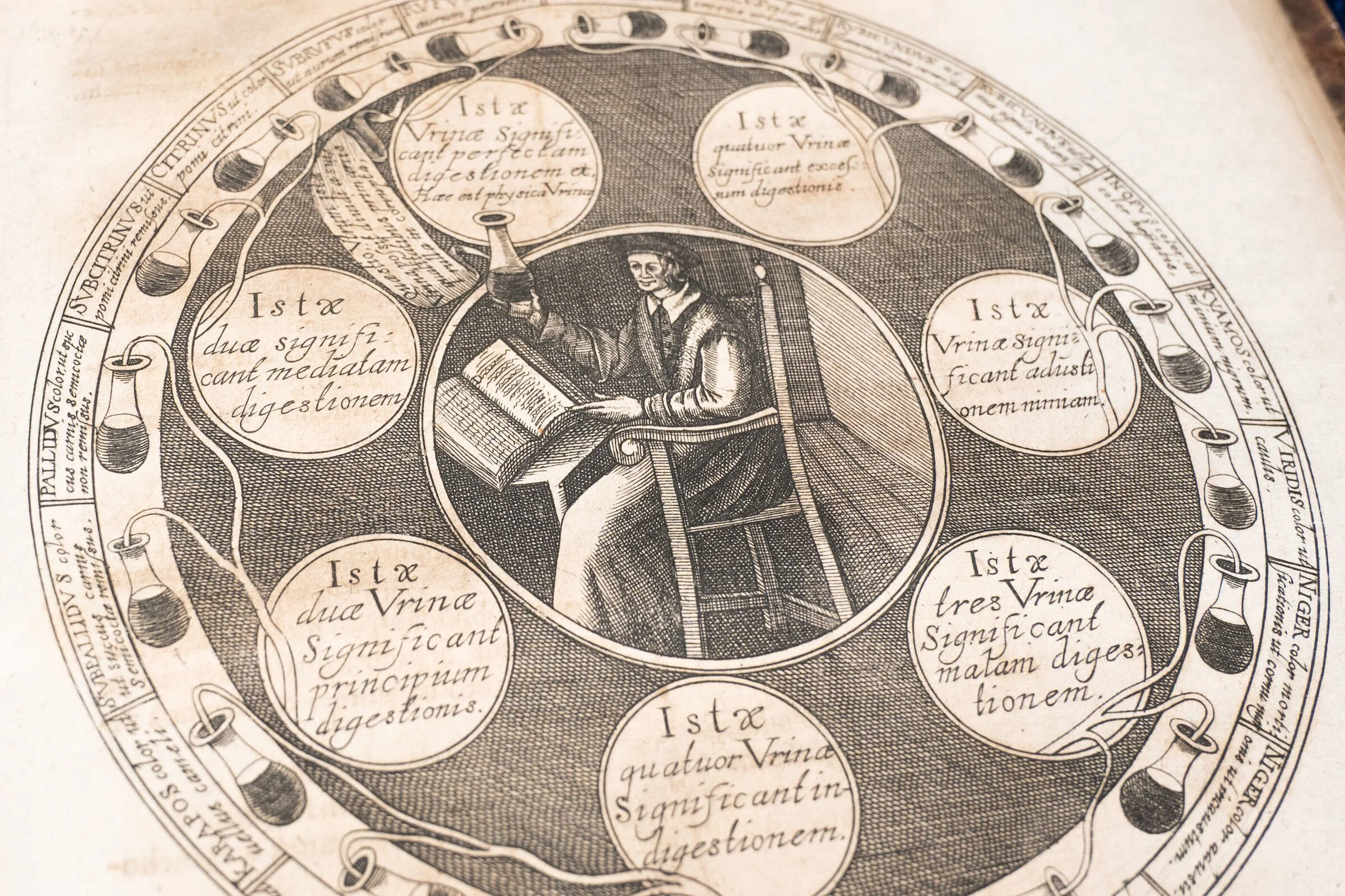 Image 102 of 107
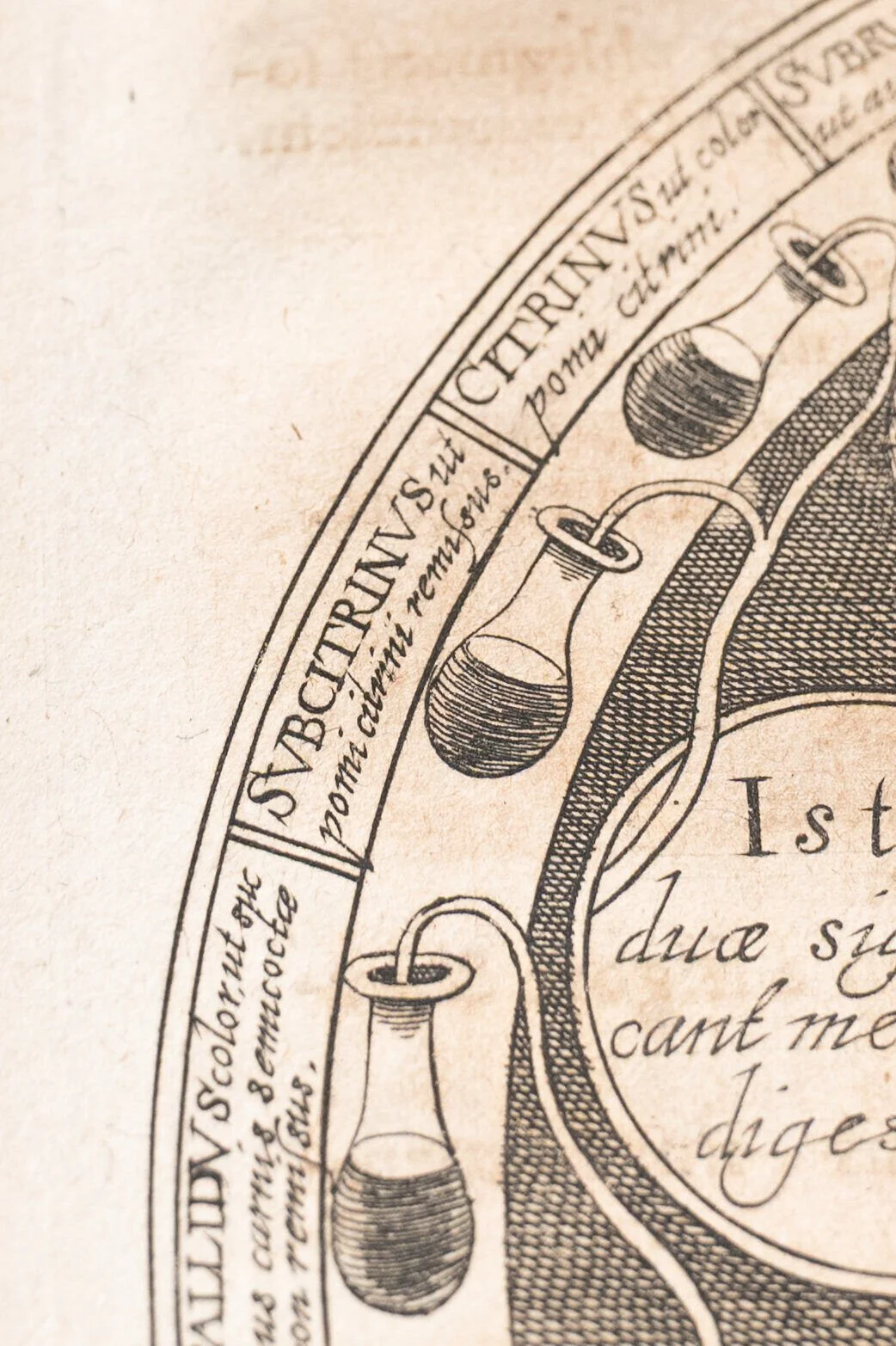 Image 103 of 107
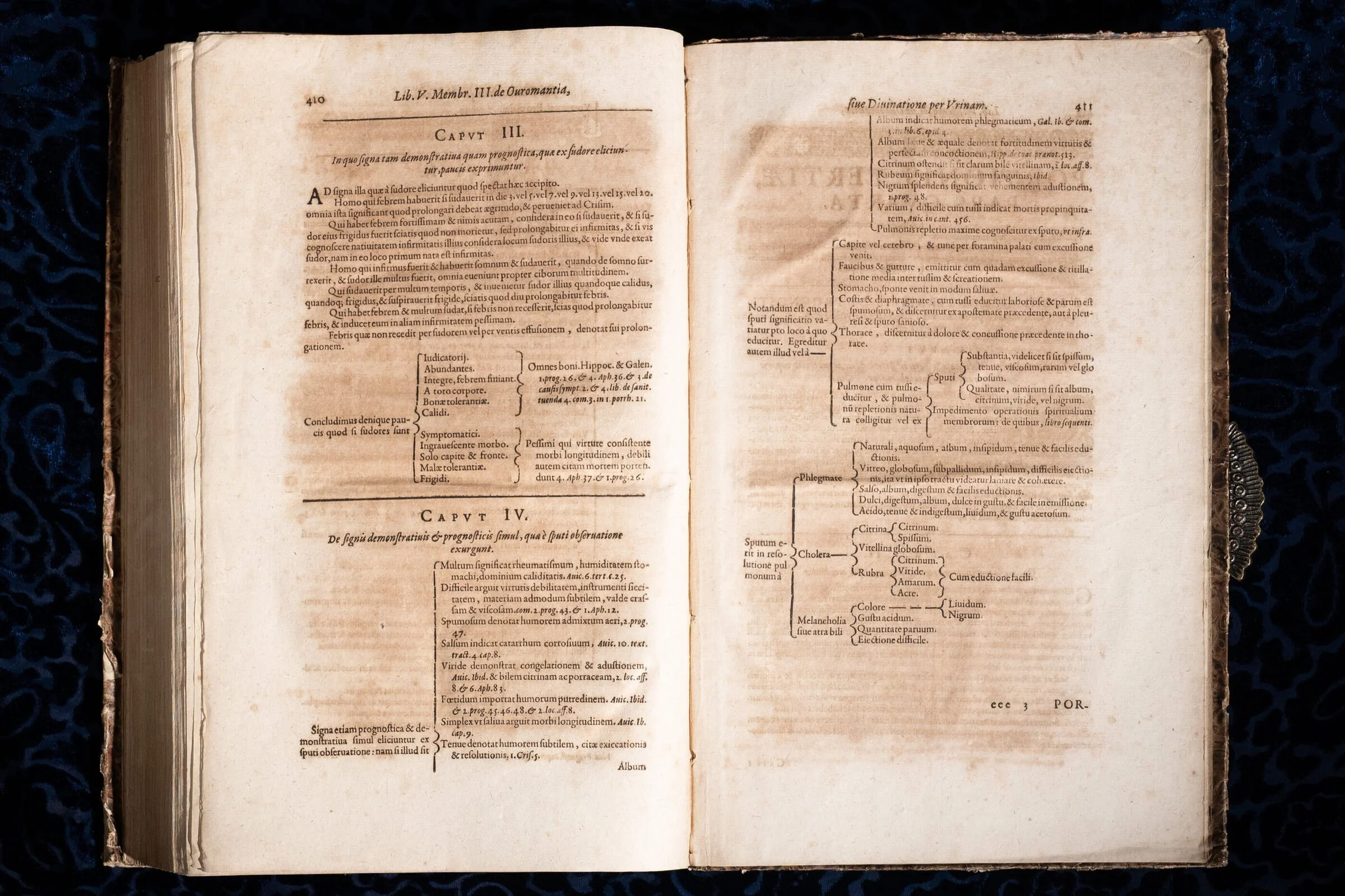 Image 104 of 107
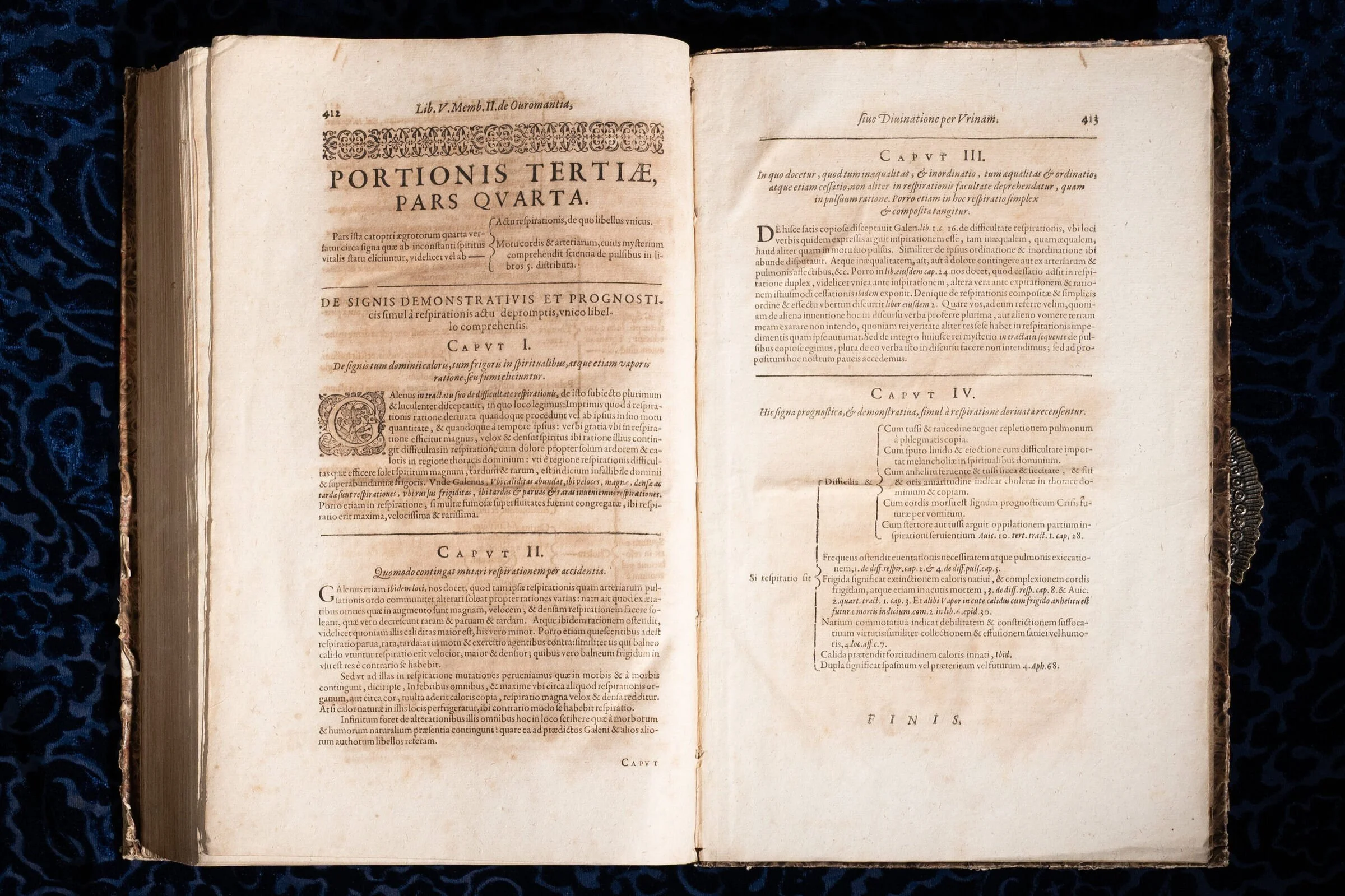 Image 105 of 107
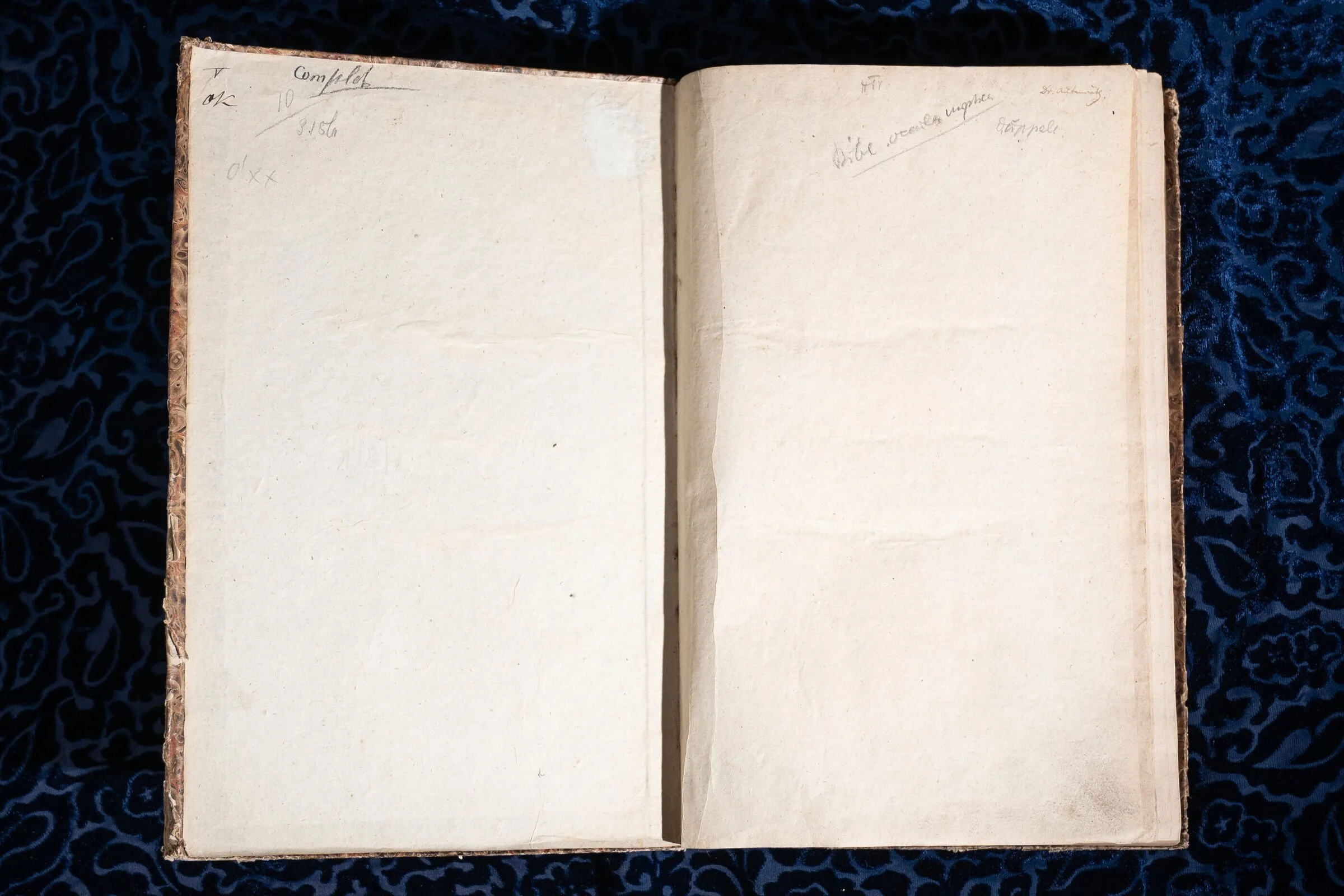 Image 106 of 107
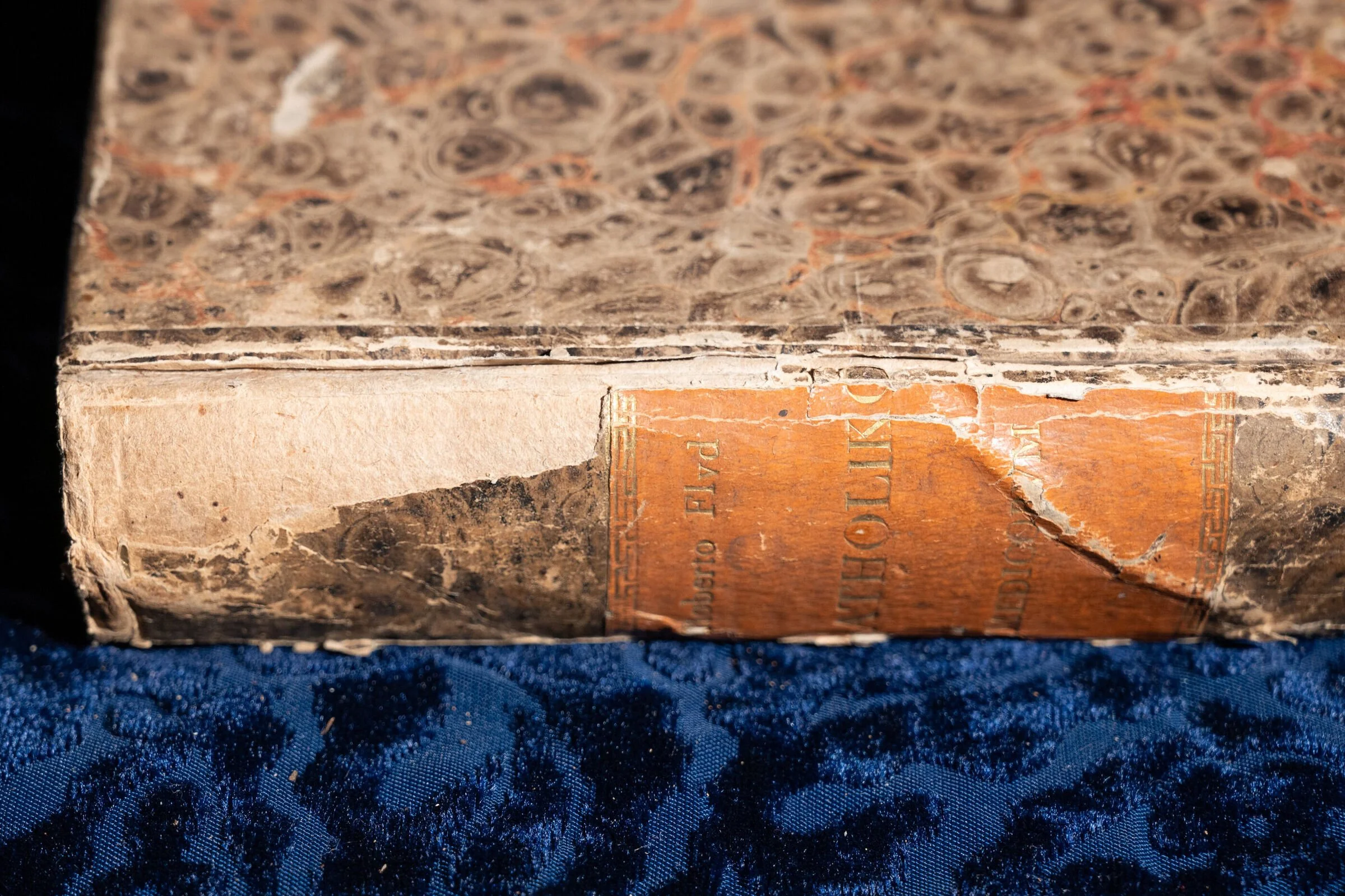 Image 107 of 107