
 Image 1 of 3
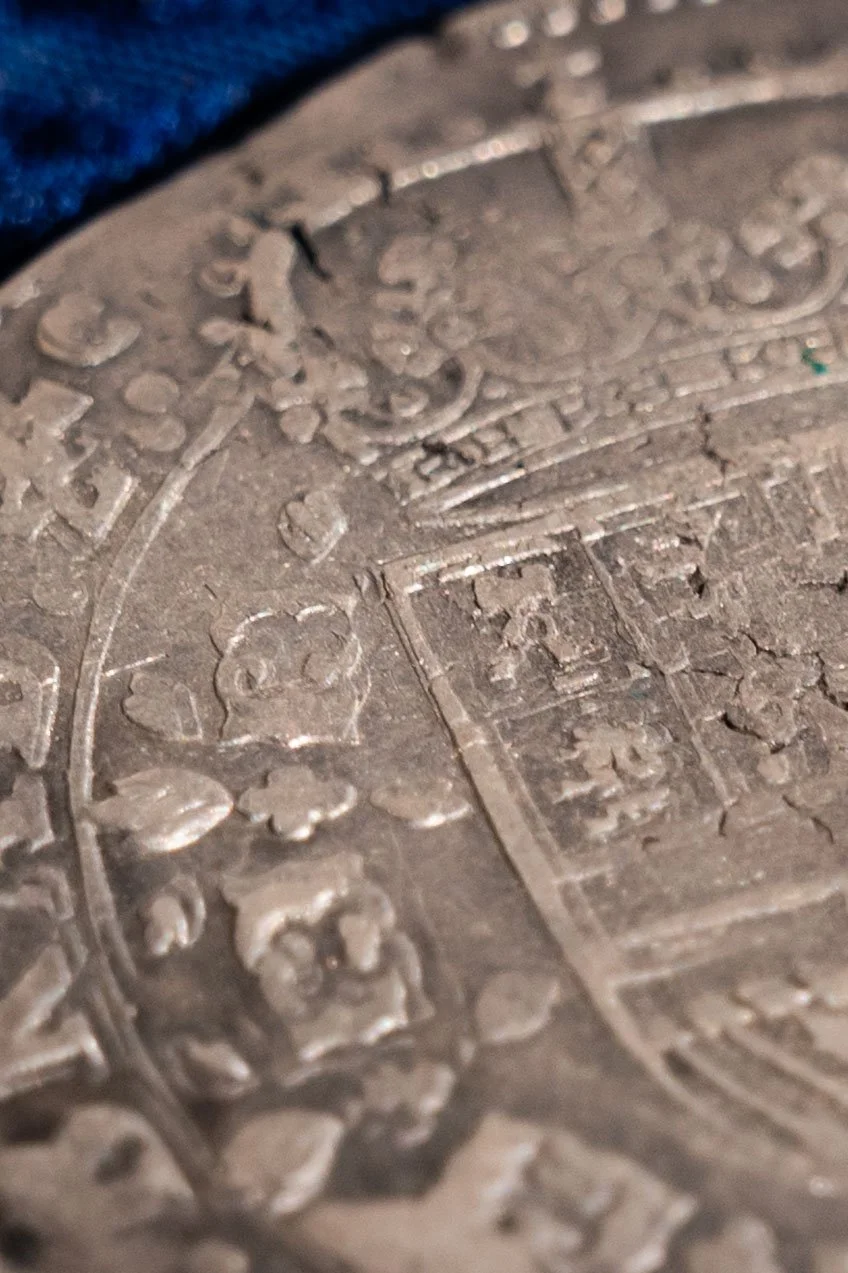 Image 2 of 3
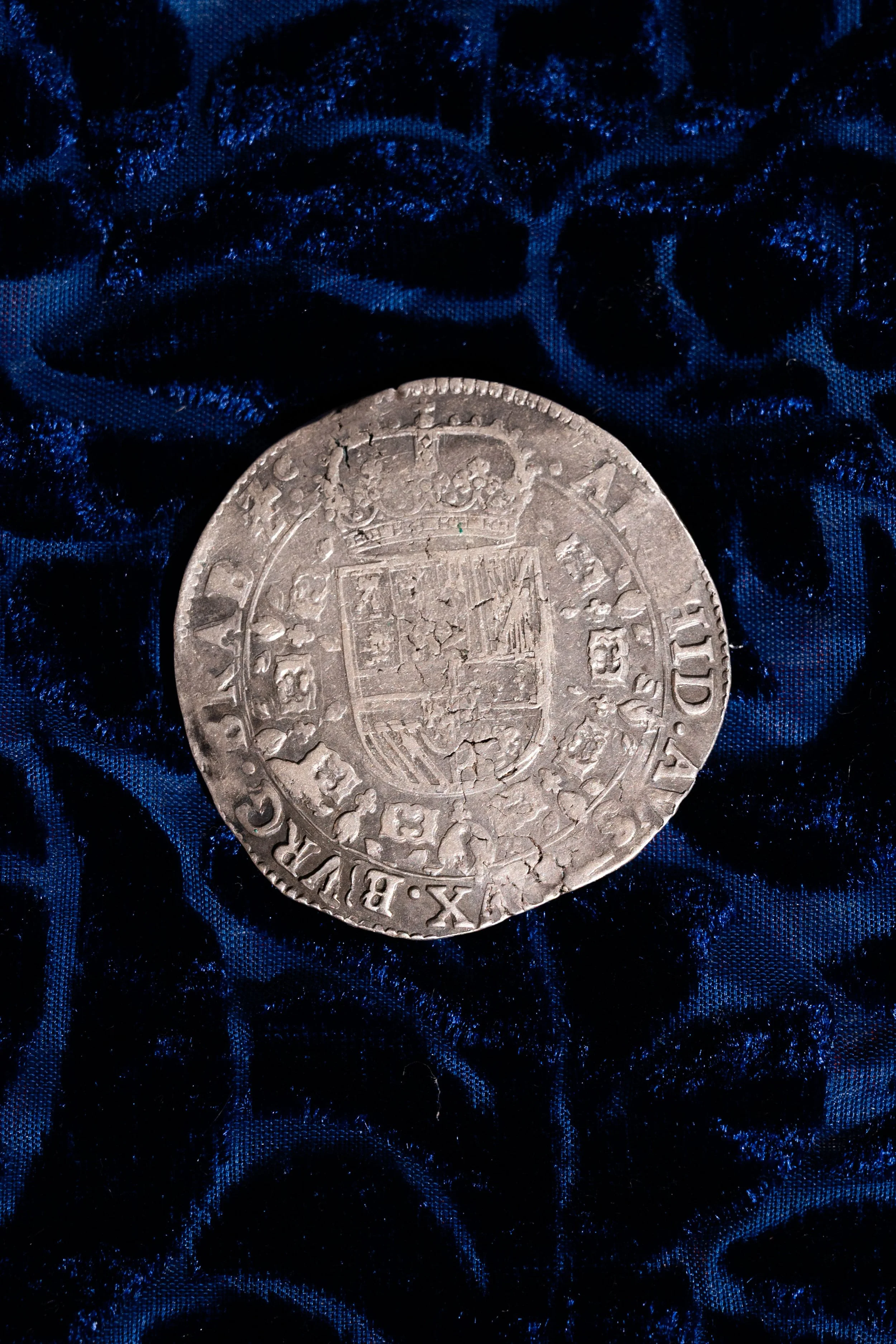 Image 3 of 3
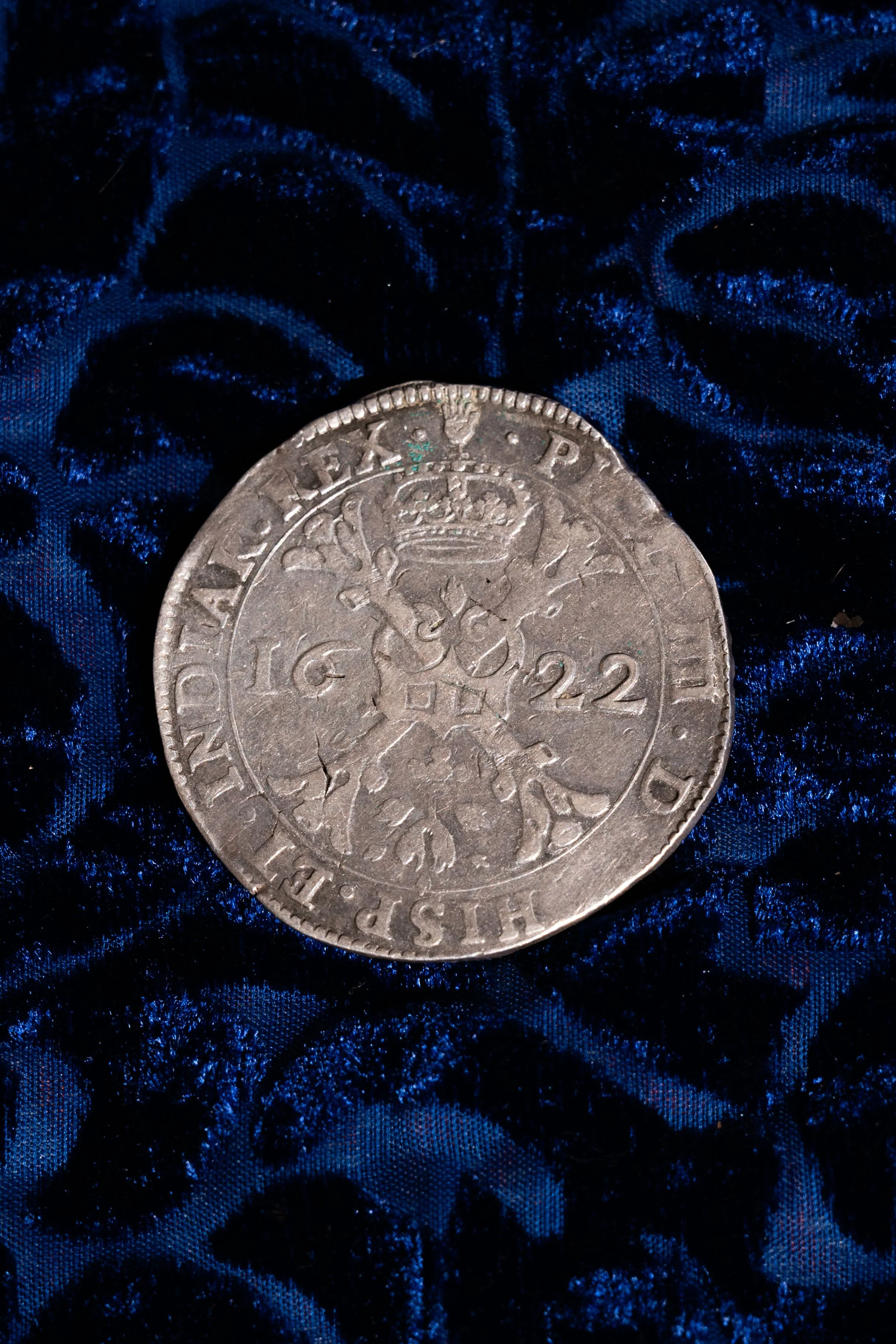
A handsome example of the coin that inadvertently made an alchemist's reputation. The Brabant patagon occupies a unique place in the history of alchemy as the unwitting instrument behind Johann Joachim Becher's celebrated transmutation demonstrations at the courts of seventeenth-century Europe. Becher's apparent ability to extract gold from silver coins astonished his patrons and secured him imperial favor, a feat that remained genuinely mysterious until modern assay techniques revealed that Brabant Thalers consistently contained trace amounts of gold within their silver alloy. The "transmutation" was real enough: by heating the coins in a crucible with sand as flux, Becher simply separated what was already there. The gold was never created, only revealed.
This is a pleasing specimen struck in the early years of Philip IV's reign, and it serves as a tangible artifact at the intersection of numismatics and the history of chymical philosophy. One holds in hand exactly the sort of coin that Becher placed in his crucible. We would, however, recommend appreciating it as a cabinet piece rather than attempting to replicate the experiment.
Silver. 42mm, 28g. Fine. Nice strike with some rubbing; minor surface cracks. Delmonte 293; Davenport 4462.
A handsome example of the coin that inadvertently made an alchemist's reputation. The Brabant patagon occupies a unique place in the history of alchemy as the unwitting instrument behind Johann Joachim Becher's celebrated transmutation demonstrations at the courts of seventeenth-century Europe. Becher's apparent ability to extract gold from silver coins astonished his patrons and secured him imperial favor, a feat that remained genuinely mysterious until modern assay techniques revealed that Brabant Thalers consistently contained trace amounts of gold within their silver alloy. The "transmutation" was real enough: by heating the coins in a crucible with sand as flux, Becher simply separated what was already there. The gold was never created, only revealed.
This is a pleasing specimen struck in the early years of Philip IV's reign, and it serves as a tangible artifact at the intersection of numismatics and the history of chymical philosophy. One holds in hand exactly the sort of coin that Becher placed in his crucible. We would, however, recommend appreciating it as a cabinet piece rather than attempting to replicate the experiment.
Silver. 42mm, 28g. Fine. Nice strike with some rubbing; minor surface cracks. Delmonte 293; Davenport 4462.