Some pages of an old book are simply text. This is not one of them. Martín Antonio Del Rio's Disquisitionum magicarum libri sex, first printed in 1599, was for the better part of a century the working manual of inquisitors and judges, spoken of in the same breath as the Malleus Maleficarum. Del Rio (1551–1608), a Jesuit theologian born in Antwerp and an adviser to the Council of Troubles, the tribunal so feared in the Low Countries that it was nicknamed the "Tribunal of Blood," set out to refute superstition and instead cataloged it in exhaustive detail: sabbaths, spells, charms, pacts, divination, astrology, necromancy, and the slippery middle ground of "natural magic." The leaves gathered here are chosen from the passages where that catalog turns genuinely startling.
These are the pages a collector actually wants to read. On one, Del Rio untangles the "noonday demon" of the Psalms, the daemonium meridianum, braiding it together with the Greek Empusa and the goddess Hecate and rehearsing the creature's endless shape-shifting after Epicharmus and Aristophanes: plant, ox, viper, stone, fly, woman, a mule, a monstrous beast, one leg of bronze and one of an ass. Another carries a courtroom horror out of Nider, a fifty-year-old woman who felt nothing on the rack and was at last strangled in her cell by Satan himself, closing with the Jesuit Bernardus Oliverius reporting a captured girl-witch near Amiens in 1599. A third stages a demon's shape-shifting duel fought around a chalked circle and a Dominican cross, the fiend cycling through man, monk, and braying ass while a terrified servant looks on. A fourth records a spectral "tournament of the dead," phantom horsemen crying out in the night as the Bohemian heresy convulsed the kingdom. This is the raw material of the European imagination of magic, set down by the very authority the courts trusted to define it.
Every page sits inside the edition's characteristic double woodcut rule border, with running heads naming the book, question, and section, so that even a single leaf reads unmistakably as a piece of Del Rio's great machine of classification. Chosen for the strength and strangeness of their content, these leaves offer an uncommon chance to own a vivid page of one of the most notorious handbooks of demonology ever printed, at a small fraction of the cost of a complete antiquarian volume, which seldom appears in commerce intact and is now largely held in institutions.
DELRÍO, Martín Antonio (1551–1608). Disquisitionum magicarum libri sex, in tres tomos partiti. [Ursel]: Prodit ex Archiepiscopatus Moguntinensis officina Ursellana, impensis Iacobi König, 1606. Later (revised) edition; Tomus unus of three, here dispersed as individual leaves.
Physical Description: A single original printed leaf selected for notable content, Latin text in roman and italic types with occasional Greek, each page enclosed within a double woodcut rule border and headed with running titles (e.g. Disquisitionum Magicarum; Libri II. Q. XXVII. Sect. II). Passages on demons, spectres, and witch trials as described. Approx. 7 x 4.5 in. / 17.5 x 11 cm.
Binding: None; issued as a disbound single leaf.
Condition: Age-toning, scattered foxing and light soiling, deckle and untrimmed edges; some leaves with edge wear, chipping, or short tears consistent with a volume that did not survive intact (see note below). Text clear and legible. Sold individually; each leaf will vary and is chosen for the strength of its content. Additional shipping and handling charges apply.
A note on these leaves
Sadly, many antiquarian volumes simply do not survive the ravages of time. This is especially true for works of esoterica, which are so often hunted, smuggled, or made to endure life in an alchemical lab, and a great many have been destroyed outright in the persecution of occult knowledge.
These volumes reached us in a state in which preservation of the entire book was simply not possible: destroyed internal structure, failed binding, a great many missing pages, and otherwise orphaned, among many other catastrophic faults. Put simply, they have come to us either as individual leaves or in a condition beyond saving as intact, singular books.
After consulting several experts in the field, we have opted to make individual leaves of these important volumes in esoteric history available. This is a rare opportunity to own a piece of occult history for a fraction of the price of a complete antiquarian volume. This listing is for select pages featuring especially extraordinary material. More plain pages, still extraordinary refugees from the earliest days of esoteric printing, are offered separately.
Some pages of an old book are simply text. This is not one of them. Martín Antonio Del Rio's Disquisitionum magicarum libri sex, first printed in 1599, was for the better part of a century the working manual of inquisitors and judges, spoken of in the same breath as the Malleus Maleficarum. Del Rio (1551–1608), a Jesuit theologian born in Antwerp and an adviser to the Council of Troubles, the tribunal so feared in the Low Countries that it was nicknamed the "Tribunal of Blood," set out to refute superstition and instead cataloged it in exhaustive detail: sabbaths, spells, charms, pacts, divination, astrology, necromancy, and the slippery middle ground of "natural magic." The leaves gathered here are chosen from the passages where that catalog turns genuinely startling.
These are the pages a collector actually wants to read. On one, Del Rio untangles the "noonday demon" of the Psalms, the daemonium meridianum, braiding it together with the Greek Empusa and the goddess Hecate and rehearsing the creature's endless shape-shifting after Epicharmus and Aristophanes: plant, ox, viper, stone, fly, woman, a mule, a monstrous beast, one leg of bronze and one of an ass. Another carries a courtroom horror out of Nider, a fifty-year-old woman who felt nothing on the rack and was at last strangled in her cell by Satan himself, closing with the Jesuit Bernardus Oliverius reporting a captured girl-witch near Amiens in 1599. A third stages a demon's shape-shifting duel fought around a chalked circle and a Dominican cross, the fiend cycling through man, monk, and braying ass while a terrified servant looks on. A fourth records a spectral "tournament of the dead," phantom horsemen crying out in the night as the Bohemian heresy convulsed the kingdom. This is the raw material of the European imagination of magic, set down by the very authority the courts trusted to define it.
Every page sits inside the edition's characteristic double woodcut rule border, with running heads naming the book, question, and section, so that even a single leaf reads unmistakably as a piece of Del Rio's great machine of classification. Chosen for the strength and strangeness of their content, these leaves offer an uncommon chance to own a vivid page of one of the most notorious handbooks of demonology ever printed, at a small fraction of the cost of a complete antiquarian volume, which seldom appears in commerce intact and is now largely held in institutions.
DELRÍO, Martín Antonio (1551–1608). Disquisitionum magicarum libri sex, in tres tomos partiti. [Ursel]: Prodit ex Archiepiscopatus Moguntinensis officina Ursellana, impensis Iacobi König, 1606. Later (revised) edition; Tomus unus of three, here dispersed as individual leaves.
Physical Description: A single original printed leaf selected for notable content, Latin text in roman and italic types with occasional Greek, each page enclosed within a double woodcut rule border and headed with running titles (e.g. Disquisitionum Magicarum; Libri II. Q. XXVII. Sect. II). Passages on demons, spectres, and witch trials as described. Approx. 7 x 4.5 in. / 17.5 x 11 cm.
Binding: None; issued as a disbound single leaf.
Condition: Age-toning, scattered foxing and light soiling, deckle and untrimmed edges; some leaves with edge wear, chipping, or short tears consistent with a volume that did not survive intact (see note below). Text clear and legible. Sold individually; each leaf will vary and is chosen for the strength of its content. Additional shipping and handling charges apply.
A note on these leaves
Sadly, many antiquarian volumes simply do not survive the ravages of time. This is especially true for works of esoterica, which are so often hunted, smuggled, or made to endure life in an alchemical lab, and a great many have been destroyed outright in the persecution of occult knowledge.
These volumes reached us in a state in which preservation of the entire book was simply not possible: destroyed internal structure, failed binding, a great many missing pages, and otherwise orphaned, among many other catastrophic faults. Put simply, they have come to us either as individual leaves or in a condition beyond saving as intact, singular books.
After consulting several experts in the field, we have opted to make individual leaves of these important volumes in esoteric history available. This is a rare opportunity to own a piece of occult history for a fraction of the price of a complete antiquarian volume. This listing is for select pages featuring especially extraordinary material. More plain pages, still extraordinary refugees from the earliest days of esoteric printing, are offered separately.

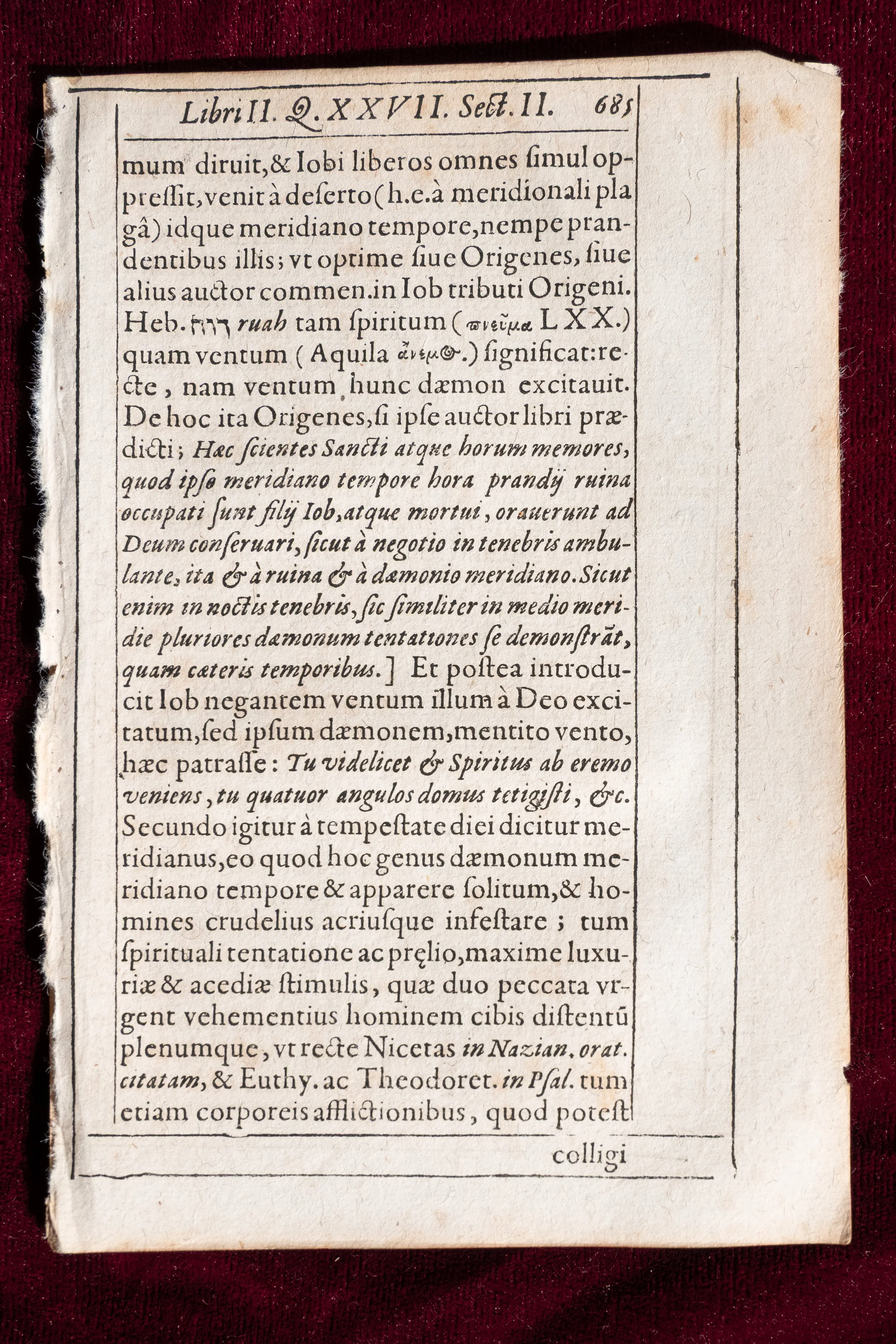 Image 1 of 11
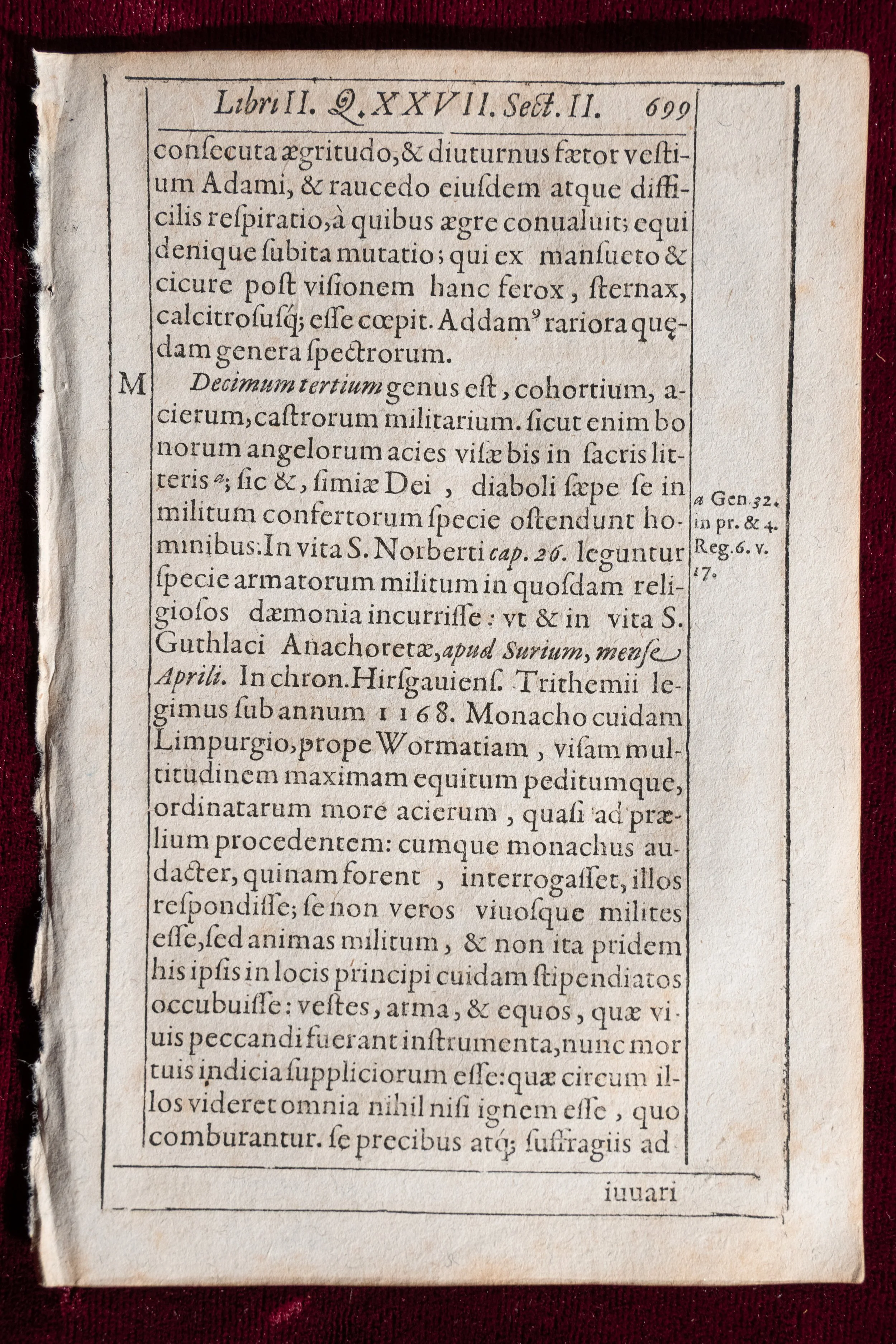 Image 2 of 11
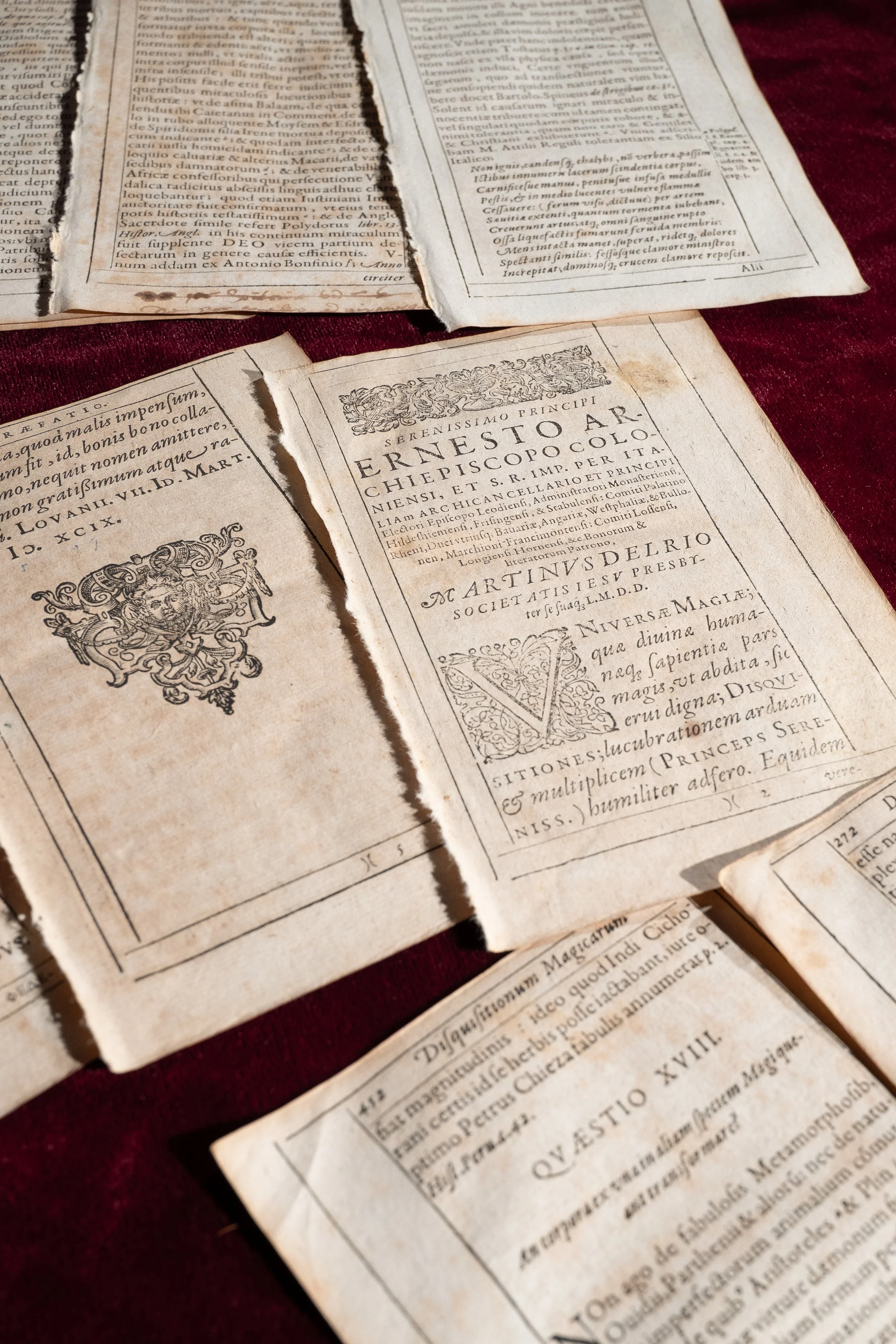 Image 3 of 11
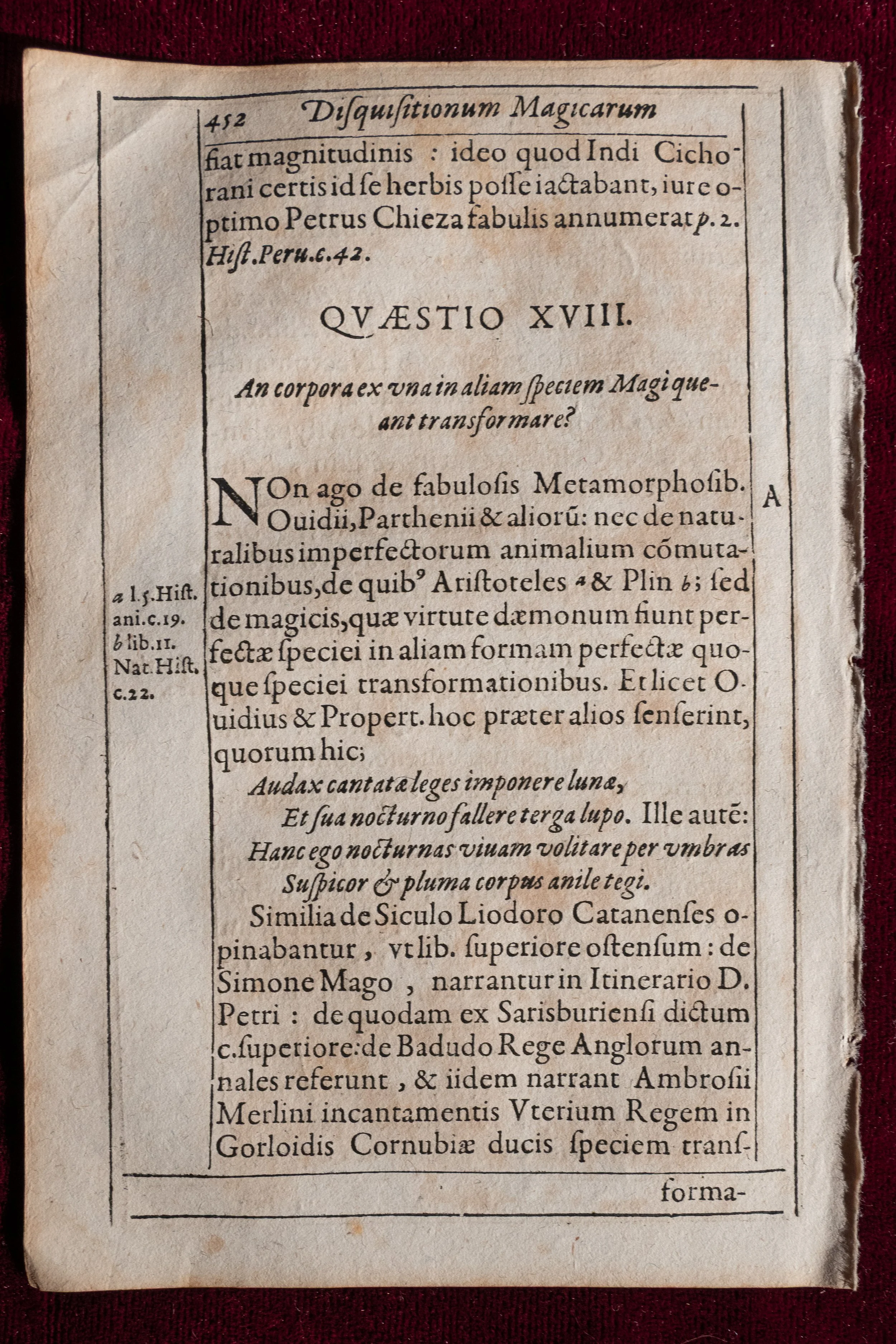 Image 4 of 11
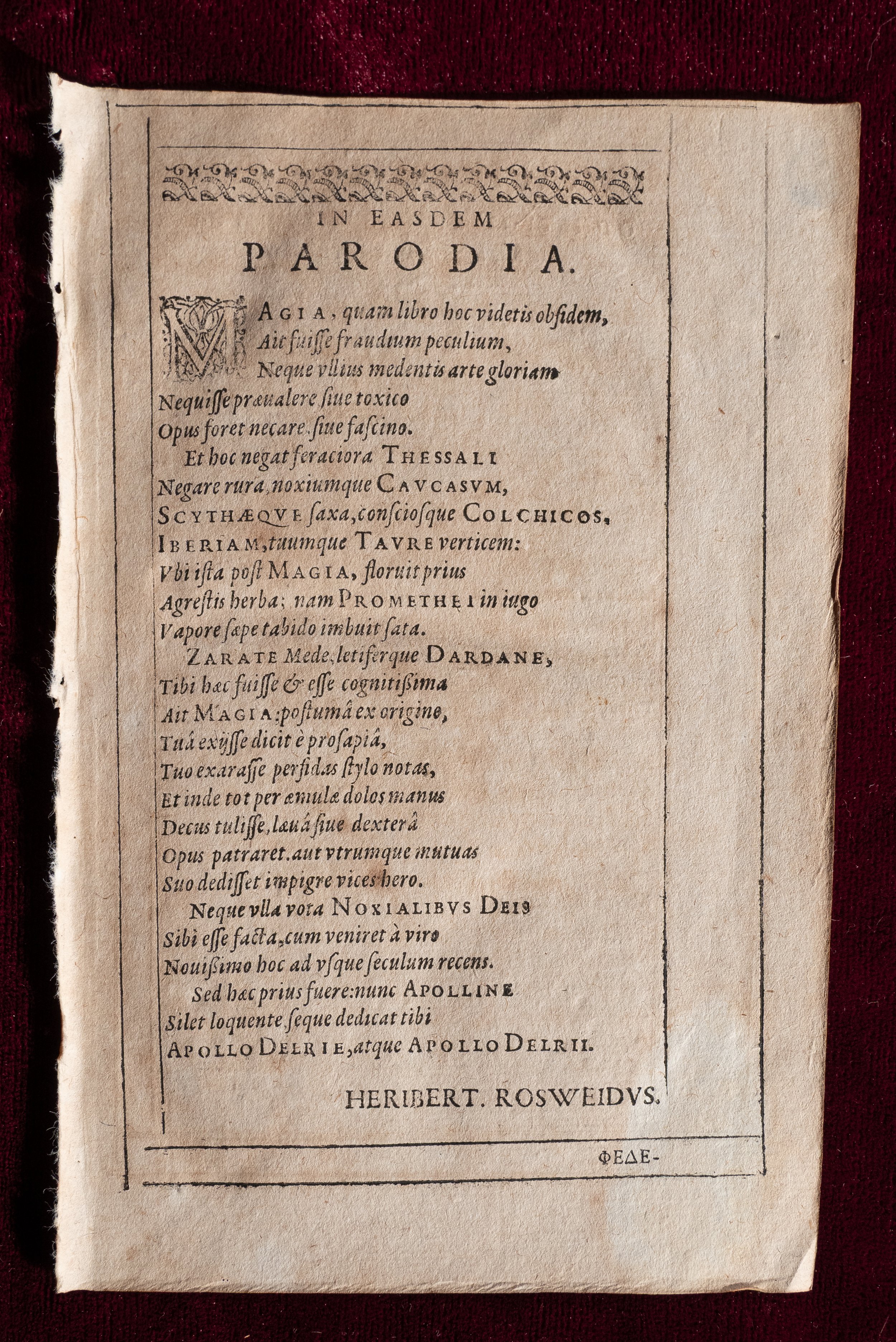 Image 5 of 11
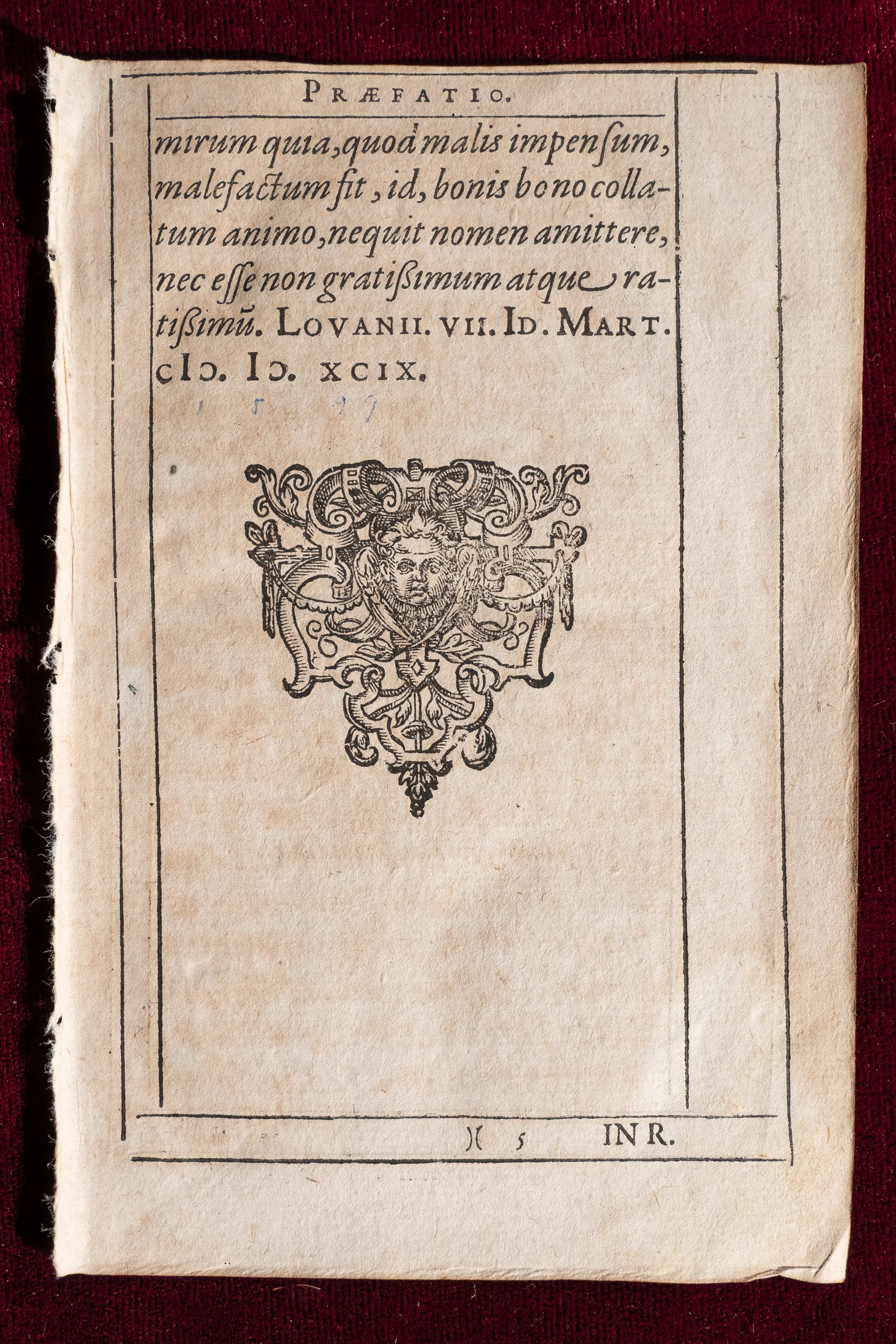 Image 6 of 11
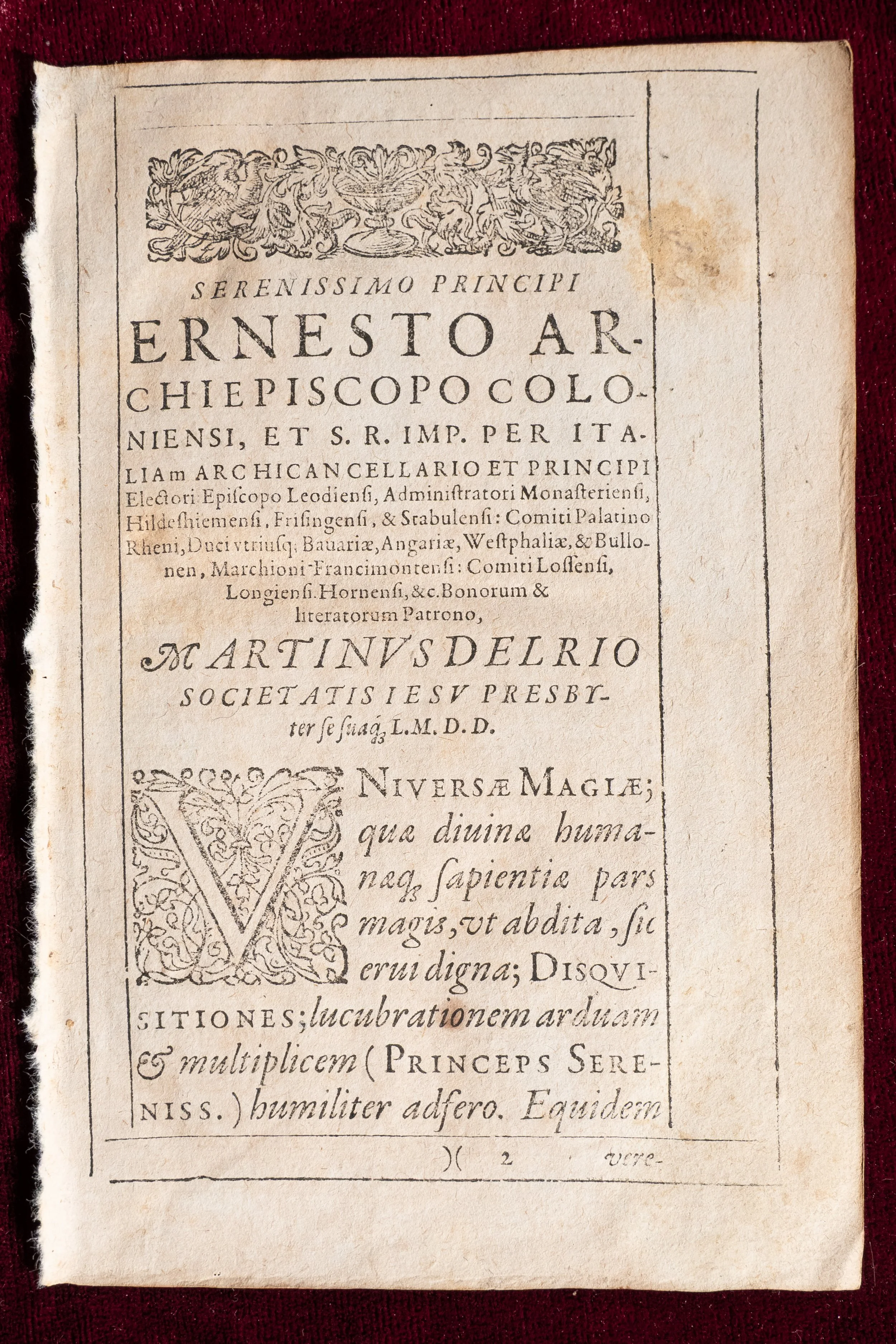 Image 7 of 11
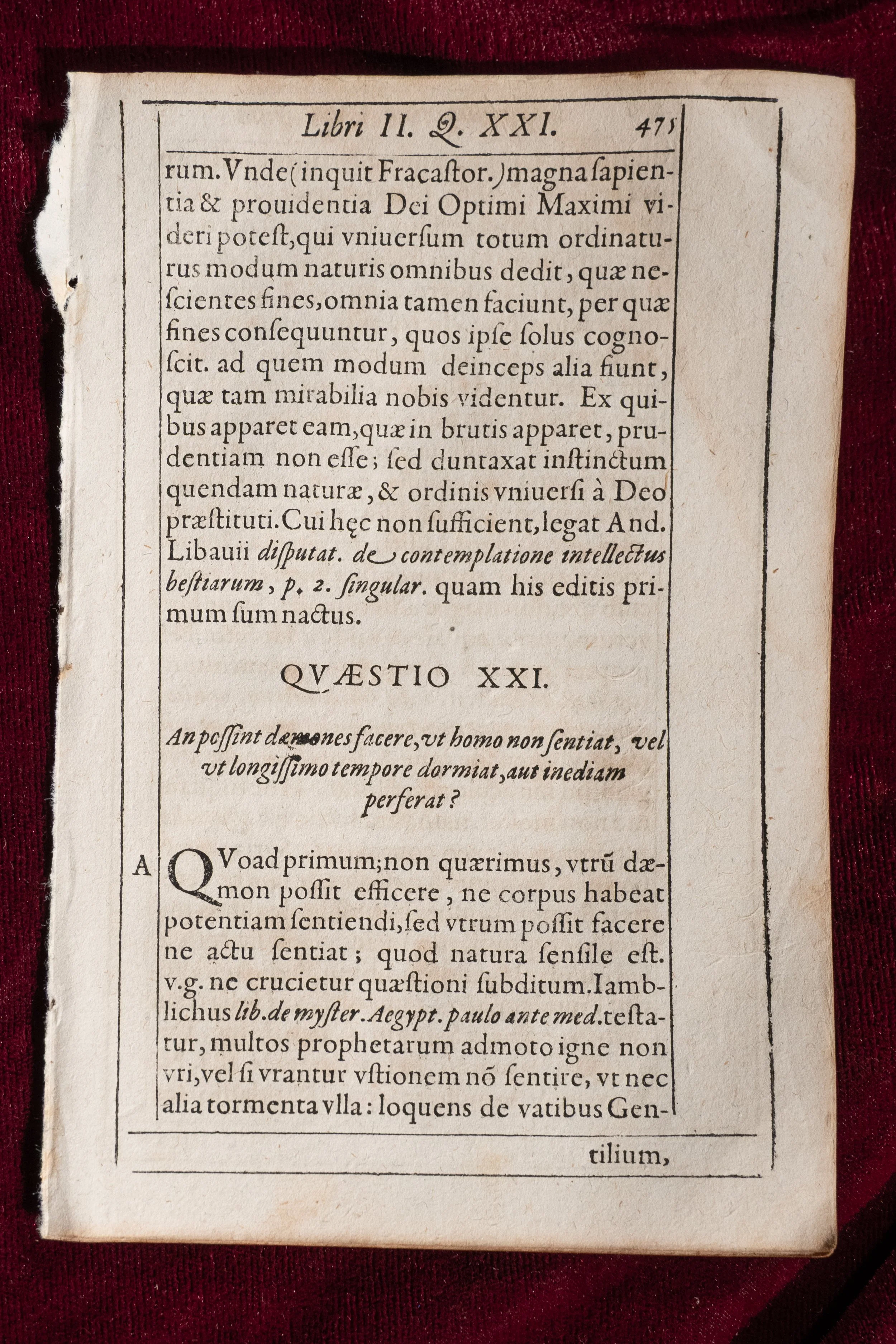 Image 8 of 11
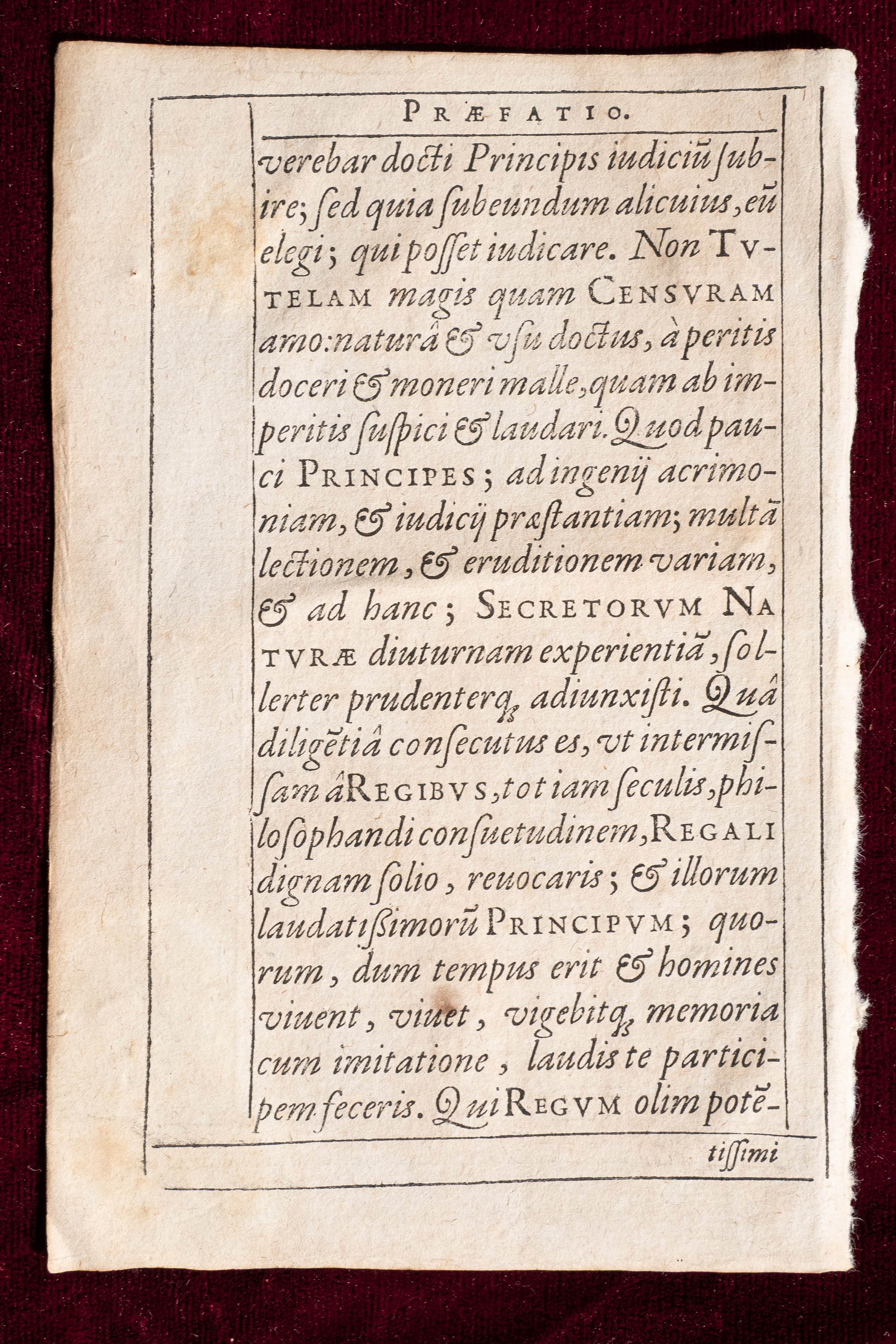 Image 9 of 11
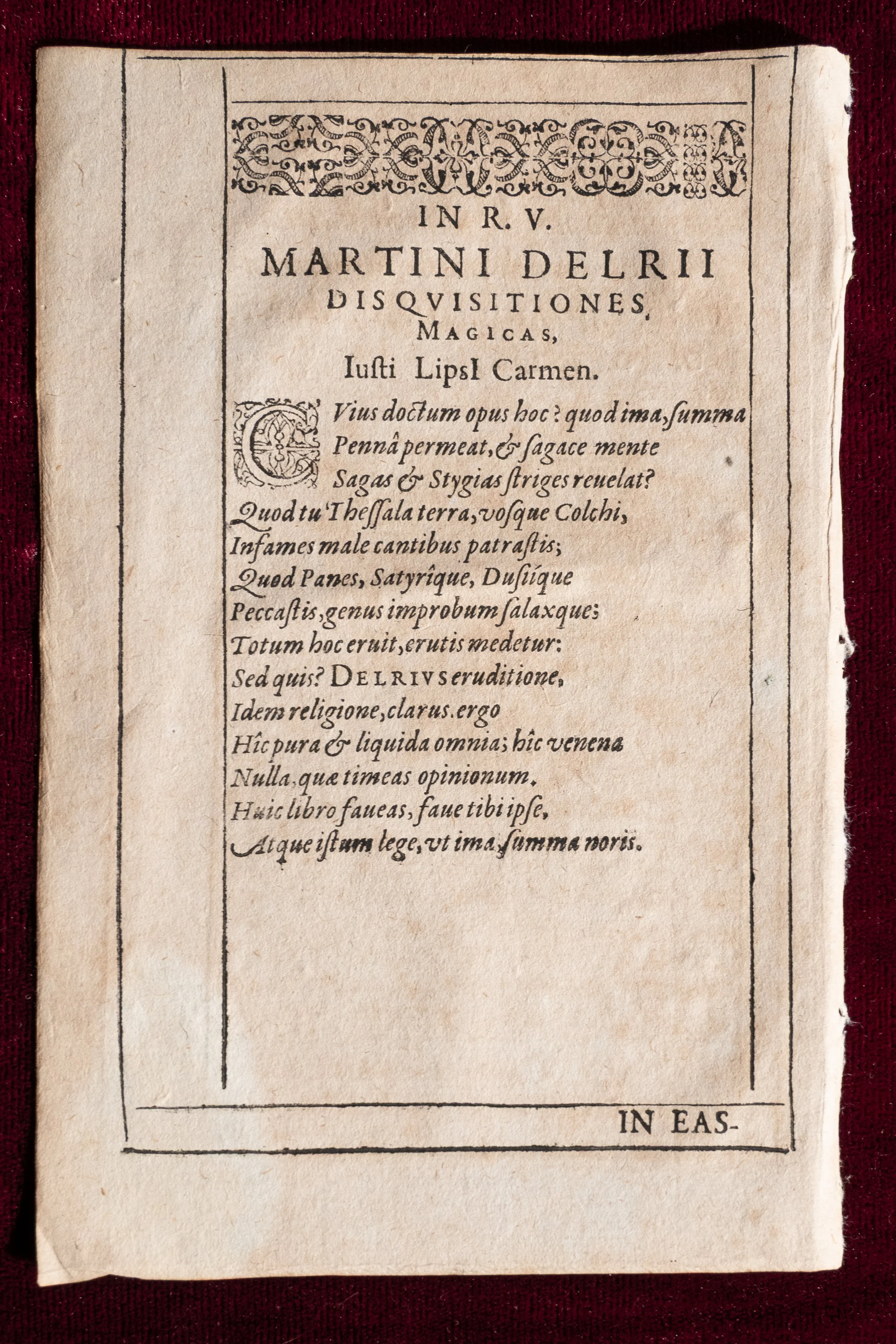 Image 10 of 11
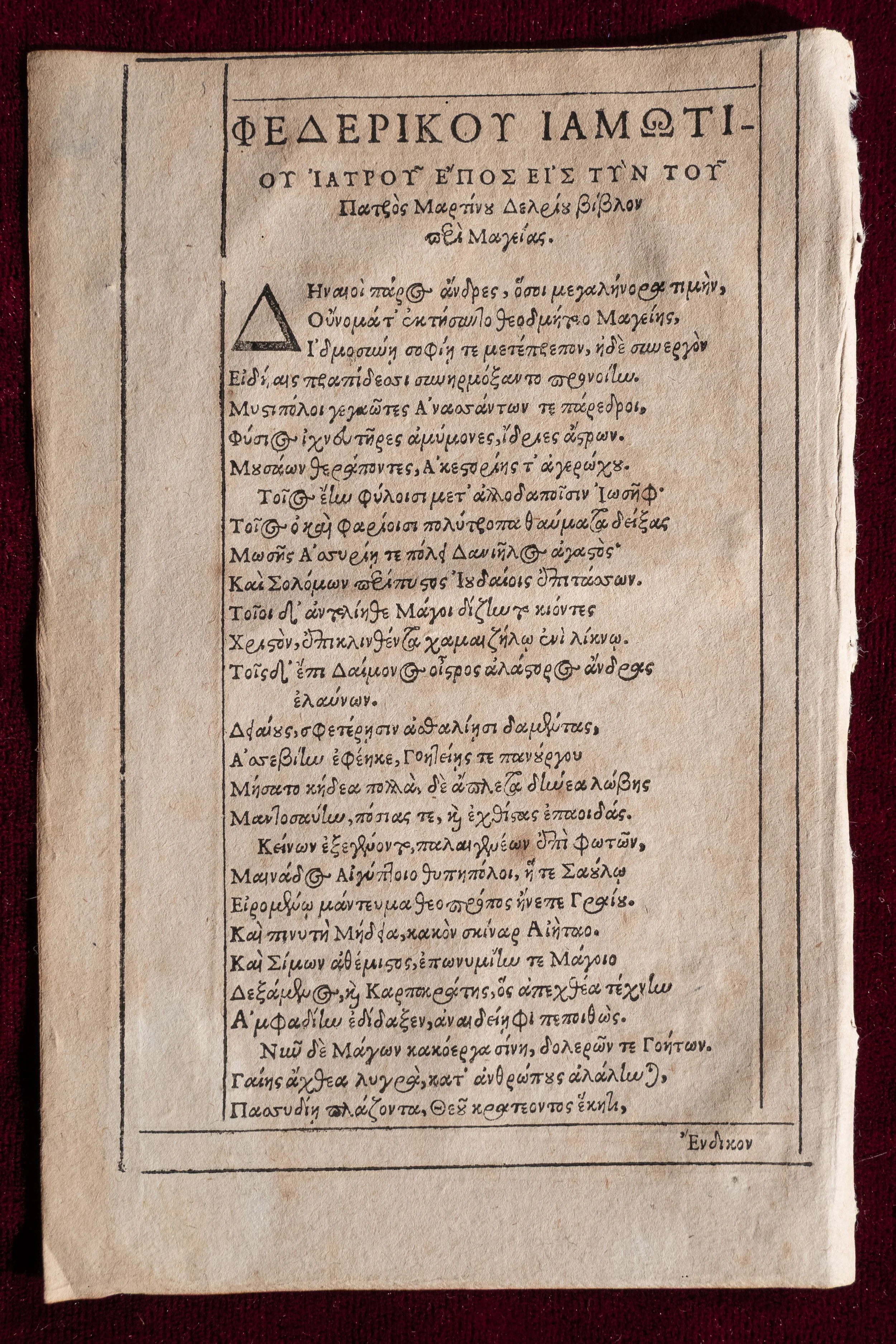 Image 11 of 11