In the fourth Ennead, Plotinus recalls waking out of his body and into himself, briefly feeling completely at home in the divine, only to wonder afterward how a soul capable of such a life ever came to inhabit a body at all. On the pages of this 1562 Basel folio, the Florentine priest Marsilio Ficino steps in just a few lines above him to answer the question: God wanted creatures capable of understanding on earth as well as in heaven. Under the heading MARSILIVS, Ficino supplies the theology; just below, under PLOTINVS, the philosopher recounts the experience itself.
Teaching in third-century Rome, Plotinus forged his reading of Plato into the tradition we call Neoplatonism. Where Plato’s Symposium treated falling in love with one beautiful person as the first step in an education in beauty, Plotinus asked how that ascent actually works. In his treatise On Beauty, he pointed to courage: it has neither shape nor color, yet we recognize its beauty in another person. By cultivating the virtues we admire, he argued, the soul trains its inward sight, rising to know the divine Mind from which it sprang. Beyond even Mind lies the One, the source of all things. At the furthest reach of this ascent, the soul loses all sense of being separate from its origin.
His pupil Porphyry arranged Plotinus’s fifty-four treatises into six sets of nine (the Enneads) and noted in his Life of Plotinus four occasions during their years together when his teacher achieved that union. A century later, Augustine gave this inward turn a Christian voice. Struggling to imagine a God who occupied no physical space, he wrote in the Confessions of how reading the Platonists taught him to look within, where he glimpsed an "unchanging light" above his own mind.
Like Augustine, Ficino approached Plotinus with a priest’s curiosity about how much a pagan philosopher could grasp of God. Having already translated Plato and the Greek writings attributed to Hermes Trismegistus into Latin, Ficino argued in his preface that the ancient theologians hid their teachings in myths and numbers, and that Plotinus knew how to unlock them. The obstacle, as Ficino admitted, was that Plotinus packed an extraordinary weight of thought into very few words. Ficino’s solution was to translate the complete Enneads and wrap them in a running commentary. First published together in Florence in 1492, the work generously supplies the words Plotinus had left out.
Ficino was drawn especially to Plotinus’s account of the world soul. If the universe itself is alive, then the stars and the people who pray to them belong to a single living organism. To explain how a star could answer a prayer without literally hearing it, Plotinus offered the image of two lyres: pluck a string on one, and a string tuned to the same note on the other vibrates in response. He called this kinship sympathy, using it to explain the mechanics of a spell. Ficino carried the idea straight into his Three Books on Life, whose third book began, by his own account, as a commentary on Plotinus. There, he imagined the human voice as the instrument, singing planetary songs tuned to draw astral influence into the singer and anyone within earshot.
When Pietro Perna and Thomas Guarin issued Ficino’s Plotinus at Basel in 1559, the Greek text had still never appeared in print; Perna himself would finally publish it in 1580, set alongside Ficino’s Latin. This copy pairs the sheets of that 1559 edition with a new title page dated 1562 and bearing Guarin’s palm-tree device, followed by Perna’s dedication to Cosimo de’ Medici, Duke of Florence. Bound in early vellum with the title inked on the spine, it survives complete down to the final blank leaf after the index.
PLOTINUS. Plotini divini illius e Platonica familia philosophi De rebus philosophicis libri LIIII. in Enneades sex distributi, a Marsilio Ficino Florentino e Graeca lingua in Latinam versi, & ab eodem doctissimis commentariis illustrati, omnibus cum Graeco exemplari collatis & diligenter castigatis. Accessit index rerum & verborum huius operis memorabilium perquam copiosus. Basel: Thomas Guarin, 1562. A reissue, with a new title page, of the edition published at Basel in 1559 under the names of Pietro Perna and Thomas Guarin.
Physical Description: Folio (about 31 x 20 cm). [14], 365 [i.e. 366], [24] leaves, the last a blank. Woodcut printer's device on the title page and woodcut pictorial initials. Dedication by Pietro Perna to Cosimo de' Medici, Duke of Florence.
Binding: Early vellum over boards with three raised bands and the title in ink on the spine. The vellum is worn through over the bands and the sewing shows. Loss at the head of the spine. Ties gone. Front joint repaired.
Condition: Browned and foxed. Damp stain at the fore-edge of the title page and the leaves after it. Worm tracks in the outer margin of the early gatherings. A few small wormholes. The index gatherings at the end have been repaired. "28.4" in old ink below the date on the title page.
Provenance: Ink inscription on the front flyleaf, struck through: "Jo. Hieronijmi Cas[..]tij [one abbreviated word] ad usum". An ink signature dated 1835. Pencil notes on the flyleaf.

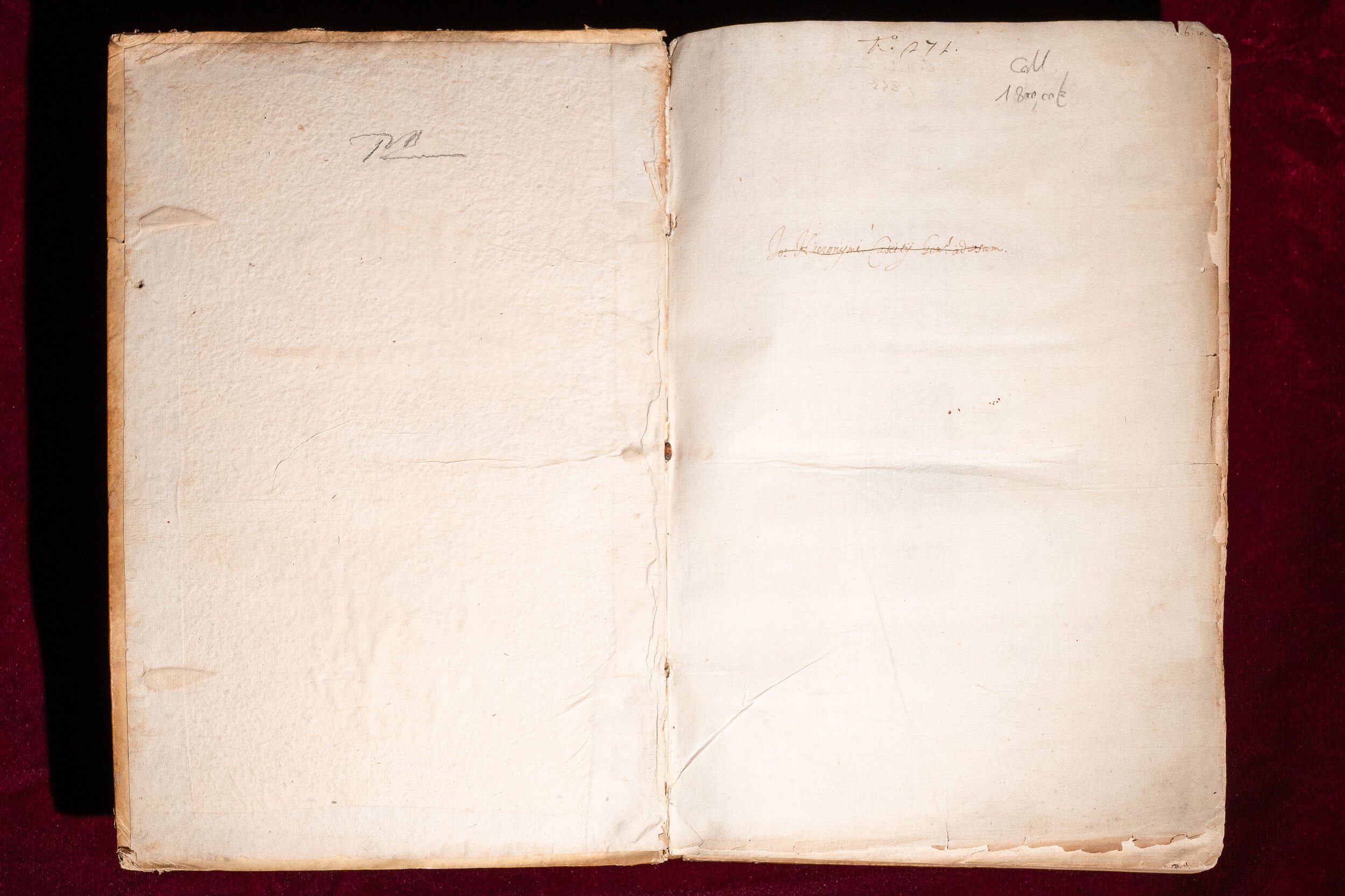 Image 1 of 30
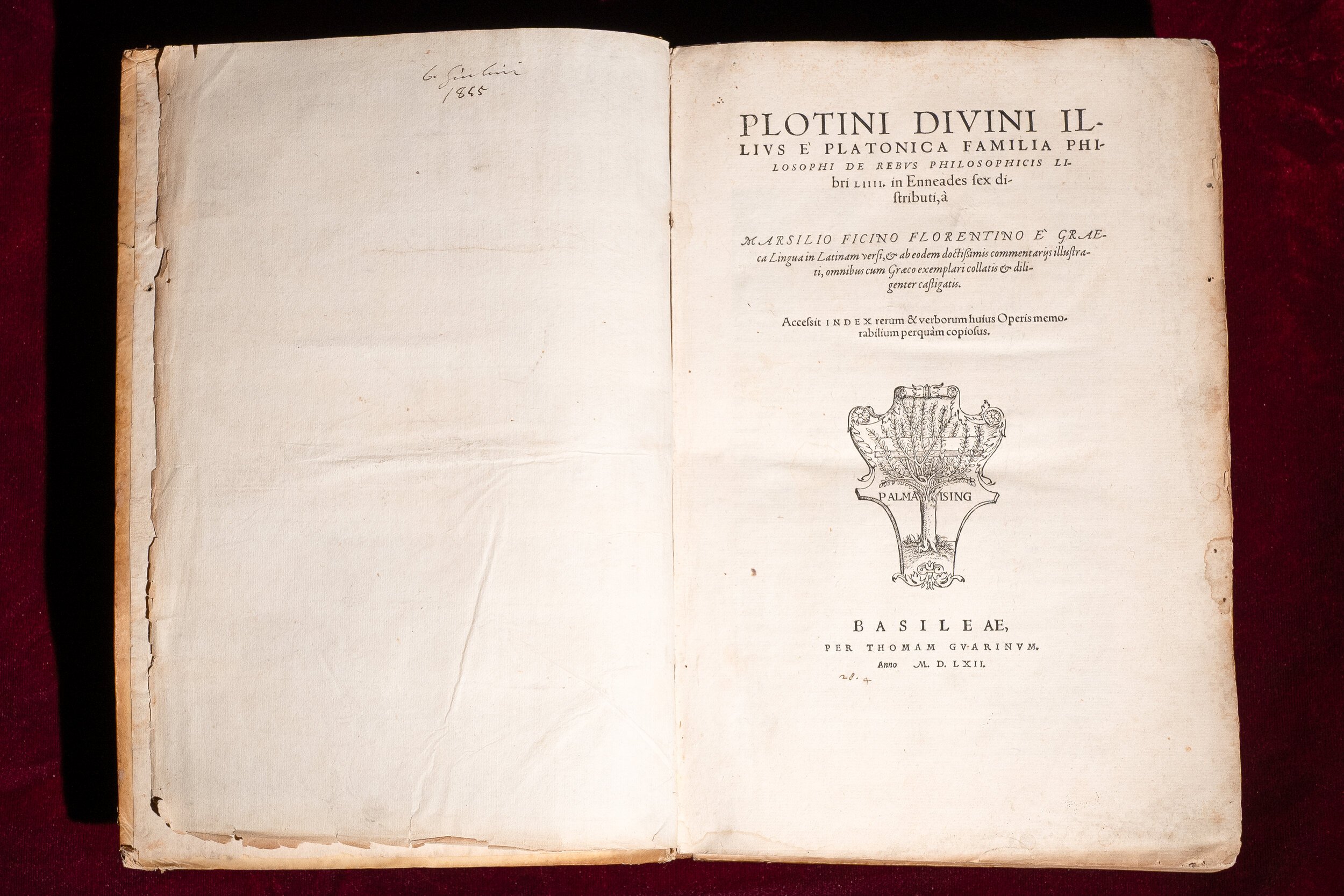 Image 2 of 30
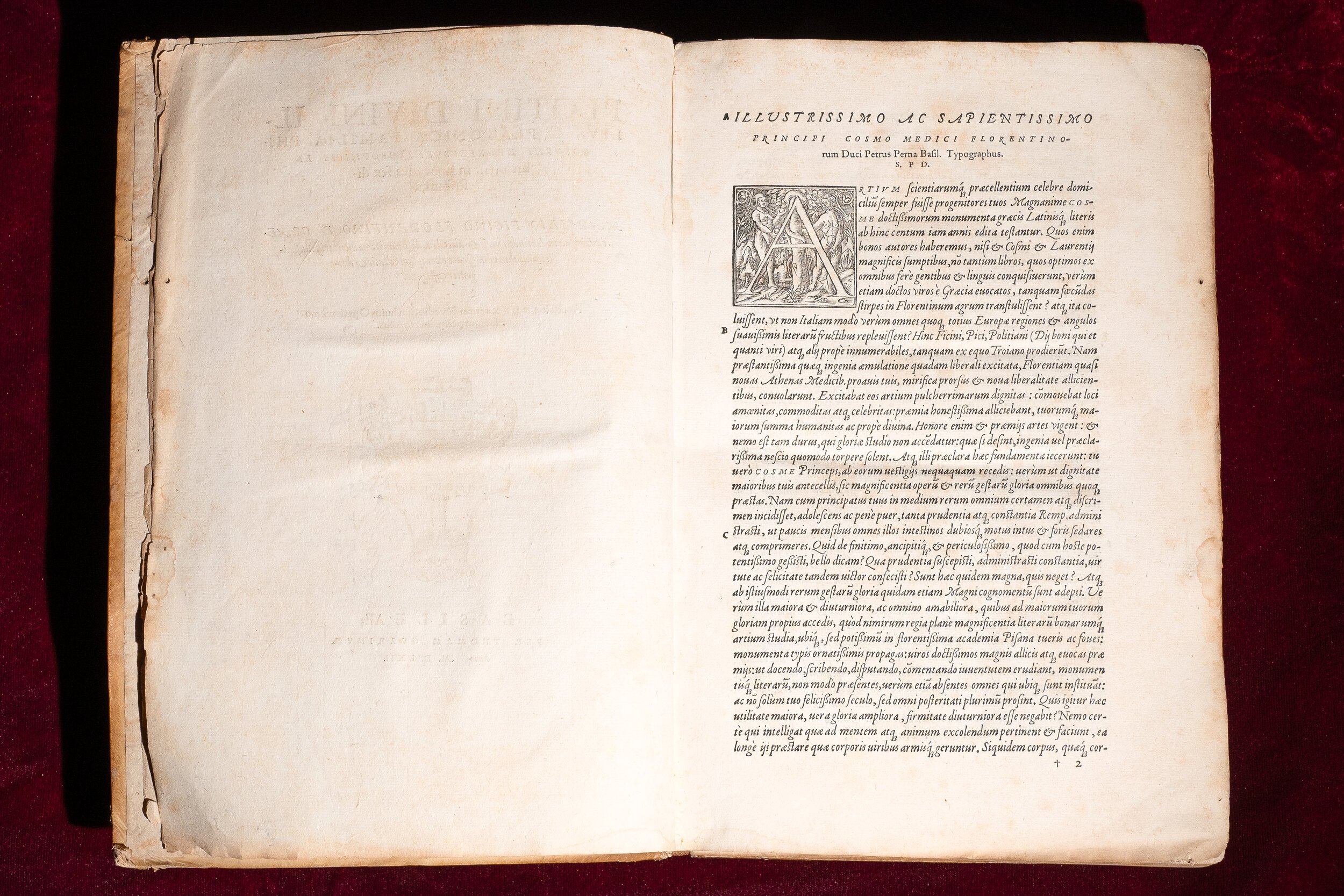 Image 3 of 30
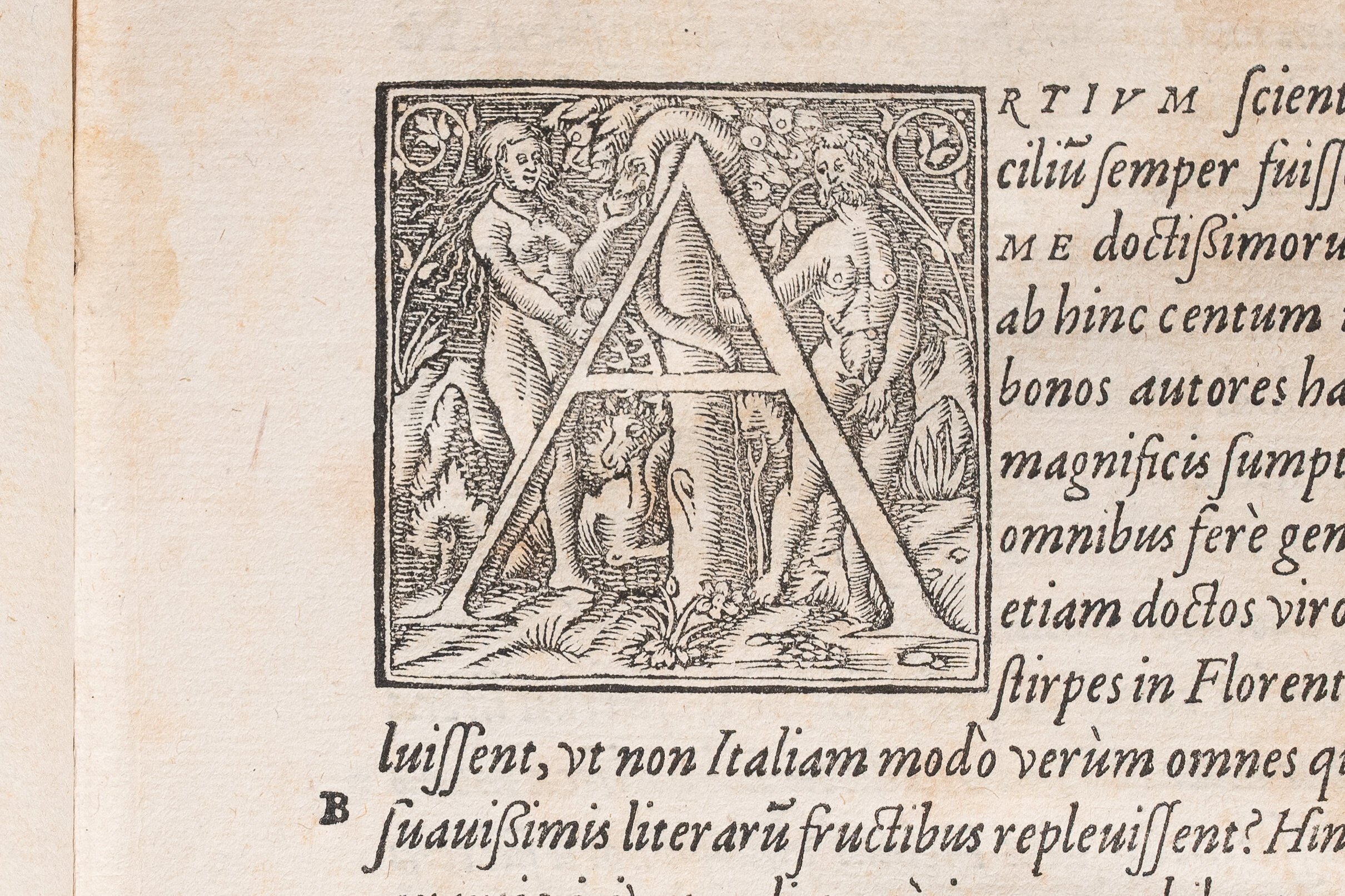 Image 4 of 30
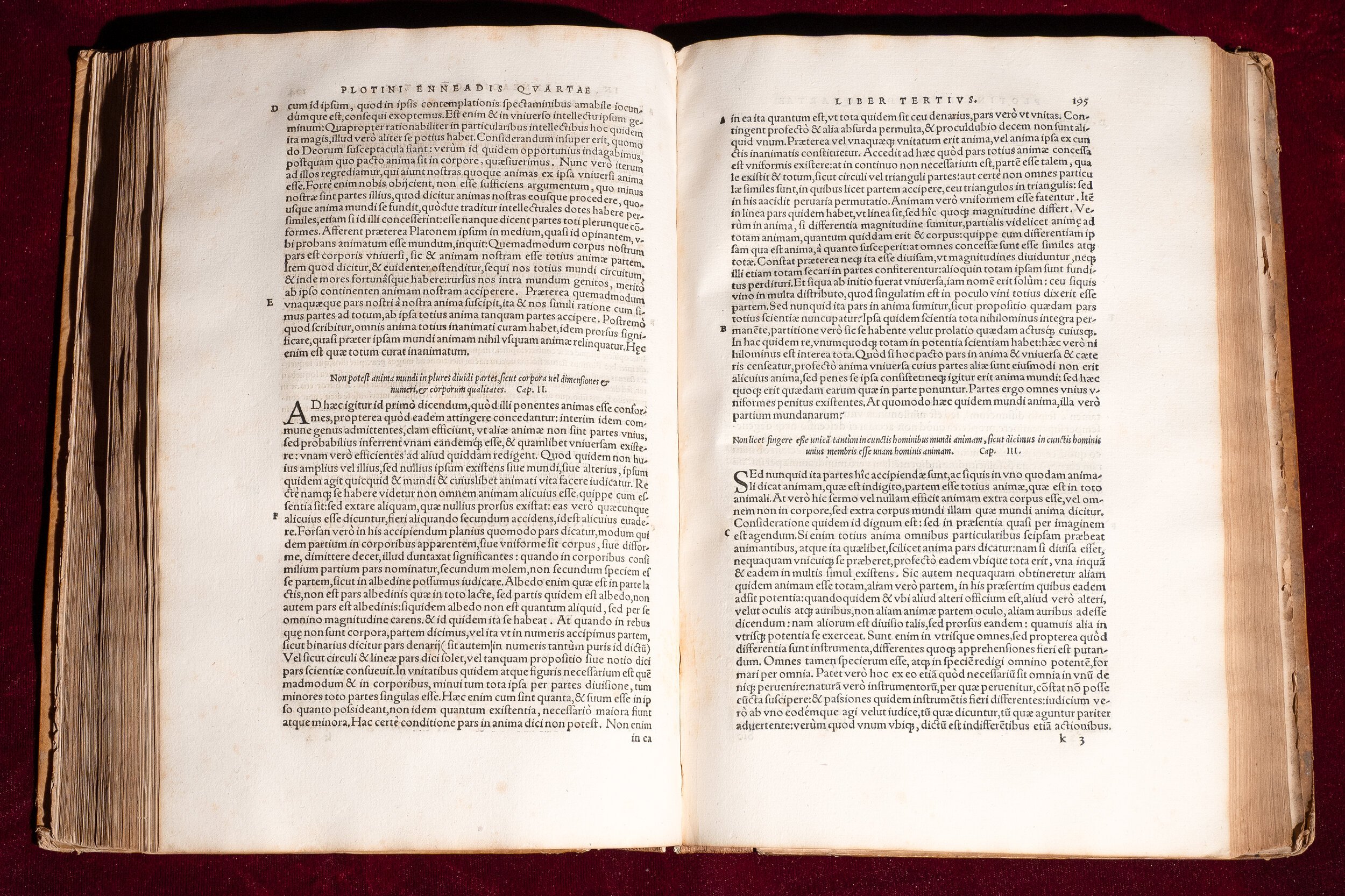 Image 5 of 30
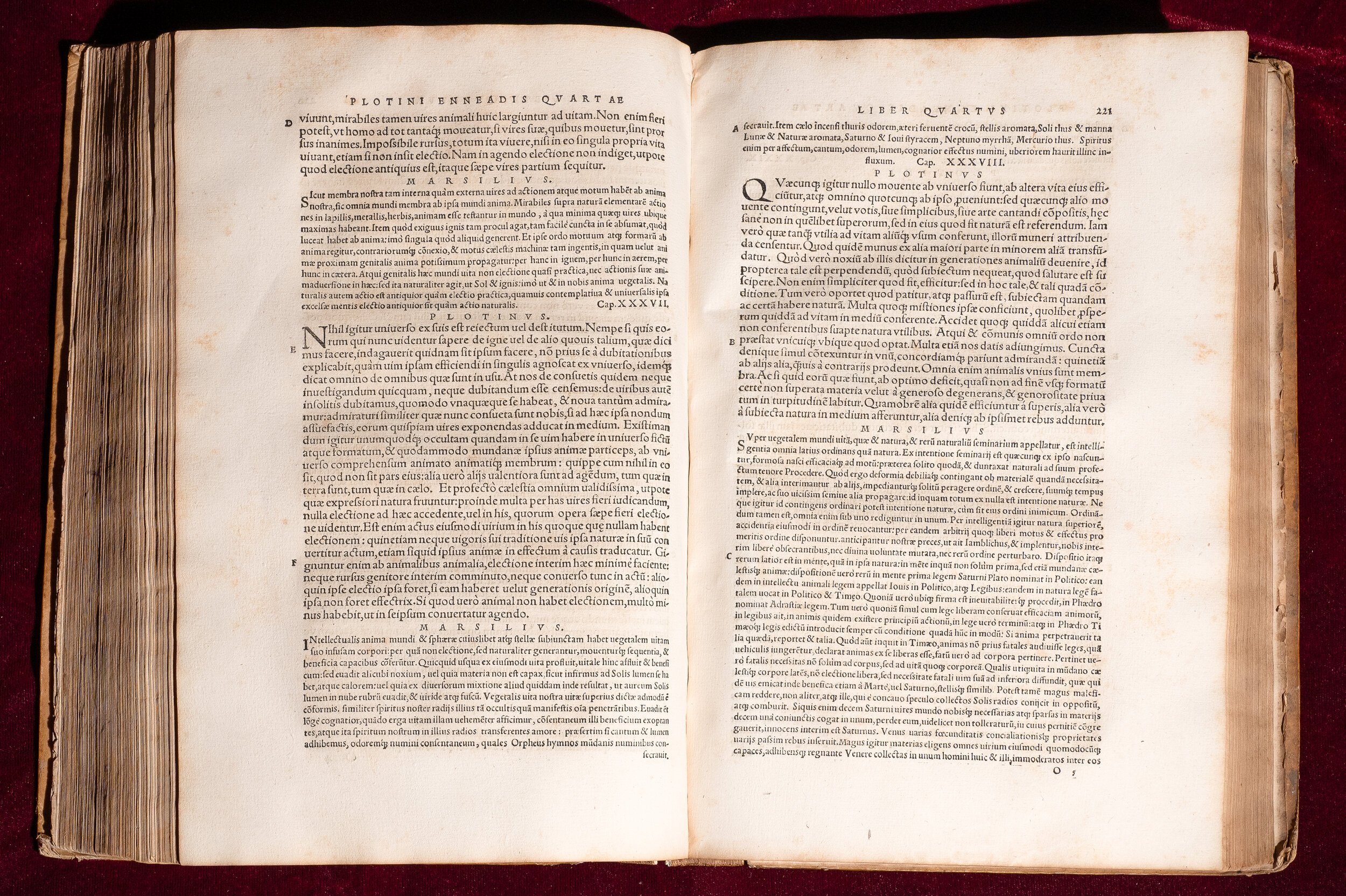 Image 6 of 30
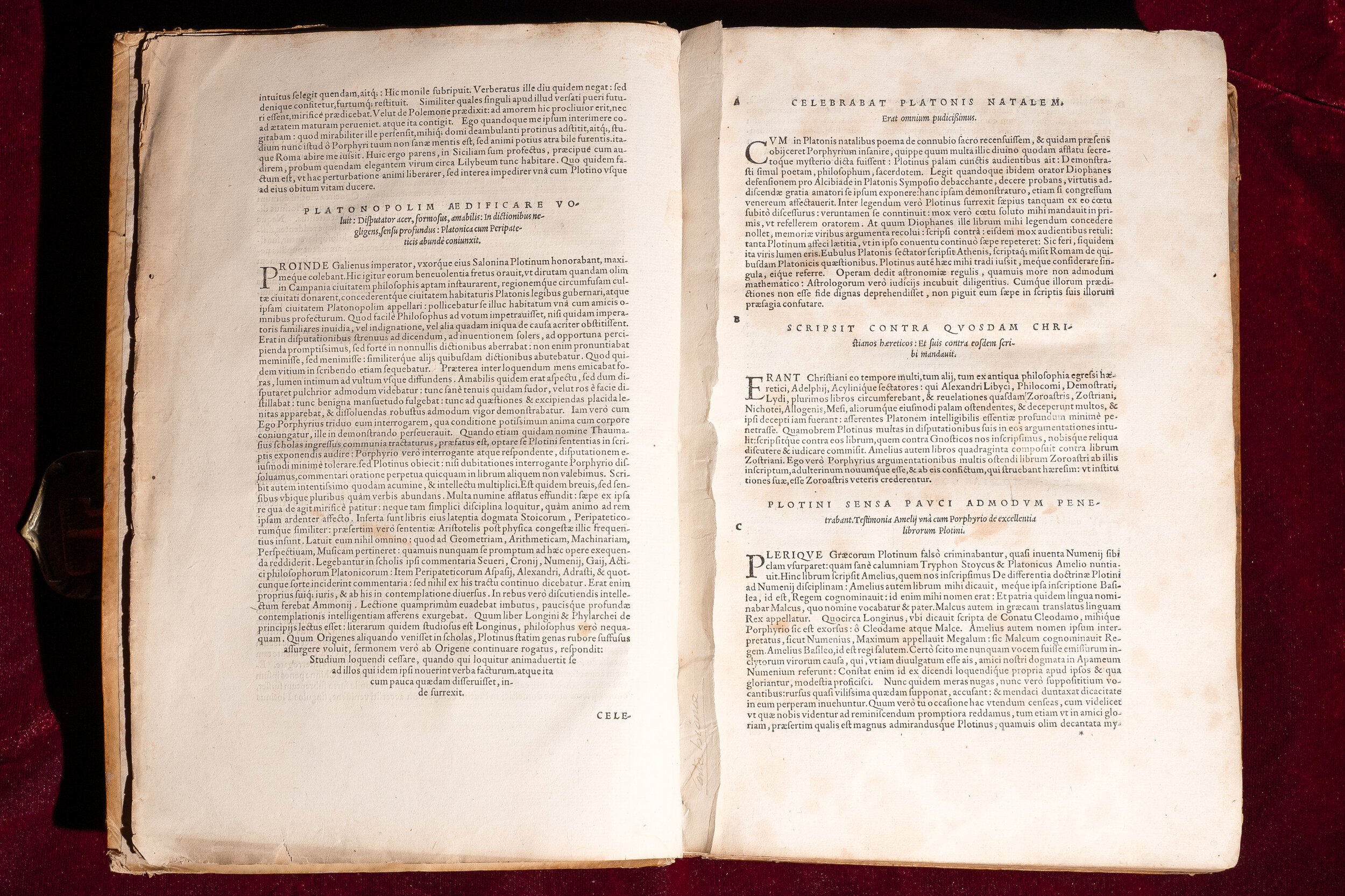 Image 7 of 30
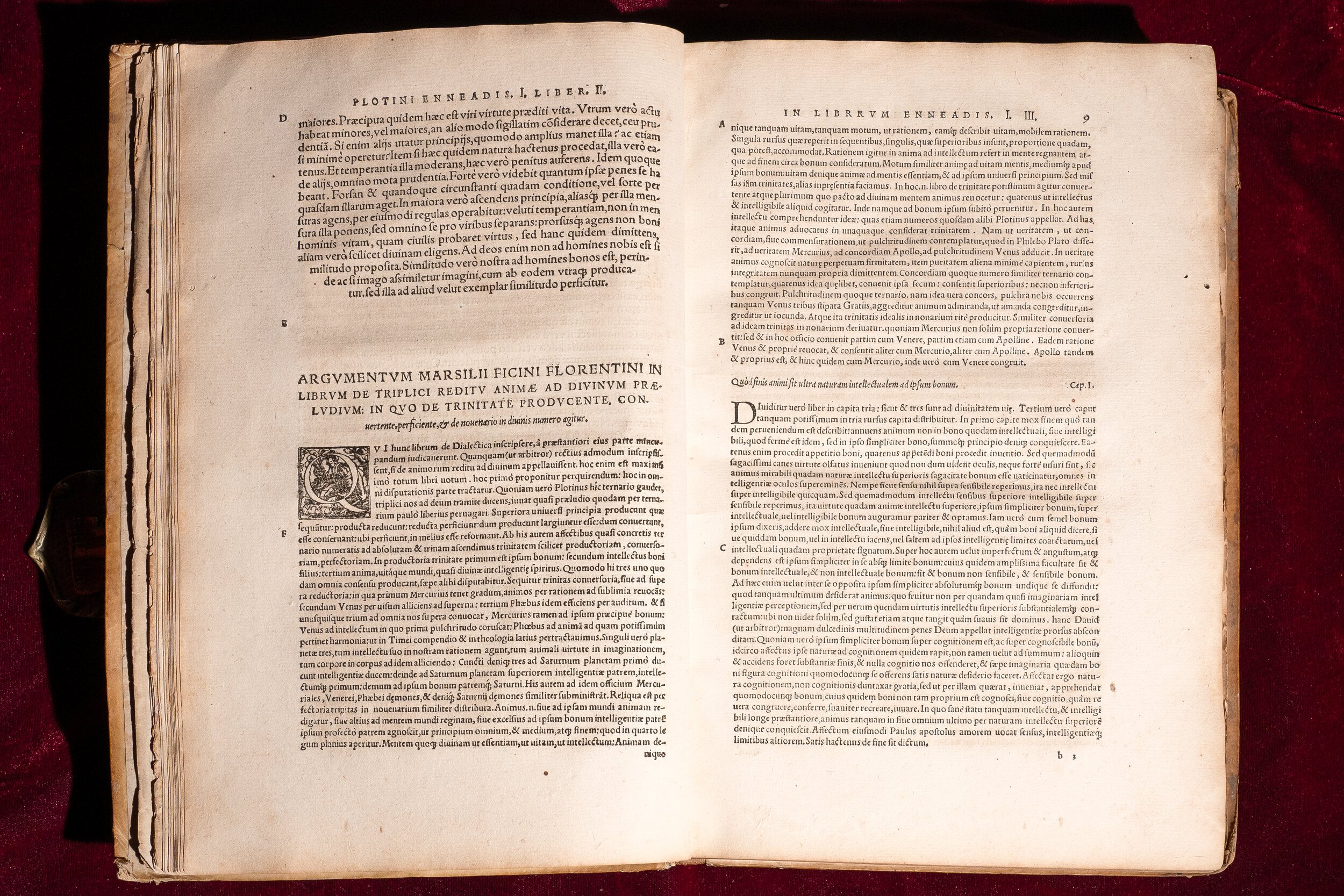 Image 8 of 30
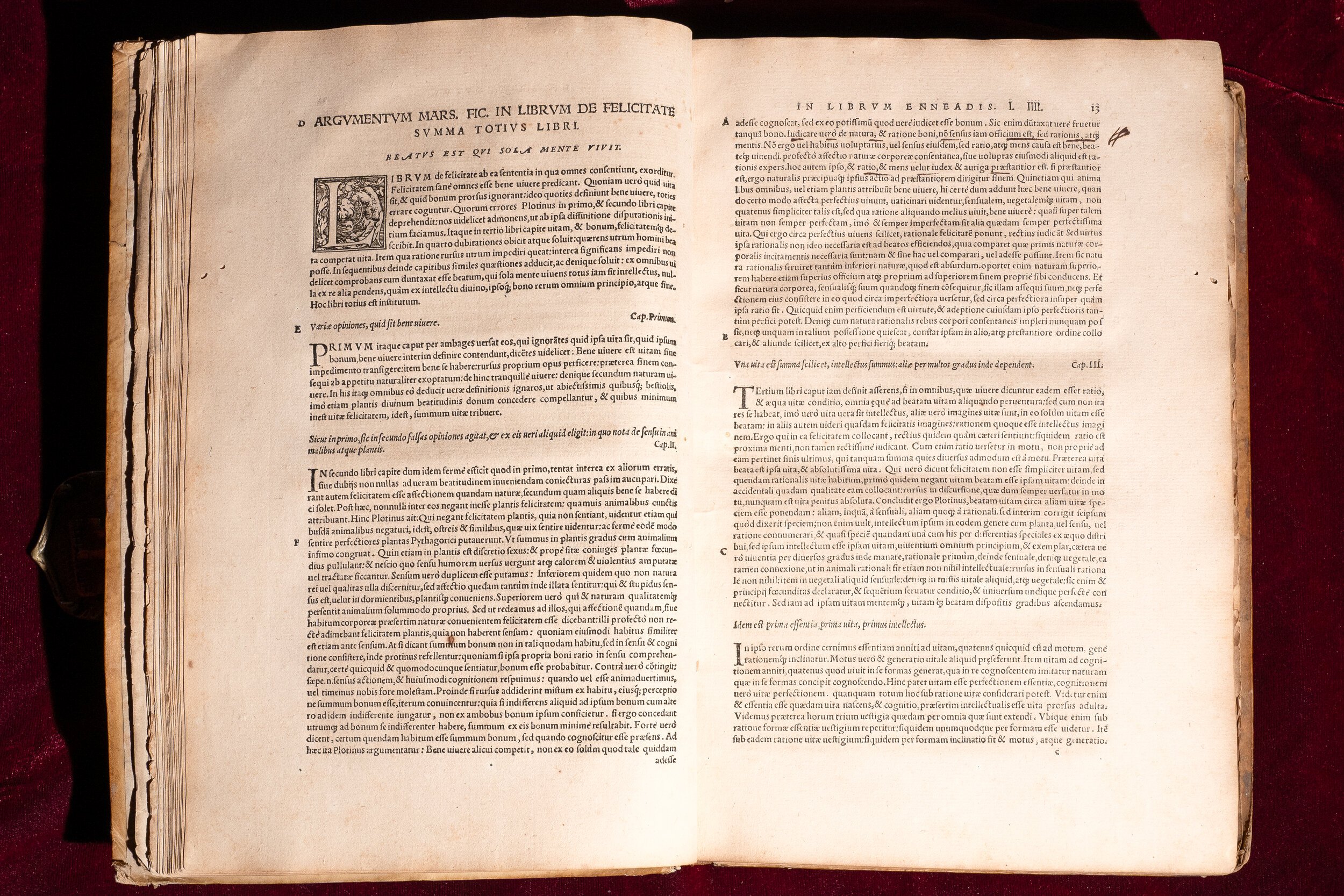 Image 9 of 30
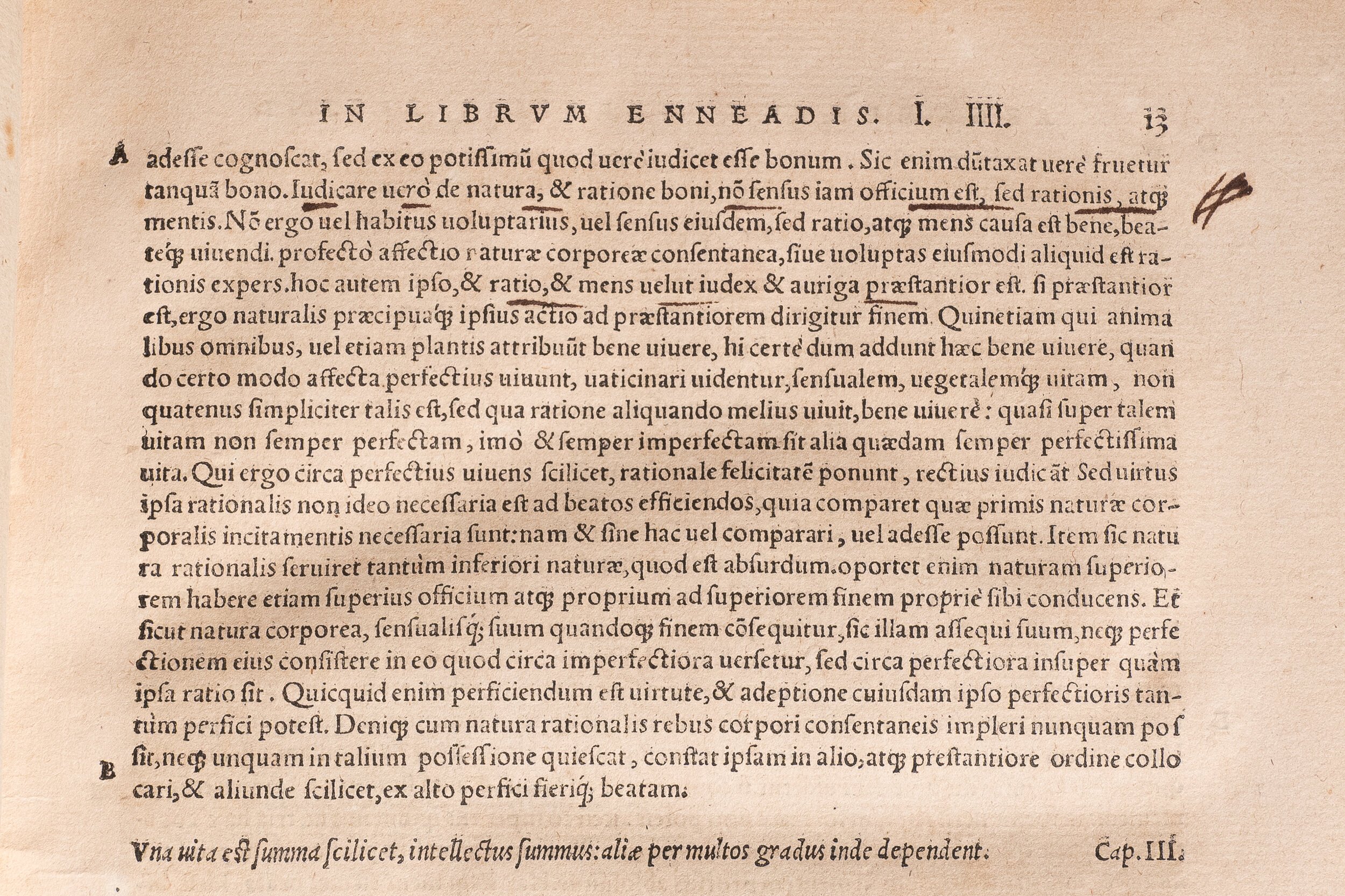 Image 10 of 30
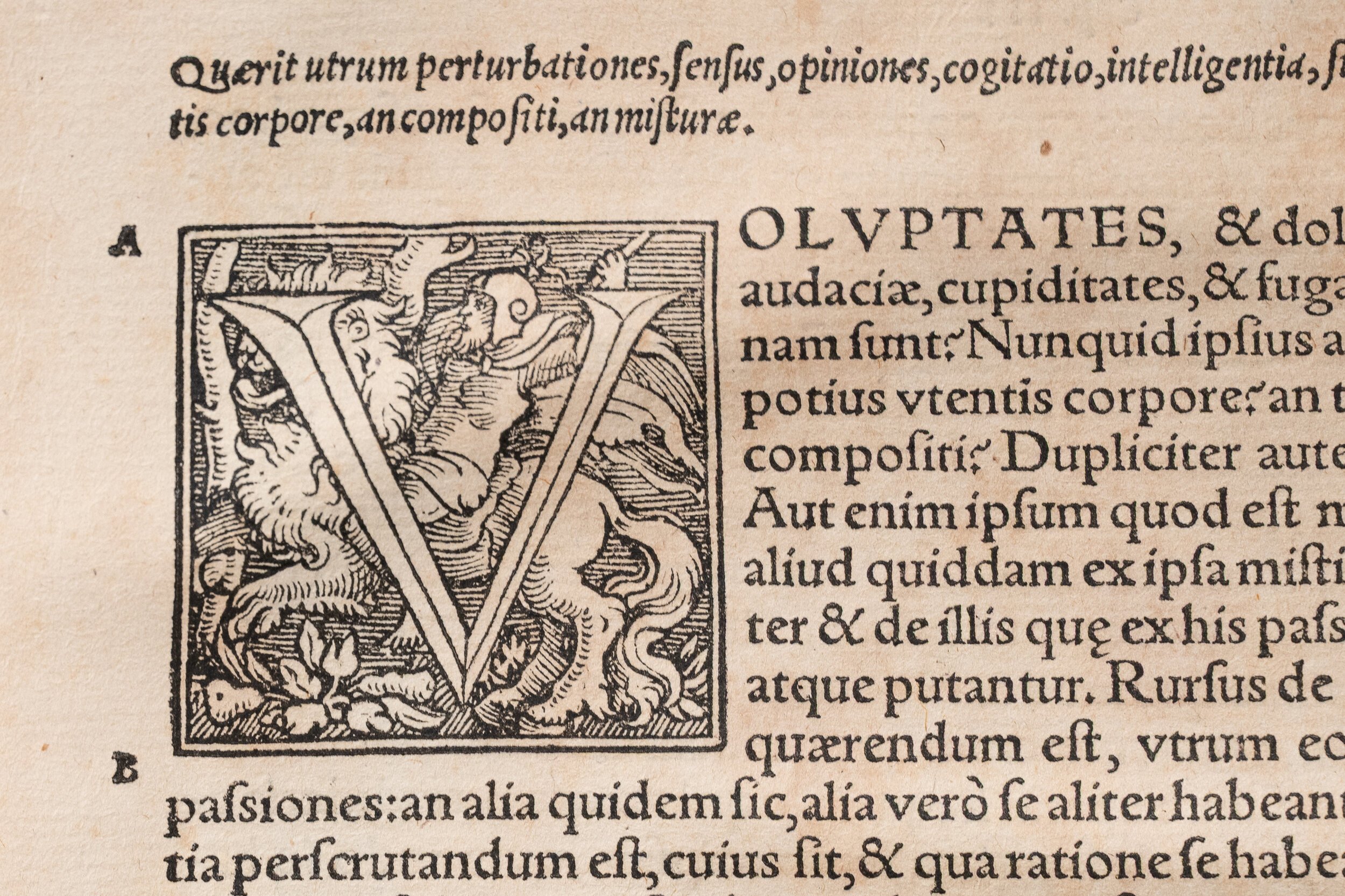 Image 11 of 30
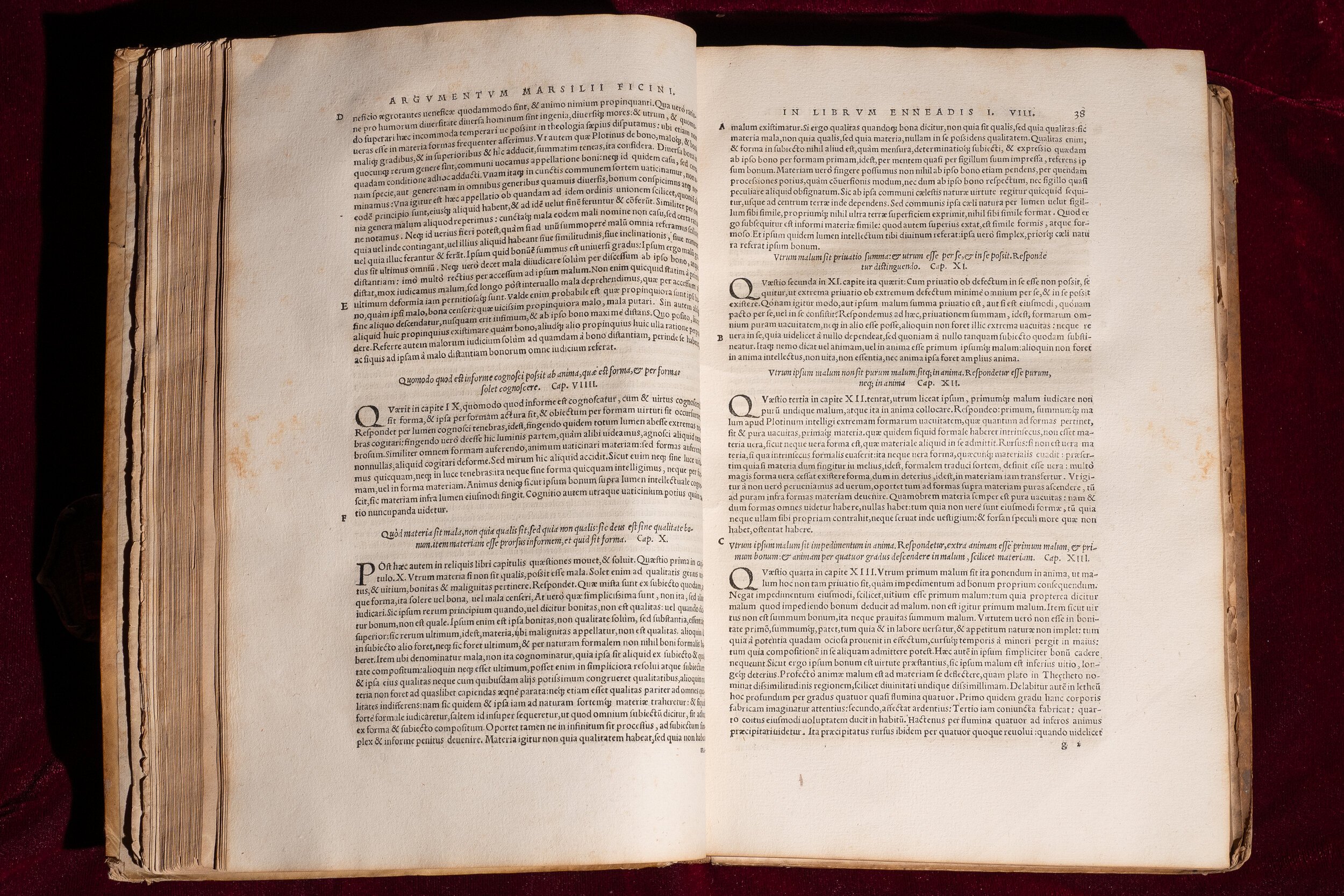 Image 12 of 30
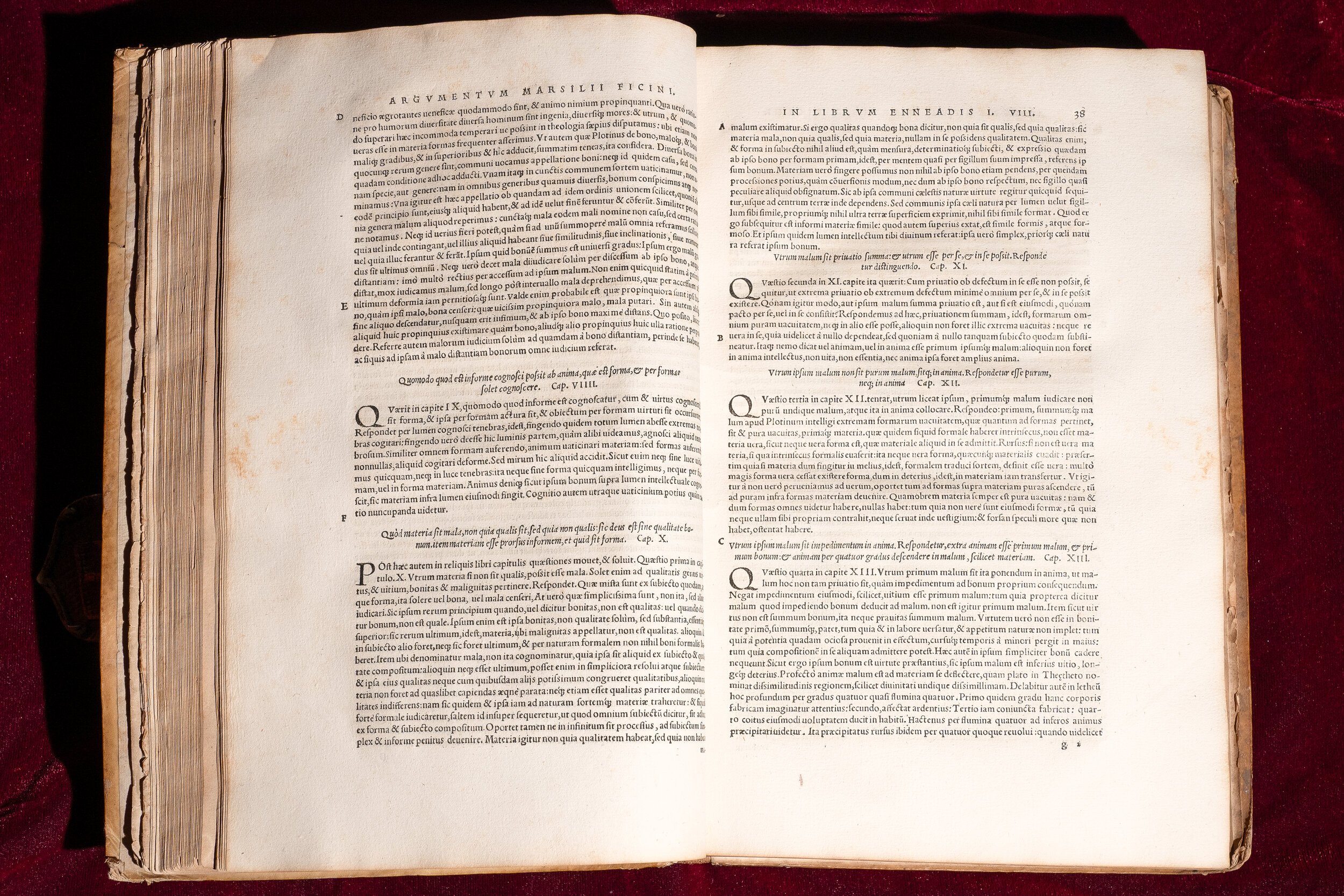 Image 13 of 30
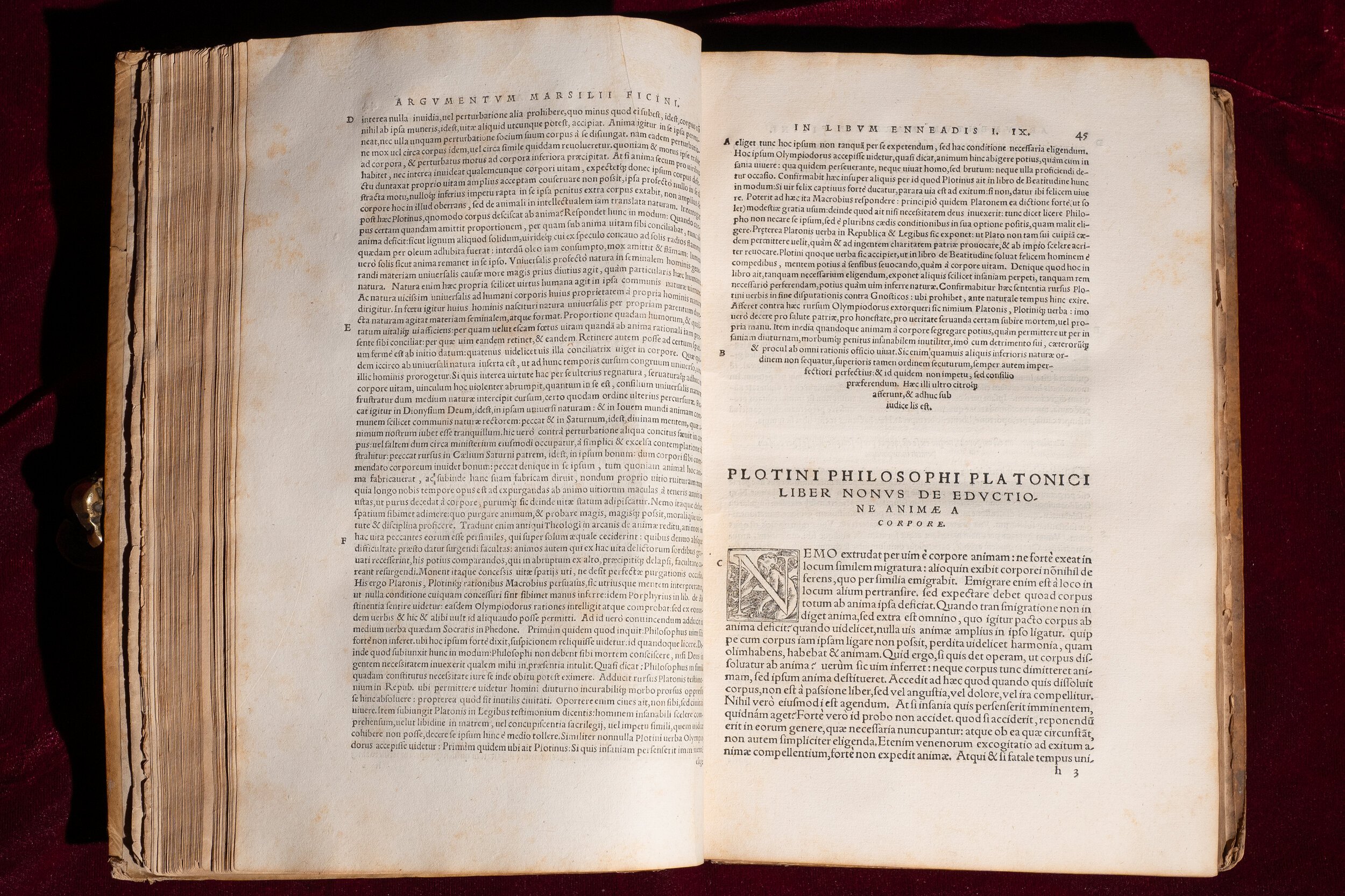 Image 14 of 30
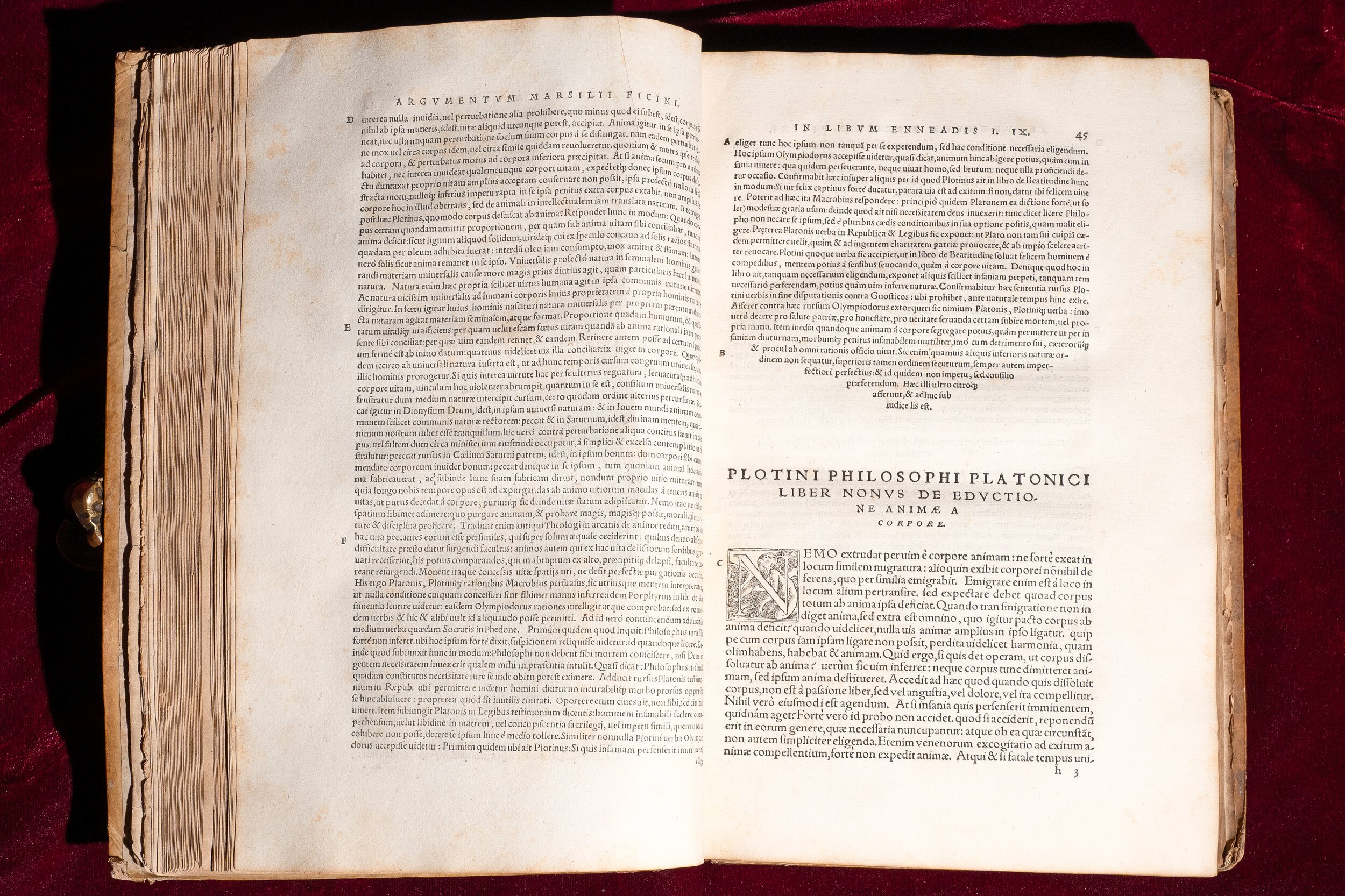 Image 15 of 30
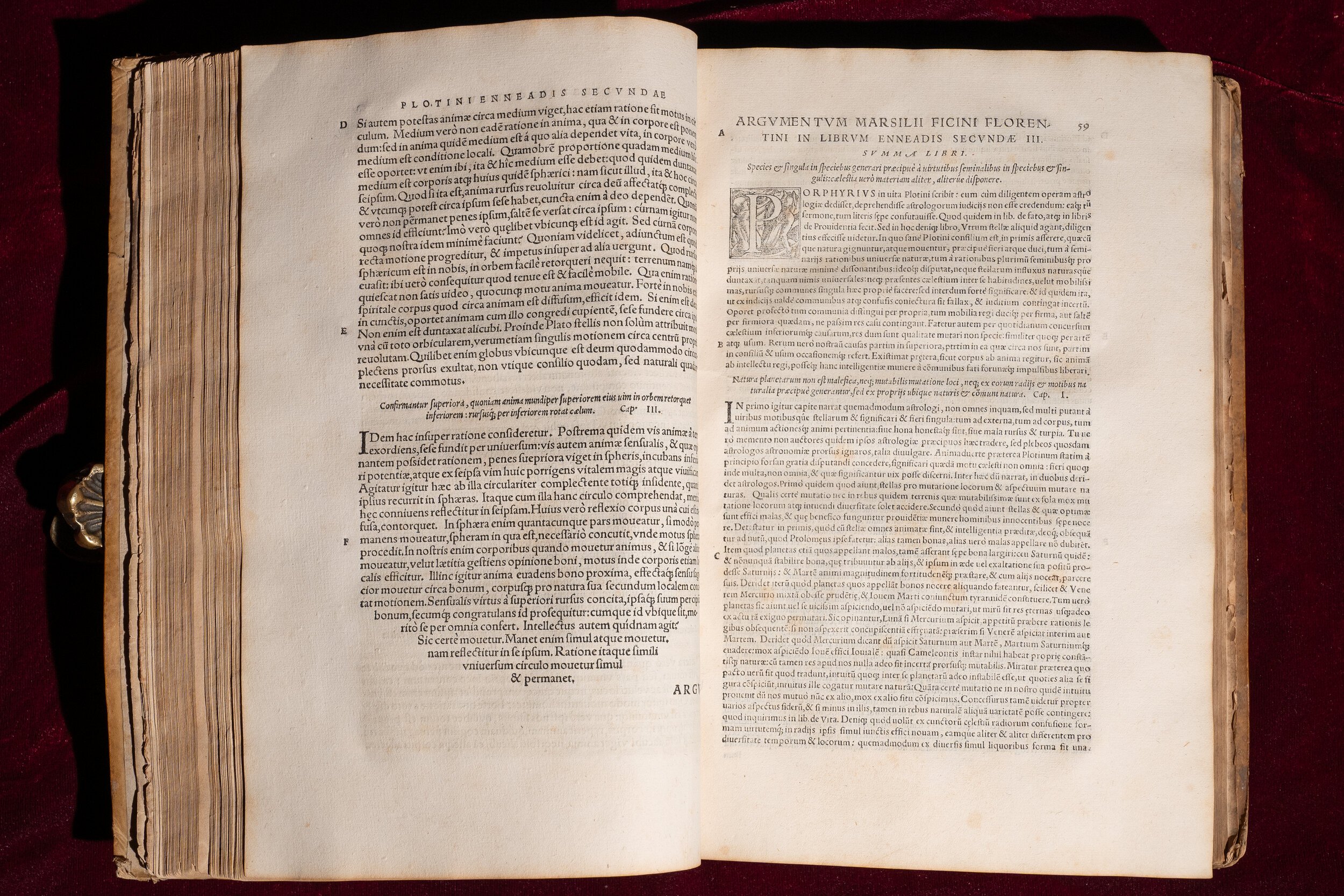 Image 16 of 30
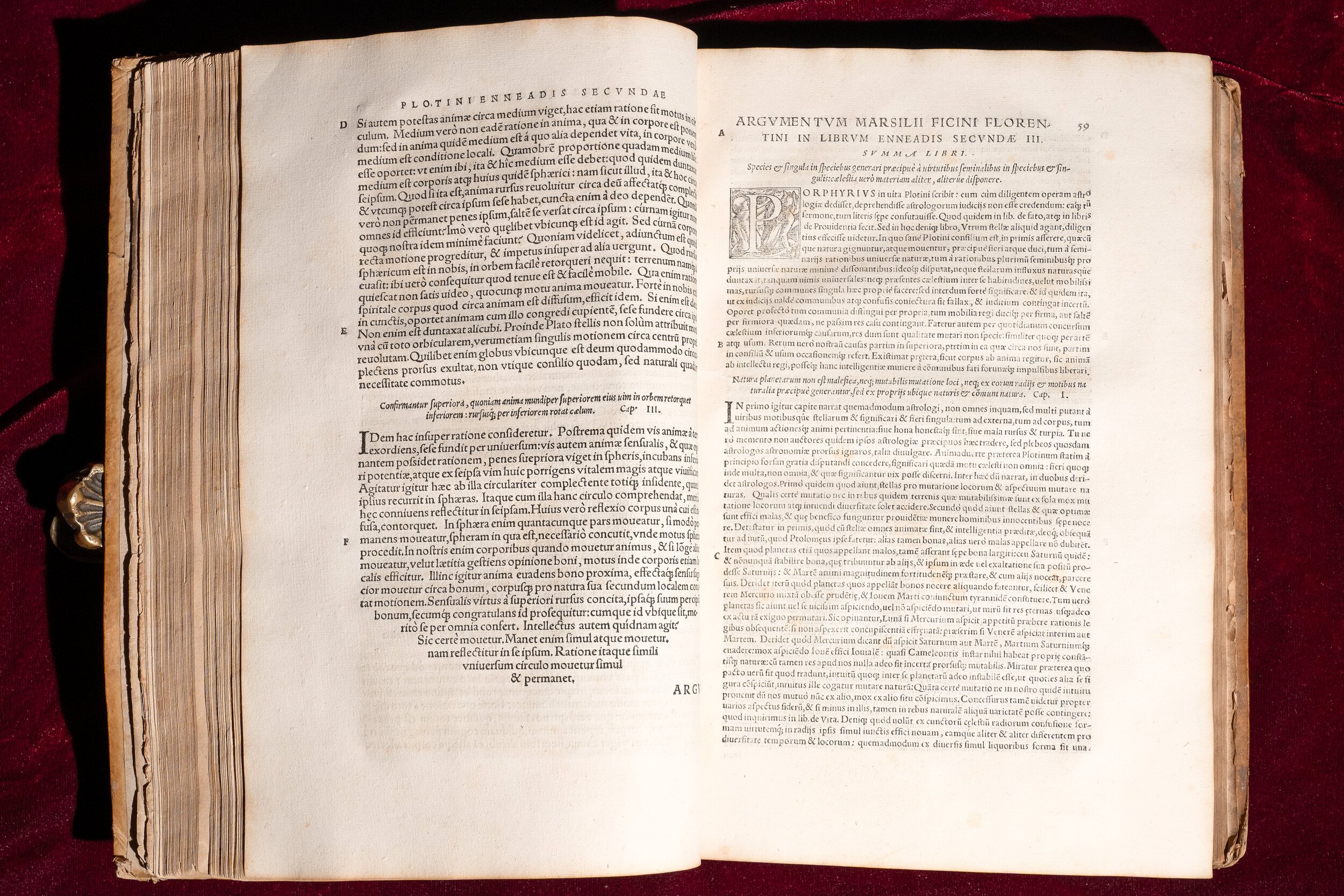 Image 17 of 30
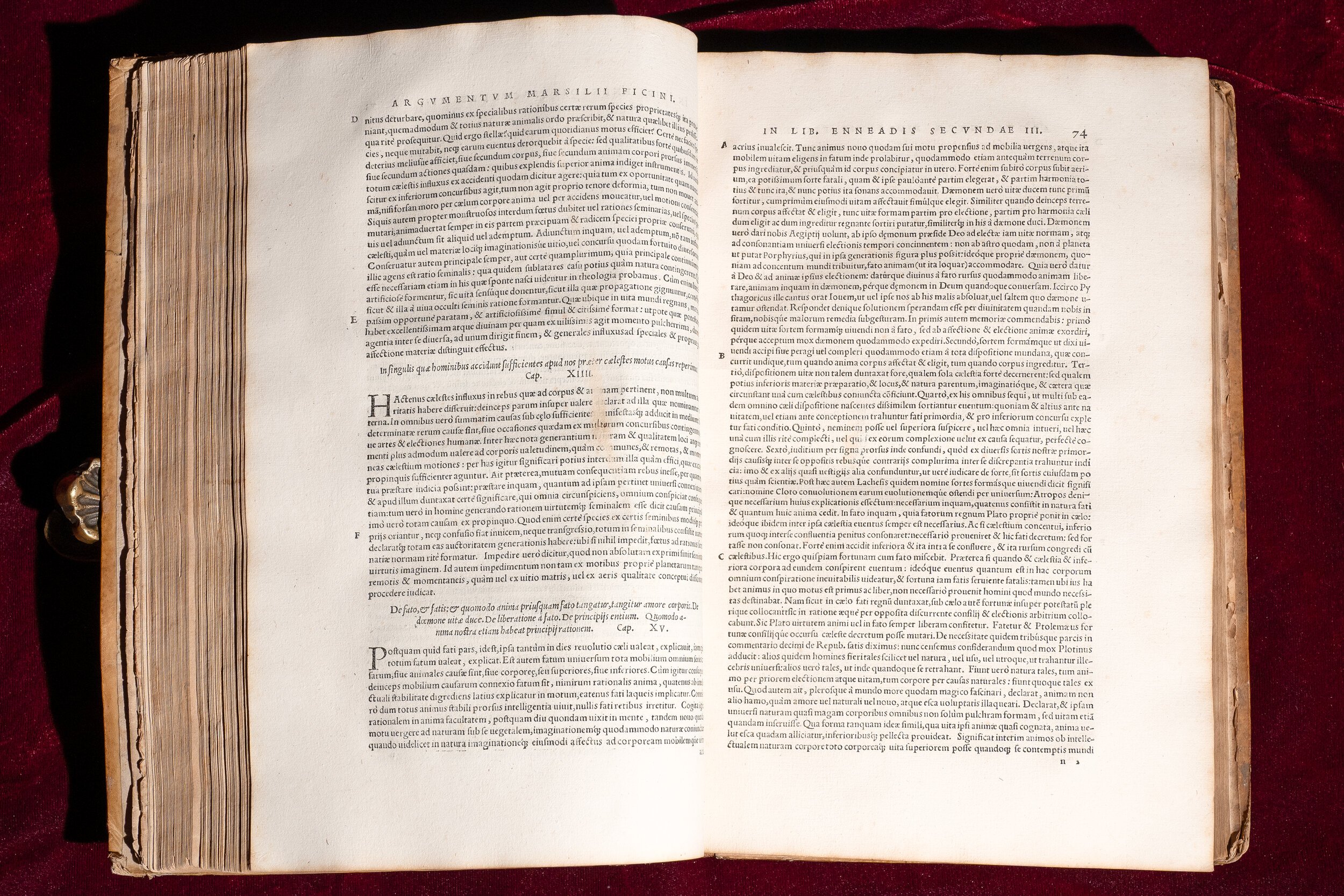 Image 18 of 30
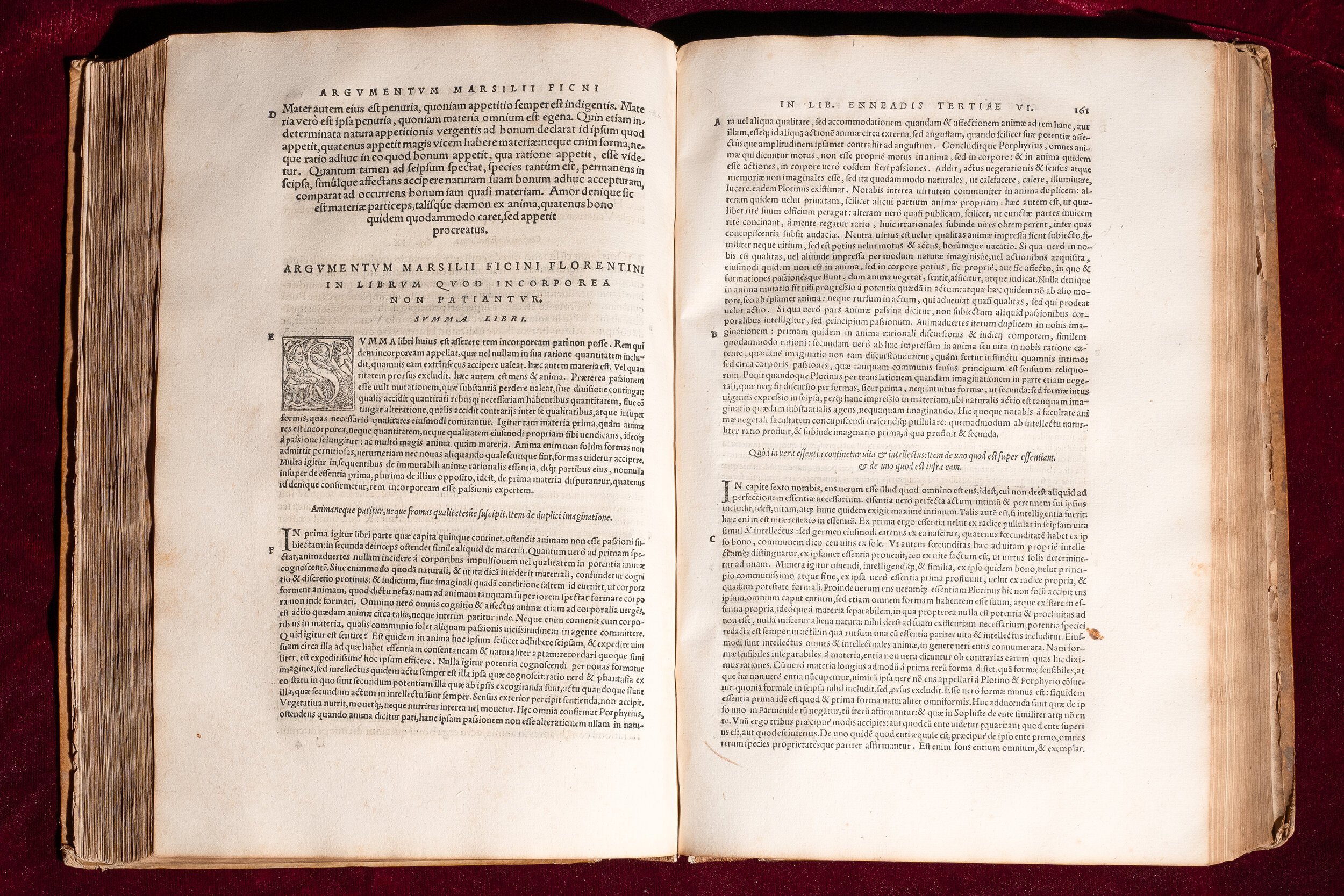 Image 19 of 30
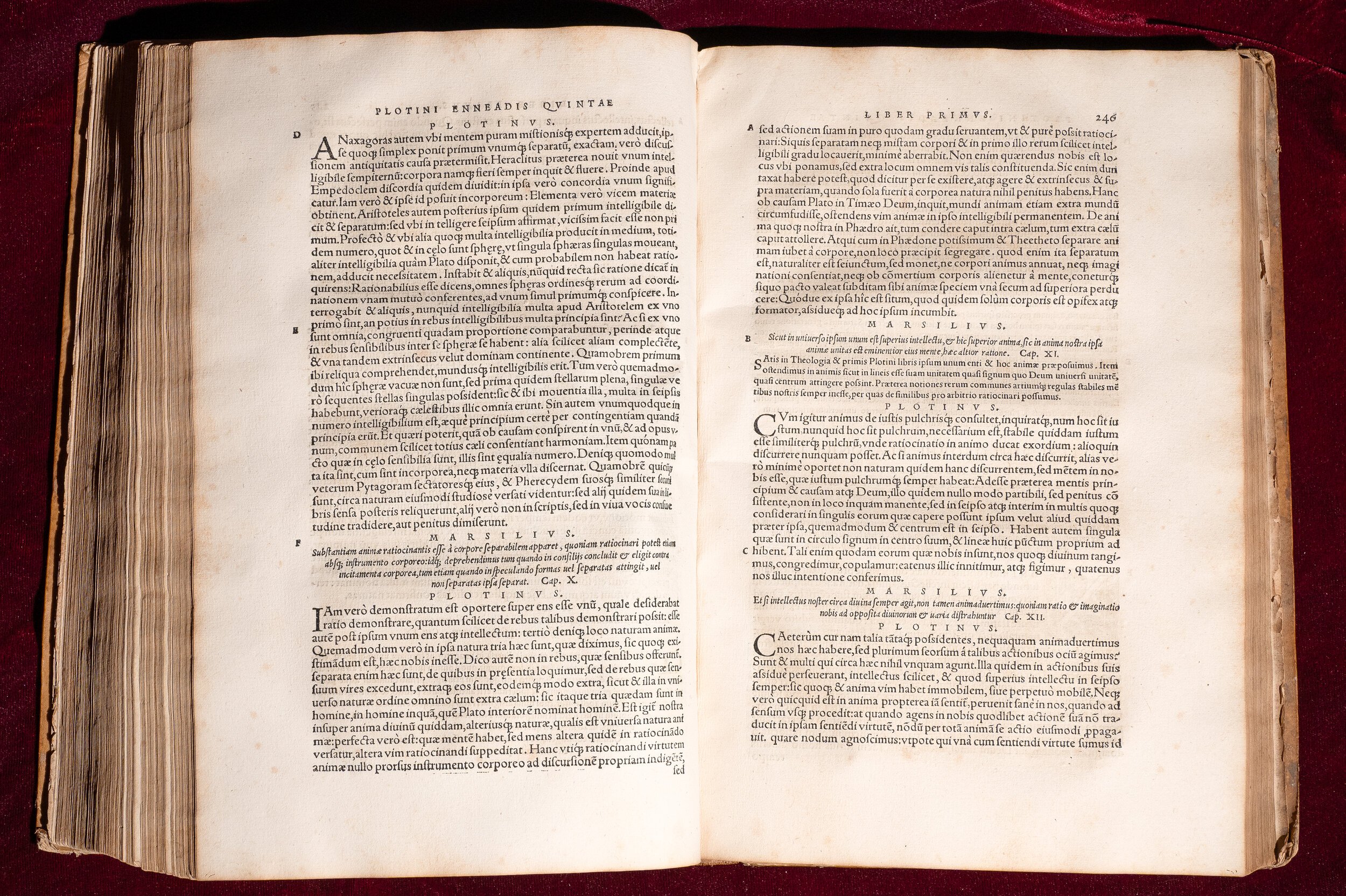 Image 20 of 30
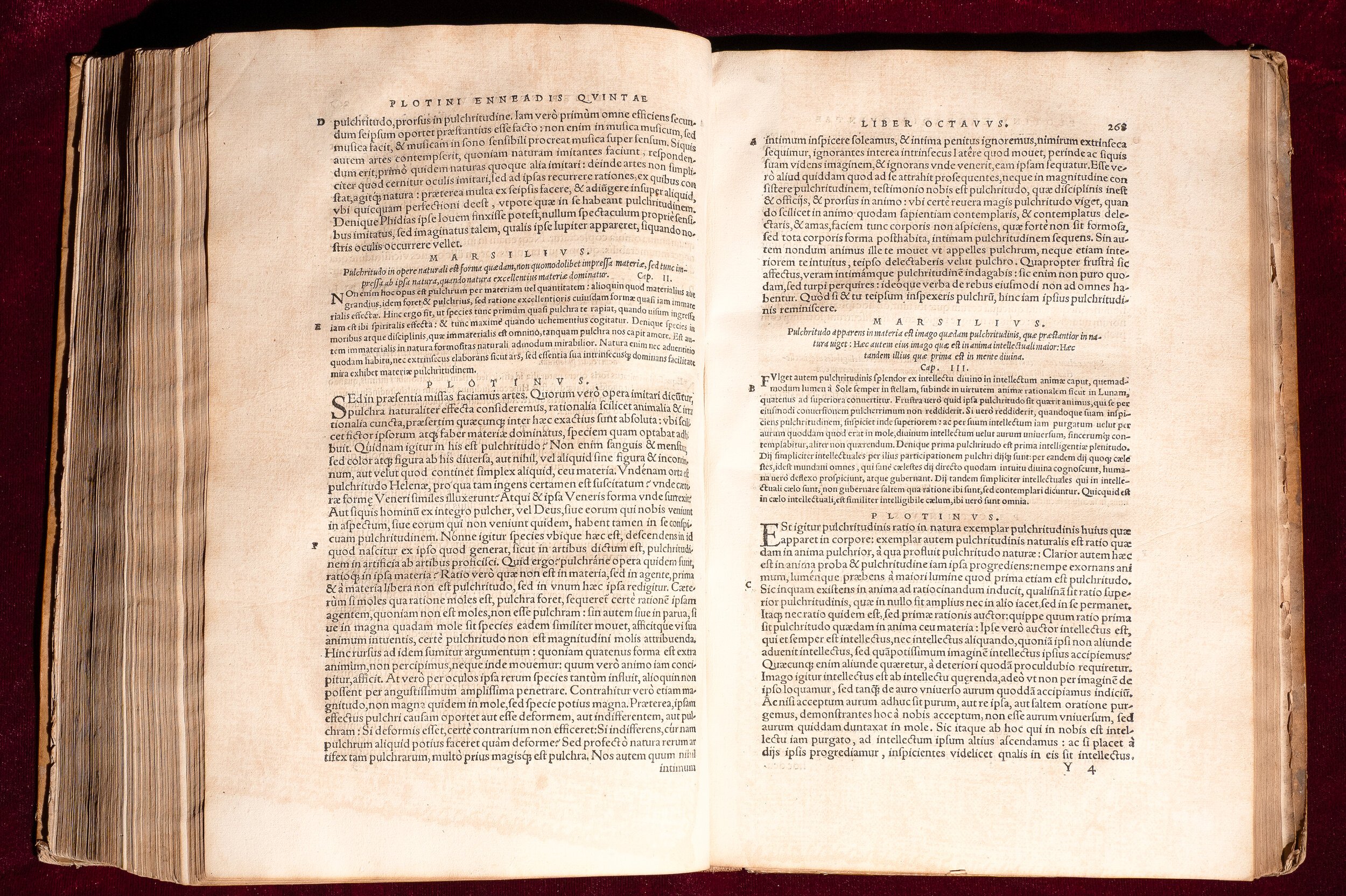 Image 21 of 30
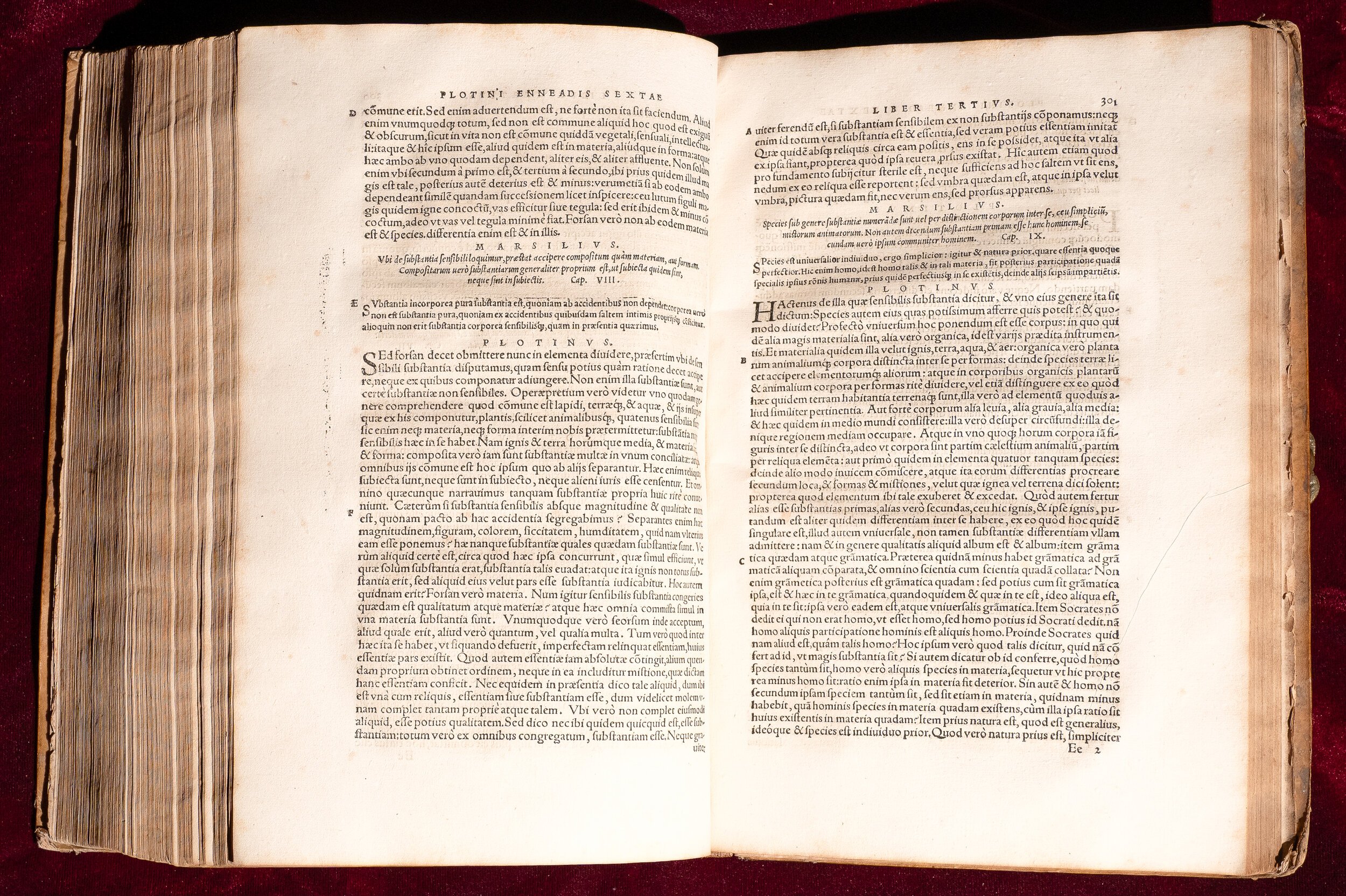 Image 22 of 30
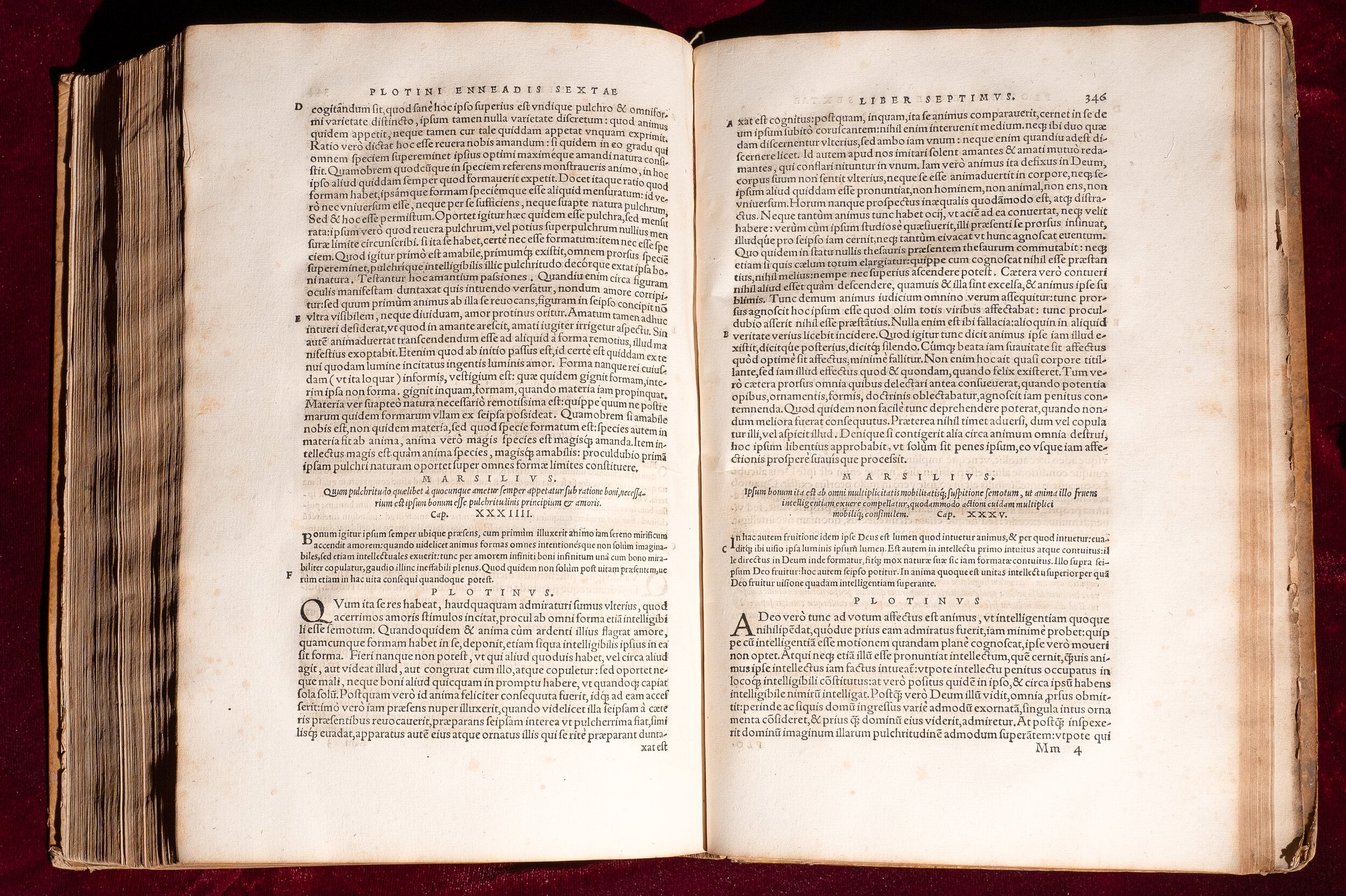 Image 23 of 30
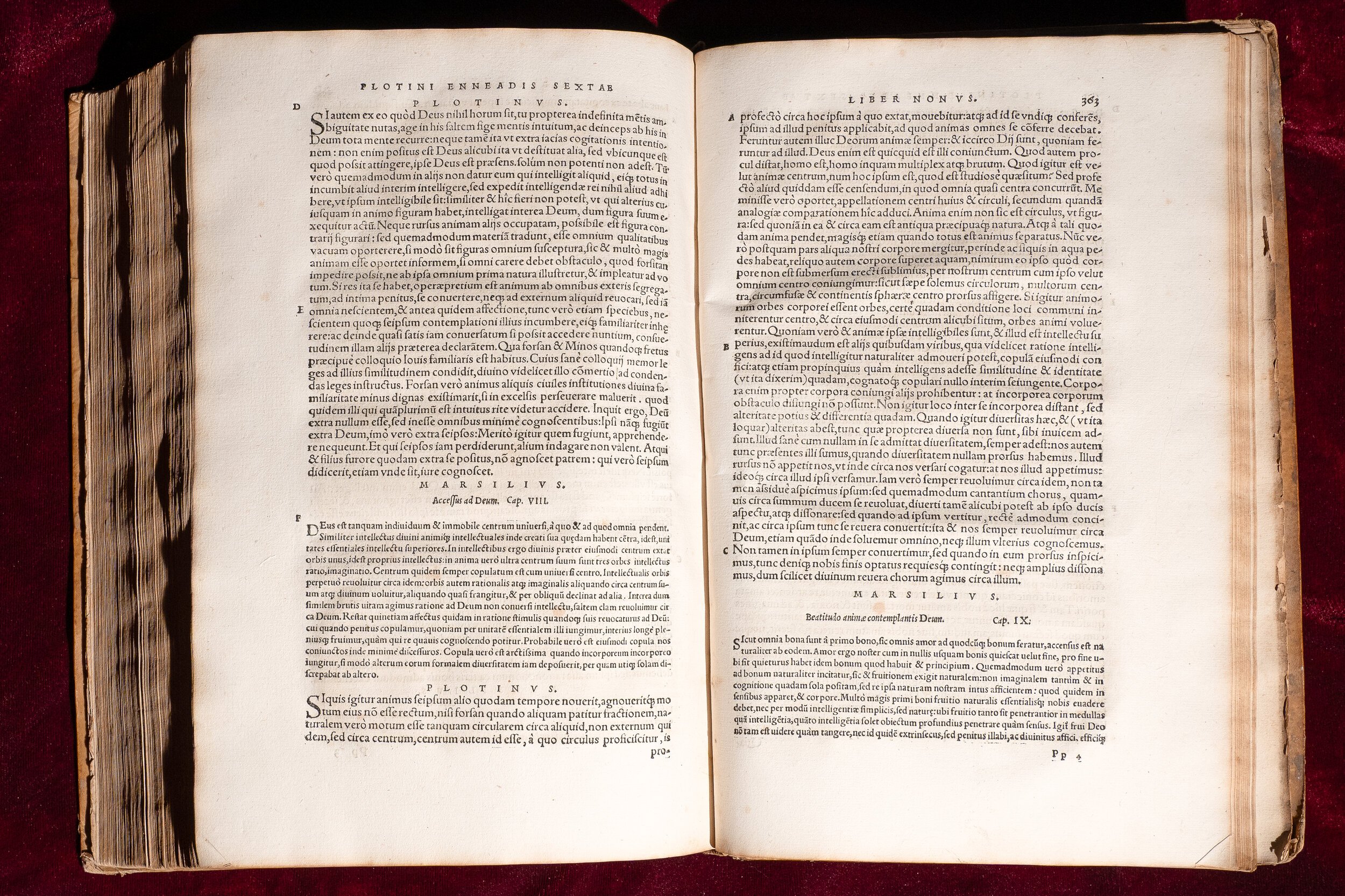 Image 24 of 30
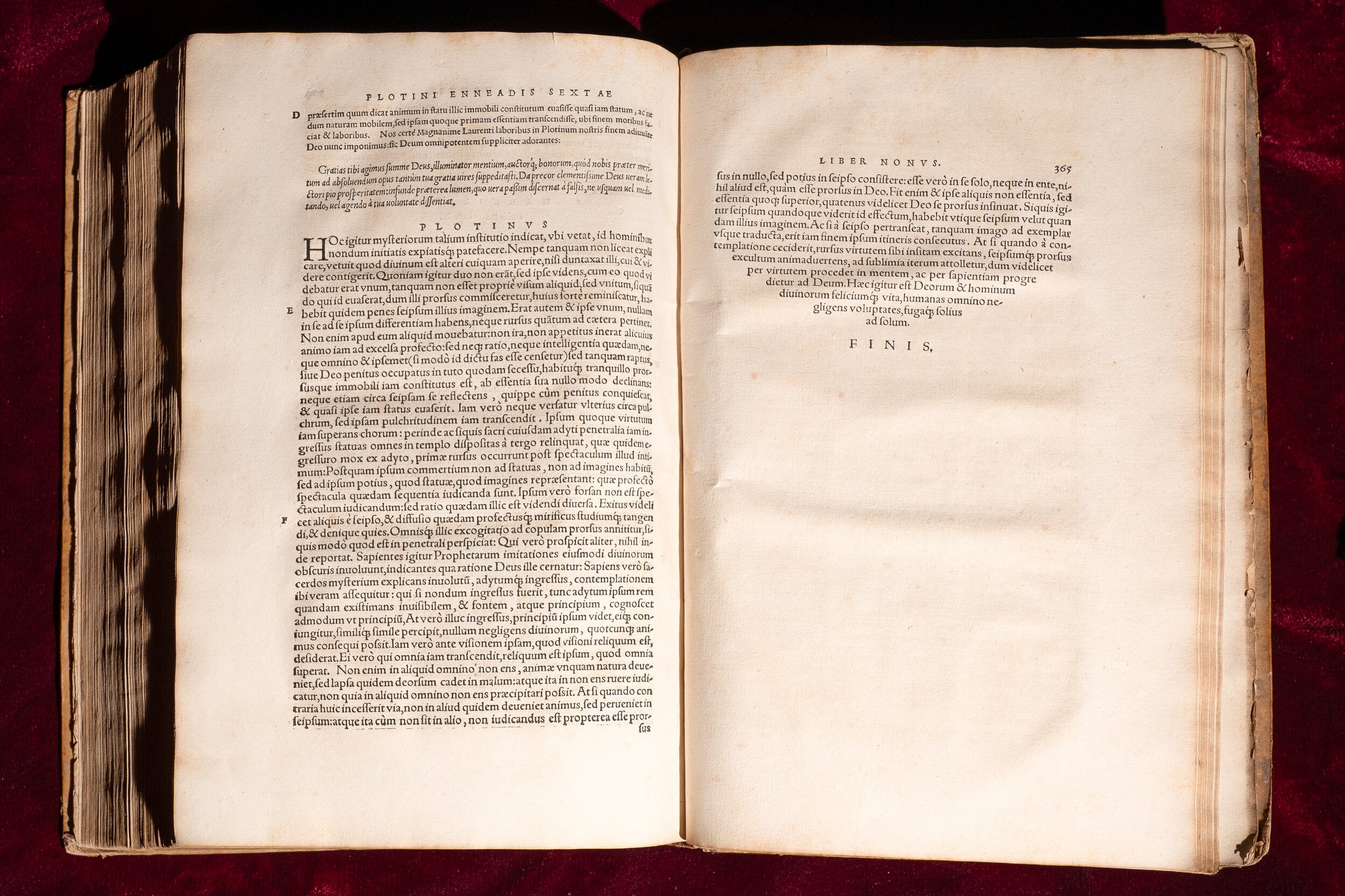 Image 25 of 30
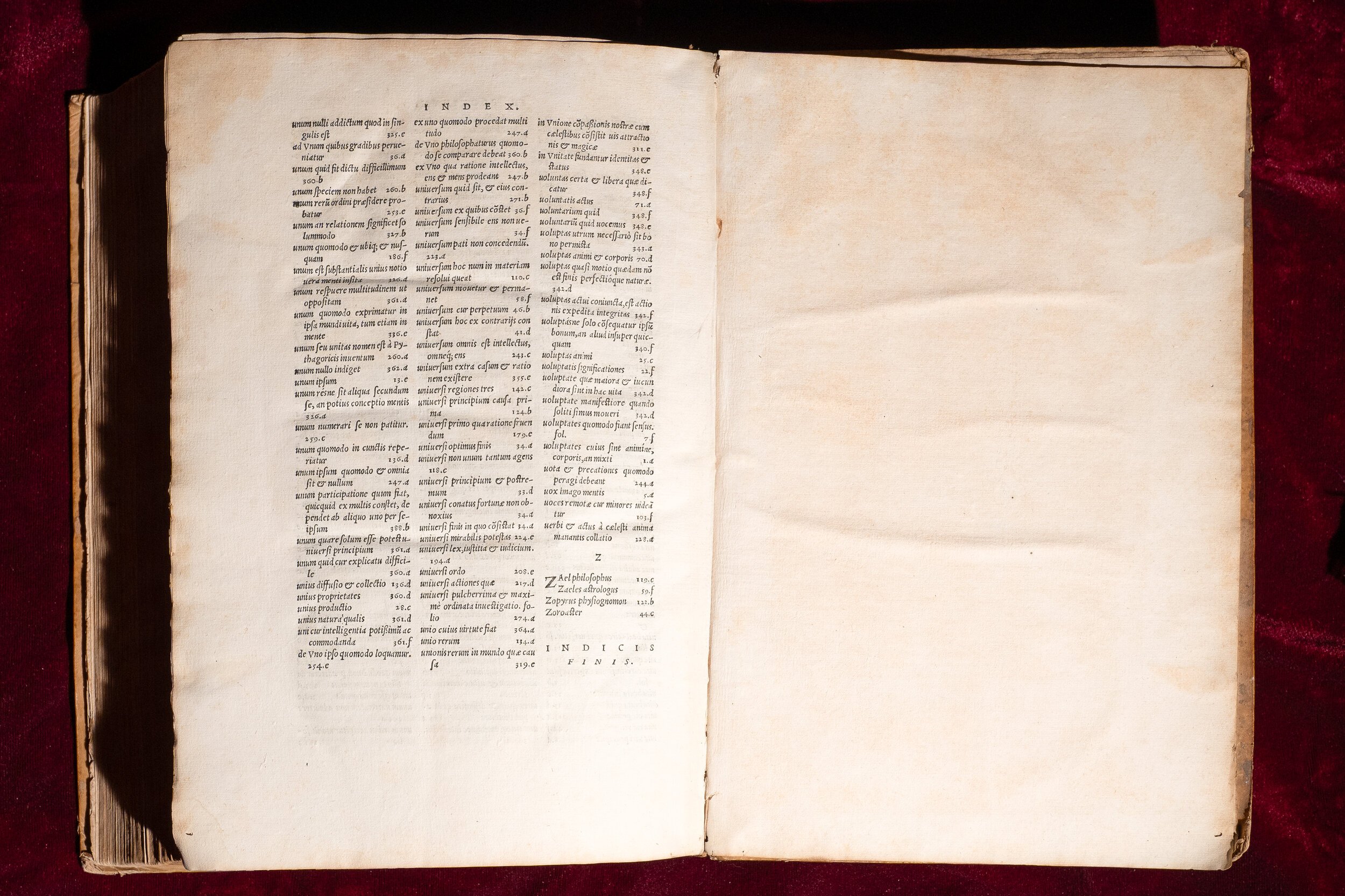 Image 26 of 30
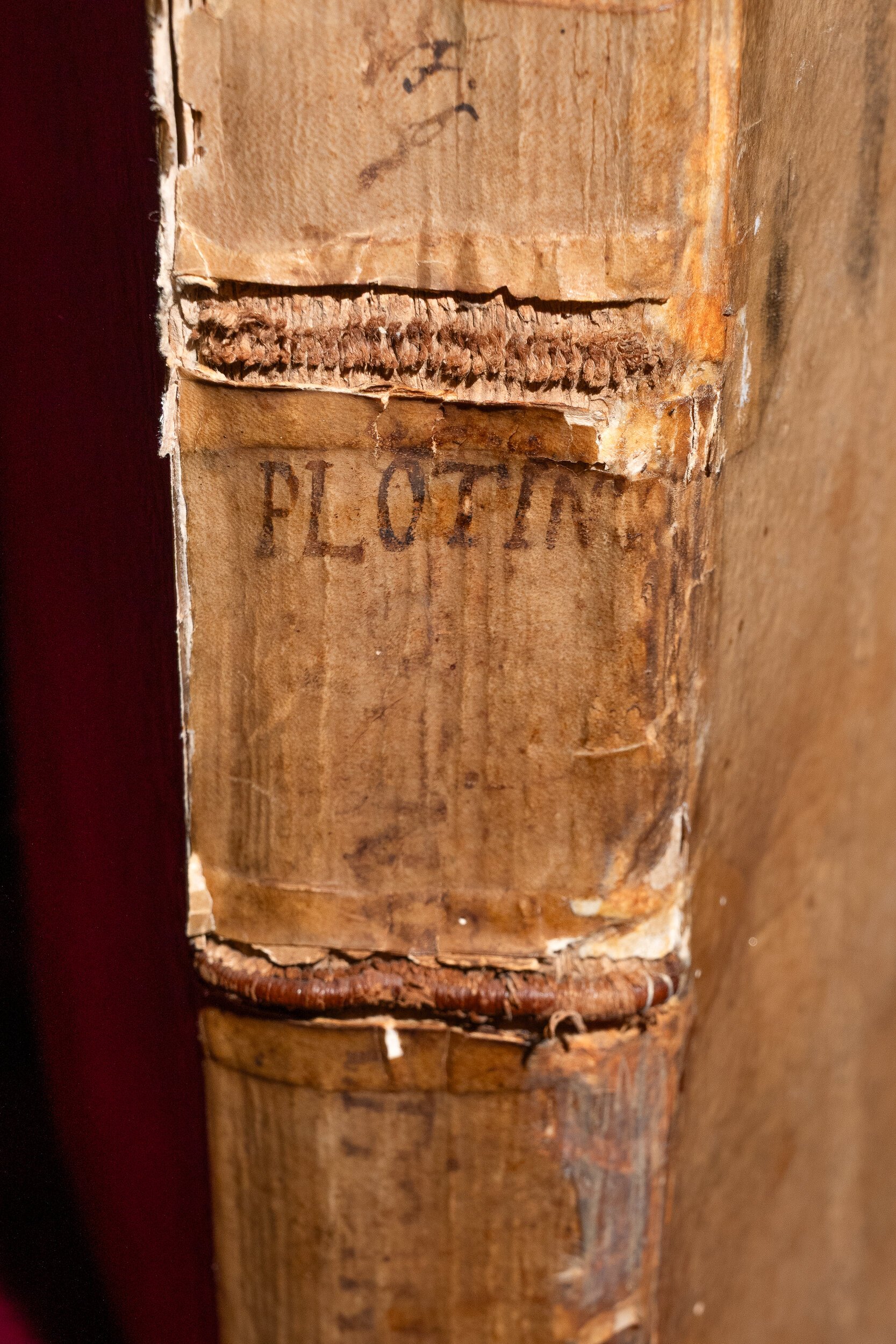 Image 27 of 30
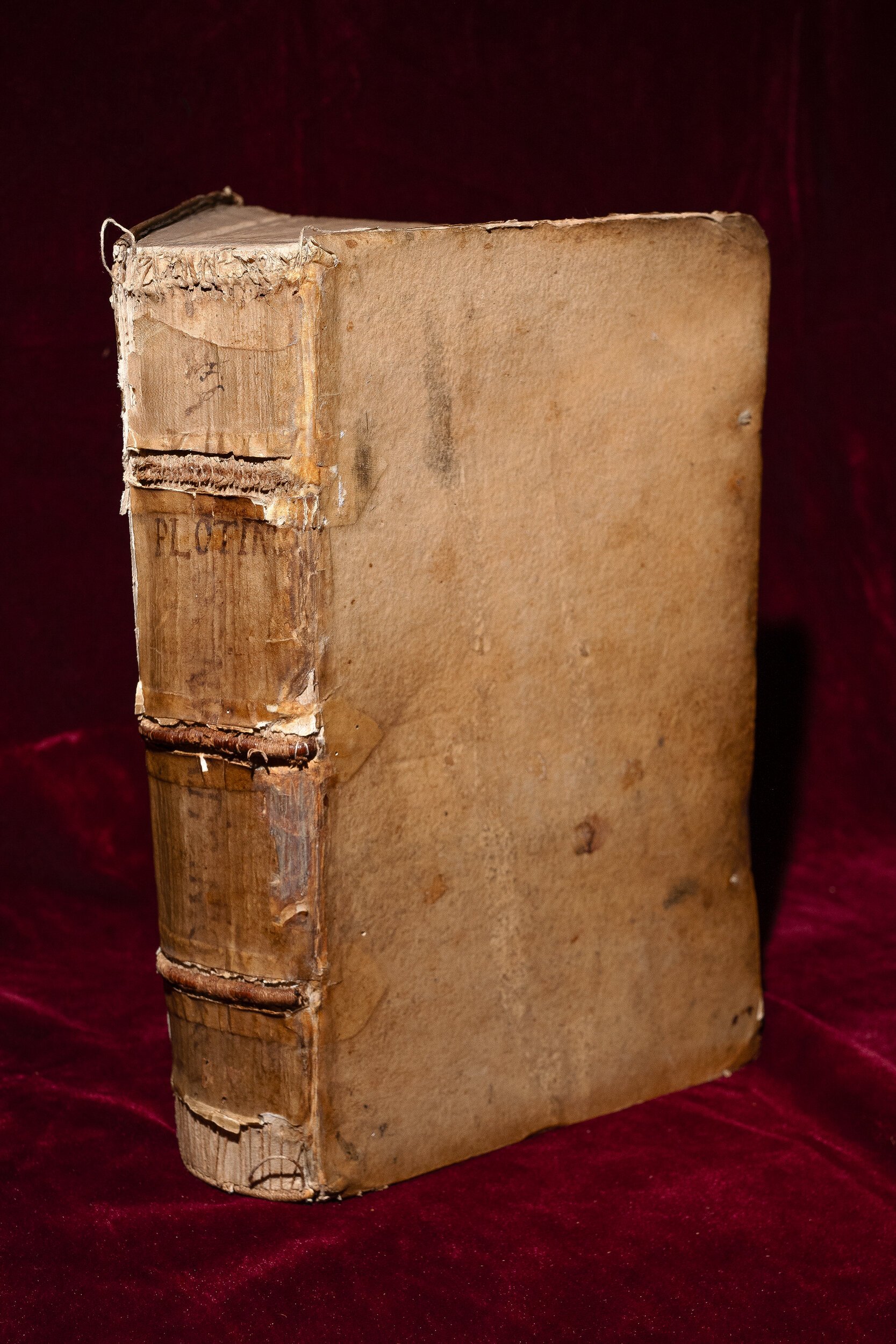 Image 28 of 30
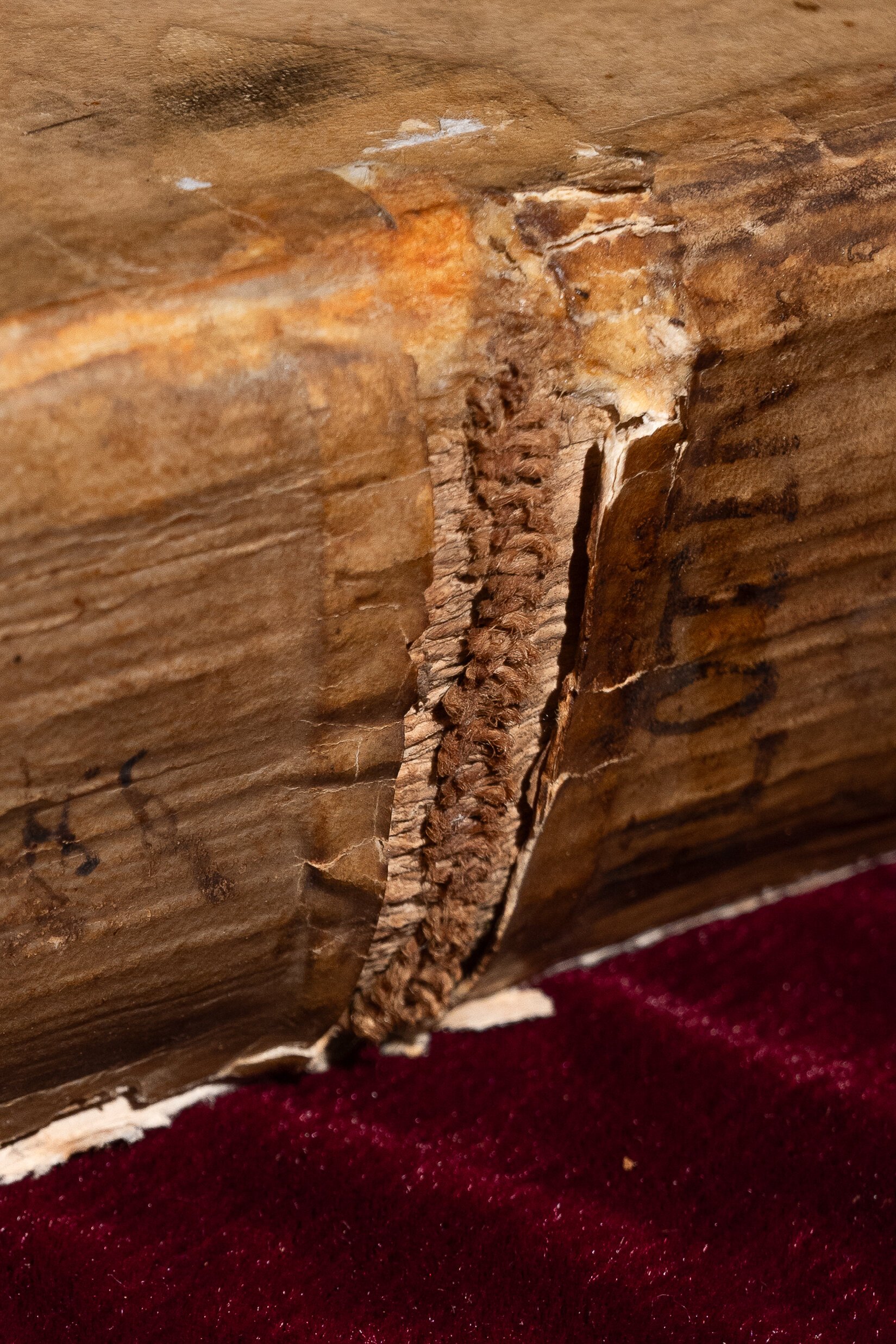 Image 29 of 30
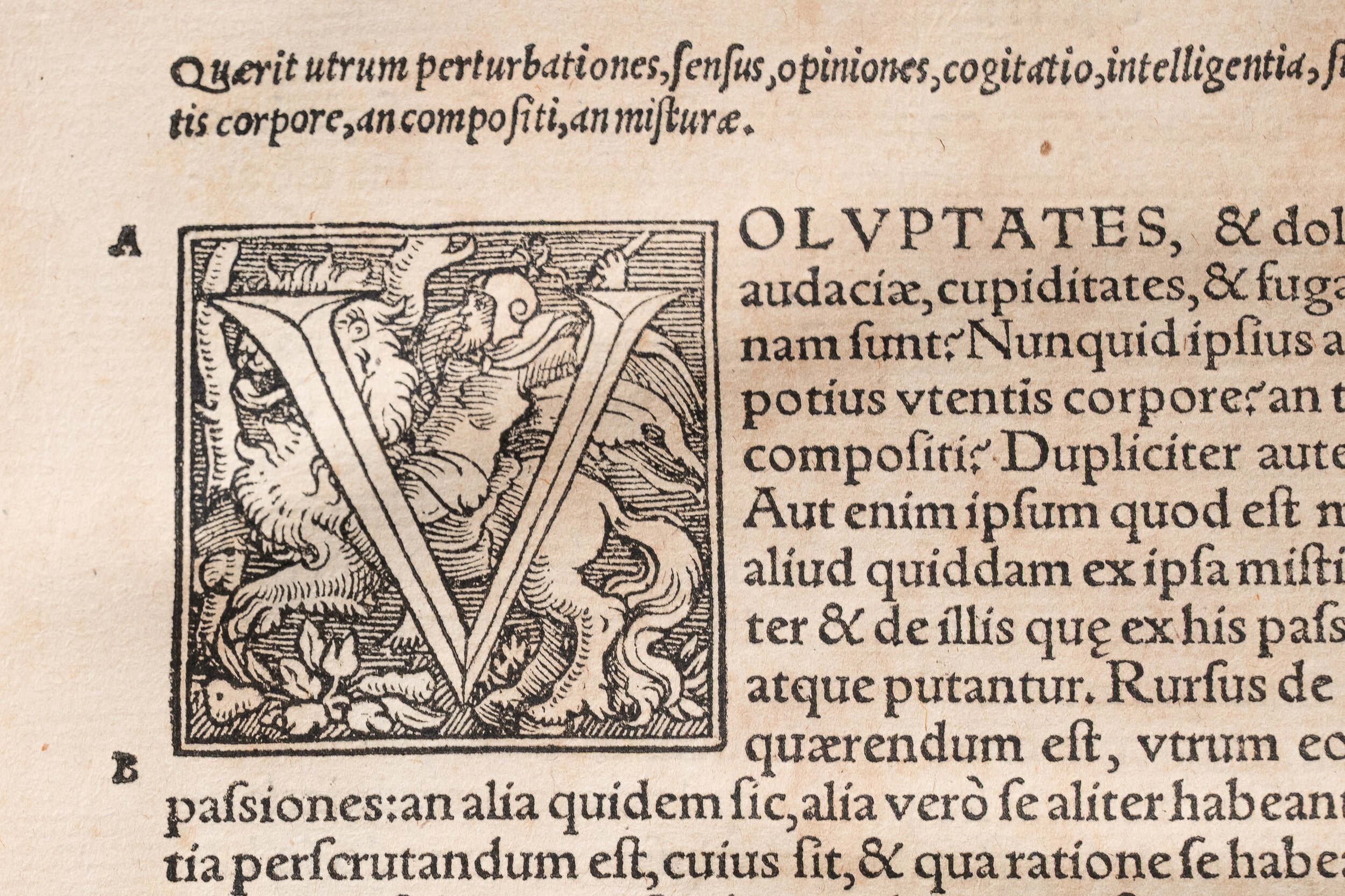 Image 30 of 30